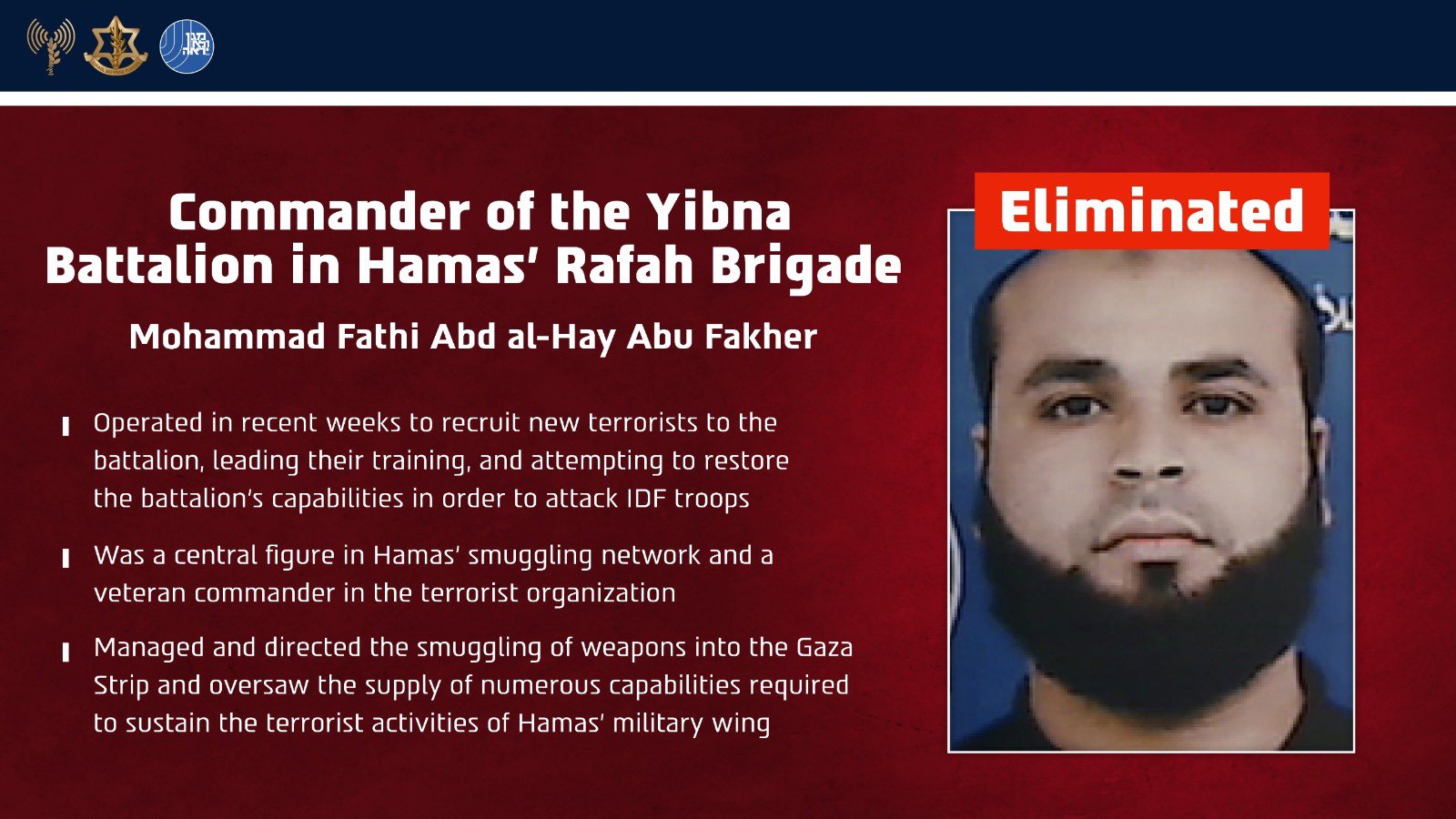
Israeli forces struck and killed Mohammad FathiAbdal-HayAbu Fakher on Monday, commander of the “Yibna” Battalion in Hamas’s Rafah Brigade.
Abu Fakher had recently been recruiting new operatives for the battalion, leading their training and attempting to rebuild the unit’s capabilities to attack IDF forces.
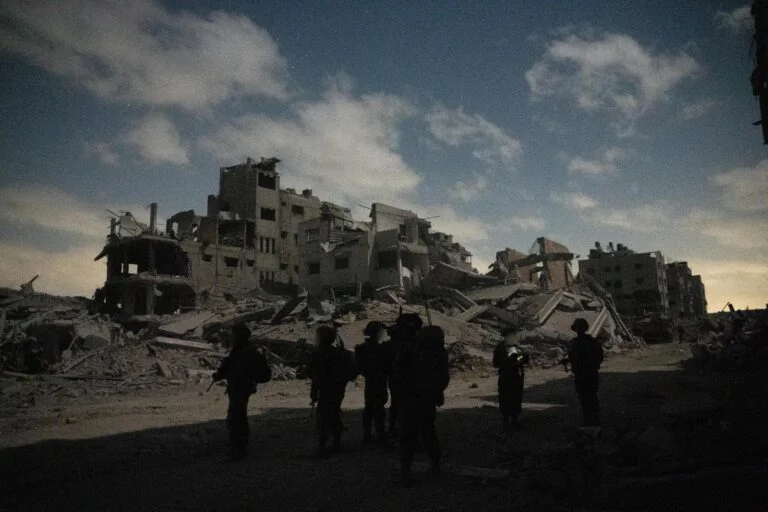
Israeli Forces in Gaza, archive footage | photo by: IDF Spokespersons Unit
Abu Fakher was a veteran Hamas commander and one of the senior figures in the military wing’s logistics division. For roughly 20 years, he was a central player in the terror organization’s smuggling operations.
In his roles, Abu Fakher managed and directed the smuggling of weapons into the Gaza Strip, and led the supply of numerous resources needed to sustain Hamas’s military wing terror activities.
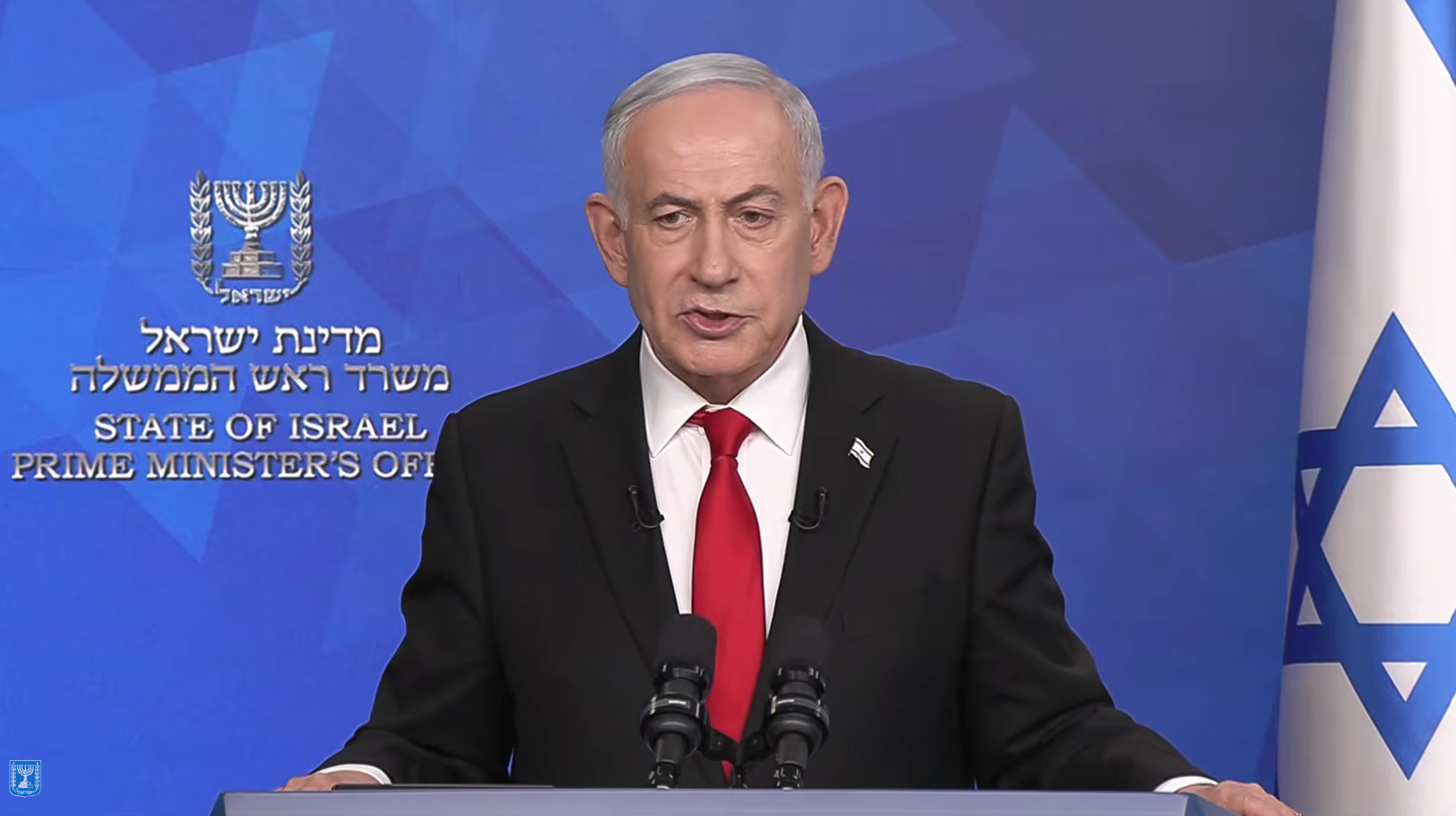
Prime Minister Benjamin Netanyahu’s decision to send a delegation to Washington stems from a desire to strengthen and coordinate Israel’s defense capabilities within a full strategic partnership with the White House. The delegation is heading out to ensure Israel’s security interests are preserved in full coordination with our ally, based on the understanding that Israel’s strength is the strength of the entire region.
Photo: C14
Israel is making clear to the world that it maintains phenomenal defense capabilities. Israel has the ability and the right to act alone to defend itself and remove any threat—whether ballistic, nuclear, or otherwise. The delegation is also expected to clarify Israel’s red lines, particularly on the nuclear issue.
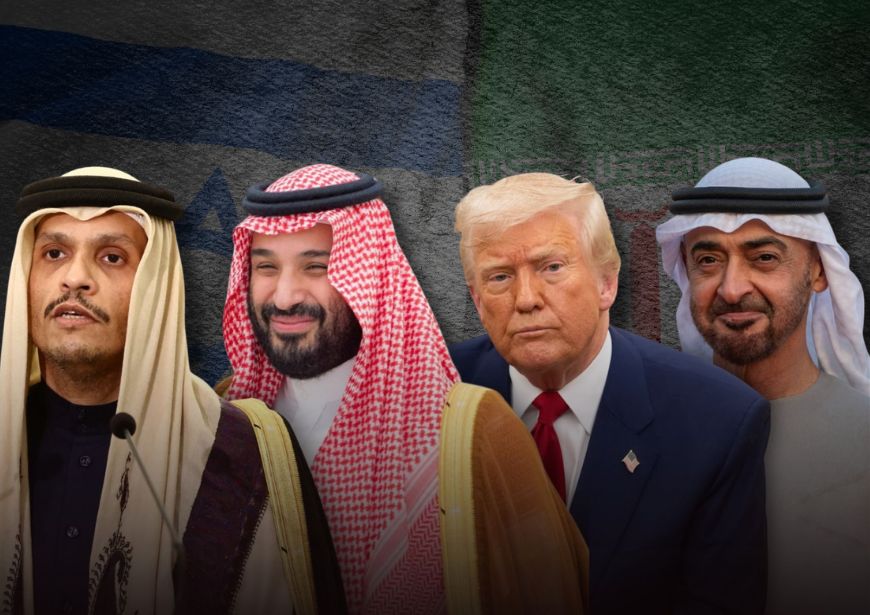
Beyond the strong alliance with the U.S., Israel is also signaling to the Gulf states—Saudi Arabia, the UAE, Bahrain, and Oman: come join us. Beneath the surface, a new concept is taking shape for establishing a regional force against the Iranians. Israel is leading this concept, reaching out to the Gulf states with a message of fateful security partnership. This isn’t about new Abraham Accords or official policy breakthroughs right now, but rather a security infrastructure that could develop into a regional “NATO” alliance.
Photo: Amos Ben Gershom, GPO
U.S. Secretary of State Marco Rubio’s visit to the Gulf last week only reinforces this trend. Middle Eastern countries understand that the Iranian threat could erupt at any moment, and they’re beginning to change their approach toward Israel as a regional leader in this struggle.
Israel is putting all its cards on the table with self-confidence and deep appreciation for its partners. It seeks to influence the understandings, preserve the partnership with the United States, and advance a broad and stable regional security framework.
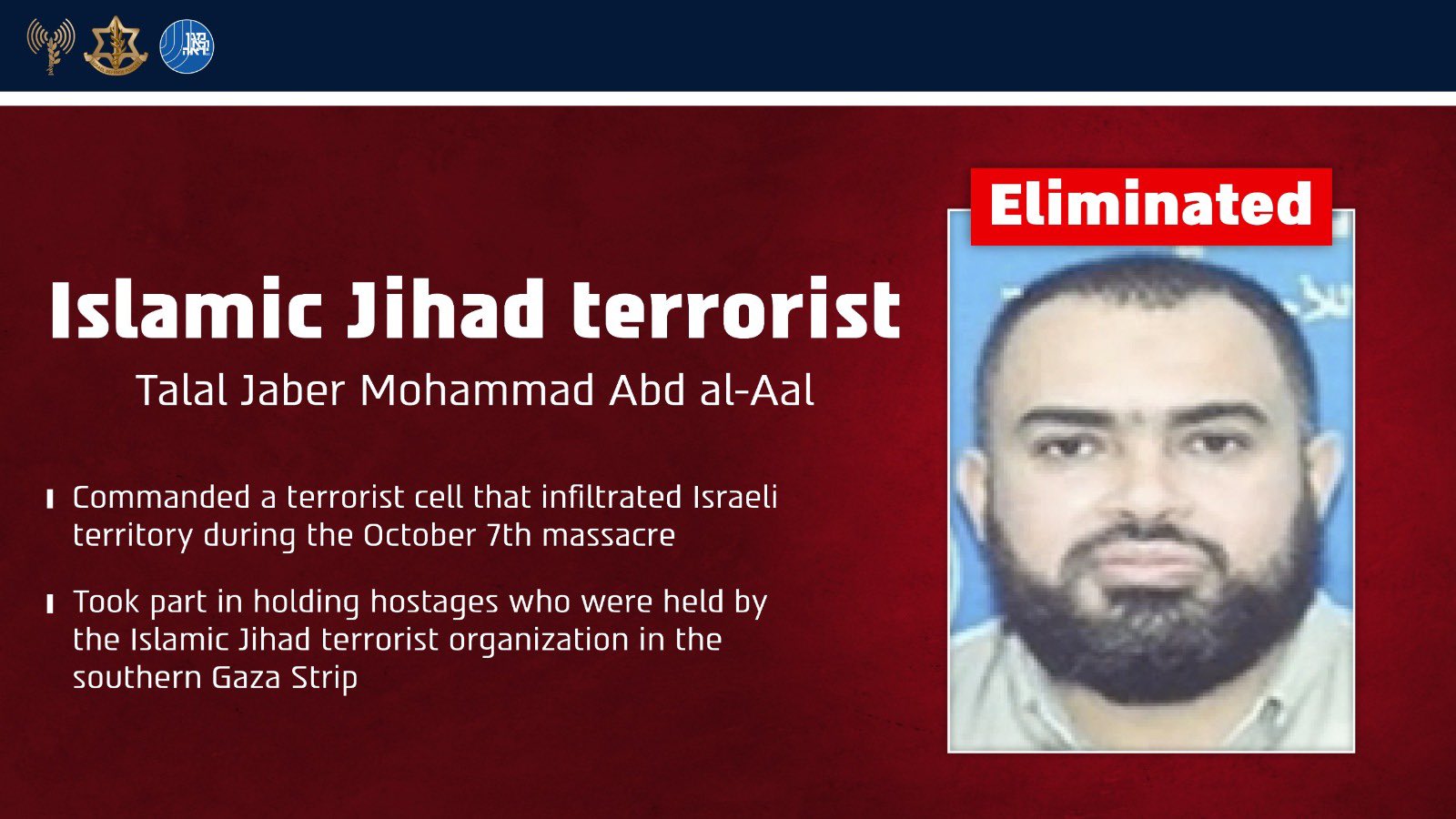
After the IDF and Shin Bet announced they had killed Talal Jaber Mohammed Abd al-Aal—a senior Islamic Jihad terrorist who ‘commanded’ a terror cell during the October 7 massacre and was involved in holding hostages—hostage survivor Rom Braslavski posted a personal response.
Photo: IDF
In his opening words, Braslavski thanked the IDF, the Shin Bet, Israel’s security forces, and the soldiers, writing: “You avenged me. Only now can I say with 100% certainty—I won.”
He went on to reveal that the terrorist who was killed was the man who held him captive and abused him for months. “This is Talal Abd al-Aal. Or as I knew him—Abu Youssef,” he wrote. According to Braslavski, this was the man who “jumped on my neck when I was malnourished,” forced him to open his mouth while his hands and feet were tied, and “spit into it.”
Braslavski added that the terrorist was the ‘commander’ of the terror cell that held him for a year, and that he was the one who gave the order “to tie up Abu Salem (me) and abuse him.” He wrote that the terrorist personally participated in the abuse and that “they almost killed me several times.” He closed with a direct message to the dead terrorist: “Remember when you told me to pass a message to the Shin Bet? That you gave them the middle finger to their drone and that you’re not afraid of them? The message was delivered. Enjoy hell, you son of a ***.”
As reported, the IDF announced earlier that Talal Jaber Mohammed Abd al-Aal was killed in a joint IDF and Shin Bet operation in southern Gaza. According to the military’s statement, the terrorist ‘commanded’ a terror cell that infiltrated Israeli territory during the October 7 massacre, was involved in holding hostages in the southern Strip, and held a series of additional roles in the Islamic Jihad terror organization.
An official U.S. peace delegation, including special envoy Steve Witkoff and President Donald Trump’s son-in-law Jared Kushner, landed today (Tuesday) in Doha, Qatar, in an attempt to advance contacts with Tehran—but ran into an especially rigid and aggressive Iranian line.
Photo: Arab Networks
Iranian Foreign Ministry spokesman Esmail Baghaei made clear his country is rejecting direct talks with the U.S. outright until $6 billion in frozen Iranian assets are unfrozen, and expanded Tehran’s diplomatic offensive to target both the International Atomic Energy Agency and America’s handling of its World Cup hosting duties.
The Doha contacts, conducted through Qatari mediation, have hit a deadlock resembling the naval blockade in the Strait of Hormuz. While the U.S. is demanding Iran first prove it deserves the funds unfrozen, Tehran is digging in. Foreign Ministry spokesman Esmail Baghaei declared at a press conference that the U.S. must first implement all provisions of the current interim agreement before any permanent deal can even be discussed, and emphasized that communication channels between the countries are based on political—not military—levels.
Photo: Shutterstock
Qatari Foreign Ministry spokesman Majed al-Ansari officially confirmed that no high-level meeting between Washington and Tehran is planned, and noted that the $6 billion in frozen Iranian funds are still being held in Qatar as intermediary.
Alongside the stalled contacts, Iran is also aiming its arrows at the UN’s gatekeepers. Baghaei issued a sharp warning to IAEA Director General Rafael Grossi, demanding he “stop making political statements and focus solely on his professional duties as head of nuclear oversight.” The remarks come against a backdrop of ongoing tensions over Iran’s enriched uranium stockpiles and its level of compliance with international commitments.
Photo: Shutterstock
The diplomatic tension spilled over unusually into the sports world as well. Baghaei accused the American administration of “politicizing the World Cup,” claiming Washington officials are acting in complete contradiction to the principles expected of a country hosting the soccer World Cup tournament. According to him, the tournament has become a political tool as part of the broader confrontation between the countries on multiple fronts.
On the security front, the Iranian spokesman addressed the rising tension in global shipping lanes and made clear that “there is no need for external interference in the Strait of Hormuz.” He warned that foreign involvement would only complicate the already tense situation in the region, which has been affected by recent threats and attacks on oil tankers.
Photo: Shutterstock
The Strait of Hormuz is considered one of the world’s most critical transportation arteries for oil shipment, and any disruption there creates immediate shockwaves in international markets and regional security. In light of these threats, sources in Qatar revealed that Doha is maintaining close security coordination with Oman—located on the western shore of the Strait of Hormuz—to ensure safe passage for civilian and commercial vessels.
Iran’s current position is an attempt to use its bargaining chips—both the de facto blockade and threat to energy routes, and the negotiations over its nuclear program—to force the Trump administration into a significant economic concession of billions of dollars even before peace talks begin.
After the Israeli government unanimously approved Foreign Minister Gideon Sa’ar’s historic proposal to recognize the Armenian Genocide, he is bringing the decision to a vote in the Knesset plenum, citing the importance of formal recognition. The vote is scheduled for next week.
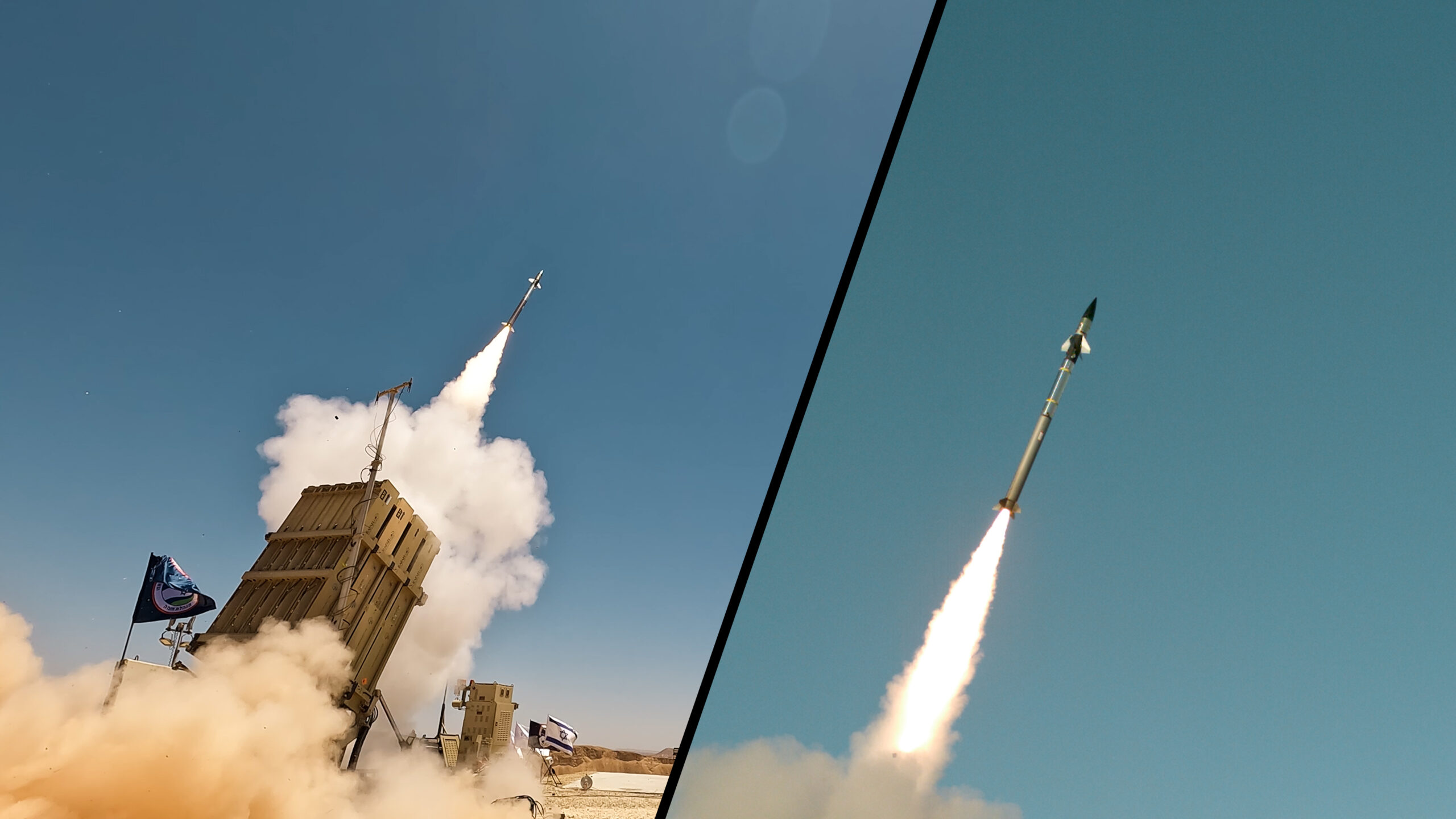
Israel’s Defense Ministry and Rafael Advanced Defense Systems completed a major round of testing for the Iron Dome air defense system, examining upgrades designed to improve interception capabilities against rockets, cruise missiles, and drones. According to the Defense Ministry, the upgrades were developed in part from operational lessons learned during the war and operations against Iran. The tests were led by the “Homa” (Wall) directorate at the Defense Ministry’s research and development arm.
Photo: Spokesperson and Public Relations Division at the Ministry of Defense
The tests examined the system’s ability to handle larger-scale barrages alongside scenarios simulating current and future threats. Defense Ministry officials said the upgrades are expected to expand air defense capabilities in the coming years.
For the first time, the tests integrated the “Iron Beam” laser system into Iron Dome’s command and control network. The system, currently being operationally deployed, is designed to serve as a complementary defense layer to Israel’s air defense array.
Photo: Spokesperson and Public Relations Division at the Ministry of Defense
Moshe Patel, head of the Homa directorate, said the upgrades were built on operational experience accumulated during the war. According to him, integrating Iron Beam into Iron Dome’s command and control system means “home front defense capabilities are reaching new heights.” He added that efforts continue to increase interceptor production rates in both Israel and the United States.
Photo: Spokesperson and Public Relations Division at the Ministry of Defense
Rafael CEO Yoav Tourgeman also addressed the test results, saying the trials examined new Iron Dome capabilities in complex scenarios, including integration of the Iron Beam laser system, which was delivered to the Israel Defense Forces (IDF) several months ago. According to him, the tested capabilities are expected to be integrated into the IDF’s air defense array and expand the defense envelope against future threats and scenarios.
The Iron Dome system has been in operational service since 2011 and serves as Israel’s primary defense layer against rockets and short-range aerial threats. According to Defense Ministry data, the system intercepted thousands of aerial threats during the war.
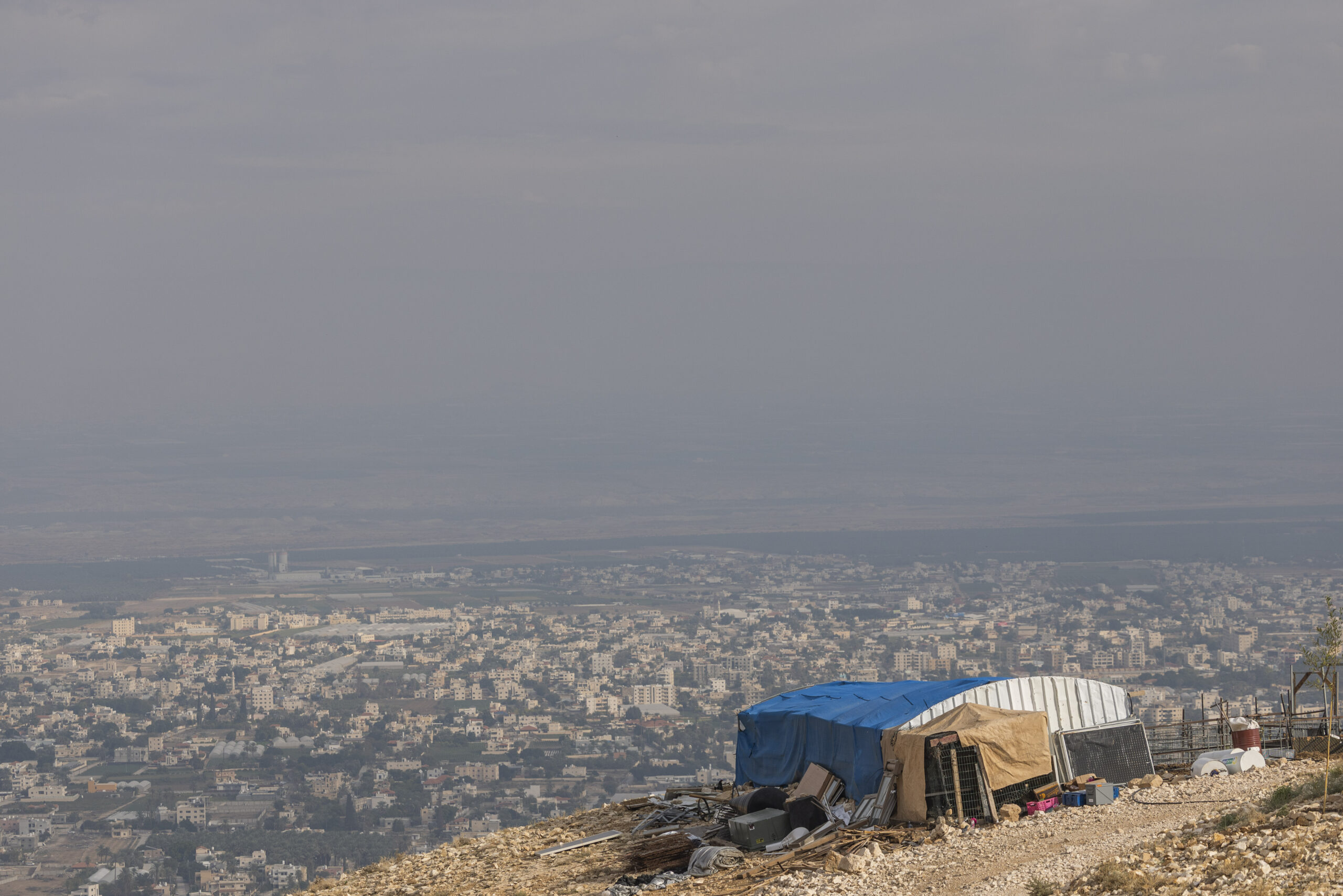
The Interior Ministry granted official status to four Judea and Samaria towns today (Tuesday), marking the final step in regularizing them as recognized communities in Israel. The move completes a years-long process for communities that had been operating without official recognition.
Photo: Chaim Goldberg, Flash90
The Towns that received recognition:
Asif (Nofei Nehemia): In the Samaria Regional Council, established 24 years ago as a neighborhood of Rechelim.
Malachei HaShalom: In the Mateh Binyamin Regional Council, established 11 years ago and declared a settlement in February 2023.
Aviya (Shadma): In the Gush Etzion Regional Council, declared a community in December 2025.
Yitav: In the Jordan Valley Regional Council, declared a community in December 2025.
The decision came after staff work by the Civil Administration and in the Defense Ministry, and after Central Command chief Maj. Gen. Avi Bluth signed off on the communities’ jurisdictional boundaries.
Photo: Elia Aviv News 14
What it means: Full government recognition
This marks a critical milestone in the regularization process. With it, the towns are recognized by all government ministries, allowing them to receive essential services, including a local security coordinator position, Israel Post services, and direct water connection from Mekorot, Israel’s national water company. It’s a significant development for towns, some of which operated for years without this status and had to cope with difficult conditions while establishing themselves.
Photo: Chaim Goldberg, Flash90
Smotrich: “An answer to those who want to destroy”
Finance Minister and Religious Zionism party chairman Bezalel Smotrich welcomed the move: “This is a huge achievement and the fruit of labor by many partners.
Jewish presence in Judea and Samaria continues to grow and flourish at full strength. Against those who want to destroy the Jeiwsh towns enterprise and establish a ‘Palestinian’ state—we are building, planting, and strengthening our hold on the land of our forefathers.”
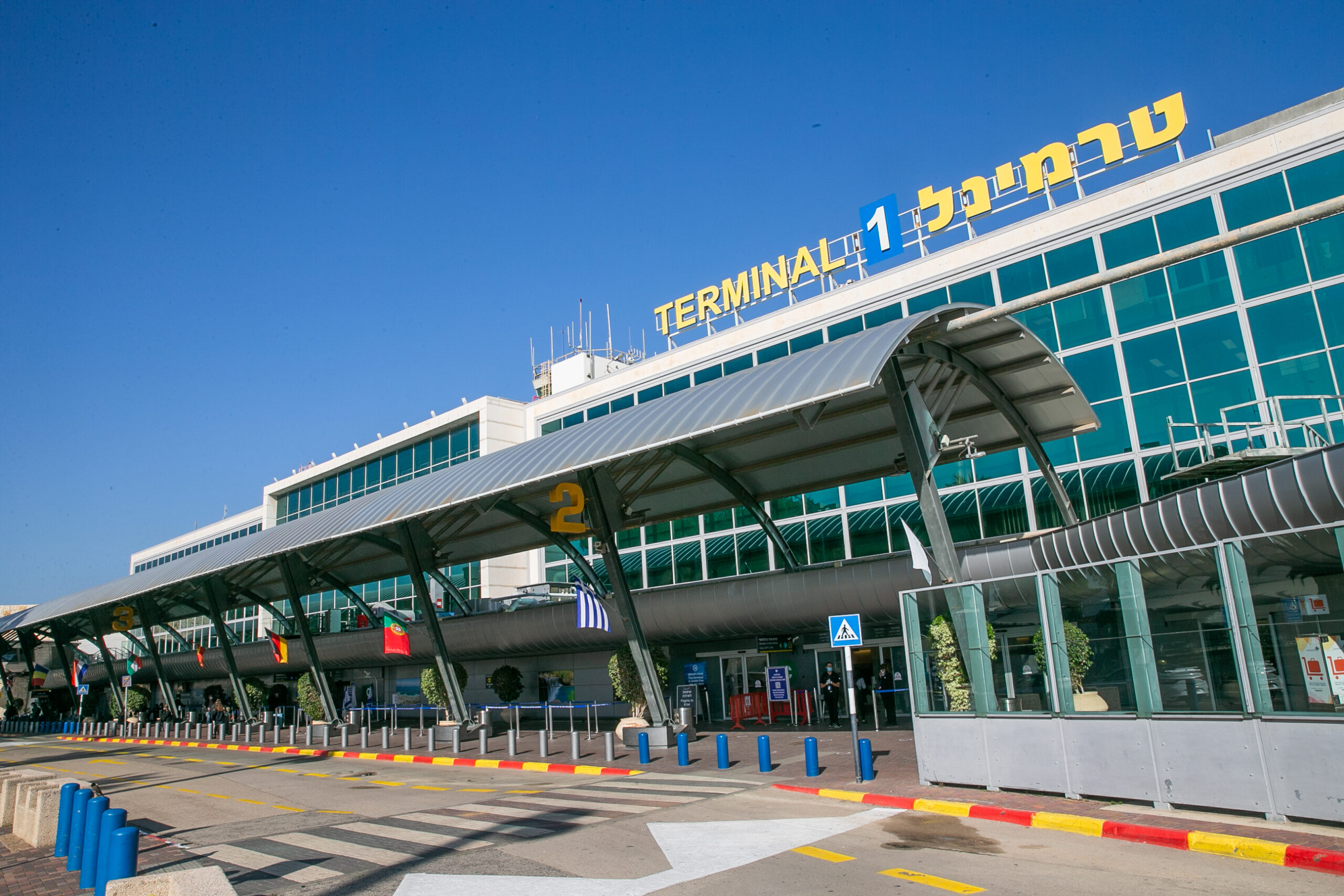
Terminal 1 at Ben Gurion Airport is set to resume international operations tomorrow (Wednesday) after being closed since the start of the war due to changes in Israel’s aviation activity.
Photo: Airports Authority
The reopening comes after domestic operations resumed from the terminal yesterday with the return of flights to Eilat. International flights are expected to restart tomorrow. In the first phase, starting July 1, four airlines will operate international flights from Terminal 1 according to established criteria—the three Israeli carriers and Wizz Air.
If the planned flight schedule holds, Georgian Airways is expected to join in August, bringing the number of airlines operating from the terminal to five. In September, Transavia is expected to join if it resumes flights to Israel, raising the number of airlines operating from Terminal 1 to six.
Alongside international flights, the Israeli carriers are expected to continue operating most domestic flights to Ramon Airport in Eilat from Terminal 1. According to estimates, with operations resuming, Terminal 1 is expected to handle up to 9,000 passengers per day—about 200,000 passengers per month.
Photo: Shutterstock
Meanwhile, up to 20 American aircraft are expected to depart Ben Gurion today to free up parking space for airlines, in order to prevent flight cancellations during the expected busy summer when hundreds of thousands of passengers are scheduled to travel during the holiday season.
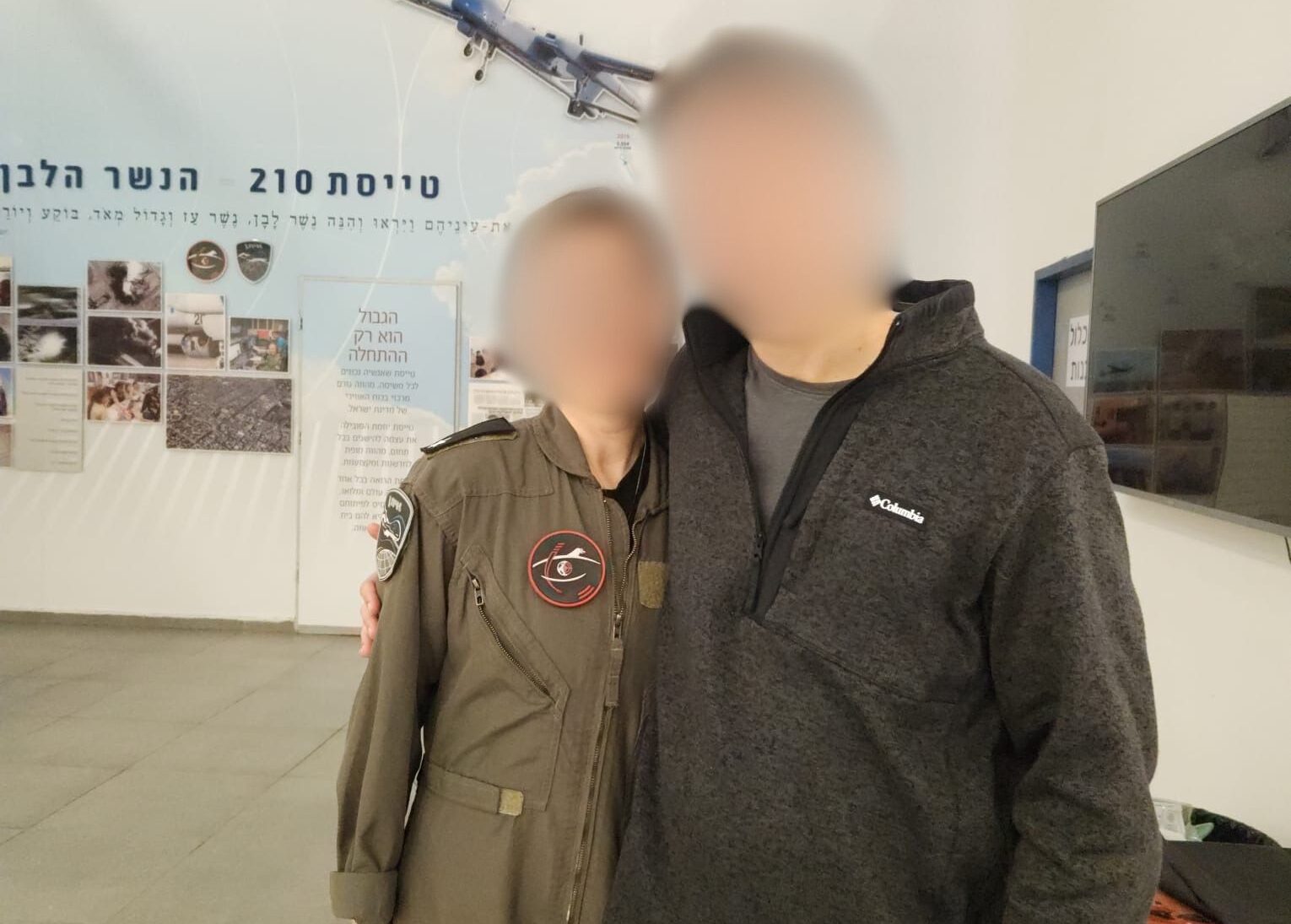
R. and T.’s story started long before the war, at a party back in 2016. They’ve been together nearly ten years now, moving through military service and civilian life side by side. R. serves as a major in the reserves with Squadron 210, and T. as a major in the reserves with Squadron 161. “We’ve been together for a decade, and this year it’ll be official,” R. tells C14. “We met when we were in different roles, moved in together in Tel Aviv, and today we’re in a different place in life. Even though we’re each stationed in different squadrons, our operational world is the same world, which creates a deep understanding that’s hard to find elsewhere.”
Photo: IDF
For outsiders, the role of drone operator can seem sterile—sitting in an air-conditioned trailer in front of screens—but the reality is far from that. T., who’s already logged over 740 reserve duty days, describes it as an impossible transition between worlds. “The point is, you enter a trailer, which is basically a door that leads us into war,” he explains. “We finish a shift, open the door, and return to routine and civilian life. That’s the biggest challenge, these transitions from one extreme to another, from the battlefield to a home front that’s carrying on as usual. The privilege is that we have each other for this understanding.”
The couple’s family challenge peaked during the war. R. was in advanced pregnancy while conducting intense operational activity, and shortly after giving birth, as tensions heated up with Iran, she found herself back in the trailer. “The moment a child entered the picture, it became much more complex,” R. shares. “We do a kind of ‘hot swap’—someone goes out to reserves, someone comes home. We made sure there was always one parent at home. When we both had to be at the squadron simultaneously, the grandparents were drafted into reserves of their own to help us.”
Photo: IDF
Though they operate in separate squadrons, sometimes their missions intersect in Gaza’s airspace. “We’ve talked to each other on the communications network during flight,” R. says about the small moments of coupledom inside the operation. “Of course, it depends on the phase of the mission, and if there’s nothing critical, but if possible, we ask for a moment how things are and move on. It’s something very unique to us, knowing the other side is there, in the same sky, understanding exactly what you’re going through in the complex moments of making fateful decisions.”
Those decisions often translate into deeply satisfying mission closures for the two. T. describes immense professional satisfaction that’s accompanied by complete secrecy in civilian life. “We recently had missions eliminating significant senior figures who were responsible for holding hostages,” he shares about the sense of mission. “No one at my civilian job knows what I did last night. People can talk next to me in the hallway about the eliminations published in the news, and I just smile to myself. Knowing we settled accounts with those who hurt us gives tremendous strength to keep going.”
Photo: IDF
The close connection with ground forces is a critical component of their service, and sometimes it becomes very personal. T. recalls meeting a family member serving as a Golani fighter, where they discovered T. had provided air cover for his unit. “He told me about a situation where they were fired on with an RPG, and he saw a terrorist aiming at him from close range, and suddenly the terrorist just exploded,” T. recounts. “In hindsight, he realized it was the air support we provided. Hearing him say ‘thank you, you saved us’—that’s the moment that clarifies the entire meaning of our service.”
In closing, T. wants to convey a message to Israeli society about the importance of awareness regarding reservists. “There’s something dangerous about the fact that the war continues within routine, and that people are getting used to reservists being absent,” he concludes. “We’ll keep coming as long as the soldiers are in the field, but it’s important that the environment continues to show understanding and doesn’t take it for granted. In the end, the fighters in the field are the real heroes, and we’re here to do everything to protect them and defend the country in every sector where we’re needed.”
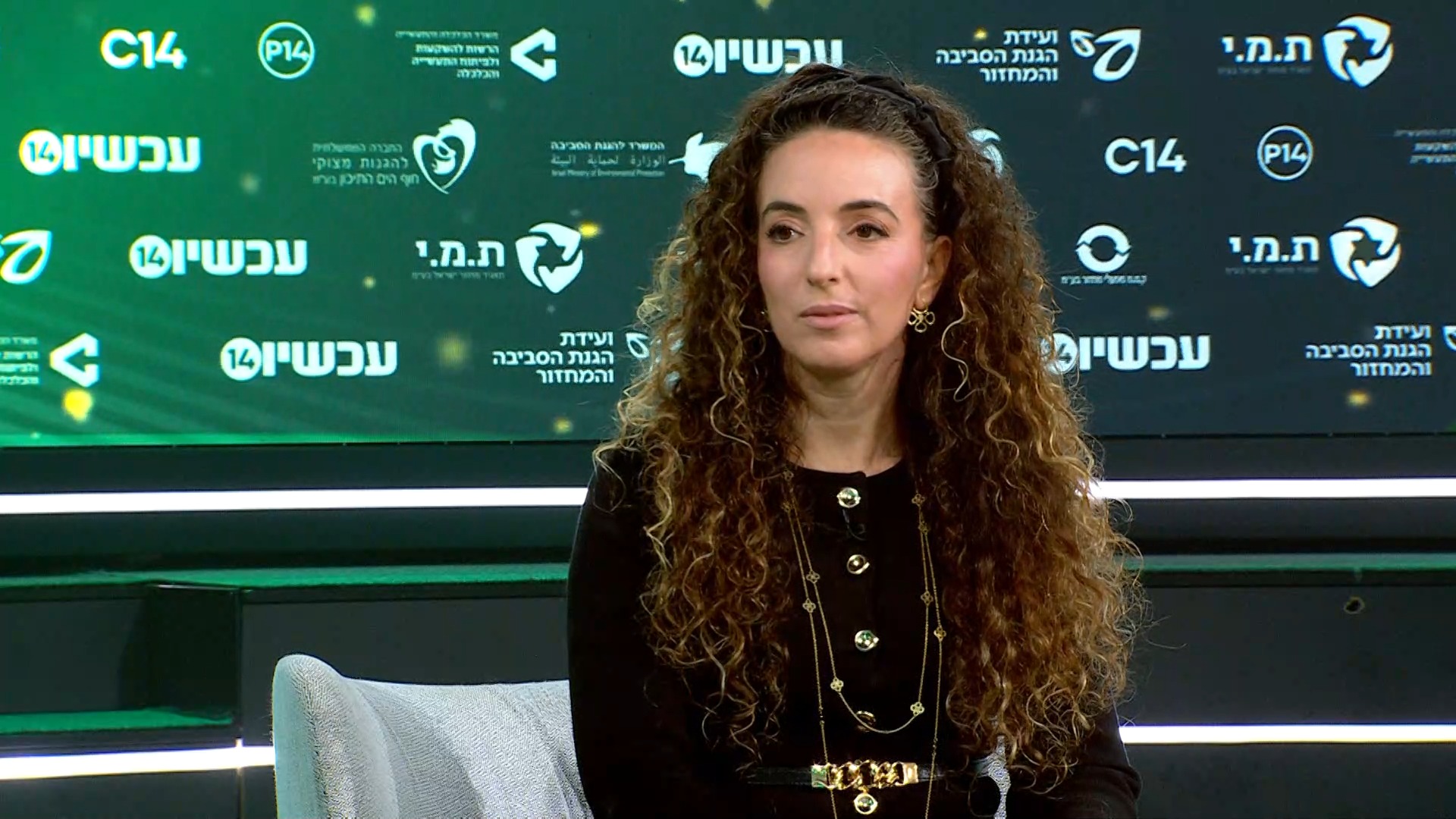
Environment Minister Idit Silman spoke today (Tuesday) at Channel 14’s Environmental Protection and Recycling Conference, detailing the dramatic transformation her ministry is leading in Israel’s waste management. She emphasized that upon taking office, she made a strategic decision to turn the Environment Ministry into a real growth engine and a leading economic-social driver for the entire economy, rather than a body that creates barriers and delays.
During her conference remarks, Silman presented the ministry’s achievements as her current term nears its end, expressing great satisfaction with meeting the ambitious goals that were set. The minister said the ministry is working decisively to take waste and turn it into a valuable resource, using the phrase “we’re taking the trash and turning it into gold” to illustrate the profound conceptual shift the entire system has undergone.
Silman also addressed the complex environmental situation in Judea and Samaria, making clear that the ministry will no longer tolerate the area becoming the country’s backyard. She stressed that the ongoing lawbreaking and illegal waste burning in the area can no longer be accepted, and that her ministry is working decisively through targeted programs to eliminate these severe hazards and protect residents’ health.