


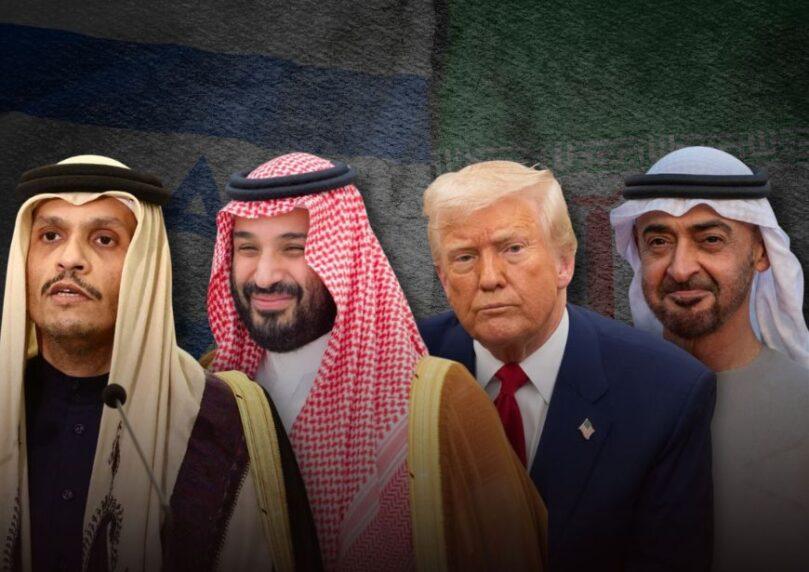

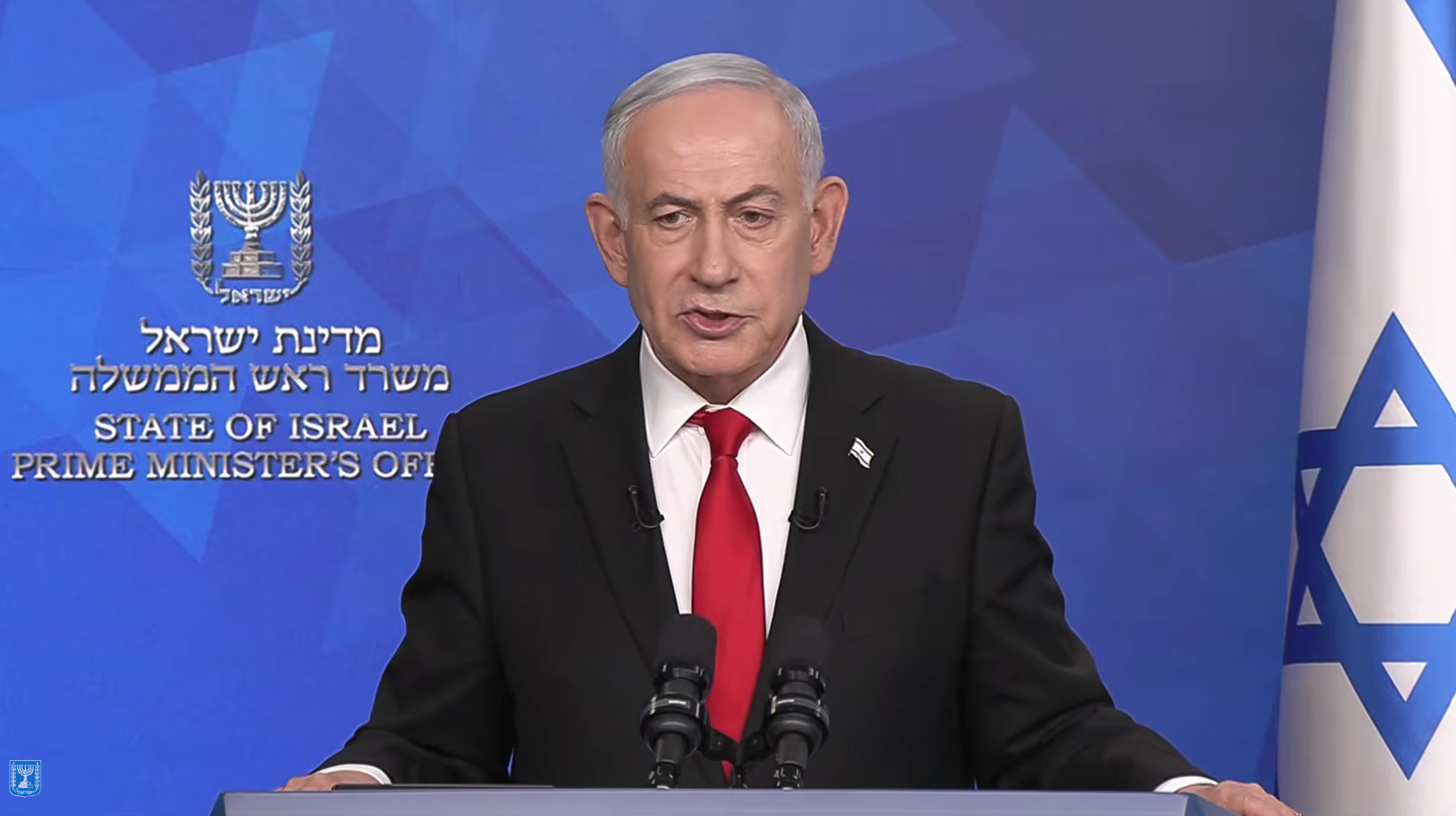
Prime Minister Benjamin Netanyahu’s decision to send a delegation to Washington stems from a desire to strengthen and coordinate Israel’s defense capabilities within a full strategic partnership with the White House. The delegation is heading out to ensure Israel’s security interests are preserved in full coordination with our ally, based on the understanding that Israel’s strength is the strength of the entire region.
 1+
Israel is making clear to the world that it maintains phenomenal defense capabilities. Israel has the ability and the right to act alone to defend itself and remove any threat—whether ballistic, nuclear, or otherwise. The delegation is also expected to clarify Israel’s red lines, particularly on the nuclear issue.
Beyond the strong alliance with the U.S., Israel is also signaling to the Gulf states—Saudi Arabia, the UAE, Bahrain, and Oman: come join us. Beneath the surface, a new concept is taking shape for establishing a regional force against the Iranians. Israel is leading this concept, reaching out to the Gulf states with a message of fateful security partnership. This isn’t about new Abraham Accords or official policy breakthroughs right now, but rather a security infrastructure that could develop into a regional “NATO” alliance.
 1+
U.S. Secretary of State Marco Rubio’s visit to the Gulf last week only reinforces this trend. Middle Eastern countries understand that the Iranian threat could erupt at any moment, and they’re beginning to change their approach toward Israel as a regional leader in this struggle.
Israel is putting all its cards on the table with self-confidence and deep appreciation for its partners. It seeks to influence the understandings, preserve the partnership with the United States, and advance a broad and stable regional security framework.