



An official U.S. peace delegation, including special envoy Steve Witkoff and President Donald Trump’s son-in-law Jared Kushner, landed today (Tuesday) in Doha, Qatar, in an attempt to advance contacts with Tehran—but ran into an especially rigid and aggressive Iranian line.


 3+
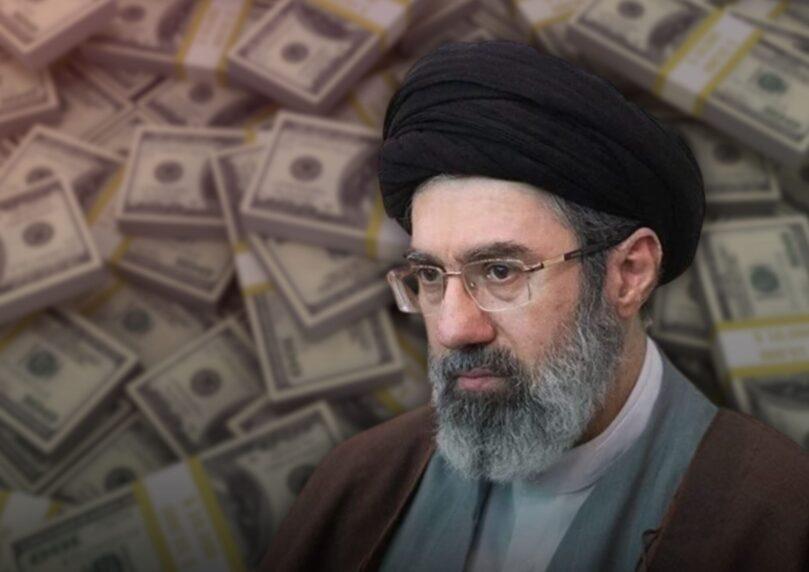
Iranian Foreign Ministry spokesman Esmail Baghaei made clear his country is rejecting direct talks with the U.S. outright until $6 billion in frozen Iranian assets are unfrozen, and expanded Tehran’s diplomatic offensive to target both the International Atomic Energy Agency and America’s handling of its World Cup hosting duties.
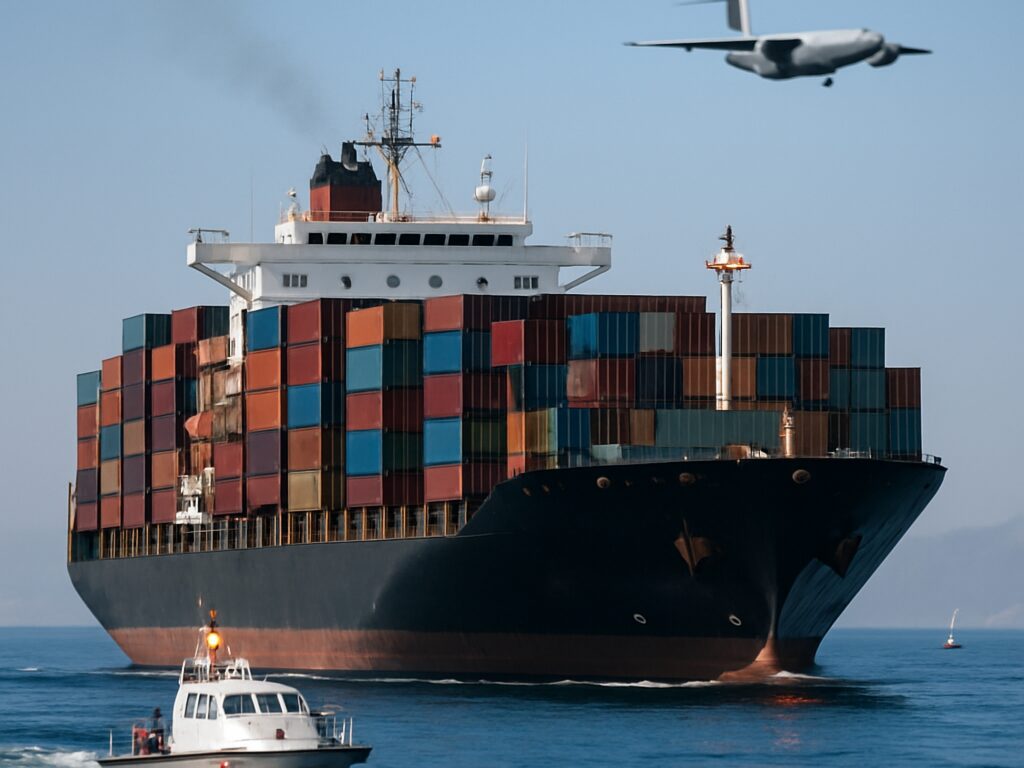
The Doha contacts, conducted through Qatari mediation, have hit a deadlock resembling the naval blockade in the Strait of Hormuz. While the U.S. is demanding Iran first prove it deserves the funds unfrozen, Tehran is digging in. Foreign Ministry spokesman Esmail Baghaei declared at a press conference that the U.S. must first implement all provisions of the current interim agreement before any permanent deal can even be discussed, and emphasized that communication channels between the countries are based on political—not military—levels.
 3+
Qatari Foreign Ministry spokesman Majed al-Ansari officially confirmed that no high-level meeting between Washington and Tehran is planned, and noted that the $6 billion in frozen Iranian funds are still being held in Qatar as intermediary.
Alongside the stalled contacts, Iran is also aiming its arrows at the UN’s gatekeepers. Baghaei issued a sharp warning to IAEA Director General Rafael Grossi, demanding he “stop making political statements and focus solely on his professional duties as head of nuclear oversight.” The remarks come against a backdrop of ongoing tensions over Iran’s enriched uranium stockpiles and its level of compliance with international commitments.
 3+
The diplomatic tension spilled over unusually into the sports world as well. Baghaei accused the American administration of “politicizing the World Cup,” claiming Washington officials are acting in complete contradiction to the principles expected of a country hosting the soccer World Cup tournament. According to him, the tournament has become a political tool as part of the broader confrontation between the countries on multiple fronts.
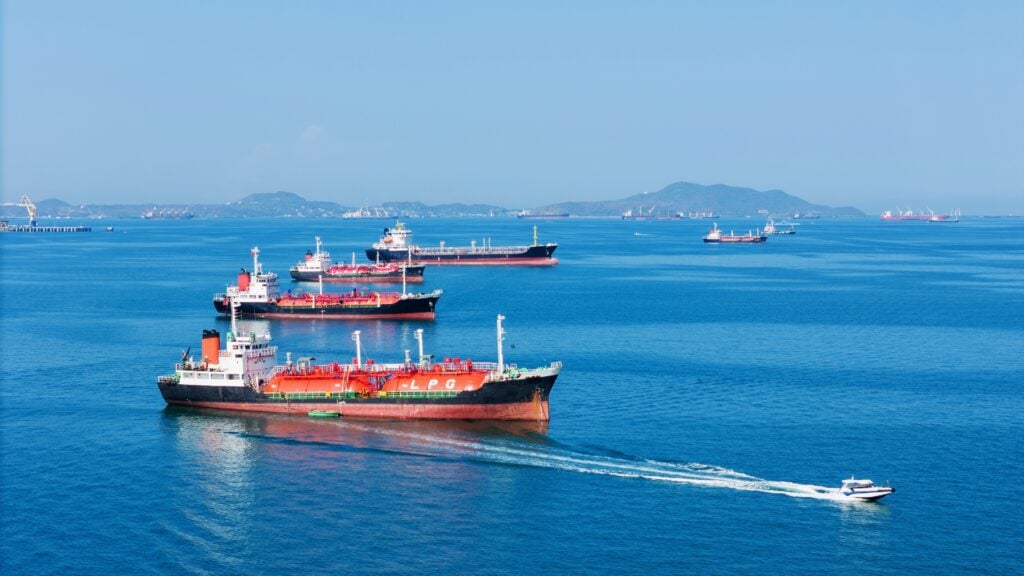
On the security front, the Iranian spokesman addressed the rising tension in global shipping lanes and made clear that “there is no need for external interference in the Strait of Hormuz.” He warned that foreign involvement would only complicate the already tense situation in the region, which has been affected by recent threats and attacks on oil tankers.
 3+
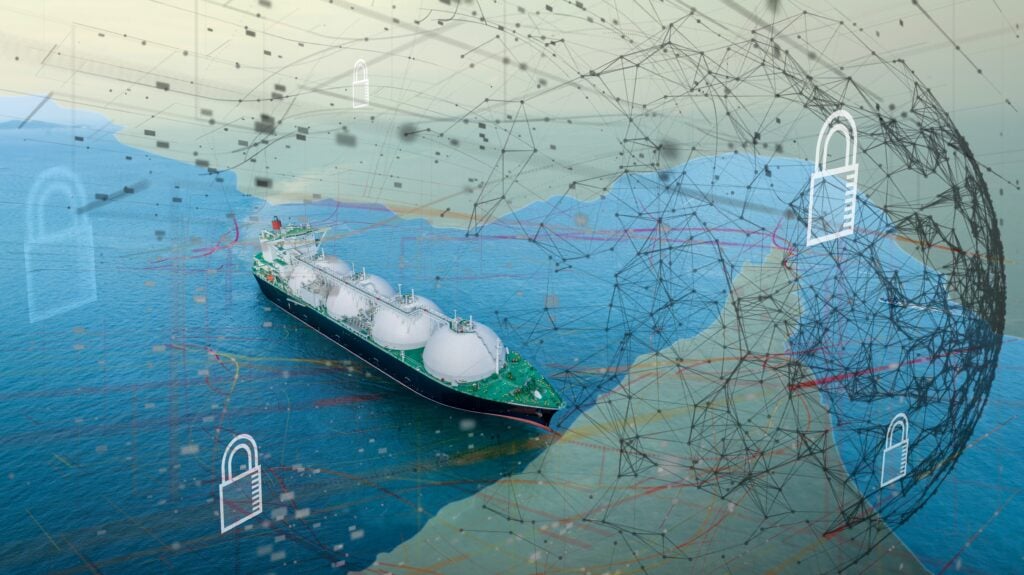
The Strait of Hormuz is considered one of the world’s most critical transportation arteries for oil shipment, and any disruption there creates immediate shockwaves in international markets and regional security. In light of these threats, sources in Qatar revealed that Doha is maintaining close security coordination with Oman—located on the western shore of the Strait of Hormuz—to ensure safe passage for civilian and commercial vessels.
Iran’s current position is an attempt to use its bargaining chips—both the de facto blockade and threat to energy routes, and the negotiations over its nuclear program—to force the Trump administration into a significant economic concession of billions of dollars even before peace talks begin.