The government approved Monday the extension of the special home front status declaration, which will remain in effect until July 14, 2026. The decision comes against the backdrop of security assessments pointing to continued uncertainty and ongoing fighting against Hezbollah in Lebanon, despite the agreements reached on June 26.
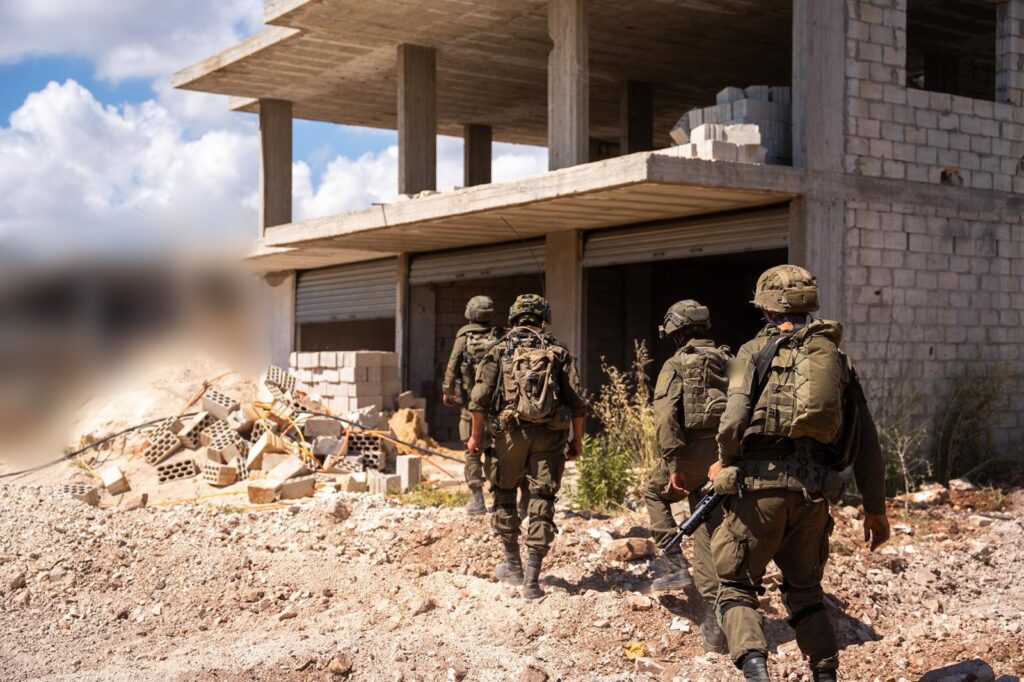
Israeli forces in Southern Lebanon | Photo by: IDF Spokespersons unit
What the Declaration Means for Civilians
The declaration gives the IDF, specifically the Home Front Command, authority to impose defensive guidelines on the population. These include requirements to stay near protected spaces, take precautionary measures, restrictions on educational activities, and directives for auxiliary bodies.
Security officials emphasized that the guidelines and restrictions imposed on the public are reviewed by professional authorities. If there’s a significant change in security circumstances, the government will consider canceling the declaration or limiting it to specific geographic areas only.
As of now, there are no new Home Front Command guidelines, but that could change depending on developments. Alongside the security aspects, the economic impact of the declaration on the economy was also examined. Official sources noted that the economic implications are complex to assess, and at this stage, as long as the guidelines remain in effect, no clear-cut impact can be identified.
Israeli forces eliminated Ismail Masri last Tuesday, who served as the military security chief for Hamas’s Rafah Brigade. Masri was considered a senior and central figure in the terror organization’s apparatus in the southern Gaza Strip, and was responsible for advancing operations designed to directly harm the operational freedom of IDF forces operating in Gaza, the IDF Spokesperson announced Monday.
Photo: Flash90
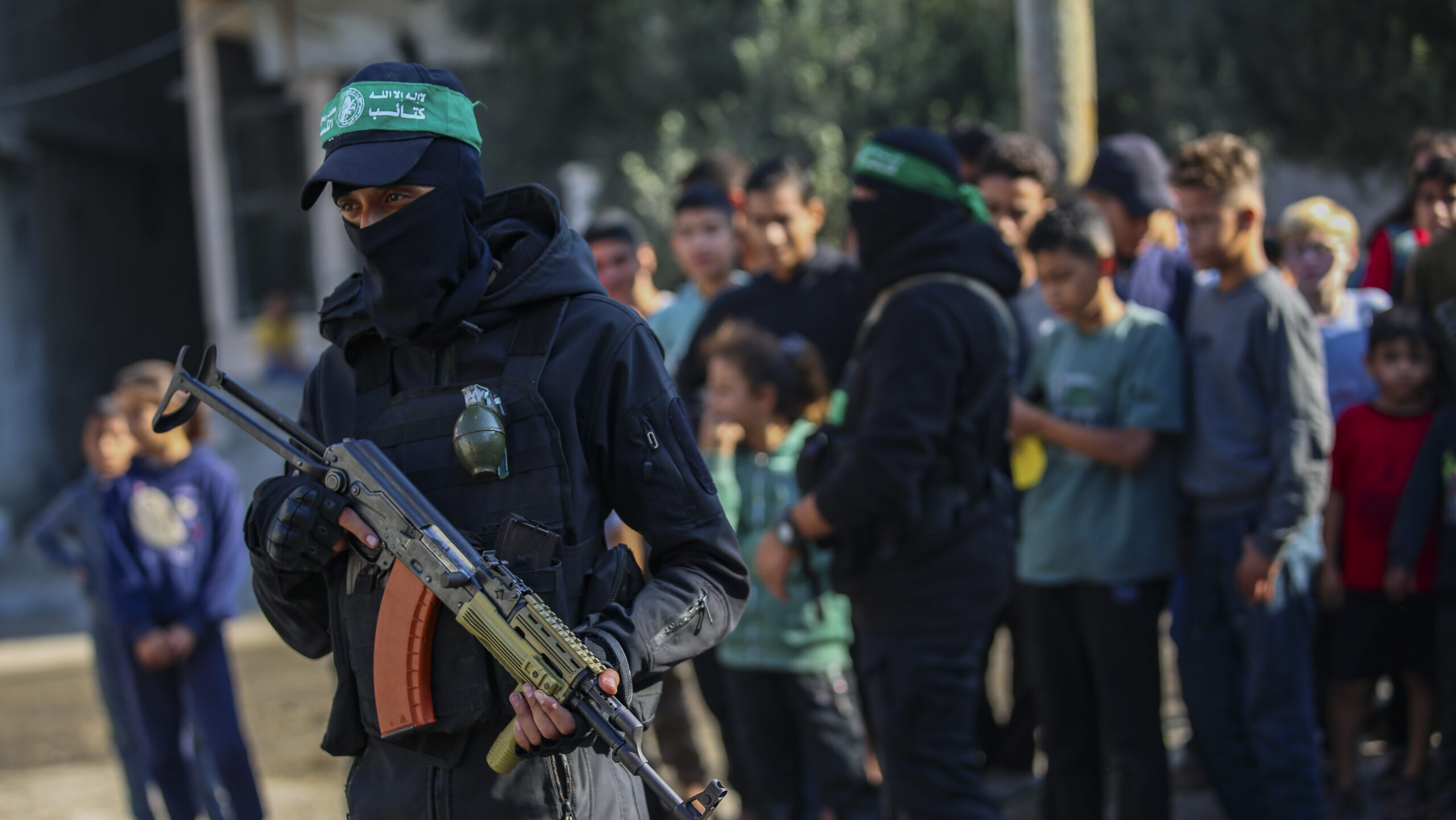
During the war, Masri coordinated the security and counterintelligence domains in the Rafah Brigade sector. As part of his role, he actively worked to rehabilitate and strengthen Hamas’s military security apparatus, intending to attack IDF soldiers and disrupt their operations in the area.
Earlier today, the IDF and Shin Bet announced that in a strike carried out Saturday in central Gaza, three commanders in Hamas’s naval police were killed, including the commander of the naval police for the central camps, Mansour Sami Mahmoud Shahatit.
Photo: Flash90
The IDF noted that the three terrorists were traveling in a vehicle while armed with combat equipment, posing a threat to forces deployed in the field. Following this, the strike was carried out, eliminating all three.
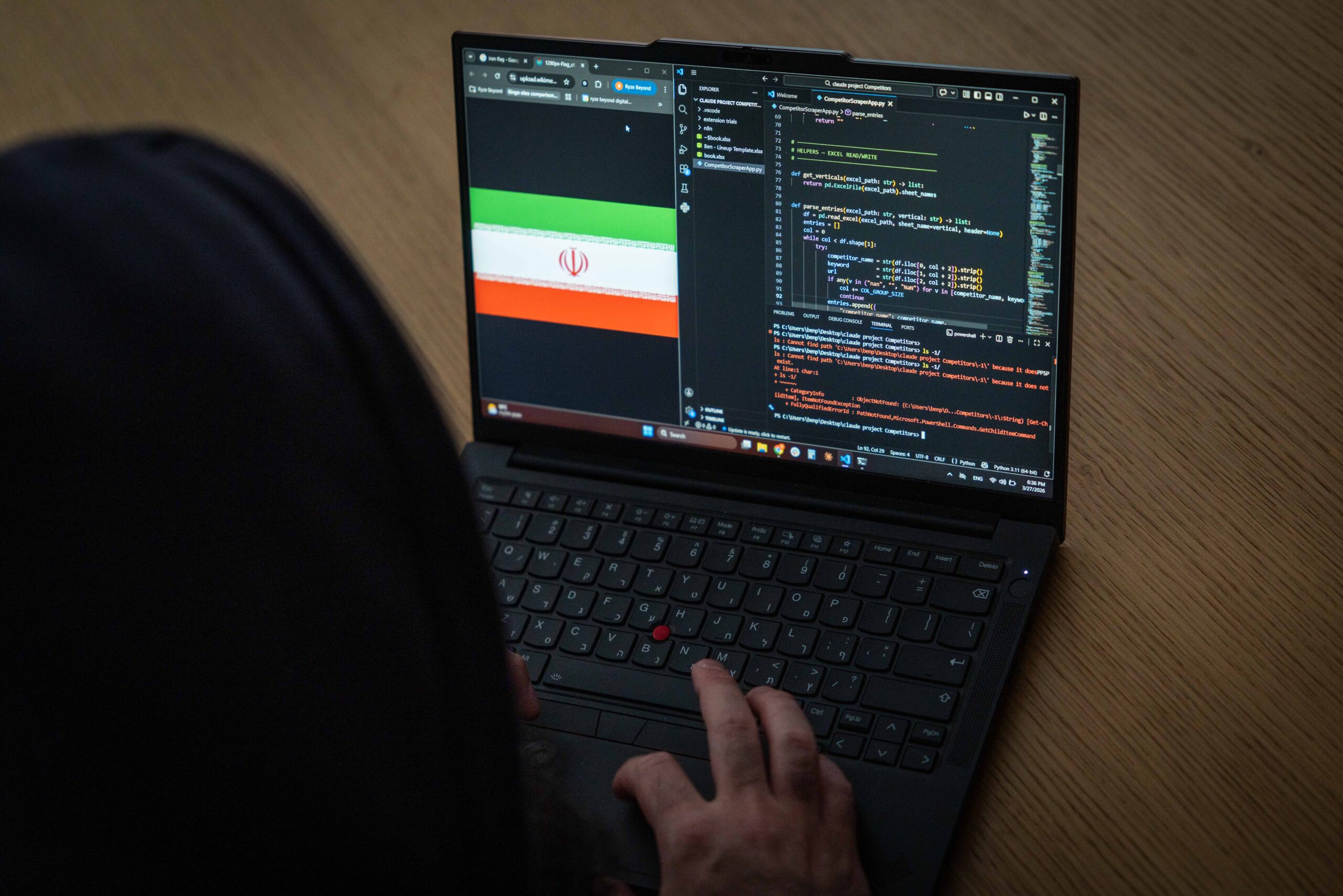
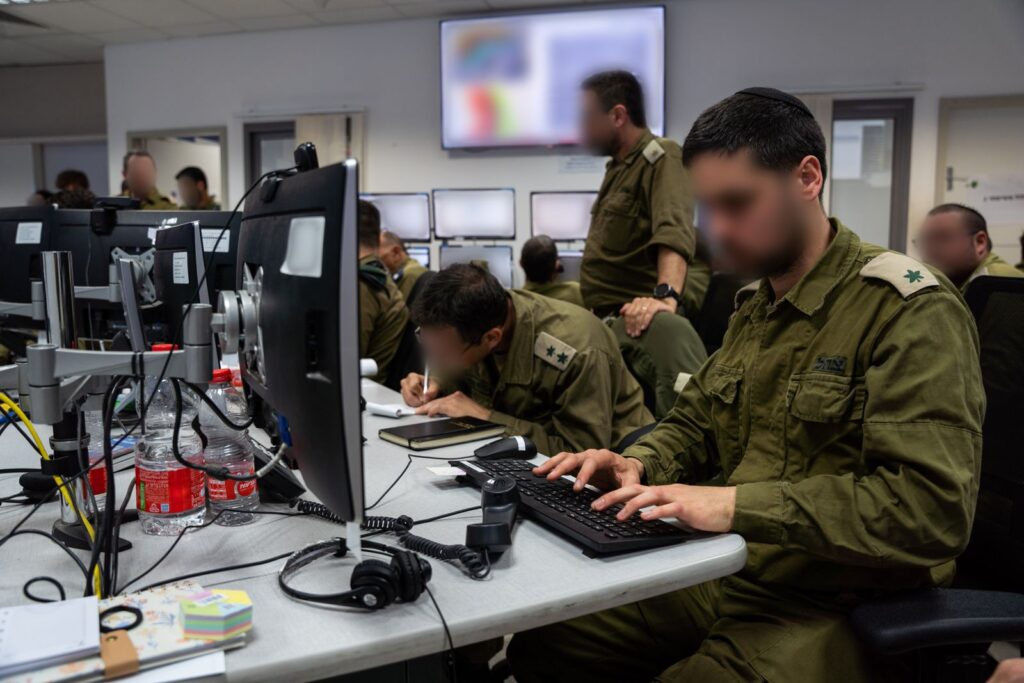
The number of Iranian cyberattacks against Israeli targets has surged dramatically since the start of the joint U.S.-Israeli offensive against Iran this year, according to a senior Israeli security official in an interview published Monday in the German newspaper Die Welt. Yossi Karadi, director of Israel’s National Cyber Directorate, said that while authorities recorded around 1,600 hostile cyber incidents in January 2025 during Israel’s military operations against Iran, the number tripled to approximately 4,800 incidents in the current month of June.
Photo by: Shutterstock
“Some of these hacker groups are highly skilled,” Karadi noted, adding: “We are able to deal with them, but we must take them very seriously. Unlike the kinetic arena, in cyberspace there is no such thing as a ceasefire.”
According to Karadi, these computer attacks are directly targeting systems used by Israel’s critical infrastructure, major organizations, small and medium-sized businesses, and the general public. Among the smaller targets hit, the cyber chief listed law firms and accounting firms.
Karadi emphasized that so far, national defense systems have managed to block attempts to damage the core of the state’s infrastructure. “As of now—and we hope it stays that way—we have succeeded in repelling attacks on critical infrastructure,” he said. However, he noted that companies and organizations with weaker defenses that were breached easily ended the incident with their computer systems completely wiped out by the attackers. Karadi declined to name the specific companies affected during the current wave.
Meanwhile, the Iranian regime routinely and officially denies any involvement in conducting campaigns or pirate attacks against other countries, even as Tehran repeatedly reports extensive cyberattacks being carried out against its own government systems and infrastructure.
As a reminder, last week a Telegram channel associated with Iran’s Revolutionary Guards intelligence organization revealed dramatic details about the fate of Yahya Hosseini Panjaki, commander of the “Handala” cyber unit. According to the publication, Panjaki was killed in a targeted strike—attributed by assessments to Israel—during the last round of fighting on Iranian soil. This is the first time Iranian sources have publicly confirmed Panjaki’s senior role and the fact that he is no longer alive.
The Foreign Ministry’s appointments committee, headed by Foreign Minister Gideon Sa’ar, approved Sunday the appointment of Ruth Cohen-Dar as Israel’s first resident ambassador to Slovenia—marking the first time Israel will operate a physical embassy in the country.
Photo by: Jonathan Sindel/Flash90
Cohen-Dar has until now served as Israel’s non-resident ambassador to Slovenia and Malta, visiting Slovenia only occasionally. According to Sa’ar, the appointment is part of a broader strategic move to open a permanent Israeli embassy in Ljubljana, Slovenia’s capital.
Cohen-Dar previously headed the Foreign Ministry’s department for combating antisemitism and preserving Holocaust memory, and during her diplomatic service was posted to Israel’s embassies in Washington, Vienna, and Warsaw. The decision to establish the embassy comes after years of low points in Israel-Slovenia relations, Sa’ar noted, and follows the formation of a new government in Ljubljana led by Janez Janša, considered a friend of Israel.
Slovenia’s New PM, Janez Janša | photo by: Shutterstock
The Slovenian prime minister welcomed the announcement, writing on X: “Welcome to Ljubljana. Looking forward to a new era in Israel-Slovenia relations.” The Foreign Ministry is now working to establish the embassy as soon as possible, and the appointment will be brought before the ministerial committee for foreign service appointments and the full cabinet for approval.
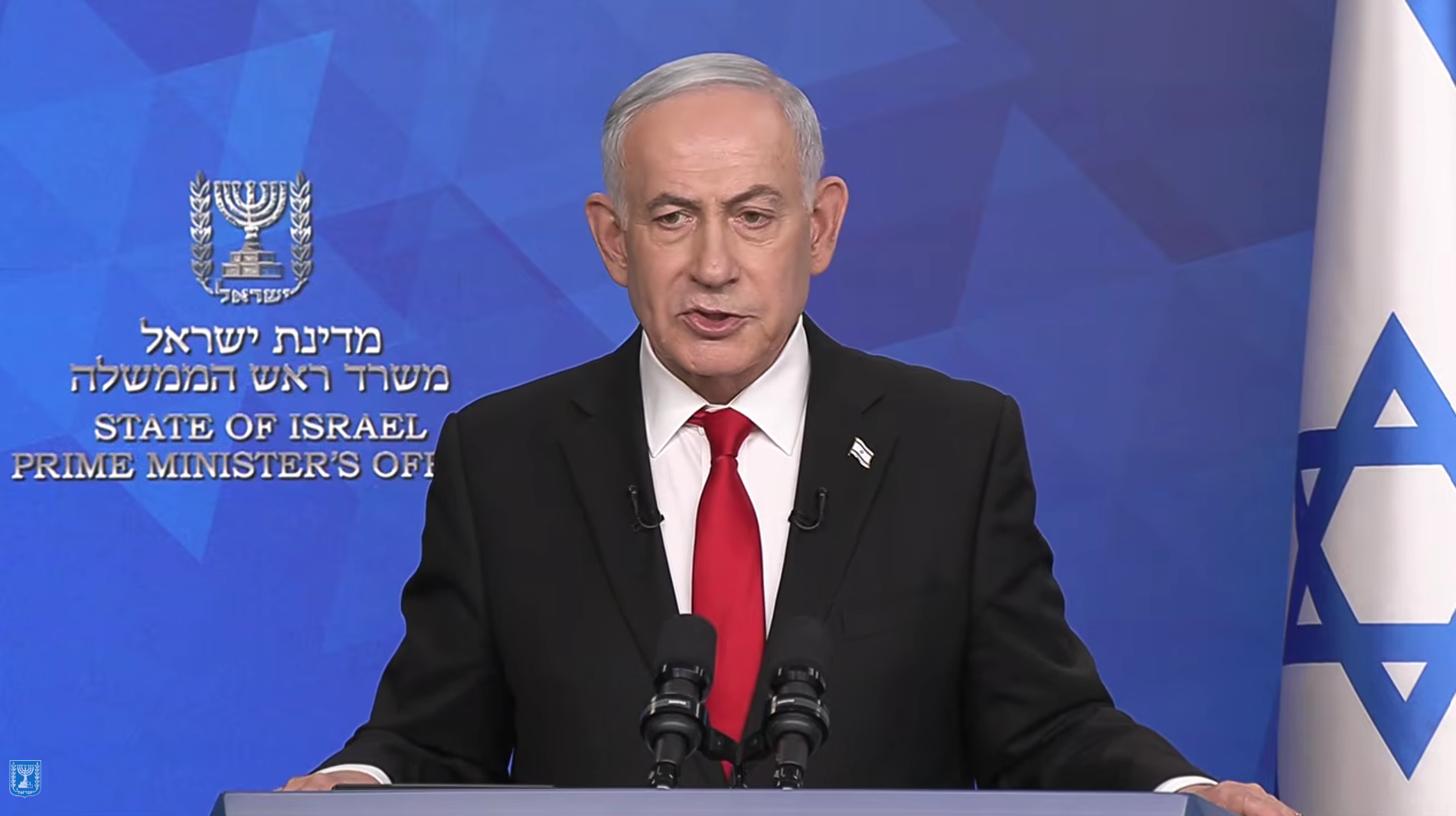
Prime Minister Benjamin Netanyahu called last night for an end to boycotts as a path to internal consensus in Israeli society. The statement is being read as a strategic move to pave the way for a broad national government while projecting a message of reconciliation and centrism.
Analyst Shlomo Filber broke down Netanyahu’s surprising shift, explaining that the prime minister is trying to present a vision of unity instead of the polarization that has defined Israeli politics in recent years—an attempt to reshape the public conversation around his leadership.
The 37th Israeli Government in the President’s residence | Photo by: Avi Ohayon/GPO
Behind the words lies a calculated strategy aimed at a specific target audience, Filber says. In the center of the political map sits a significant bloc of five to seven seats—voters who want Netanyahu as prime minister but are turned off by Likud’s current lineup. Netanyahu sees this potential as the factor that could decide the entire race, and he’s tailoring his message precisely to those voters looking for a familiar leadership figure but repelled by the extremism attributed to his party.
To execute the move, Filber estimates Netanyahu will work to change Likud’s face by protecting spots for more moderate figures who will be “easier to digest” for centrist voters. Netanyahu is willing to risk losing votes from Likud’s right flank to the parties of Smotrich or Ben-Gvir, understanding that those votes stay within the bloc anyway. The ultimate goal is expanding the entire bloc and creating renewed legitimacy that will allow him to form a stable, broad government after the election.
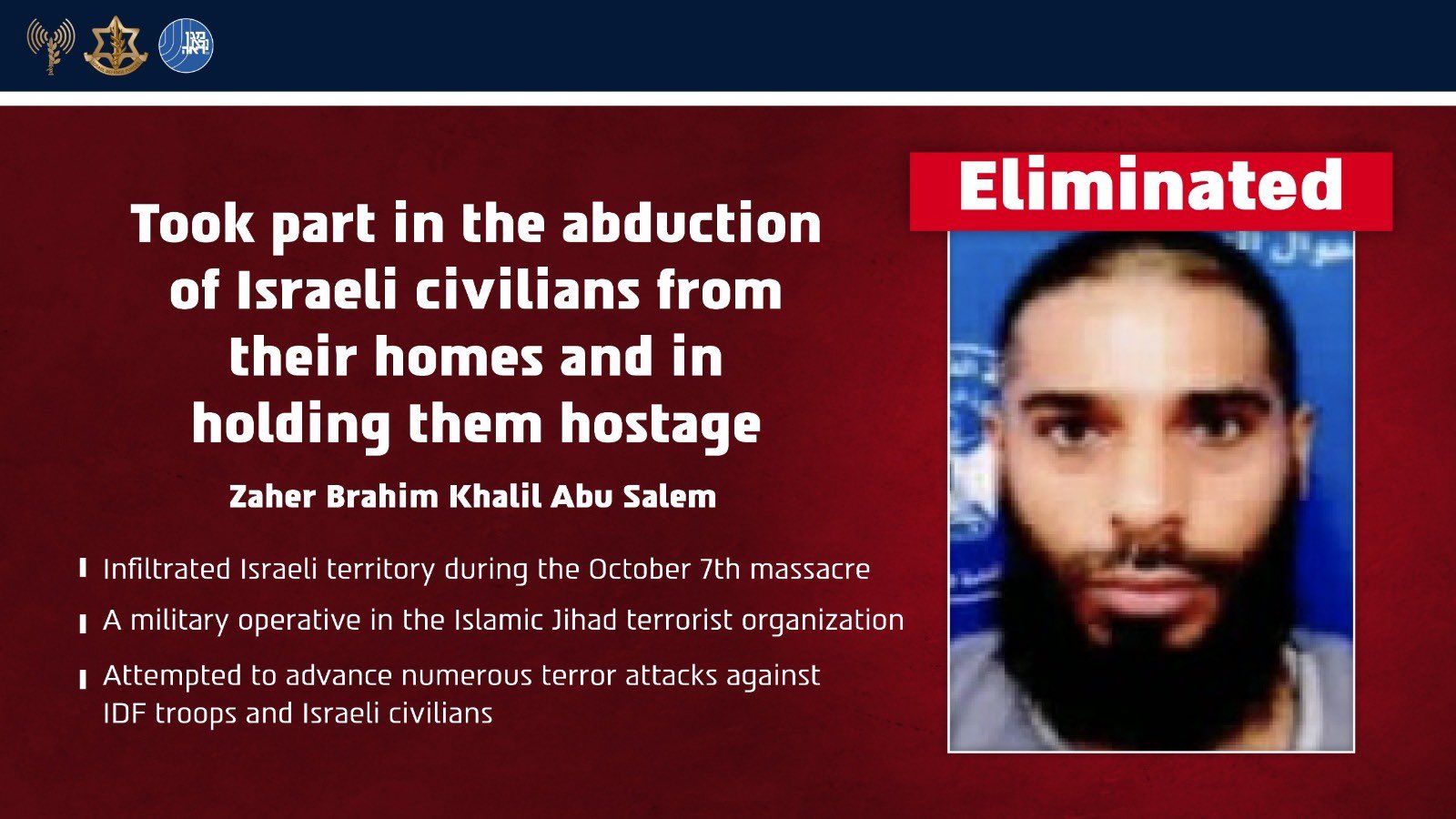
Israeli forces struck northern Gaza on Sunday and killed Zaher Brahim Khalil Abu Salem, a terrorist from the ‘Palestinian’ Islamic Jihad (PIJ) who infiltrated Israel during the October 7 massacre.
IDF Forces in Gaza, Archive footage | Photo by: IDF Spokespersons Unit
Abu Salem took part in kidnapping Israeli civilians from their homes and holding them captive. Throughout the war and in recent weeks, Abu Salem tried to advance multiple terror plots against IDF forces and Israeli civilians. He posed a threat to Israeli forces operating in Gaza and was killed in an airstrike.
Photo by: IDF Spokespersons Unit
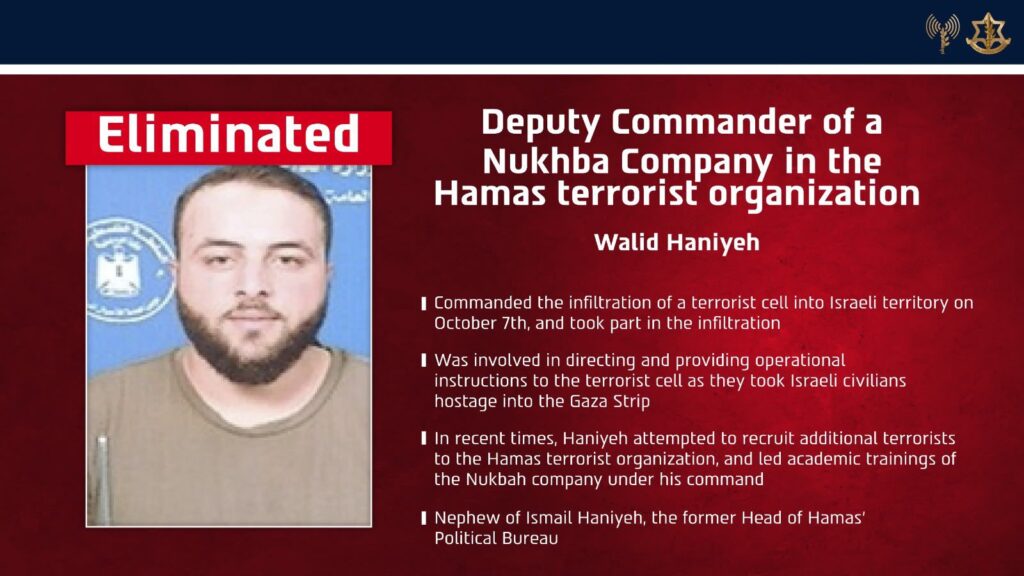
In additional strikes over the weekend, the IDF and Shin Bet struck and killed the terrorist Walid Haniyeh, who served as deputy commander of a Nukhba company in Hamas’s military wing. The IDF said Haniyeh was among the commanders who operated during the October 7 terror attack and personally entered Israeli territory.
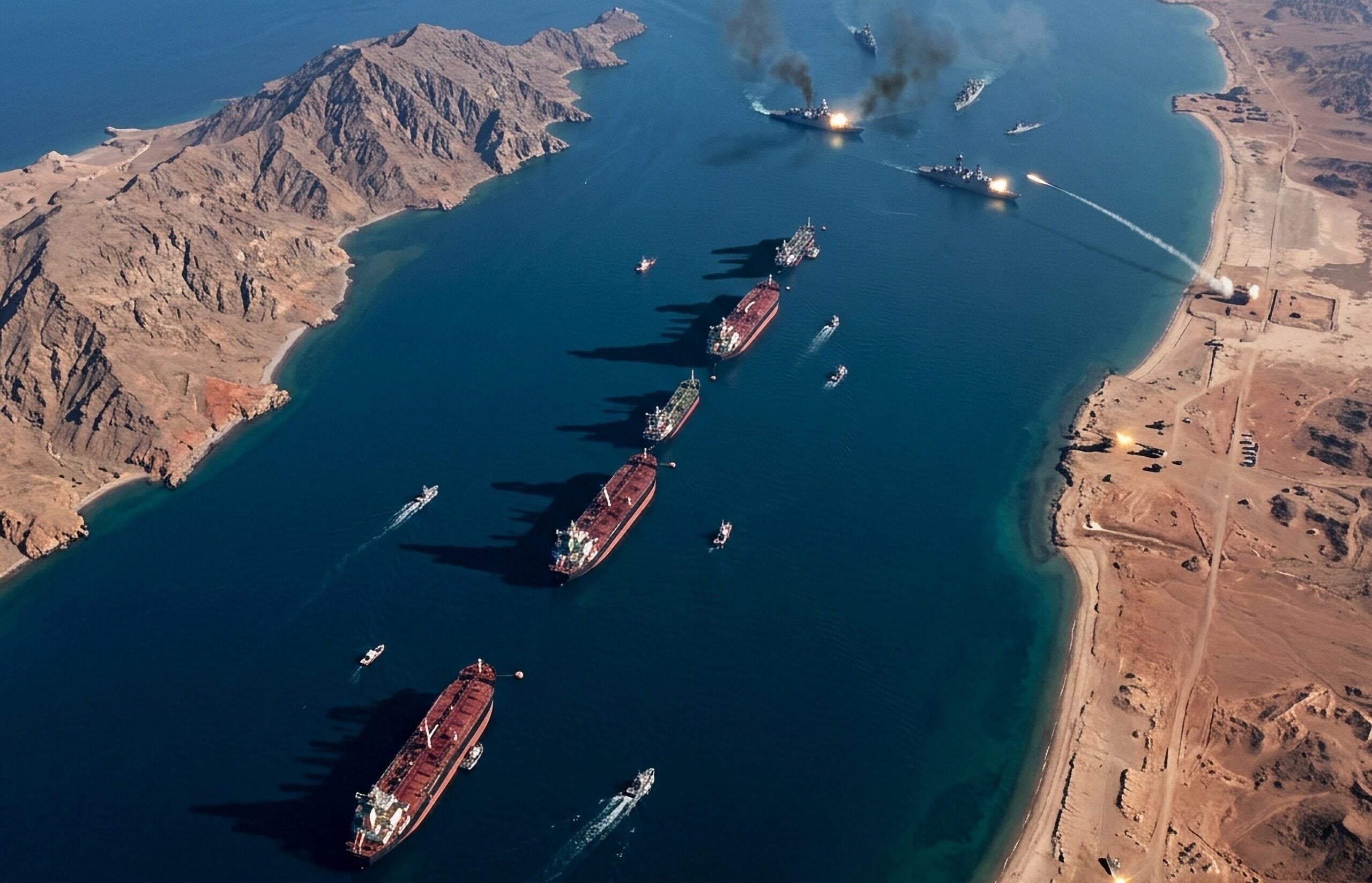
After a weekend of tit-for-tat strikes in the Strait of Hormuz, the United States and Iran have agreed to a temporary de-escalation. Under the understanding, both sides will lower tensions and resume talks. A Trump administration official confirmed overnight Sunday to CNN that the two countries agreed to “lower the temperature at this stage,” and that vessels will be able to move freely through the area again.
The Strait of Hormuz | Photo: Shutterstock
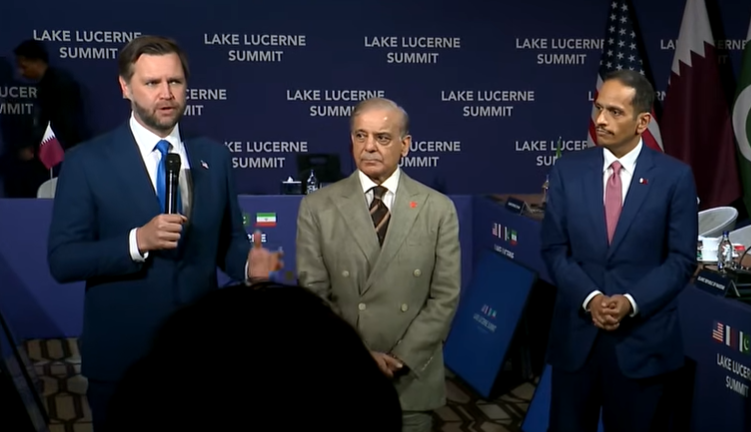
According to the American official, U.S. and Iranian representatives are expected to meet Tuesday in Doha, Qatar, to discuss the maritime crisis and continue talks based on a memorandum of understanding signed by the sides earlier this month. The Wall Street Journal also reported that the parties reached an understanding to halt the escalation and resume negotiations.
Tensions in the region flared Thursday after Iranian forces attacked a commercial vessel attempting to cross the Strait of Hormuz along a route close to Omani territorial waters. Tehran insisted that ships must pass along the route hugging the Iranian coast, and even warned international shipping companies against using the Omani passage.
Negotiations between Iran and the US | Screenshot
Exchanges of fire between the sides continued over the weekend. According to reports, Iran struck two commercial vessels, while the United States hit Revolutionary Guard targets including drone warehouses, missile facilities, and communications sites. In addition, the U.S. military said it intercepted two drones that threatened shipping lanes. Following these developments, a round of talks planned for Switzerland was postponed after a joint emergency hotline designed to prevent incidents in the strait was not activated.
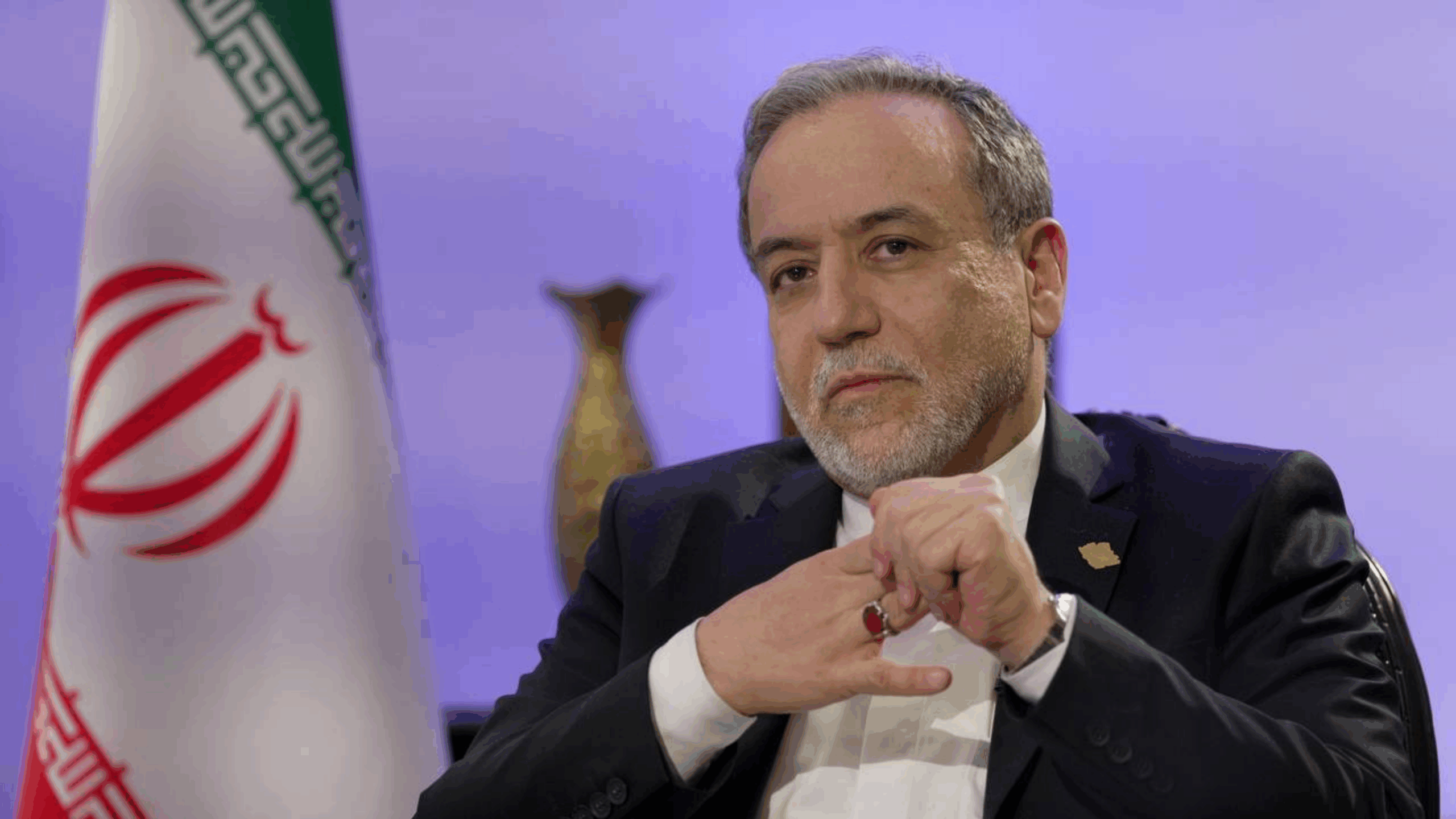
Against the backdrop of the exchanges, Iranian Foreign Minister Abbas Araghchi declared that “the management and full restoration of maritime navigation in the Strait of Hormuz is the exclusive responsibility of Iran, and no other country or entity has any authority in the matter.” The U.S. administration, meanwhile, made clear that the temporary understanding does not grant Iran control over the strait, and that freedom of navigation in international waters must be preserved.
Iranian Foreign Minister Abbas Araghchi | Photo: Reuters
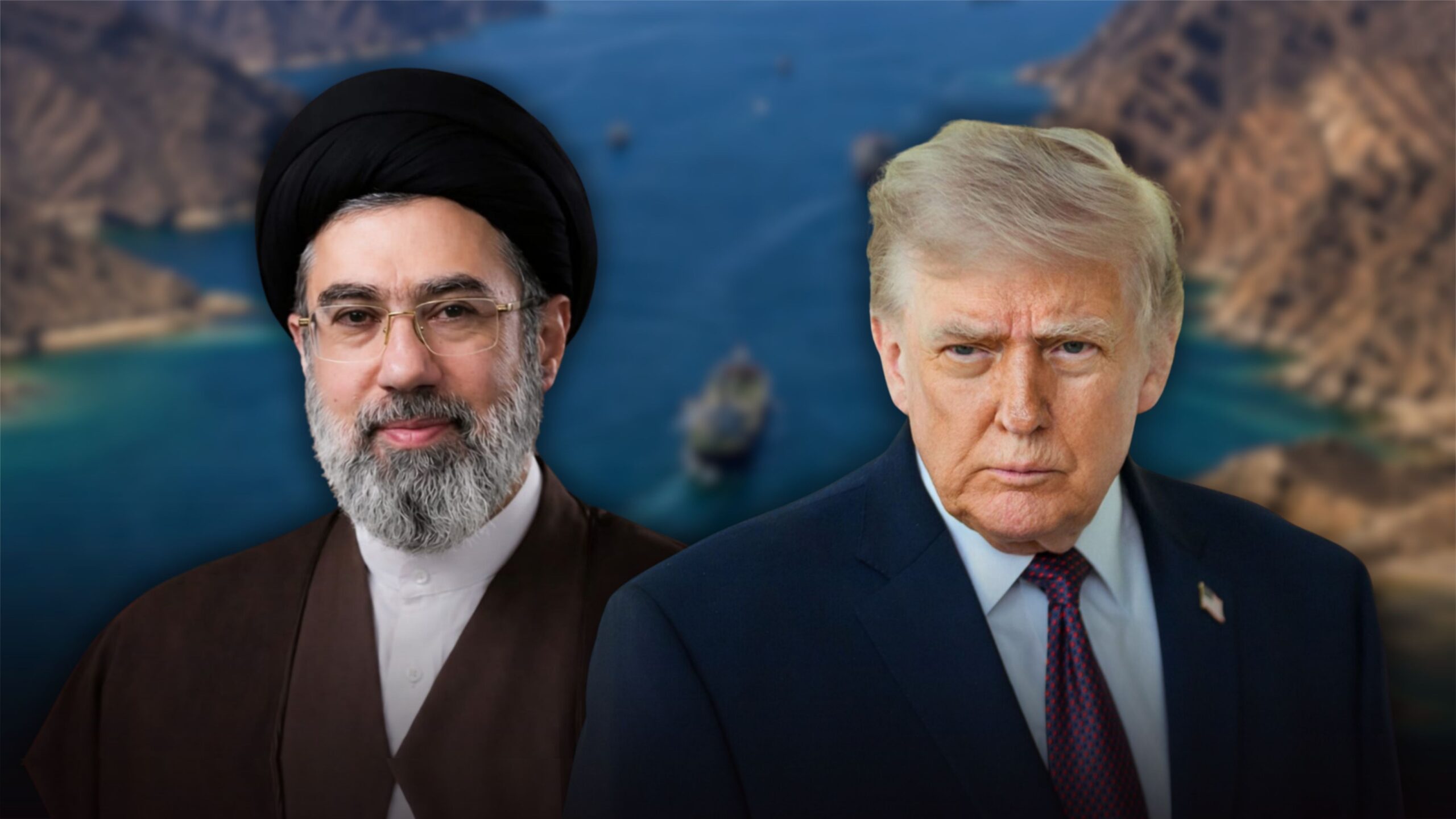
The de-escalation agreement comes amid tough messages President Donald Trump sent over the weekend. In a social media post, he wrote that “a point may come where we can no longer show tolerance, and we will be forced to finish militarily the work we started with great success. If that happens, the Islamic Republic of Iran will no longer exist.” At the same time, U.S. Ambassador to the UN Mike Waltz said in a Fox News interview that the United States will not tolerate attacks on its bases or trade routes, adding that the Iranians “understood the message very well in recent nights.”
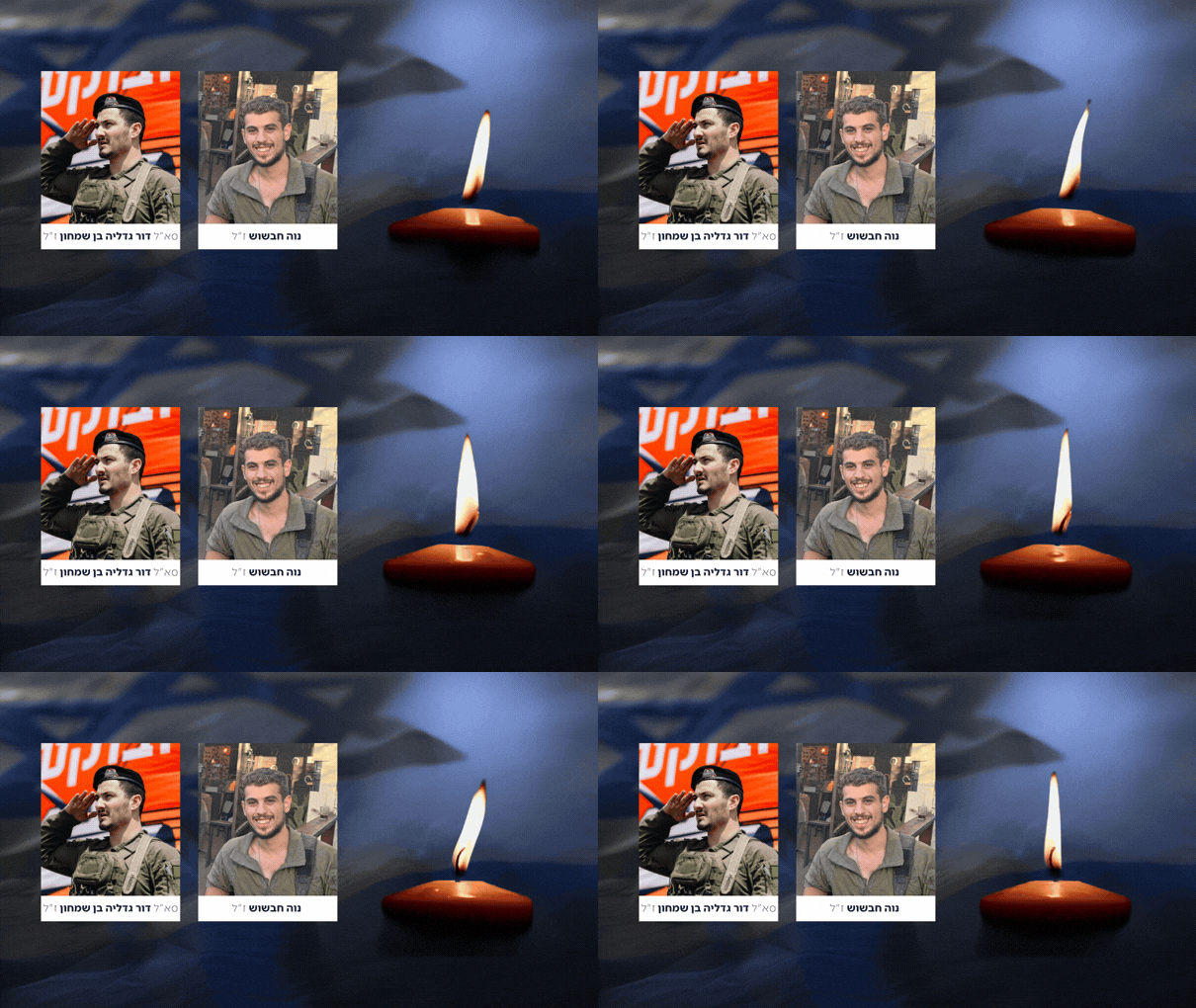
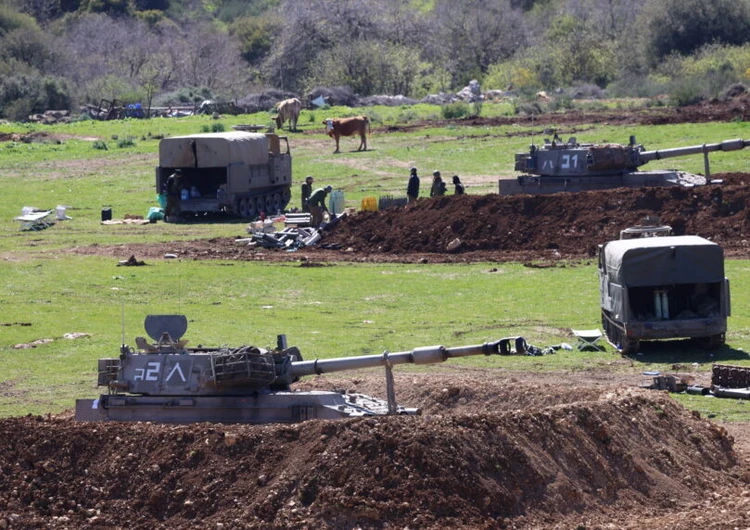
The IDF said that following an initial investigation into the incident that happened about 2 weeks in which Lt. Col. Dor Gadalya Ben Shimhon, commander of the 52nd Battalion, and three soldiers from the battalion—Staff Sgt. Nave Havshush, Staff Sgt. Yoav Klein, and Staff Sgt. Liav Kavavia—were killed in southern Lebanon, the tank was indeed hit by an explosive drone.
Tanks on the Lebanese border | Photo: David Cohen, Flash 90
The IDF added that the incident is still under investigation and that the families of the fallen have been updated.
Nabih Berri, speaker of Lebanon’s parliament and head of the Shiite Amal Movement, said the agreement in its current form is a “dictated deal” and declared it doesn’t protect Lebanon’s rights—and therefore won’t be adopted or implemented as is.
IDF forces in southern Lebanon | Photo: IDF Spokesperson
Four Arab terror suspects from the village of Rashayda were arrested on suspicion of involvement in a violent attack that occurred Sunday near the Mekane Avraham outpost in eastern Gush Etzion, in which three Israelis were injured. Police said the investigation is ongoing and more arrests are expected.
Photo credit: not available
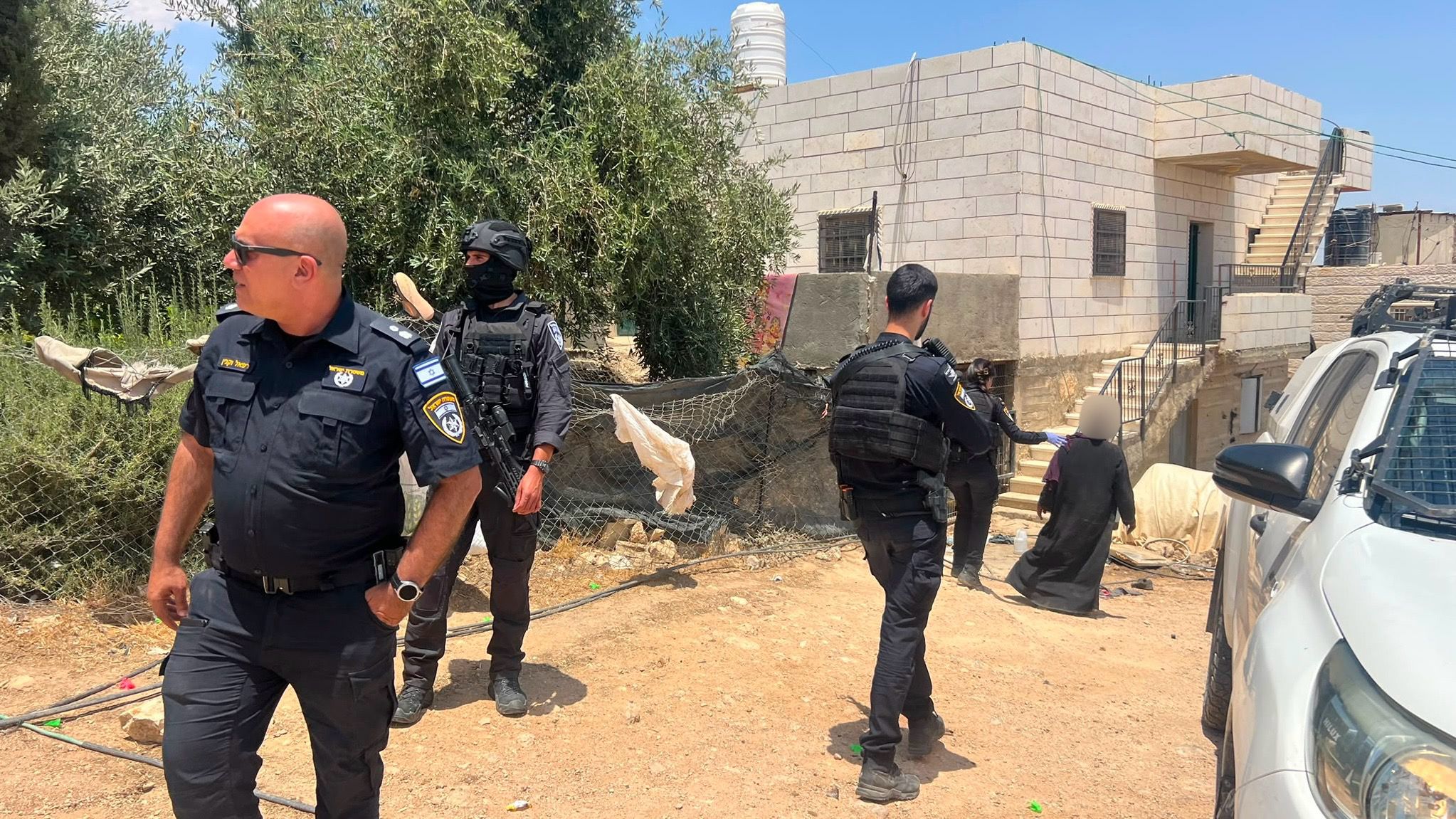
According to a police statement, immediately after receiving the report of the incident, IDF and police forces rushed to the scene, launched an investigation, collected evidence, took witness statements, and conducted searches to locate the suspects who fled. Intelligence resources were deployed in parallel, and with information received from the “Hetz Yehuda” unit, led to locating the suspects.
During the operation, two women were also detained for questioning at the Etzion station after police said they refused to cooperate with forces and tried to evade them during searches in the area. Later that night, the four suspects were arrested and jailed, and police announced they intend to ask the court to extend their detention.
Photo credit: not available
The incident occurred Sunday in grazing areas near the Mekane Avraham outpost. According to eyewitness reports, the Jewish shepherd was attacked by a group of ten Arab assailants, and when residents arrived to rescue him, a confrontation developed during which two teenagers were also injured. All three wounded were taken to Shaare Zedek Medical Center suffering from injuries.