Category: Israel

  • Trump Slams NYT Over Iran Deal: ‘Corrupt Cowards’

    Trump Slams NYT Over Iran Deal: ‘Corrupt Cowards’

    President Donald Trump is pushing back hard against criticism of his understanding with Iran, and the attacks appear to be hitting a nerve: he’s responding repeatedly with angry, defensive posts full of explanations and justifications.

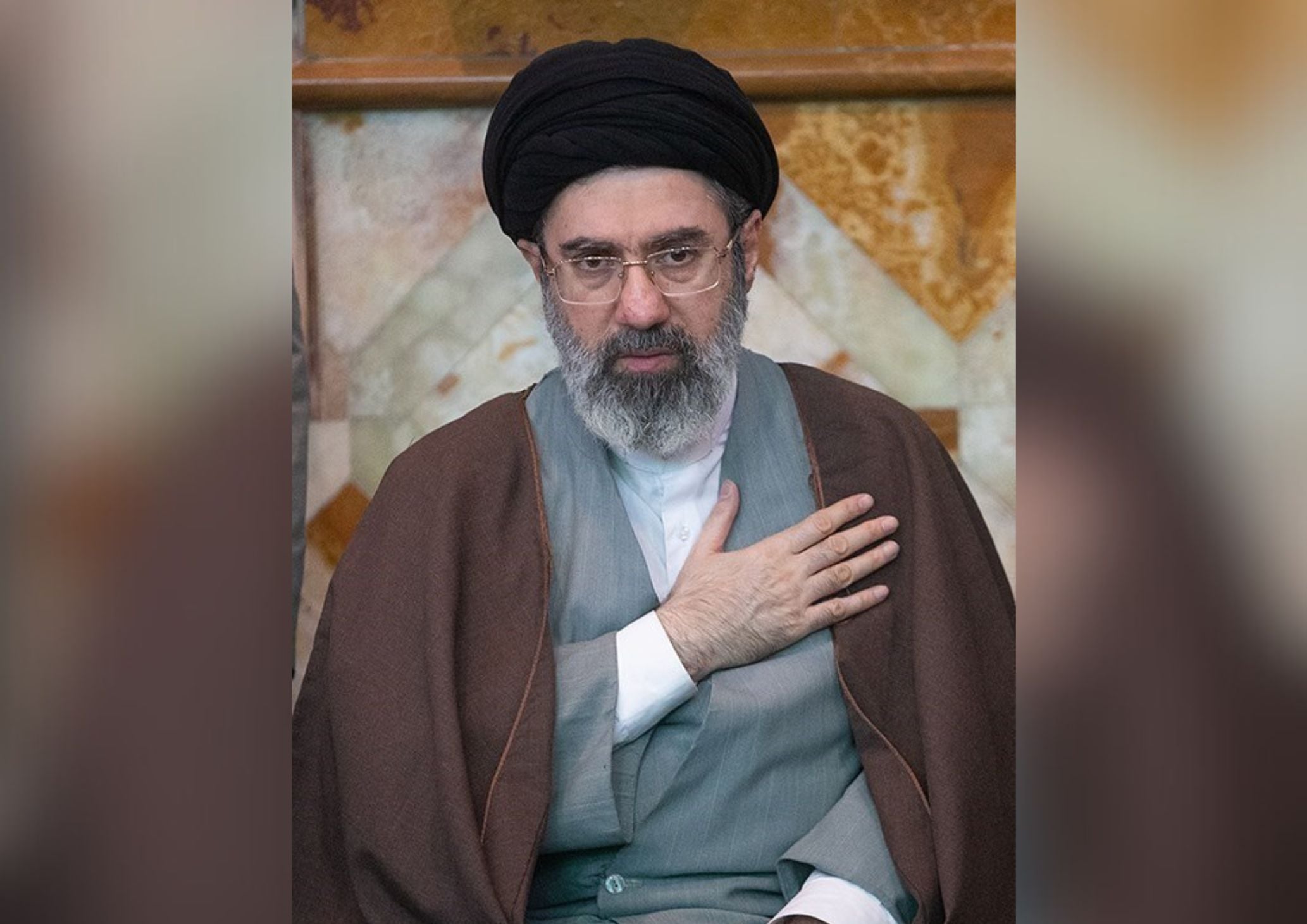
    Mojtaba Khamenei, the third Supreme Leader in the history of the Islamic Republic | Photo: Reuters

    This time, what set him off was the New York Times, which published a critical headline Sunday suggesting that after nearly four months of conflict, analysts believe “not much has changed.” In response, Trump vented on Truth Social, attacked the paper, and tried to dismantle the claim that undermines the victory narrative he’s trying to project.

    “Really?” Trump fumed, before launching into a list of achievements he says prove exactly the opposite. According to him, Iran’s military is “finished,” its navy and air force are “gone,” and its missile systems, drones, and manufacturing capabilities have been almost completely destroyed.

    טילים איראנים |
    Iranian missiles | Photo: Shutterstock

    The U.S. president added that Iran’s two most significant leadership layers are also gone, claiming this represents a dramatic shift—not the minor event the paper is trying to portray.

    Trump didn’t stop at the military front, going on to describe Iran’s internal situation: 250% inflation, a shattered economy, and soldiers not getting paid. He also emphasized that the Strait of Hormuz remains open, oil continues to flow, and the U.S. stock market and employment are at historic highs.

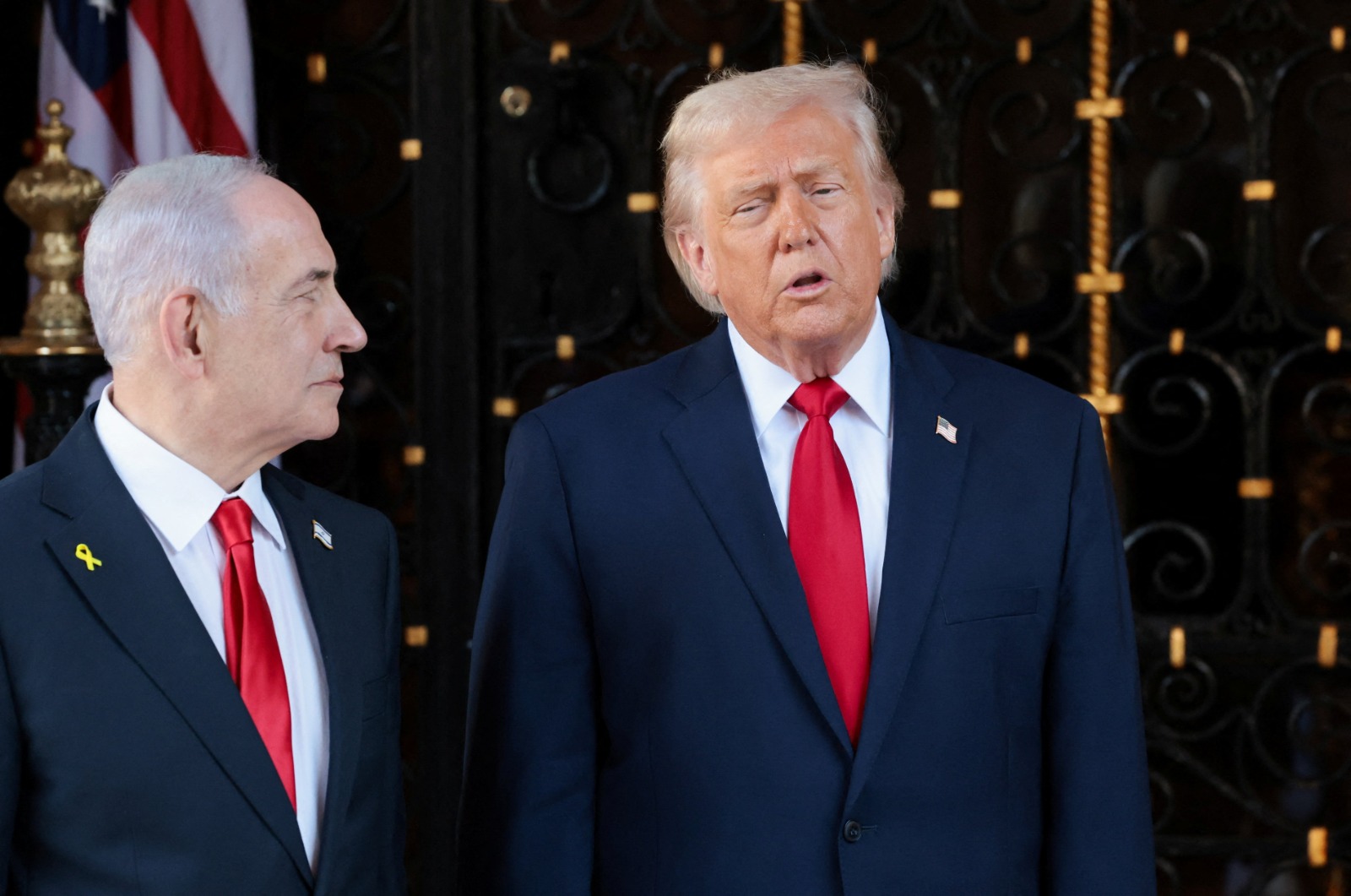
    U.S. President Donald Trump | Photo: The White House

    Trump closed the post with a blunt attack on the paper and his critics, calling them “corrupt cowards with no integrity.” But beyond the insults, the unusual post revealed the pressure the president is under. Facing mounting criticism, Trump is trying again and again to establish a narrative of victory—even as voices in the United States are casting doubt.

  • Iran Returns to Talks After Trump Threats Hurt Deal

    Iran Returns to Talks After Trump Threats Hurt Deal

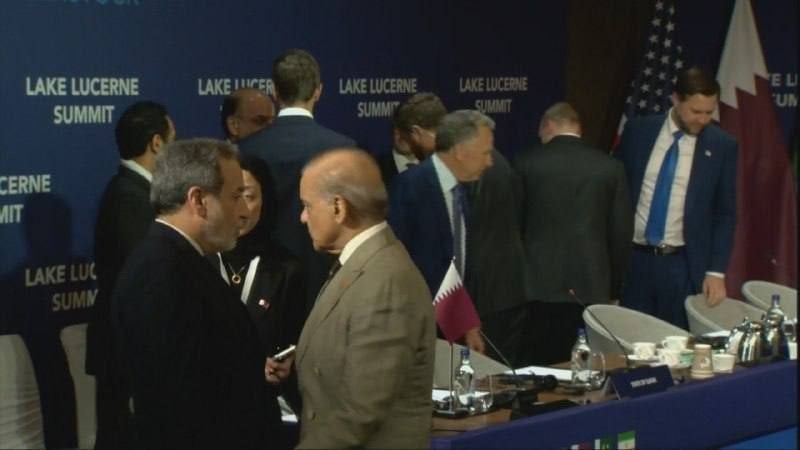
    The latest round of talks between American and Iranian delegations concluded overnight Sunday into Monday after 18 hours of discussions. According to a joint statement from mediators Qatar and Pakistan, the sides agreed on a roadmap to resolve disputes and establish regional stability. The mediators said the contacts took place in a positive and constructive atmosphere, but faced significant difficulties due to combative rhetoric from President Donald Trump, who threatened in a Fox News interview that the U.S. might “take over” the Strait of Hormuz and called the Iranians blunt names: “Shut it down and you won’t have a country, you won’t even be able to get back to your country.”

    Negotiations in Switzerland between Iran and the U.S. | photo: printscreen

    Iranian Foreign Ministry spokesman Esmail Baghaei claimed the Iranian delegation initially announced its intention to halt the talks in the quadrilateral format due to Trump’s threats. According to him, “During the quadrilateral meeting, a threatening statement was issued from the U.S., which led to our announcement of unwillingness to continue the talks.” Ultimately, mediators Qatar and Pakistan managed to preserve the continuity of discussions in technical formats. Iran chief negotiator Mohammad Bagher Ghalibaf condemned what he called Trump’s “desperation” in a post on X.

    The agreement establishes a direct communication line to manage incidents in the Strait of Hormuz for 60 days, as defined in the memorandum of understanding. Iran committed to act with all its power to ensure safe and free passage for commercial vessels between the Persian Gulf and the Gulf of Oman. Additionally, a “high-level committee” will be established to oversee the political process and lead working groups focused on nuclear issues, sanctions removal, and monitoring and resolving conflicts to ensure effective implementation of the agreements.

    Negotiations in Switzerland between Iran and the U.S. | photo: printscreen

    On the economic front, Iranian Foreign Minister Abbas Araghchi stated that the American administration approved waiving sanctions in the oil sector and paving the way for releasing frozen Iranian assets abroad. In this context, an economic expert from the Iranian delegation, Hussein Ghorbanzadeh, noted that a draft agreement for temporary exemption from sanctions on oil and its derivatives was completed. Araghchi added that a “broad national development and rehabilitation program” was launched.

    Another major development is the establishment of a de-escalation cell mediated by Qatar and Pakistan, aimed at ensuring the end of military activity in Lebanon—a complex mission given repeated violations of the ceasefire by Hezbollah, with 5 IDF soldiers killed just this past weekend. At this stage, Israel agreed to hold fire outside the yellow line to allow talks to continue. Technical teams are remaining in Switzerland through this week to continue discussing all issues on the table.

    The Strait of Hormuz | photo by: Shutterstock

    The contacts took place under the shadow of the Iranian military command, which announced Saturday its intention to close the Strait of Hormuz in response to Israeli strikes in Lebanon and Iran’s claims of American failure to fulfill commitments. The Strait of Hormuz has long been a central bargaining chip for Tehran in its talks with the West.

  • Iran Invents ‘Espionage’ Charges to Execute Dissidents

    Iran Invents ‘Espionage’ Charges to Execute Dissidents

    Iran’s regime is accelerating executions of political opponents to send a clear message to a frustrated population: it remains in full control, and any attempt at resistance will not be forgiven, the Wall Street Journal reported Monday.

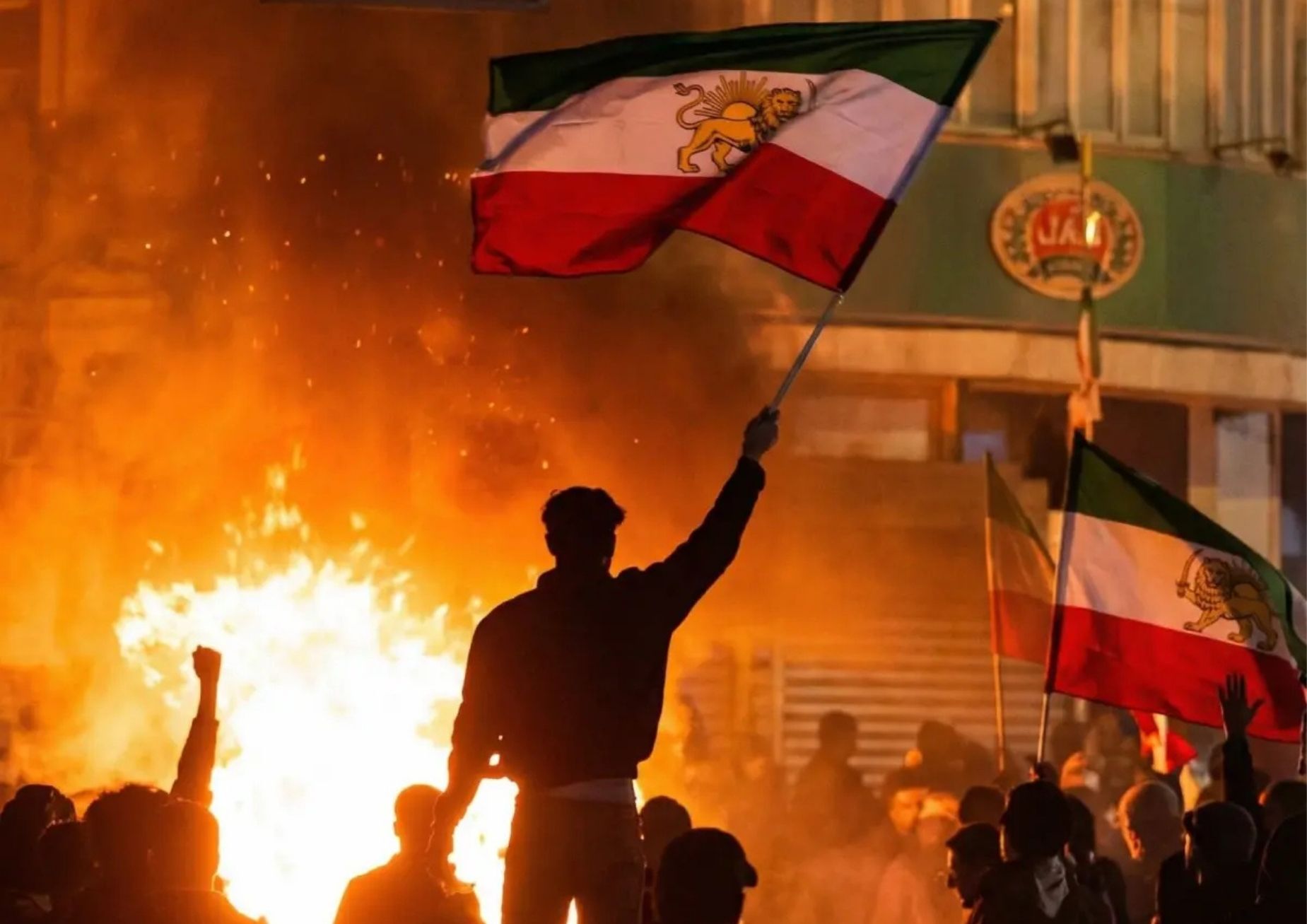
    The protests in Iran, Archive footage | photo: Arab media
    The protests in Iran, Archive footage | photo: Arab media

    Nasser Bekrzadeh, 26, who dreamed of reopening his mobile phone shop, was executed on espionage charges for allegedly spying for Israel—an accusation Bekrzadeh vehemently denied and his lawyer argued lacked any evidentiary basis. His cellmate testified to his aspirations: “He just wanted to live, work, and make his parents happy.”

    Alongside Bekrzadeh, authorities executed Mehrab Abdollahzadeh, a barber from a nearby village whom Nasser met in Urmia prison after both were arrested following women’s rights protests. Abdollahzadeh was accused of murdering a member of the Basij militia, but in a recorded conversation described the suffering he endured: “From the first day of my arrest, violence, torture and threats were used against me, and I was forced to give confessions that were all lies.”

    The protests in Iran, Archive footage | photo: Arab media

    Abdollahzadeh maintained his innocence: “None of the charges brought against me are true. They know it, and God knows it. I am innocent.” His cellmate described the loss: “When Mehrab was sentenced, they killed all that energy for life, and those laughs too.”

    Karen Kramer of the Center for Human Rights in Iran emphasized that “none of these people were given independent counsel.” She added that “there are serious violations of due process, and they are rushed through the revolutionary courts.”

    The protests in Iran, Archive footage | photo: Arab media

    The current wave of repression grew out of massive protests that erupted in January, when the regime killed thousands of demonstrators demanding comprehensive political change against the backdrop of a collapsing economy. Despite U.S. attempts to support the protesters, the regime survived and renewed its crackdown with even greater intensity after the end of U.S. and Israeli fighting with Iran.

    Ahmad-Reza Radan, head of the Law Enforcement Command, reported that thousands of “traitors and spies” have been arrested in recent months. Chief Justice Gholam-Hossein Mohseni-Ejei made clear in late April that cases of cooperation with aggressive regimes will be handled “decisively and mercilessly under the law.”

  • Huckabee: US Won’t Bow to Iran’s Demands

    Huckabee: US Won’t Bow to Iran’s Demands

    U.S. Ambassador to Israel Mike Huckabee, who has remained unwavering in his support for Israel, declared today (Sunday) that the United States will not bow to Iran’s whims and will not allow Tehran to dictate terms. “Trump has made very clear what he will do,” Huckabee said.

    According to Huckabee, “The president says things to people, and he says things to the world, but the one thing I’ve always heard him say, and always seen him do, is that America has an unbreakable bond with the State of Israel. And I believe he means what he says.”

    Photo: Arabic networks

    Huckabee closed his remarks with a faith-based message about the future of the Jewish state: “My confidence in Israel’s ability to continue to exist and remain here does not come from the fact that we have a strong military or that Israel has a strong military. It comes from the fact that we all have a great God who made a promise—and He will keep that promise.”

  • Military Analyst Warns of Escalation in Judea, Samaria

    Military Analyst Warns of Escalation in Judea, Samaria

    Channel 14’s military correspondent Hallel Bitton-Rosen issued a stark warning today (Sunday) of a severe security escalation brewing in Judea and Samaria—one that will have serious consequences once it erupts. Speaking on the Open Studio with host Boaz Golan, Bitton-Rosen emphasized that there’s widespread understanding among security officials that a significant incident is about to happen in the theater.

    הטרור באיו"ש: כוחותינו חיסלו ועצרו מחבלים בג'נין
    Photo, archive: Israel Police Spokesperson

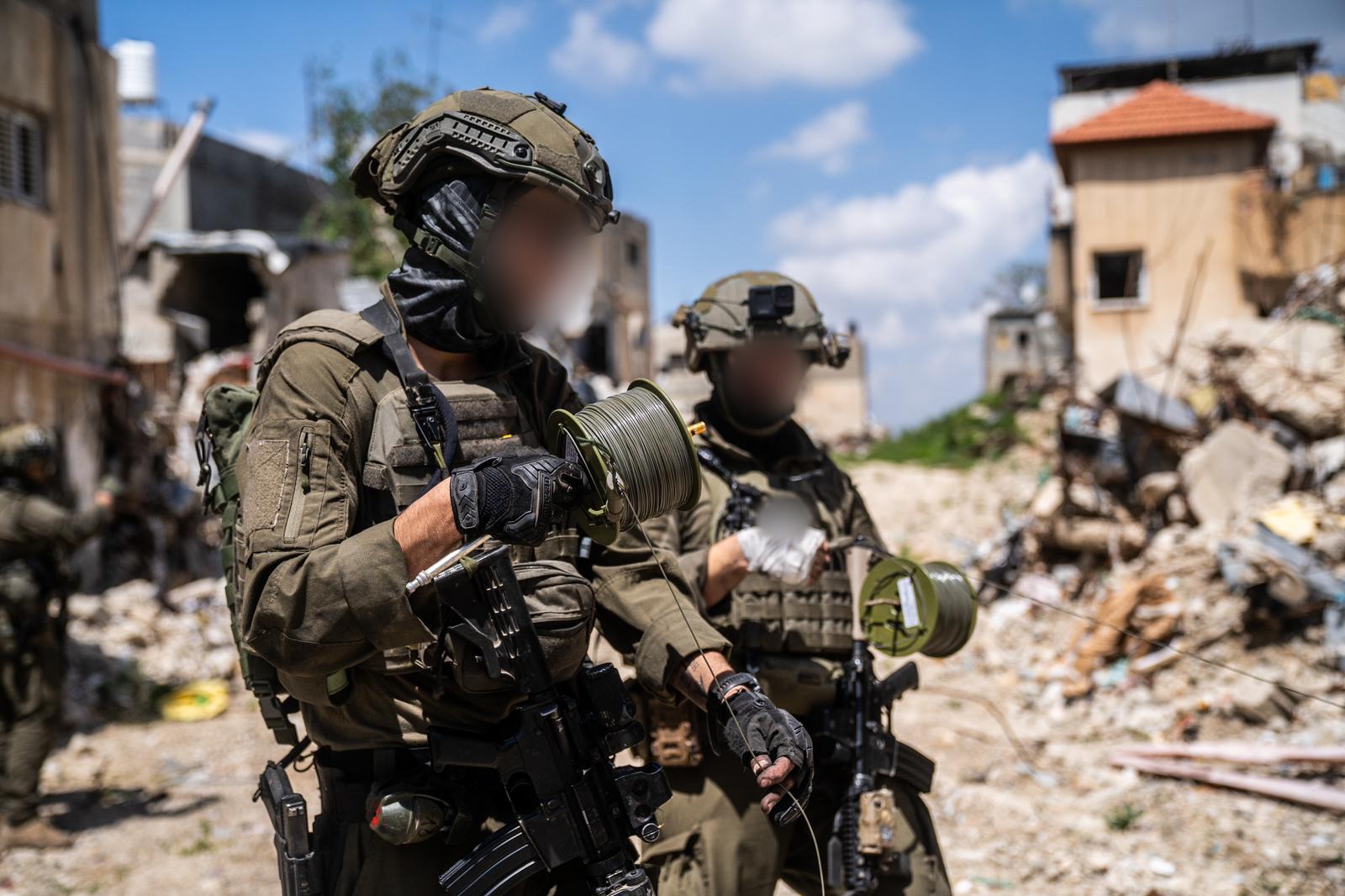
    According to him, despite operational achievements in the terror camps of northern Samaria—like Nur Shams, Tulkarm, and Jenin—many other camps remain in areas like Ramallah, Shechem [Nablus], and the armed villages, all requiring extensive treatment. Bitton-Rosen criticized current rules of engagement, arguing that the lack of aggressiveness is putting the region at risk.

    He warned that this policy, combined with insufficient offensive action, will lead to a severe outcome in the near term—whether in days, weeks, or months. Bitton-Rosen noted that intelligence assessments indicate terrorist organizations possess anti-tank weapons and Claymore-type explosives that could be used for deadly attacks at transit stations, similar to the miracle that occurred in the Megiddo attack.

    “And the question is, what do we do. Right now there are those who are wallowing in the data and there are those who understand we’re heading toward a serious incident. I very much hope we’ll wake up there and really move to a crushing offensive,” Bitton-Rosen concluded.

  • Amid US Pressure, IDF Chief of Staff Warns Hezbollah

    Amid US Pressure, IDF Chief of Staff Warns Hezbollah

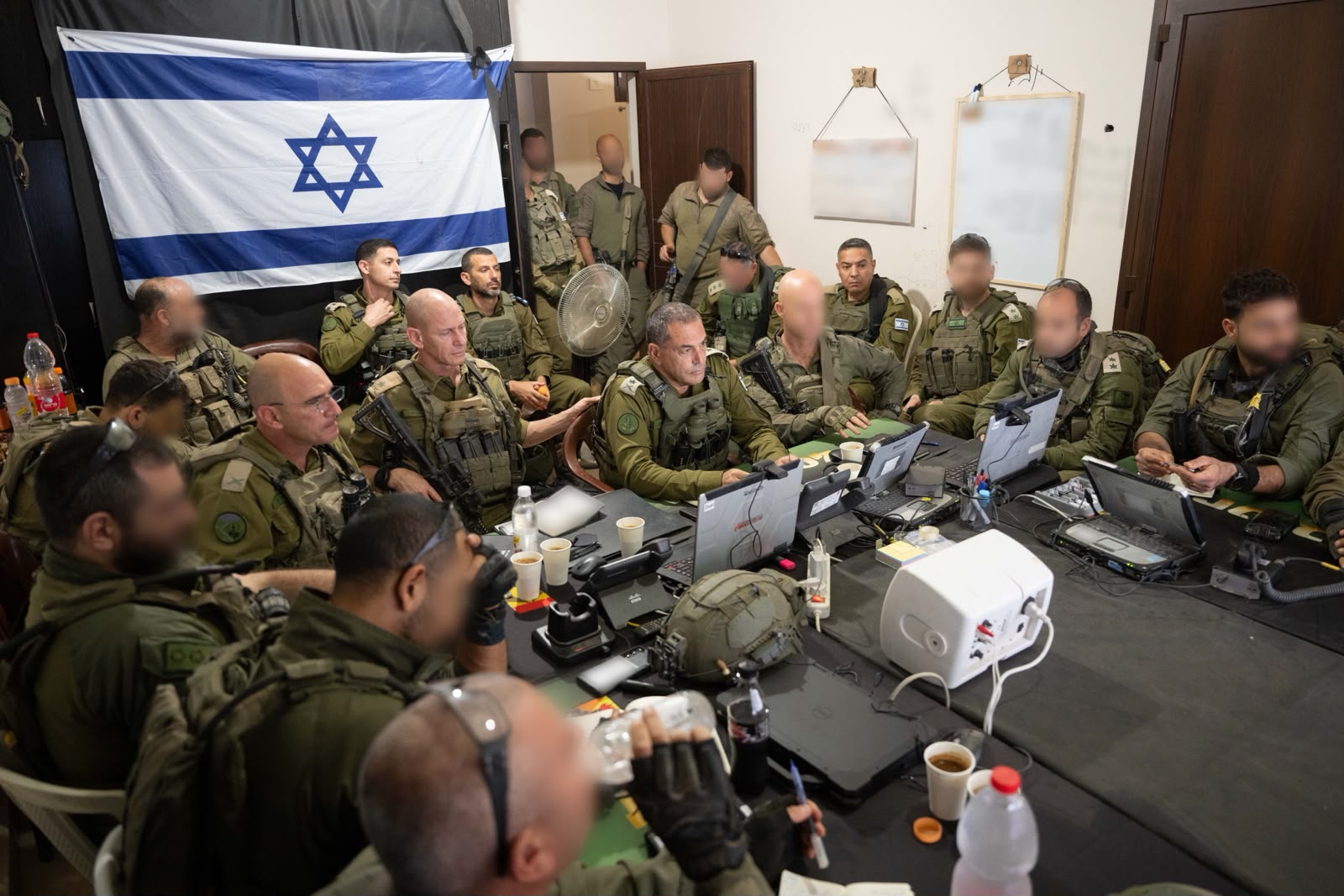
    Against the backdrop of American pressure on Israel, IDF Chief of Staff Eyal Zamir declared today (Sunday) during a situation assessment in southern Lebanon alongside Northern Command chief Maj. Gen. Rafi Milo that “our goal is clear and unchanged—defending the communities of the north and the citizens of Israel. We’re directing all our efforts toward that; the operations in the Ali Taher and Beaufort areas are also meant to serve this purpose.”

    Photo: IDF

    During his remarks, the chief of staff addressed operational activity in the Ali Taher and Beaufort areas, describing how “just in the last two days, we eliminated a significant command echelon at the mid-level of Badr units and other units. One of Northern Command’s centers of gravity right now is in the Ali Taher and Beaufort areas. This is an underground fortress that Hezbollah built over twenty years.”

    According to Zamir, “the ceasefire that was declared is fragile, and we need to be prepared at high readiness to resume combat operations, thwart threats, and shift quickly to offense if required. All IDF resources are allocated to this.”

    Photo: IDF

    Zamir saluted the commanders of the 401st Brigade, which suffered heavy losses in recent days, saying: “You continue to lead from the front—with determination, with strength, and with fighting spirit. You can’t stop the 401st Brigade. That’s your spirit, that’s the spirit of the IDF.”

  • Katz: IDF Has Free Rein to Strike in Lebanon

    Katz: IDF Has Free Rein to Strike in Lebanon

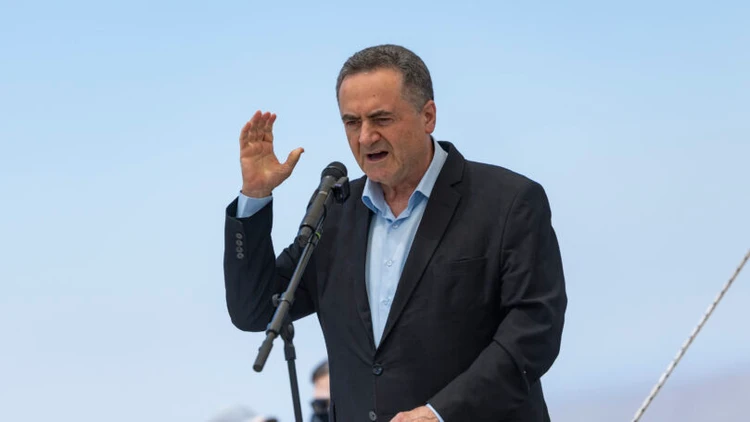
    Defense Minister Israel Katz issued a firm statement today (Sunday) clarifying Israel’s policy regarding the current ceasefire agreements. He made it clear that despite diplomatic reports, the IDF remains deployed in its positions in the security zone on the Yellow Line in Lebanon, and that there will be no withdrawal from the territory captured so far in the campaign.

    Defense Minister Katz noted that the fighting on the ground has not stopped and that there is no restriction on the activities of the forces to remove threats. In his statement, the minister noted: “There was and is no restriction on IDF soldiers in Lebanon to act to remove threats.” According to him, the IDF’s powerful activity in response to the attack on our forces led to the elimination of many Hezbollah terrorists and the destruction of extensive terrorist infrastructure.

    The minister emphasized that the ceasefire does not change the military deployment on the ground: “The ceasefire announced yesterday leaves the IDF in all positions in the security zone that protects the northern settlements.” Katz concluded with a clear message to the political echelon and the public: “As Prime Minister Benjamin Netanyahu and I have made clear, Israel will not withdraw from the security zone in Lebanon.”

    In recent months, the IDF has entered Lebanese territory to create a buffer zone that will prevent Hezbollah’s leadership from carrying out attacks against northern communities. The move was accompanied by fierce battles on the border line and deep inside the territory, which led to Israeli control of the “Yellow Line” in Lebanon.

    As mentioned yesterday, the political echelon announced a ceasefire beyond the Yellow Line border in Lebanon, following Iranian threats to blow up the negotiations due to Israeli attacks on the state of Hezbollah. At the same time, despite the political echelon’s instructions for a ceasefire beyond the “Yellow Line”, the IDF clarifies that it is working to eliminate threats and is committed to protecting the residents of the north. About threats from other arenas, including Iran, it was stated that the army is on very high alert and is prepared for any scenario, including a return to intense fighting if necessary.

    Since the beginning of the fighting, the IDF has been working to create a forward defense zone that will prevent the IDF from firing on northern communities. The recent events, which included hitting a tank from the 52nd Brigade and hand-to-hand combat, are part of a broad attempt to neutralize Hezbollah’s terrorist infrastructure, which includes long strategic tunnels.

    Last night, IDF Spokesperson Brigadier General Effie Defrin revealed that in the Tibnit area in southern Lebanon, significant activity has been taking place in recent days against Hezbollah’s underground infrastructure, which is more than a kilometer long. Dozens of Hezbollah terrorists are currently surrounded inside the area after fighting that took place above and below ground.

    “There is a drama going on there at the moment,” Dufferin said in a briefing to reporters, noting that it involves “very significant underground infrastructure” and “super significant infrastructure” inside the village, and added: “At the moment, dozens of terrorists are besieged in the area. There was fighting above and below the ground. They are under pressure and are currently surrounded.” The IDF is linking the pressure Hezbollah is under in the Tibnit area to the increased rate of fire in recent days. Dufferin described that “what is bothering Hezbollah is the takeover in Tibnit and the other areas in which we operate,” and emphasized that the activity is being carried out for operational reasons only: “There are only professional and business considerations here. The infrastructure there is very heavy.”

  • First Israir Wide-Body Jet Lands in TLV for NY Route

    First Israir Wide-Body Jet Lands in TLV for NY Route

    While most attention in Israel’s aviation sector focuses on foreign carriers returning and expected summer congestion, Israir—owned by businessman Rami Levy—has quietly advanced one of the most significant moves in the company’s history. Over the weekend, another major step was completed in a months-long process, and the carrier now appears close to the decisive point that will allow it to enter a new and highly sought-after market.

    ישראייר קרדיט: סיון פראג'
    Israir Credit: Sivan Paraj

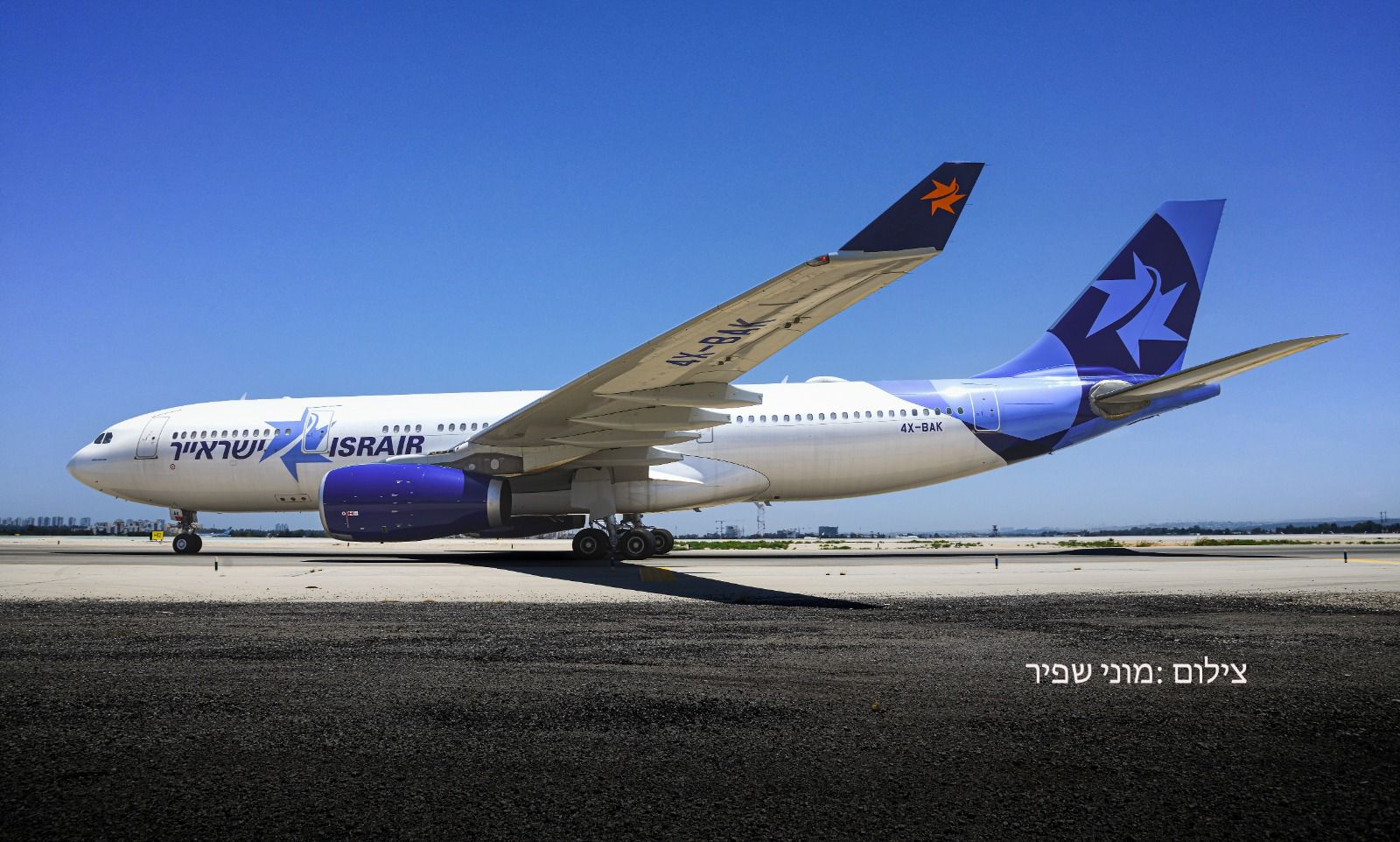
    Over the weekend, Israir’s first Airbus A330 landed at Ben Gurion Airport, another significant step in preparations to launch a direct route between Israel and New York, planned to begin operating in August. The aircraft arrived from the United States flown by an Israir crew led by captains Joel Ben Peretz and Amir Weingarten. It’s the first of two A330s the company purchased in a deal worth approximately $85 million. The second aircraft is already in the region and expected to join in the coming days—currently parked in Larnaca, partly due to the shortage of aircraft parking spaces in Israel.

    The aircraft’s landing in Israel marks a central stage in the lengthy process the company is undergoing on its way to receiving final approvals to operate long-haul flights. In the coming weeks, the aircraft are expected to be used for training air crews, maintenance teams, and ground staff, alongside completing licensing procedures and required inspections with authorities. Industry sources estimate that if timelines hold, Israir could conduct a demonstration flight to the United States by the end of the month—one of the final steps before receiving approvals to operate the commercial route.

    בתמונה רמי לוי מבעלי ישראייר אורי סירקיס מנכ״ל החברה וצוות הטייסים שהביא את המטוס מארה״ב לנתב״ג הקברניטה ג׳ואל בן פרץ והקברניט אמיר ויינגרטן צילום סיוון פראג׳
    In the photo: Rami Levy, one of the owners of Israir, Uri Sirkis, the company’s CEO, and the team of pilots who brought the plane from the US to Ben Gurion Airport, Captain Joel Ben Peretz and Captain Amir Weingarten. Photo by Sivan Praj

    Meanwhile, the company continues preparing operationally to launch the new route. The A330s, designated for long-haul flights, are also expected to enter service in July on select European flights as part of completing training and operational buildup toward the main destination: New York. Launching the route is expected to mark a significant shift for Israir, which until now has focused primarily on flights to Europe and vacation destinations around the Mediterranean. Entry into the direct North America flight market will place it alongside Israeli carriers operating long-haul flights and increase competition on Israel’s most sought-after route. Going forward, the company is expected to launch other long-haul destinations such as Thailand, Japan, and others.

    With the addition of the two new aircraft, the company’s fleet is expected to reach 18 aircraft—owned and leased—during the summer. But at this stage, most attention is focused on one goal: completing training, receiving final approvals, and the race to launch flights to New York.

    ישראייר מטוס רחב גוף
    Israir wide-body aircraft Credit: Israir

    After years of talk about Israir entering the U.S. flight market, the company now appears closer than ever to realizing the plan. If no unexpected delays occur, the first passengers are expected to board an Israir flight to New York in just a few weeks. Ticket sales for the New York route are expected to open soon, alongside the launch of a joint credit card club from Israir, Rami Levy, and Isracard, which will allow customers to accumulate dollars for redemption on flights and vacation packages.

  • Netanyahu: “We Will Exact a Heavy Price on Hezbollah”

    Netanyahu: “We Will Exact a Heavy Price on Hezbollah”

    Prime Minister Benjamin Netanyahu today (Friday) shared in the grief of the families of Lt. Col. Dor Gedalya Ben Shimchon Z”L and the three other fighters who fell in battle. In his statement, Netanyahu emphasized that Hezbollah’s attack constitutes a “blatant violation of the ceasefire,” adding that he had instructed the IDF to fight back with great force. “Israel will not tolerate attacks on our soldiers or our territory.”

    Netanyahu summarized the IDF’s activity since the incident: Over 80 terror targets were attacked and dozens of terrorists were eliminated, and this morning the attacks were expanded towards Hezbollah headquarters in the Bekaa. After a situation assessment with the Minister of Defense and the Chief of Staff, the Prime Minister made it clear that the directive to the operational echelon is clear: to exact a very heavy price from the organization for any harm to IDF soldiers.

    He said that Israel will continue to hold the security strip in southern Lebanon as long as it is needed to protect the northern communities. The goal, as he defined it, remains the complete elimination of any threat to our forces and the security of Israeli citizens.

    Shortly before that, Defense Minister Katz issued a tweet on his X account in which he declared that the IDF will continue to hold the security strip in Lebanon, from the coast to the heights of Beaufort. The goal, he said, is clear: protecting the northern settlements, thwarting targeted threats, and destroying terrorist infrastructure – above and below ground.

    As a reminder, the IDF yesterday published the map of the security zone in southern Lebanon, where our forces are operating as part of the operational activity. According to the IDF, the forces are deployed in the security zone that extends up to approximately 10 kilometers inside Lebanese territory.

    At the same time, the IDF called on the Lebanese army and the country’s residents to avoid reaching the security area where the forces are operating. The army noted that our forces have established themselves in their area of ​​operation and continue to work to eliminate threats and improve protection for the residents of the north.

  • Israeli Defense Minister: IDF Will Remain in Lebanon

    Israeli Defense Minister: IDF Will Remain in Lebanon

    Defense Minister Katz clarified Israel’s policy in a tweet on his X account today (Friday) following Hezbollah’s violations in southern Lebanon. The minister stated that the IDF will continue to hold the security strip in Lebanon, from the coast to the heights of Beaufort. According to him, the goal is clear: protecting the northern communities, neutralizing specific threats, and destroying terrorist infrastructure—above and below ground.

    In response to the shooting and the harm to IDF soldiers, the minister announced that Israel will not turn a blind eye to Hezbollah’s violations. Katz updated that the IDF struck over 80 targets and eliminated dozens of terrorists across the Bekaa Valley and Nabatieh, and emphasized that any future violation of the ceasefire by the organization will be met with a powerful response. “We will not allow harm to our soldiers and civilians,” he said.

    As a reminder, the IDF yesterday published the map of the security zone in southern Lebanon, where our forces are operating as part of the operational activity. According to the IDF, the forces are deployed in the security zone, which extends approximately 10 kilometers into Lebanese territory. At the same time, the IDF called on the Lebanese army and the country’s residents to avoid reaching the security area where the forces are operating.

    The army noted that our forces have established themselves in their area of operation and continue working to eliminate threats and improve protection for the residents of the north. The IDF emphasized that it will continue to maintain control of the security area and act against threats to IDF forces and Israeli citizens detected beyond it. Operational activity in the area is ongoing.