


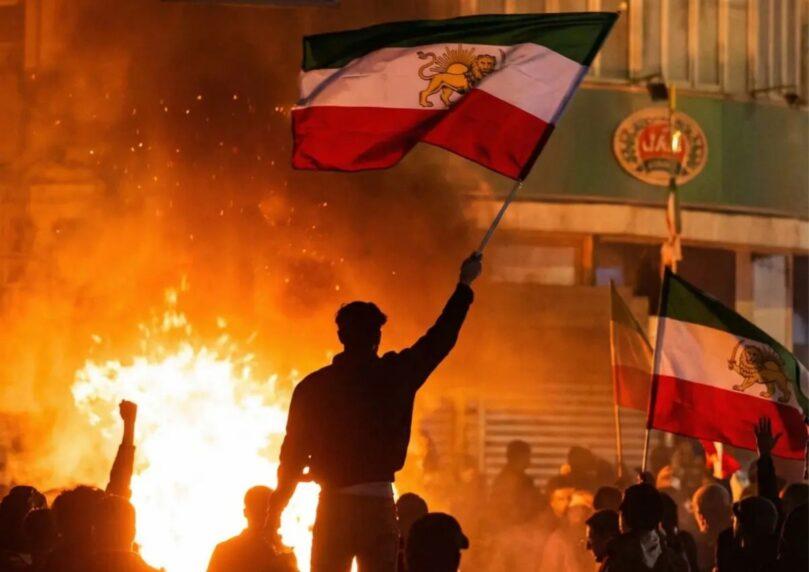

Iran’s regime is accelerating executions of political opponents to send a clear message to a frustrated population: it remains in full control, and any attempt at resistance will not be forgiven, the Wall Street Journal reported Monday.


 2+
Nasser Bekrzadeh, 26, who dreamed of reopening his mobile phone shop, was executed on espionage charges for allegedly spying for Israel—an accusation Bekrzadeh vehemently denied and his lawyer argued lacked any evidentiary basis. His cellmate testified to his aspirations: “He just wanted to live, work, and make his parents happy.”
Alongside Bekrzadeh, authorities executed Mehrab Abdollahzadeh, a barber from a nearby village whom Nasser met in Urmia prison after both were arrested following women’s rights protests. Abdollahzadeh was accused of murdering a member of the Basij militia, but in a recorded conversation described the suffering he endured: “From the first day of my arrest, violence, torture and threats were used against me, and I was forced to give confessions that were all lies.”
 2+
Abdollahzadeh maintained his innocence: “None of the charges brought against me are true. They know it, and God knows it. I am innocent.” His cellmate described the loss: “When Mehrab was sentenced, they killed all that energy for life, and those laughs too.”
Karen Kramer of the Center for Human Rights in Iran emphasized that “none of these people were given independent counsel.” She added that “there are serious violations of due process, and they are rushed through the revolutionary courts.”
 2+
The current wave of repression grew out of massive protests that erupted in January, when the regime killed thousands of demonstrators demanding comprehensive political change against the backdrop of a collapsing economy. Despite U.S. attempts to support the protesters, the regime survived and renewed its crackdown with even greater intensity after the end of U.S. and Israeli fighting with Iran.
Ahmad-Reza Radan, head of the Law Enforcement Command, reported that thousands of “traitors and spies” have been arrested in recent months. Chief Justice Gholam-Hossein Mohseni-Ejei made clear in late April that cases of cooperation with aggressive regimes will be handled “decisively and mercilessly under the law.”