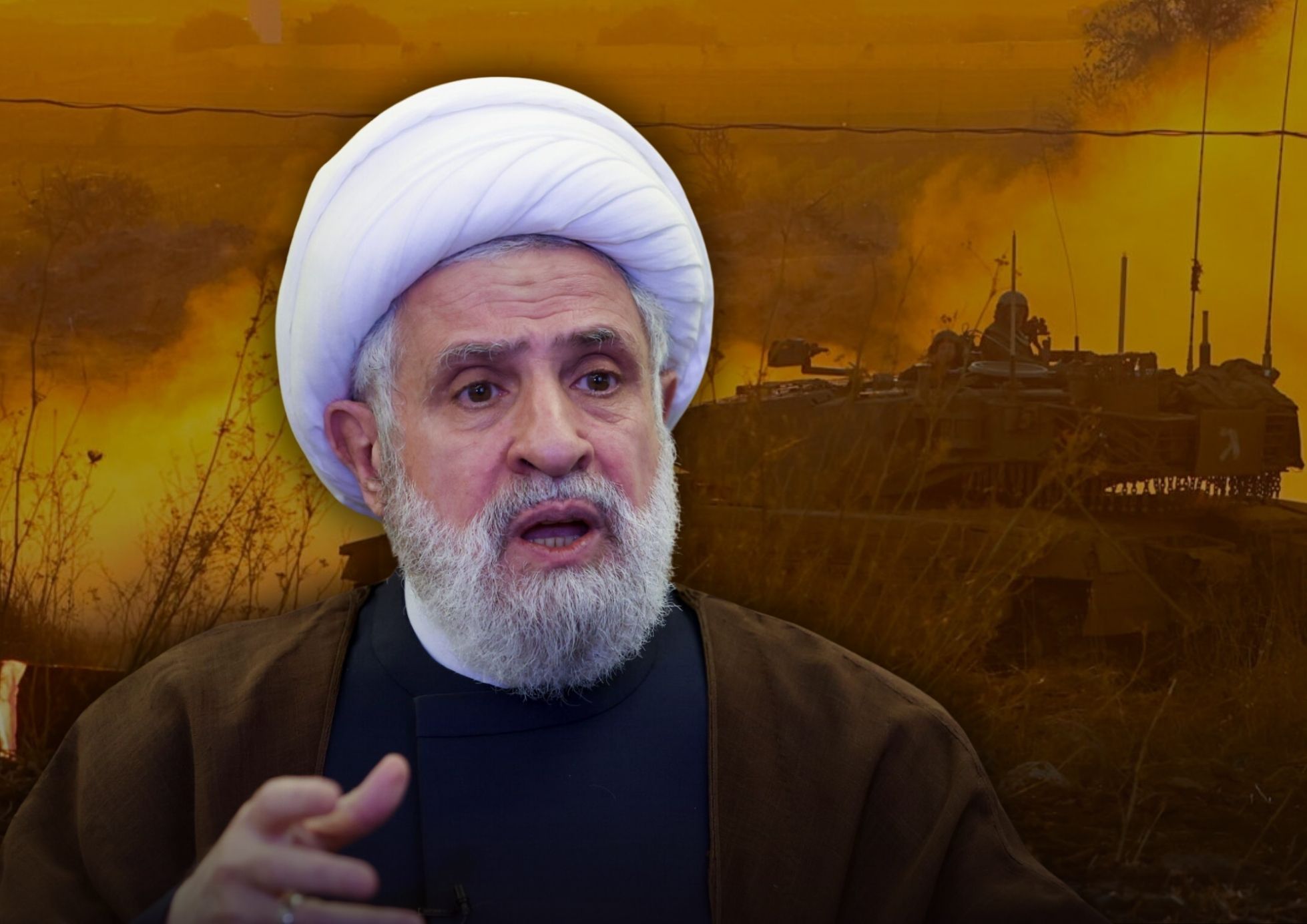
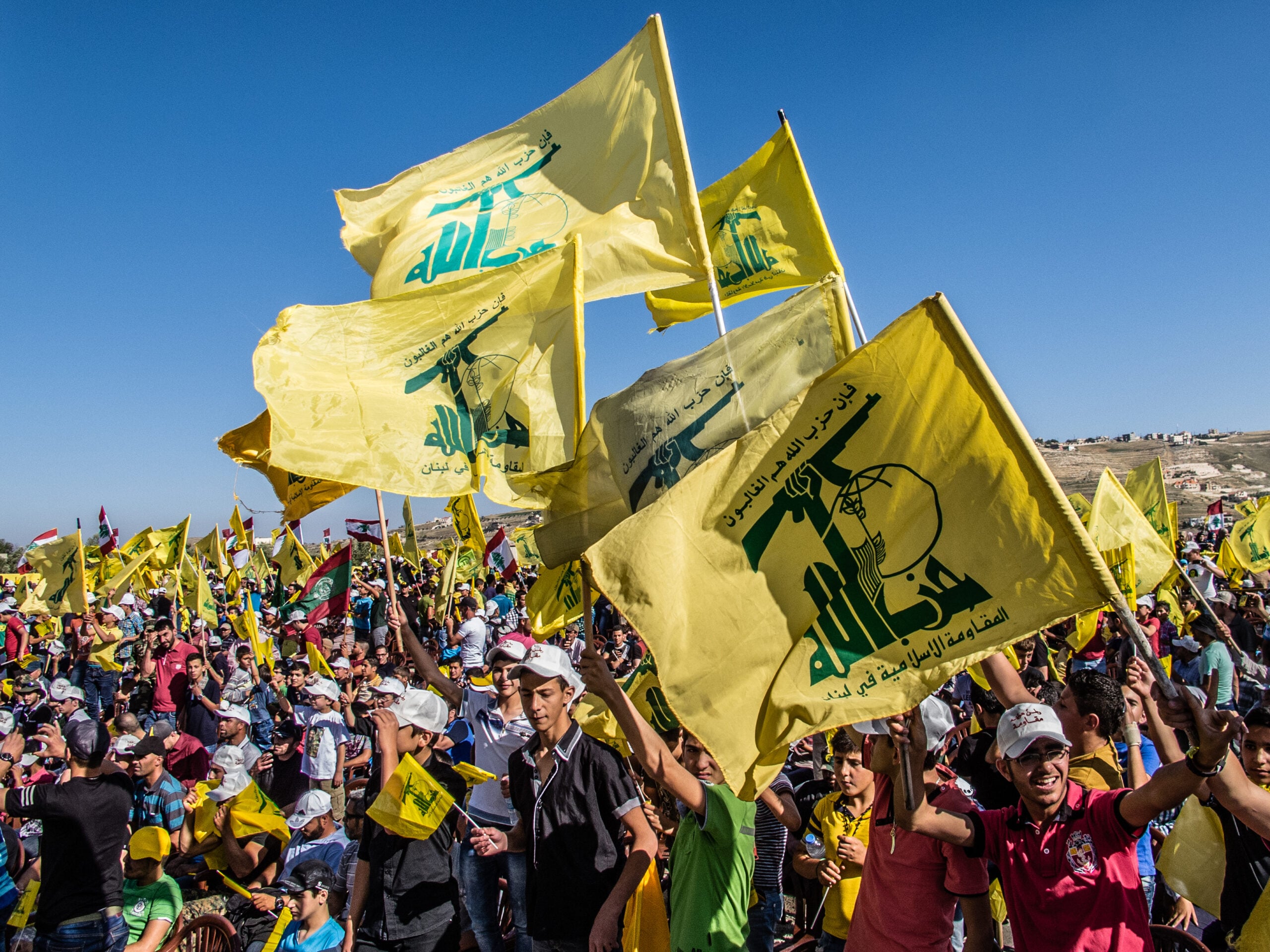
Reports emerging today (Thursday) from Al-Hadath reveal that Iran has delivered a clear commitment to Hezbollah: immediately upon signing the international agreement and the transfer of frozen funds to Iran, the terror organization will receive increased and significant financial support.
Hezbollah | Photo by: Shutterstock
According to sources cited by Reuters who are familiar with the relationship between the parties, Tehran has promised the terror organization increased financial assistance the moment Iran’s frozen assets are unfrozen.
The potential cash infusion could be a “game changer” for Hezbollah, which has recently been forced to cut payments and even offer limited financial assistance to displaced families. According to experts at the Carnegie Middle East Center, the flow of Iranian funds will enable the organization to support its base of supporters and rebuild political alliances damaged during the war.
Abbas Araghchi, Iran’s Foreign Minister, Joseph Aoun, Commander of the Lebanese Armed Forces | Photo: Reuters
U.S. Position and Iranian Demands
On the American side, official sources claim there will be no unfreezing of funds for “any terror organization,” and that the memorandum is designed to incentivize Iran to rein in its proxies—otherwise it won’t be able to enjoy the benefits of the agreement. However, the parties’ conduct raises questions: Iran continues to press for Israeli withdrawal from Lebanon as a necessary condition, and views the presence of our forces in the territory as a violation of the memorandum.
Meanwhile, the terror organization refuses to disband and claims: the Iranians will continue to support us regardless of the deal’s details.
The Haifa Magistrate’s Court granted a petition Thursday by the “Yad Ezer L’Haver” charity and issued an emergency injunction barring the “Paamonim” auction house from selling historic Holocaust artifacts. The decision comes after the charity filed a petition arguing that selling these items to private hands could cause irreversible damage to Holocaust research and remembrance.
Holocaust memorial in Yad Vashem | photo by: Jonathan Sindel/Flahs90
The items include rare pieces of supreme historical importance—among them an original yellow star badge and liberation documents of Holocaust survivors. Judge Hava Klamper-Martzki accepted the charity’s arguments in full, presented by CEO Shimon Sabag, and ruled there is a real concern the items will disappear from public view if sold.
“Yad Ezer L’Haver” CEO Shimon Sabag expressed satisfaction with the decision. “I want to thank the judge for a correct and significant decision. These items belong in a Holocaust museum so future generations can see and learn from them. Trading in Holocaust items is simply revolting and unbelievable,” he said. Sabag previously succeeded in blocking a similar sale of Holocaust artifacts in Germany.
Holocaust memorial monument in Belgium | Photo by: Shutterstock
“Yad Ezer L’Haver” is known for its extensive work on behalf of Holocaust survivors in Israel. The charity operates the Holocaust Museum in Haifa and runs a warm home providing shelter and assistance to dozens of Holocaust survivors, with an emphasis on preserving Holocaust memory and passing it on to future generations.
Millions of public transit riders in Israel won’t be paying more in the coming year. The Ministry of Transport and Road Safety announced Thursday it’s postponing the public transit fare update that was set to take effect July 1.
Photo by: Protasov AN/Shutterstock
The decision means the price hike planned under the automatic fare adjustment mechanism won’t happen for now. The move was coordinated between the Ministry of Transport and Road Safety and the Finance Ministry, and will affect millions of daily riders who use buses, trains, light rail, and other public transit across the country.
The price freeze comes after a prolonged period of rising prices across the economy. In recent years, public transit fares have been updated multiple times following the existing indexation mechanism. For many riders—especially families, students, workers, and seniors who rely on public transit regularly—the savings could add up to hundreds of shekels a year.
Archive footage | photo by: Yossi Aloni/Flash90
But beyond postponing the immediate hike, the Transportation Ministry is eyeing a broader goal: changing the price adjustment mechanism itself. Currently, public transit fares are indexed to various economic indicators, so increases in operating costs or relevant indices can trigger automatic fare updates. The Transportation Ministry is working with the Finance Ministry to examine canceling the automatic indexation mechanism, aiming to prevent a situation where fares rise periodically without a dedicated government decision.
If the move is advanced and approved, it could change how public transit fares are set in Israel in the coming years and give riders much greater certainty about travel costs.
Alongside the price freeze, the government continues advancing public transit discount reforms that provide various populations with discounts and benefits on travel. The Ministry of Transport and Road Safety says the goal is to keep public transit accessible and available to the general public while continuing to invest in infrastructure and service expansion.
The Jerusalem light rail | photo by: Chaim Goldberg/Flash90
Now, after publishing the draft for public comment, the move is expected to go through the required procedures before taking effect officially. If nothing changes, public transit riders will continue paying the same fares at least through the end of 2026.
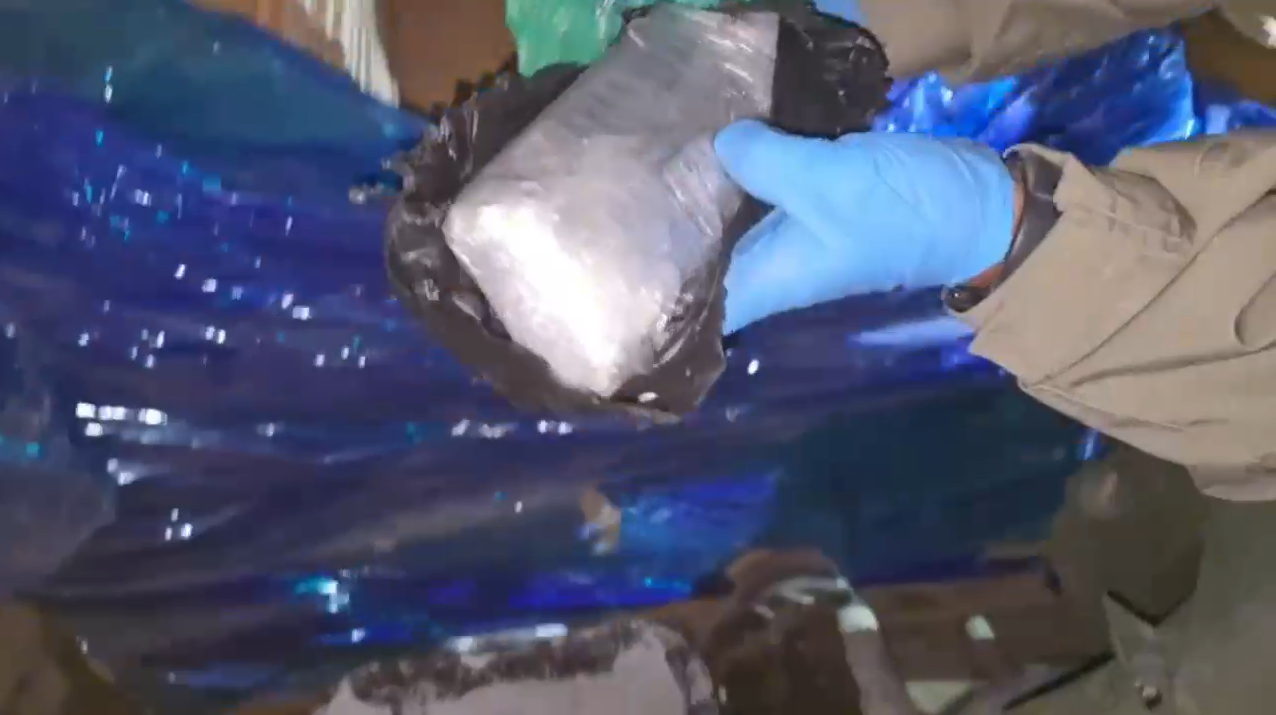
Detectives from the Hebron police station carried out a raid early Thursday morning alongside soldiers from the IDF’s 932nd Battalion on a tahini production factory in the city of Hebron. The operation was based on precise intelligence received by police, which led forces to conduct an extensive search of the industrial facility.
Weapons seized at the tahini factory in Hebron | Photo: Israel Police Spokesperson Unit
But instead of finding only raw materials and food products, forces uncovered findings of an entirely different nature. During the search, an FN pistol was discovered hidden beneath a container on the factory grounds. Later, magazines, ammunition, and M16 rifle parts were found concealed under cardboard boxes inside one of the warehouses.
Weapons seized at the tahini factory in Hebron | Photo: Israel Police Spokesperson Unit
Police emphasize this is part of an ongoing effort to locate illegal combat weapons throughout Judea and Samaria. The operations rely on prolonged intelligence work, which in many cases leads to the exposure of combat weapons hidden in ostensibly civilian locations, far from public view. The suspect in possession of the weapons, a 37-year-old ‘Palestinian’ resident of Hebron, was arrested by forces and taken for questioning at the police station. Depending on how the investigation develops, he is expected to be brought before court with a request to extend his detention.
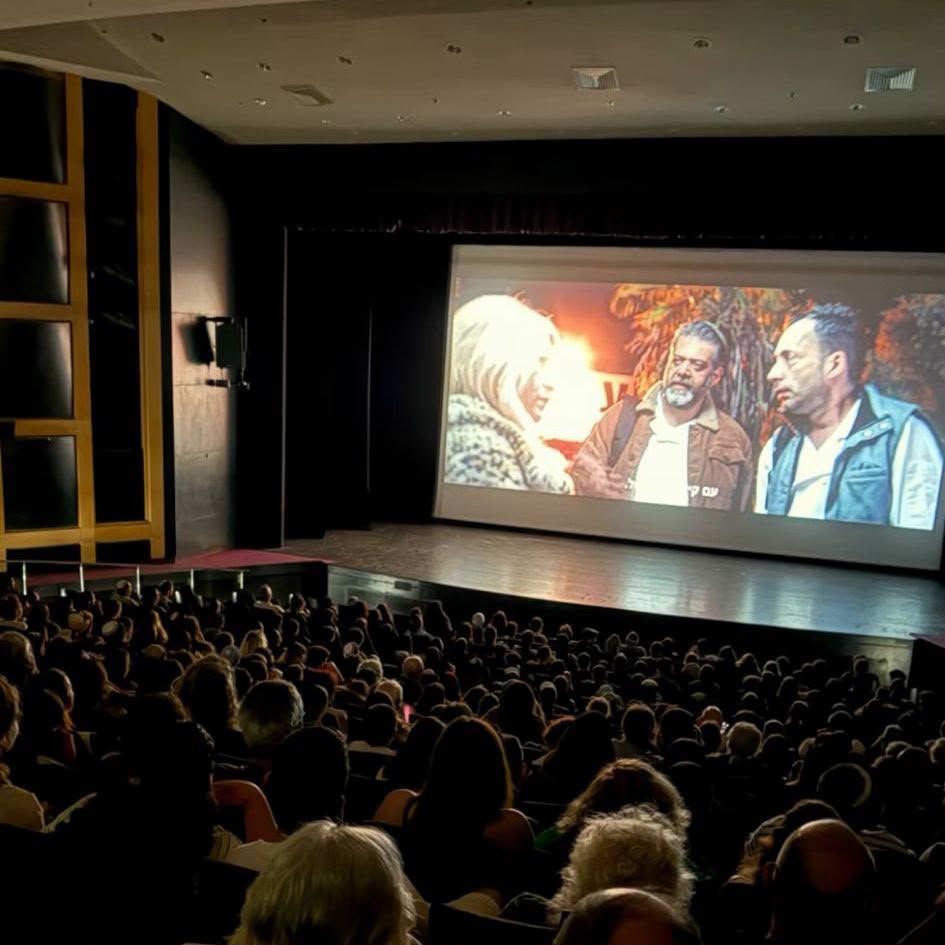
Israeli Cinema Day, held Wednesday on the initiative of Culture and Sports Minister Miki Zohar, drew a record 140,000 viewers to theaters across Israel—the highest single-day cinema attendance ever recorded in the country.
Photo by: Ministry of Culture and Sports
The event, organized for the second time this year by the Culture and Sports Ministry, screened new Israeli films at all major cinema chains and cultural halls nationwide—in both central areas and the periphery. The initiative aimed to strengthen Israeli creativity, make local cinema accessible to the broader public, and encourage audiences to return to theaters.
Zohar visited a Haifa cinema during the day, met with viewers, and called on the public to come out to theaters, enjoy Israeli creativity, and support the local film industry.
“The impressive figure of about 140,000 viewers in a single day is clear proof that the Israeli public loves Israeli cinema and wants to consume original Israeli culture,” Zohar said. “We will continue to work to strengthen creators and make culture accessible to all citizens of Israel. This is a celebration for Israeli cinema and Israeli culture as a whole.”
Theaters welcomed the initiative and the high public response, noting it was one of the strongest days the Israeli cinema industry has seen in recent years.
The five films that led ticket sales on Israeli Cinema Day were: “Kupa Rashit – The Movie,” “American Henna,” “Jaffa Pictures,” “Heaven and Earth,” and “League of Greats.”
Among all films, “Kupa Rashit – The Movie” stood out with sales of about 100,000 tickets across thousands of screenings nationwide, becoming the most-watched film during Israeli Cinema Day.
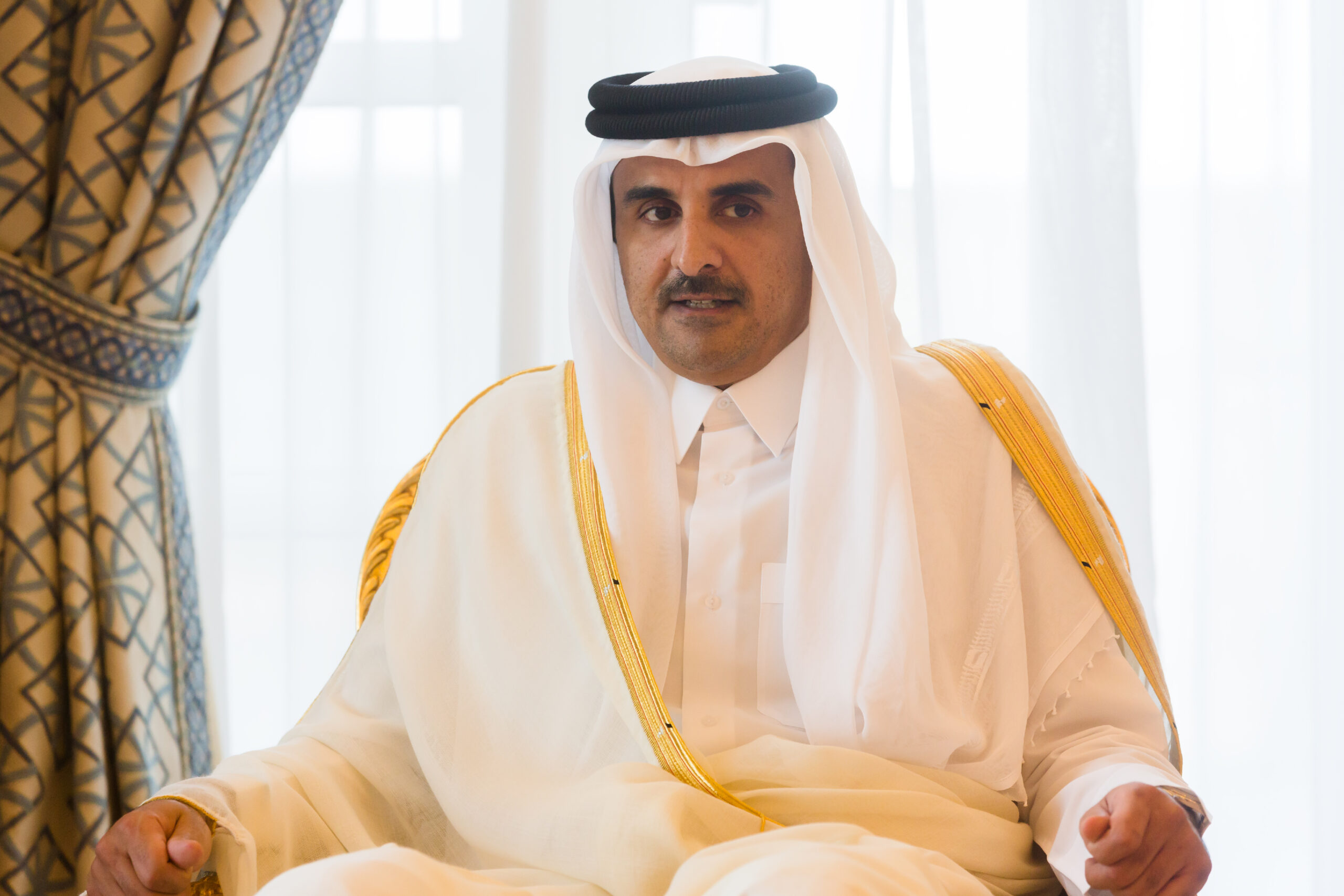
President Trump made it clear the U.S. won’t invest a single dollar in Iran, but according to Vice President Vance, someone else is expected to foot the bill: Gulf states, which may pour hundreds of billions of dollars into rebuilding the regime that attacked them.
Vice President J.D. Vance publicly confirmed that Iran could receive access to a reconstruction and investment fund totaling $300 billion, provided it dismantles its nuclear program, gives up its stockpile of enriched material, and accepts a strict monitoring regime.
U.S. Vice President J.D. Vance | Photo: Chaim Goldberg, Flash 90
The money? Not from the Americans. Vance made it clear again and again: it will come from the “Gulf coalition” (mainly Qatar and Saudi Arabia). Trump himself rushed to emphasize that the U.S. is “not investing a single dollar in Iran.” The Americans sign the deal, and the sheikhs pay the bill.
Now let’s remember what happened in recent months. During the war that broke out in February 2026, Iran launched hundreds of ballistic missiles and drones at six Gulf states (United Arab Emirates, Saudi Arabia, Qatar, Oman, Kuwait, and Bahrain). It hit oil facilities, airports, American and local bases, military and civilian. Thousands of attacks. Dozens of casualties. Massive damage. That same Iran, which fired missiles at the heads of the richest rulers in the world, is now becoming a “regional investment” of $300 billion. This isn’t “reconstruction.” This is protection money.
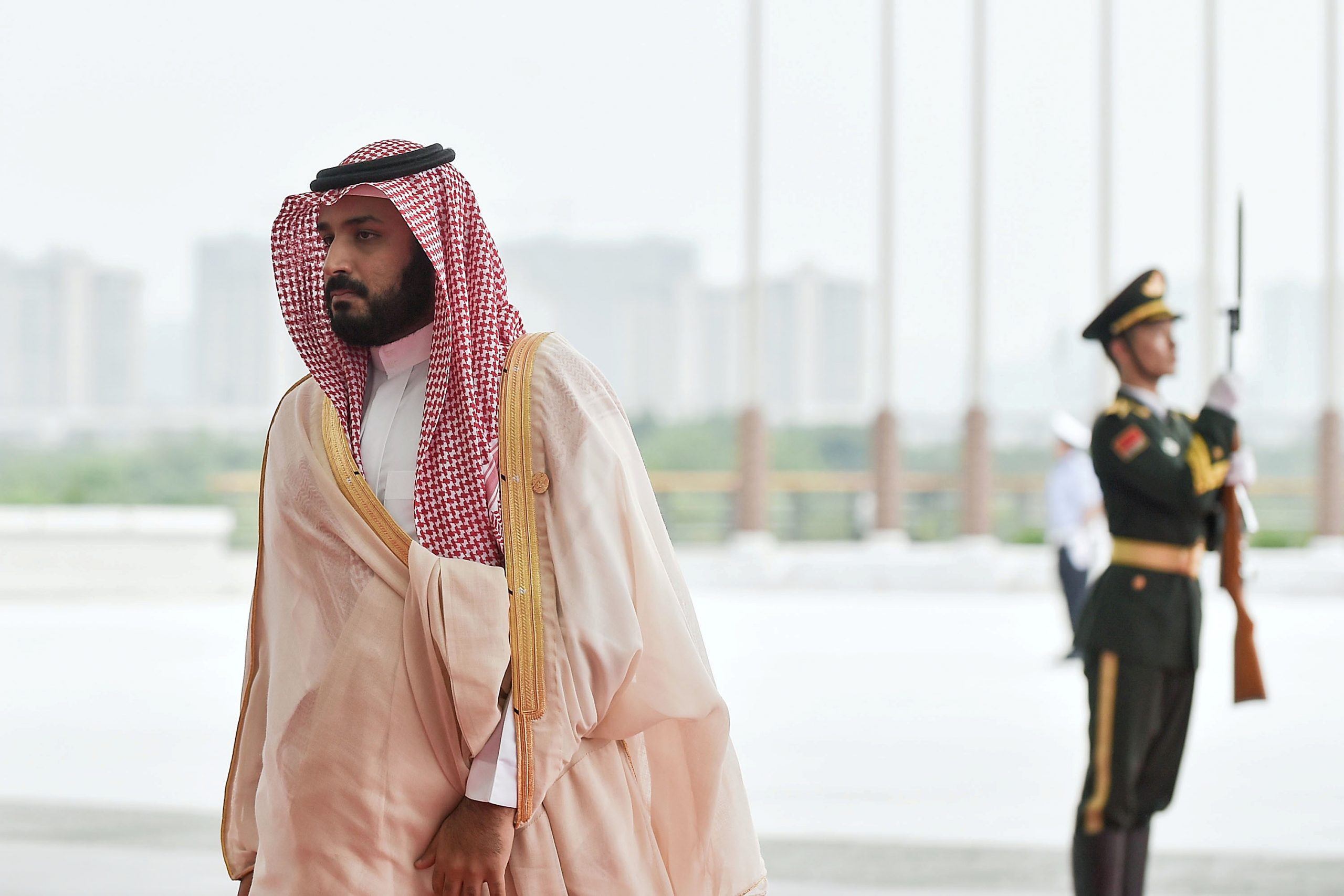
Mohammed bin Salman, Prime Minister of Saudi Arabia | Photo: Reuters
It’s like paying the mafia that burned down your store, then offering it money to build a new store, hoping it won’t burn that one down too. The sheikhs, who sit on oil reserves worth trillions, who got used to buying everything with money (World Cups, weapons, women, museums, politicians, influence, sports teams, and quiet), are discovering that this time the enemy isn’t impressed by small checks. So they’re raising the amount.
$300 billion. In exchange for what? In exchange for Iran “behaving like a normal neighbor.” Vance said it openly: “We’re open to Gulf states investing in Iran’s reconstruction, but only if Iran meets all its commitments.” Free translation: “If Iran keeps firing, you (the Gulf states) will be left with the bill and the missiles.” The cynicism here is perfect. The U.S. comes out clean, Trump boasts about “peace,” and the kings and princes of the Gulf, those who always prided themselves on independence and strength, become the official financiers of the Iranian enemy that just tried to bomb them. This isn’t a deal. This is a robber demanding ransom, and the victim not only pays but thanks him and offers more.
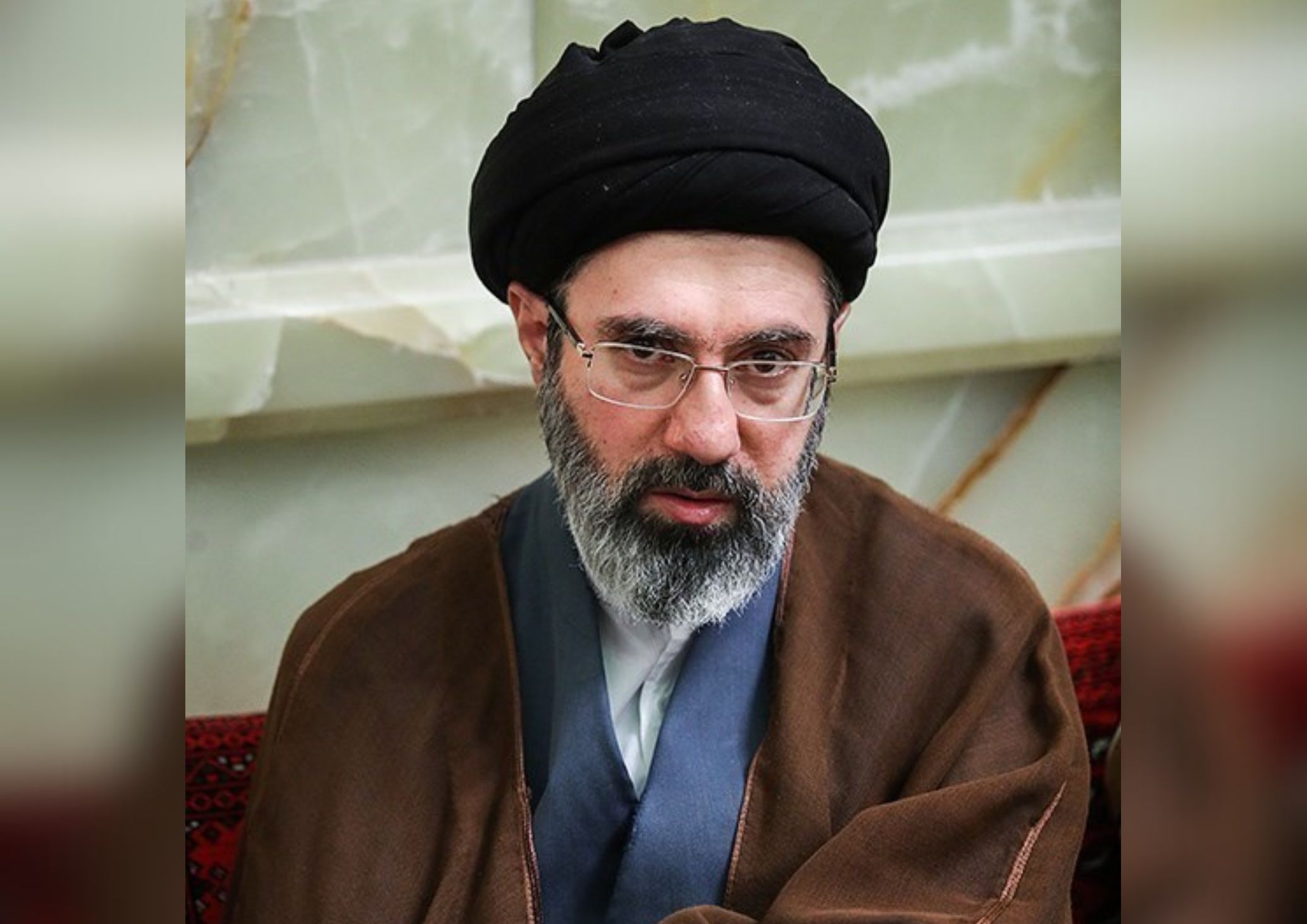
Mojtaba Khamenei, the third Supreme Leader in the history of the Islamic Republic | Photo: Tasnim News Agency
Welcome to the new world: where Gulf states pay Iran to stop firing at them. Saudi Arabia the “hero” demands a ‘Palestinian’ state. That same wealthy kingdom sitting on a sea of oil and sand dares to demand Israel establish a ‘Palestinian’ state as a condition for normalization or regional peace. “Give them a state, give them rights,” they say in a moral tone.
But let’s look at reality: that same Saudi Arabia is exposed, frightened, and paying protection money to Iran—the same Iran that fired missiles at it, hit its oil facilities, and turned it into a target in the last war. This isn’t criticism. This is hypocrisy at a state level. Israel must be wary of all such initiatives. Saudi Arabia wants Israel to endanger its security to “solve the ‘Palestinian’ problem.”
President Trump and Saudi Crown Prince Mohammed bin Salman at the White House, archive | Photo: Reuters
The sheikhs of Riyadh, who boast about “independence” and “strength,” behave like a wealthy business owner paying the mafia so it won’t burn down his store again. And then they come and teach Israel how to behave toward enemies. Saudi Arabia doesn’t need to demand Israel create a state for our enemies. It first needs to explain why it’s paying Iran to buy quiet. Why it’s so exposed despite all the money and alliances it has, including an alliance with a nuclear state like Pakistan. And why, when the enemy fires at it, it immediately just pays. This is fear. And that’s exactly what Saudi Arabia is trying to hide.
But when Iran fires missiles and drones at it, it doesn’t fight. It pays. So why all this weaponry? To look strong in official photos? To fill warehouses that will stay closed? Or maybe so it will have something to show when it writes the next $300 billion check for reconstructing the enemy that attacked it? Because in the end, Saudi weapons aren’t used to actually fight Iran—they’re also protection money.
F-35, illustration | Credit: Lockheed Martin
Gulf states pay protection money to the U.S. too. Most Gulf states buy weapons in astronomical amounts—billions on fighter jets, defense systems, missiles, and American technology.
In recent years the Saudis begged to purchase F-35s. All these purchases aren’t meant for use by the Saudi military. Fact: the Saudis haven’t fired a single shot at the Iranian enemy that fires at Saudi Arabia every day. In other words, Gulf states led by Saudi Arabia pay protection money to the Americans by purchasing weapons. This isn’t new.
In fact, most Gulf states pay protection money to the Americans—the U.S. has one or more bases in nearly every one of these countries, with the goal of protecting them from Iran. And this time these states are paying both the U.S. and Iran. Both those who protect them and those who attack them.
Israel’s inbound tourism industry believes the coming days could be critical for the sector’s future. After several countries began downgrading their travel warnings to Israel, the Incoming Tour Operators Association says this represents a rare opportunity to bring tourists back—but warns that without rapid government action, the moment could slip away.
The Western Wall on Jerusalem day 2026 | photo by: The Western Wall Heritage Foundation
According to the association, Australia, Britain, Canada and New Zealand have all published certain easing measures in their Israel travel warnings in recent days—a move the industry sees as the first sign of a possible shift in how the world perceives risk in Israel. Still, industry officials stress that easing travel warnings alone won’t bring tourists back as long as many airlines still aren’t operating regular routes to Israel and air connectivity remains limited.
Yossi Fattal, CEO of the Israel Incoming Tour Operators Association, says that precisely when the first signs of calm begin to appear, the country needs to ramp up activity rather than wait for the crisis to fully end. According to him, in the tourism world, those who start acting only after the situation completely stabilizes find themselves behind while other countries are already attract the tourists.
The beach | photo: Canva
The association is calling on the government to formulate a focused national plan to restore tourism to Israel. Among other things, the industry is demanding that the Foreign Ministry work with foreign governments, regulators and insurance companies to bring about further updates to travel warnings, and that the Transportation Ministry accelerate the return of foreign airlines through incentives and regulatory tools. The industry notes that since the crisis began, inbound tourism has been significantly damaged, with the number of visitors from abroad plummeting and revenues for thousands of businesses in the hotel, restaurant, tour guide and transportation sectors hurt accordingly. Now, they argue, any delay in restoring flights and removing barriers could push recovery back by additional months.
Because of this, the association proposes establishing a dedicated body to coordinate government efforts in the field—a kind of “tourism recovery administration” that would consolidate the activities of the Tourism, Transportation and Foreign ministries and operate according to defined targets and timelines.
Flights | photo by: Shutterstock
According to industry officials, bringing tourists back to Israel isn’t just an economic issue. Beyond the revenue to the economy, they believe that visitors from abroad who experience reality in Israel firsthand become significant ambassadors for the country around the world. Therefore, they argue, if a first window of opportunity to rehabilitate tourism is indeed opening now, swift action is needed to prevent it from closing before the industry has a chance to recover.
Israel hasn’t qualified for the World Cup in 56 years, but the Israeli Premier League still sends representatives to every tournament. Four players from various league clubs were called up to the current tournament in North America—until Panama’s match, none had actually played.
Christian Martínez | photo by: Flash90
Christian Martínez, who plays for Ironi Kiryat Shmona, took the field early Thursday morning in Panama’s colors against Ghana. Martínez became the first Israeli league player to feature in a World Cup match since 2014, when John Ishnawa Belema of Nigeria played for M.S. Ashdod.
Martínez started for the South American side and played 67 minutes, involved in several Panamanian attacks. In the 60th minute, a loose ball fell to the midfielder in an excellent scoring position, but he couldn’t convert the golden opportunity. Seven minutes later Martínez was subbed off after recording his first-ever World Cup appearance. Ghana scored in the 95th minute, handing Panama a painful stoppage-time defeat.
John Pantsil waving the Israeli flag | photo by: Reuters
Pantsil’s Flag Wave
The most memorable story of an Israeli league player at the World Cup was John Pantsil’s emotional moment at the 2006 tournament. The Ghana defender, who played for Maccabi Tel Aviv at the time, pulled out an Israeli flag during celebrations after a 2-0 victory over the Czech Republic. In an interview later, he said: “Waving the flag? I would do it again.”
Finance Minister and Minister in the Defense Ministry Bezalel Smotrich revealed Wednesday night at a ceremony formalizing the town of Gvaot in Gush Etzion in Judea and Samaria – he plans to approve thousands of additional housing units there, transforming the town into a city. The announcement comes after approval of more than 800 initial housing units in the community, which was recently formalized as a town in the State of Israel.
Minister Smotrich at the Gvaot formalization ceremony | Photo: Free use
According to Smotrich, establishing a large city in Gvaot carries major strategic importance for Gush Etzion and for creating continuity in the area. He said the event marks the decision to establish a large city there, alongside celebrating approval of the first zoning plan and completion of the community’s formalization procedures.
Gush Etzion Regional Council head Yaron Rosenthal praised Smotrich’s work, saying: “The main credit for this revolution goes first and foremost to our friend, Minister Bezalel Smotrich. Not many people believed it would be possible to establish new towns. From time to time they received symbolic small towns, isolated towns, within some very, very special constellation. But during this government’s term, Gush Etzion has doubled itself in the number of towns in the last 3 years.”
Photo: Free use
The moving event, held at the Shiluvim Workshop plaza in Gvaot, featured a performance by singer Shuli Rand and was attended by hundreds of participants, families from the town, and dozens of children from nearby communities. Also present were Religious Zionism party CEO Yehuda Wald, Yanki Kvint, and Shiluvim Workshop CEO and founder and town co-founder Tamar Hakesher.
During the event, Smotrich met with Hadas Hershkovitz, widow of Yossi Hershkovitz, principal of Pelech High School who fell in the war. In his speech, Smotrich remembered Yossi, saying: “We are walking here in his path, and in the path of so many people who sacrificed their lives in the last two and a half years, so that we could live here in Gvaot, in Gush Etzion, in Kiryat Shmona, in Sderot and in the regions, and we could be here as a free people in its land.”
The Ministry of Diaspora Affairs and Combating Antisemitism exposed a large-scale Iranian influence operation on social media Thursday, revealing dozens of fake accounts that impersonated Israelis and international media outlets. The campaign aimed to sway Israeli public opinion, undermine trust, and amplify fear and despair during the war, according to the ministry’s research division.
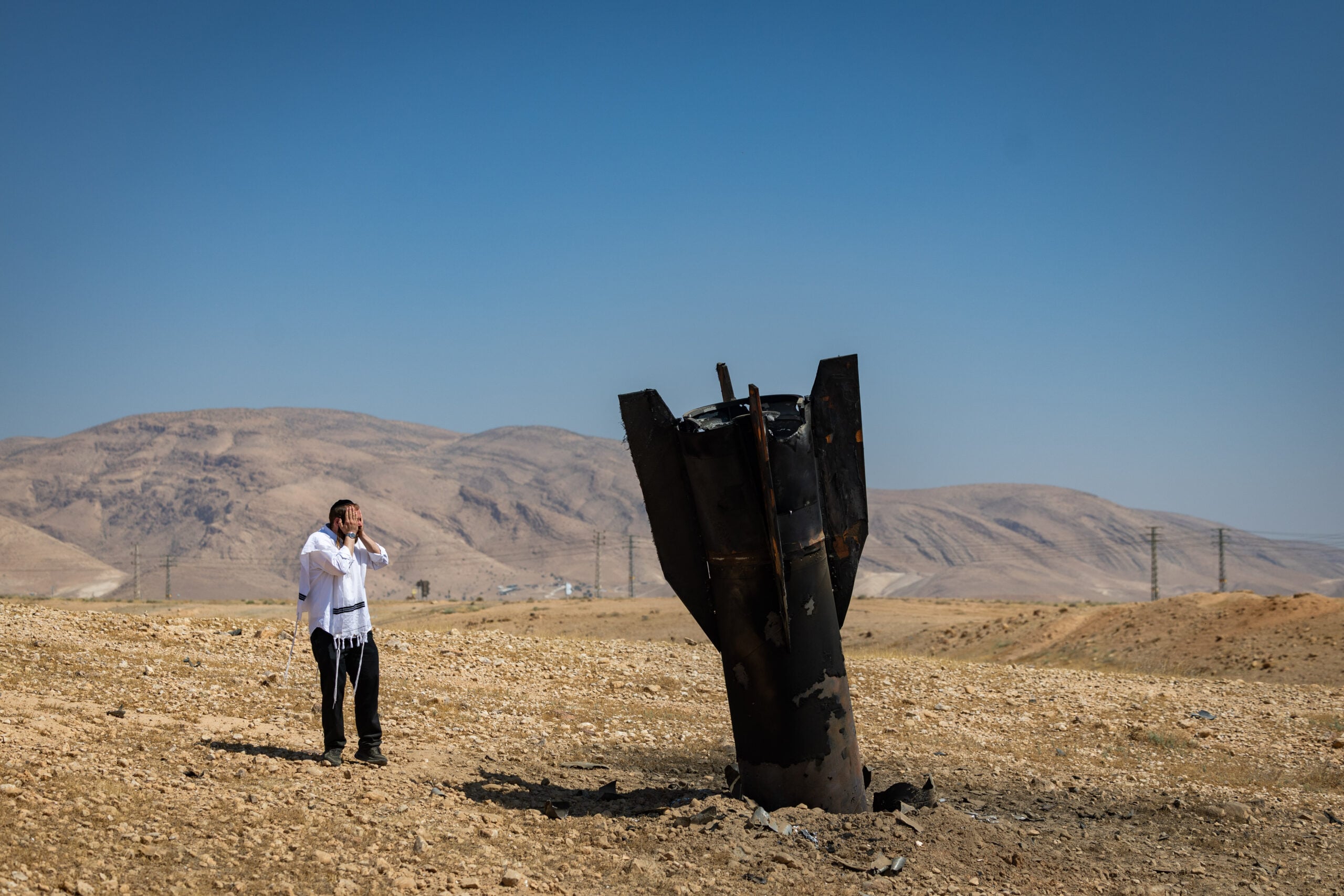
Part of an Iranian missile that fell in the Negev region | photo: Chaim Goldberg/Flash90
The operation began during Operations “Rising Lion” and “Roaring Lion” and gradually expanded. The content focused on painting a bleak picture of Israel—spreading false reports of high casualty numbers, widespread destruction, leadership crises, and deaths of senior officials and professionals. Messages also played on fears of prolonged war, extended shelter stays, and mass emigration from Israel.
The fake accounts racked up significant exposure quickly. One profile called “Jews of Yemen” garnered a million views and thousands of comments and shares, while another account, “Yitzhak al-Khamumi,” reached over 4 million views. The accounts operated in Hebrew, Arabic, and English, using similar content and coordinated activity patterns, researchers found.
Social media platform X | photo by: shutterstock
X served as the main platform for spreading the content, partly due to less stringent oversight mechanisms. The operators also used artificial intelligence tools to create images and videos purporting to show severe damage to infrastructure and civilians—though some of the footage didn’t reflect actual events. In other cases, they mixed real clips with inflated data or misleading information.
Ministry officials said the account operators tried to create an appearance of credibility by posing as soldiers, university employees, and Israeli citizens. Some profiles used children’s photos and fake personal details, while different accounts regularly shared each other’s content to boost exposure and create a sense of authenticity.
Minister of Diaspora Affairs and Combating Antisemitism Amichai Chikli said this represents “a systematic and coordinated Iranian attempt to influence Israeli public opinion by penetrating Israel’s internal online discourse.” Iranian actors are operating through fake accounts to undermine public trust and deepen divisions within Israeli society, he said.
Ministry Director General Avi Cohen-Scali added that unlike previous influence operations focused on the international arena, this effort specifically targeted the Israeli public itself. The collected intelligence has been passed to relevant security agencies for further handling and assessment of necessary countermeasures, he said.