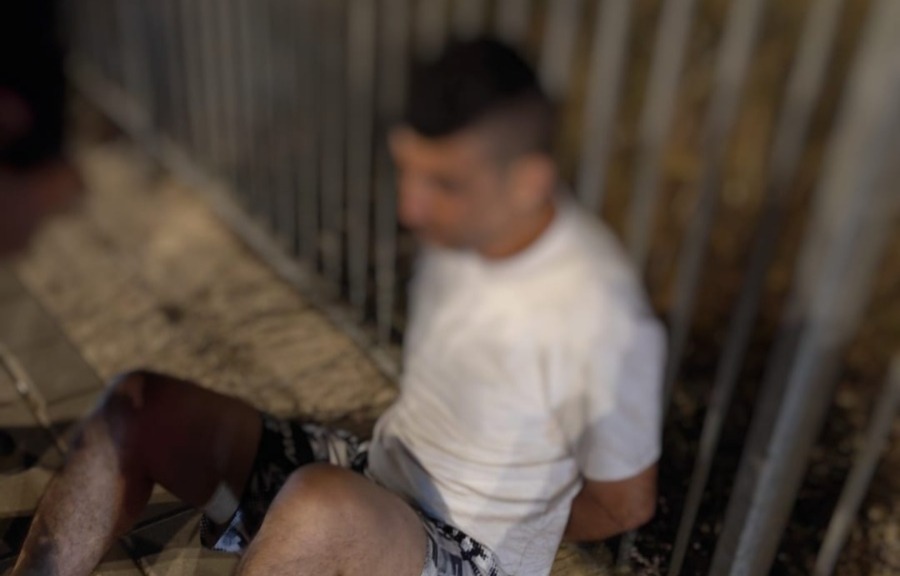
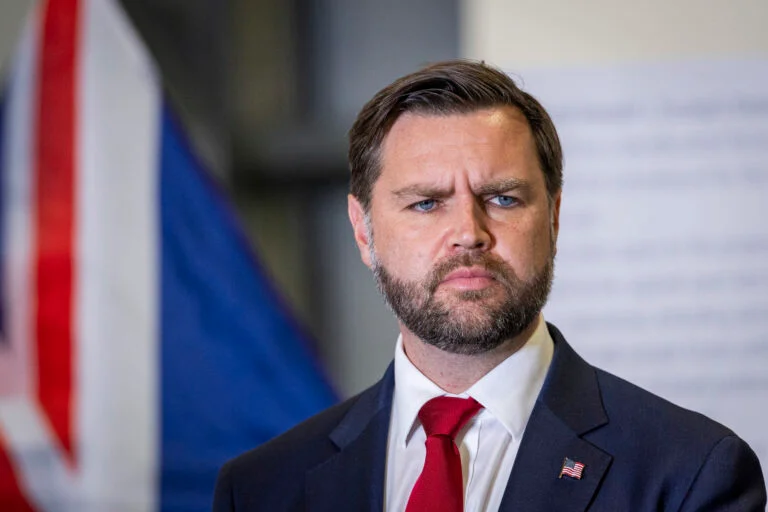
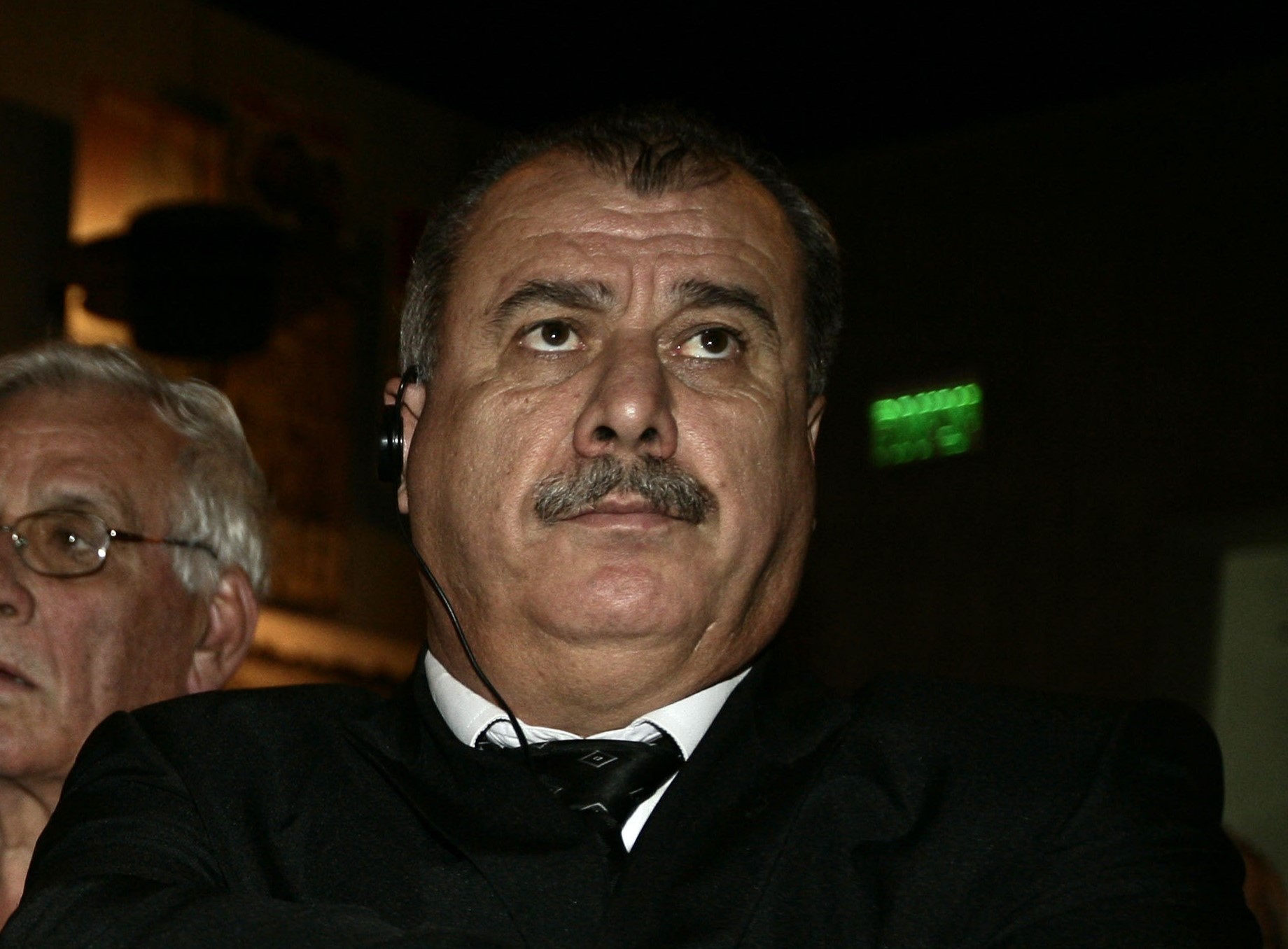
Following a video that spread on social media and sparked public outrage, Israeli police on Thursday arrested a ‘Palestinian’ suspect in the attack on a young woman in central Israel. The incident led to a rapid and intensive investigation that ended with a cross-district operation, leading to the suspect’s arrest at his home.
Arrest of suspect in attack on young woman in central Israel | Photo: Israel Police Spokesperson
The incident began when footage was posted on social media showing a woman around 20 years old being attacked by a man who followed her in a town. After the video spread, an accelerated investigation was opened at the Holon police station in the Ayalon district. Investigators carried out a series of complex operations, both overt and covert, to track down the attacker’s identity.
In a joint operation by the Tel Aviv, Southern, and Judea and Samaria districts of the Israel Police, with close assistance from IDF forces, the suspect was located—a 36-year-old Arab resident of Hebron. Security forces raided his home in the ‘Palestinian’ town of Dahriya, near Hebron, and arrested him. Following his arrest, the suspect was transferred to the Holon police station for further investigation. Police are expected to request that the court extend his detention based on the investigation’s findings.
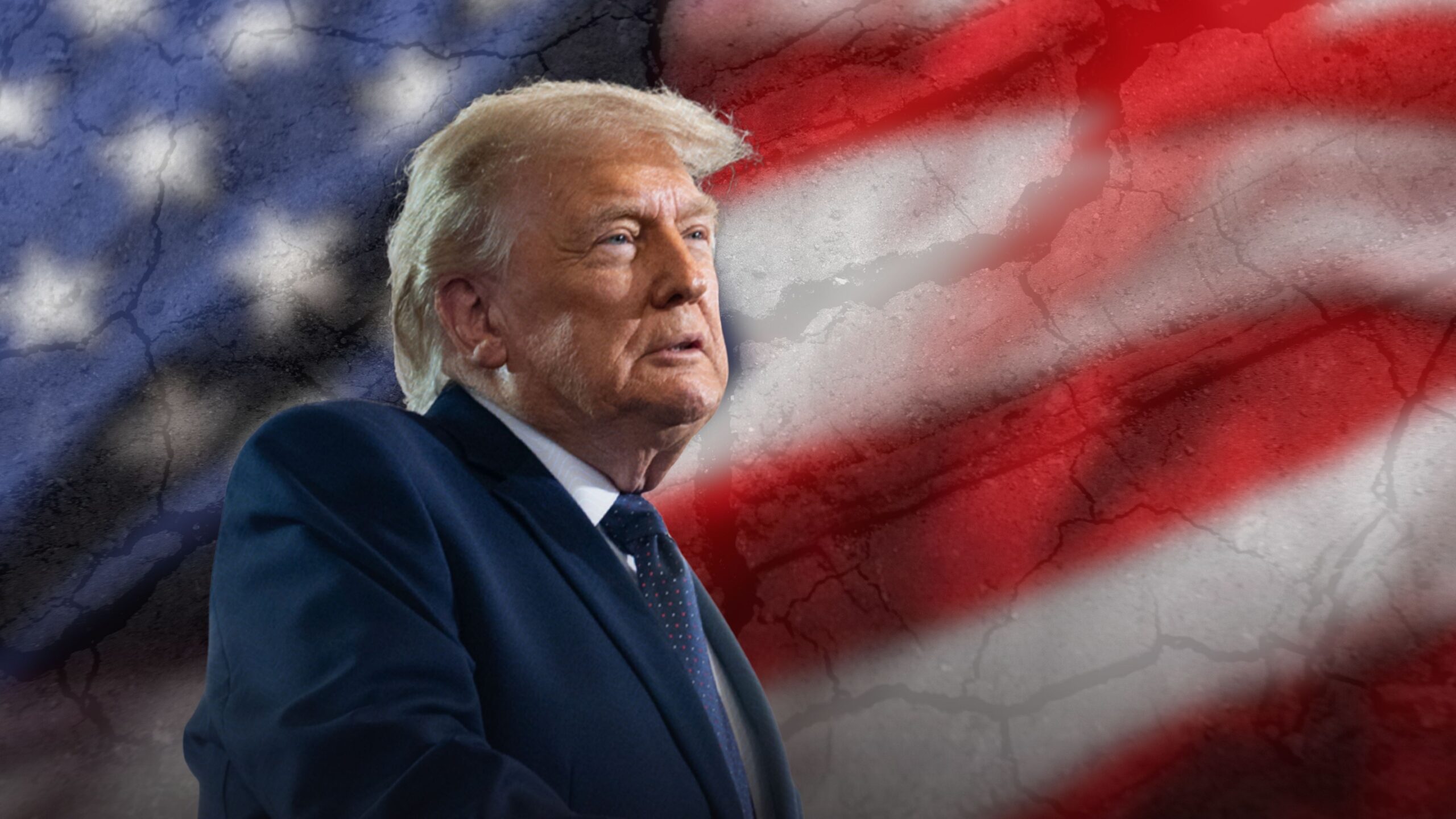
U.S. President Donald Trump posted on his Truth social media account: “The United States is committed to peace, and we encourage all people in the Middle East region to maintain their commitment to allow our negotiations to develop beautifully. Markets are enjoying what is happening with low oil prices and rising stocks. We expect a complete ceasefire on all fronts, including Lebanon, Hezbollah, and Israel. Thank you for your attention to this matter! President Donald J. Trump”
Iran released a message from the leader of the Islamic Revolution to the Iranian people regarding the memorandum of understanding between the presidents of the Islamic Republic of Iran and the United States.
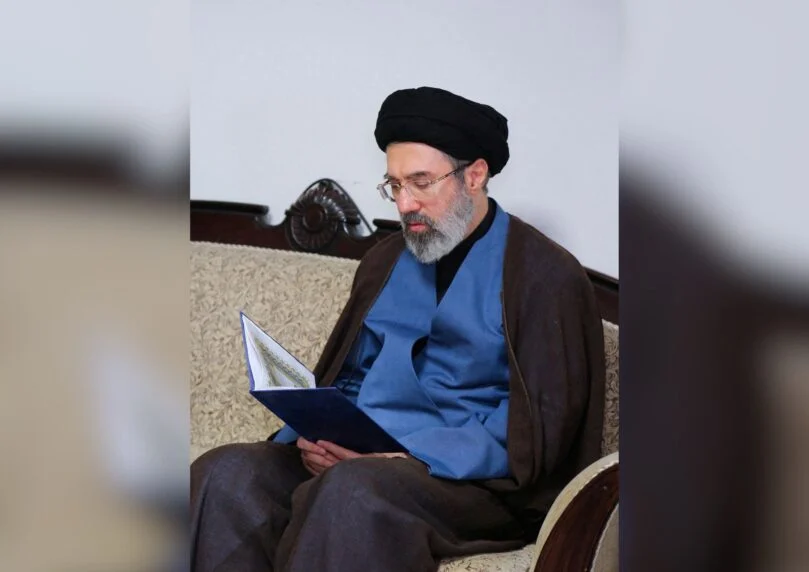
Mojtaba Khamenei, the third Supreme Leader in the history of the Islamic Republic | Photo: Reuters
In his letter Khemeni wrote: “A memorandum of understanding has been signed between the presidents of Iran and the United States. In reaching this stage, the relevant officials invested diligent efforts, driven by concern and good faith, despite the American president resorting to various forms of pressure stemming from his inability to achieve this.”
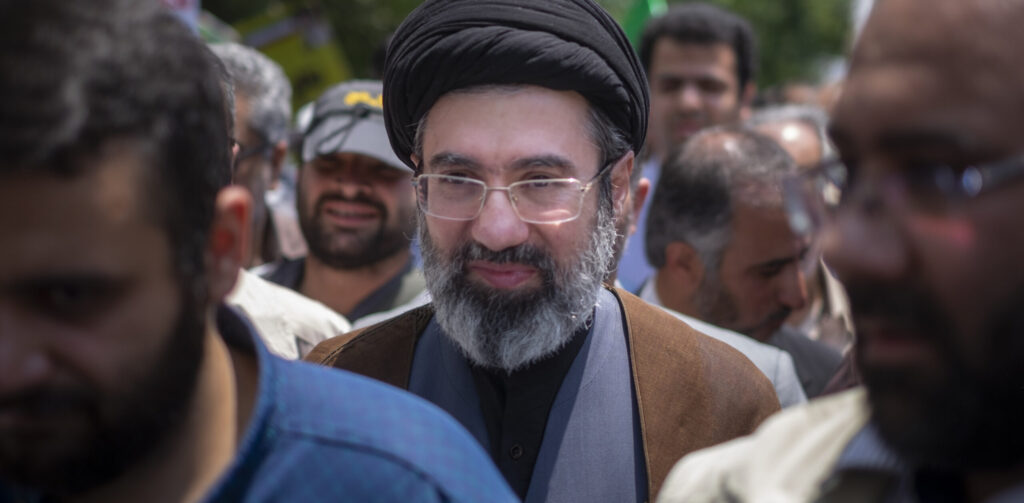
The Iranian leader pointed out that he had a different opinion on the matter but he approved it “based on the commitment of the honorable president, in his capacity as chairman of the Supreme National Security Council, on behalf of himself and the other members, to preserve the rights of the Iranian people and the resistance front”. Khemeni stated that Iran will not surrender to the U.S. if it attempts to “impose expansionist dictates or raise additional demands.”
Mojtaba Khamenei, the third Supreme Leader in the history of the Islamic Republic | photo by: Reuters
Iran said it will wait for the fulfillment of the aforementioned conditions. However, the warned that any direct negotiations that may take place in the future “will in no way indicate surrender to the enemy’s demands.”
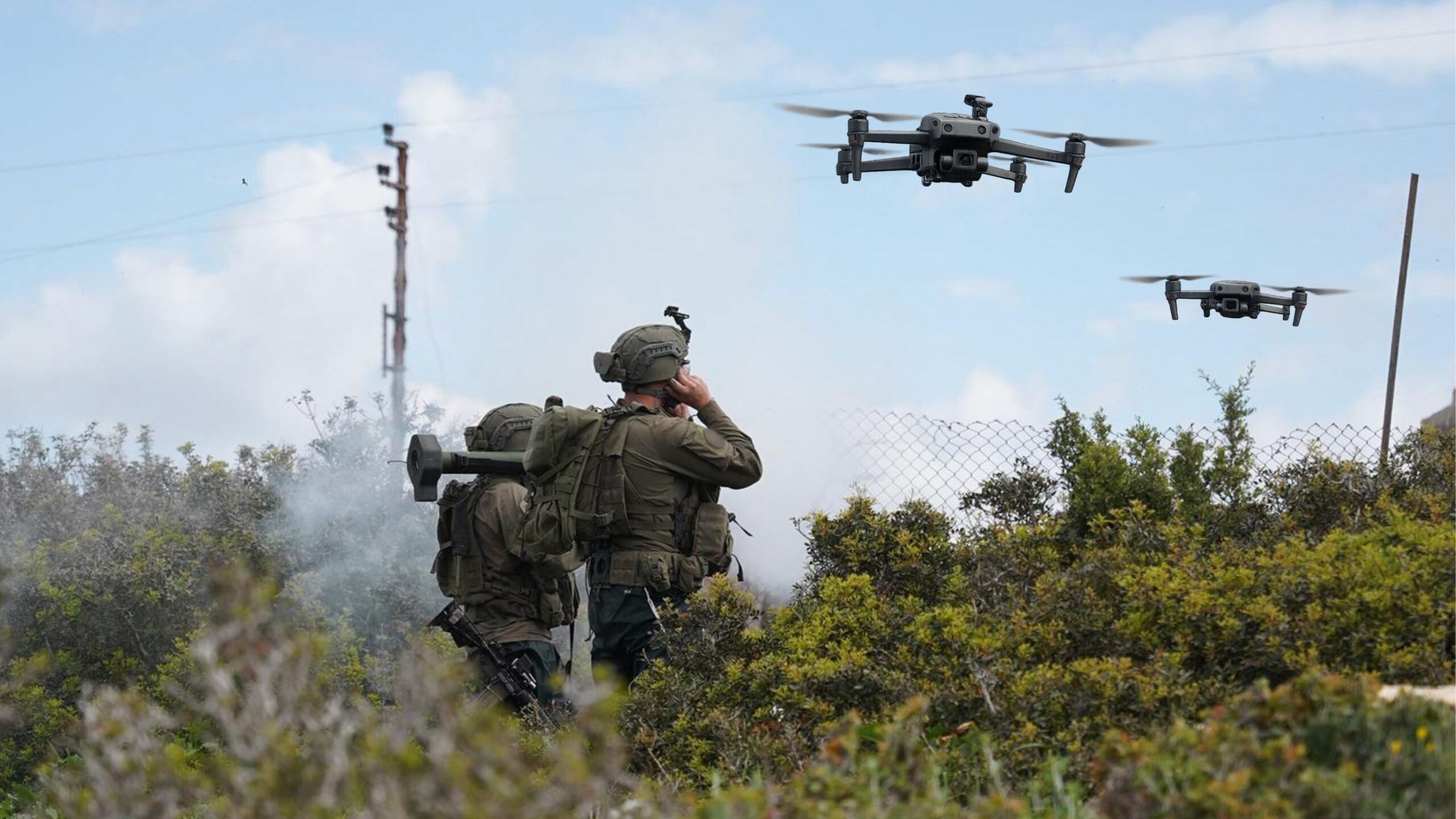
Following repeated Hezbollah violations of the ceasefire, including a serious incident in which five soldiers were wounded—one critically—by an explosive drone, IDF officials told Channel 14 on Thursday that combat policy has changed. The IDF has received authorization to open fire within the “Yellow Line” zone, with senior military officials expected to clarify the new rules of engagement to field commanders in the coming hours to enhance force protection.
An explosive drone launched by Hezbollah | photo by: Eyal Margolin/Flash90
The decision came after days of sharp criticism over the political leadership’s “restraint” policy. Commanders and soldiers in the field have warned in recent days that operational restrictions—including a ban on significant preemptive strikes and requiring division-level approval for any action—leave forces exposed.
An officer from Unit 551 described how demolition of a terror compound was delayed due to lack of American approval, a fact stated explicitly in a situation assessment. Another commander in the central sector noted that facing Lebanese Army checkpoints, forces are required to remain “static and exposed,” with any action conditional on definitive identification of danger only. A senior officer summed up the situation with a grave warning: “If we continue to advance without the full firepower we need—casualty numbers will rise.”
IDF Forces in Lebanon | Photo by: IDF Spokespersons Unit
The incident that led to the policy shift is repeated explosive drone attacks by Hezbollah that resulted in wounded soldiers. The move is designed to allow field commanders to respond to threats in real time and prevent continued erosion of soldiers’ personal security, while attempting to balance political demands with immediate operational needs.
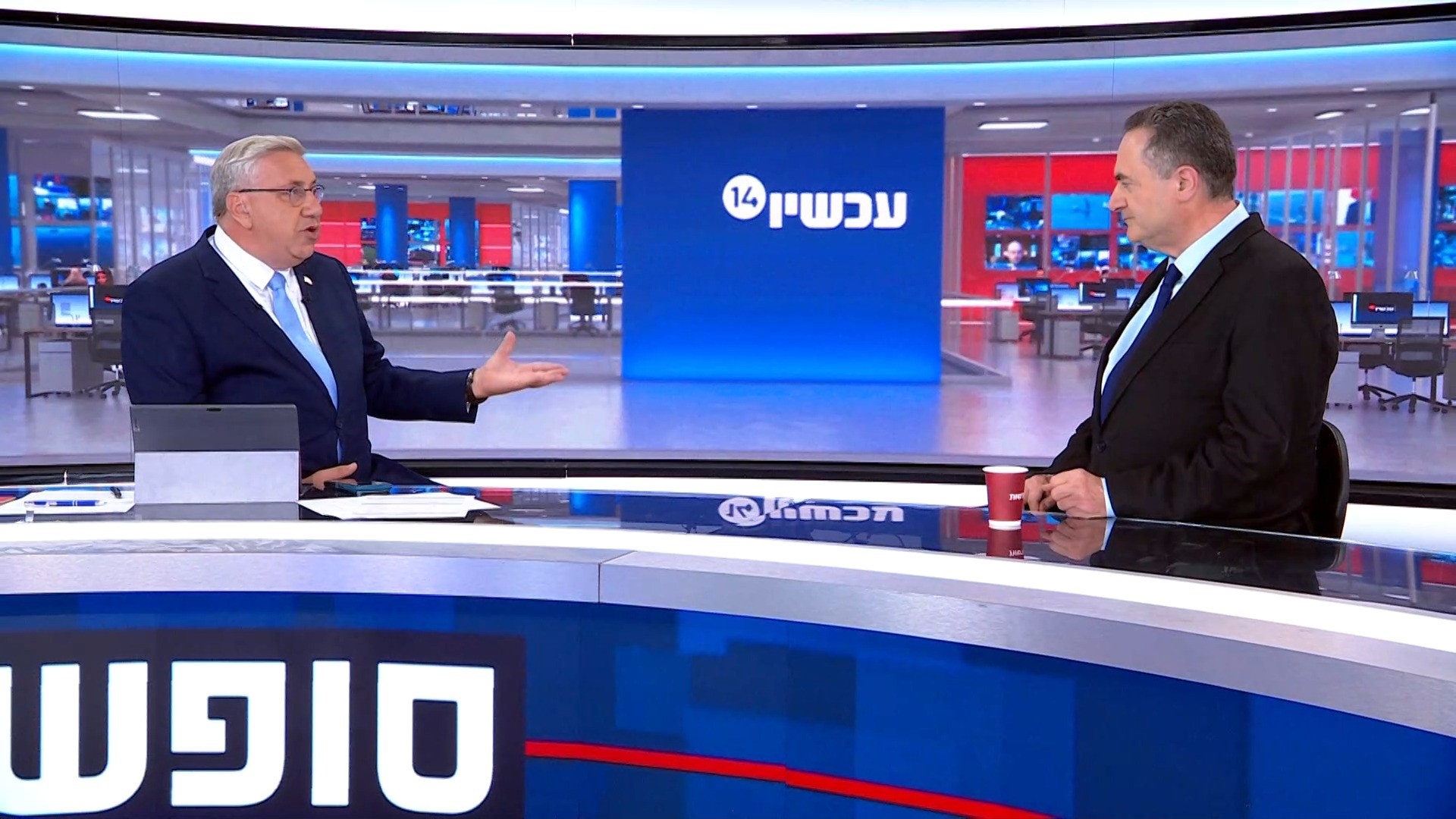
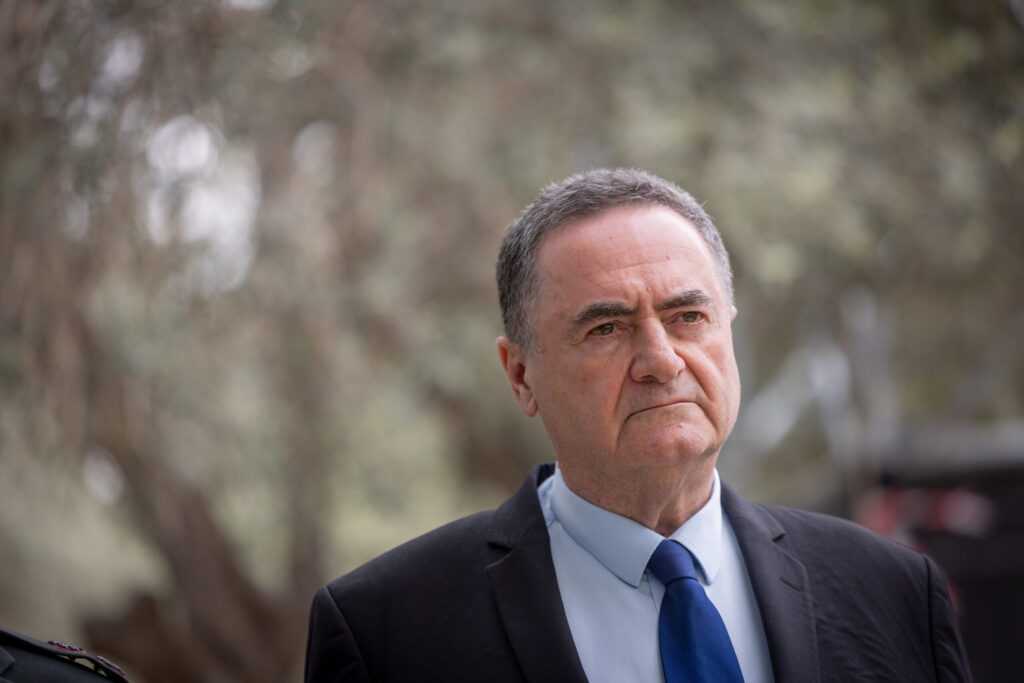
Defense Minister Israel Katz declared this evening (Thursday) in an interview with Yaakov Bardugo that Israel possesses independent operational capabilities and is ready to act against Iran at any time. In his remarks, the Minister emphasized that Israel does not depend on the active participation of American forces in the fighting itself. “Israel is prepared at any moment for a ‘Blue and White’ operation in Iran,” Katz said, adding: “We have never asked the United States to fight alongside us in Gaza, Lebanon, and Syria—we only want a diplomatic umbrella to protect us.”
Photo courtesy: Chaim Goldberg/ Flash90
During the interview, the Defense Minister detailed the strategic achievements of the recent campaign against Tehran’s proxies and its nuclear program. According to him, cooperation with the U.S. administration led to dramatic results on the ground that changed the regional balance of power. “We shattered Iran’s power, eliminated the leader of Iran, struck the leadership, the nuclear scientists, and the infrastructure. We destroyed Iran’s nuclear program, and now we must ensure that it does not return,” the Minister noted.
Katz addressed Israel’s unique standing in the eyes of the administration in Washington, noting that the American President views Israel as a premier strategic partner. He revealed that in closed-door conversations, Israel was given a nickname that testifies to the strength of the alliance between the two countries. “Do you know what the President of the United States said about us? He called us a ‘Model Ally.’ It is important to understand, we are the only ones in the world they call that, because we acted here with power and attacked together,” the Defense Minister explained during the interview.
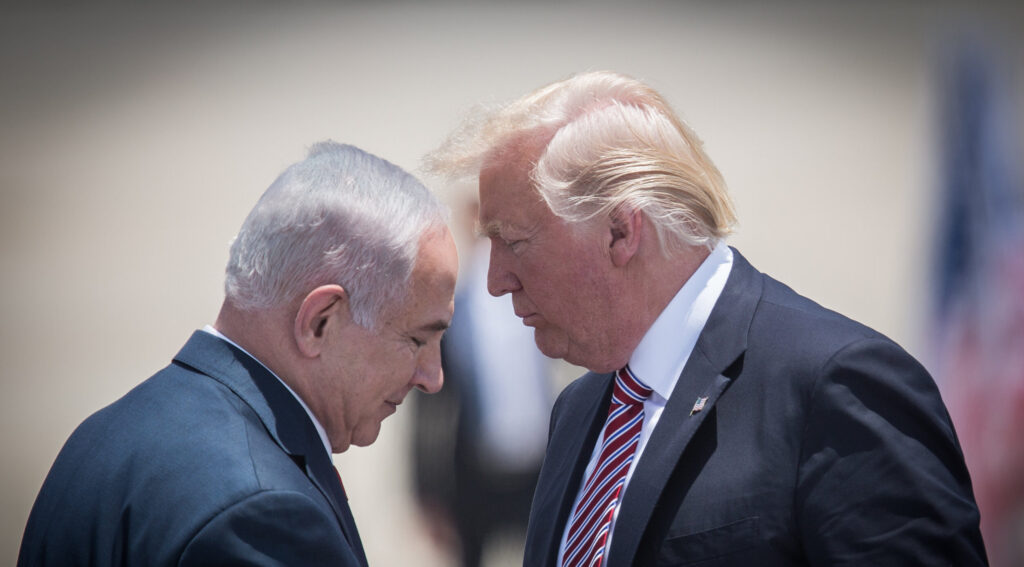
US President Donald Trump and Israeli Prime Minister Benjamin Netanyahu | Photo by: Hadas Parush/Flash90
In addition, the Minister compared Israel’s commitment to the United States with that of other countries belonging to the NATO alliance, noting that Israel was the only country that stood by the Americans at the moment of testing. “None of the NATO countries stood by his side even though he turned to them. The fact is that he turned to us—we were there and we are there, both because of our interest to remove threats of destruction and because of the interest of the United States.”
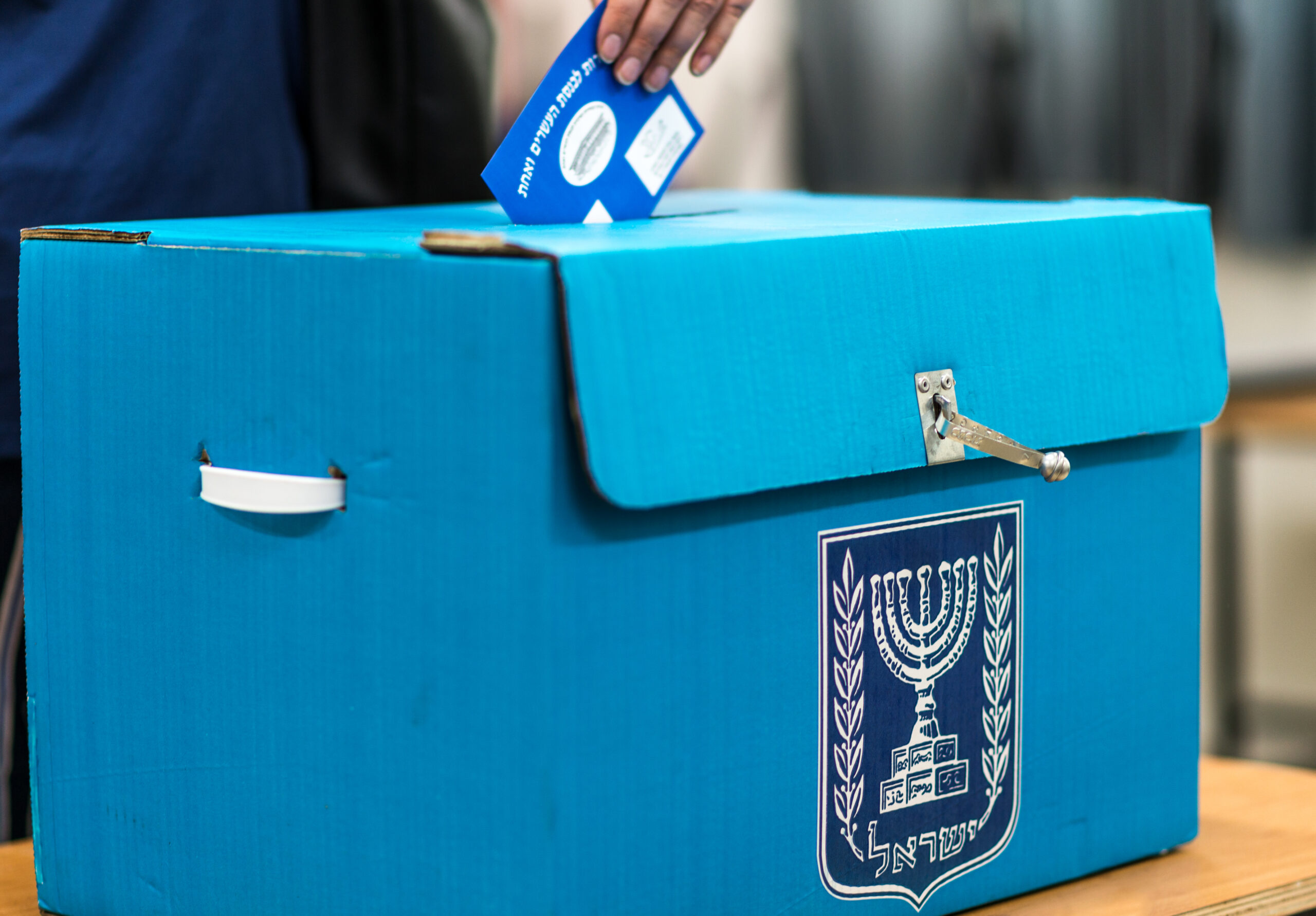
Elections for Israel’s 26th Knesset are approaching, and the Central Elections Committee wants to overhaul voting procedures. The bill submitted Thursday evening to Constitution, Law and Justice Committee Chairman MK Simcha Rothman includes a series of changes designed to address challenges from the ongoing war, the evacuee crisis, and the rapid development of artificial intelligence tools in the political arena.
Chairman of the Central Elections Committee, Justice Solberg | Photo: Yonatan Sindel, Flash 90
One of the most prominent changes tackles AI-generated campaign content. Under the proposal, any campaign material created or substantially edited using digital means that depicts a person, place, event, document, or object that could appear to be authentic documentation would be required to carry clear and prominent disclosure that digital means or artificial intelligence were used.
Another change could directly impact new parties. Elections Committee Chairman Justice Noam Solberg is proposing to allow parties not currently represented in the Knesset to use three letters on ballot slips, rather than just one or two as is currently the practice. The committee explains that the proliferation of parties and letters reserved for existing factions has created a shortage of marking options, and the move is intended to increase equality and reduce voter confusion.
Evacuees are also set to receive significant accommodations. The proposal would allow those forced to leave their homes due to the security situation to vote using double envelopes in designated ballot boxes, at accessible polling stations nationwide, or by registering an “address for election purposes” that would let them vote near their current location without changing their official address in the population registry.
The Elections Committee also wants to reduce the number of petitions and proceedings filed during election periods. To that end, it’s proposed to authorize the Elections Committee chairman to set fees for various requests, appeals, and proceedings brought before the committee, subject to approval by the Knesset’s Constitution, Law and Justice Committee.
Against the backdrop of ongoing security threats, the proposal also includes a new mechanism that would allow the Elections Committee chairman, in consultation with the IDF Chief of Staff or his representative, to establish special civil defense instructions for polling places and other sites used by the election system during a special situation on the home front.
Alongside these changes, the bill includes additional amendments concerning the management of election committees, voting in nursing homes, conducting hearings via video conference, and logistical preparations during emergencies. The ball now moves to the Knesset, which will have to decide whether to approve the changes that could reshape the next election system.
For the first time in months, the US Embassy is returning to operate officially beyond the Green Line. The move, first revealed by C14, is the result of diplomatic efforts led by Efrat Local Council head Dubi Shapler and his chief of staff, Yehonatan Markus. The two succeeded in establishing direct contact with senior US Embassy officials, leading to a decision to restore official consular services for the thousands of American citizens deepening their roots in Judea and Samaria.
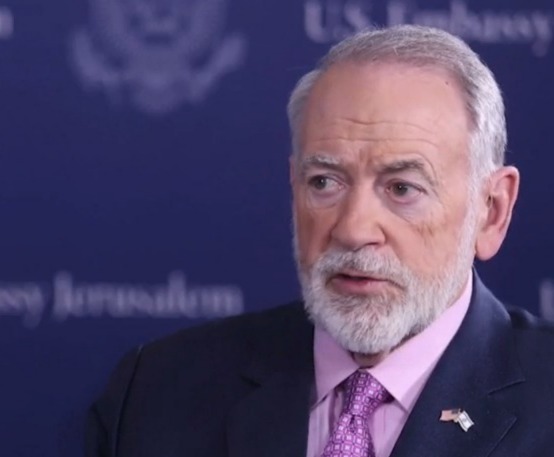
U.S. Ambassador to Israel, Mike Huckabee | photo by: Channel 14
Under the agreements reached, US Embassy representatives will arrive officially in the area later this month to provide full consular services to residents, eliminating the need to travel to branches over the Green Line. Beyond the exclusive service, the US Consul General has chosen—in an unprecedented move—the town of Efrat in Gush Etzion as the official location to mark the 250th anniversary of the founding of the United States of America.
The striking timing of the move raises many questions in the political and governmental establishment, with speculation about whether this is a step coordinated in advance with President Donald Trump’s team, which is leading a distinctly and uncompromisingly pro-Israel line. This choice of Efrat, the capital of Gush Etzion, to celebrate the symbolic Independence Day constitutes a public and unequivocal recognition of the importance and centrality of Jewish towns in Israel’s heartland.
Residents in Gush Etzion and throughout Judea and Samaria celebrated this as a historic step that will establish facts on the ground for the future and strengthen the status of the Jewish presence in Judea and Samaria. The move is seen as a clear declaration by the American administration about the deep and unshakeable bond between the peoples, and about the centrality of Jewish presence in the area.
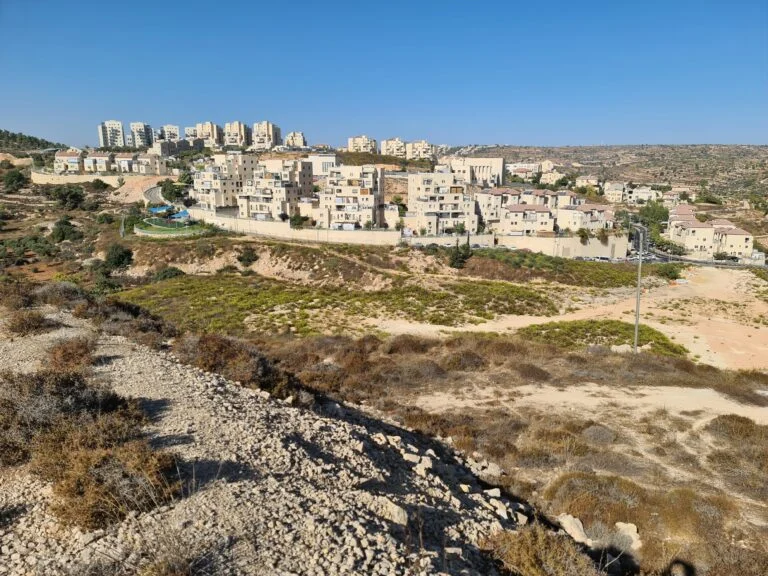
The town of Efrat in Gush Etzion | Photo by: Shutterstock
Israeli sources told C14 that this is a tremendous political victory and underscores that Judea and Samaria are an inseparable part of the State of Israel in every respect. The US Embassy’s choice to celebrate America’s Independence in Efrat sends a clear message to the entire world that the town, the region, the country, and the civilization is here to stay, to grow, and to deepen ties with our greatest allies.
Vice President JD Vance said that Israel will not give up its right to defend itself if rockets are fired into its territory, even as ceasefire talks continue in Gaza.
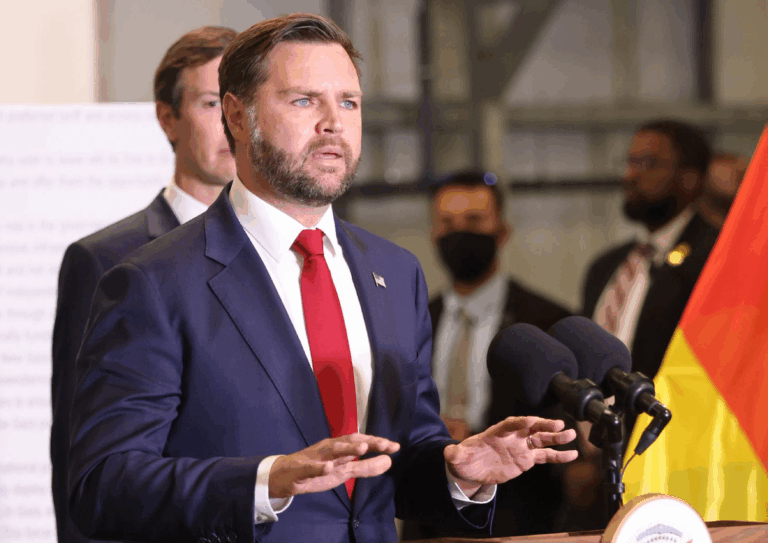
U.S. vice president J.D. Vance | photo by: Chaim Goldberg/Flash90
“Israel is not going to surrender its right to self-defense if people are shooting into Israeli territory,” Vance told CBS’s Face the Nation.
The vice president’s comments come as the U.S. pushes for a ceasefire deal between Israel and Hamas that would include the release of hostages held in Gaza since the October 7 massacre.
Vance emphasized that any agreement must ensure Israel’s security needs are met while working toward a broader resolution of the conflict.
We reported last night (Wednesday) for the first time that approval to open an investigation was received against Mohammad Barakeh, a former Knesset member, on suspicion of committing the offense of incitement to terrorism as part of a speech at a Fatah rally in Ramallah. He has been summoned for questioning and is set to be interrogated by the Crime Fighting Unit of the Samaria District in the Judea and Samaria Police District. This comes about three years after the complaint was filed against him in 2023—only recently did the Deputy State Attorney approve the move to question Barakeh.
Mohammad Barakeh | Photo by: Abir Sultan/Flash90
The alleged offense took place in December 2022. At the time, he was serving as chairman of the High Follow-Up Committee for Arab Citizens of Israel. He traveled to Ramallah and delivered a speech at a rally marking 58 years since the terror organization Fatah’s founding. According to investigation materials, in his Ramallah remarks he referred to “the souls of the martyrs,” praised terrorists, compared the Israeli government to the Nazi regime, called for “popular resistance to the occupation” (Israel), and for “struggle and combat” (against Israel). Because of all this, he has been summoned for questioning.
The Judea and Samaria District of the Israel Police continues its fight against those who incite terrorism—whether online or through any other means—and works to arrest those who incite, investigate them, and prosecute them to the fullest extent of the law, even after time has passed. Just over the past year, dozens of suspects have been arrested on suspicion of incitement offenses, and indictments have been filed against some of them.
Tel Aviv District Commander Chief Superintendent Haim Sargerov signed administrative closure orders for three businesses in Bnei Brak. The move came after a large-scale enforcement operation yesterday (Wednesday) uncovered illegal workers and suspected drugs at the locations.
Photo: Israel Police Spokesperson
During the operation, carried out by Bnei Brak-Ramat Gan police station officers along with civilian agencies, two illegal workers were found at a construction materials business on Kahneman Street. At another business—a car wash near Highway 4—two more illegal workers were discovered. At a nearby kiosk, materials suspected to be dangerous drugs were seized.
The investigation into the four illegal workers has been completed, and the Tel Aviv District Police prosecution unit filed indictments against them along with a request to hold them in custody until the end of proceedings. The business owners were questioned under caution and released under restrictive conditions, and the investigation into them continues.
Following the findings and investigation, licensing officers moved to close the businesses. The administrative closure orders signed by the district commander are valid for 30 days, starting yesterday (June 17, 2026) through July 16, 2026.