


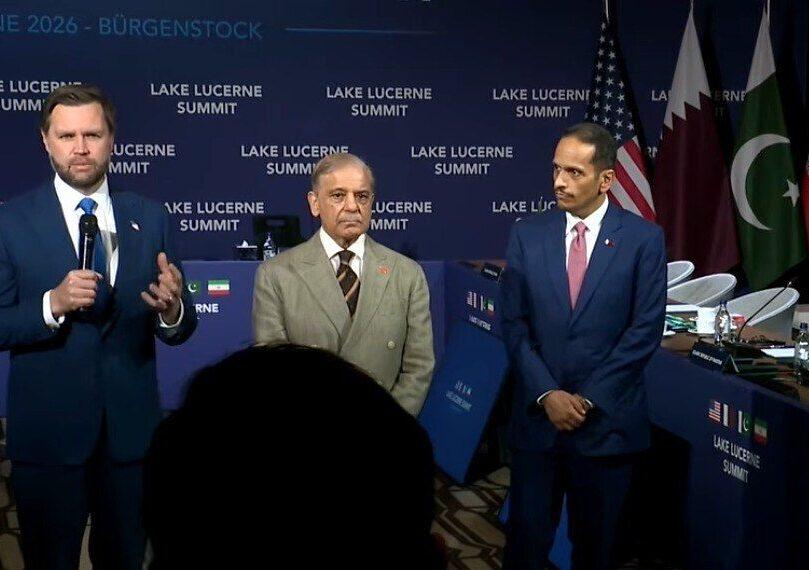

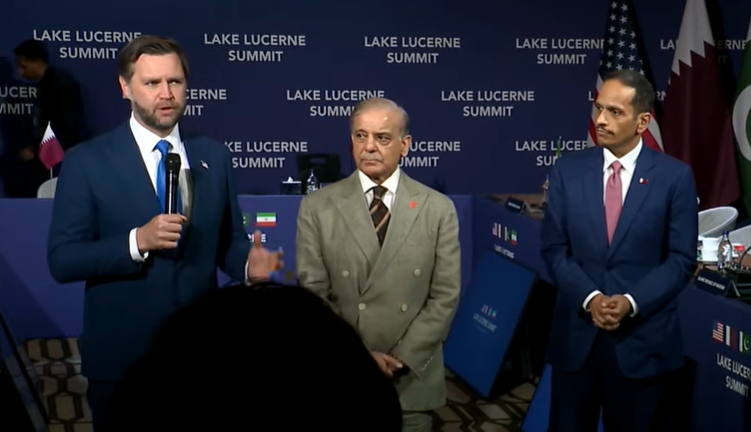
The latest round of talks between American and Iranian delegations concluded overnight Sunday into Monday after 18 hours of discussions. According to a joint statement from mediators Qatar and Pakistan, the sides agreed on a roadmap to resolve disputes and establish regional stability. The mediators said the contacts took place in a positive and constructive atmosphere, but faced significant difficulties due to combative rhetoric from President Donald Trump, who threatened in a Fox News interview that the U.S. might “take over” the Strait of Hormuz and called the Iranians blunt names: “Shut it down and you won’t have a country, you won’t even be able to get back to your country.”

 2+
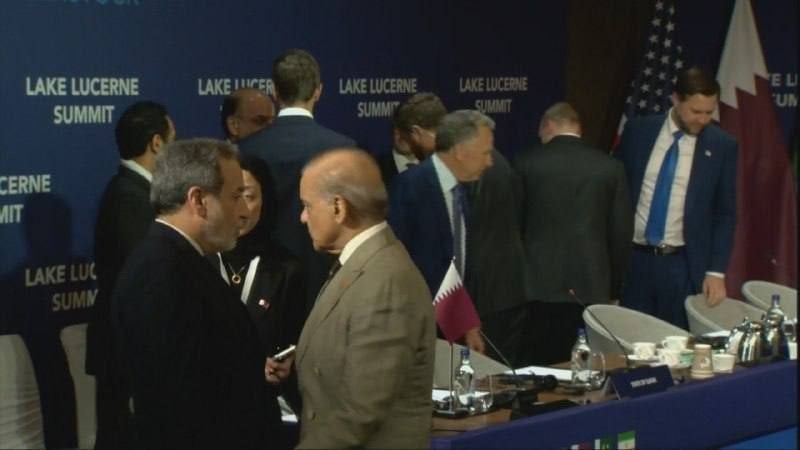
Iranian Foreign Ministry spokesman Esmail Baghaei claimed the Iranian delegation initially announced its intention to halt the talks in the quadrilateral format due to Trump’s threats. According to him, “During the quadrilateral meeting, a threatening statement was issued from the U.S., which led to our announcement of unwillingness to continue the talks.” Ultimately, mediators Qatar and Pakistan managed to preserve the continuity of discussions in technical formats. Iran chief negotiator Mohammad Bagher Ghalibaf condemned what he called Trump’s “desperation” in a post on X.
The agreement establishes a direct communication line to manage incidents in the Strait of Hormuz for 60 days, as defined in the memorandum of understanding. Iran committed to act with all its power to ensure safe and free passage for commercial vessels between the Persian Gulf and the Gulf of Oman. Additionally, a “high-level committee” will be established to oversee the political process and lead working groups focused on nuclear issues, sanctions removal, and monitoring and resolving conflicts to ensure effective implementation of the agreements.
 2+
On the economic front, Iranian Foreign Minister Abbas Araghchi stated that the American administration approved waiving sanctions in the oil sector and paving the way for releasing frozen Iranian assets abroad. In this context, an economic expert from the Iranian delegation, Hussein Ghorbanzadeh, noted that a draft agreement for temporary exemption from sanctions on oil and its derivatives was completed. Araghchi added that a “broad national development and rehabilitation program” was launched.
Another major development is the establishment of a de-escalation cell mediated by Qatar and Pakistan, aimed at ensuring the end of military activity in Lebanon—a complex mission given repeated violations of the ceasefire by Hezbollah, with 5 IDF soldiers killed just this past weekend. At this stage, Israel agreed to hold fire outside the yellow line to allow talks to continue. Technical teams are remaining in Switzerland through this week to continue discussing all issues on the table.
 2+
The contacts took place under the shadow of the Iranian military command, which announced Saturday its intention to close the Strait of Hormuz in response to Israeli strikes in Lebanon and Iran’s claims of American failure to fulfill commitments. The Strait of Hormuz has long been a central bargaining chip for Tehran in its talks with the West.