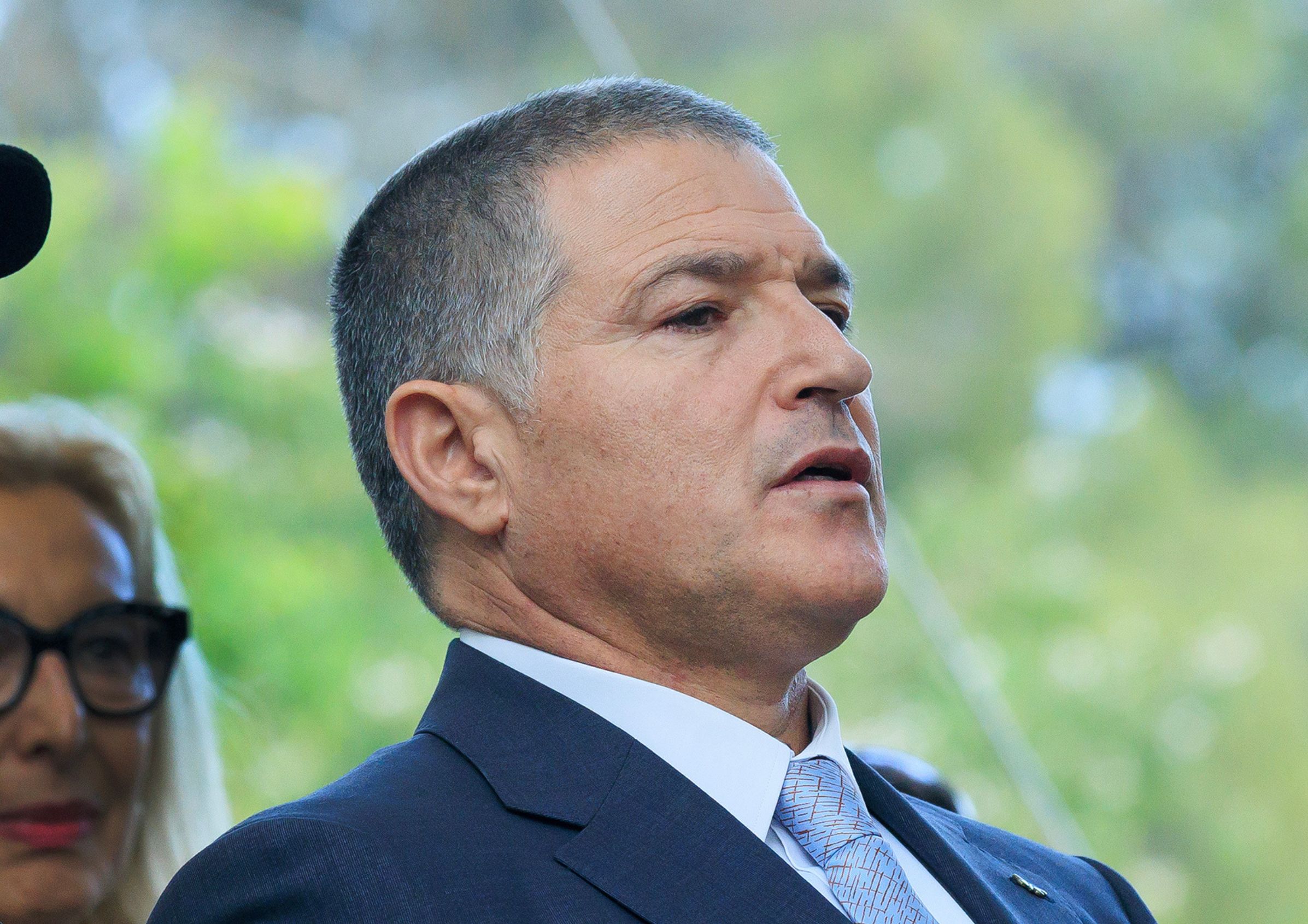
Security sources say Shin Bet Director David Zini is warning in closed-door meetings that the next October 7 will be in Eilat, and has ordered senior officials in the organization to prioritize a scenario of a possible attack on the city, Haaretz reported today (Monday).
October 7th attack, archive footage | photo by: Abed Rahim Khatib/Flash90
Eilat’s geographic isolation makes it, according to the reports, a worrying security vulnerability in the Shin Bet chief’s eyes. In internal discussions and security forums, Zini warns of a nightmare scenario of ground infiltration into the city through land borders, especially from Jordan. He assesses that such an attack could include a coordinated, synchronized raid by multiple terror organizations, including the Houthis.
According to sources, Zini is directing the service’s intelligence units to prepare for an attack scenario on the city, though some in the security establishment question both the likelihood he assigns to such a possibility and whether concrete intelligence exists about a planned attack.
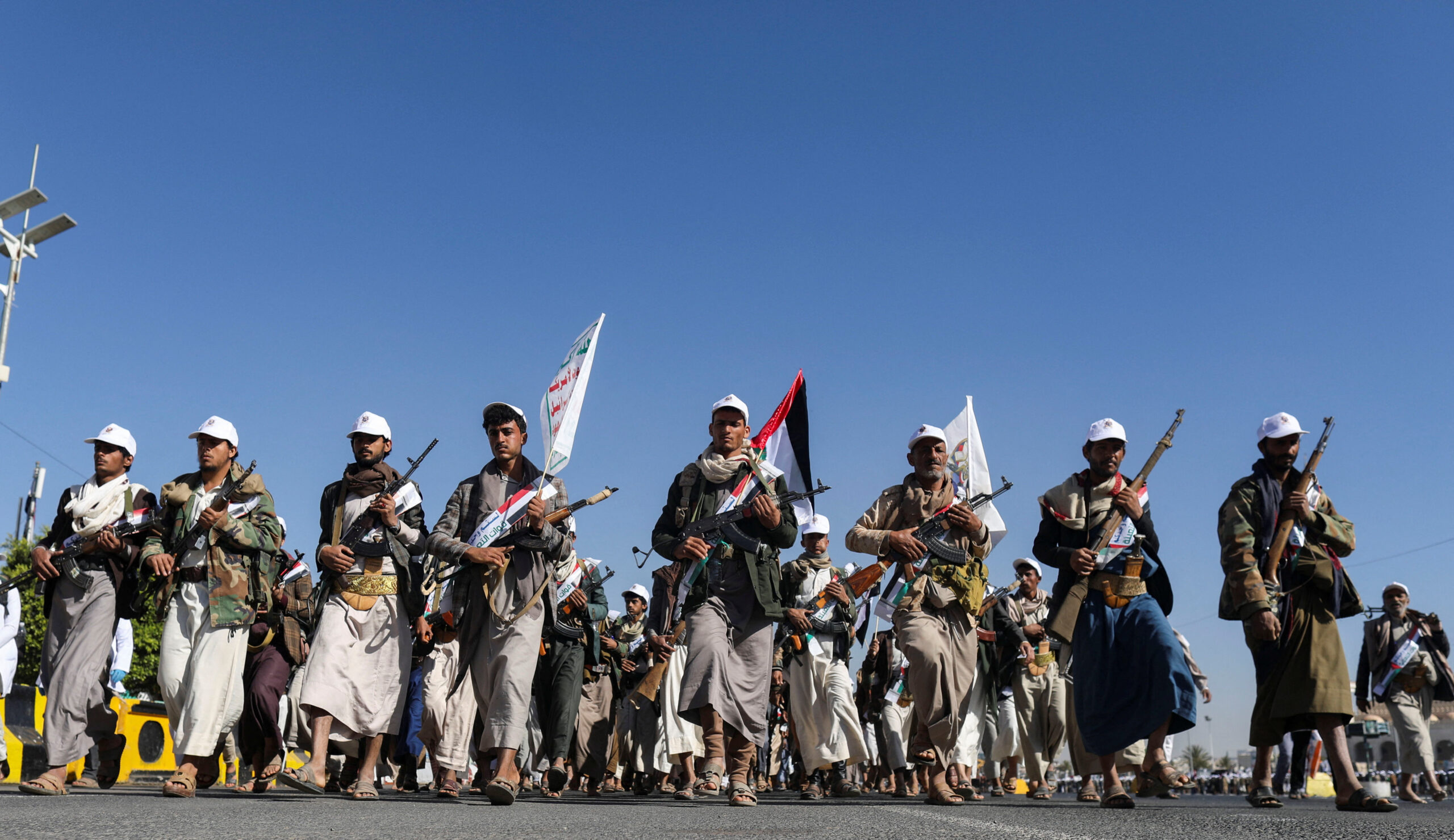
Houthi terrorists | photo: Reuters
According to those same security sources, Zini assesses that an attack on Eilat could begin with a coordinated, synchronized ground infiltration, possibly supported by several terror organizations, including the Houthis.
According to the report, several weeks ago the Shin Bet chief made a secret visit to Eilat along with other senior officials from the service. During the visit they met with security officials in the city, and Zini also presented to them his warning about the possibility of ground infiltration into Eilat.
Under American pressure, Israel is weighing announcing “symbolic” withdrawals of its forces from southern Lebanon as part of negotiations expected to open soon, a source involved in the details told the Jordanian site Roya News on Monday.
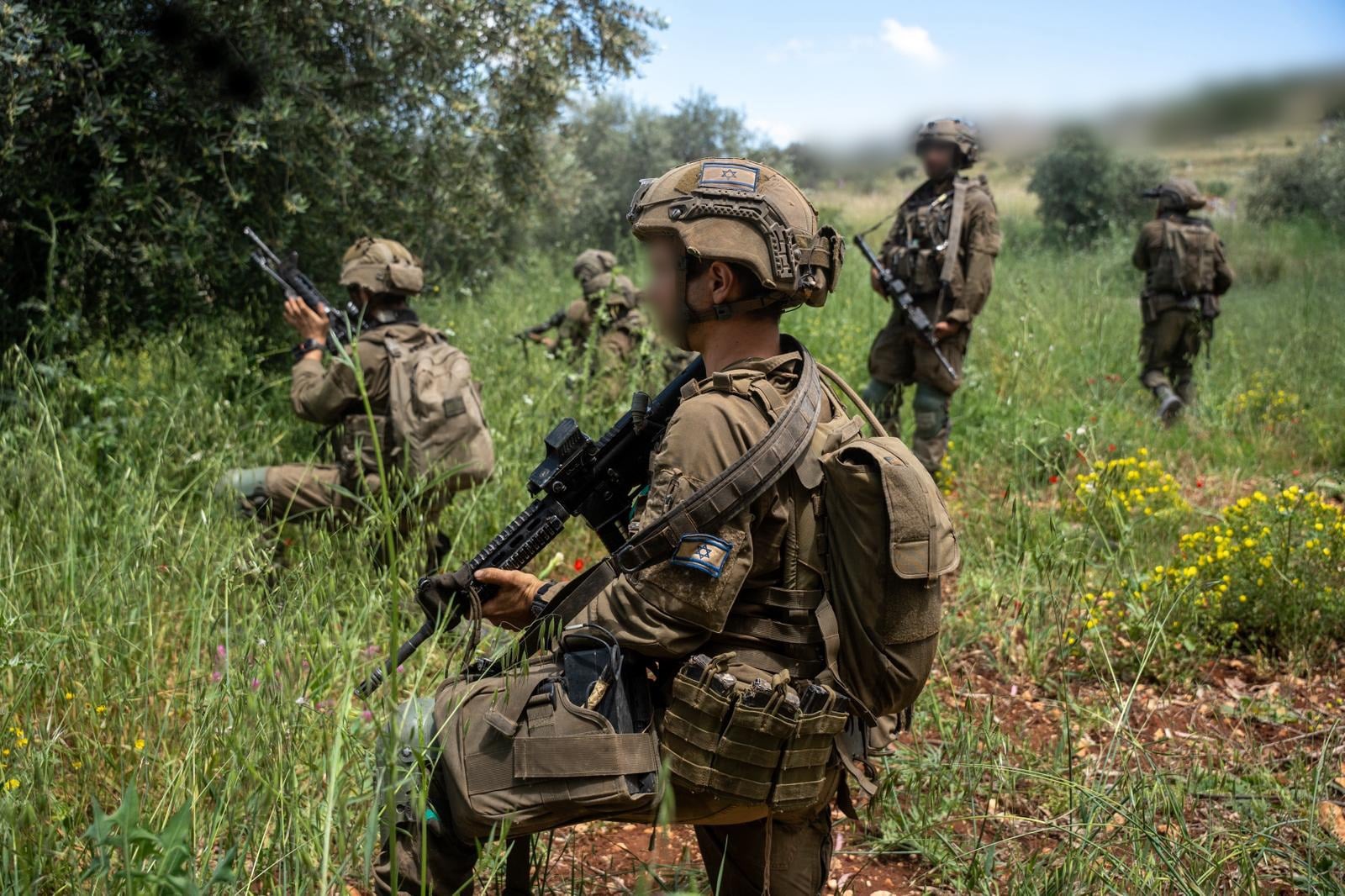
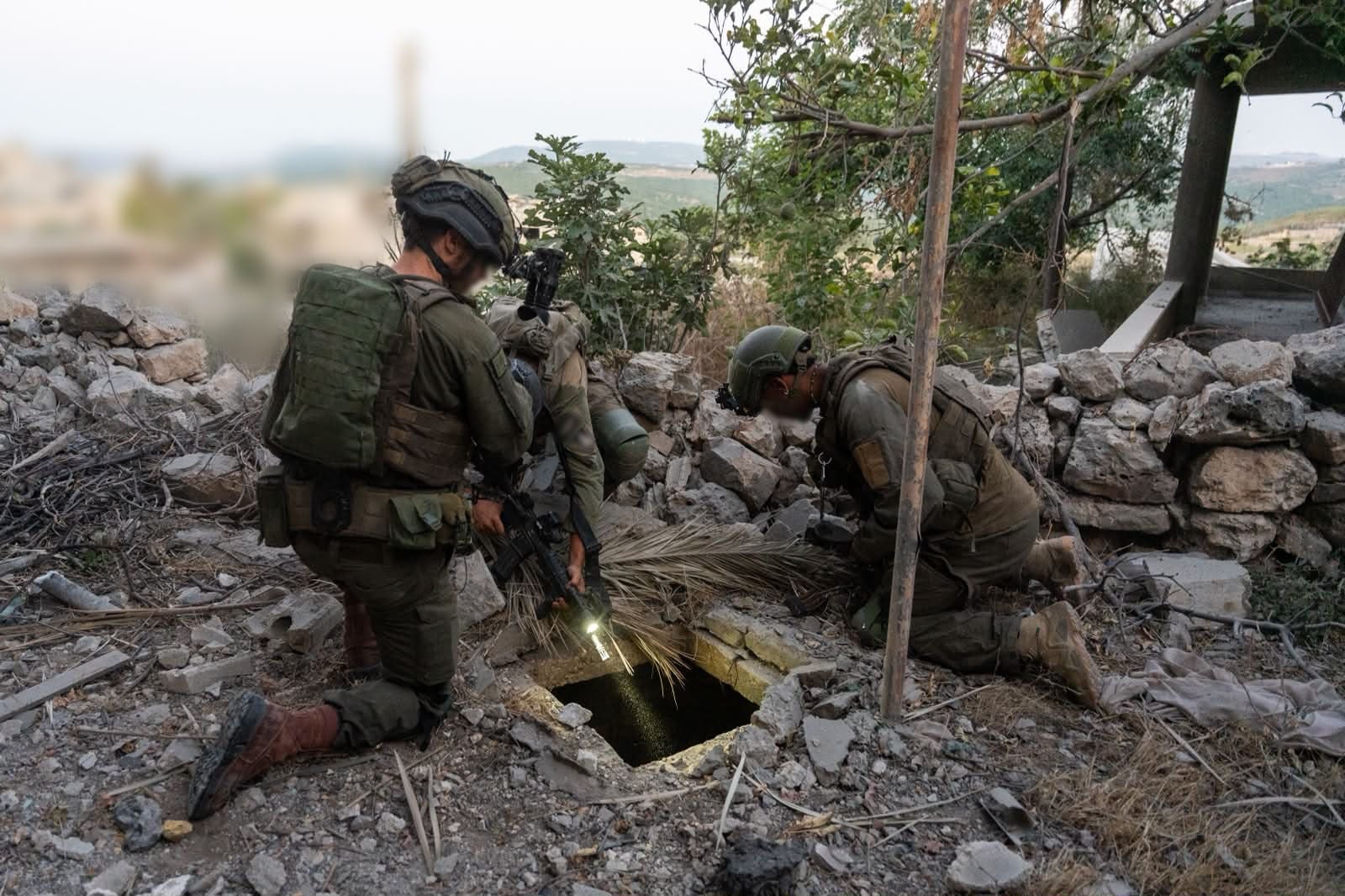
Israel forces in Lebanon, archive footage | photo by: IDF spokespersons unit
Earlier today, Middle East expert Yoni Ben Menachem issued a stark warning in an interview with Tal Meir ahead of the start of contacts in Washington: “Security officials told me they’re already starting to talk about an Israeli withdrawal from territories we captured, including the Beaufort.”
According to him, “The Americans are already trying to start dictating our exit from Lebanon before the problem of Hezbollah’s disarmament is solved. Our boys are falling there, and now they want to fold us up without a serious solution that guarantees the safety of northern residents from an invasion by the Radwan Force, anti-tank missile fire, and rockets—these developments are extremely dangerous.”
U.S. president Donald Trump | photo by: The White House
Meanwhile, among the recent proposals from U.S. President Trump in an attempt to “curb” Israel’s strikes against the terror organization Hezbollah in Lebanon is to allow Syria, under the leadership of al-Julani, to be responsible for disarming Hezbollah instead of Israel.
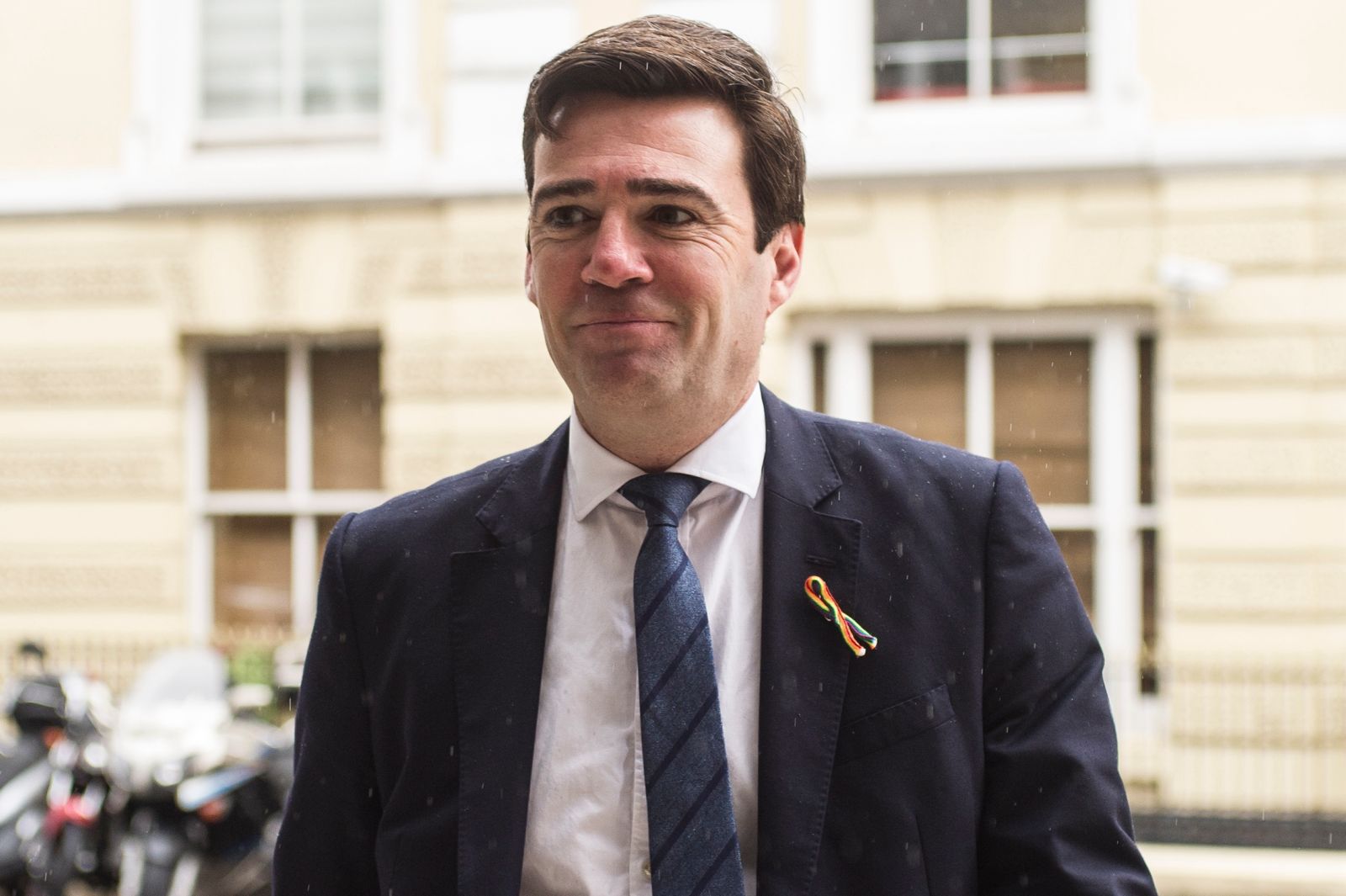
Andy Burnham, the mayor of Manchester who recently returned to Parliament and is now emerging as the likely successor to British Prime Minister Keir Starmer, has long been seen as a figure who expresses principled support for Israel’s right to exist—while also siding with the ‘Palestinian’ narrative.
Andy Burnham | photo by: Shutterstock
In 2015, when he ran for Labour leadership, Burnham declared that if elected, Israel would be his first foreign policy visit. He described it as “a democracy with a long history of protecting minorities and advancing civil rights,” and called the BDS movement “vindictive.”
At the same time, Burnham supports a two-state solution and was among those calling for official recognition of a ‘Palestinian’ state. He opposes Israeli patronage in Judea and Samaria, which he has previously defined as “illegal and immoral.”
Resigning British PM Keir Starmer | Photo by: Shutterstock
On the Gaza war, his position is mixed. On one hand, he refused to define IDF operations as “genocide,” saying: “I cannot judge things of such magnitude from my perspective as mayor.” On the other hand, he expressed deep concern about the scale of destruction and civilian casualties, and called for a full investigation.
In October 2023, Burnham joined calls for a ceasefire, while emphasizing that Israel operates within the framework of international law but expressing “deep concerns” about the death toll and the prevention of aid.
The IDF announced this morning (monday) that forces carried out targeted strikes in northern Gaza over the weekend, killing two senior Hamas operatives. The operations, part of Southern Command’s ongoing effort to remove immediate threats, aimed to dismantle the terror infrastructure’s engineering and sniper capabilities operating in Gaza City and Jabaliya.
The Terrorists killed in Gaza | photo: IDF Spokespersons unit
Ahmad Munir Khalil Zaza served as the engineering chief of the West Jabaliya Battalion in the Gaza City area. In that role, Zaza was responsible for manufacturing and distributing combat equipment among terror companies in the area, and commanded the construction of explosive devices and booby-trapped buildings. Recently, Zaza attempted to plant explosives near the “Yellow Line” with the clear intent of targeting IDF soldiers operating in the zone.
Hussein Safadi commanded Gaza City’s sniper operations and was responsible throughout the war for all sniper attacks against Israeli forces in the area. Safadi systematically violated the ceasefire agreement and worked to train additional operatives to advance new sniper tactics against IDF soldiers.
IDF Forces in Gaza | photo: IDF Spokespersons unit
Last week in an interview on the program “The Patriots,” Defense Minister Israel Katz announced a fundamental policy shift since taking office, including permanent territorial control and destruction of infrastructure above and below ground in more than 60% of the Strip. The minister expressed open support for renewing Jewish presence as a security necessity: “When the time comes, we will establish Nahal outposts in Gaza, at Dugit, Nisanit, and Elei Sinai. This will be a body that is both military and civilian that can be there to protect the communities. There is justice in this and there is wisdom in this.”
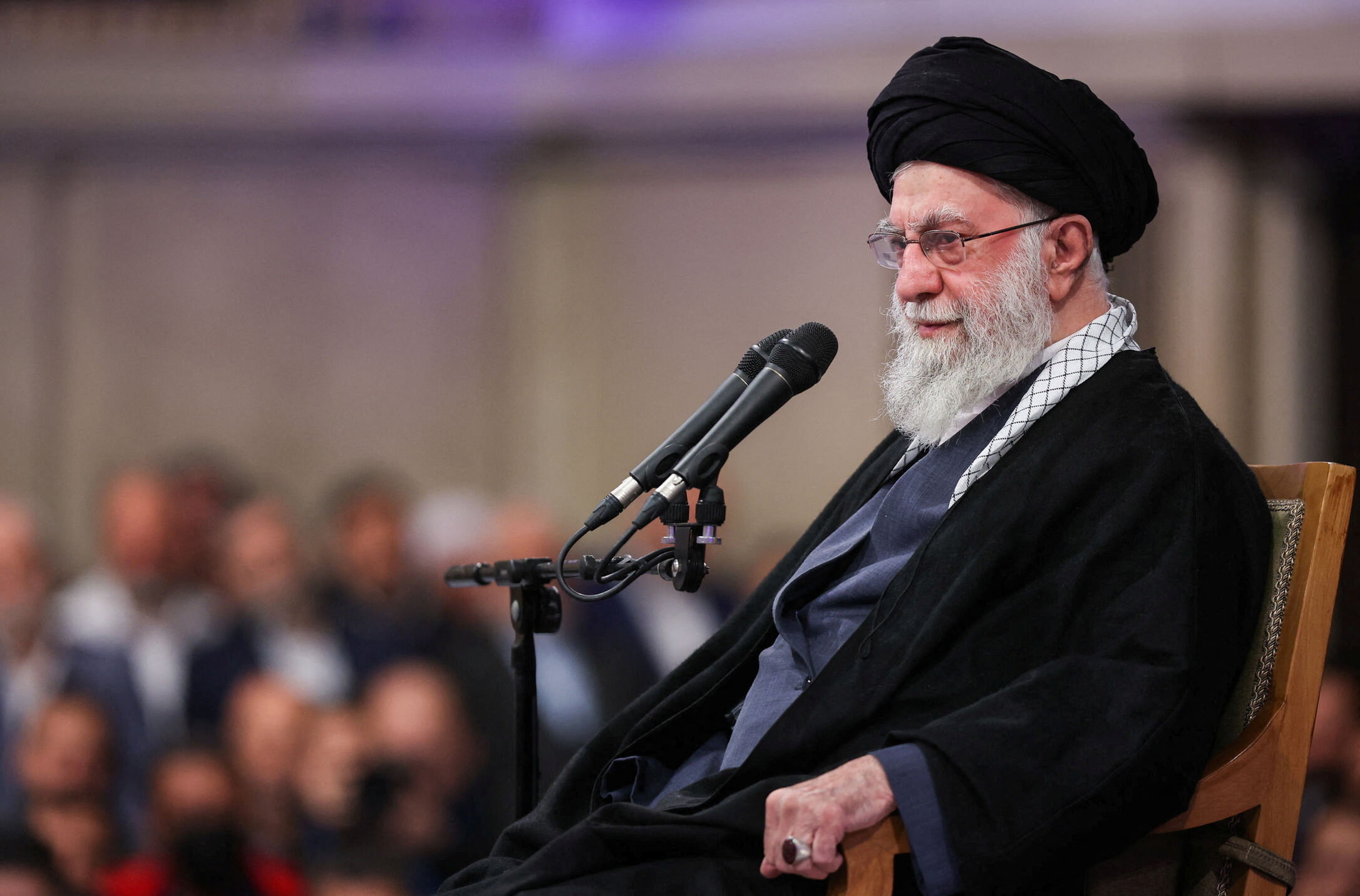
Iran is preparing to hold the funeral of former Supreme Leader Ali Khamenei on Tuesday, according to reports in Iranian media. The main funeral procession will take place in the city of Qom, with separate memorial ceremonies for family members who were killed during Operation “Lion’s Roar.” Khamenei was killed in a surprise attack on February 28, the first day of the war.
Alongside the funeral announcement, speculation is growing that Iran’s new leader, Mojtaba Khamenei, may appear in public for the first time since taking office. Various sources believe the funeral events—expected to draw massive crowds and senior Iranian officials—will provide the most appropriate stage for the younger Khamenei’s debut.
Mojtaba Khamenei | Photo by: Tasnim news agency
Since the start of the war, and especially since his appointment as Supreme Leader, Mojtaba Khamenei has not been seen in public. According to various reports, he’s been staying in a hideout whose location is kept secret, due to fears of assassination attempts. Khamenei was reportedly present in the compound where his father was staying during the strike that killed him, and was himself injured in the attack. However, no official information has been released about the nature of his injuries or his medical condition.
His prolonged absence from public view has sparked a wave of speculation inside Iran and beyond. While messages attributed to him continue to be published through official channels and social media, there’s no proof that he’s actually behind them or that he’s directly managing the regime’s operations.
The West and regional states are closely monitoring developments. A first public appearance by Khamenei would provide an initial indication of his health and how he intends to lead Iran in the post-war period. For the Tehran regime, it’s also an opportunity to project stability and continuity after months of security and political upheaval.
Still, these remain assessments only. It’s unclear whether Khamenei will choose to participate in the funeral ceremonies publicly, or continue avoiding exposure for security reasons. Even after the agreement between Washington and Tehran, various sources in Iran believe a possible threat from Israel is still being taken into account—which could influence his decision whether to emerge from hiding and appear before the public for the first time since taking power.
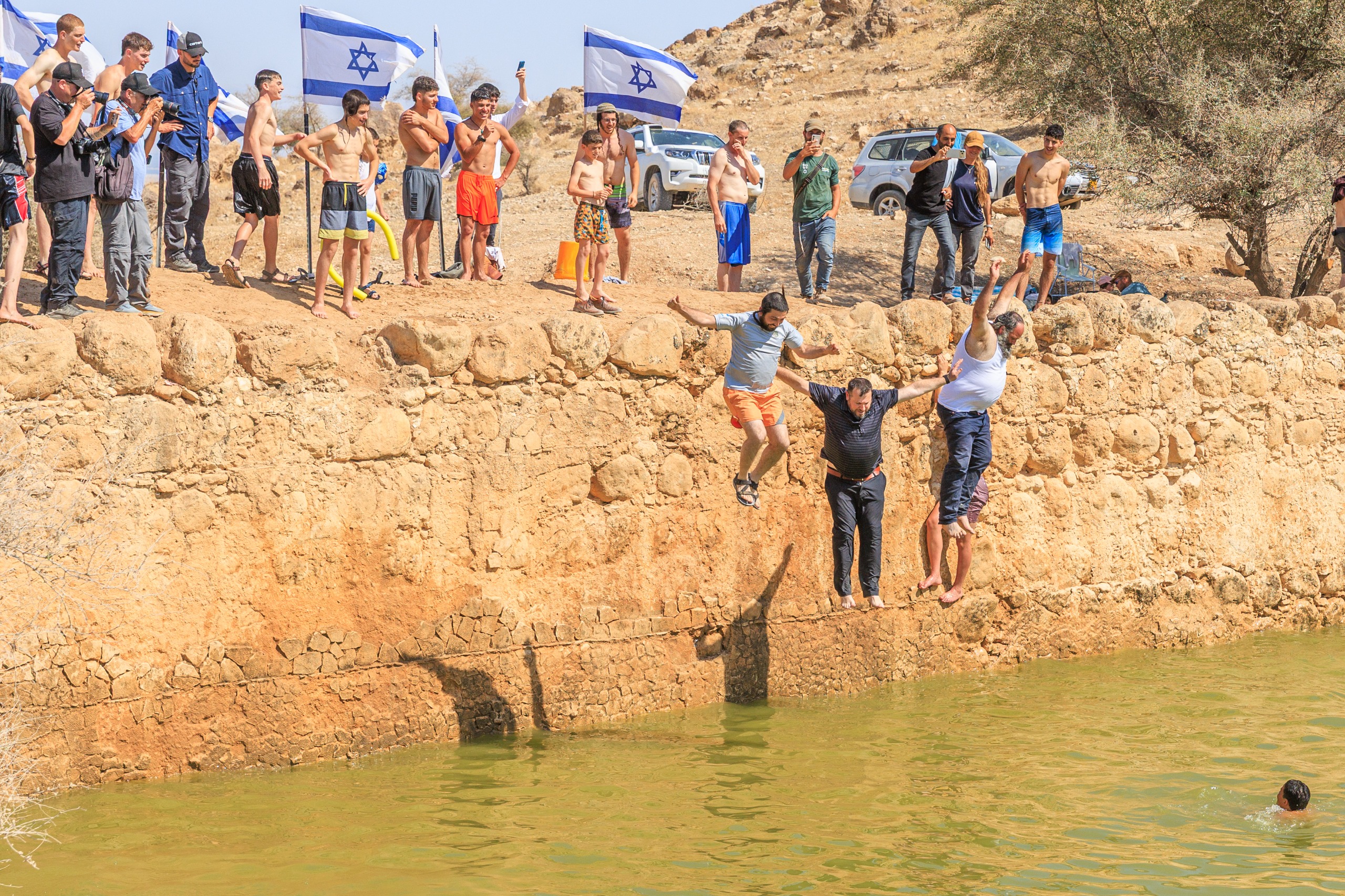
Less than a month after Channel 14 aired an investigation exposing decades of Arab water theft at the Herodian pools in the Jordan Valley, the historic site has been refilled and hundreds of visitors flocked there over the weekend. Now Finance Minister Bezalel Smotrich has decided to allocate roughly 3 million shekels (~$825,000) to renovate, preserve, and develop the entire area.
Knesset members Zvi Sukkot of the Religious Zionist Party and Avichai Boaron of Likud, who led the fight to stop the theft, said the move “restores Israeli sovereignty over our heritage sites.”
The ancient pool—which stood empty and desolate during Channel 14’s filming due to systematic water theft over the past 30 years—was refilled last weekend and immediately drew crowds of Israeli visitors.
Herod’s Pool Plaza | Photo: Religious Zionism Party
After the report aired, Sukkot and Boaron launched a determined campaign across all relevant government agencies to immediately halt the illegal water diversion. The results came quickly: last Friday, hundreds of visitors arrived at the pool, now filled to capacity and restored as a thriving natural attraction.
But refilling the pools is just the opening shot. Channel 14 has learned that Smotrich made the strategic decision to fund the site’s renovation and preservation with an unprecedented sum of roughly 3 million shekels, money that came directly from his initiative as finance minister and minister in the Defense Ministry.
MK Avichai Boaron | photo by: Jonathan Sindel/Flash90
The budget will be invested in developing and preserving the entire historic site, from the spring source down to the pools below. According to the plan, work will be carried out along the entire water flow route, with the goal of permanently upgrading the site and eventually turning the pool into a regulated, safe swimming facility for the general public.
The massive preservation and development work, made possible by Smotrich’s special budget allocation, is expected to begin as soon as September. It’s a sharp and clear governmental statement against attempts by hostile elements in the area to take control of Jewish historical assets.
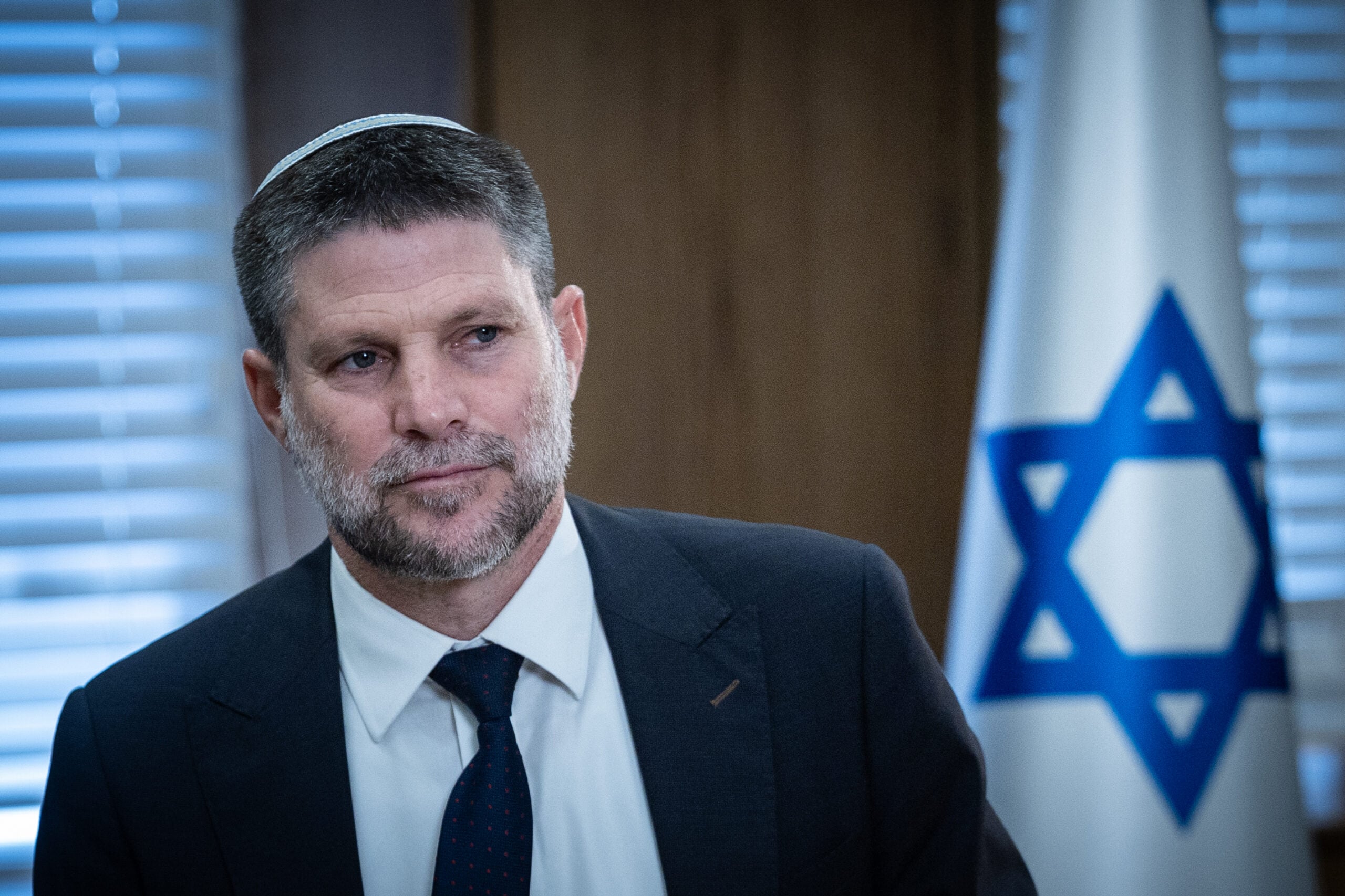
Finance Minister Smotrich | photo by: Jonathan Sindel/Flash90
The message to our enemies is clear and unambiguous: the heritage sites, historic locations, and natural sites of the State of Israel belong to the people of Israel and no one else. The land of our forefathers will return to its glory, and the Herodian pools will continue to stand as living testimony to our deep roots in this land.
Middle East expert Yoni Ben Menachem issued a stark warning today (Monday) in an interview with Tal Meir ahead of negotiations opening in Washington between Israeli and Lebanese delegations: “Security officials told me they’re already talking about an Israeli withdrawal from territories we captured, including the Beaufort.”
Israel forces in Lebanon, archive footage | photo by: IDF spokespersons unit
According to Ben Menachem, “The Americans are already trying to dictate our exit from Lebanon before the issue of Hezbollah’s disarmament is resolved. Our sons are giving their lives there, and now they want to fold us up without a serious solution that guarantees the safety of northern residents from a Radwan Force invasion, anti-tank missile fire, and rockets—these developments are extremely dangerous.”
Meanwhile, among recent proposals from President Trump in an attempt to “curb” Israeli strikes against the terror organization Hezbollah in Lebanon, he suggested allowing Syria, under the leadership of al-Julani, to be responsible for disarming Hezbollah instead of Israel.
Syria’s Ruler, Ahmad al-Sharaa ‘Al-Julani’ | Photo: Reuters
But yesterday, al-Julani rejected the proposal outright. In an interview with Al-Mashhad channel, he said: “We only wish good for the people of Lebanon, and the role Syria will play is an entirely positive role. Syria may help disarm Hezbollah, but not through war and not through Syrian hegemony over Lebanon, as it was in the days of the previous regime.”
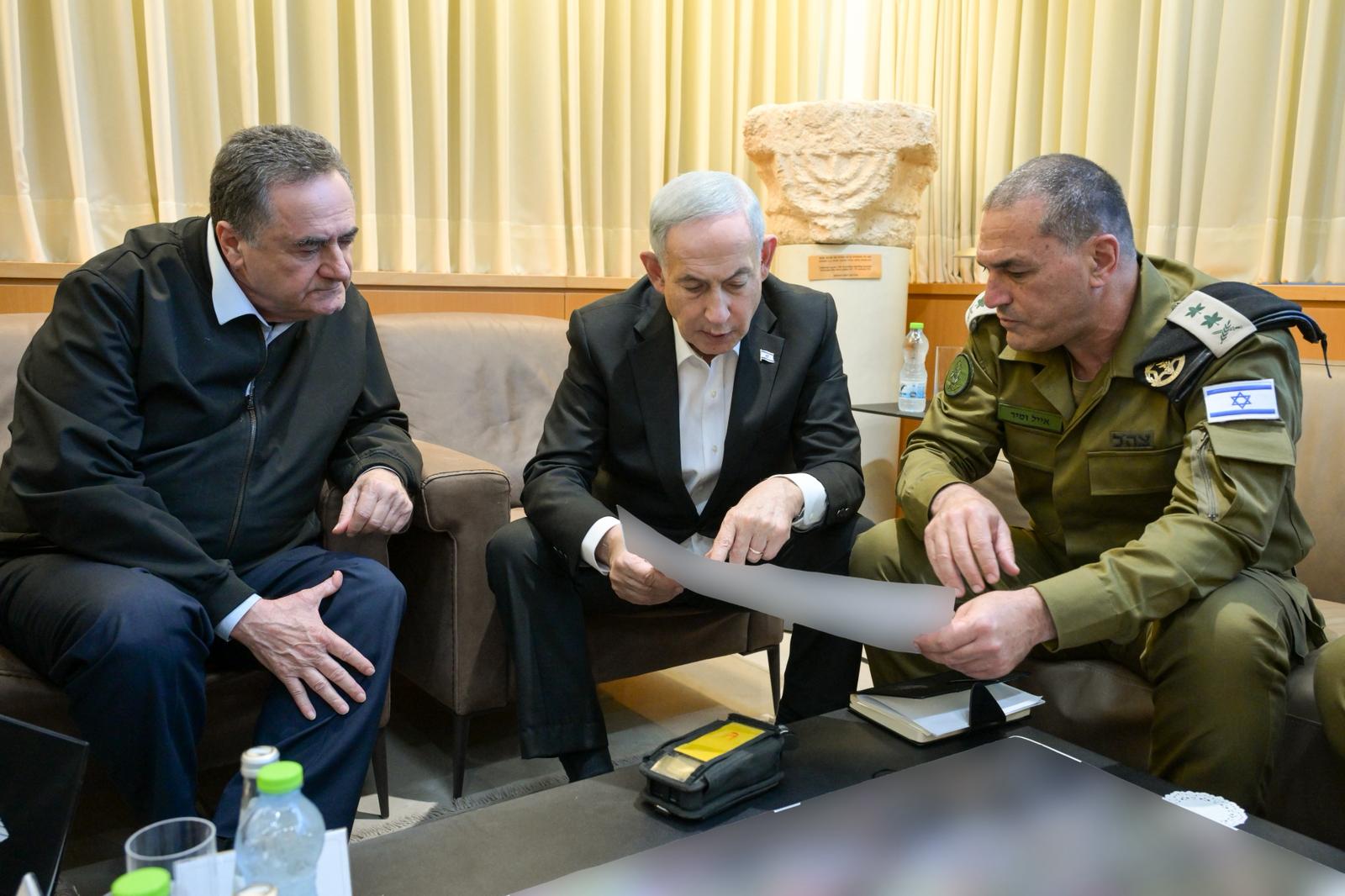
Five soldiers were killed this past weekend in southern Lebanon—five of our finest, the salt of the earth, brave fighters who went out to defend the people of Israel. The blame for their deaths, as well as for the wounding of dozens more, rests squarely on the shoulders of Prime Minister Benjamin Netanyahu, Defense Minister Israel Katz, and Chief of Staff Eyal Zamir.
Photo: IDF
“There is no restriction on IDF soldiers operating in Lebanon to remove threats,” the defense minister declared today, as if this were something to be proud of. The terminology reveals a dangerous practice: our fighters have the right to defend themselves—only if weapons are already aimed at them. Katz boasts about “no restriction,” but the truth is that even in Jerusalem and Tel Aviv, there’s no restriction on any citizen to open fire if facing an immediate life-threatening danger.
What Israel Katz, Netanyahu, and Zamir forget—or try to obscure with grand slogans—is that our children and brothers are not puppets or sitting ducks at a shooting range. They’re not victims of the “ceasefire.” They are the most precious thing we have—and they need to operate to destroy the enemy, around the clock and with full force, not just “to remove threats”!
Photo: IDF
While thousands of fighters are in the field under enormous risk to their lives, driven solely by tremendous dedication, Netanyahu and Katz decided to tie their hands, and Eyal Zamir fell in line—”any opening of fire not to remove immediate danger requires approval from the regional commander.” Field commanders are furious and frustrated, soldiers are losing faith in the political and military leadership, and every day that passes, more fighters are wounded.
Immediately after Shabbat ended, against the backdrop of difficulties in negotiations between the Americans and Iranians and the dissatisfaction of President Trump and Vice President Vance, Netanyahu rushed to clarify that as far as he’s concerned, the ceasefire is in effect throughout Lebanon. The statement came even before the names of all the beloved fallen soldiers were published, while the people of Israel mourned the terrible tragedy. At this very moment—the prime minister chose to broadcast a message of complete weakness. Who will stop this dangerous reality, and who will show courage in the face of the Americans? The escalation in southern Lebanon continues.
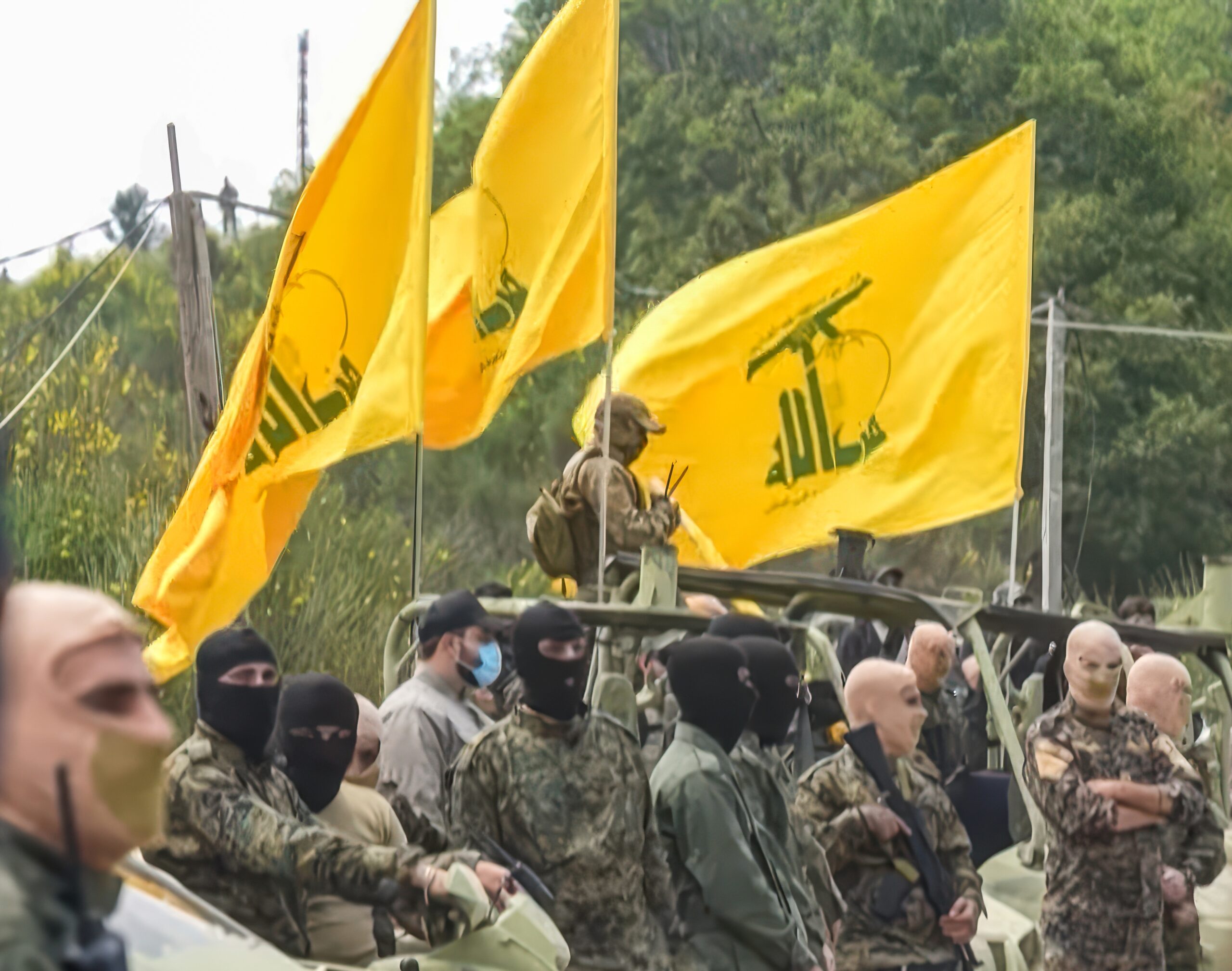
Egypt and Saudi Arabia are advancing a new framework aimed at ending the fighting in Lebanon that would allow Hezbollah to keep its weapons, according to a report in the Lebanese newspaper Al-Akhbar, which is close to the terror group.
Instead of disarming Hezbollah, the proposal relies on a pledge from the organization not to use its arsenal, alongside a full Israeli withdrawal from southern Lebanon and expanded authority for the Lebanese army in the region.
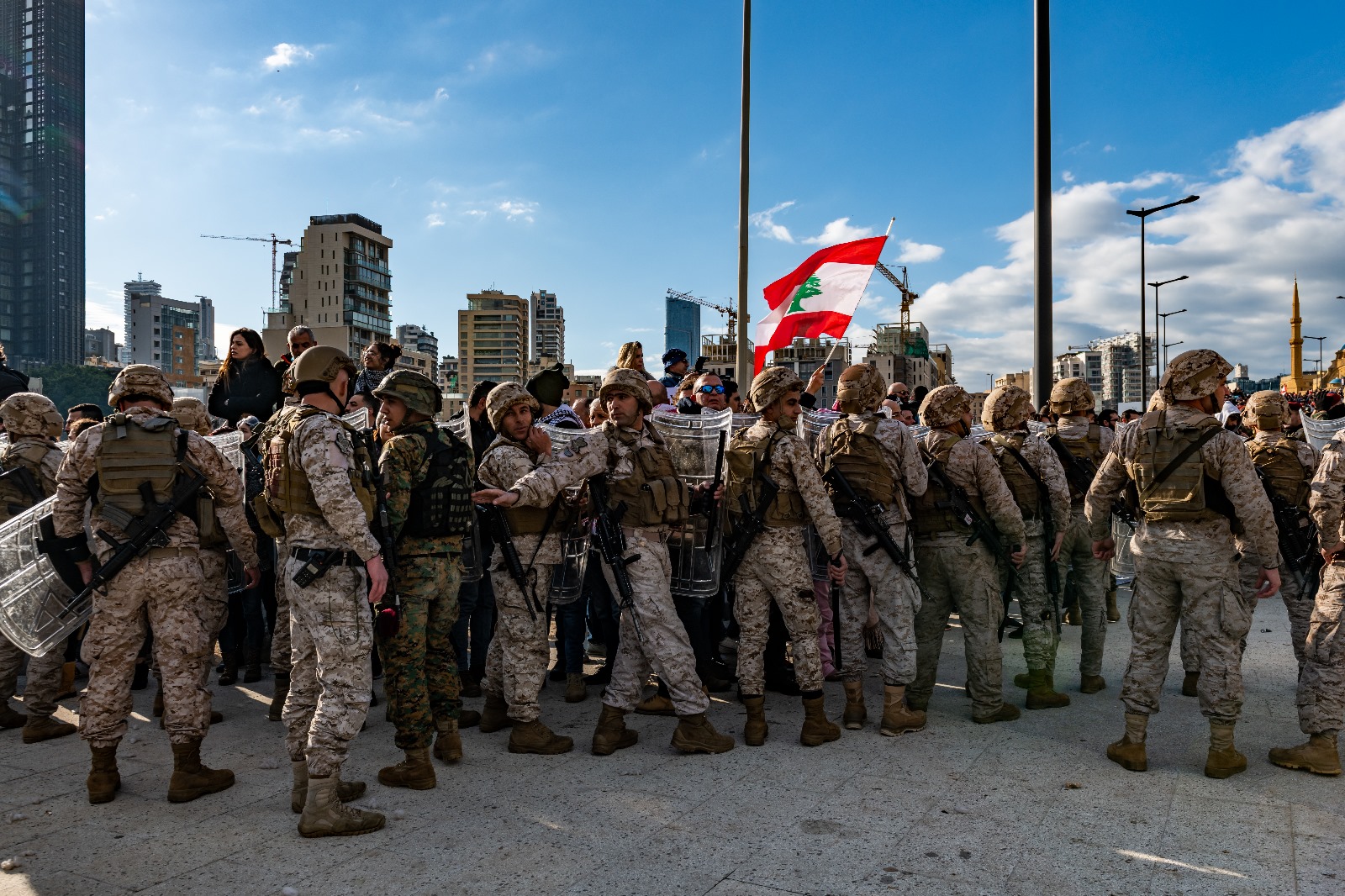
The Lebanses Army | photo by: Shutterstock
According to the report, Cairo and Riyadh are discussing a plan that includes an immediate ceasefire, strengthened monitoring mechanisms for enforcement on the ground, and a rapid timeline for the IDF to withdraw from southern Lebanon. After the withdrawal, the Lebanese army would assume full responsibility for the evacuated areas, while Saudi Arabia would assist in reconstruction efforts.
The Egyptian approach doesn’t focus on collecting Hezbollah’s weapons or dismantling the organization’s military infrastructure, the report claims, but rather on “freezing” the use of those weapons. That means relying on Hezbollah’s commitment to refrain from military activity, without requiring actual disarmament.
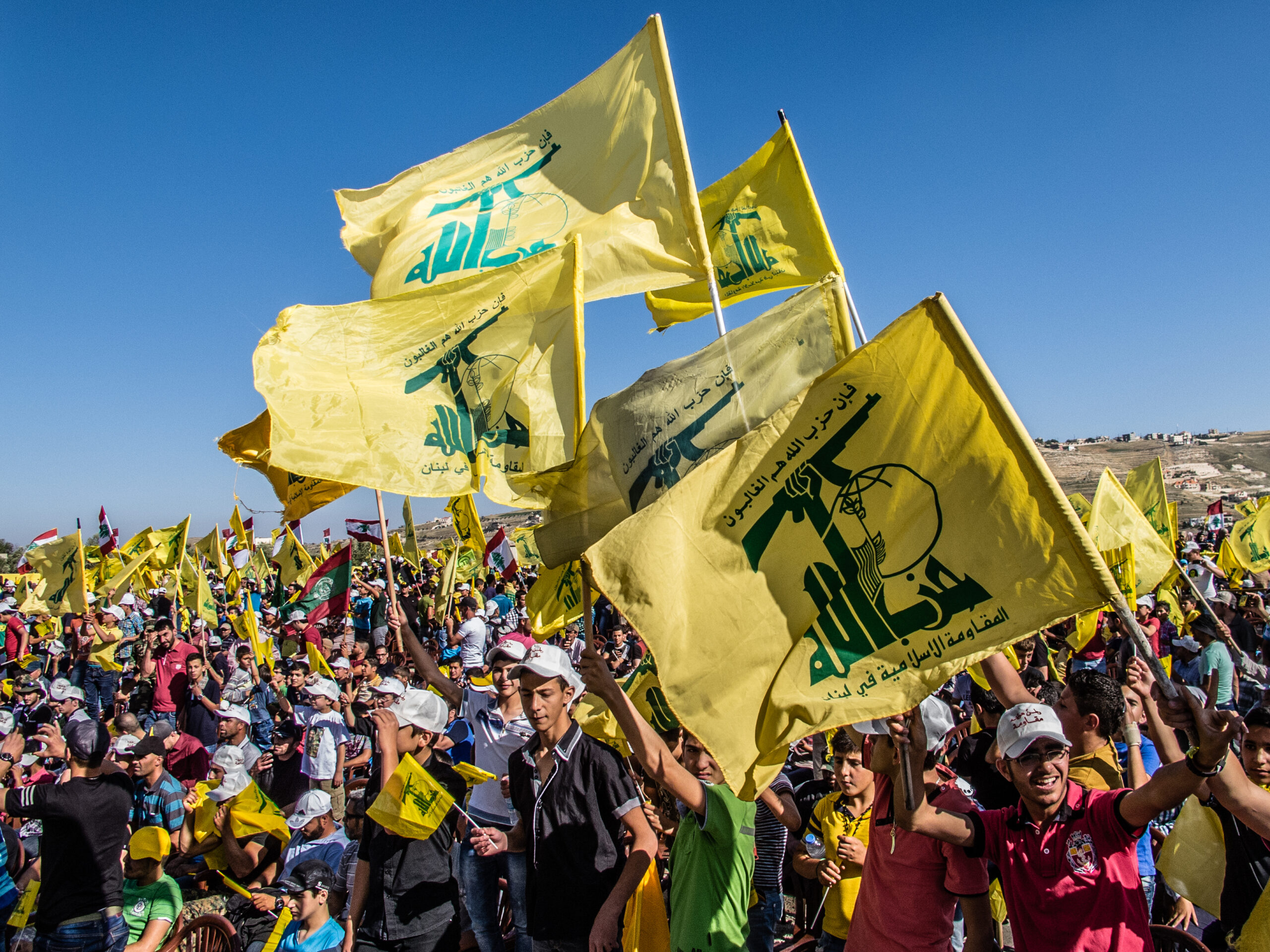
Hezbollah’s Chief Terrorist Naim Quassem | photo: Arab Media
The report also noted that Egypt is working to strengthen the capabilities of the Lebanese army to enable it to play a more central role in the south. However, according to sources, the framework has not received support from the United States so far, prompting Cairo to work on building a broader Arab-Islamic position that could pressure the American administration.
According to Al-Akhbar, Egyptian officials believe a political settlement in Lebanon can be advanced through cooperation with Hezbollah and rehabilitation of the country’s political system, without triggering internal conflict over the weapons issue. Cairo also believes there’s no realistic prospect for progress in U.S.-sponsored negotiations as long as the central demand remains Hezbollah’s disarmament, the report claimed.
The war with Iran and fears of attacks on the Strait of Hormuz have shown just how vulnerable global supply chains are. One of the world’s busiest and most sensitive shipping routes can, in a moment of escalation, impact energy prices, fuel availability, and the economic stability of many nations. When a significant portion of global energy trade passes through a single maritime chokepoint, the world needs alternatives.
Photo: Shutterstock
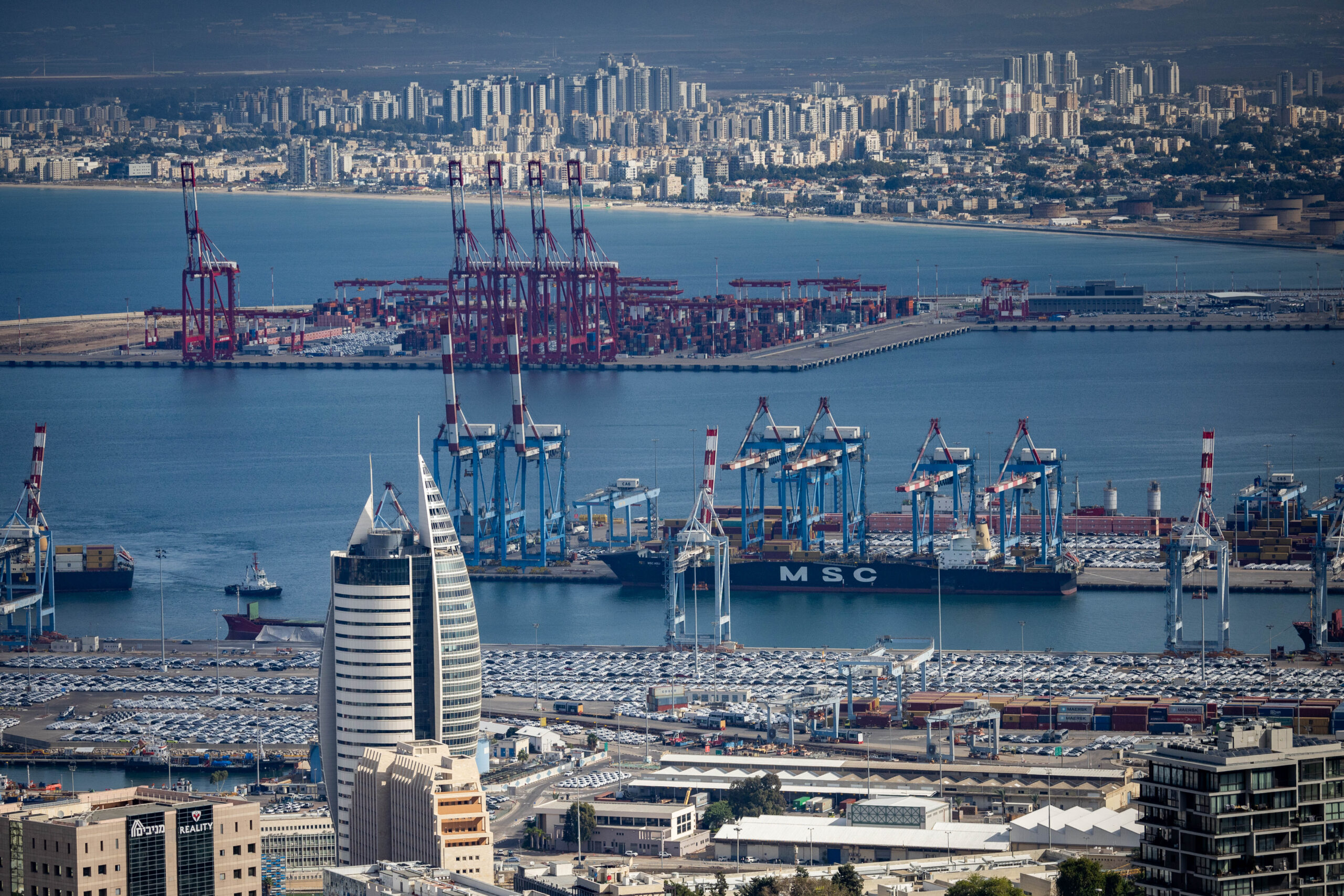
Not theoretical alternatives, but real, overland, controlled, and secure supply routes. Within this reality, the establishment of a new refinery port in Haifa Bay and the move to create an overland refinery corridor from the Gulf states to Europe through Israel are far more than an infrastructure project. They’re a strategic opportunity to position Israel in a new place on the regional and international energy map.
This is exactly where infrastructure becomes strategic leverage. An overland refinery corridor, with a planned length of about 1,500 kilometers, could enable continuous transport of refined fuels from the Persian Gulf to Israel, and from there to Europe. Instead of relying solely on threatened sea routes, an additional supply chain would be created—overland and logistical—connecting energy producers in the Gulf with markets in Europe, which have been grappling in recent years with persistent shortages of refined products, primarily diesel and jet fuel.
Photo: Shutterstock
This is a move far broader than establishing a pipeline. It’s an entire regional energy system. At its core will stand Haifa Bay, expected to become a regional hub for refined products, with an advanced port, storage facilities, blending systems to adapt refined products to European standards, and international trading and distribution platforms. The significance is that Israel won’t just be a transit point, but an operational, logistical, and commercial center of international importance.
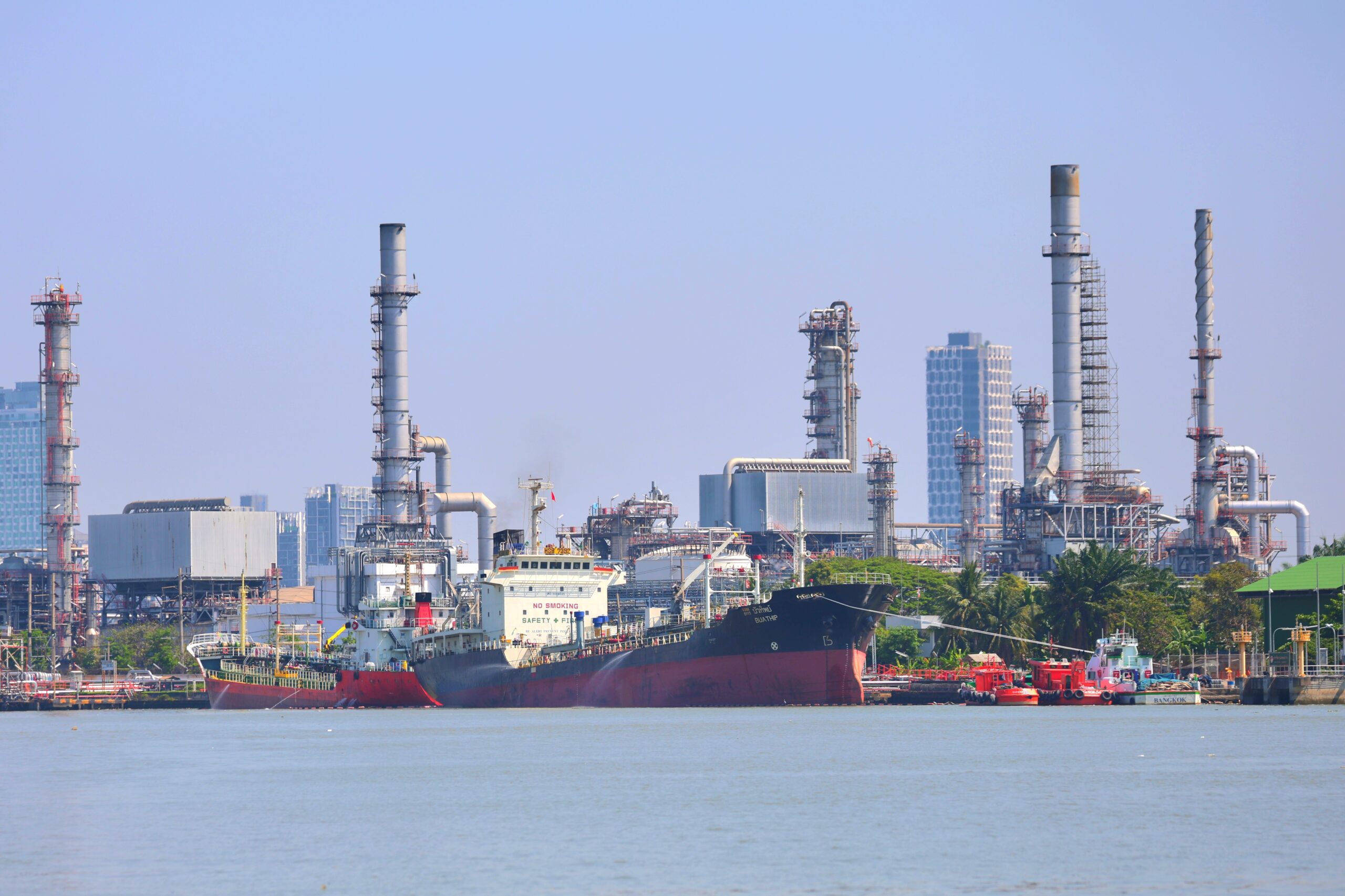
The new refinery port is a central component of this vision. It enables the reception of giant international tankers, unloading of diesel, gasoline, jet fuel, and heavy fuel oil using advanced systems, and channeling the refined products into the national distribution network and storage farms across the country. From there the energy reaches airports, power plants, transportation, industry, and all of Israel’s energy consumers. This creates a continuous, secured, and controlled supply chain that strengthens the functional continuity of the economy in routine times and emergencies.
Photo: Shutterstock
The model under which the infrastructure will operate is no less important than the infrastructure itself. Operating the system under an Open Access model will enable equal access for a variety of suppliers and customers, increase competition, reduce barriers, and contribute to energy market stability. When national infrastructure is built in an open, efficient, and fair manner, it doesn’t serve just one entity or narrow interest, but the entire economy and the state’s ability to manage its energy security independently and responsibly.
For Israel, this is a double blessing. First, strengthening national energy security. The refinery port and overland corridor will increase the economy’s operational flexibility, strengthen reception and storage capacity, and enable better response to routine and emergency situations. Second, it’s a geo-strategic lever. Israel can transform from an end consumer to a central link in the energy chain between the Gulf and Europe.
The move also fits into a broader vision of regional and international connectivity, similar to the spirit of the IMEC initiative seeking to connect India, the Middle East, and Europe through trade corridors, infrastructure, and energy. Within this framework, Israel has the ability to become an anchor point: a country relatively small in area, but with a unique geographic location, advanced engineering capabilities, and proven experience in operating critical energy systems.
Energy Infrastructure Company (TASHA) brings to this project decades of experience in planning, establishing, and operating national fuel infrastructure. We operate hundreds of kilometers of pipelines, strategic storage facilities, and control systems that function continuously, in routine times and emergencies. The current challenge is even greater: not just to operate existing infrastructure, but to build a new regional system that connects energy security, competition, innovation, and international cooperation.
The refinery port and overland corridor are an opportunity to look far ahead. Not just at tomorrow morning’s need, but at Israel’s place in the coming decades. In a world where energy routes are becoming more vulnerable, whoever can offer a secure, stable, and efficient route holds a strategic asset of the first order.
This is the promise of the move: Israel can be not just a country that defends its own energy security, but a country that provides a regional energy solution. Not just a gateway for refined products, but a bridge between the Gulf and Europe. Not just a new port, but a foundation for Israel’s new status as a regional energy infrastructure power.