Former Attorney General Avichai Mandelblit’s testimony continued on Sunday at the Jerusalem District Court. Prime Minister Benjamin Netanyahu’s defense attorney, Amit Hadad, focused on investigative actions carried out by the Israel Police and the extent of the attorney general’s oversight of them.
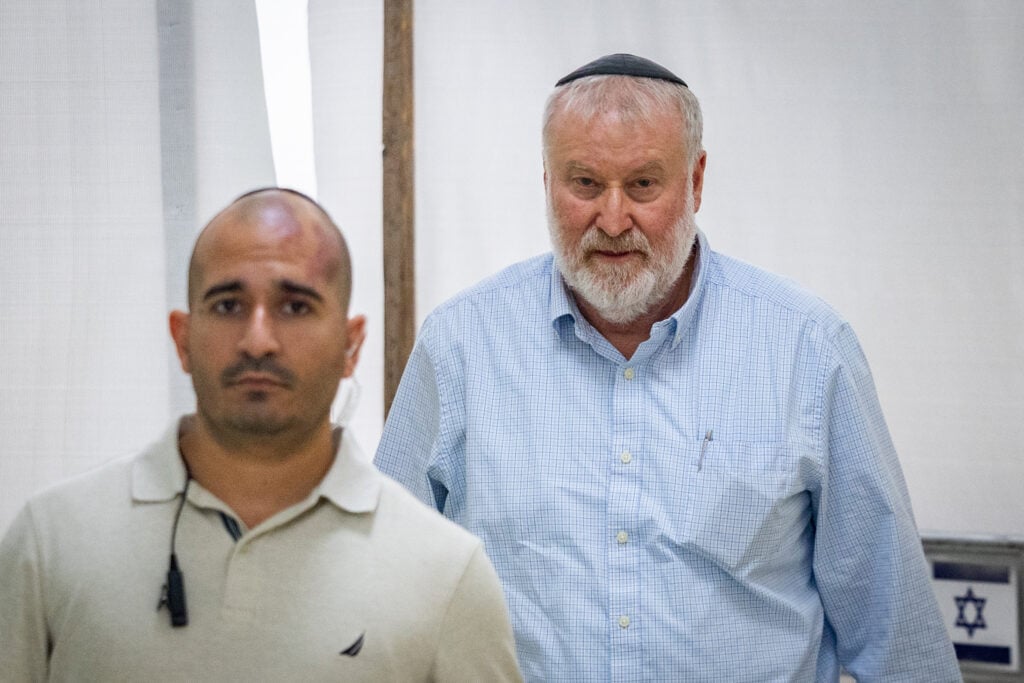
During the proceedings, Mandelblit recounted an exceptional incident that infuriated him, prompting him to demand that investigators immediately stop a specific operation in the absence of personalized suspicion linking Netanyahu to criminal wrongdoing. As the hearing progressed, Mandelblit addressed wiretapping deployed during the probe, conceding that unlawful wiretapping actions exceeding legal authorization were executed against the Prime Minister’s family members and other figures.
During cross-examination, Hadad pressed Mandelblit on instances when police carried out unauthorized measures or acted against his guidelines, as well as his institutional response. Mandelblit confirmed he remembered an episode that angered him greatly, though he noted he could not reconstruct every detail of the meeting where the issue surfaced.
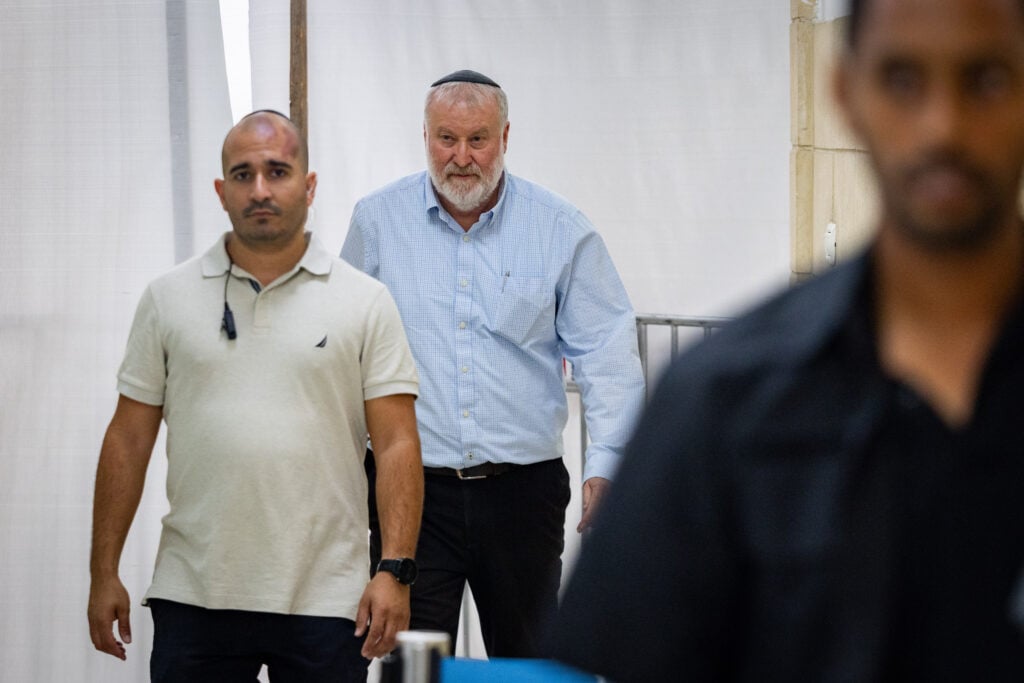
When Judge Oded Shaham asked how this was recorded in formal minutes, Mandelblit explained it was a highly sensitive and troubling incident: “I remember, it was very sensitive and problematic, and it bothered me greatly. I told them to halt it unless they had something connecting him personally to offenses—and there wasn’t.” He added that he gave investigators an unequivocal directive: “What was said is unacceptable to me; cease this immediately,” noting the instructions were handed down during joint case conferences.
Confronted under cross-examination about surveillance technologies, Mandelblit admitted that police conduct in the cases included unauthorized wiretaps executed without proper legal authorization, including those involving the Prime Minister’s staff and family members, and that he was forced to intervene retroactively to halt such illicit overreach.
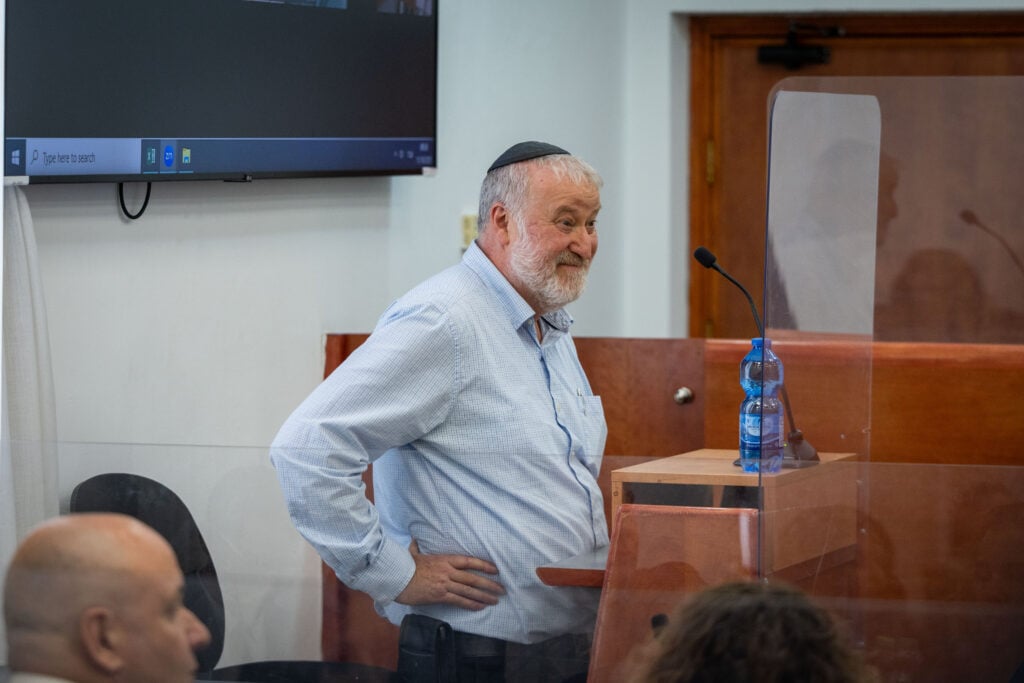
The hearing then turned to specific technological spyware deployed by enforcement bodies. Mandelblit said that during his tenure he was not personally involved with every operational platform used by investigative units, but stressed that in major cases he expected to be notified directly of wiretaps. When Hadad asked plainly whether he was aware of the Pegasus spyware in real time, Mandelblit replied in the negative: “The answer is no.”
Decision Not to Investigate Police Misconduct
As Mandelblit’s testimony unfolded, it emerged that authorities weighed opening a criminal investigation into figures involved in tainted investigative tactics but ultimately chose not to, fearing it would disrupt the management of Netanyahu’s trial. Mandelblit confirmed it was a serious incident that warranted, at minimum, disciplinary action, but explained he prioritized avoiding steps that could disrupt the judicial process.
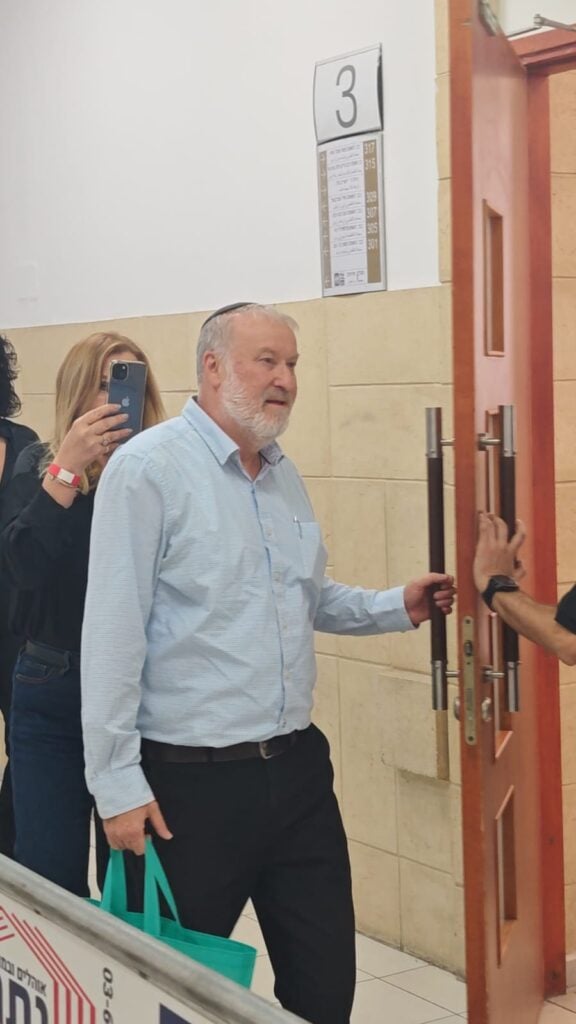
During cross-examination, Hadad presented a letter dated September 10, 2019, sent by Mandelblit to then-Israel Bar Association head Avi Himi, addressing complaints regarding flawed investigator conduct. Hadad confronted him with his earlier finding that no misconduct occurred, arguing it contradicted facts that later came to light. Mandelblit explained that his original response was based on the information he had at the time.
Asked about psychological pressure applied to detainees to turn them into state witnesses, Mandelblit stated: “I was not an investigator, I was not in the interrogation room, and I was not involved in anything related to field questioning. Findings were brought to me.” He claimed he held no deliberations regarding what pressures should be applied to compel suspects to sign state witness agreements.

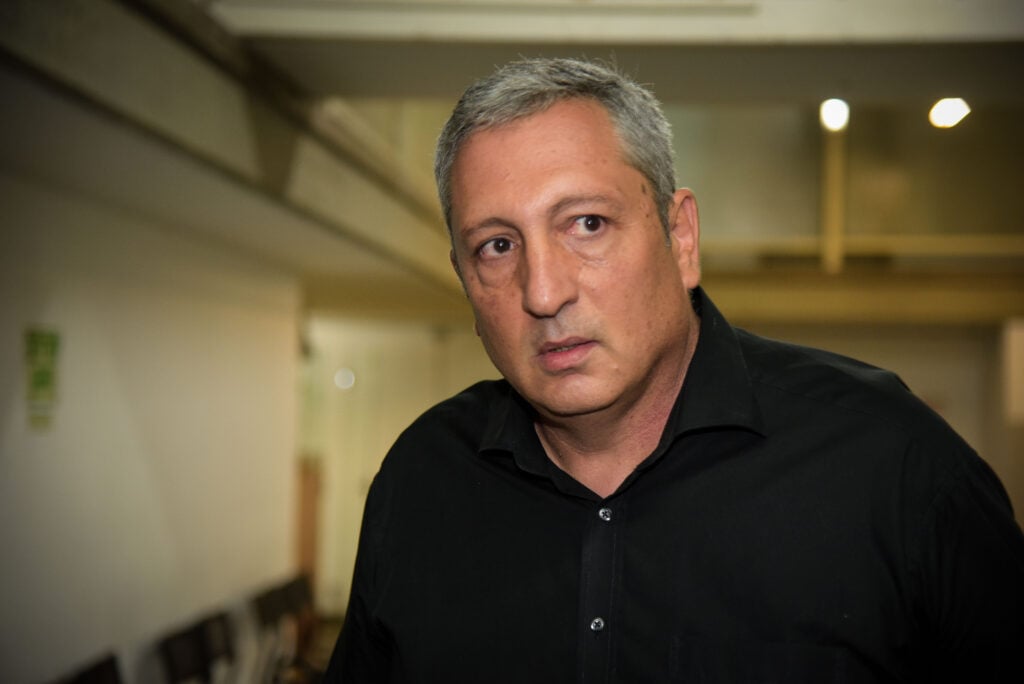
Mandelblit subsequently admitted he was unaware in real time of the aggressive pressures exerted on Nir Hefetz: “I was not aware of the pressure applied to Nir Hefetz.” When Hadad asked if such severe tactics were kept from him, Mandelblit answered in the affirmative. Addressing allegations that investigators urged a detainee to replace his defense attorney, Mandelblit denounced the behavior: “An investigator telling a suspect or defendant ‘replace your lawyer’—unacceptable.”
Judge Oded Shaham intervened, asking whether Mandelblit would sign the 2019 letter in the same wording today. Mandelblit did not give a definitive answer, stating he could not recall all specific details, though he reiterated that meddling in the attorney-client relationship is entirely illegitimate.

Hadad then pressed on how the improper actions were resolved—whether those involved were probed, disciplined, or issued reprimands. In response, Mandelblit said they discussed launching a Police Internal Investigations Department (PIID/Machash) inquiry, but concerns arose that such a move would compromise Netanyahu’s trial.
“There was an incident before me; it disturbed me greatly; it was improper and wrong,” Mandelblit said. According to him, opening an inquiry raised concerns about disrupting legal proceedings, partly because it would require questioning active figures involved in the case. He explained he directed a document-based clarification without bringing the witnesses together to avoid harming the trial.
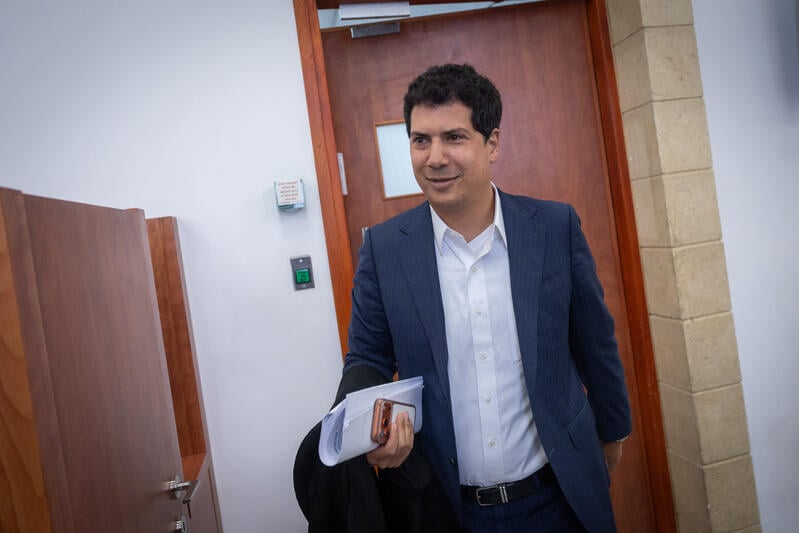
Mandelblit clarified that the decision was made after weighing two options: launching an investigation into those who exceeded authority, or prioritizing the ongoing trial against Netanyahu. “That was the deliberation—whether to carry out a PIID investigation or avoid it,” he stated, explaining he ultimately prioritized prosecuting the Netanyahu case over exhausting legal measures against those who breached protocol. He added that the case merited at least disciplinary action: “That case warranted, at the very least, disciplinary action. That was what we intended to do,” but opted for a documentary review over fears of damaging the main trial.
Courtroom Clashes Over the Nir Hefetz Interrogation Ploy
A fierce shouting match erupted in the courtroom after Hadad sought to determine whether senior prosecutors were directly involved in the illicit interrogation maneuver orchestrated against state witness Nir Hefetz. Hadad focused on whether State Attorney’s Office officials exposed to the maneuver’s planning also participated in meetings where they evaluated opening a PIID probe, and whether they disclosed this conflict to Mandelblit.
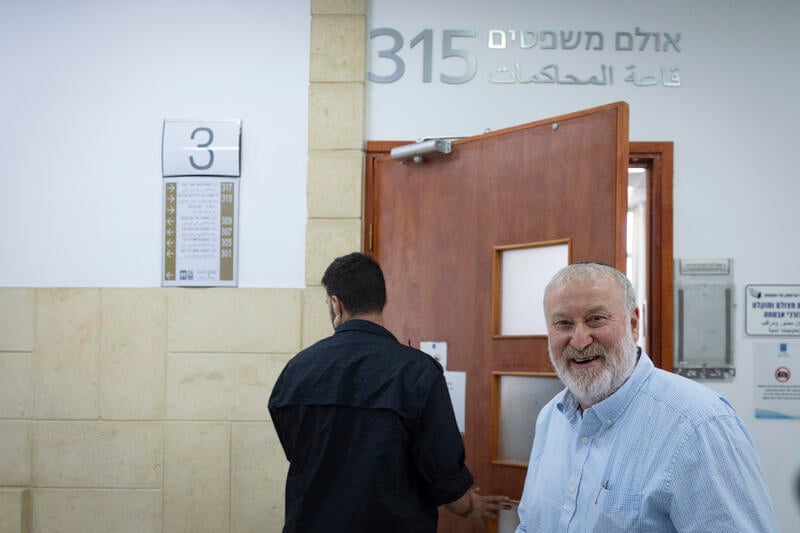
Asked who attended the review meetings, Mandelblit stated he could not recall. Hadad asked if lead prosecutor Liat Ben-Ari was present, and whether anyone informed him that prosecutors had participated in the meeting where the maneuver was discussed. Mandelblit said he did not recall receiving such information.
Prosecutor Yehudit Tirosh objected forcefully to Hadad’s line of questioning, shouting at Mandelblit: “Do not answer!” Hadad protested the disruption, but shouting between the sides escalated. Hadad contended this was essential evidence because the defense argues individuals at the meeting who discussed the tactic also participated in reviewing whether to investigate it.
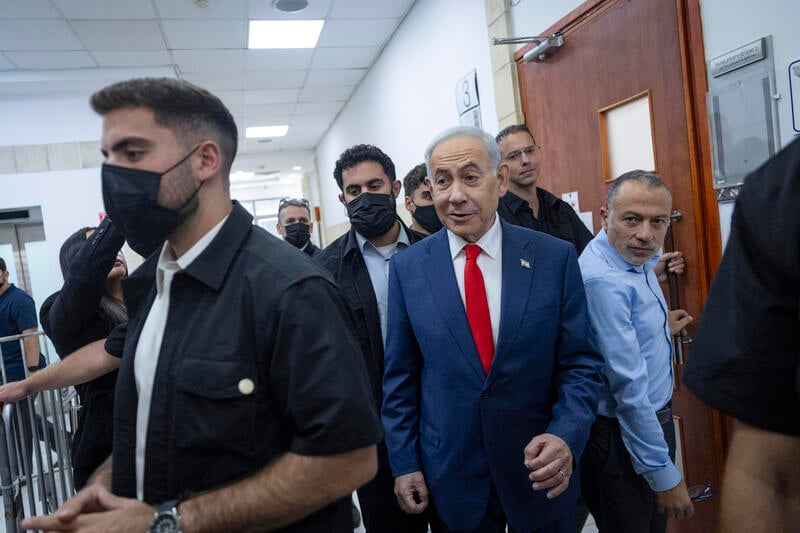
Mandelblit objected to Hadad’s phrasing, accusing the defense of misrepresenting his answers: “This is a recurring pattern—incorrect facts, and then you frame it as though I agreed.” Tirosh argued the questions rested on erroneous factual premises, asserting that testimony from Eli Assayag showed he decided on the interrogation ploy independently, and that prosecutors’ mere presence at an update meeting did not constitute approval.
Hadad pushed back, projecting a document dated January 18, 2023, recording that during a status meeting on February 20, 2018, participants—including the case’s prosecution team—were briefed on plans to search the home of an associate of Nir Hefetz, interrogate her, and stage a “chance” encounter between her and Hefetz the following day.
The document indicates prosecutors received advance notice of the planned moves, though the parties clashed over whether being briefed amounted to official approval. As shouting between Hadad, Tirosh, and attorney Noa Milstein grew louder, the bench intervened to restore order and instructed Milstein to sit down. MK Tally Gotliv also weighed in from the gallery. At one point, Mandelblit was asked to leave the courtroom while the objection was argued.
Hadad cited official minutes showing prosecutors Yehudit Tirosh and Liat Ben-Ari attended deliberations considering whether to refer the matter to the PIID. Hadad slammed prosecutors for deliberating on an issue involving their own actions without presenting Mandelblit with the full picture that the tactic was allegedly sanctioned by senior prosecution figures rather than a junior detective.

Prosecutor Yehudit Tirosh adamantly denied the allegations, rejecting claims that the prosecution approved the tactic. The court overruled her objections following lengthy clashes. When Hadad read the attendee list from the February 20, 2018 minutes—which included Yehudit Tirosh and Tzipi Gez—and asked Mandelblit whether he had been briefed on plans to search the associate’s home and interrogate her, Mandelblit answered curtly: “Correct.”
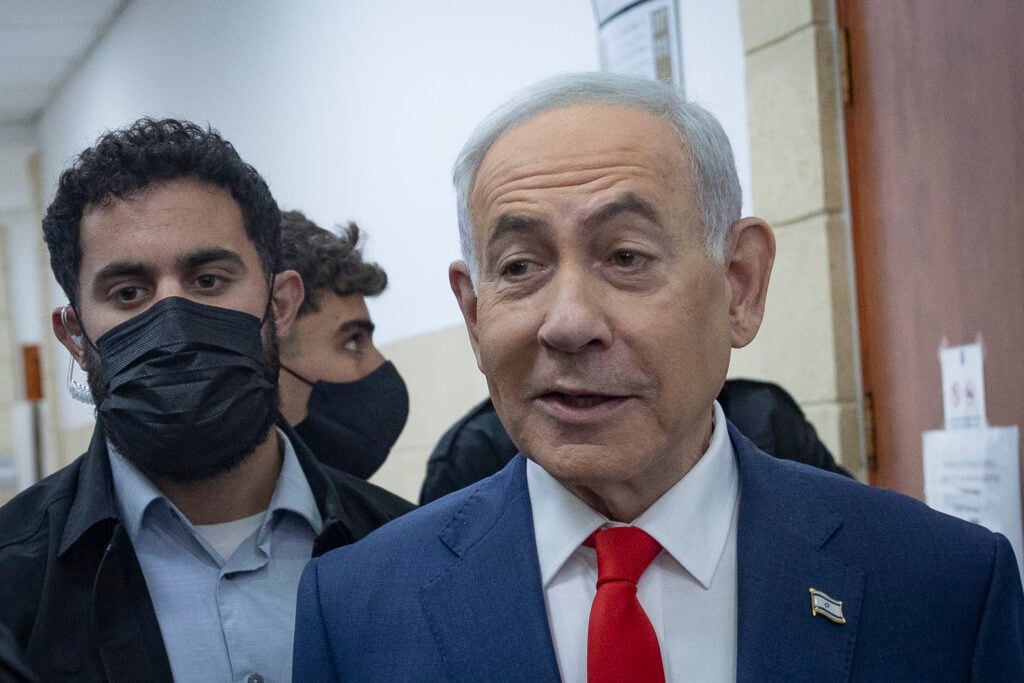
Asked if he would have expected the prosecution team to notify him that senior prosecution figures had allegedly signed off on the ploy, Mandelblit replied: “No.” Hadad concluded on a sharp note: “What is happening here is that the prosecution, which took part in the decision not to examine this unlawful, horrifying ploy, included individuals tainted by the matter. This is a screaming conflict of interest. That is exactly what happened here!”
Former AG Avichai Mandelblit took the stand at the Jerusalem District Court exactly seven years after his dramatic announcement to indict Netanyahu in Cases 1000, 2000, and 4000. Appearing not as a representative of the prosecution but as a primary defense witness, Mandelblit faces intense cross-examination over police conduct, with defense attorneys Amit Hadad and Noa Milstein scheduled to question him across seven non-consecutive court sessions just weeks before the Knesset elections.