


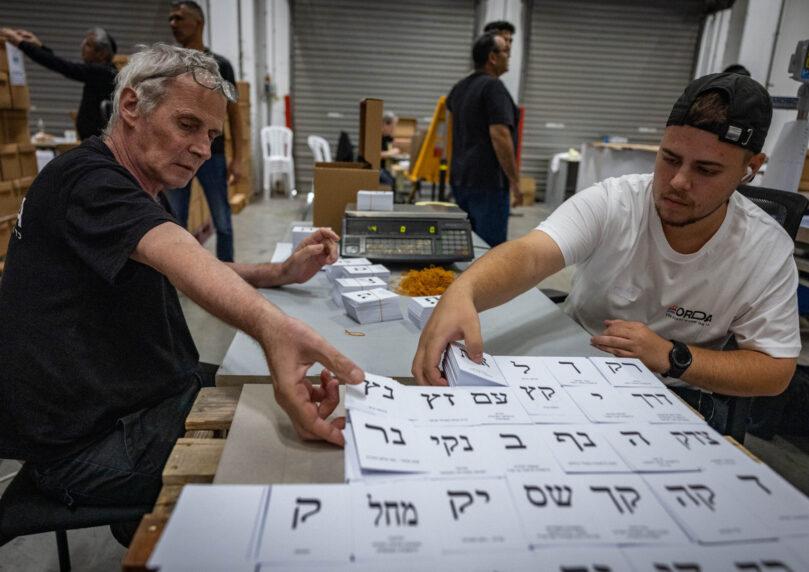

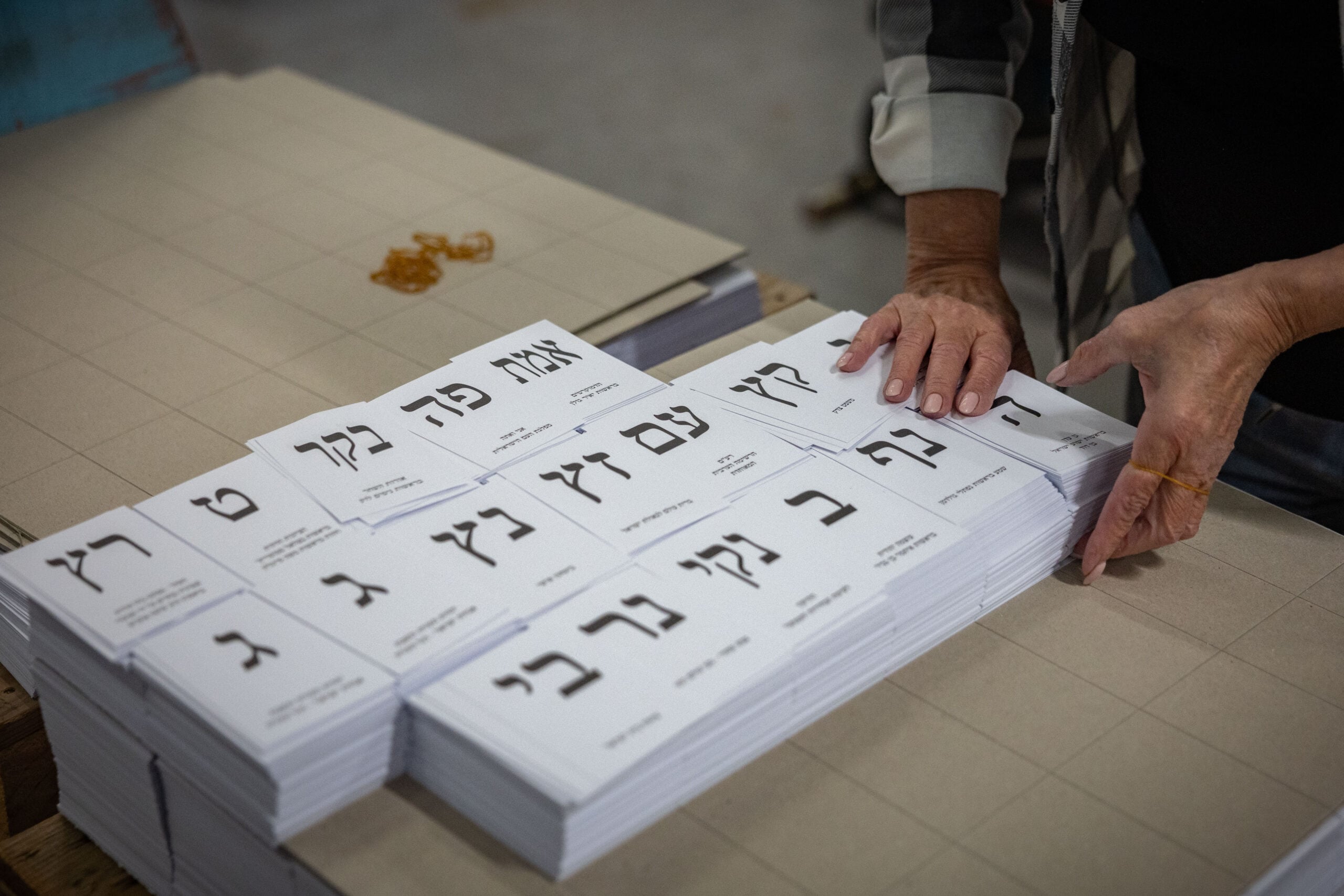
I write these observations with caution, because candidly—no one can predict the election outcome with certainty. I still maintain that a hung parliament and deadlock between the opposing political blocs remain highly plausible. Yet over recent days, I have sensed a growing likelihood that on October 27, the center-left bloc may take an unprecedented, devastating blow right to the chin.

 1+
All the high-priced spin doctors orchestrating the bloc’s flailing campaign—raking in millions for manufactured, forced “investigations” regarding October 7—fail to grasp one elementary truth: citizens cast their ballots primarily for the future, not for the past.
Moreover, the internal logic and baseline credibility of the “we warned Netanyahu but went right back to sleep on October 7” pseudo-investigations border on outright infantilism, and the Israeli electorate is simply far too intelligent for that. Netanyahu’s supporters understand his share of responsibility, but they also recognize that every single challenger seeking to replace him held identical defense preconceptions. Yet he was the only one who overhauled his strategic mindset. At the same time, his critics spent the war lecturing in favor of concessions that would have invited strategic catastrophe on all fronts.
 1+
Even on the ultra-Orthodox enlistment controversy—which, in my view, constitutes a genuine vulnerability for the coalition, even though the previous “Government of Change” changed nothing on the matter—the left has profoundly miscalculated. Yes, the public cares deeply about Haredi recruitment. Still, it cares vastly more that the nation, at this critical hour, is steered by a leader determined to topple the regime in Iran rather than figures proposing yet another nuclear deal with the ayatollahs. Voters care far more that the next governing coalition is not beholden to terror-supporting factions within the Islamic Movement, and that state affairs are not entrusted to individuals who urged two straight years of surrender to Hamas and are now attempting to rewrite history.
The Israeli electorate is not that naive. It seems that the political strategists running the center-left campaign, who operate under that assumption, might be the naive ones after all.