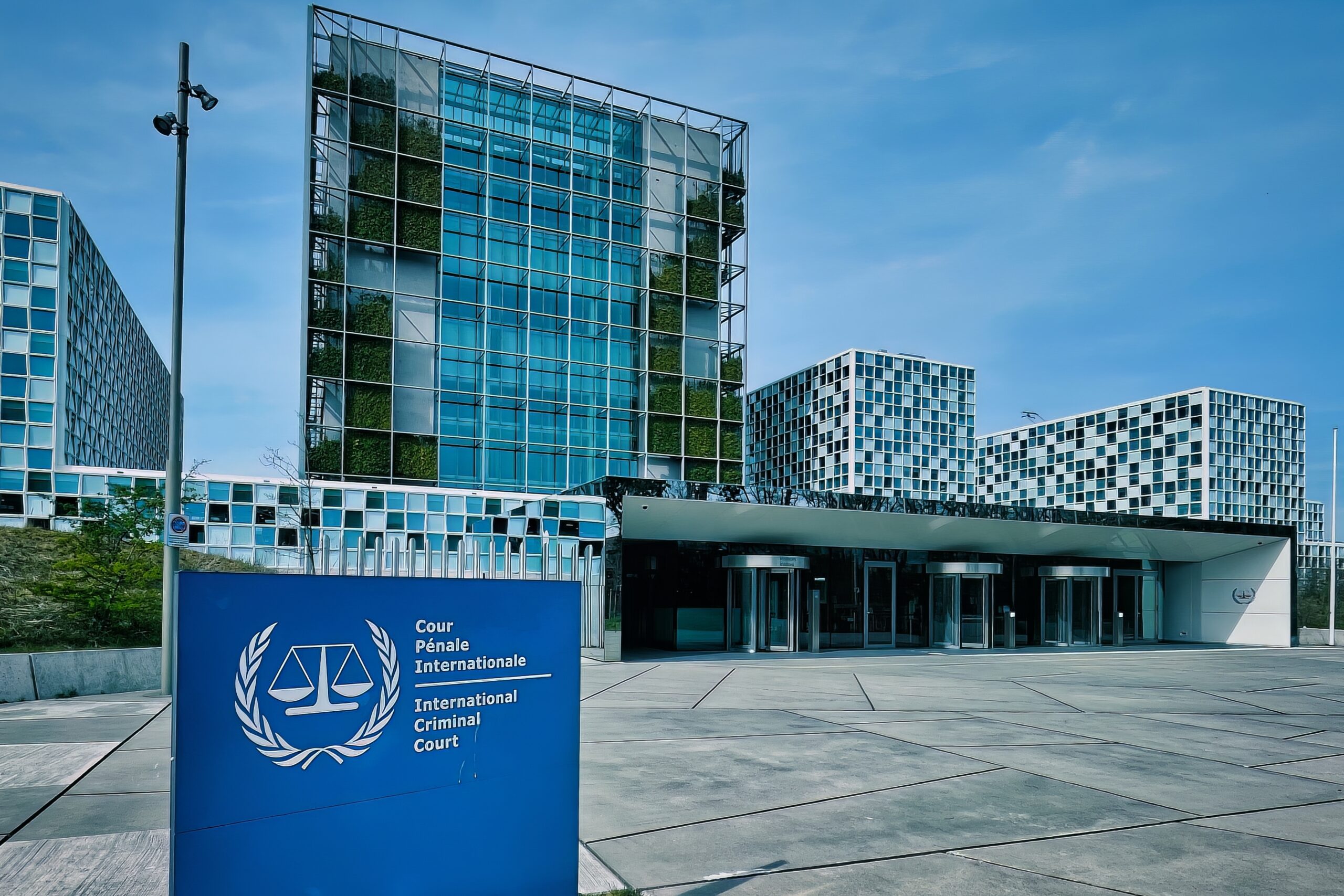
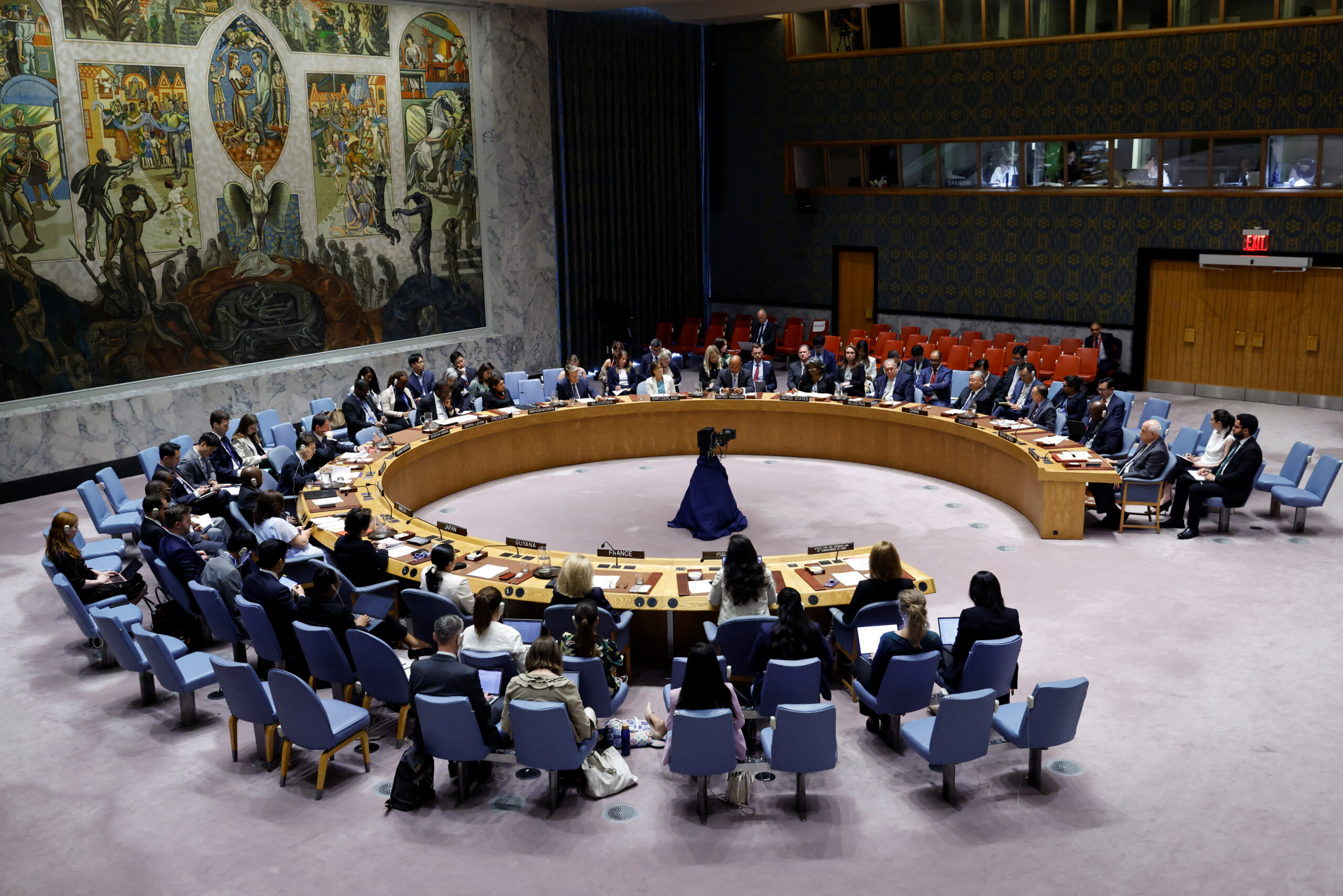
The Trump administration slapped sweeping sanctions on the International Criminal Court (ICC) yesterday (Friday), threatening to completely sever the tribunal from global banking systems, insurance underwriters, and essential enterprise software services. The punitive measures follow escalating fury in Washington over the court’s politicized arrest warrants issued against senior Israeli officials, including Prime Minister Benjamin Netanyahu, as well as its earlier inquiries targeting U.S. military personnel in Afghanistan.
Photo: Wikipedia
U.S. Secretary of State Marco Rubio denounced the Hague-based body as a “rogue court” and issued a stern warning: “Either the International Criminal Court ceases its threats, or we will put an end to the ICC.” Rubio urged American allies to apply concerted diplomatic and institutional pressure on the tribunal to compel its compliance with Washington’s demands.
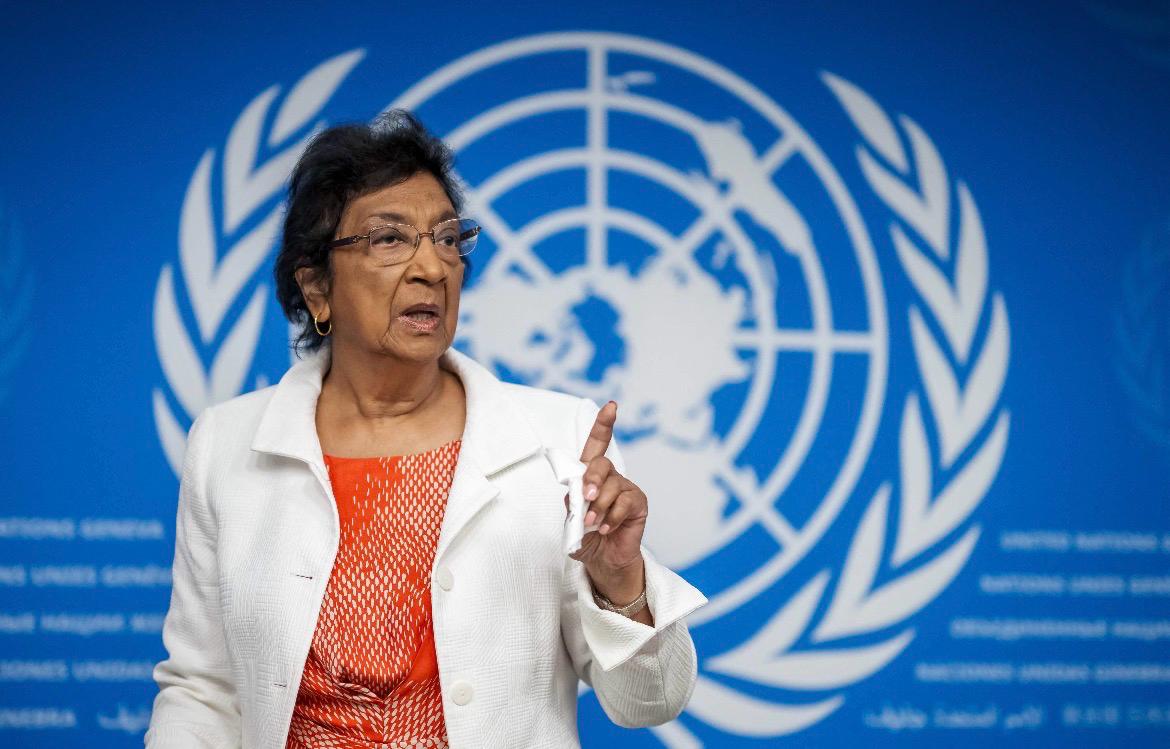
The sweeping sanctions were officially announced just hours after former ICC judge Navi Pillay was awarded the Nobel Peace Prize for her career in international criminal law. Pillay has a long record of virulent hostility toward Israel, having repeatedly advanced biased allegations, including asserting that the Jewish state is committing “genocide” in Gaza.
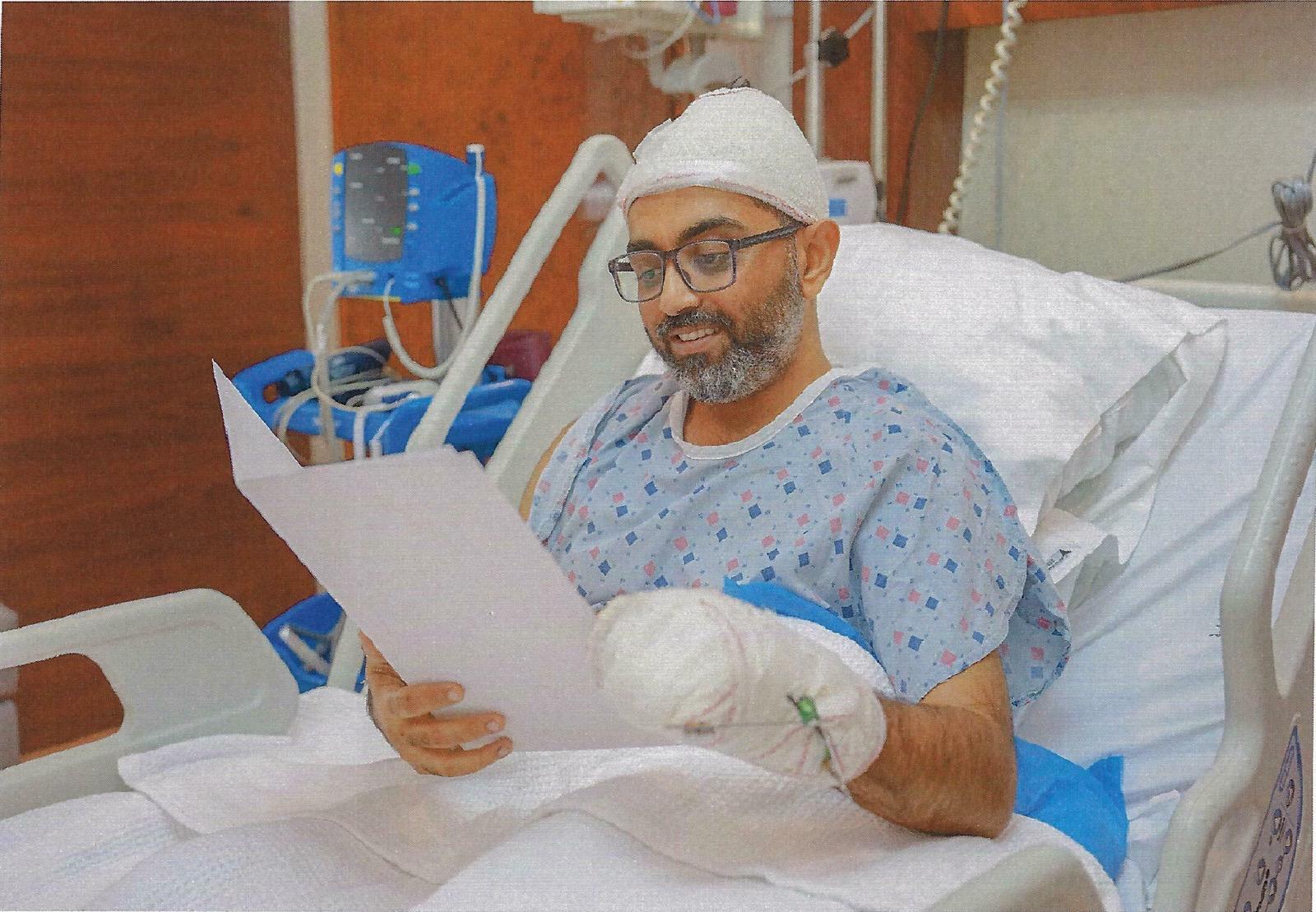
President Isaac Herzog dispatched a special personal letter to Captain Sumeet Machhar, expressing the profound gratitude of the State of Israel for his extraordinary courage and determination, which prevented a catastrophic terror attack aboard a Flydubai passenger flight. In his letter, the President wished Captain Machhar a swift recovery and extended a personal invitation to visit Jerusalem once his rehabilitation is complete. The captain, currently hospitalized with serious injuries sustained during the violent struggle inside the cockpit, received the letter in his hospital room.
Photo: President’s Office Spokesperson
The President announced that Captain Machhar will be awarded the Presidential Medal for Civilian Bravery. Speaking earlier this week at the official award ceremony, President Herzog stated: “I wish to express deep appreciation and recognition for the Indian pilot, Captain Sumeet Machhar, who fought off the attacker despite suffering severe injuries, and managed with his remaining strength to unlock the cockpit door. From here, on behalf of us all, I send him heartfelt wishes for a complete and speedy recovery. As recommended by the committee, I intend to confer upon him the Presidential Medal for Civilian Bravery.”
In his letter, President Herzog commended Captain Machhar’s composure under extreme mortal peril: “Your ability to summon the strength to rise above the excruciating pain, confront an immediate threat to your life, and exercise sound judgment testifies to your profound strength of character and the immense nobility of spirit with which you are endowed.”
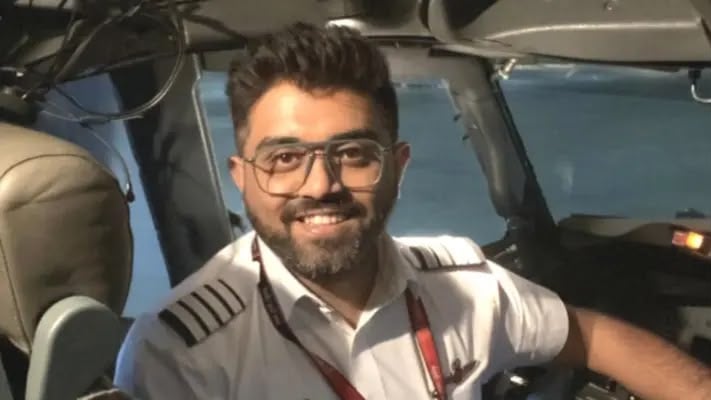
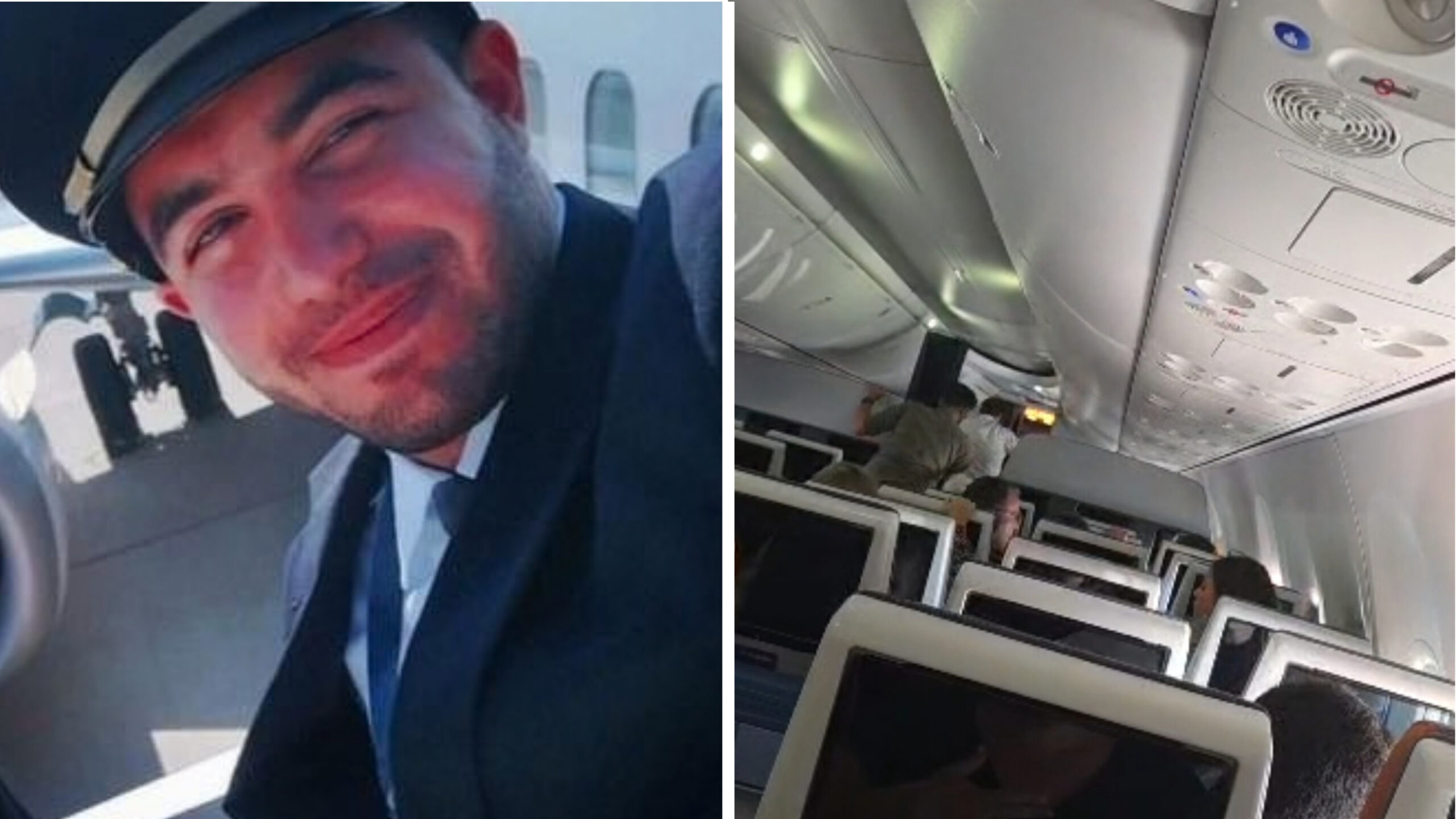
The heroic Indian captain | Photo: Social media
The President also linked Machhar’s heroism to the historic connection between the two nations, invoking the legacy of Indian soldiers who fought in the region: “Your act of heroism places you alongside the distinguished ranks of Indian soldiers who, more than a century ago, risked their lives to liberate cities in the Holy Land, becoming an indelible part of Israel’s history. You too, Captain Machhar, will forever remain a cherished part of our people’s history and an enduring link strengthening the bonds between the Republic of India and the State of Israel.”
Concluding the letter, President Herzog wrote: “As you take your first steps along the road to recovery, I know you are in the finest hands of our dear friends and partners in the United Arab Emirates. We all pray from the depths of our hearts for your full and speedy recovery, and I look forward, once you regain your strength, to welcoming you in Jerusalem to express the heartfelt appreciation and love of our grateful nation.” Captain Machhar sustained severe injuries during the critical mid-air struggle, during which he was partially blinded and brutally assaulted by the rogue co-pilot. Despite his wounds, he managed to unlatch the cockpit access door, allowing passengers to breach the cabin, subdue the attacker, and thwart a mass-casualty suicide plot.
Despite months of Israeli and American airstrikes targeting the Iranian regime’s military infrastructure, Tehran has managed to retain its capacity to manufacture missiles and unmanned aerial vehicles. It remains able to replenish its weapons stockpiles. This assessment comes from a Bloomberg report citing Western officials familiar with the intelligence. For Israel, the takeaway is clear: notwithstanding the substantial damage inflicted upon the Iranian arms complex, the military threat posed by the Islamic Republic has not been neutralized.
Iranian missiles, archive | Photo: Shutterstock
According to the report, Iran preserved manufacturing facilities and critical infrastructure for producing ballistic missiles and drones despite extensive strike campaigns designed to dismantle its military capabilities. Speaking on condition of anonymity because of the intelligence’s sensitivity, Western officials said Tehran retains the technical capacity to manufacture new weaponry and replace inventories expended or damaged during the hostilities. This reflects active production capability rather than merely surviving, pre-existing stockpiles.
One official assessed that Iran continues to possess a substantial inventory of ballistic missiles alongside anti-ship weaponry, and is capable of rapidly scaling up its reserves. This indicates that while damage to Iran’s defense industry was significant, it did not eliminate the regime’s manufacturing capacity. However, the report did not provide updated figures on the exact size of Tehran’s current missile arsenal or its current production rate.
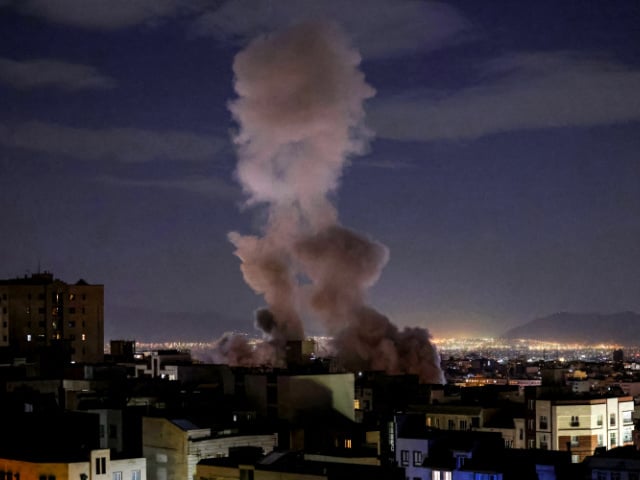
Strikes in Tehran, archive | Photo: Arab networks
Alongside domestic production lines, a Western official alleged that Russia is supplying missiles to Iran, potentially aiding the regime in restoring its military posture. This assertion aligns with previous intelligence assessments published in June, which indicated that newly delivered Russian weaponry had arrived in Iranian depots. The Russian Ministry of Defense did not respond to Bloomberg’s request for comment, and Moscow has issued no official confirmation of the missile transfers.
Bloomberg previously reported in June that, according to Western intelligence assessments, Iran had restored large portions of its missile array, with overall ammunition inventories at roughly 75% of their pre-war levels at that time—an estimate that factored in the likely integration of Russian-manufactured systems. That metric, however, reflected June data rather than an updated quantitative assessment of current October inventory levels.
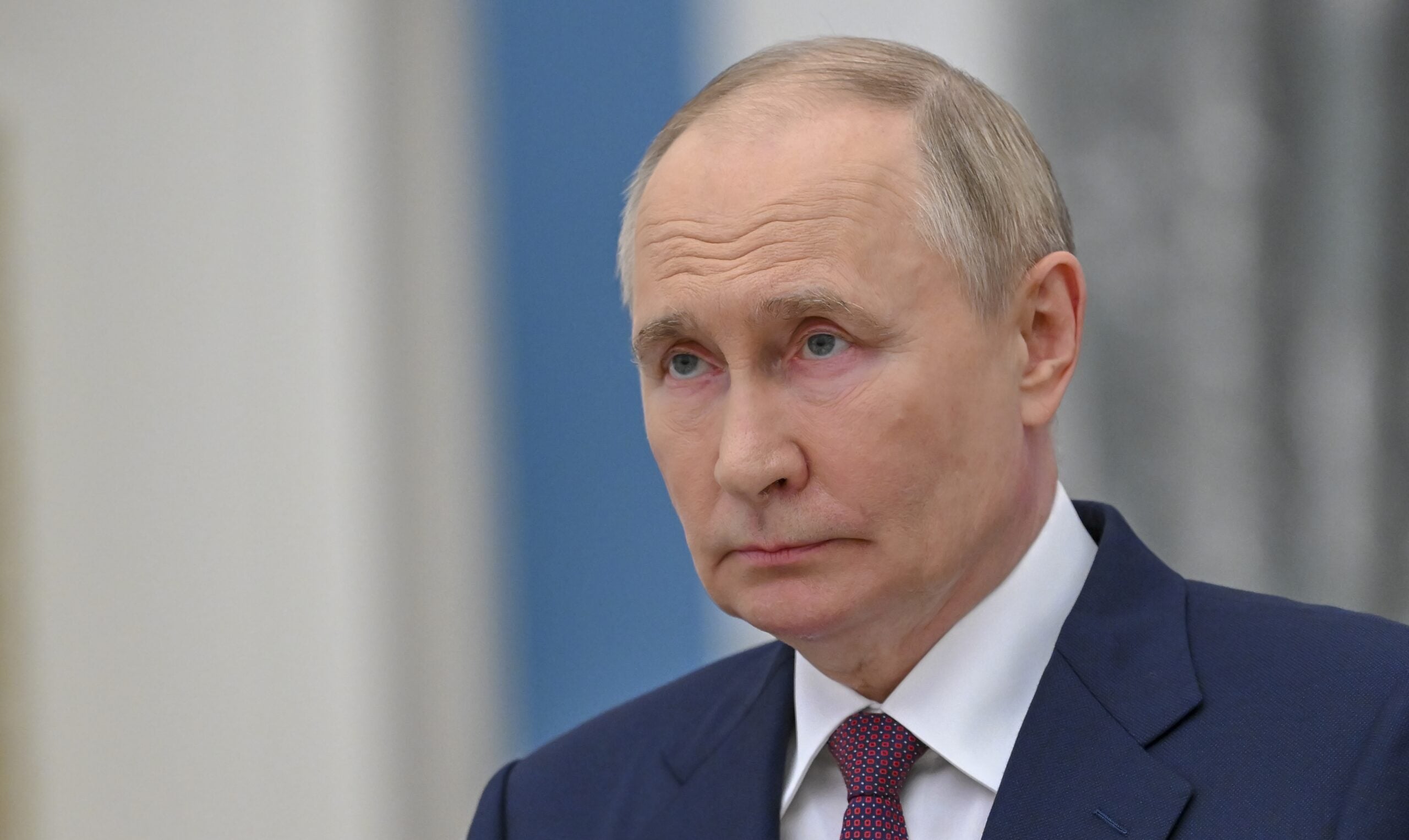
Russian President Putin | Photo: Shutterstock
The new assessments stand in stark contrast to public statements by U.S. President Donald Trump and senior administration officials, who have asserted that strikes against Iran decisively dismantled its military apparatus. In a speech delivered on September 30, U.S. Secretary of Defense Pete Hegseth stated that the United States had obliterated Iran’s military production capacity and defense infrastructure. Yet according to the Western sources quoted by Bloomberg, key industrial production lines remain operational or available for swift rehabilitation, leaving the regime capable of presenting a persistent military threat to Israel and U.S. forces in the region.
The White House rejected the assertions. White House spokesperson Anna Kelly told Bloomberg that President Trump dismantled Iranian nuclear facilities under Operation Midnight Hammer and subsequently degraded the conventional weapons apparatus Tehran utilized to shield its nuclear enterprise. She added that under Operation Epic Fury, ballistic missiles, manufacturing facilities, and Iranian naval assets were destroyed.
U.S. President Donald Trump | Photo: The White House
The report emerges at a sensitive juncture, following President Trump’s announcement on Thursday that the United States will not resume strikes in Iran before Trump’s September 3 congressional midterm elections, provided the free transit of oil through the Strait of Hormuz continues unhindered. According to Bloomberg, the lull in airstrikes provides Tehran operational space to replenish its weapons stockpiles, potentially enhancing its retaliatory posture should armed conflict reignite.
Concurrently, the Iranian threat extends beyond ballistic capabilities. Bloomberg noted that Tehran continues to apply coercive leverage against commercial maritime transit in the Strait of Hormuz, retaining sufficient anti-ship arsenals to threaten commercial shipping lanes. The regime’s ability to preserve production lines and deploy naval strike assets affords it persistent operational options despite the heavy strikes it sustained during the campaign.
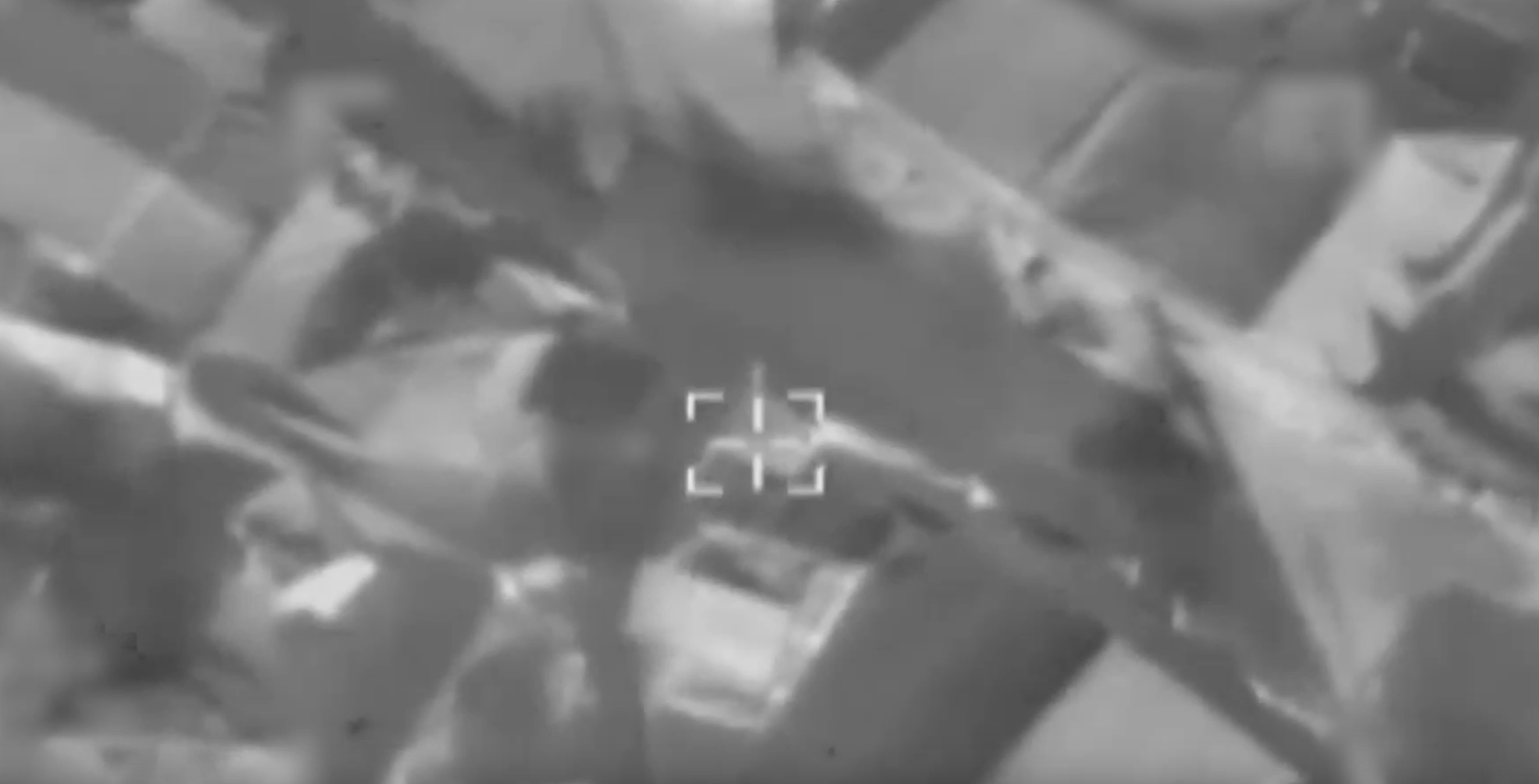
Israeli forces and the Shin Bet (ISA) struck targets in the Khan Yunis area of the southern Gaza Strip, eliminating Mohammed Abu Shaluf, a terrorist in the military wing of the ‘Palestinian’ Islamic Jihad (PIJ) terror organization who invaded Israeli territory during the October 7 massacre, alongside another Hamas Nukhba terrorist. The precision airstrikes were conducted to remove an immediate threat after the operatives were detected actively orchestrating terror attacks and violating operational agreements.
Video: IDF Spokesperson’s Unit
The targeted killing of Abu Shaluf was executed earlier this week on Wednesday following rigorous intelligence gathering. In an additional precision strike conducted on Friday in the same operational sector, Israeli forces eliminated Musa Atef Musa Abu Dan, a Nukhba terrorist in Hamas.
Both terrorists had recently been advancing a series of terror plots targeting IDF soldiers and Israeli civilians. Meanwhile, they worked to rebuild Hamas’s operational capabilities in systematic violation of the ceasefire.
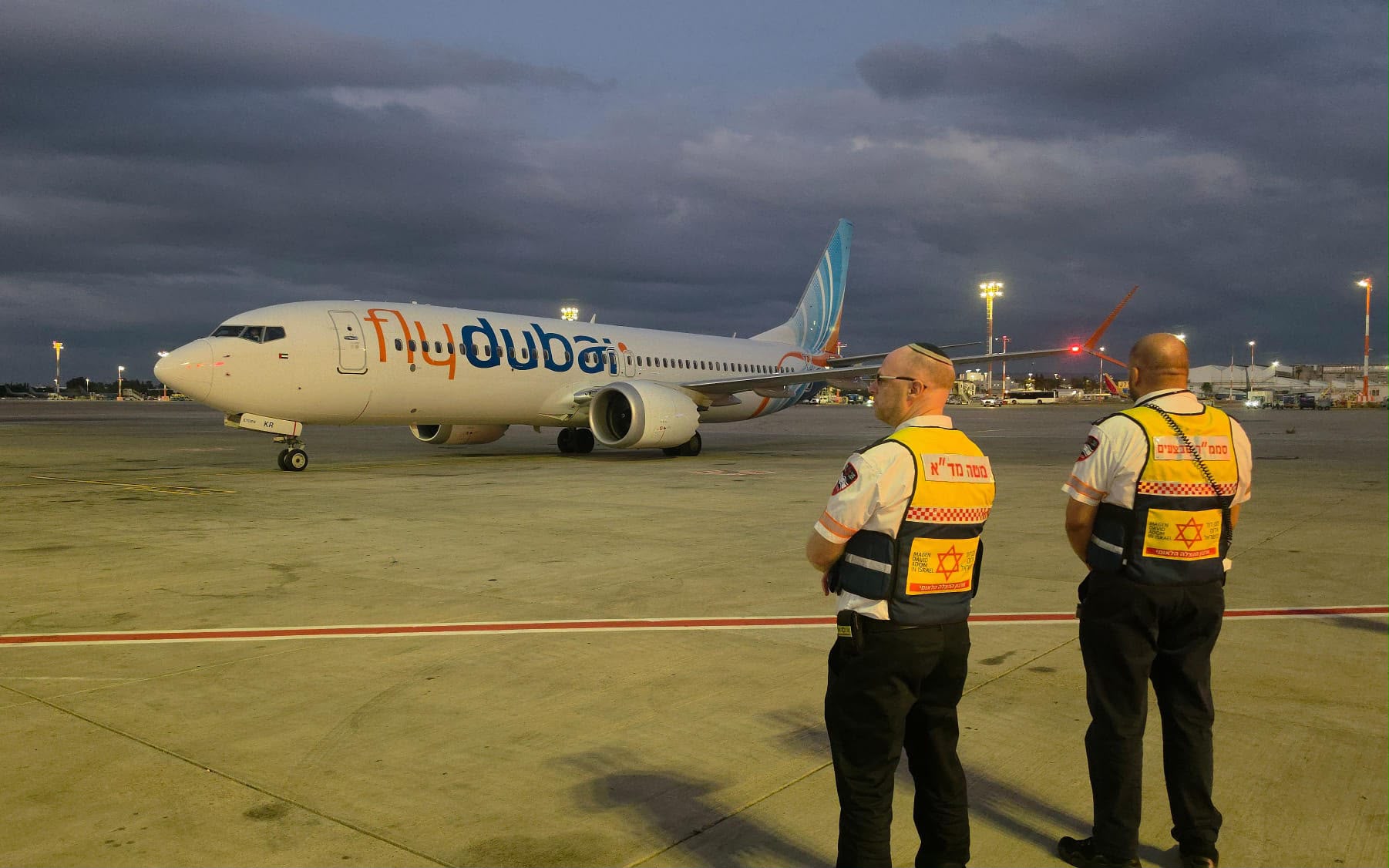
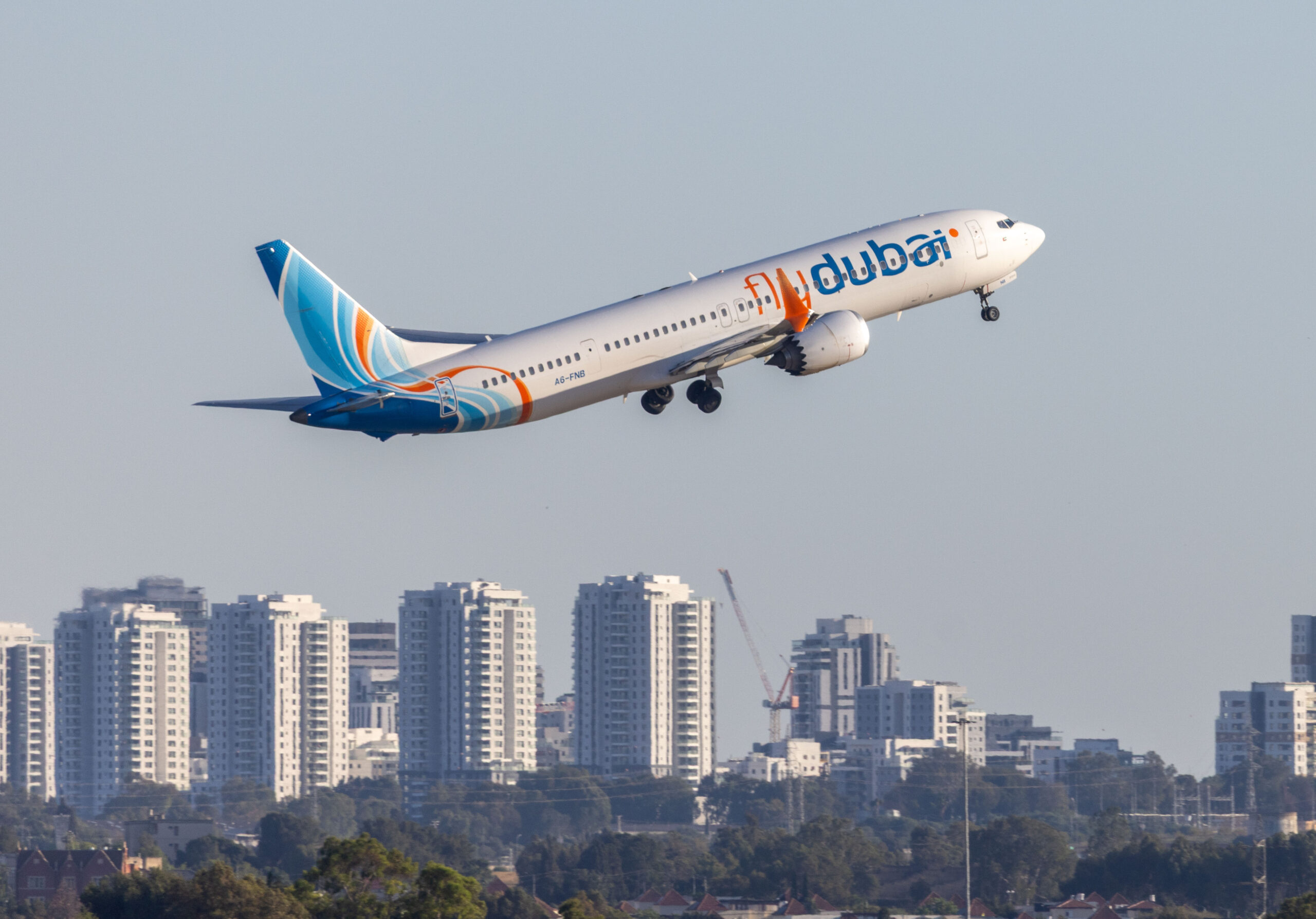
Emirati carrier Flydubai has extended the suspension of its flight operations to Israel following the terror incident that initially prompted the shutdown of the route. The decision leaves Israeli travelers facing mounting uncertainty, as it remains unclear when the airline will resume services to Ben Gurion International Airport.
Arrival of passengers from the terror flight to Israel, archive | Photo: MDA
The carrier has pushed back its flight cancellations to Israel through October 30, and many passengers have already received official cancellation notices for their scheduled bookings. For travelers planning to fly to Dubai or return to Israel, the extension marks a major disruption to travel schedules, with the airline’s direct flights remaining off the table for the immediate future.
Meanwhile, travel options for Israeli passengers heading to the region remain severely constrained. Israeli airlines are currently not permitted to land in Dubai amid heightened security restrictions. Under current conditions, Abu Dhabi-based Etihad Airways continues to offer scheduled flights to the UAE capital, located roughly a one-hour drive from Dubai depending on road traffic. For passengers needing to reach Dubai, this route provides a viable workaround, though it requires arrival in another emirate followed by overland transit to their final destination.
Photo: Yossi Aloni, Flash90
Flydubai has extended the complete suspension of its flights to Israel through October 30 in the wake of the thwarted mid-air terror plot, leaving thousands of travelers facing widespread cancellations and acute travel uncertainty. With Israeli carriers currently barred from landing in Dubai amid strict security directives, travelers seeking transit between Israel and the UAE must rely on indirect alternatives, including flying via Etihad Airways to Abu Dhabi followed by an overland journey.
The Attorney General of the United Arab Emirates officially confirmed on Saturday reports that the terrorist aboard the Flydubai flight intended to crash the commercial aircraft into Ben Gurion Airport. A catastrophic mass-casualty disaster was averted by what officials described as an immense miracle, credited entirely to the extraordinary resourcefulness displayed by the pilot and passengers who subdued the perpetrator and regained control of the aircraft.
Photo: In accordance with Section 27A, Social Media
According to the official announcement by the UAE Attorney General, the terrorist, an Omani national, explicitly confessed during interrogation that he acted alone without external organizational assistance. The UAE’s official state news agency reported that investigative questioning revealed he had previously taken two preliminary flights to Tel Aviv to scout aerial flight paths and analyze the layout of the airport grounds.
UAE investigative authorities suspect the perpetrator drew inspiration for the murderous plot directly from the September 11 terror attacks in the United States. Thanks to the heightened vigilance and rapid intervention of the aircrew and passengers, the catastrophic attack was thwarted, and the airliner landed safely.
Israeli forces struck a series of terror targets across the Gaza Strip over the past 24 hours, eliminating several terrorists in the military wing of Hamas as well as an anti-tank terrorist from ‘Palestinian’ Islamic Jihad (PIJ). On Saturday, a precision strike was conducted against a gathering of Hamas Nukhba terrorists in Gaza City. In this aerial strike, forces eliminated terrorists Mu’adh Mazen Hamza Hassouna and Muhammad Riad Khader Arheem, both Hamas Nukhba terrorists who took an active part in terror activities within Hamas’s military wing.
Hamas terrorists in the Gaza Strip | Photo: Flash90
In an additional targeted strike carried out earlier in the Daraj Tuffah area of northern Gaza, forces eliminated Muhammad Walid Saadi Nakhala from the air. Nakhala served as an anti-tank terrorist in the military wing of the ‘PIJ’ terror organization.
The IDF stressed that the targeted terrorists had recently advanced various terror schemes against IDF forces and Israeli civilians. Furthermore, they worked intensively to rehabilitate the terror capabilities of Hamas, all while systematically violating the ceasefire. The terrorists were neutralized from the air to remove the immediate threat they posed. Before the strikes, strict mitigation measures were implemented to minimize harm to non-combatants, including deploying precision-guided munitions and conducting persistent aerial surveillance.
South African jurist and former senior United Nations official Navanethem “Navi” Pillay was named the winner of the 2026 Nobel Peace Prize on Friday, a decision drawing particular attention in Israel because of her prominent role in UN investigations accusing the Jewish state of ‘genocide’ in Gaza.
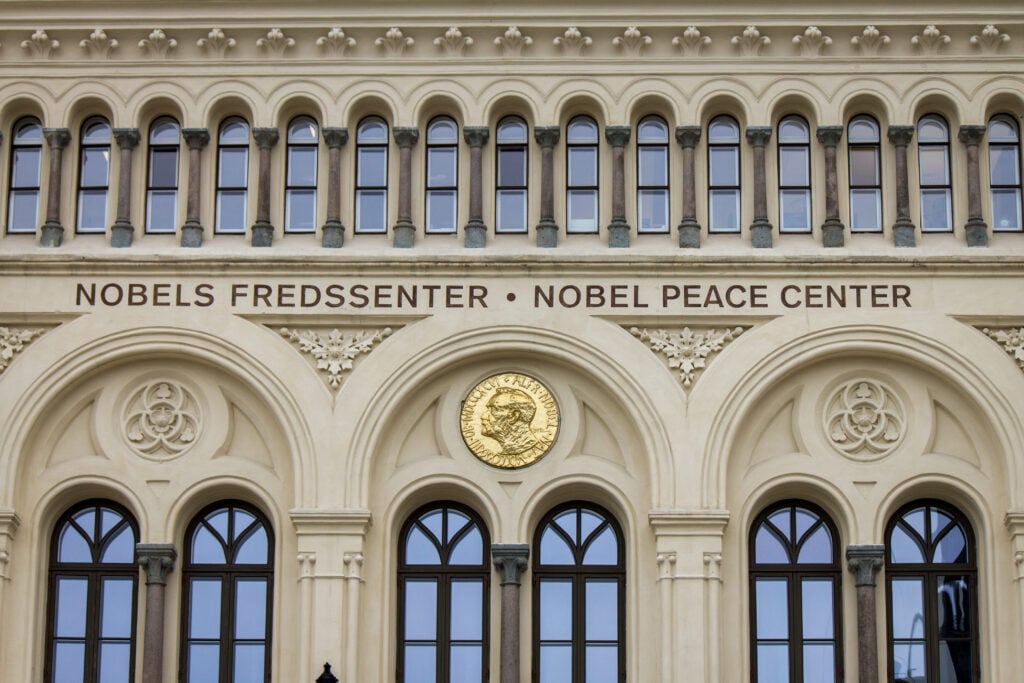
Nobel center | Photo: Shutterstock
Pillay previously served as the UN High Commissioner for Human Rights and as a judge at the International Criminal Court. She later chaired the UN Human Rights Council’s Independent International Commission of Inquiry investigating Israel and the ‘Palestinian’ territories. In September 2025, the commission published a report concluding that Israel had committed acts of ‘genocide’ in the Gaza Strip. The report also accused senior Israeli officials, including Prime Minister Benjamin Netanyahu and President Isaac Herzog, of incitement to ‘genocide.’
UN Council | Photo: Reuters
Israel categorically rejected the commission’s findings, describing them as biased and politically motivated. Israel’s Foreign Ministry further accused the commission’s members of promoting a propaganda narrative that served Hamas.
The Norwegian Nobel Committee said it selected Pillay for her “efforts to advance peace and international law.”
The official award ceremony is scheduled for December 10 in Oslo, marking the anniversary of the death of Alfred Nobel, the prize’s founder.
Alfred Nobel | Photo: Shutterstock
Alongside the international recognition, Pillay will receive a monetary award of 12 million Swedish kronor, equivalent to approximately $1.2 million. The decision places one of the UN’s most prominent critics of Israel among the recipients of the world’s best-known peace award, despite Israel’s longstanding objections to the commission’s findings and its allegations against Israeli leaders.
Residents reported heavy gunfire Thursday evening coming from the direction of Qadum, a Muslim village adjacent to the town of Kedumim in Samaria. According to the Kedumim Regional Council, the incident did not occur inside the town, and residents were instructed to continue their normal routines.
Security forces from the council were deployed along the perimeter fence following the gunfire, and the local rapid response team was mobilized and positioned between Qadum and the settlement’s homes. Drones were spotted flying over Kedumim, according to reports.
The Kedumim Regional Council said it is in ongoing contact with the IDF and emphasized that “we will not allow rampant gunfire in Qadum for any reason.” At this stage, authorities believe the shooting is likely related to a clan dispute taking place just hundreds of meters from the town’s homes. No special instructions have been issued to residents.