Category: Israel

  • Despite War Spending, Israel’s State Revenues Surge 11.8%

    Despite War Spending, Israel’s State Revenues Surge 11.8%

    Israel’s Finance Ministry released its July budget performance and state revenue estimates Monday, presenting an encouraging picture of resilience and stability in the Israeli economy.

    According to the official figures, the cumulative government deficit over the past 12 months remained unchanged at just 3.3% of GDP—significantly below the government’s annual deficit target of 4.9% for 2026. A major factor behind the deficit’s stability has been a sharp increase in state revenues, reflecting robust business activity across the economy.
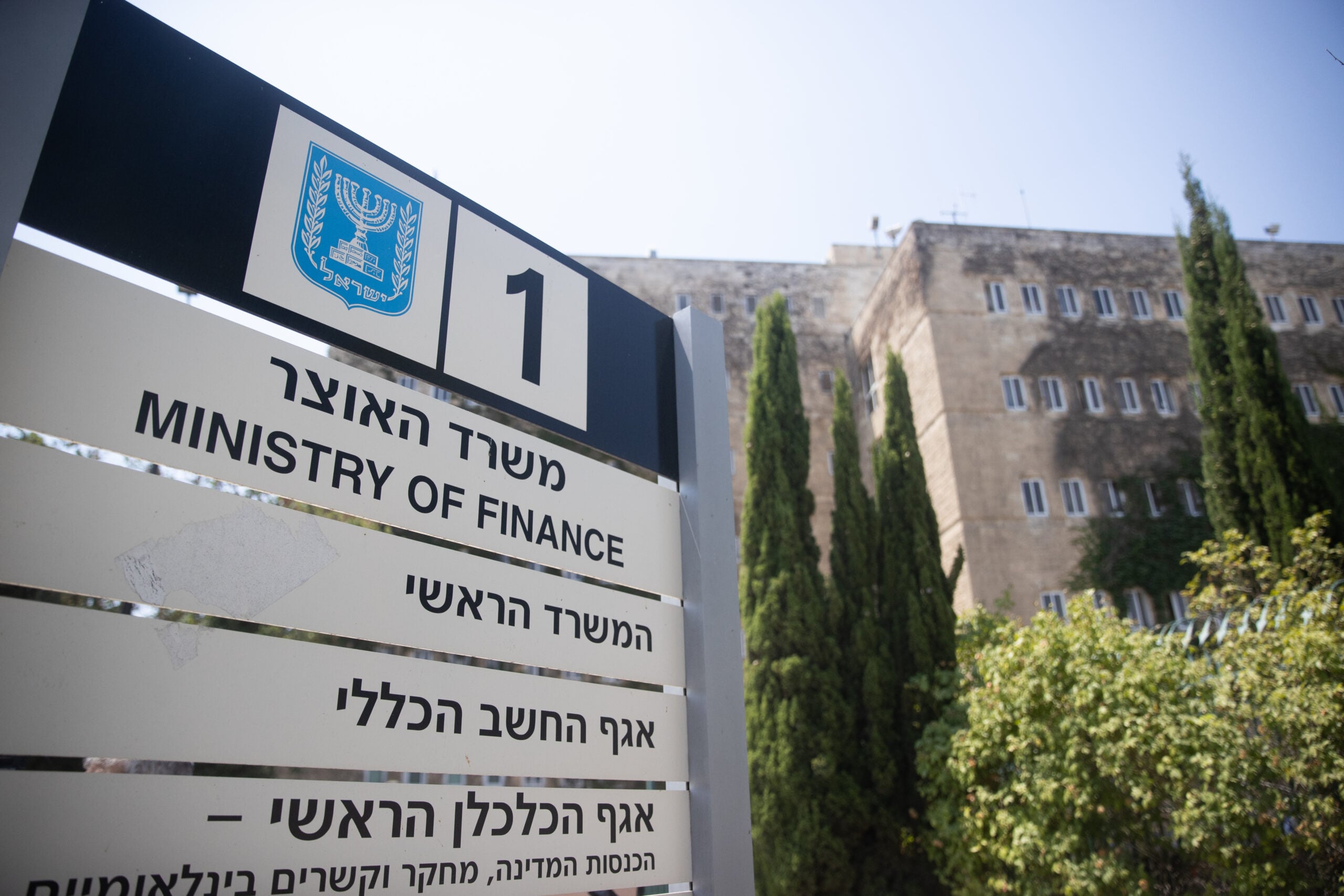
    Finance Ministry | Photo: Yonatan Sindel, Flash90

    Since the beginning of the year, state revenues have reached approximately NIS 362.1 billion ($106 billion), an impressive 11.8% increase compared with the same period last year. Tax revenues alone rose by an even sharper 14.5%, with approximately NIS 55 billion ($16.1 billion) collected in July.

    Meanwhile, government spending since the beginning of the year totaled approximately NIS 373.6 billion ($109.4 billion), an increase of just 3.5% compared with the same period last year.

    Defense spending rose significantly, climbing 12.6% to approximately NIS 108.2 billion ($31.7 billion), while spending by civilian ministries declined 1.3%. Finance Ministry officials expect the pace of government spending to accelerate in the coming months as the end of the year approaches.
    Finance Ministry | Photo: Yonatan Sindel, Flash90


    The deficit for July itself totaled approximately NIS 4.8 billion ($1.4 billion), similar to the figure recorded during the same month last year. But the year-to-date comparison is considerably more dramatic: Israel has accumulated a deficit of just NIS 11.5 billion ($3.4 billion) since the beginning of 2026, compared with approximately NIS 37.2 billion ($10.9 billion) during the same period in 2025.

    The figures have generated considerable satisfaction among Finance Ministry officials, who point to the results as further evidence of the Israeli economy’s resilience—even as defense expenditures continue to rise and government spending is expected to accelerate later this year.
  • Beit Shemesh Rebuilds Synagogue Destroyed in Missile Strike

    Beit Shemesh Rebuilds Synagogue Destroyed in Missile Strike

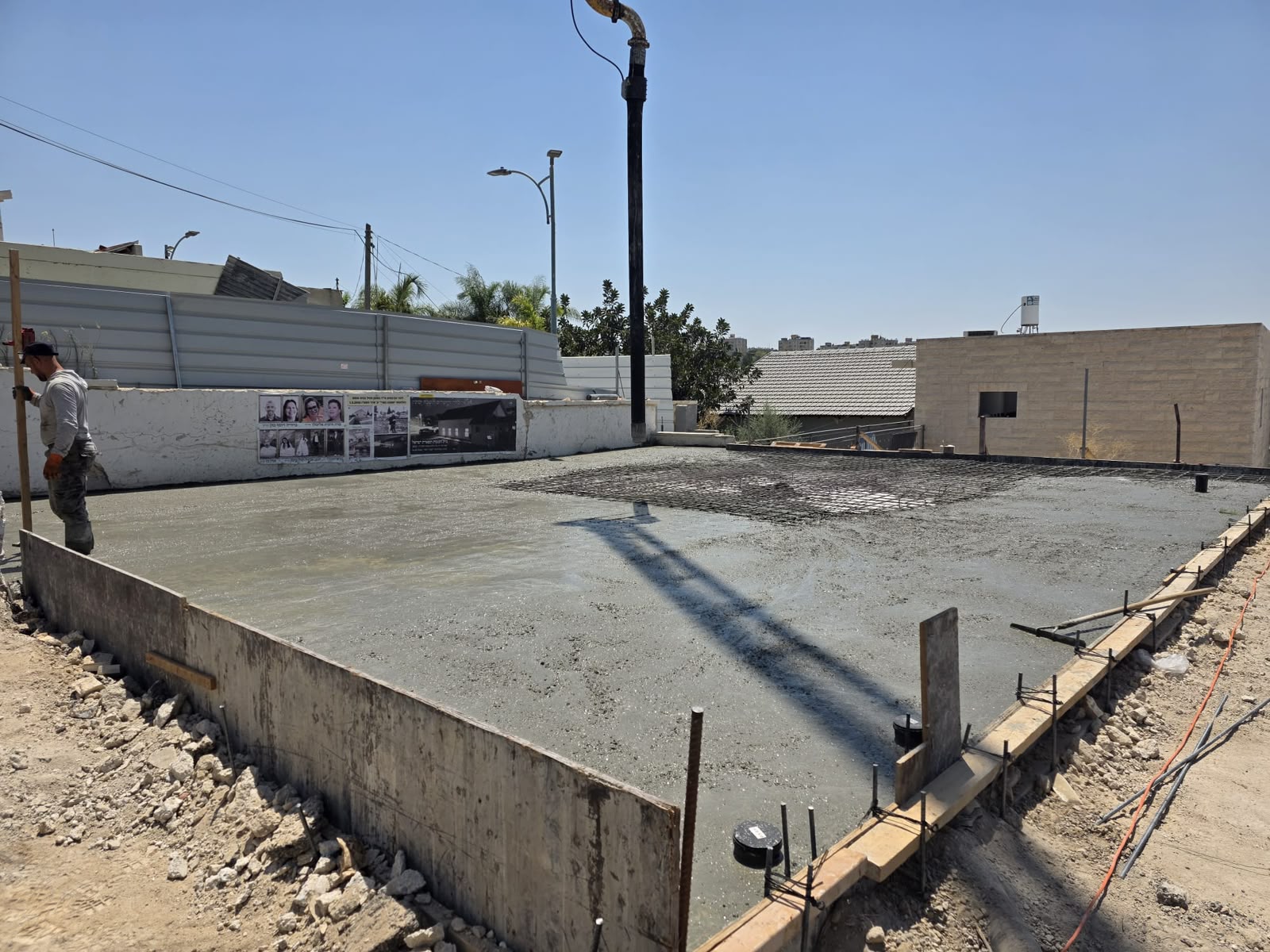
    Reconstruction work has officially commenced on the synagogue destroyed by a direct missile strike in Beit Shemesh during Operation “Lion’s Roar.” The synagogue will be re-established adjacent to the location where the original structure stood, with an initial temporary building being erected to serve worshipers until final planning approval and construction of the permanent facility are completed.

    Photo: Beit Shemesh Municipality Spokesperson’s Unit

    The original synagogue served neighborhood residents for years before being destroyed by the missile impact. Nine city residents were killed inside the shelter located beneath the structure. Since the tragedy, municipal officials have worked to advance the rebuilding of the synagogue and finalize necessary permits to initiate construction. Now, following the completion of administrative procedures, physical work on the temporary structure has begun. Municipal representatives noted that this represents an initial phase, with plans moving forward for a permanent building and a new shelter to serve local residents.

    הזירה בה טיל בליסטי שנורה מאיראן פגע בבית שמש, מרכז ישראל, גרם נזק כבד והרג לפחות 8 בני אדם. 1 במרץ, 2026. צילום: יונתן סינדל/Flash90
    The scene in Beit Shemesh | Photo: Yonatan Sindel, Flash90

    “This is our way of restoring to the community the home it lost and demonstrating that even after a devastating hit, Beit Shemesh continues to build, rehabilitate, and grow,” said Beit Shemesh Mayor Shmuel Greenberg, who added that “it was clear from the very first moment that the synagogue would be rebuilt.”

  • Court Orders IDF to Release Jewish Father of Newborn

    Court Orders IDF to Release Jewish Father of Newborn

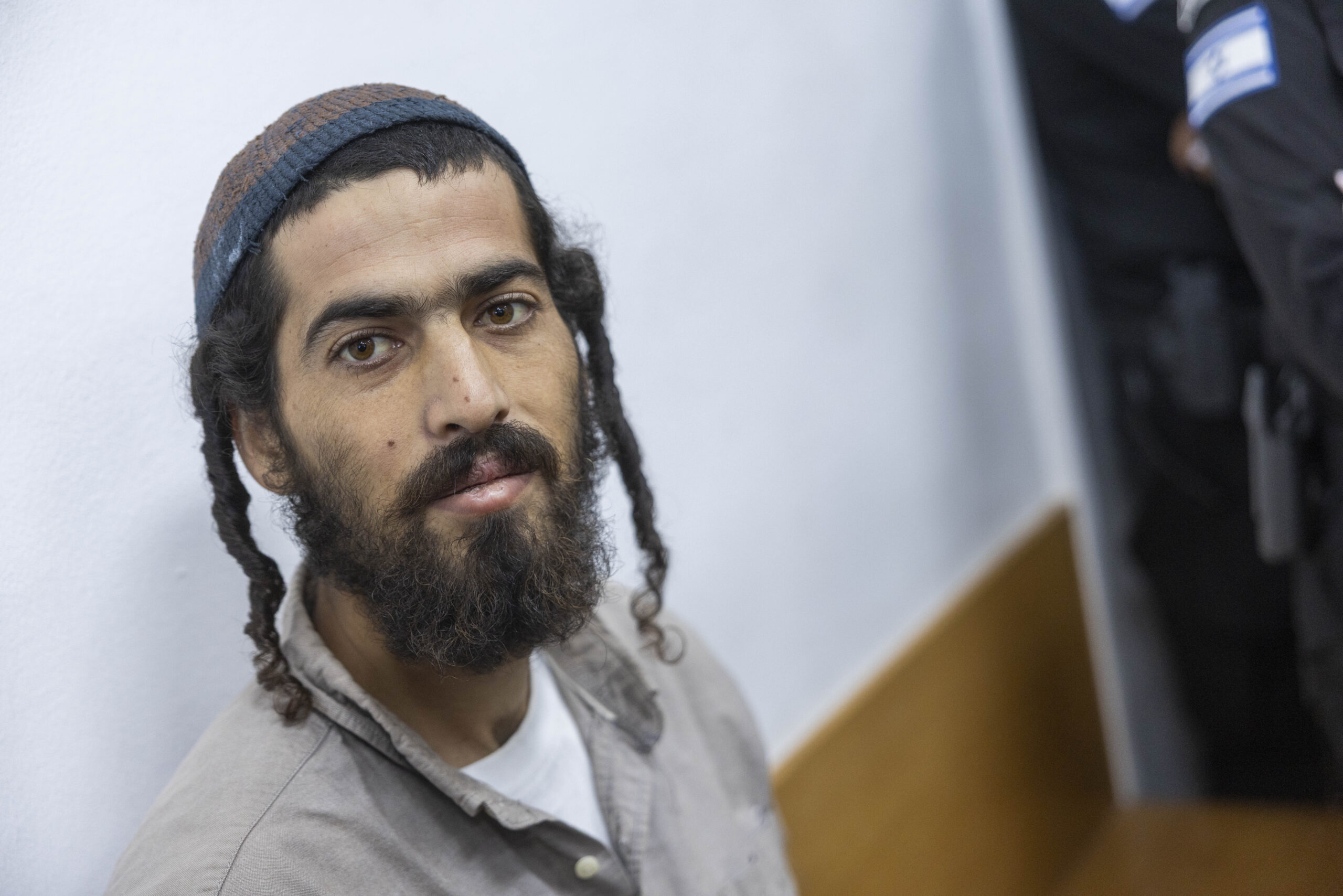
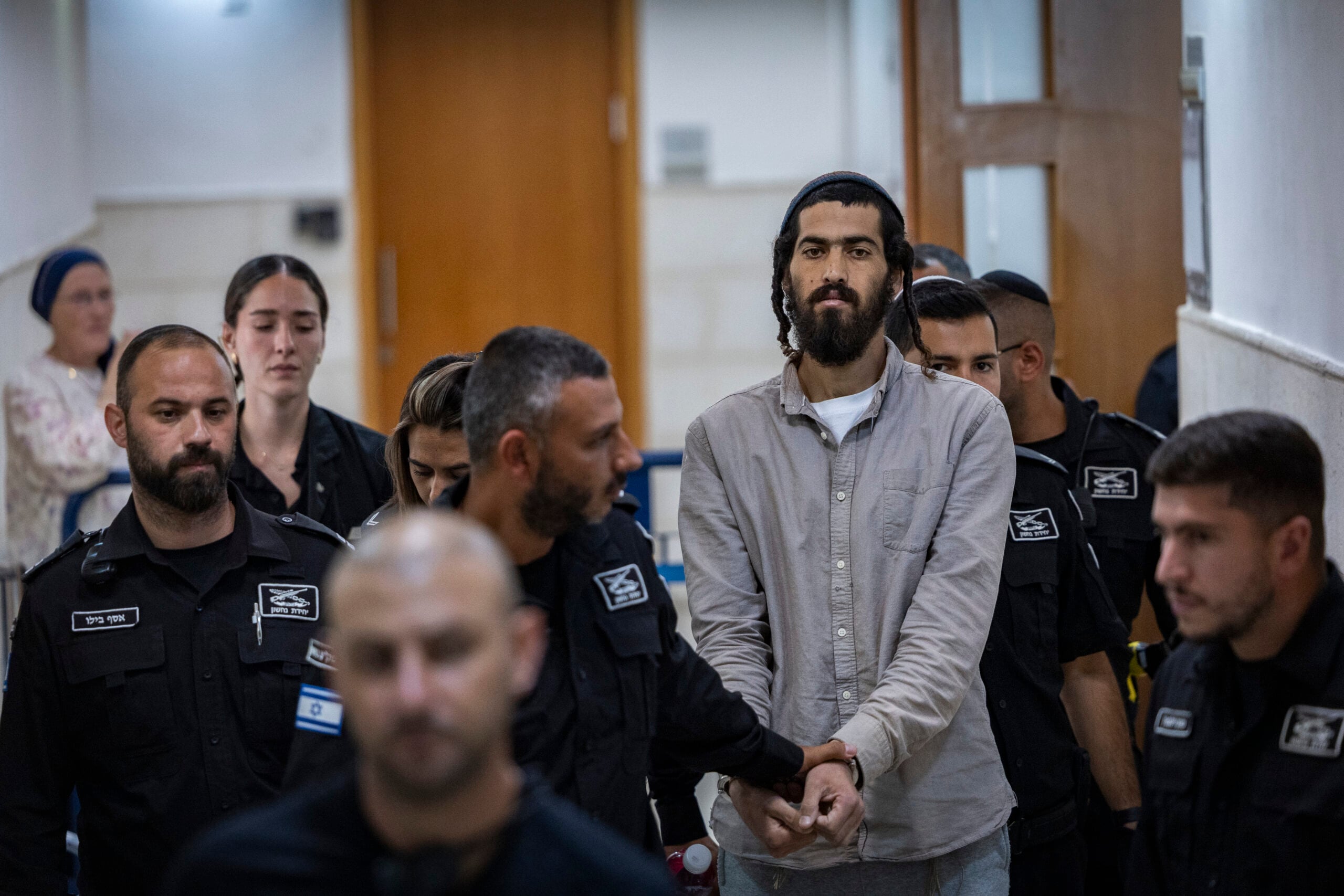
    Following a 38-day hunger strike, the court accepted the petition filed by the Honenu legal organization and ordered the immediate, unconditional release of Tal Yinon Dardik from custody. Honenu stated: “Administrative orders targetingresidents of Judea and Samaria represent a black flag over the Central Command Chief and his superiors; cancel all of them today.”

    Tal Yinon Dardik | Photo: Chaim Goldberg, Flash90

    Jerusalem Magistrate’s Court Judge Amir Shaked accepted the request submitted by the Honenu organization and ordered the release of Tal Yinon Dardik from detention without any conditions. This comes following a public campaign conducted by Dardik for 38 days against an administrative order issued against him by Central Command Head Maj. Gen. Avi Bluth, during which he maintained a hunger strike. Dardik was represented by attorneys Moshe Polsky, Nati Rom, and Daniel Shimshilashvili, all from the Honenu organization.


    Attorney Nati Rom stated: “We have just received the ruling by His Honor Judge Amir Shaked to release Tal Yinon Dardik immediately and unconditionally. We are pleased that the defense’s arguments were accepted from the outset. This order is unfeasible; the General issued the order without authority. This order is essentially nullified, and therefore there was no violation and no justification for his arrest. We are glad he is being released and hope that this time judicial rulings will be respected so he can rebuild himself and his family.”

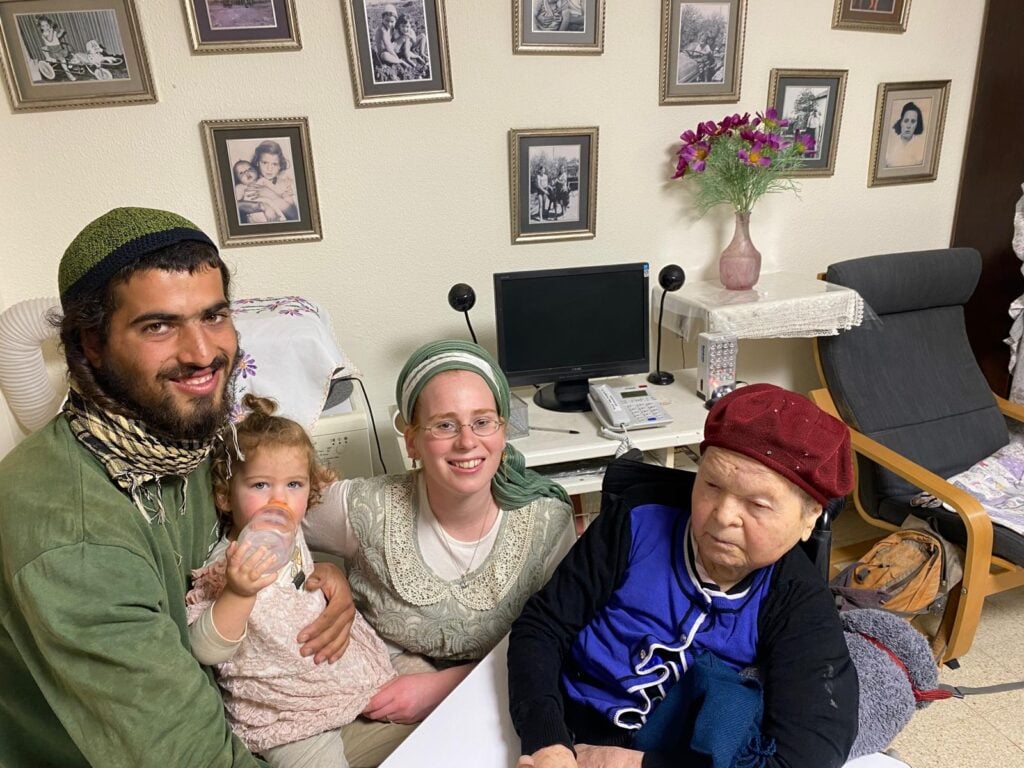
    Tal Yinon Dardik and his family | Photo: Courtesy of the family

    Attorney Moshe Polsky stated: “We welcome the court’s ruling ordering his unconditional release. This was self-evident. In our view, he should have been released two months ago; we already noted that the administrative order issued against him wasn’t worth the paper it was printed on, as there was no legal possibility of implementing it. The state dragged Tal Yinon into unnecessary legal proceedings, including enormous taxpayer expenditures. It was clear to everyone that this would be the outcome—that Tal Yinon would be released home without conditions because no offense could be attributed to him.”

    The Honenu organization added: “The administrative order against Tal Yinon Dardik, like those against dozens like him, is a black flag over the Major General of the Command and his superiors. The General and the Ministry of Defense must put an end to the use of administrative orders that serve exclusively against residents of Judea and Samaria—not against crime bosses, nor against any other citizen in the State of Israel, nor anywhere else in the free world. The sole public group in Israel persecuted via administrative orders are the residents of Judea and Samaria. We call on the General: cancel all orders against residents of Judea and Samaria today.”

  • Italian Left Pushes Nobel Stunt to Smear IDF Over Gaza Aid

    Italian Left Pushes Nobel Stunt to Smear IDF Over Gaza Aid

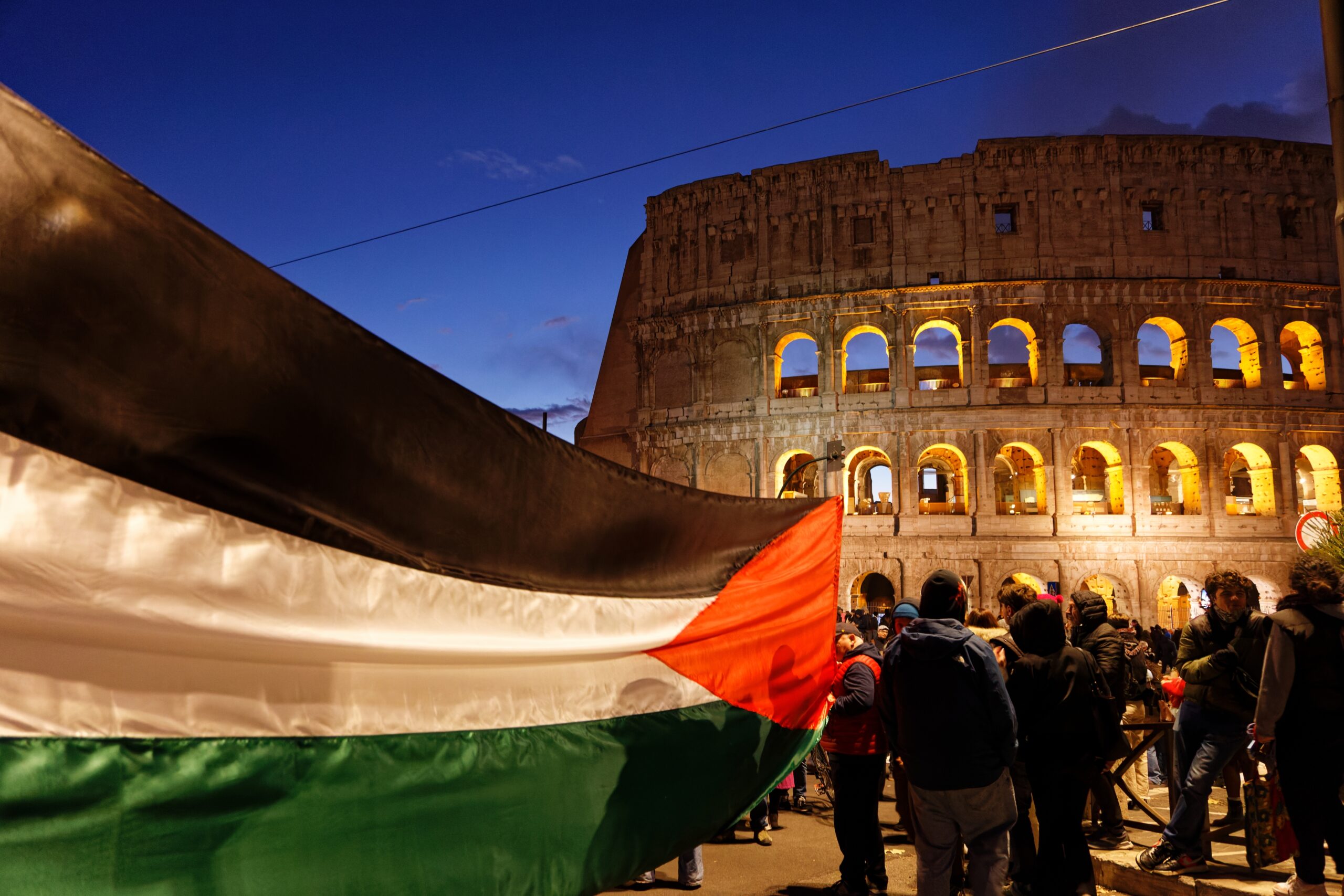
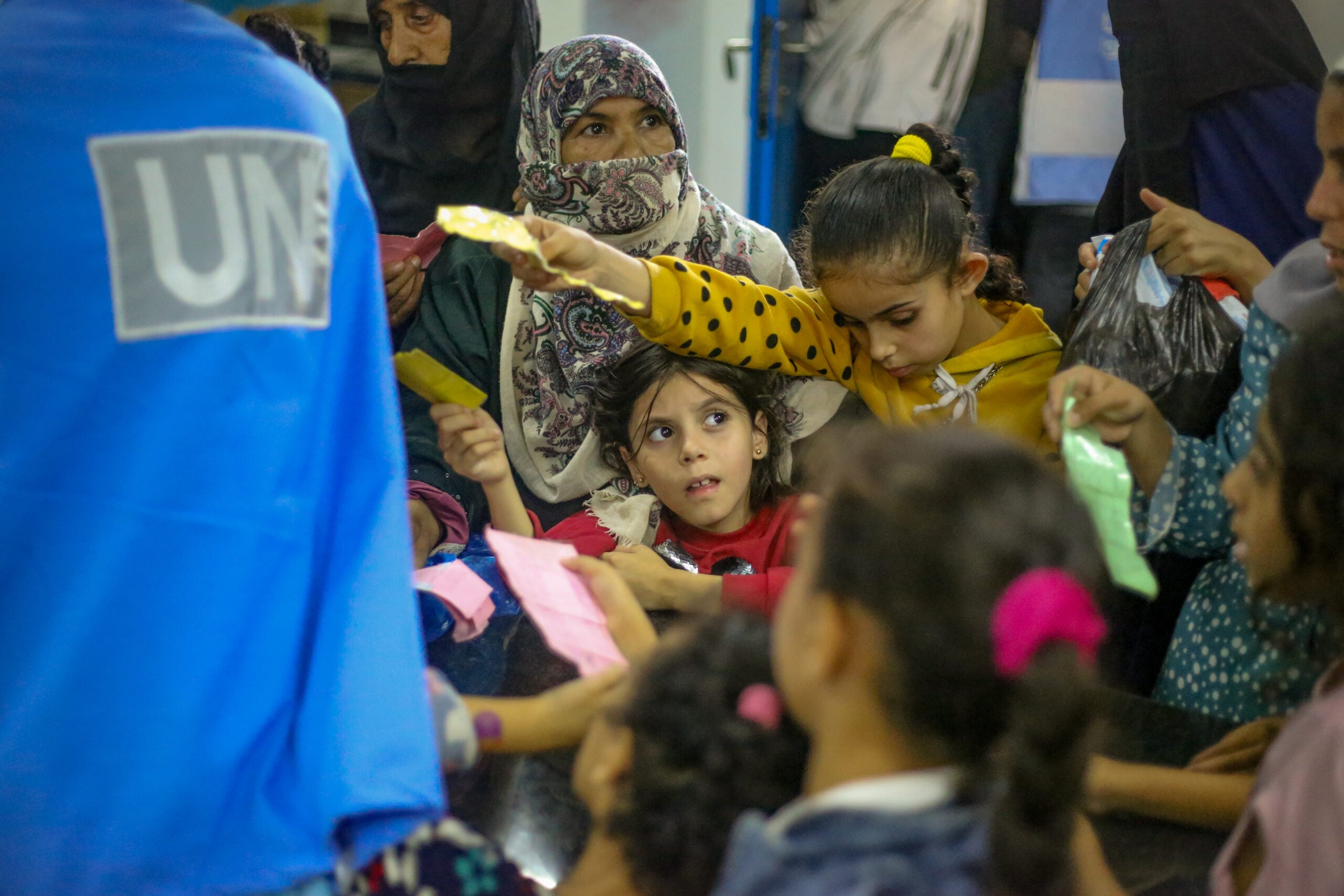
    A storm has erupted over the past 24 hours after the Italian newspaper Avvenire promoted a proposal by a philosophy professor from the University of Naples to award the Nobel Peace Prize to the children of Gaza. The campaign has already garnered signatures from dozens of political figures in Italy, led by Democratic Party Secretary Elly Schlein, who is utilizing the platform for a sharp attack against Israel.

    Gaza Strip | Photo: Shutterstock

    In an official statement, Schlein leveled severe accusations against the IDF and Prime Minister Benjamin Netanyahu, claiming that despite the cease-fire, children in Gaza continue to die as a result of what she characterized as “crimes” and a systemic lack of basic resources. Schlein further accused Israel of employing starvation as a “weapon of war” and asserted that humanitarian aid is failing to reach the civilian ‘Palestinian’ population, declaring that “silence must not be permitted to take over Gaza and the plight of its minors.”

    The initiative was joined by other prominent figures in the Italian left, including Pier Luigi Bersani and Member of the European Parliament Matteo Ricci, who framed the campaign as a symbolic act intended to “break the silence” surrounding what they termed a “massacre of children.” MEP Sandro Ruotolo likewise launched a scathing critique of Israel, claiming that events in Gaza represent a “watershed moment” testing democratic values, while calling on the international conscience to awaken against what he called the “barbarism of war” by the Israeli military.

    ‘Palestinian’ children in the Gaza Strip | Photo: Flash90

    According to Ruotolo, the deaths of thousands of ‘Palestinian’ civilians demand a global response. Members of the Democratic Party faction in the Chamber of Deputies sought to present the Nobel nomination not merely as a symbolic gesture to clear the global conscience, but as an “act of justice” toward the residents of the Gaza Strip.

  • New Framework for Collecting Evidence for Oct. 7 Inquiry

    New Framework for Collecting Evidence for Oct. 7 Inquiry

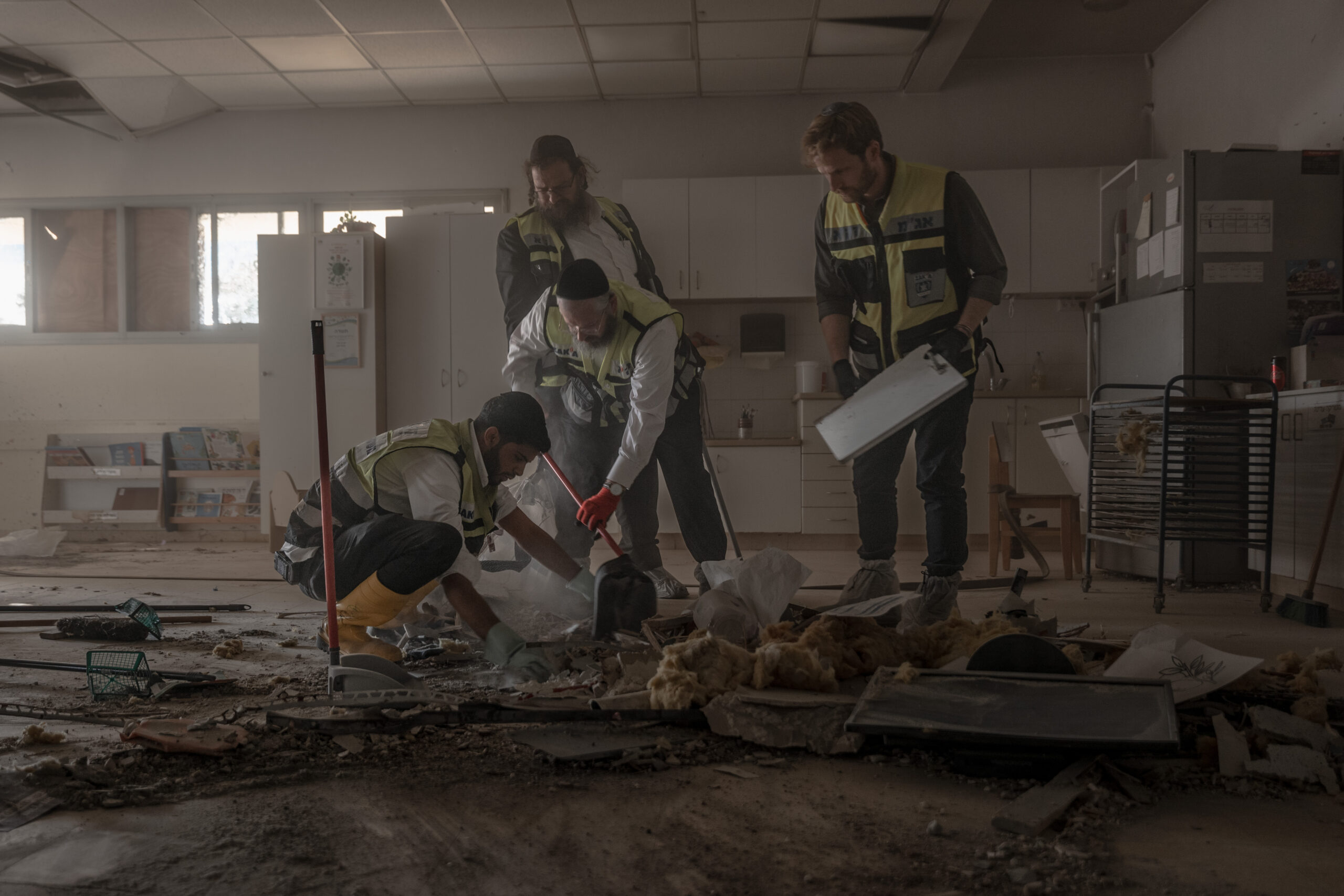
    Knesset Member Ariel Kallner and Rabbi Aviad Gadot, CEO of the organization “Torat Lachima” (Combat Doctrine), announced Monday the launch of a coordinated initiative to collect, document, and preserve testimony, documents, and evidence from soldiers, commanders, and civilians related to the October 7 failure and the period leading up to it. The effort stems from a desire to build a comprehensive evidentiary foundation that will be transferred directly to the national commission of inquiry, which Kallner intends to complete legislating in the next Knesset. According to Knesset regulations, only the proposing member is authorized to bring the bill to second and third readings.

    Photo: Flash 90

    Knesset Member Ariel Kallner emphasized the importance of the move: “The national commission of inquiry is the only way to get to the truth and bring about real correction. This is my supreme commitment. Our goal is to advance the collection of critical material, which will be handed over to the commission when it is established.”

    Rabbi Aviad Gadot, CEO of “Torat Lachima,” appealed to the broader public: “We are calling on soldiers, commanders, and civilians who have information and testimony related to the events of October 7 and the period preceding them. It’s important that the materials be collected and preserved in an orderly manner, so they can be brought before the commission of inquiry.” The two announced that in the coming days, an organized technological platform will be activated to allow the public to submit testimony securely.

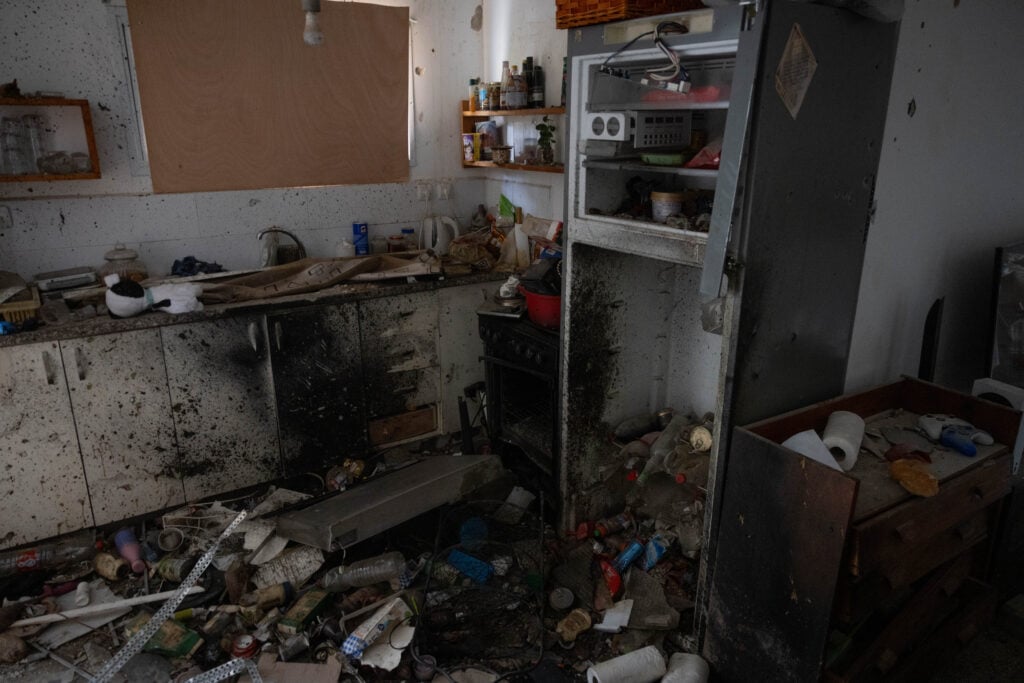
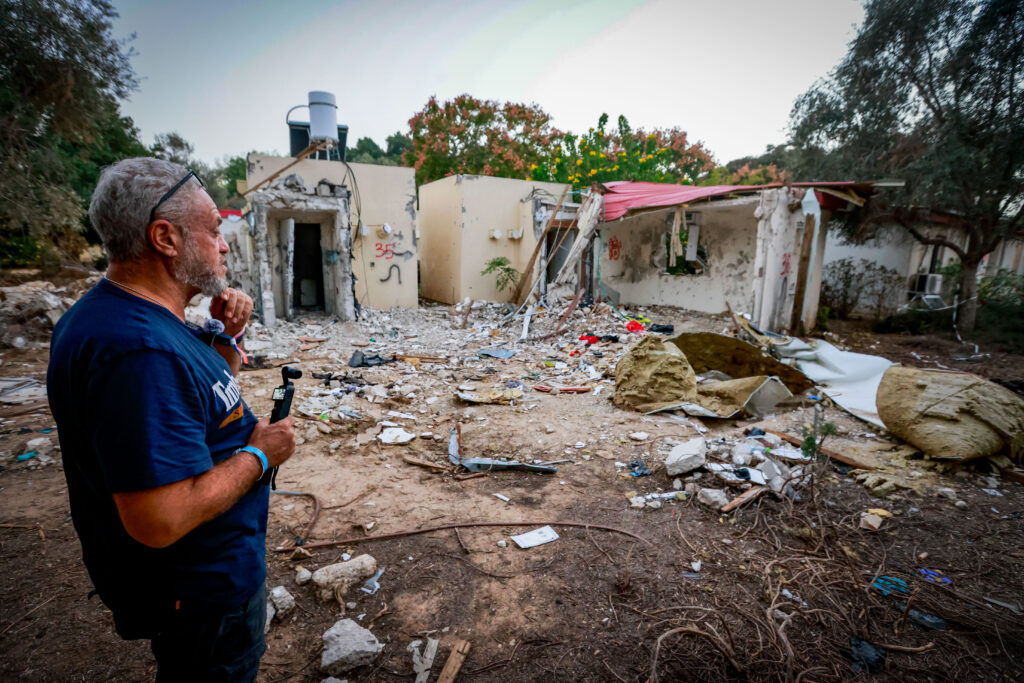
    Kibbutz Reim on October 7th | Photo: Yossi Zamir, Flash 90

    The joint initiative comes following the dramatic decision by the government and Knesset, which approved in first reading—just before going into election recess—the bill to establish a national commission of inquiry to investigate the October 7 massacre.

    Approval of the bill came in response to widespread public demand to investigate the disaster, but placed at the center of public and legal discourse the debate over the identity of the body that will lead the investigation. Today there are two main models, and the difference between them is fundamental and significant: The government is promoting an egalitarian and balanced model, in which the composition of the commission is determined by broad consensus among all parts of the nation—the coalition and the opposition—and includes experts in security, law, academia, and observers from among the bereaved families.

    Kibbutz Be’eri after the October 7th massacre | Photo: Flash 90

    The great advantage of a national commission of inquiry lies in the broad public trust it generates. In Israeli reality, large segments of the population do not trust the judicial system and the old appointment mechanism of the Supreme Court. A state commission of inquiry could appear in the eyes of a large public as a body with political biases.

    In contrast, a national commission of inquiry is built exactly like the successful model of the 9/11 Commission that was established in the United States after the Twin Towers attack. It ensures that no political side has an advantage, allows fair representation for all voices in Israeli society, and gives the conclusions full national legitimacy that is not called into question.

  • IDF Eliminates Hamas Sniper Near Yellow Line in Gaza

    IDF Eliminates Hamas Sniper Near Yellow Line in Gaza

    Israeli forces identified a Hamas terror organization sniper operating near the “Yellow Line” area in the northern Gaza Strip and eliminated him to remove an immediate threat to troops on the ground. Upon identifying the terrorist as posing a real and present danger, fighters opened fire and eliminated him to neutralize the threat. The IDF clarified in an official statement: “Troops remain deployed in the area in accordance with the agreement and will continue to take immediate action to remove any threat to the safety and security of our forces.”

  • Seven Arrested in Qalansuwa Raid, Two Guns and ₪14K Seized

    Seven Arrested in Qalansuwa Raid, Two Guns and ₪14K Seized

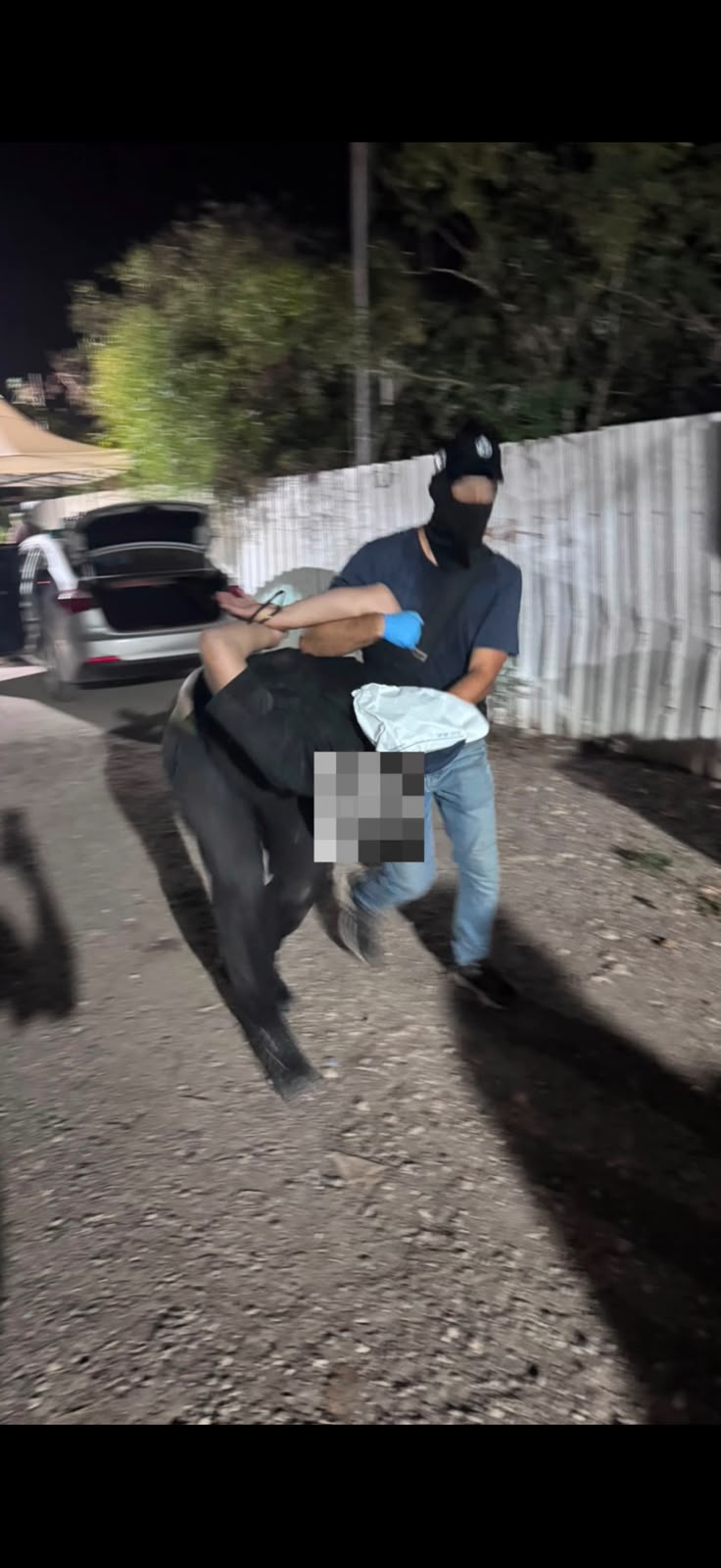
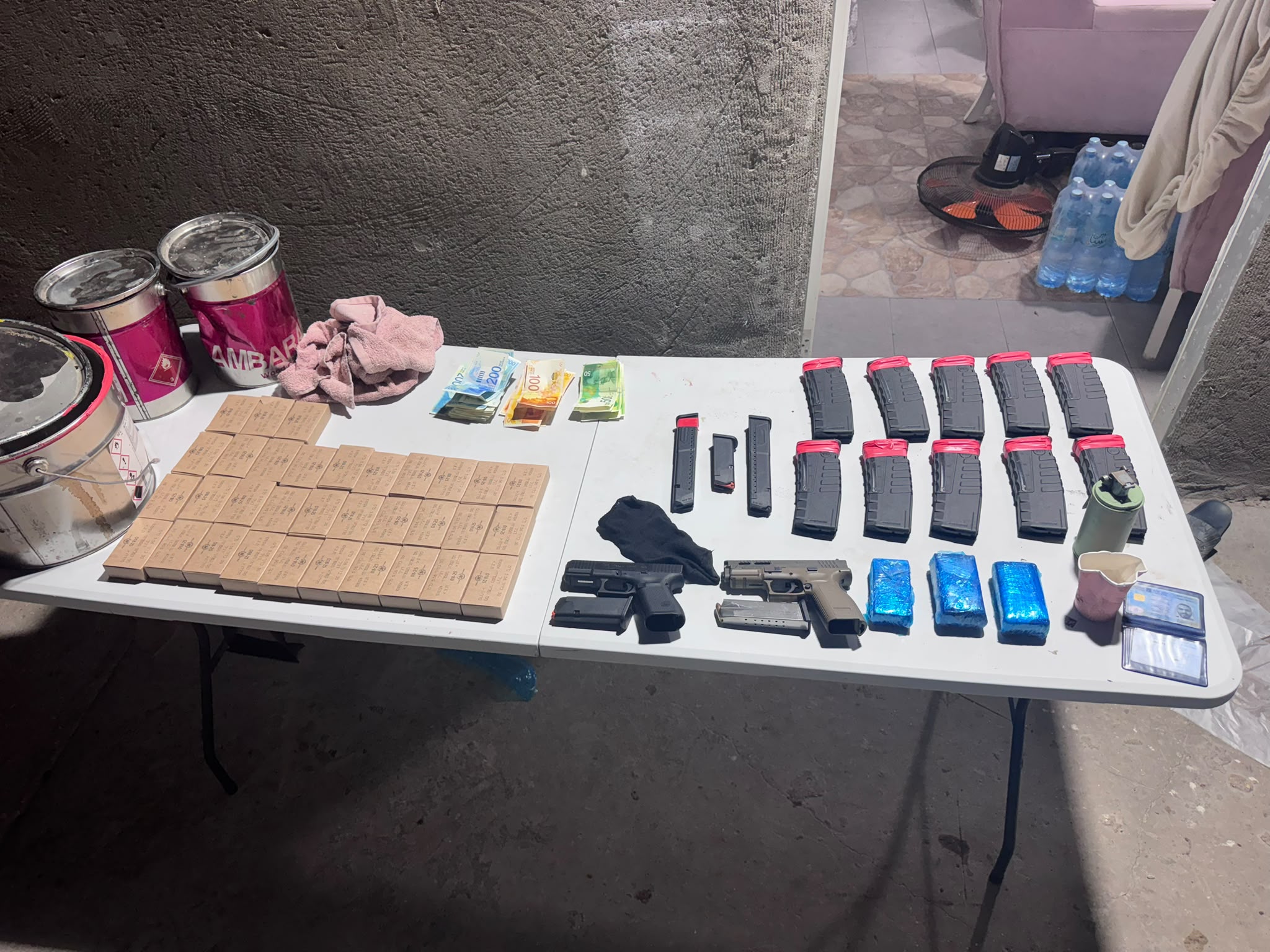
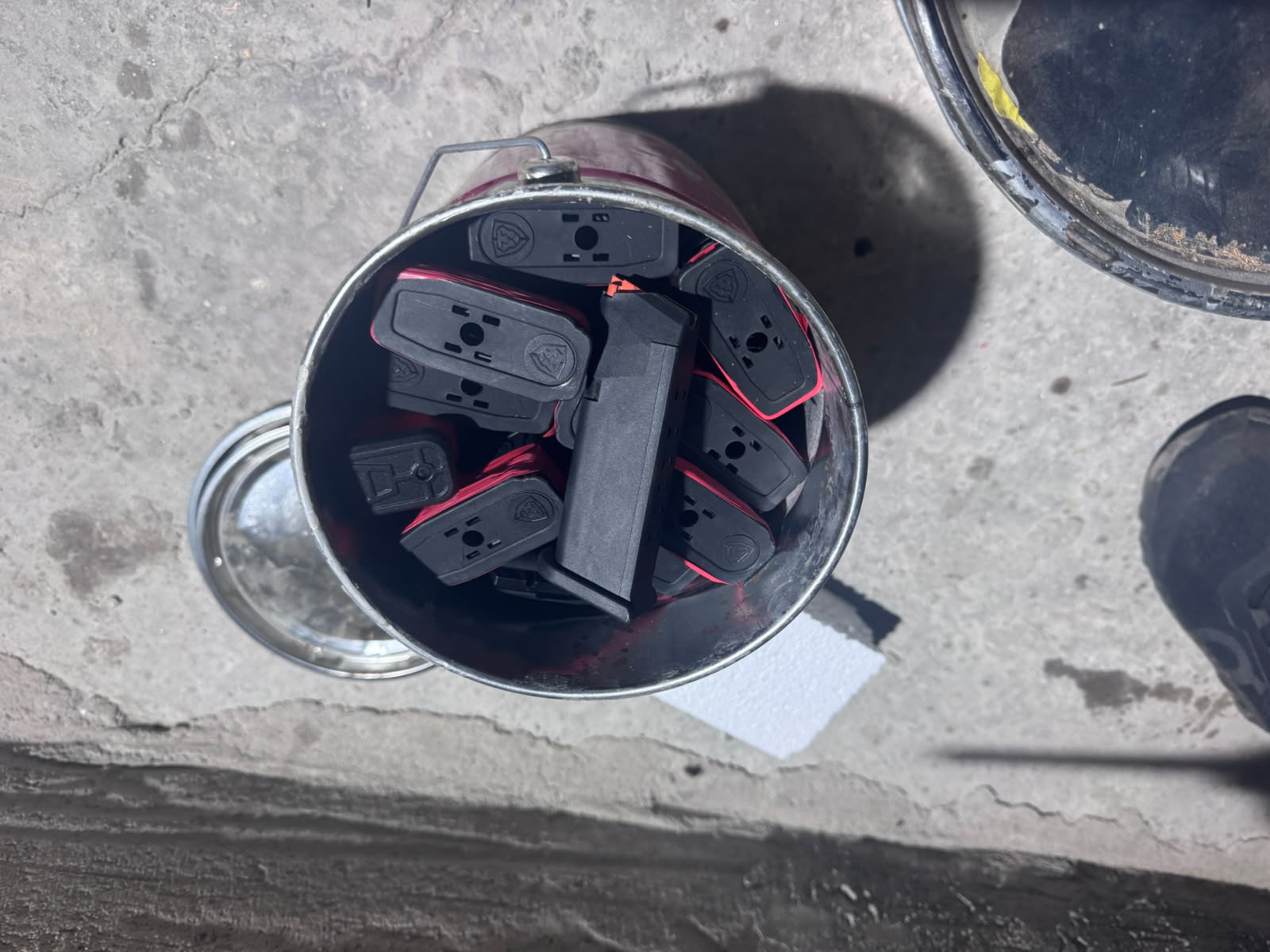
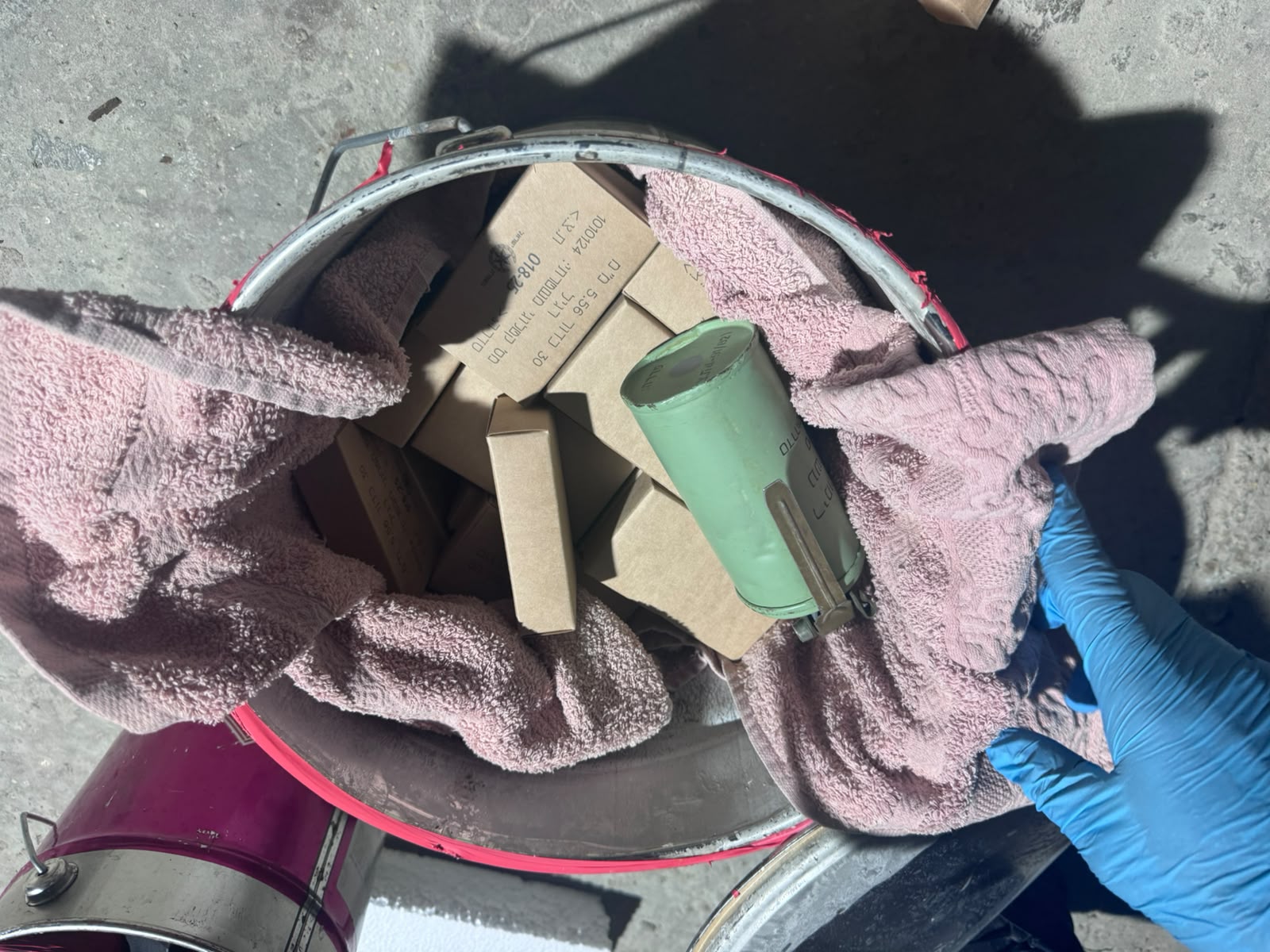
    Seven suspects were arrested during an operational raid by detectives from the International Crime Investigations Unit (Yachbal) in Lahav 433, undercover officers from the Tactical Division, and Northern National Guard Border Police fighters on a compound in Qalansawa. During the operation, officers seized two handguns, magazines, dozens of boxes of ammunition, a smoke grenade, and approximately 14,000 NIS in cash, Israel Police reported.

    Photo: Police Spokesperson’s Unit
    The seized weapons | Photo: Police Spokesperson’s Unit

    Police stated that six of the detainees are illegal residents, while the additional suspect is a 49-year-old resident of Umm al-Fahm. The operation was conducted as part of the ongoing crackdown on violent crime and feuds within Arab society, targeting illegal weaponry across the sector. The suspects were taken for questioning at the National Unit for International Crime Investigations and will subsequently be brought to the Rishon LeZion Magistrate’s Court for a hearing to extend their remand.

    The seized weapons | Photo: Police Spokesperson’s Unit
    The seized weapons | Photo: Police Spokesperson’s Unit
  • Ex-Mossad Chief: U.S. Bombing of Fordow “Fulfilled Dreams”

    Ex-Mossad Chief: U.S. Bombing of Fordow “Fulfilled Dreams”

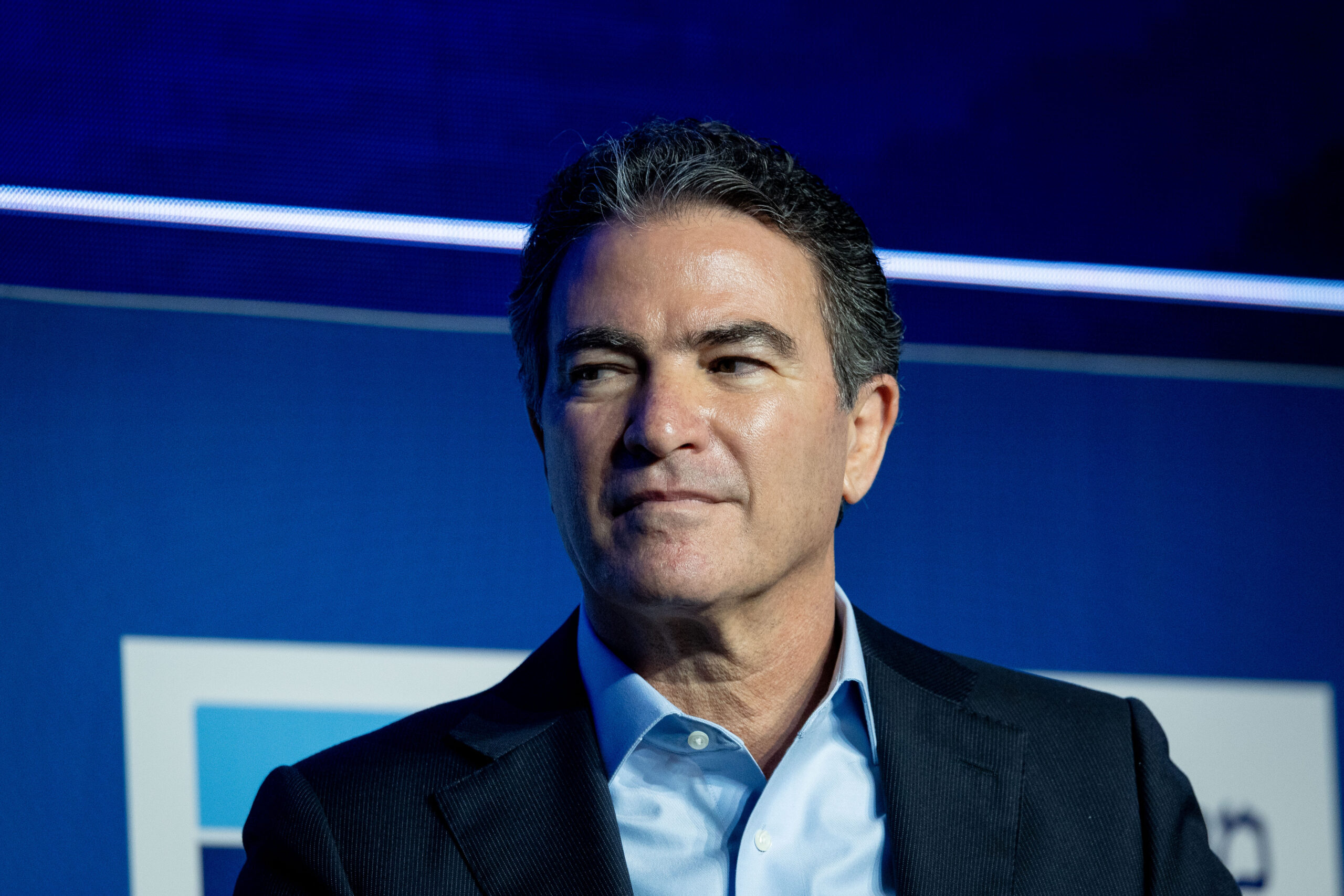
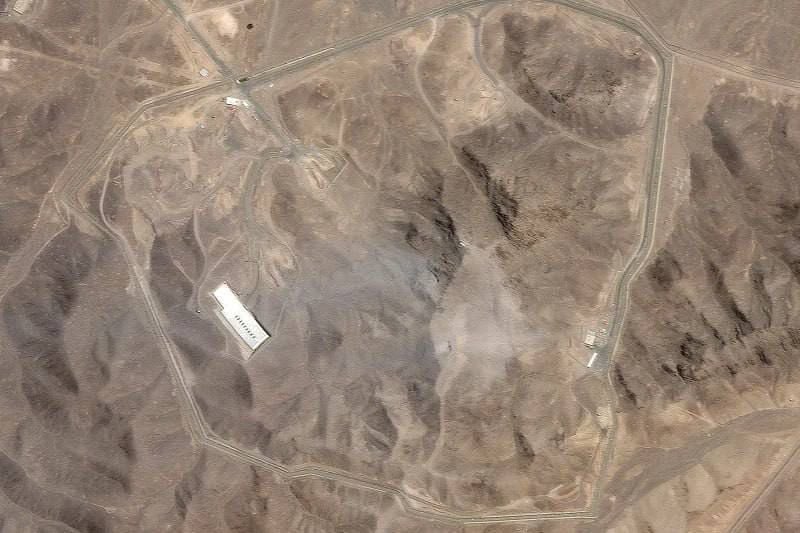
    Former Mossad Director Yossi Cohen addressed the campaign against the Iranian nuclear program at the 12th Galilee Conference today (Tuesday), focusing specifically on the underground nuclear facility at Fordow. Cohen described the American strike on the site as an extraordinary personal and professional milestone following years of covert tracking, intelligence gathering, and operational preparation surrounding Tehran’s nuclear program. “We strolled through the Fordow nuclear site many times to understand the facility,” Cohen remarked, referring to extensive efforts undertaken over the years to study the Iranian complex and its strategic significance within Tehran’s nuclear initiative. According to him, the American strike on the site represented the culmination of a multi-year aspiration: “The bombing of the site by the Americans was the fulfillment of all my dreams.”

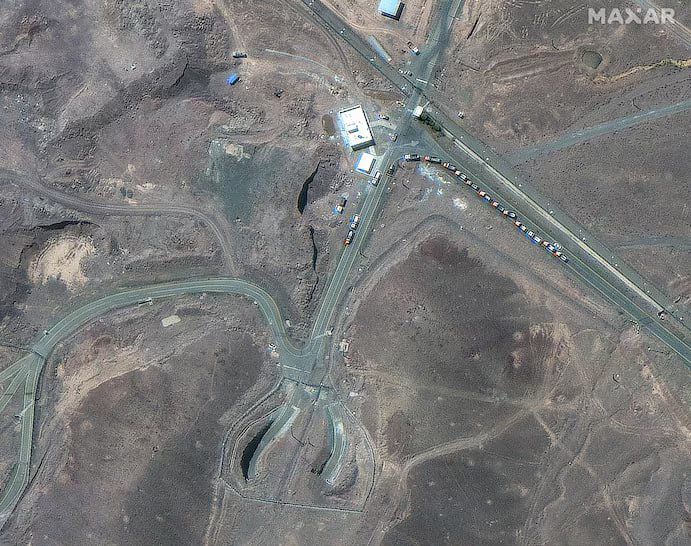
    The Fordow nuclear facility after the American bombing, archive | Photo: MAXAR

    Cohen made his comments during the 12th Galilee Conference, held today at the Municipal Cultural Hall in Safed under the banner “Restoring Security to the North.” The conference brought together decision-makers, regional council heads, security professionals, and community representatives to discuss security challenges, strengthen regional resilience, and outline steps necessary for the renewal and growth of northern communities.
    Cohen’s focus on Fordow carries distinct resonance given his tenure at the helm of the Mossad and Israel’s long-standing covert campaign to thwart Iran’s nuclear ambitions. During his leadership, Cohen guided the intelligence agency through a period in which Israel deployed diverse operational means to delay Iranian nuclear progress.

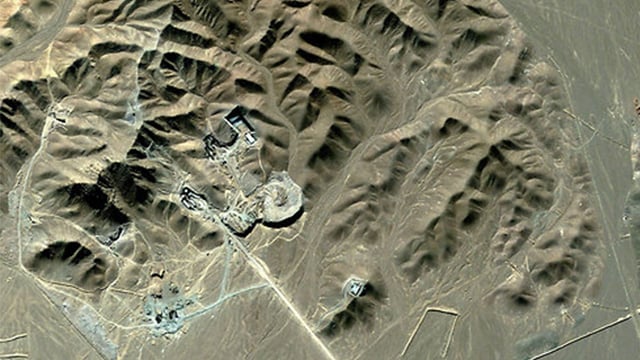
    The nuclear facility in Fordow, archive | Photo: Twitter

    Following the U.S. military strikes on Iranian nuclear infrastructure in June 2025, Cohen noted that the operation targeted three facilities with which Israeli intelligence was intimately familiar, emphasizing that years of Israeli actions had significantly delayed the program. At the time, he assessed that the American strike successfully halted the Iranian nuclear project “at least for now.” Fordow was long considered one of the most vital and sensitive installations in Iran’s nuclear program, largely due to its deeply buried location and heavily fortified infrastructure. Developing the capability to neutralize the facility represented a primary strategic objective for Israel and its allies for over a decade.

    The facility in Fordow after the American bombing | Photo: MAXAR

    Cohen’s remarks underscore the depth of the multi-year effort to prevent Iran from acquiring military nuclear capabilities. For Israel, Iran’s nuclear ambitions have consistently been viewed as a primary strategic threat, prompting a comprehensive response combining intelligence operations, covert action, diplomacy, and international pressure.A major milestone in the intelligence campaign was the extraction of Iran’s secret nuclear archive, which provided Israel with vast technical data on various aspects of the program and deepened insight into Tehran’s nuclear apparatus. Cohen has previously highlighted the critical role that intelligence collected over decades played in deciphering the scope of Iran’s plans. The conflict eventually expanded into direct military action. In June 2025, the United States struck key Iranian nuclear installations, including Fordow, during Operation “Midnight Hammer”—a move welcomed in Israel as a pivotal blow to Tehran’s nuclear infrastructure. Following that strike, Cohen noted that the synthesis of Israeli intelligence, operational groundwork, and American firepower created a reality in which the program could be effectively brought to a standstill.

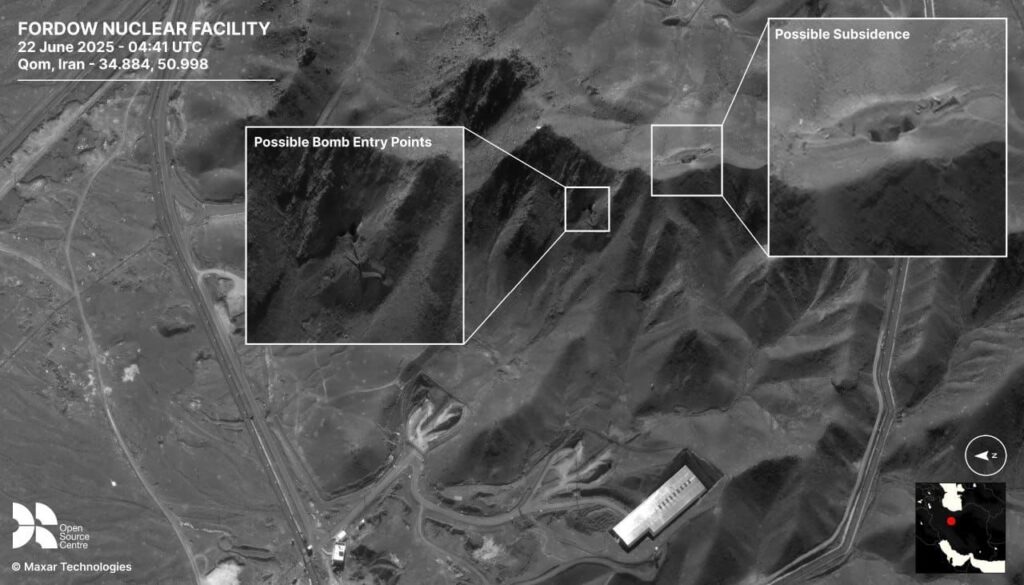
    The uranium enrichment site in Fordow following the “Midnight Hammer” strikes, archive | Photo: MAXAR

    Nevertheless, Cohen has previously cautioned that the battle does not end with a single military strike, as Iran retains underlying technological knowledge and institutional expertise built over decades. He stressed that even following direct hits on primary nuclear sites, continuous monitoring remains essential to track secondary infrastructure and alternative facilities that Tehran might leverage to resume its project.

  • Supreme Court Weighs Nursing Home Ballot Box Ban

    Supreme Court Weighs Nursing Home Ballot Box Ban

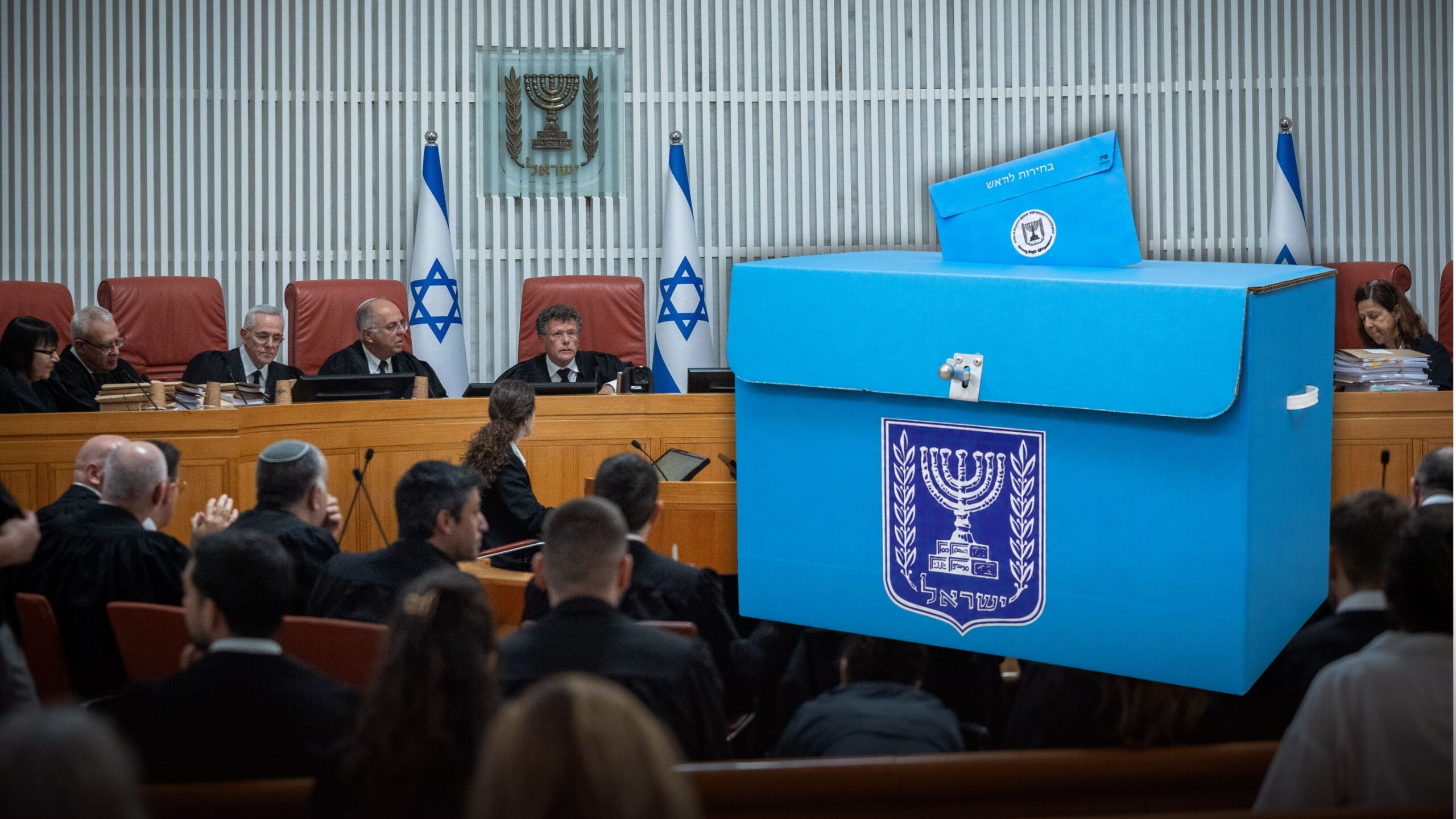
    Israel’s Supreme Court heard arguments Tuesday on a petition challenging the decision not to place special ballot boxes in nursing homes and assisted living facilities in the upcoming Knesset election, reversing a practice used in the last two elections. The arrangement was enacted as a temporary provision and allowed tens of thousands of eligible voters living in nursing homes and assisted living facilities to vote at their place of residence. Ahead of the 26th Knesset election, the Central Elections Committee asked the Knesset to anchor the arrangement for the upcoming election and even make it permanent. But following coalition opposition, the provision was removed from the election bill.

    During the hearing, attorney Yuval Yoaz, representing the petitioners, argued the change was made just months before the election, after residents had developed an expectation that the arrangement would continue. “It was in place for the 24th Knesset election and the 25th Knesset election,” he said. “The Elections Committee comes and asks the Knesset’s Constitution Committee to extend the temporary provision. The Constitution Committee comes and says: I don’t care, without even giving a reason.”

    Justice Ofer Grosskopf expressed reservations about the court intervening in the decision not to legislate the arrangement, responding: “There are many laws that don’t have a political majority or don’t receive political support. We can’t replace the Knesset.” Yoaz clarified that the petition doesn’t claim the state is deliberately trying to prevent elderly people from voting, but rather addresses whether the court can intervene to protect their practical ability to exercise their right to vote. “No one is arguing that the elderly shouldn’t be allowed to vote or that it should be made harder for them,” he said. “The question is whether the court knows how to pave the way.”

    The petitioners proposed, among other things, an expansive interpretation of existing law that would allow the Central Elections Committee to give maximum weight to the ability of assisted living residents to exercise their right to vote. Behind the petition lies a dispute that arose in the Constitution Committee over the Elections Committee’s proposal to anchor ballot boxes in nursing homes as a permanent arrangement. Committee chairman MK Simcha Rotman said in discussions that he supports increasing voter turnout, but noted that the demographic characteristics of the assisted living population—identified with the center-left—and the impact of placing ballot boxes inside the facilities on election results cannot be ignored. Among other things, he proposed as an alternative allowing anyone over age 80 to vote using a double envelope.

    More than 50 residents of nursing homes and assisted living facilities petitioned the Supreme Court following the removal of the arrangement, arguing that for some elderly people, particularly those with mobility difficulties, the decision could mean real difficulty reaching polling stations and exercising their right to vote.

  • Investigation: ‘American’ Arab Town in Israel’s Heartland

    Investigation: ‘American’ Arab Town in Israel’s Heartland

    Turmus Ayya sits 20 kilometers north of Ramallah, south of the central Israeli city of Ariel. In 1967, when Israel took back control of the “West Bank” (as it was called by Jordanian occupation forces) from Jordan, the town held about 1,500 residents. Normal population growth over the following decades would put that number at roughly 1,800 today. Instead, Turmus Ayya has grown to nearly 8,000 residents. According to a new investigation obtained by C14, by the think tank Regavim, up to 90 percent of its permanent residents hold American citizenship.

    The report traces the growth of American citizenship in this small town to four familiar legal pathways: naturalization, birthright citizenship, citizenship transmission under federal law, and chain migration sponsorship. What makes Turmus Ayya unusual is the scale, sustained over four decades, and concentration in a single town.

    The findings land at a moment when American immigration law is already under intense scrutiny. In June, the US Supreme Court struck down President Trump’s first executive order limiting birthright citizenship. This month, he signed a narrower version aimed at specific loopholes the ruling left open. The legal boundaries of American citizenship, and how far that status extends across generations and borders, remain an open and active fight.

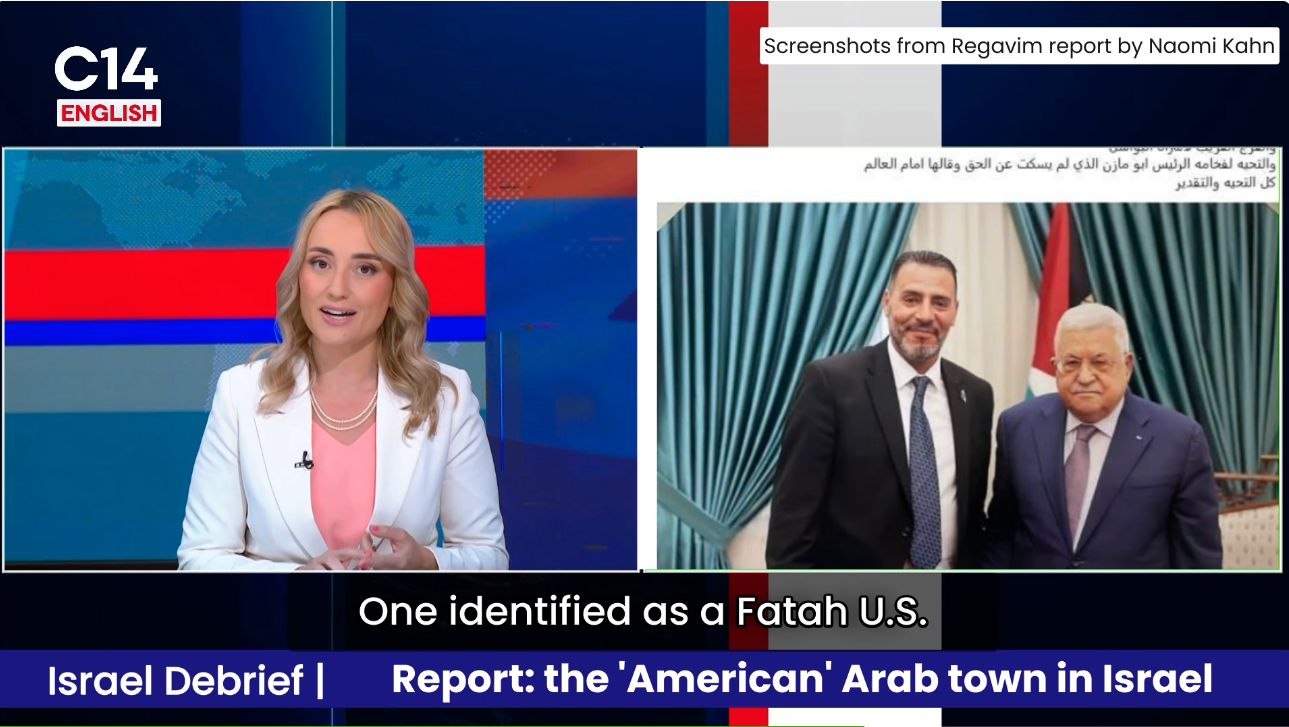
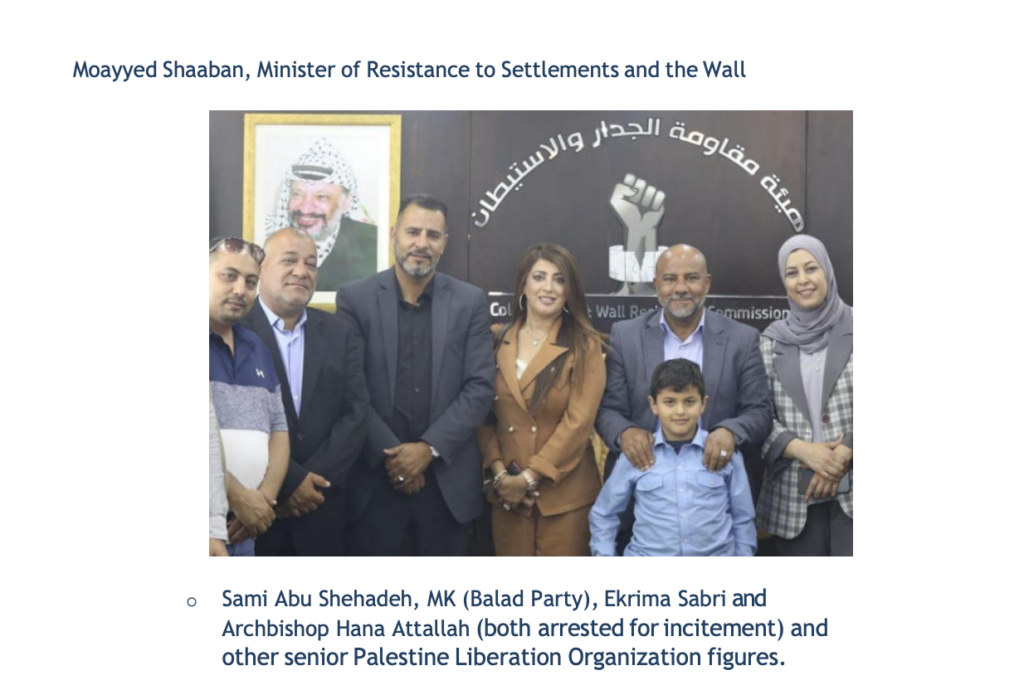
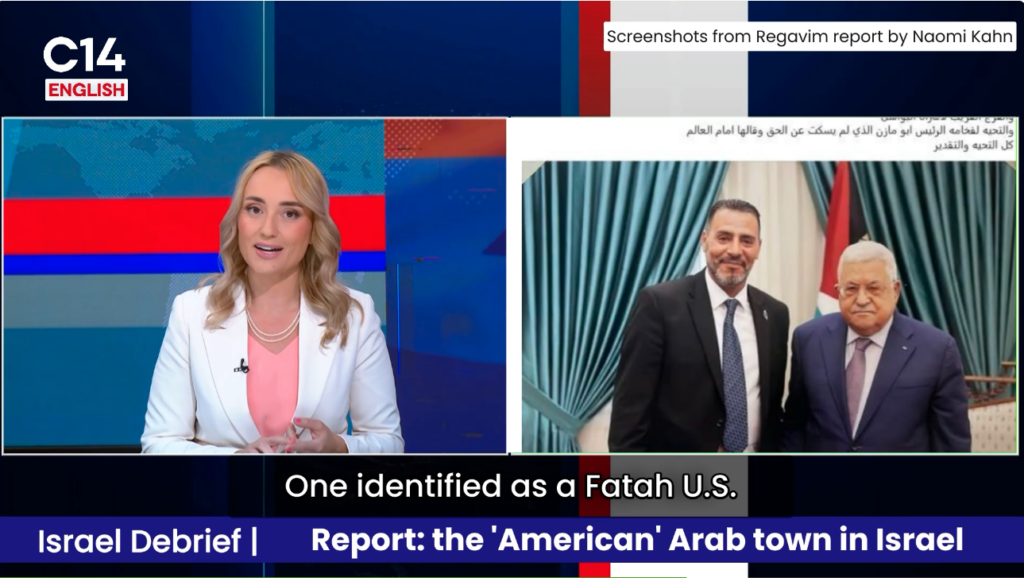
    Regavim’s report goes further than demographics. It names two US-based activists with direct ties to Turmus Ayya. One is identified as a Fatah official for the US region, photographed alongside Mahmoud Abbas and senior PLO leadership. The other has been flagged for public praise of Hamas and Hezbollah terrorist figures on social media.

    Screenshot: Regavim

    According to the report, the activity of these two individuals, combined with the town’s disproportionate American citizenship rate, has already influenced US policy. Regavim ties their involvement to four separate Senate letters and a pending bill that has gathered more than 100 congressional co-sponsors.

    The timing adds further weight. U.S. Secretary of State Marco Rubio has been leading a broader push against foreign Islamist infiltration inside the United States. Days before the Regavim report surfaced, U.S. Senator Ted Cruz chaired an Aug. 5 Senate hearing titled “Hidden in Plain Sight,” where witnesses described Muslim Brotherhood-linked networks operating domestically and called for closer scrutiny of organizations with alleged ties to jihadist movements.

    Regavim is now calling for three specific actions: a U.S. investigation into the immigration status of the two named individuals, a denial of their entry into Israel, and a review of their activities under the Foreign Agents Registration Act. The report raises a question that has so far gone unexamined in Washington. A demographic anomaly in a single Arab town in Judea and Samaria has helped generate real legislative momentum in the US Senate.

    Sourcing note:

    The Regavim report was authored by Naomi Linder Kahn, of the Regavim International Division with research by Moran Tal, Arabic OSINT Division. Additional materials provided by Elchanan Groner and Guy Goldstein.