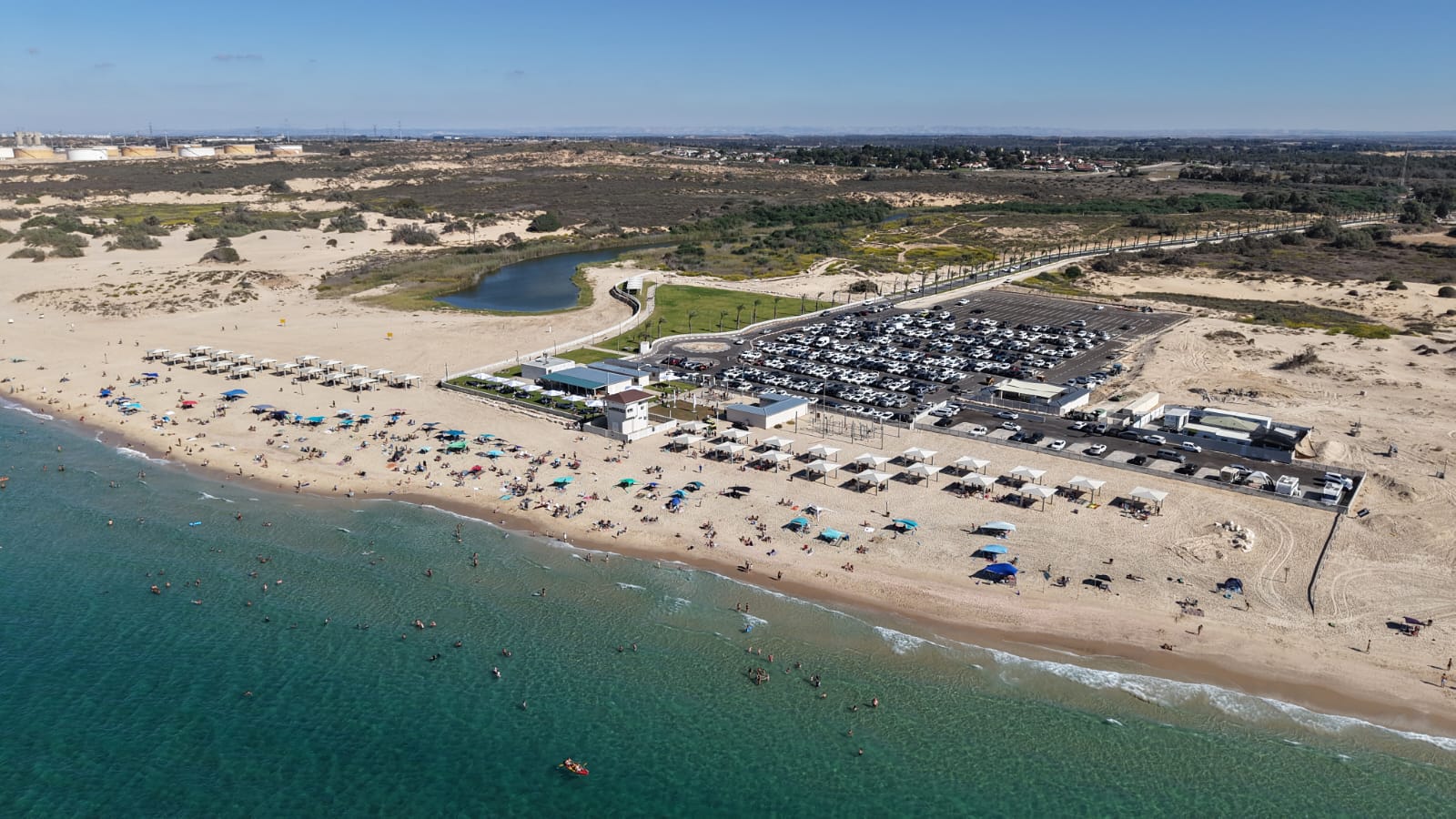
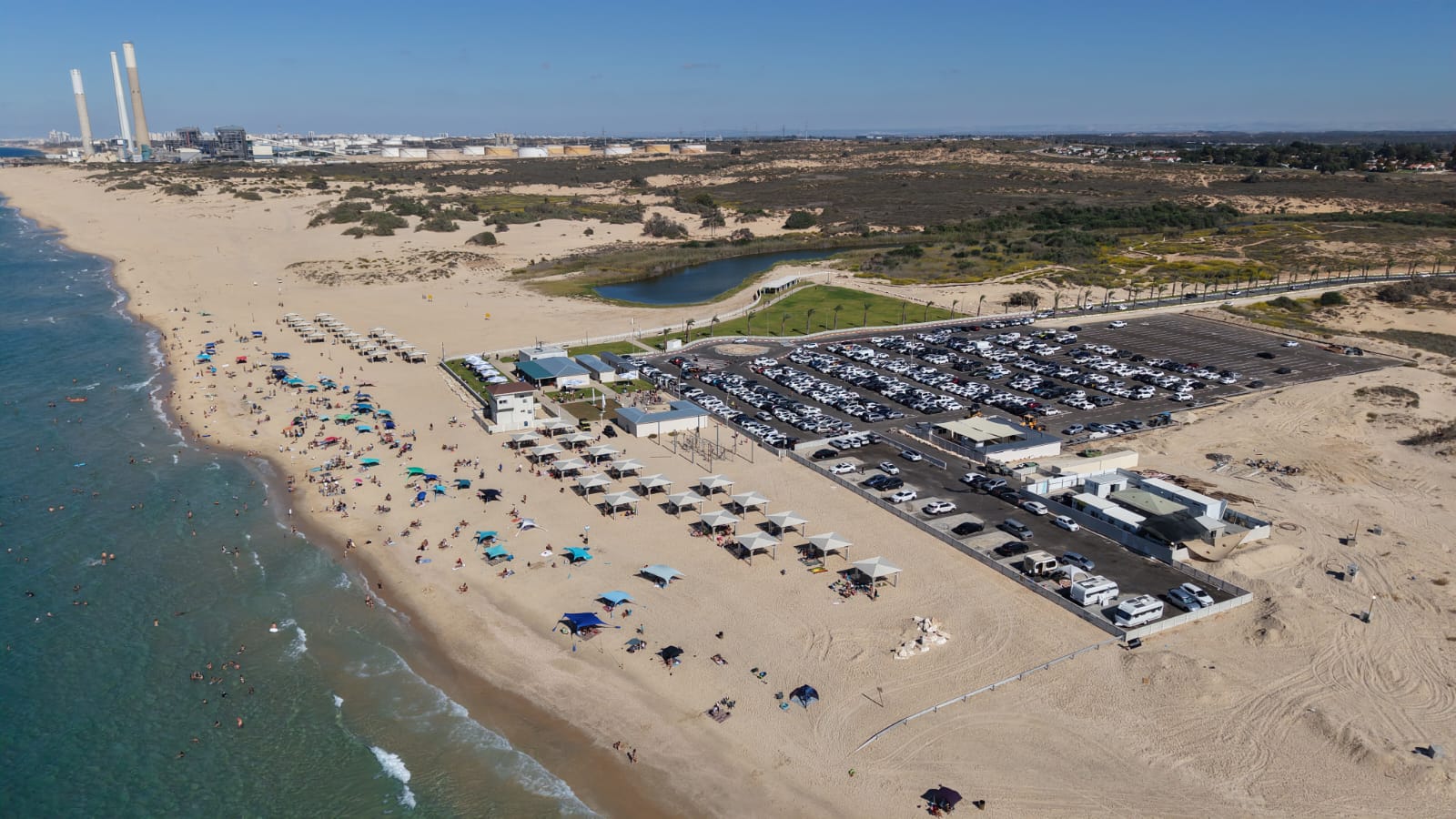
For the first time since the October 7 massacre, Zikim Beach is fully open to the public for the summer swimming season. After suffering severe damage during Hamas’s attack, the beach underwent an extensive restoration and is once again welcoming Israelis back to its shores.
The restoration of the coastline and its infrastructure was completed at a cost of approximately ₪20 million (~$5.5 million), funded by the Tekuma Administration, the Tourism Ministry and the Hof Ashkelon Regional Council. The project included new restrooms and changing facilities, renovated access roads and parking areas, energy-efficient lighting and extensive accessibility improvements stretching from the parking lot to shaded areas and public facilities.
But for residents of the region, reopening Zikim is about far more than rebuilding infrastructure.
Zikim Beach | Photo: Amnon Ziv
The beach became one of the sites associated with the horrors of October 7. Israelis returning to its sand now symbolize something very different: confronting the devastation while choosing to continue living, rebuilding and developing the communities surrounding Gaza.
“The return of the people of Israel to Zikim Beach is a victory of the spirit and our strongest Zionist answer,” Hof Ashkelon Regional Council head Itamar Revivo said. “In every step and every grain of sand at Zikim is woven the unrelenting pain for the fallen and the heroic murdered whom we lost on that Black Saturday—beachgoers, fishermen and members of the security forces,” he continued.
“Reopening the beach is our moral obligation to commemorate them. We do not forget for a moment those we lost, and in the same breath, we choose life, rehabilitation and growth. The arrival of visitors here this summer is the biggest embrace our community could receive.”
This summer, thousands of Israelis are once again returning to Zikim Beach. A place that witnessed one of the darkest moments in the region’s history is once again becoming what it was meant to be—a place for families, nature and life.
Hamas brought death to Zikim on October 7. Israel returned with life.
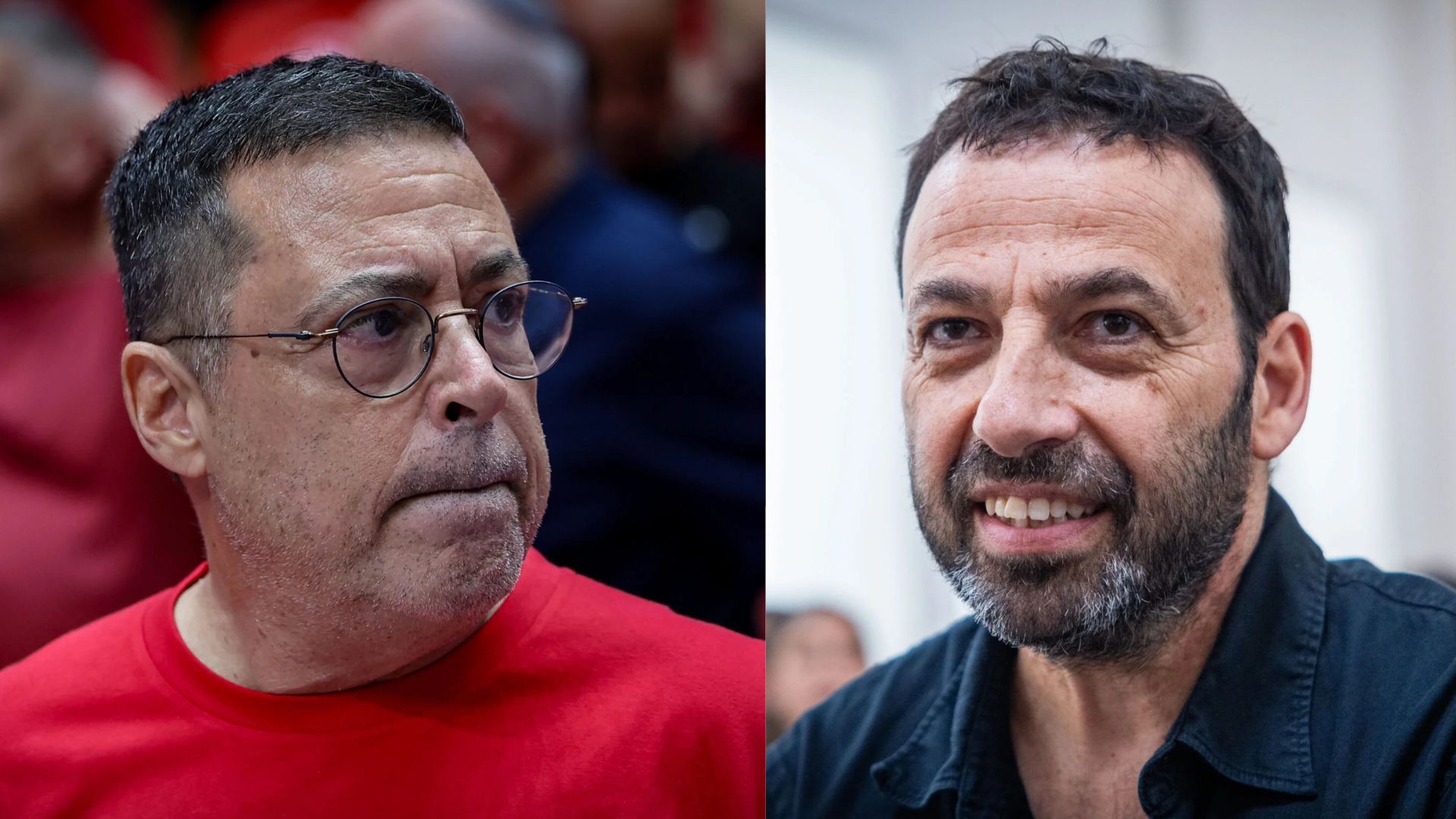
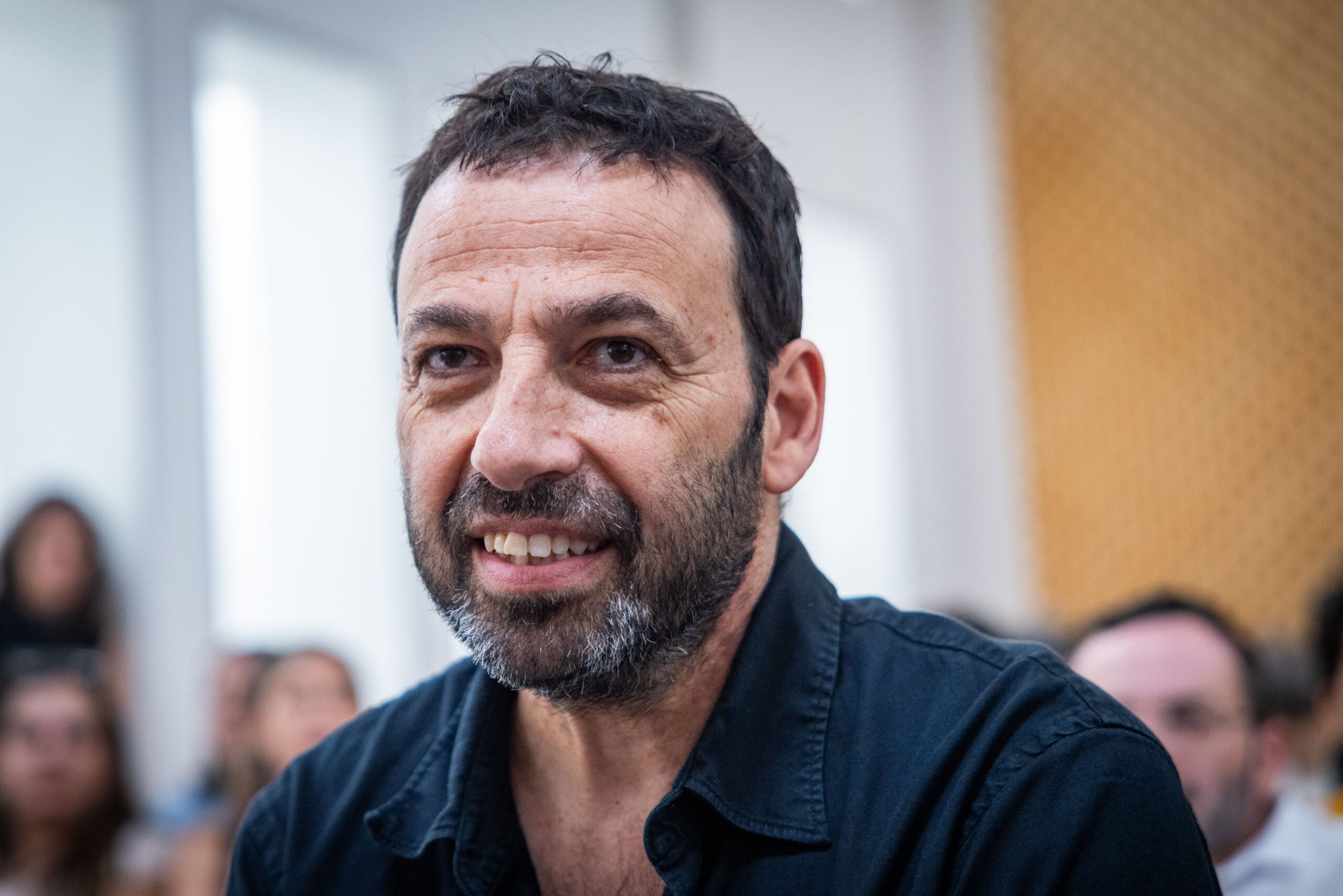
Welcome to the Israeli media’s whitewashing show—and above all, a display of their selective short-term memory: Raviv Drucker and Ben Caspit have appointed themselves as the kosher supervisors of Israeli political engineering. It is astonishing to watch the propaganda machine operate in real time: writing in Haaretz, Drucker excitedly diagnoses that “Abbas and Segalovitz are breaking down the walls of fear and separation between Jews and Arabs.” Drucker wax poetic over Ra’am leader Mansour Abbas, praising him as “the most impressive leader on the political stage.” No less.
Mansour Abbas | Photo: Flash90
Here is how the campaign works: take Ra’am, add former MK Yoav Segalovitz as a fig leaf, and serve the public a thoroughly laundered political narrative—clearing the path to integrate Mansour Abbas into a future coalition alongside Gadi Eisenkot, Naftali Bennett, Avigdor Liberman, Yair Lapid, and Yair Golan. Then comes Ben Caspit with the usual clichés required when laundering such a cynical political maneuver. An extraordinary idea, a leader of historic proportions—look at that. Yet just a few years prior, Caspit spoke entirely differently about Ra’am and Mansour Abbas. How fortunate for the public that commentators like Drucker and Caspit are on hand to instruct us precisely when Abbas poses an existential danger and when he becomes a legitimate coalition partner.
Yoav Segalovitz | Credit: Knesset Spokesperson’s Unit
There are no tough questions asked, no genuine scrutiny of underlying ideology. Pundits conveniently erase his refusal to explicitly condemn the Hamas terrorist organization, conceal the party’s structural ties to the Muslim Brotherhood, and blur past inflammatory statements framing Jews as “invaders” in Jerusalem and Israel. They drip-feed legitimacy, instruct the public not to be afraid, and prime voters for the day after the elections. These are political propagandists masquerading as journalists—shilling for this disgrace and blaming the Israeli Right for October 7th while actively trying to usher the Muslim Brotherhood into the governing coalition.
Raviv Drucker | Photo: Chaim Goldberg, Flash90
The next time you transform a terror-sympathizer into a “historic statesman”—don’t call it journalism. Call it what it is: a political campaign.
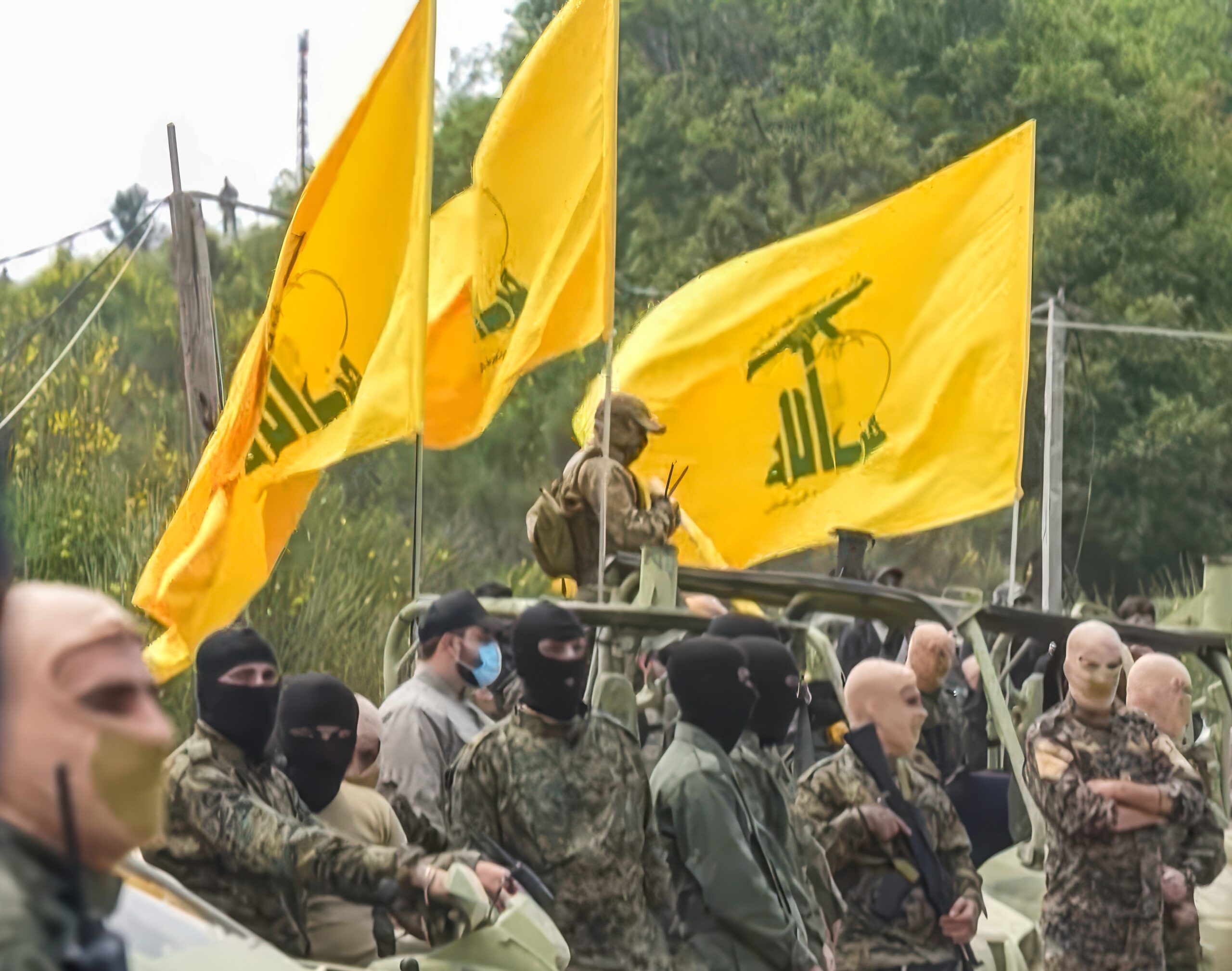
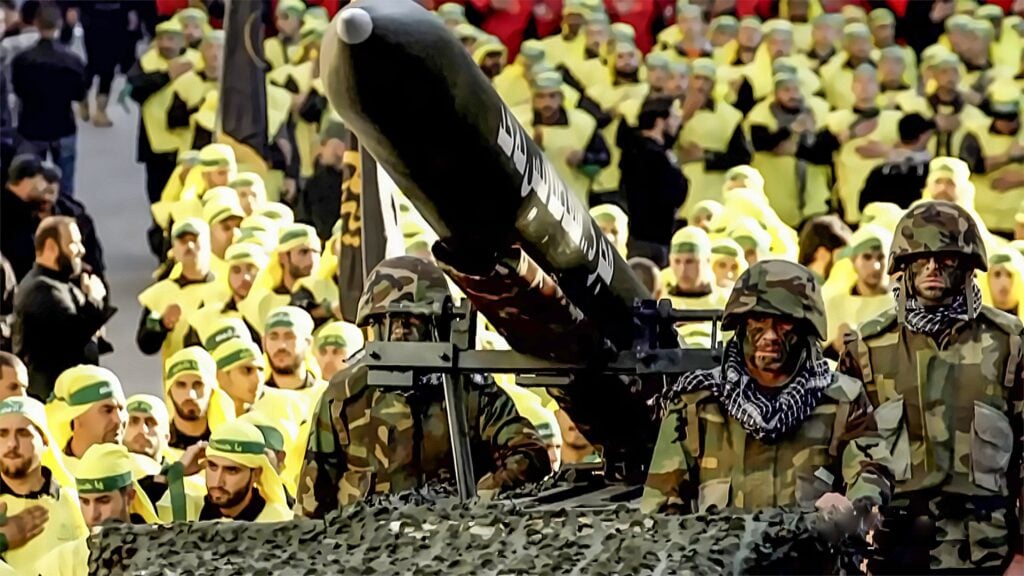
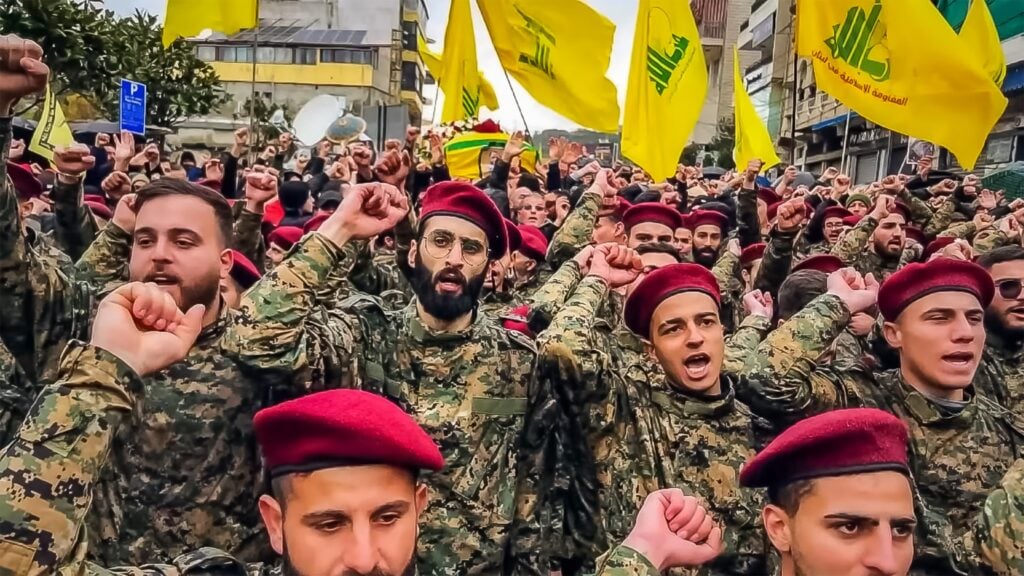
Israel and Lebanon have agreed on four countries that could take part in an international mechanism to oversee Hezbollah’s disarmament, Reuters reported today (Wednesday), citing sources familiar with the details.
The countries are Britain, Italy, Switzerland and Indonesia, which could provide personnel and even soldiers to oversee implementation of the disarmament process and participate in inspections verifying that areas of southern Lebanon are free of weapons. At the same time, Israel is demanding that inspections not be limited to public areas but extend into private homes in southern Lebanese villages—an issue already generating controversy.
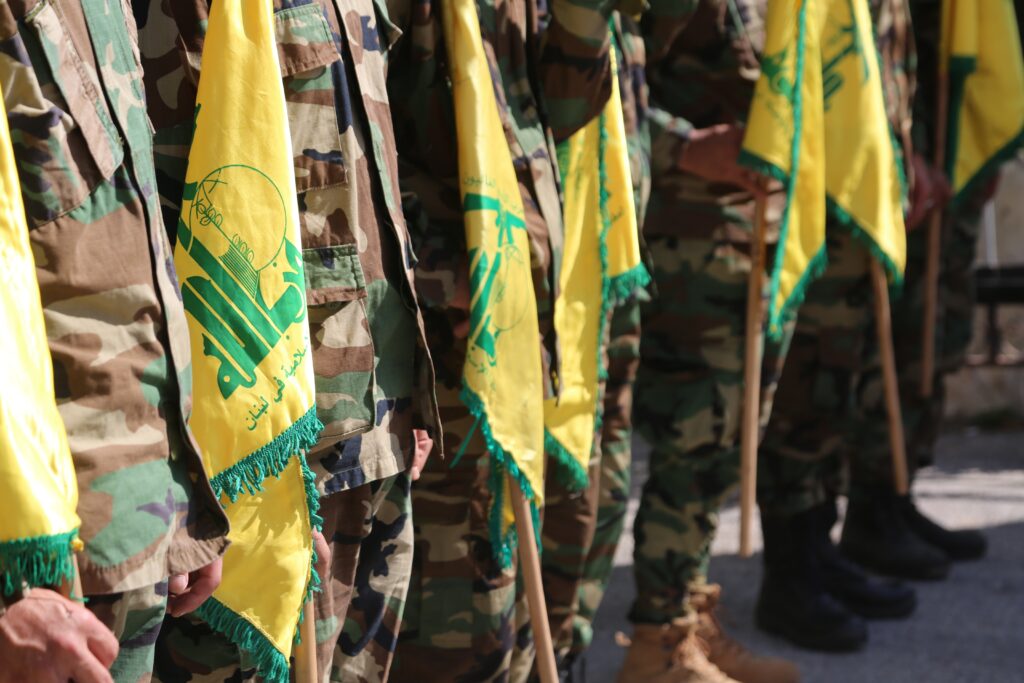
Hezbollah | Photo: Shutterstock
The list of countries was drawn up during U.S.-mediated talks between Israel and Lebanon held in Rome last week. According to three sources who spoke with Reuters, Britain, Italy, Switzerland and Indonesia could play different roles in the emerging mechanism. Options under consideration include helping define its scope and authority, sending personnel to oversee its implementation, and even deploying soldiers to observe or participate in inspections to verify that Hezbollah has indeed been disarmed.
A Lebanese official confirmed to Reuters on Friday that Israel and Lebanon had agreed on a list of countries that could potentially send soldiers to verify the disarmament process, but declined at the time to reveal their identities. According to the official, the United States will ultimately decide which countries on the list will participate.
Hezbollah | Photo: Shutterstock
The four names under consideration have now been revealed for the first time. However, the initiative remains far from a final decision. A source with direct knowledge of the talks told Reuters that discussions concerning the candidate countries are still at an early stage, but said there is “cautious optimism” that the initiative will move forward.
Switzerland’s Foreign Ministry told Reuters that Switzerland is examining ways it could assist with “various stabilization processes,” but provided no further details. Britain has also not confirmed at this stage that it will send forces. A British Foreign Office spokesperson said Britain is prepared to support efforts toward de-escalation and long-term security, particularly in southern Lebanon.
The Israeli Prime Minister’s Office did not immediately respond to the report. Neither the Lebanese presidency nor Indonesia’s Foreign Ministry immediately responded to Reuters’ requests for comment.
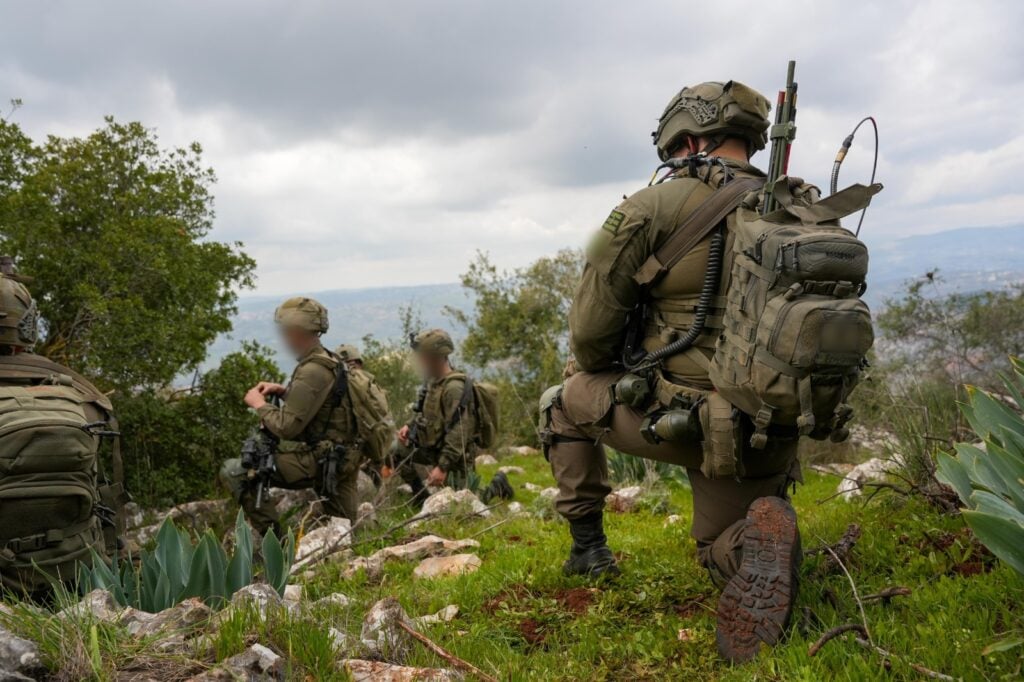
Israeli forces in Lebanon fighting Hezbollah | Photo: IDF Spokesperson’s Unit
One of the most sensitive issues being discussed as part of the emerging mechanism is how to verify in practice that Hezbollah has actually been disarmed.
The IDF currently holds an area Israel defines as a security zone extending approximately six miles into southern Lebanon. Israel has made clear that it will not unilaterally withdraw from the area as long as Hezbollah remains armed. According to two sources, under the proposed mechanism, villages in southern Lebanon would undergo inspections to verify that they are free of weapons.
Israel, however, is demanding that those inspections extend into private homes. The Lebanese Armed Forces have resisted pressure over the past year to conduct searches of private properties, fearing such searches could trigger tensions in southern Lebanon and with Hezbollah. Lebanese security officials said the army would require a warrant for every home searched.
Hezbollah | Photo: Shutterstock
Even if a foreign force is ultimately deployed, the question of its authority remains unresolved. A foreign security official said negotiators will need to determine how private properties will be handled—particularly who will be authorized to conduct searches and how they will be carried out. At the same time, the freedom of movement granted to foreign forces deployed in Lebanon will have to be precisely defined.
In other words, simply sending soldiers would not be enough. If their mission is to verify that Hezbollah is not hiding weapons in villages and buildings, they will need an operational framework that actually allows them to carry out that mission. For Lebanon, however, expanding search authorities—particularly into private homes—remains one of the most sensitive issues under discussion.
The legal basis for deploying the forces has also not yet been determined. According to the sources, an agreement will be needed on an official mandate for the presence of foreign soldiers in Lebanon.
The scenario currently considered most likely is that the Lebanese government would formally invite foreign forces into the country as part of a mechanism also approved by Israel. The identity of the body that would oversee the mechanism also remains unresolved.
According to the sources, the United States and Israel are not expected to agree to United Nations involvement, while European countries could, for their part, object to placing the operation under President Donald Trump’s Board of Peace.
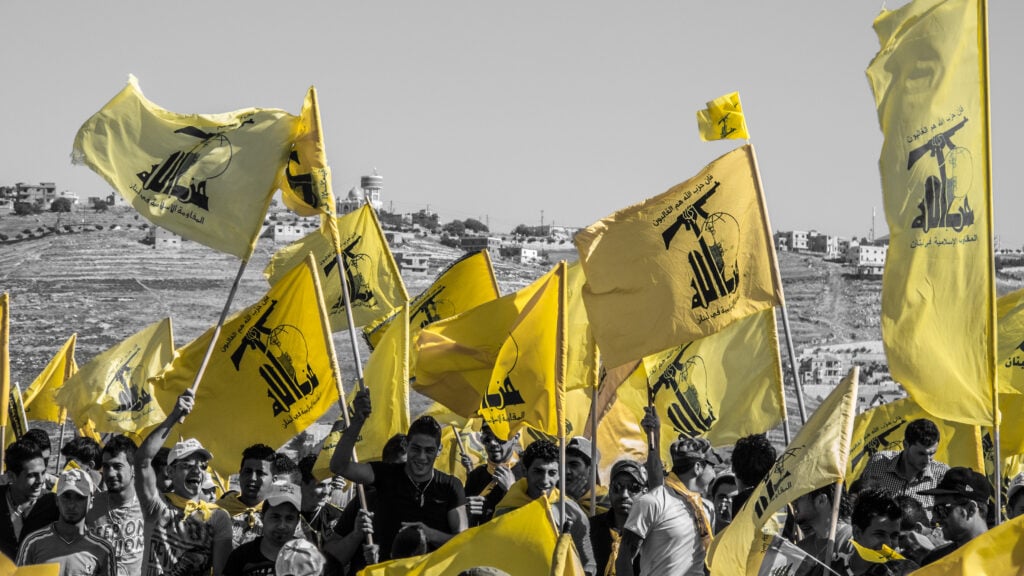
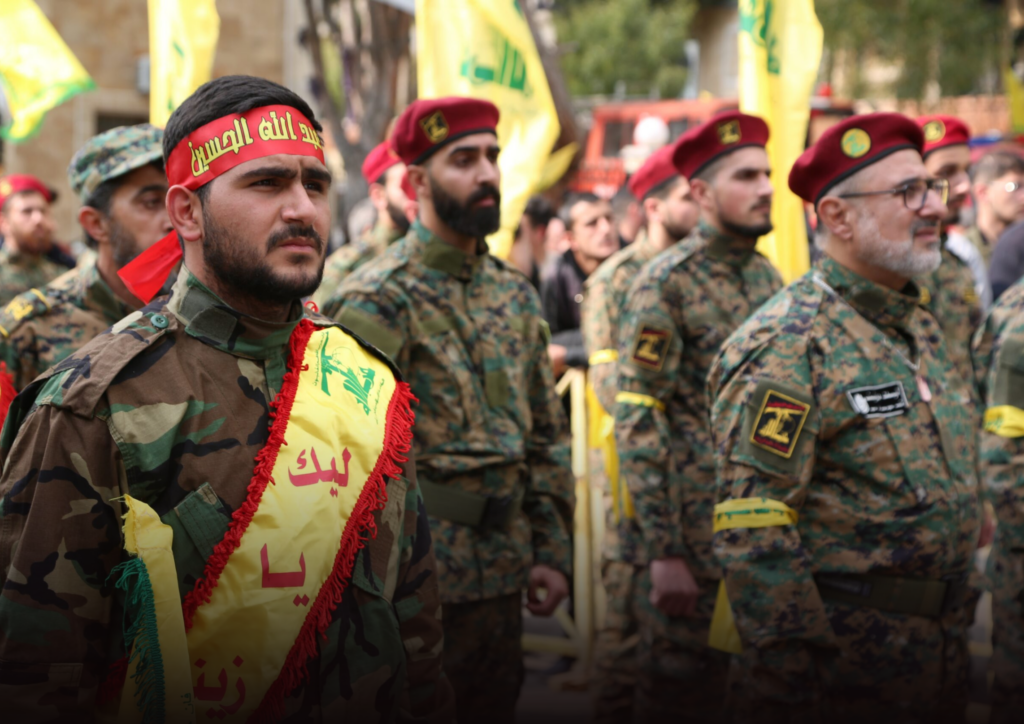
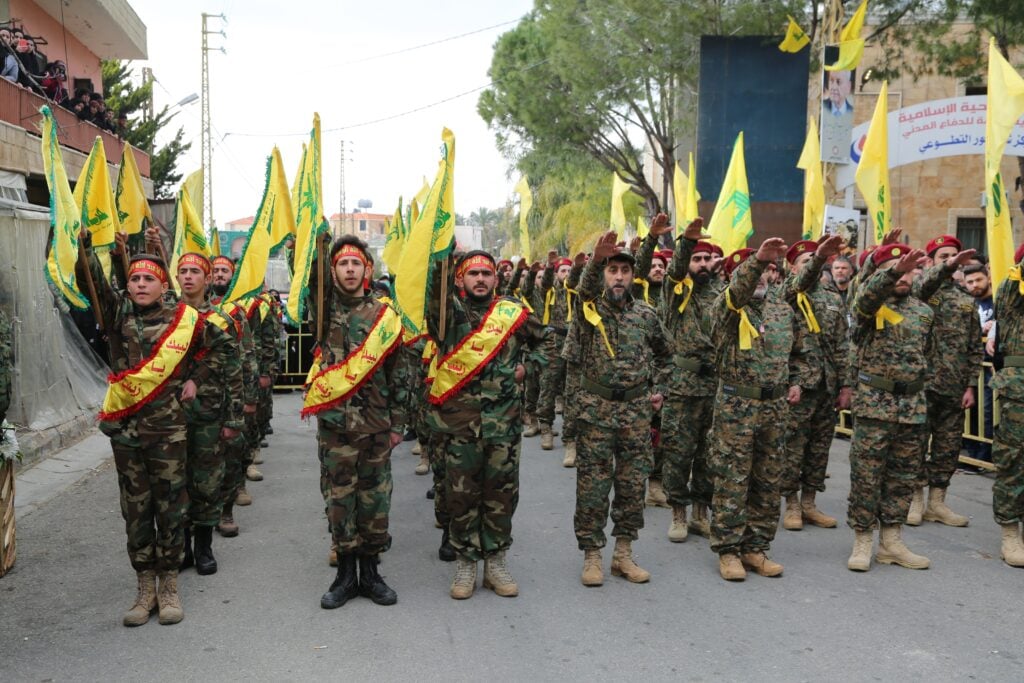
Hezbollah terrorists | Photo: Shutterstock
The new mechanism stems from the U.S.-brokered agreement reached between Israel and Lebanon in late June. Under the agreement, two processes were directly linked: Hezbollah’s disarmament on one side and Israel’s gradual withdrawal from southern Lebanon on the other.
The agreement was reached following the latest round of fighting between Israel and Hezbollah, which resumed in March following the U.S.-Israeli war against Iran and Hezbollah’s attack on Israel. Under the agreed framework, the Lebanese Armed Forces are expected to work to disarm armed organizations and deploy throughout southern Lebanon, while Israel is expected to gradually withdraw from the areas it currently holds.
Hezbollah itself, however, is not a party to the agreement and rejects the demand that it disarm. The terrorist organization has previously characterized the agreement between Israel and Lebanon as a capitulation to Israel.
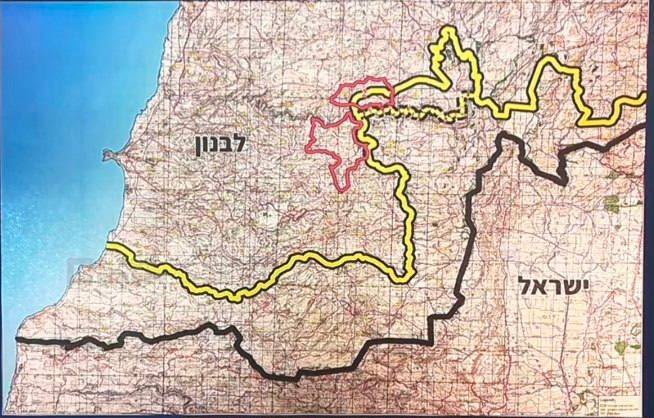
Pilot areas from which the IDF will withdraw in southern Lebanon | Screenshot
Since the agreement, rounds of U.S.-mediated talks have sought to transform those principles into practical measures on the ground. Talks held in Rome in July focused, among other issues, on creating “pilot zones” in southern Lebanon. In those areas, weapons are supposed to be removed, the Lebanese Armed Forces deployed and, subsequently, an Israeli withdrawal carried out.
Yet implementation has already encountered difficulties. The first attempt at a pilot zone in southern Lebanon demonstrated the operational and political complexity of disarming Hezbollah, in part because of the terrorist organization’s refusal to surrender its weapons and fears of an internal confrontation in Lebanon.
During the latest round of talks in Rome, agreement was reached on the list of countries that could help resolve one of the central problems: who will verify that Hezbollah has actually been disarmed before Israel withdraws.
Photo: Shutterstock
Agreement on Britain, Italy, Switzerland and Indonesia does not mean soldiers from all four countries will ultimately be sent to Lebanon. At this stage, they remain candidates, and the United States is expected to determine which of them will participate in the mechanism.
The size of any force, its authority and the legal framework governing its presence have also yet to be determined.
But the creation of the list marks progress toward resolving one of the agreement’s central points of contention: Israel is not prepared to withdraw based on promises alone and is demanding verification that Hezbollah has actually been disarmed.
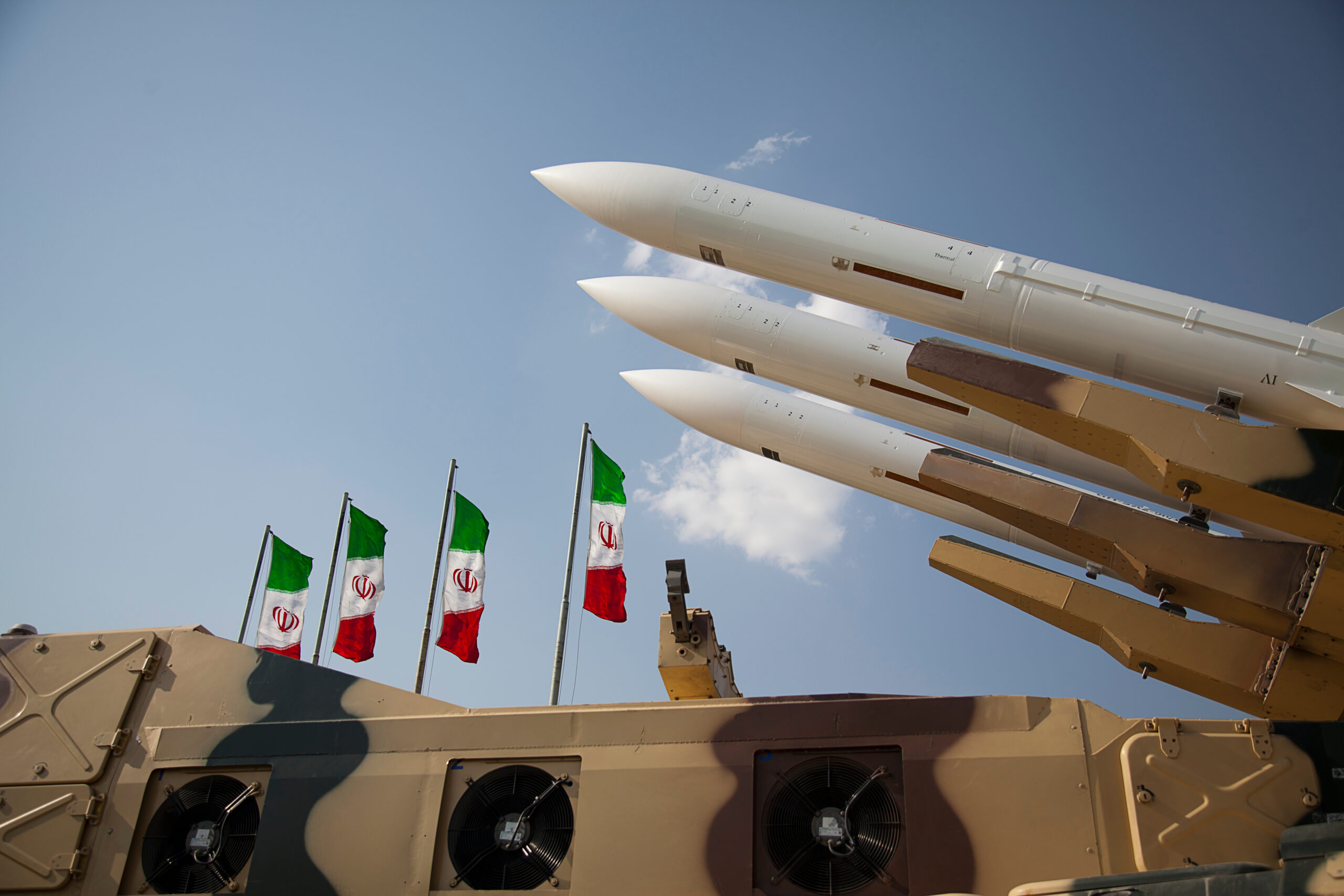
Iran claimed Wednesday that most of its missile and drone capabilities survived the strikes carried out by the United States and Israel and remain ready for use, presenting a dramatically different picture of its remaining military strength than the Trump administration.
Brig. Gen. Alireza Sheikh, the Iranian Army’s deputy commander for executive affairs, told Iran’s state-run IRNA news agency that the American and Israeli strikes were far less effective than Washington has claimed. “More than 75% of Iran’s missile and drone capabilities remain intact and ready,” Sheikh claimed, adding that Iran’s drone fleet has become “the enemy’s nightmare.”
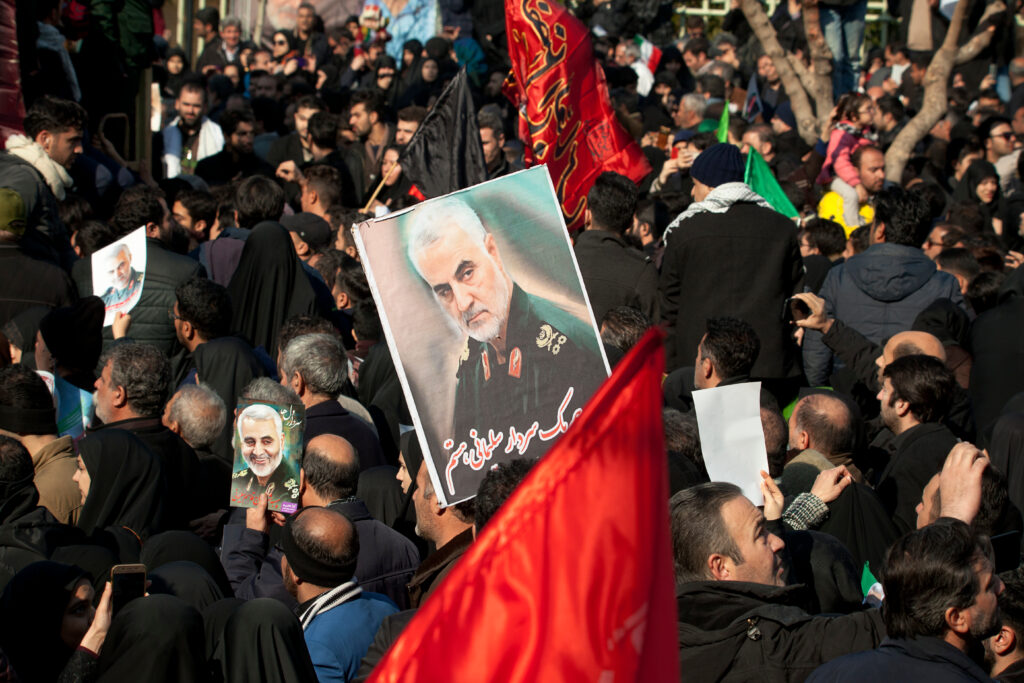
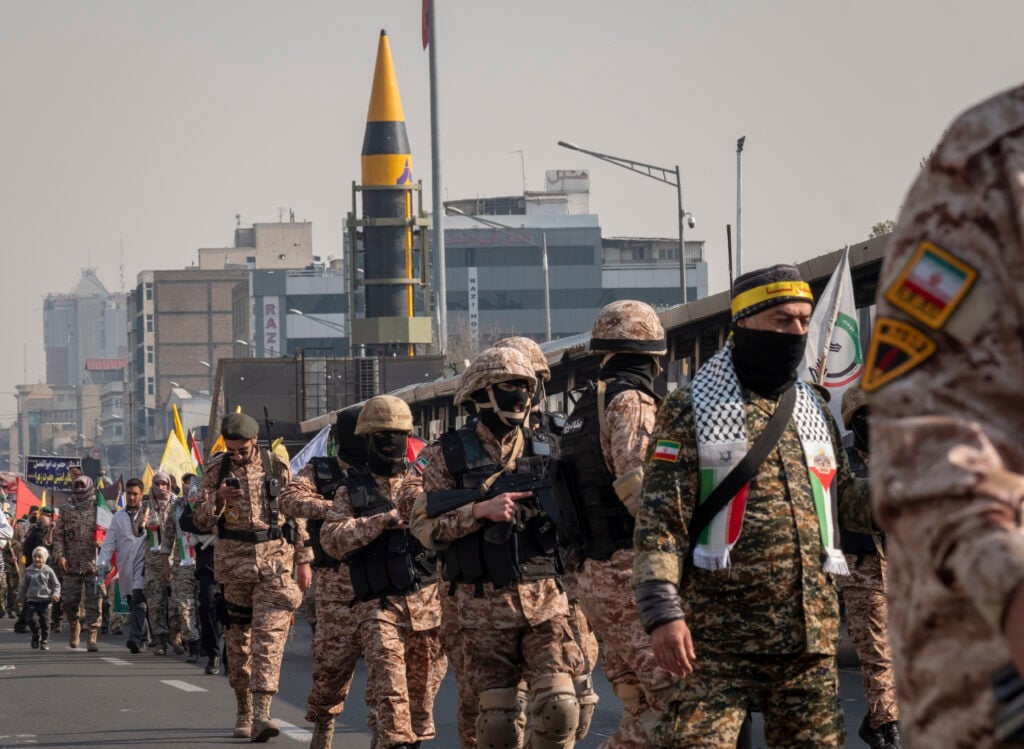
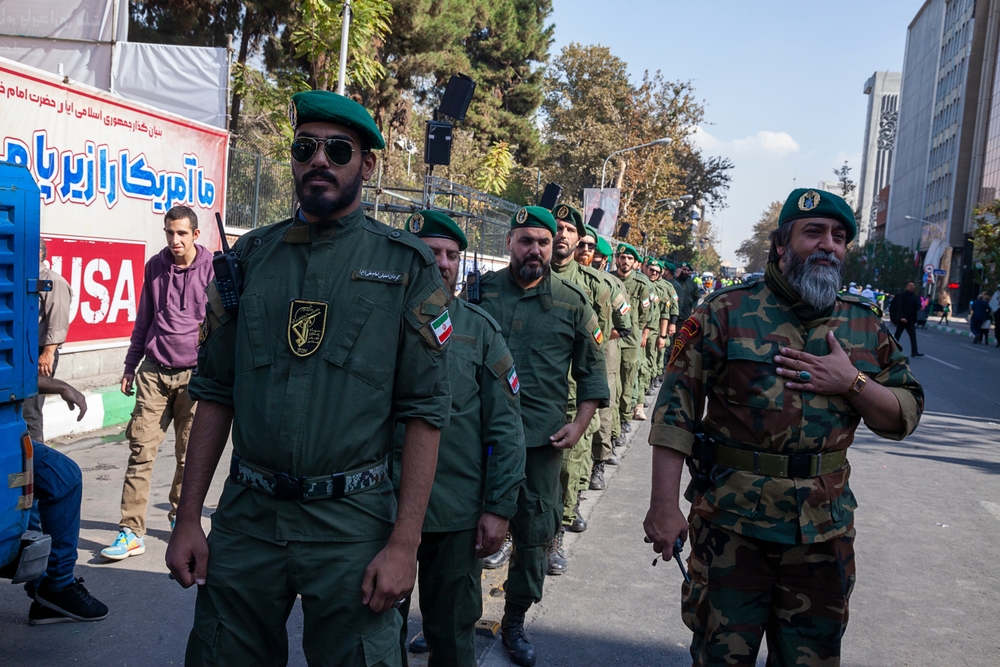
Revolutionary Guards | Photo: Shutterstock
His assertion directly contradicts President Donald Trump’s assessment of Iran’s condition following the strikes. While Tehran claims more than three-quarters of its combined missile and drone capabilities remain operational, Trump said last month that American estimates indicate Iran has only a fraction of its previous missile stockpile remaining.
In a July interview with NBC News, Trump said the United States knows where Iran’s drones and the factories producing them are located. “We know where their drones are, and we know where their drone factories are,” Trump said. “Most of the drone factories were destroyed … and most of the missile production areas were destroyed.”
Trump acknowledged that Iran still possesses missiles and drones but estimated that only around 21%-22% of its missile stockpile remains. “They have some missiles. They have some drones,” Trump said. “Maybe 21%, 22% of their missiles.”
Revolutionary Guards | Photo: Reuters
The gulf between the two accounts is enormous: Tehran says more than 75% of its missile and drone capabilities remain intact and ready, while Trump estimates that just over one-fifth of Iran’s missile stockpile remains.
The two figures, however, do not measure precisely the same thing. The Iranian official referred collectively to missile and drone capabilities, while Trump’s 21%-22% figure explicitly referred to Iran’s missile stockpile. No independent assessment cited in the report establishes which estimate more accurately reflects conditions on the ground. There is, however, another indication that may shed light on the damage inflicted on Iran’s capabilities.
Revolutionary Guards | Photo: Reuters
The number of missiles launched by Iran fell sharply during the first weeks of the conflict. That dramatic decline could indicate that American and Israeli forces successfully damaged Iranian missile sites and Tehran’s ability to sustain launches at its previous rate.
The decline alone cannot establish how many missiles or drones Iran actually has left, but it points to a significant change in Iran’s ability—or willingness—to maintain its previous tempo of attacks.
The battle over the numbers matters because it cuts to one of the central questions of the war: just how severely have Israel and the United States degraded Iran’s ability to continue fighting with missiles and drones?
For Tehran, the claim that more than 75% remains operational is intended to project resilience: Iran has been hit, but its arsenal remains dangerous.
Washington’s message is precisely the opposite. According to Trump, much of Iran’s production infrastructure has been destroyed, most of its drone factories and missile-production areas have been hit, and its remaining missile stockpile has been reduced to roughly one-fifth of its previous size.
The difference is far too large to dismiss as a minor disagreement over numbers.
If Tehran’s version is close to reality, Iran retains much of its strike capability and could continue using it in a prolonged confrontation. If Washington’s assessment is more accurate, Iran’s arsenal has suffered devastating losses and its ability to sustain a war of attrition has been dramatically reduced.
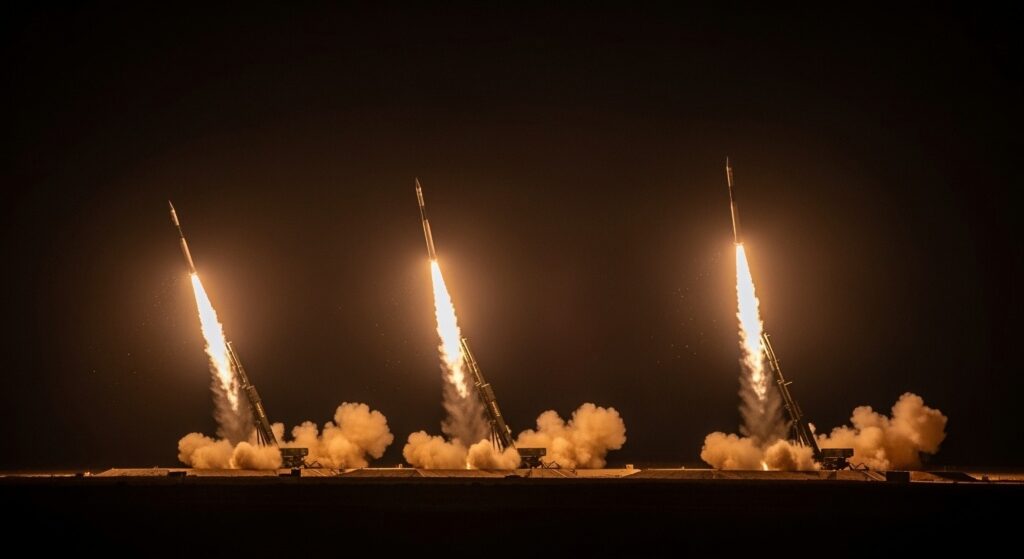
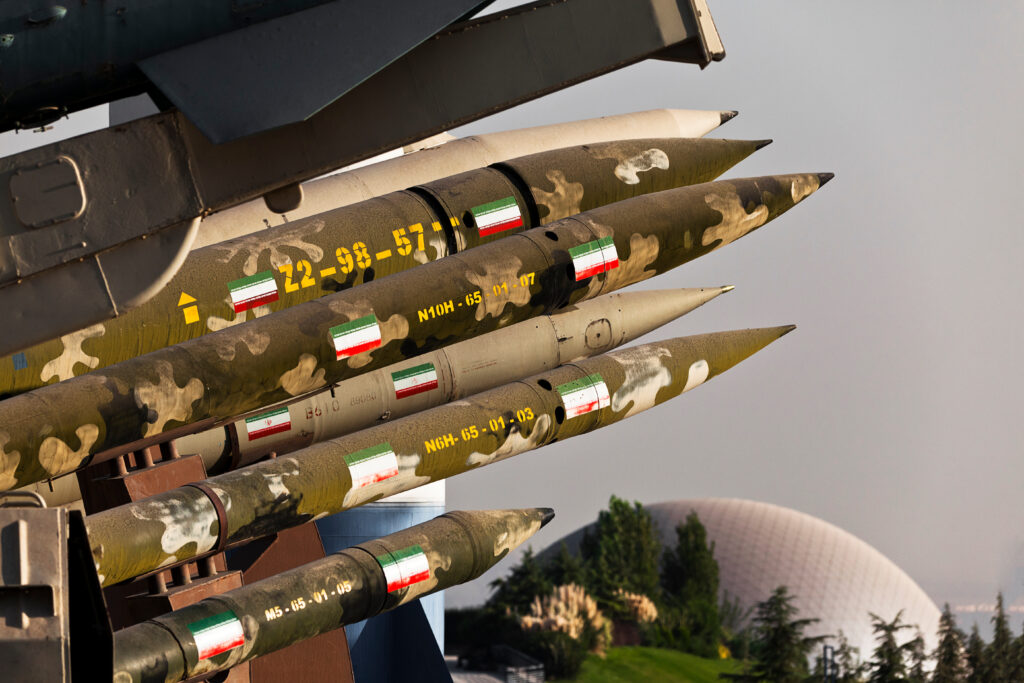
Ballistic missiles | Photo: Shutterstock
But Iran’s claims about its surviving arsenal are not the only threatening messages now emerging from Tehran.
Another senior IRGC official has openly raised the possibility of deliberately dragging out the confrontation with the United States until Trump leaves the White House. Mohammad Reza Naqdi, senior adviser to the IRGC commander, told PBS that one option available to Iran is prolonging the war through the end of Trump’s presidency, seeking to create deterrence through attrition and convince future adversaries that attacking Iran carries an unbearable price.
“We need to achieve deterrence so that the enemy will never dare attack us, so that we can live in security,” Naqdi said. “One way is to prolong the war until we reach the next presidential term and cause attrition, so that if someone else wants to attack Iran, they will know there is a price.”
Iranian missiles | Photo: Shutterstock
Naqdi went further, claiming that the United States has already failed to achieve its principal objectives in the war. “Certainly, victory is on our side, following the defeat of America’s two main objectives—the overthrow of the leadership and the disintegration of Iran,” he claimed. He accused Washington of fighting without a coherent strategy, saying: “We saw confusion and bewilderment in America. It became a war without a strategy. Every two or three days, they announced a new objective.”
Naqdi also claimed that the United States had discussed invading Kharg Island and sought to reopen the Strait of Hormuz by deploying warships to the area. “Everything they tried, we can show how we defeated,” he claimed.
The messages from Tehran come as Trump paints an almost diametrically opposed picture of Iran’s military and economic condition. Trump has claimed that the United States now exercises complete control over the Strait of Hormuz and intends to maintain it. In a Truth Social post, he said the American naval blockade, dubbed the “Steel Wall,” has left Iran powerless to respond.
Illustration | Photo: Shutterstock
According to Trump, Iran no longer possesses an effective navy or air force, its remaining soldiers are going unpaid, the IRGC has been severely damaged and its personnel are fleeing, while the regime’s leadership faces growing uncertainty.
Trump also claimed Iran has run out of money and is suffering inflation approaching 300%, dismissing Tehran as a country left with little more than “fake news” and “all talk, no action.”
Once the self-proclaimed “bully of the Middle East,” Trump argued, Iran is no longer capable of playing that role. He ended his message with three words: “Praise be Allah!”
For now, Tehran and Washington are presenting two almost irreconcilable versions of Iran’s remaining power. But arsenals are ultimately measured on the battlefield, not in boasts—and if the confrontation continues, it may not be long before the world discovers which side’s numbers were closer to reality.
Antisemitism in Europe reaches new lows, this time on the football pitch. Alex Haditaghi, an Iranian-Canadian businessman and owner of Polish top-flight club Pogoń Szczecin, published an unhinged, inflammatory monologue on X ahead of Hapoel Tel Aviv’s match against GKS Katowice on Wednesday evening in the second qualifying round second leg of the UEFA Conference League. The Iranian businessman, who took over the Polish club in March 2025, exploited the sporting platform to hurl severe hate speech against the State of Israel and the Tel Aviv club.
Called Hapoel Tel Aviv as a representative of the “evil Zionist system” | Photo: Alex Haditaghi / X
“Tonight GKS Katowice faces Hapoel Tel Aviv, a club representing the evil Zionist system,” Haditaghi wrote in the outrageous post. “A state that should have no right to enjoy the privilege and legitimacy in UEFA competitions while committing genocide and land theft.” Haditaghi continued his wild incitement, urging the Polish players: “Take the anger and pain of millions to the pitch. Make the stadium shake. Let every tackle, sprint, and goal be a statement. ‘Free Palestine’, long live Iran.”
A History of Incitement
This is not the first time Haditaghi has used his position to attack Israeli sports. As reported in June, the Iranian owner caused a storm when he flatly refused to enter negotiations with Maccabi Tel Aviv, which had submitted official offers for defenders Dimitrios Keramitsis and Léo Borges. Haditaghi did not stop at rejecting the offers, going so far as to compare conducting business with an Israeli club to collaborating with Nazi Germany. Haditaghi’s wild incitement comes as Hapoel Tel Aviv enters the fixture in Poland in excellent professional form, following a 2–0 victory in the first leg in Hungary thanks to goals from Omri Altman and Chico. Elyaniv Barda’s squad holds a promising lead as they look toward a potential playoff clash against Italian side Atalanta.
Roy Elkokin celebrates in the previous match against Katowice | Photo: Courtesy of Hapoel Tel Aviv Football Club
Will the Red Response Come on the Pitch?
Responding to Haditaghi’s post, Israel Football Association (IFA) Chairman Shino Zuaretz launched a fierce counterattack: “I read with rage the sickening, distorted, and inflammatory statements published by the owner. It is a sickening text from a racist, ignorant, hypocritical pyromaniac.” In his statement, Zuaretz confirmed he instructed the IFA legal department to file an official complaint with UEFA against Haditaghi: “There is no place in football for such dark figures. I always root for the success of our clubs in European competitions, and I have no doubt that tonight we will all be supporting Hapoel Tel Aviv on their path to the next round.”
Israel Police Commissioner, Major General Daniel Levi, held a special situational assessment on Wednesday regarding efforts to locate missing Israeli citizens Mali and Liel Yaalomi, with whom contact was lost last Friday in Vienna, Austria.
Photo: Chaverim Le’Refuah
The assessment was attended by the Head of the Intelligence and Investigations Department, the Head of the Intelligence Division, Israel Police representatives abroad, and staff from the police intelligence forward command post operating overseas. The Commissioner received a comprehensive briefing on investigative steps and intelligence efforts underway both in Israel and abroad. At the conclusion of the meeting, Commissioner Levi instructed that all necessary resources and capabilities be allocated to advance the investigation and locate the pair. He further ordered the intensification of cooperation with all relevant agencies in Israel and internationally until they are found.
Vienna | Photo: Shutterstock
Earlier, Vienna Police informed Channel 14 that, at this stage, no indication of third-party involvement has been found in the disappearance of Mali, 50, and her daughter Liel, 23. Additionally, cellular location signals for the two were pinpointed on Saturday within Vienna. Our Europe correspondent, Nati Langermann, reported that contrary to earlier reports, the pair did not order a Shabbat meal at the Chabad House in Vienna, did not visit or register at the Chabad House or any local synagogues, and did not reserve a Shabbat meal at any of the city’s kosher restaurants.
The Ministry of Foreign Affairs and the Israeli Consulate in Vienna announced Tuesday evening that the mother and daughter have been officially listed as missing since last Friday. They were last seen near the central Naschmarkt market in the Austrian capital, where all trace of them was lost. The Israeli Embassy in Vienna and the Ministry of Foreign Affairs issued a public appeal for any information that could assist in locating them and are working directly with local enforcement authorities. Senior figures in the local Jewish community noted that, as of now, there is no indication that the two were targeted due to being Israeli or Jewish.
Foreign Minister Gideon Sa’ar visited Majdal Shams on Wednesday, where he met with local authority leaders from across the Golan Heights and revealed that Israel is already looking to build on Colombia’s historic recognition of Israeli sovereignty over the strategic territory.
During the meeting, Sa’ar recounted his conversation with Colombian President Abelardo de la Espriella last Thursday in Barranquilla, during which the two agreed that Colombia would recognize Israeli sovereignty over the Golan Heights. Sa’ar said he now intends to push additional countries to follow Colombia’s lead.
Photo: Shlomi Amsalem, GPO
“Colombia is a large country. Israel is a small country without geographic depth. The October 7 massacre tragically demonstrated this,” Sa’ar recalled telling the Colombian president. “Defensible borders are critical to Israel’s security. The Golan Heights are critical to Israel’s security and existence.”
Sa’ar then invoked President Donald Trump’s landmark 2019 decision recognizing Israeli sovereignty over the Golan Heights. “President Trump, in a courageous move, was the first leader to recognize Israeli sovereignty over the Golan Heights,” Sa’ar said he told de la Espriella. “You are a courageous leader. Please be the second leader in the world to do so.”
Local leaders thanked Sa’ar for his diplomatic efforts with Colombia and praised his contribution to advancing construction and Israeli communities throughout the Golan Heights. Golan Regional Council head Uri Kellner called Colombia’s decision a major diplomatic achievement. “In record time, Mr. Foreign Minister, you managed to bring about an incredible achievement for Israel,” Kellner said. “This is historic and moral recognition of our sovereignty in the Golan.”
Photo: Shlomi Amsalem, GPO
Sa’ar also briefed the local leaders on condemnations issued by several Arab countries following Colombia’s decision and said he expects pressure against the move—and against countries considering similar recognition—to increase.
Majdal Shams Council head Dolan Abu Saleh thanked Sa’ar for both his visit and his diplomatic efforts with Colombia, as well as his contribution to developing the Golan Heights and supporting Israel’s Druze community. Also attending the meeting were Katzrin Council head Yehuda Dua, Mas’ade Council head Salman Batheesh and Buq’ata Council head William Abu Awad.
Colombia’s recognition leaves Israel with a new diplomatic opening: turning what began with Trump’s historic decision into a broader international push to recognize the Golan Heights as an inseparable part of Israel.
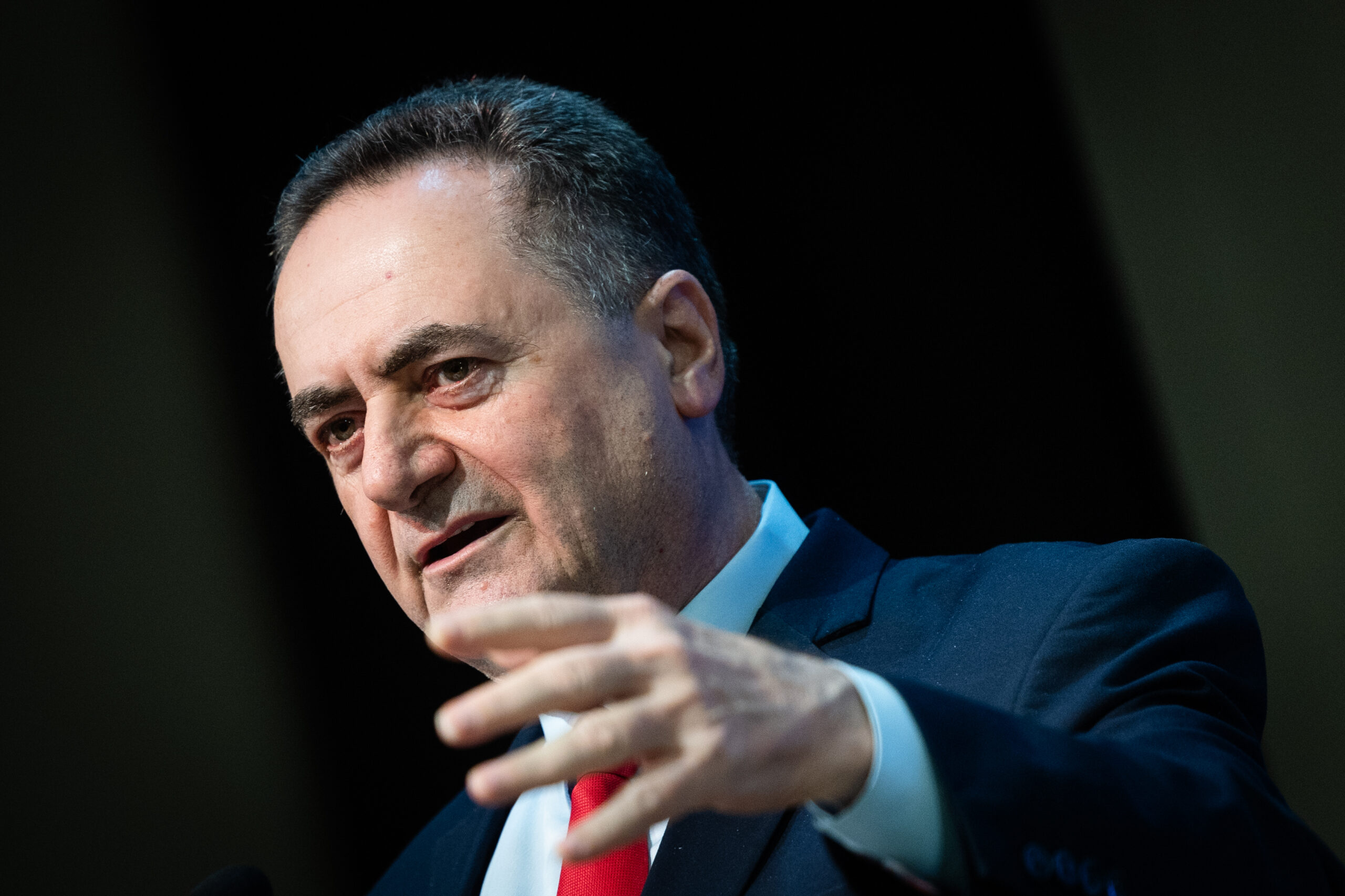
Defense Minister Israel Katz, speaking from Lebanon’s border villages: “The IDF is here to stay in the security zones in Lebanon, Syria, and Gaza, and to defend the entire State of Israel. We are here on top—and they are below. I have instructed the IDF to take all necessary steps to prepare for a long-term presence in the field.” Katz visited IDF forces in Lebanon Wednesday morning alongside Deputy Chief of Staff Maj. Gen. Tamir Yadai, Northern Command chief Maj. Gen. Rafi Milo, 36th Division commander Col. Yiftach Norkin, Coordinator of Government Activities in the Territories Col. Hisham Ibrahim, and other commanders.
The defense minister received a comprehensive briefing from commanders on operations in the field and discussed the operational preparations needed for the expected confrontation with Hezbollah ahead. Katz then spoke with soldiers in the field, praised them, and expressed deep appreciation for the heroic battle they waged against Hezbollah terrorists and for the major achievements on the ground.
Defense Minister Israel Katz:
“Here we see the Beaufort Ridge after the tunnels there were destroyed. The IDF carried out a maneuver here. As you can see here, the Litani Brigade, in a heroic operation carried out with tremendous skill, defeated Hezbollah, captured the Beaufort Ridge—which protects Metula, the northerncommunities, and IDF soldiers—and now threatens all of Hezbollah’s territories on the horizon. As the Prime Minister and I have made absolutely clear, we will not withdraw from this security zone. I am standing here in the heart of the security zone—a zone stretching from the coast in the west to the Beaufort area and the springs of Mount Hermon in the east.
The IDF is here to defend the northern communities and its own forces. It will not move from here; we are not withdrawing. We will clear this area and ensure the security of the residents of the north, and under no circumstances will we withdraw—not from Lebanon, not from Syria, not from Gaza—from the security zones. The lesson of October 7 is that we protect the residents by having the IDF present here in these locations, shielding them from raids, gunfire, and everything else. This is our policy; this is our approach, and this Operation Beaufort illustrates the significance of this policy more than anything else.
We’re up here, they’re down there; the residents are protected; the IDF is inside; 200,000 residents are outside. We’re destroying the underground tunnels they built to invade the Galilee and demolishing all the houses in the area. This is our policy; we will continue to implement it and will under no circumstances allow enemies of this kind— jihadist enemies— to threaten our residents or our borders. We are up here, they are down there, the residents are outside, the soldiers are inside, and the houses are destroyed.”
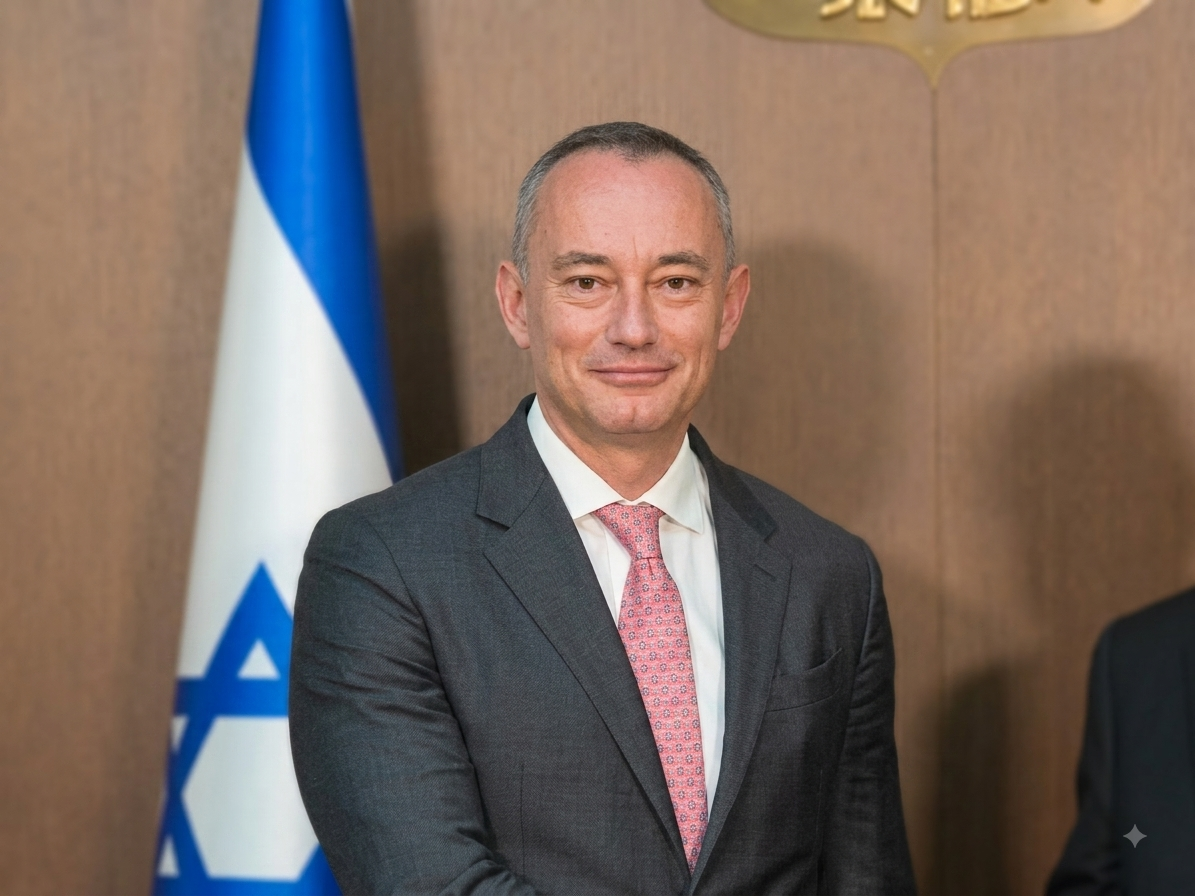
Nickolay Mladenov, CEO of the Board of Peace, addressed agreement violations in the Gaza Strip on Wednesday, stating: “In recent days, a mechanism to monitor violations has begun operating. Every violation will be handled.”
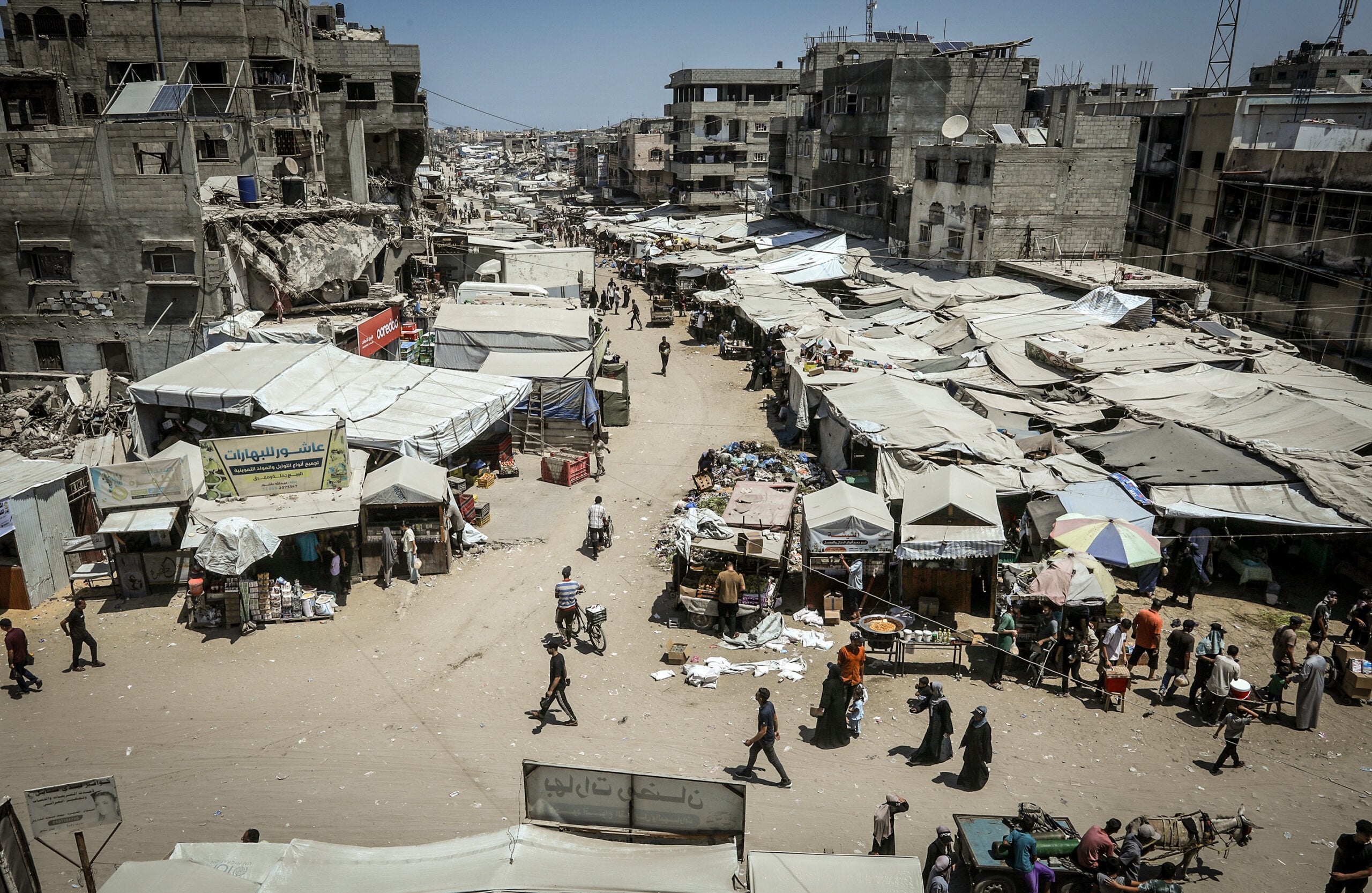
Gaza, today | Photo: Abed Rahim Khatib/FLASH90
Mladenov dismissed claims regarding financial agreements between the Hamas terrorist organization and the Board of Peace: “These claims are false. Such a proposal was not discussed, negotiated, or considered, nor will it be on the table in the future.” Mladenov also emphasized: “Board of Peace funds are not transferred through Hamas. Every contract undergoes rigorous vetting and approval. Israel is not required to rely on trust or take irreversible steps before verified actions are taken on the ground. The objective remains the complete demilitarization of weaponry and ensuring that Gaza will never again pose a threat of the kind Israel experienced on October 7th.”
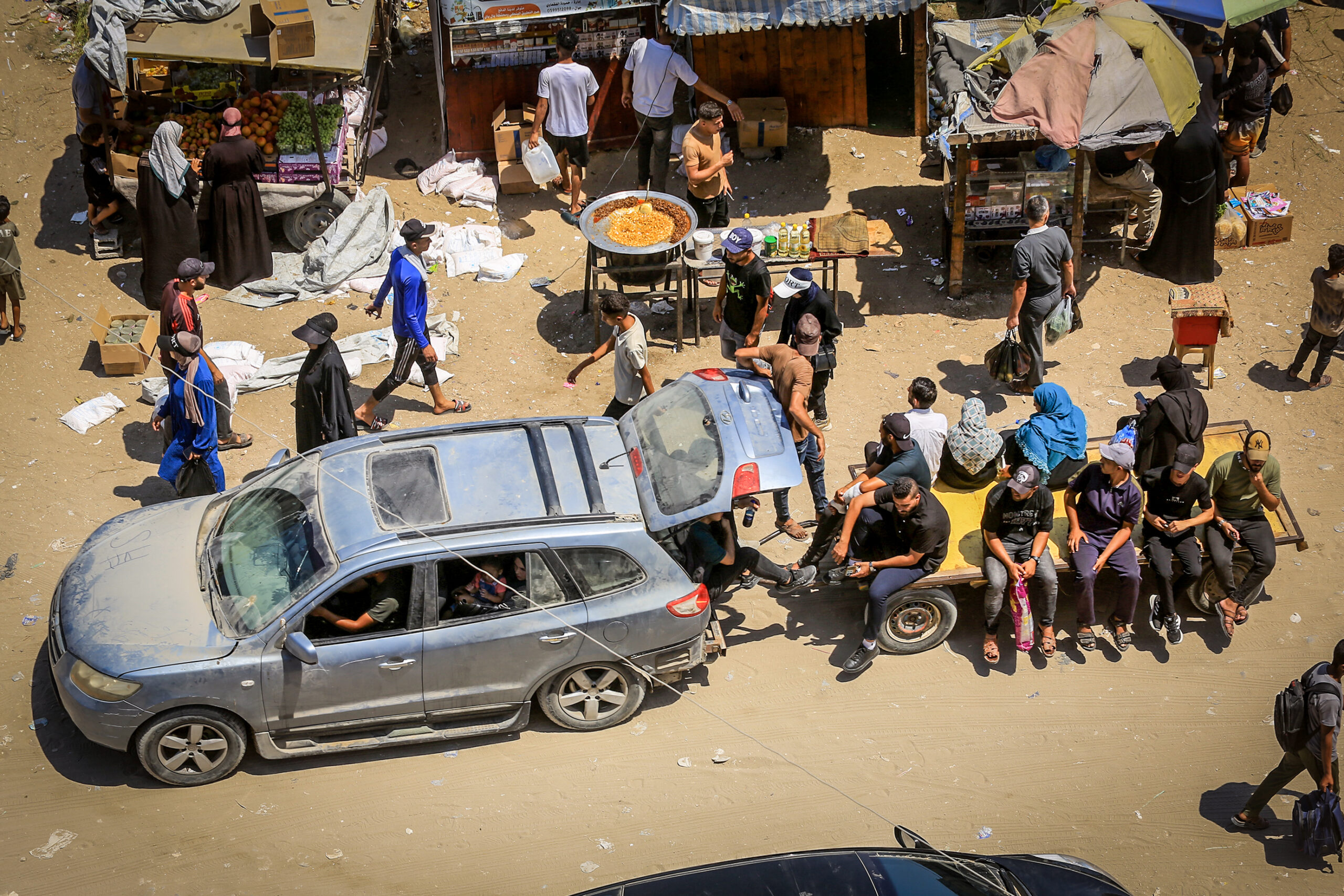
Image from Gaza, today | Photo: Abed Rahim Khatib/FLASH90
The statements come against the backdrop of repeated violations of the plan in Gaza. As reported last night, Hamas terrorists crossed into the Yellow Zone, stole military engineering equipment, and retreated to the Red Zone after IDF forces were denied authorization to neutralize them. Furthermore, over the past week, more than 65 boundary crossings were recorded—triple the volume observed prior to political directives restricting live fire.
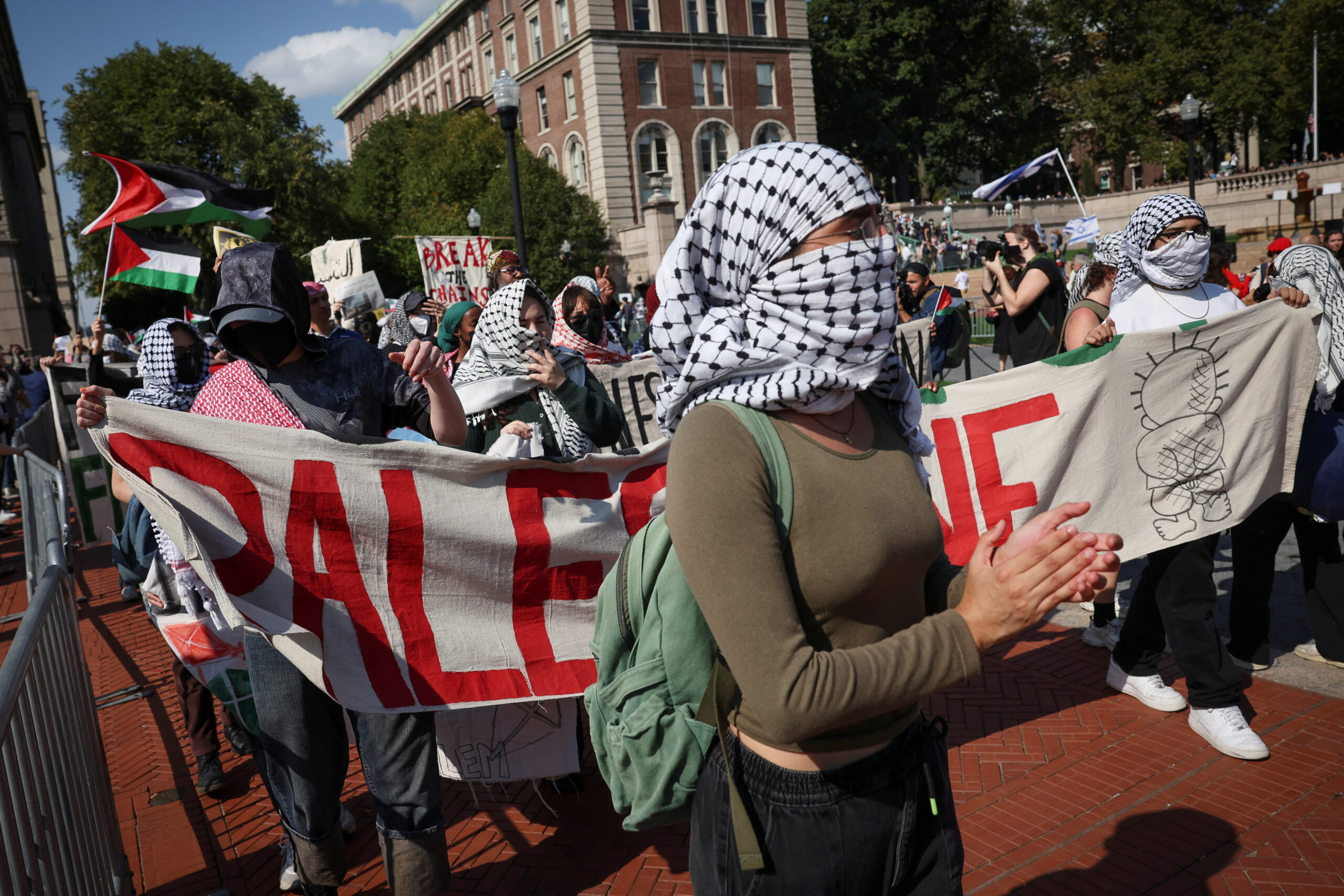
‘Palestinian’ activists and anti-Israel agitators at Columbia University have filed a shameless lawsuit alleging discriminatory treatment dating back to 2023. The absurd claim contends that the university failed to protect anti-Israel demonstrators from harassment and subjected them to disciplinary proceedings described as “unfair and biased”—despite the activists having paralyzed campus life with hate-fueled demonstrations.
Antisemitic flyer at Columbia University | Credit: Social media
The narrative surrounding the lawsuit highlights the grievance culture of radical campus groups following basic administrative law enforcement. In May 2025, Columbia suspended 65 students involved in unauthorized anti-Israel encampments, hate-speech rallies, and campus disruptions. By July 2025, the university announced further overdue disciplinary actions against students participating in radical anti-Israel demonstrations, including formal expulsions and degree revocations. Unrepentant, suspended activists doubled down on their actions, declaring that administrative sanctions will not stop their anti-Israel campaign: “We will not back down. We are committed to the struggle for the liberation of ‘Palestine’.”
Pro-‘Palestinian’ protesters at Columbia University | Photo: Shutterstock
Beyond student discipline, federal law enforcement has taken decisive action against key campus agitators. In March 2025, U.S. Immigration and Customs Enforcement (ICE) arrested Mahmoud Khalil, a Columbia University researcher born in Syria to ‘Palestinian’ parents, for leading illegal anti-Israel encampments and campus occupations. Khalil, who obtained U.S. permanent residency through marriage to an American citizen, currently faces deportation proceedings initiated by federal authorities seeking to remove foreign agitators.
Columbia University in New York has served as a central hub for anti-Israel radicals, setting a dangerous precedent for campus disruptions worldwide. Organizations such as Columbia University Apartheid Divest (CUAD), a coalition of over 100 extremist groups, previously called on students to join walkouts to protest the Jewish state, explicitly encouraging participants to wear black and conceal their identities behind face masks.