


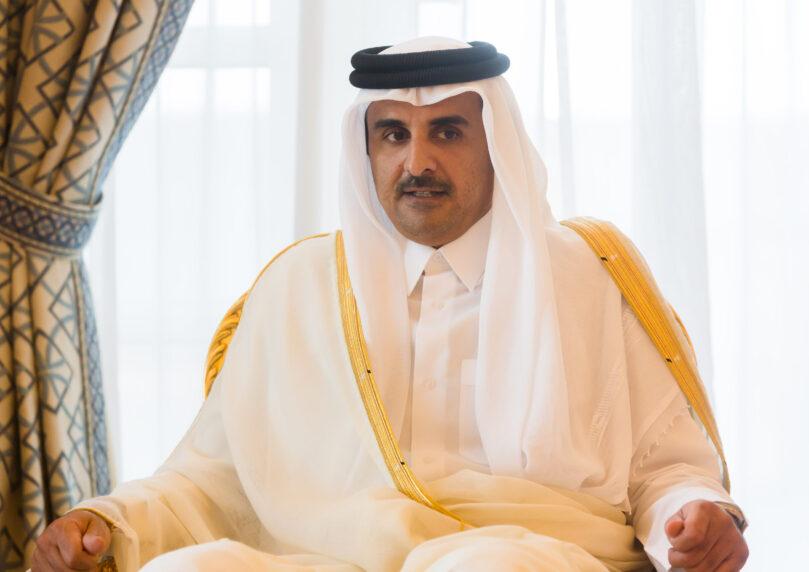

President Trump made it clear the U.S. won’t invest a single dollar in Iran, but according to Vice President Vance, someone else is expected to foot the bill: Gulf states, which may pour hundreds of billions of dollars into rebuilding the regime that attacked them.
Vice President J.D. Vance publicly confirmed that Iran could receive access to a reconstruction and investment fund totaling $300 billion, provided it dismantles its nuclear program, gives up its stockpile of enriched material, and accepts a strict monitoring regime.

 4+
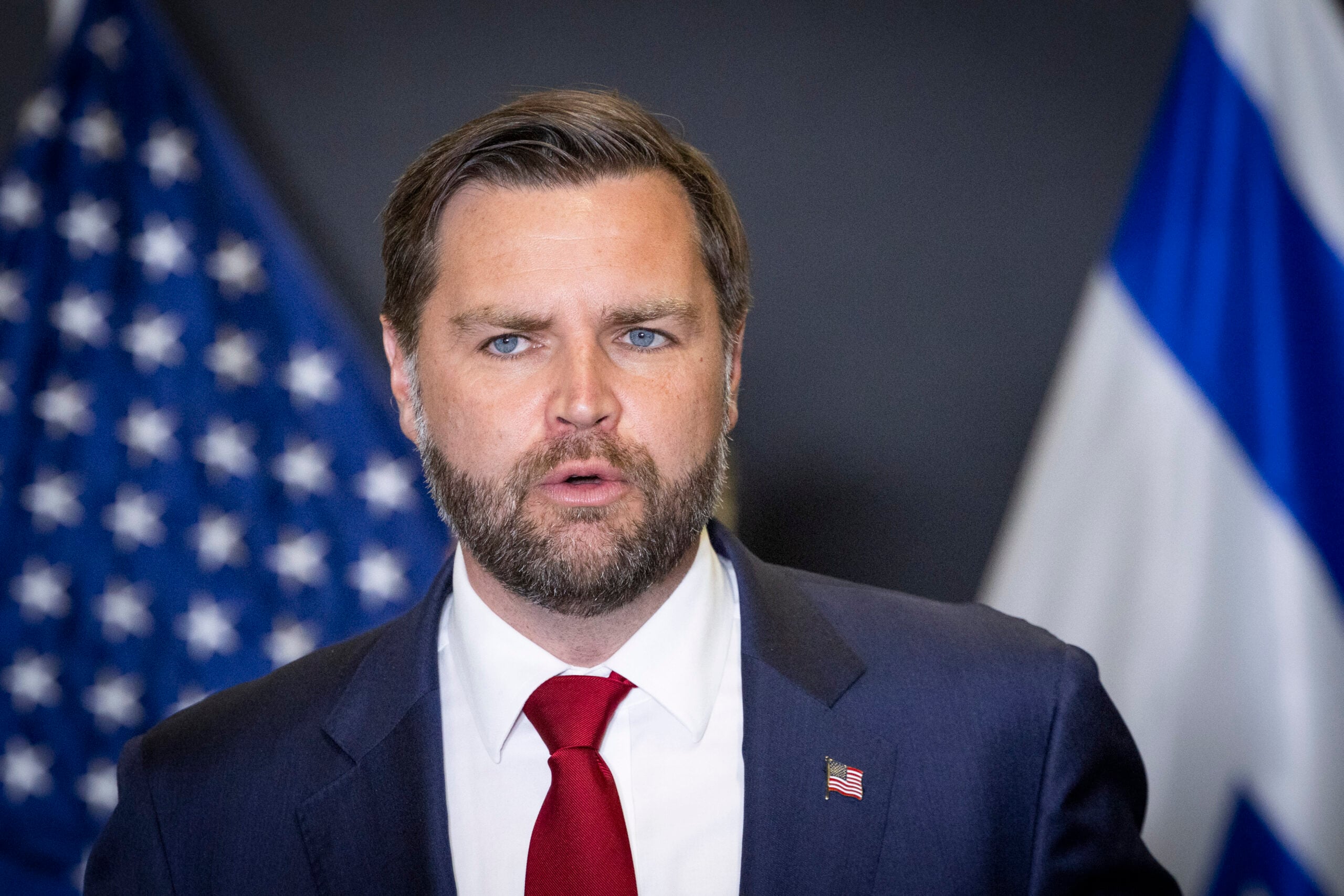
The money? Not from the Americans. Vance made it clear again and again: it will come from the “Gulf coalition” (mainly Qatar and Saudi Arabia). Trump himself rushed to emphasize that the U.S. is “not investing a single dollar in Iran.” The Americans sign the deal, and the sheikhs pay the bill.
Now let’s remember what happened in recent months. During the war that broke out in February 2026, Iran launched hundreds of ballistic missiles and drones at six Gulf states (United Arab Emirates, Saudi Arabia, Qatar, Oman, Kuwait, and Bahrain). It hit oil facilities, airports, American and local bases, military and civilian. Thousands of attacks. Dozens of casualties. Massive damage. That same Iran, which fired missiles at the heads of the richest rulers in the world, is now becoming a “regional investment” of $300 billion. This isn’t “reconstruction.” This is protection money.
 4+
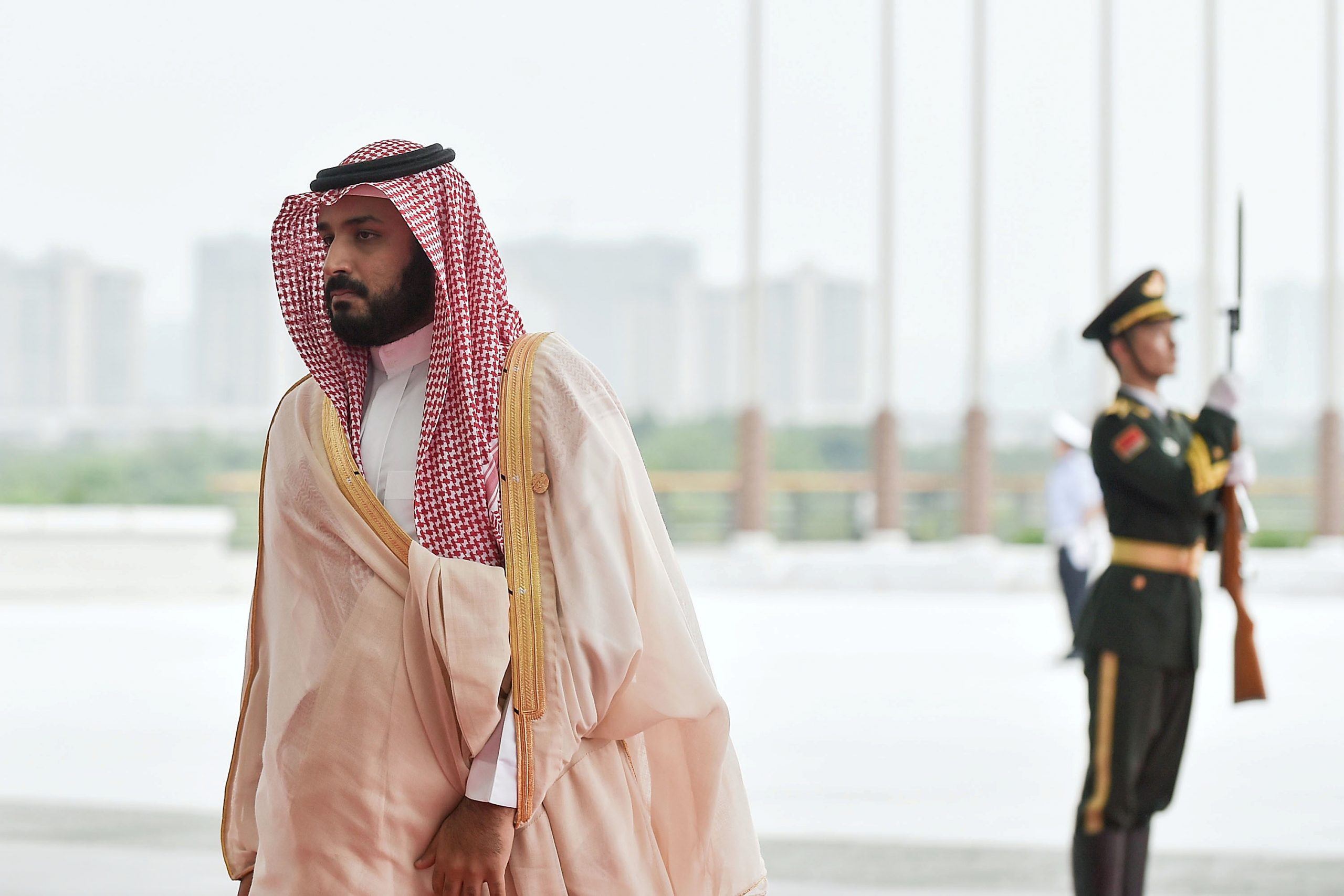
It’s like paying the mafia that burned down your store, then offering it money to build a new store, hoping it won’t burn that one down too. The sheikhs, who sit on oil reserves worth trillions, who got used to buying everything with money (World Cups, weapons, women, museums, politicians, influence, sports teams, and quiet), are discovering that this time the enemy isn’t impressed by small checks. So they’re raising the amount.
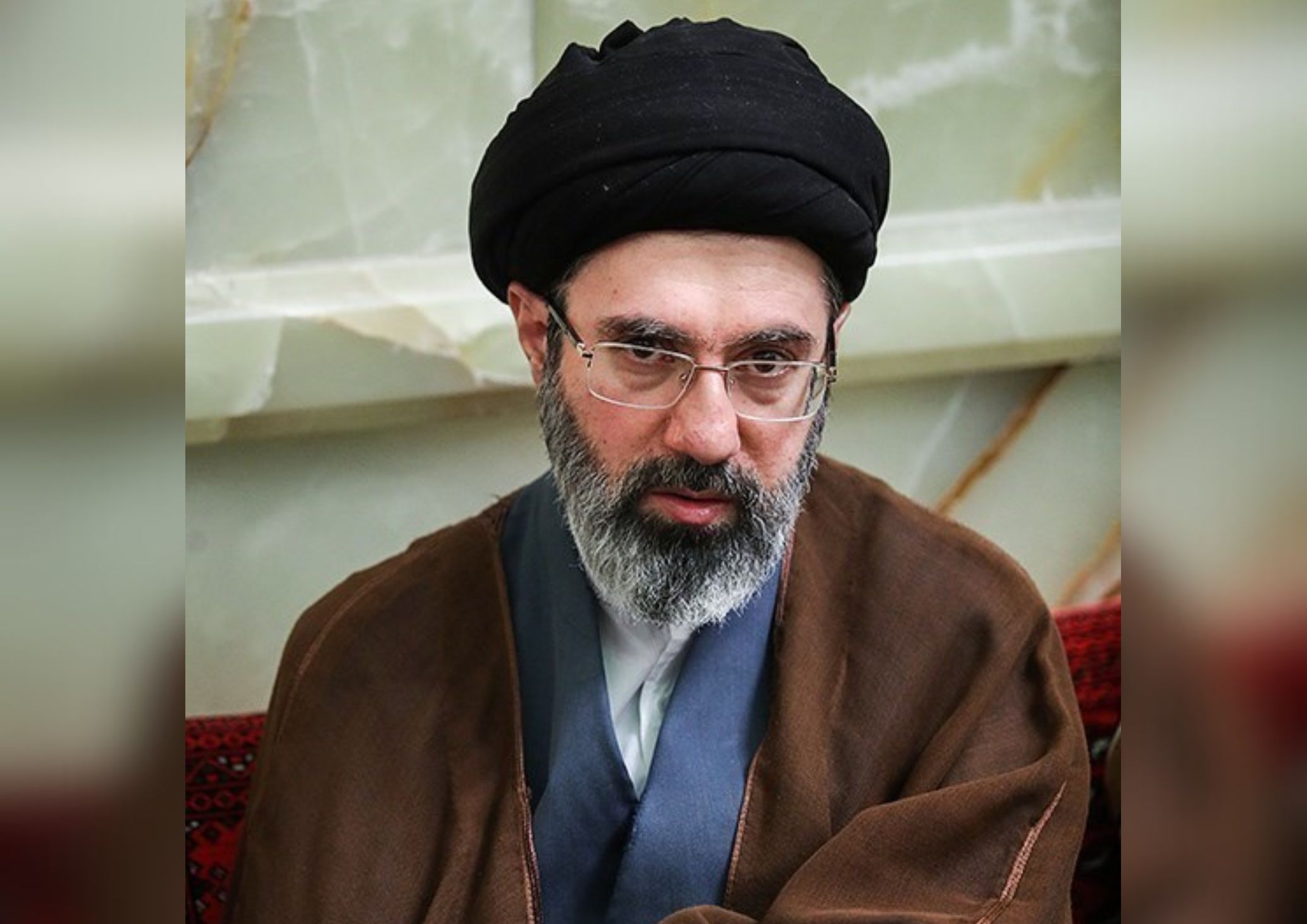
$300 billion. In exchange for what? In exchange for Iran “behaving like a normal neighbor.” Vance said it openly: “We’re open to Gulf states investing in Iran’s reconstruction, but only if Iran meets all its commitments.” Free translation: “If Iran keeps firing, you (the Gulf states) will be left with the bill and the missiles.” The cynicism here is perfect. The U.S. comes out clean, Trump boasts about “peace,” and the kings and princes of the Gulf, those who always prided themselves on independence and strength, become the official financiers of the Iranian enemy that just tried to bomb them. This isn’t a deal. This is a robber demanding ransom, and the victim not only pays but thanks him and offers more.
 4+
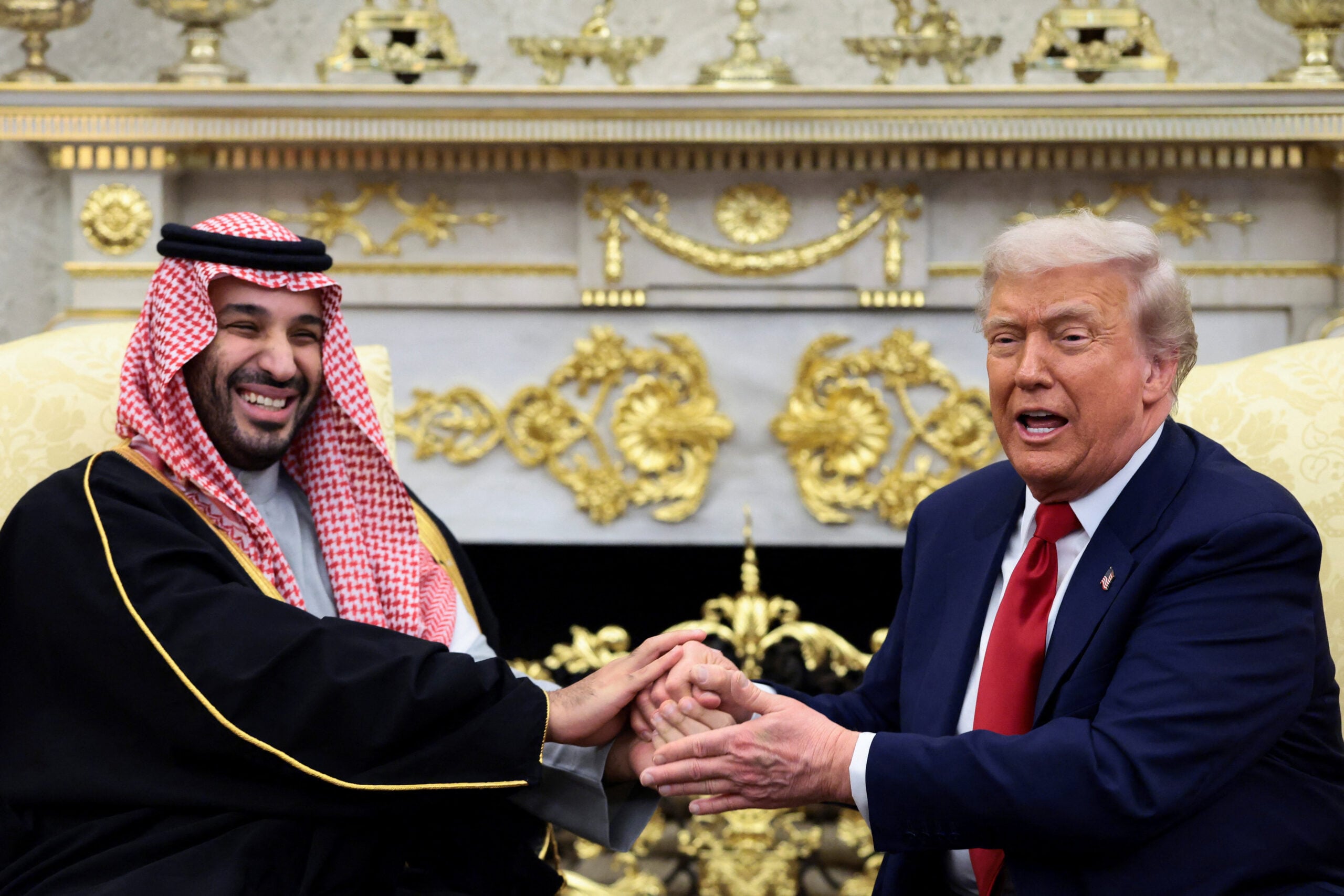
Welcome to the new world: where Gulf states pay Iran to stop firing at them. Saudi Arabia the “hero” demands a ‘Palestinian’ state. That same wealthy kingdom sitting on a sea of oil and sand dares to demand Israel establish a ‘Palestinian’ state as a condition for normalization or regional peace. “Give them a state, give them rights,” they say in a moral tone.
But let’s look at reality: that same Saudi Arabia is exposed, frightened, and paying protection money to Iran—the same Iran that fired missiles at it, hit its oil facilities, and turned it into a target in the last war. This isn’t criticism. This is hypocrisy at a state level. Israel must be wary of all such initiatives. Saudi Arabia wants Israel to endanger its security to “solve the ‘Palestinian’ problem.”
 4+
The sheikhs of Riyadh, who boast about “independence” and “strength,” behave like a wealthy business owner paying the mafia so it won’t burn down his store again. And then they come and teach Israel how to behave toward enemies. Saudi Arabia doesn’t need to demand Israel create a state for our enemies. It first needs to explain why it’s paying Iran to buy quiet. Why it’s so exposed despite all the money and alliances it has, including an alliance with a nuclear state like Pakistan. And why, when the enemy fires at it, it immediately just pays. This is fear. And that’s exactly what Saudi Arabia is trying to hide.
But when Iran fires missiles and drones at it, it doesn’t fight. It pays. So why all this weaponry? To look strong in official photos? To fill warehouses that will stay closed? Or maybe so it will have something to show when it writes the next $300 billion check for reconstructing the enemy that attacked it? Because in the end, Saudi weapons aren’t used to actually fight Iran—they’re also protection money.
 4+
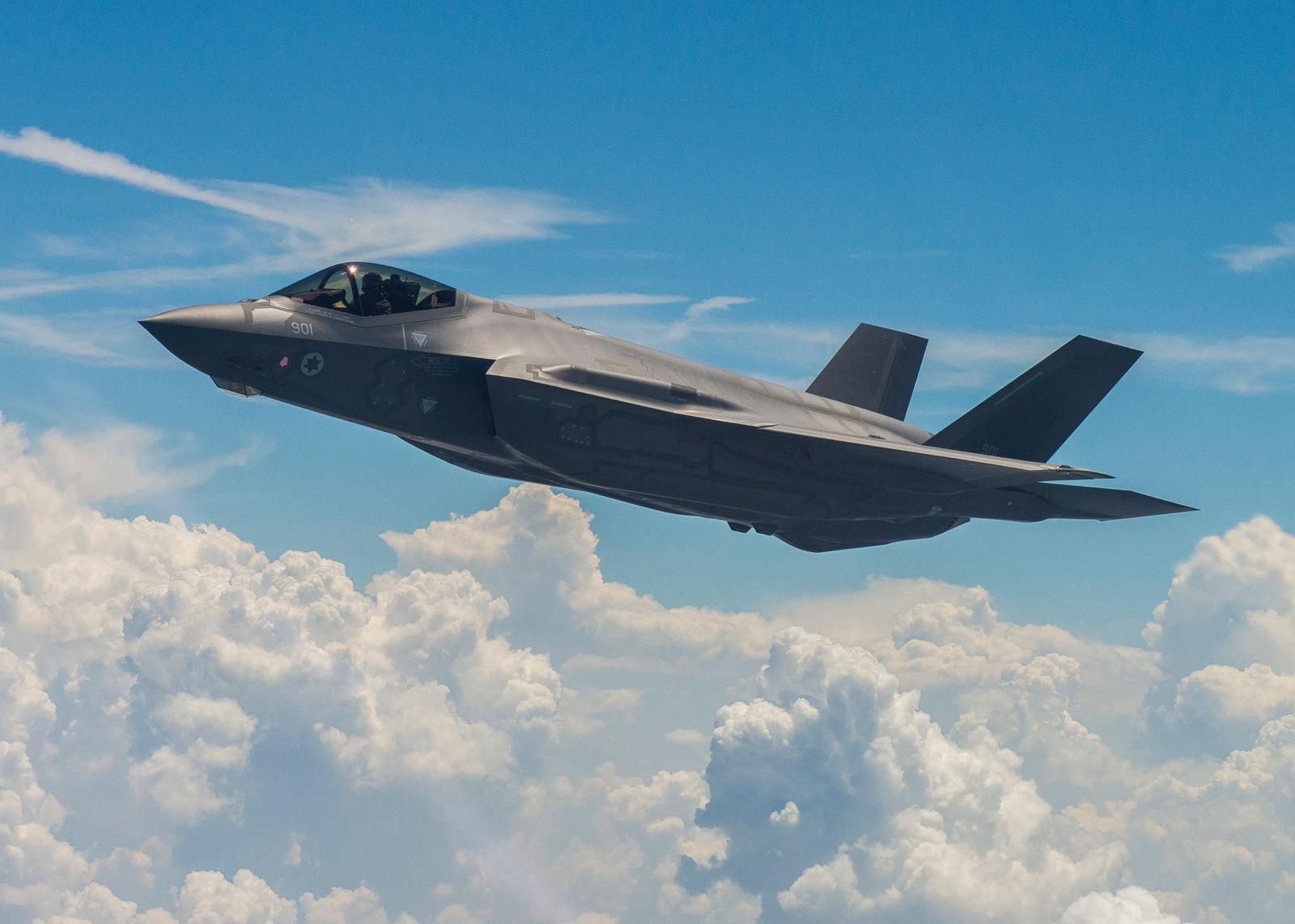
Gulf states pay protection money to the U.S. too. Most Gulf states buy weapons in astronomical amounts—billions on fighter jets, defense systems, missiles, and American technology.
In recent years the Saudis begged to purchase F-35s. All these purchases aren’t meant for use by the Saudi military. Fact: the Saudis haven’t fired a single shot at the Iranian enemy that fires at Saudi Arabia every day. In other words, Gulf states led by Saudi Arabia pay protection money to the Americans by purchasing weapons. This isn’t new.
In fact, most Gulf states pay protection money to the Americans—the U.S. has one or more bases in nearly every one of these countries, with the goal of protecting them from Iran. And this time these states are paying both the U.S. and Iran. Both those who protect them and those who attack them.