


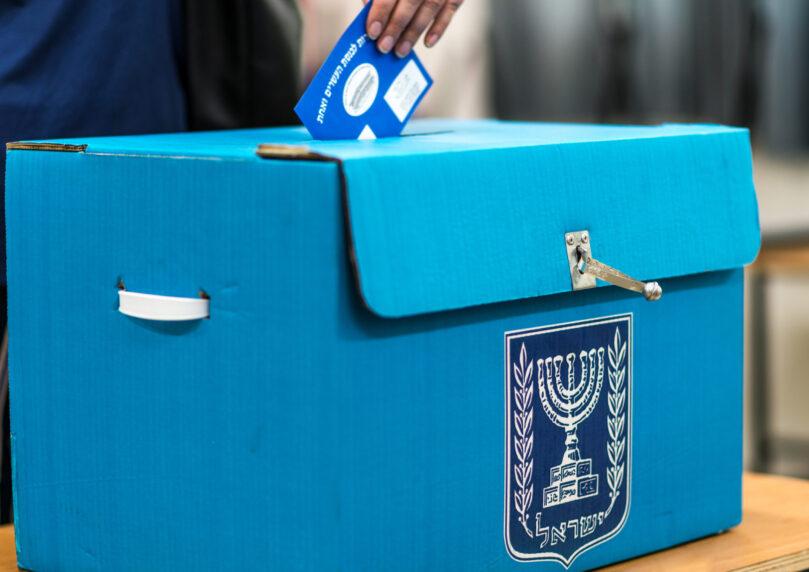

Elections for Israel’s 26th Knesset are approaching, and the Central Elections Committee wants to overhaul voting procedures. The bill submitted Thursday evening to Constitution, Law and Justice Committee Chairman MK Simcha Rothman includes a series of changes designed to address challenges from the ongoing war, the evacuee crisis, and the rapid development of artificial intelligence tools in the political arena.


One of the most prominent changes tackles AI-generated campaign content. Under the proposal, any campaign material created or substantially edited using digital means that depicts a person, place, event, document, or object that could appear to be authentic documentation would be required to carry clear and prominent disclosure that digital means or artificial intelligence were used.
Another change could directly impact new parties. Elections Committee Chairman Justice Noam Solberg is proposing to allow parties not currently represented in the Knesset to use three letters on ballot slips, rather than just one or two as is currently the practice. The committee explains that the proliferation of parties and letters reserved for existing factions has created a shortage of marking options, and the move is intended to increase equality and reduce voter confusion.
Evacuees are also set to receive significant accommodations. The proposal would allow those forced to leave their homes due to the security situation to vote using double envelopes in designated ballot boxes, at accessible polling stations nationwide, or by registering an “address for election purposes” that would let them vote near their current location without changing their official address in the population registry.
The Elections Committee also wants to reduce the number of petitions and proceedings filed during election periods. To that end, it’s proposed to authorize the Elections Committee chairman to set fees for various requests, appeals, and proceedings brought before the committee, subject to approval by the Knesset’s Constitution, Law and Justice Committee.
Against the backdrop of ongoing security threats, the proposal also includes a new mechanism that would allow the Elections Committee chairman, in consultation with the IDF Chief of Staff or his representative, to establish special civil defense instructions for polling places and other sites used by the election system during a special situation on the home front.
Alongside these changes, the bill includes additional amendments concerning the management of election committees, voting in nursing homes, conducting hearings via video conference, and logistical preparations during emergencies. The ball now moves to the Knesset, which will have to decide whether to approve the changes that could reshape the next election system.