Category: Israel

  • First Iron Dome Interceptor Fully Made in U.S. Delivered

    First Iron Dome Interceptor Fully Made in U.S. Delivered

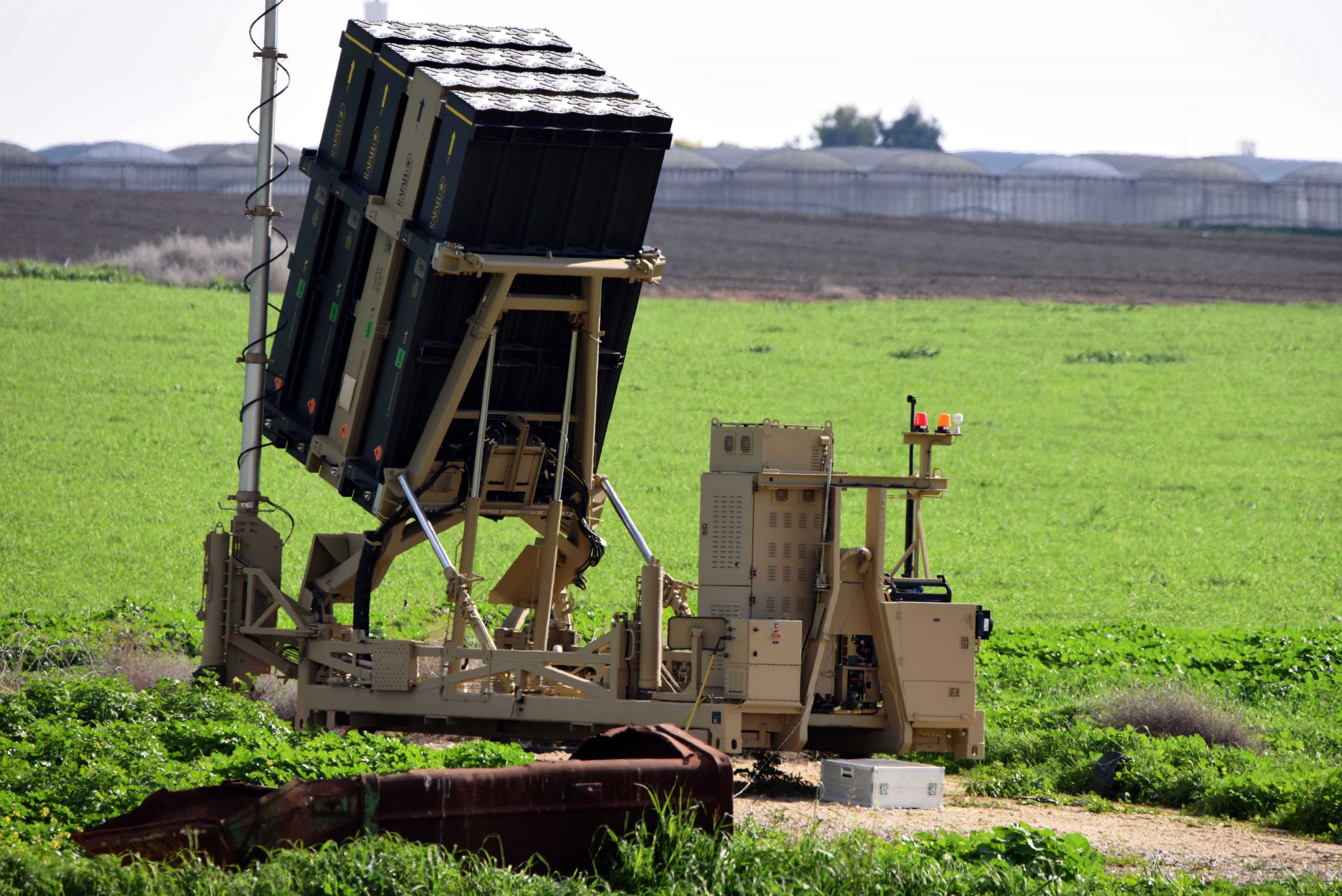
    The Israeli Ministry of Defense announced on Thursday the historic completion of the first full manufacturing cycle of an Iron Dome interceptor on United States soil. The initial “Tami” missile, built and assembled in its entirety at an industrial facility in East Camden, Arkansas, was officially delivered to the Israel Missile Defense Organization (IMDO) within the Directorate of Defense Research & Development (DDR&D /DDR&D-Maf’att) during a formal ceremony.

    The newly established plant represents the first manufacturing site outside Israel dedicated to producing Tamir interceptors for the Israeli Iron Dome system. Rafael Advanced Defense Systems established the facility in strategic partnership with American defense giant Raytheon through their joint venture, Raytheon-Rafael Protection Systems (R2S).

    Establishing the U.S. production line is designed to substantially broaden joint bilateral production capabilities and accelerate the interceptor delivery pipeline to Israel. The strategic initiative forms a cornerstone of ongoing defense cooperation between Jerusalem and Washington in integrated missile defense.
    In addition to Tamir missiles, the East Camden facility will manufacture SkyHunter interceptors—the American-adapted variant of the Israeli system. These interceptors are designated for the Medium-Range Intercept Capability (MRIC) program of the United States Marine Corps, enabling the facility to reinforce the mutual aerial defense requirements of both armed forces.

    According to data released by the Ministry of Defense, the Iron Dome system has logged more than 10,000 successful operational interceptions over its 15 years of continuous frontline deployment. The system was engineered and fielded under the leadership of IMDO within DDR&D, alongside prime contractor Rafael and in close cooperation with the U.S. Missile Defense Agency (MDA).”

    “A Significant Component in Strengthening Production Capability

    Head of the IMDO at the Ministry of Defense, Moshe Patel, emphasized that the new manufacturing line is a vital element in replenishing and expanding national interceptor inventories: Israel’s multi-layered missile defense array, and specifically the Iron Dome system, has repeatedly saved countless lives and mitigated infrastructure damage across a wide spectrum of hostile threats in recent years.”
    Patel added:””The n w assembly facility in the United States represents a major pillar in reinforcing our joint U.S.-Israel industrial capacity, reflecting the Ministry ofDefense’ss overarching strategy to accelerate production rates across all active missile defense echelons””

    Pate. added that U.S. security assistance to Israel, much of which is reinvested directly into American manufacturing, strengthens both nations’ industrial base while deepening strategic integration with the U.S. Administration and the Missile Defense Agency.
    Executive Vice President and Head of the Air & Missile Defense Division at Rafael, Shlomo Toaff, addressed the gathering:””When  afael first initiated development of the Iron Dome, many skeptics believed it was an impossible feat. Our engineers proved them wrong. For 15 years, the Iron Dome has maintained operational readiness, saving lives and ensuring daily continuity even amid intense wartime conditions,” Toaf noted. The Tir interceptor is the beating heart of this system, and today, for the very first time, it is fully manufactured outside Israel’s borders, right here in Camden, Arkansas.”

    The formal rollout ceremony was attended by Arkansas Governor Sarah Huckabee Sanders, U.S. Senator Tom Cotton, IDF Defense Attaché to Washington Major General Tal Politis, and senior executive delegations representing the Israel Ministry of Defense, Rafael, Raytheon, and the U.S. Missile Defense Agency.
  • IDF Eliminates Oct 7 Hamas Terrorist in Khan Yunis

    IDF Eliminates Oct 7 Hamas Terrorist in Khan Yunis

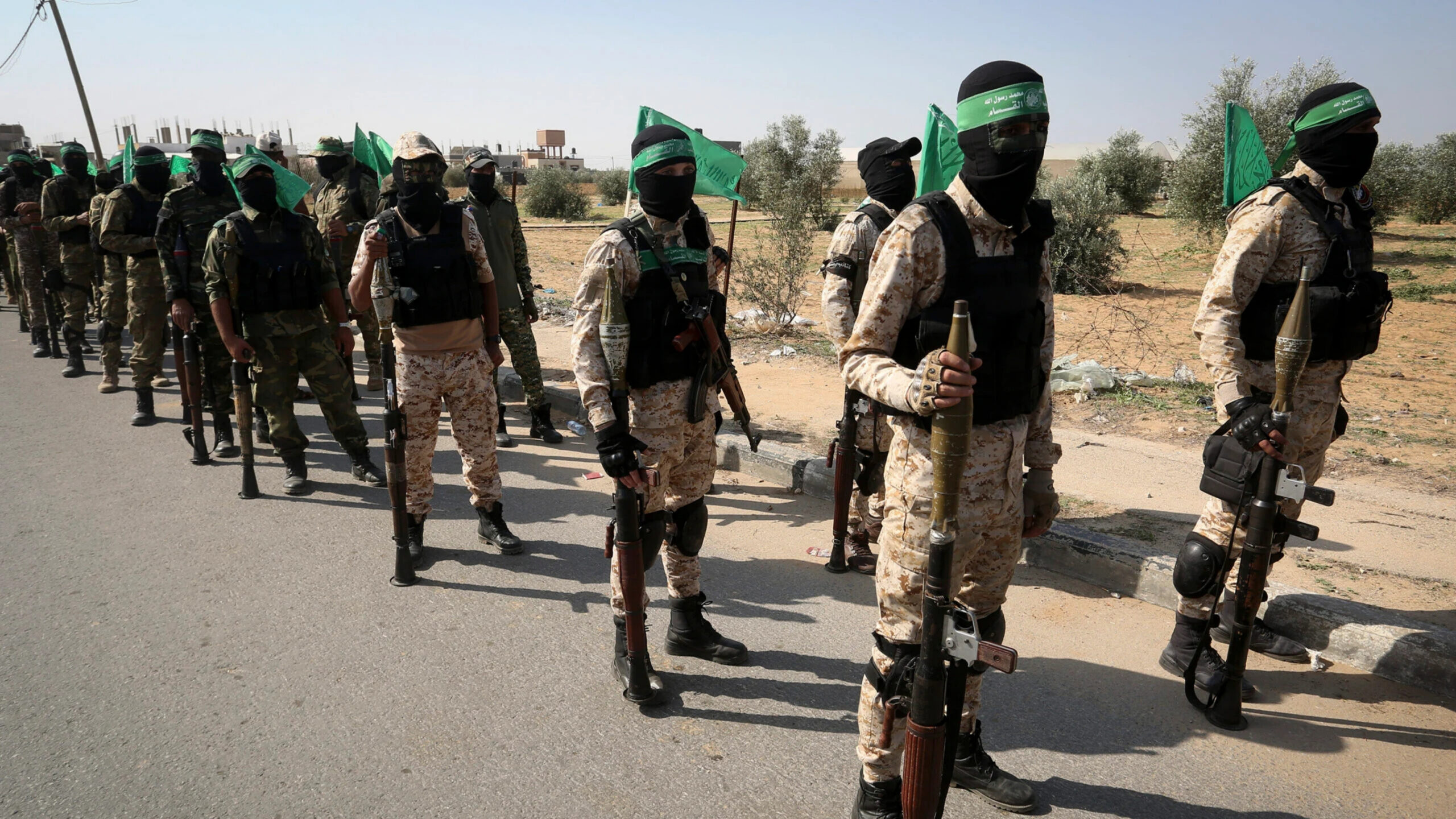
    The IDF Spokesperson’s Unit announced on Thursday that Israeli forces conducted targeted airstrikes in the Khan Yunis area of the southern Gaza Strip earlier this week, eliminating Ibrahim Allam, a Hamas terrorist. Allam directly infiltrated Israeli territory during the murderous onslaught of October 7, taking an active role in the slaughter of numerous Israeli civilians. Furthermore, Allam was personally involved in the abduction of the body of fallen IDF soldier Sergeant Shaked Dahan to Gaza.

    Sgt. Shaked Dahan who was killed by Hamas on October 7, 2023 and abducted to Gaza. (IDF)
    Sgt. Shaked Dahan RIP | Photo: IDF Spokesperson’s Unit

    In an additional precision strike conducted on Tuesday, Israeli forces eliminated Mu’tasim Muhammad Suleiman Salah, another terrorist within Hamas. According to military assessments, both operatives had recently orchestrated multiple terror schemes targeting IDF personnel and Israeli civilians. Additionally, the pair worked systematically to rehabilitate the terror group’s combat infrastructure in flagrant violation of the ongoing ceasefire framework, prompting targeted action to neutralize the immediate threat.

    Photo: Facebook in accordance with section 27A

    Sergeant Shaked Dahan, a resident of Afula, served as an armored combat soldier in the 77th Battalion of the 7th Armored Brigade and fell heroically in battle on the morning of October 7. His body was abducted into the Gaza Strip and later recovered and repatriated by Israeli security forces in August 2024. The IDF emphasized that before carrying out the strikes, stringent mitigation measures were enacted to minimize harm to non-combatants, including the deployment of precision-guided munitions and persistent aerial surveillance. Southern Command forces remain deployed across the sector in full accordance with existing operational directives, maintaining a posture to thwart any imminent threat.

  • Druze in Syria Wave Israeli Flags on October 7 Anniversary

    Druze in Syria Wave Israeli Flags on October 7 Anniversary

    While anti-Israel demonstrations erupted in several corners of the globe marking the anniversary of October 7, non-Jewish minority communities across the region stepped forward in a historic display of solidarity with Israel and the Jewish people. While Jewish communities worldwide gathered in solemn prayer and commemoration, the most striking scene took place on Wednesday in the Suwayda Governorate of southern Syria.

    Video: social media

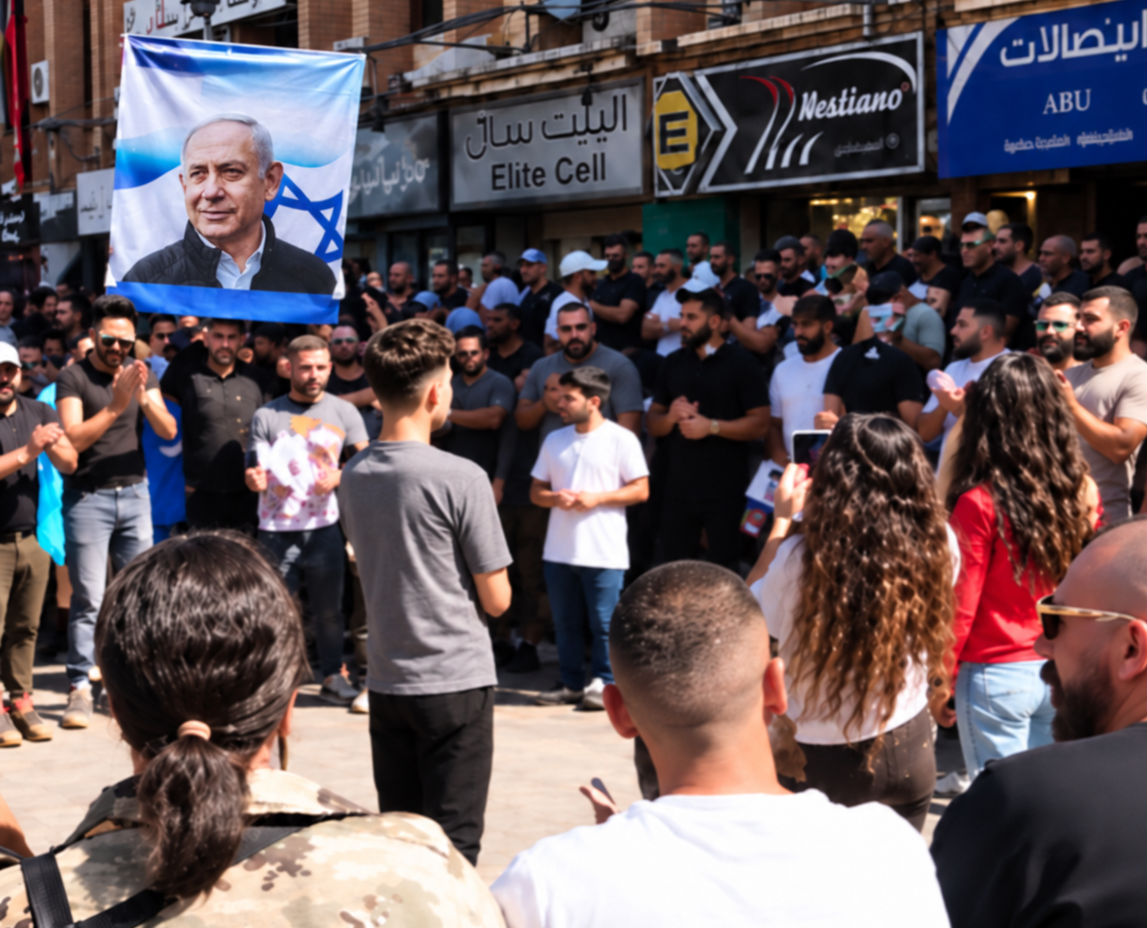
    Marking three years since the October 7 atrocities, thousands of Druze gathered in Al-Karama Square, the heart of the Druze provincial capital, openly expressing solidarity with Israel and vocal support for Prime Minister Benjamin Netanyahu. Demonstrators drew an explicit line connecting the victims of the October 7 massacre to their own community’s victims slaughtered in July 2025, when thousands of Druze were butchered and hundreds abducted by forces aligned with extremist Islamist factions. Such an overt demonstration of public solidarity is unprecedented in modern Middle Eastern history.

    Participants carried signs declaring solidarity with Israel, with messages such as: “The massacres and violence that targeted civilians in Israel” paired alongside the fallen of Suwayda, emphasizing that both nations confront “religious and political extremism and brutality.” Another widely displayed banner read: “The massacres are numerous; the perpetrator is one.”

    Video: social media

    During the march culminating in Al-Karama Square, marchers waved Israeli national flags alongside the multi-colored Druze banner, brandishing portraits of local Suwayda leader Sheikh Hikmat al-Hijri, Prime Minister Benjamin Netanyahu, and Sheikh Mowafaq Tarif, the spiritual leader of the Druze community in Israel. One prominent sign placed adjacent to Netanyahu’s portrait proclaimed that the “Druze of the Bashan (Suwayda) stand with you.” At the same time, other banners stated firmly: “We will not forget, we will not forgive.” Senior regional figures and local National Guard commanders were among the crowd.

    The direct comparison drawn throughout the gathering framed the July 2025 Druze massacre in southern Syria as identical in nature and barbarity to October 7. In the summer of 2025, Druze villages across the governorate were invaded, enduring mass executions, kidnappings, and systemic displacement. Following those attacks, Israel targeted Damascus in a stated bid to safeguard the besieged Druze population. The rally’s message was unmistakable: those who murdered families on the mountain and those who slaughtered Israeli citizens represent the same brand of violence. Demonstrators carried photos of local victims alongside portraits of Israelis butchered on October 7.

    A Divided Germany

    A similar phenomenon played out in Europe. While anti-Israel marches in Berlin accused the Jewish state of atrocities, thousands of counter-demonstrators from diverse ethnic and cultural backgrounds organized massive rallies supporting Israel. Middle Eastern minority communities with historical experience facing persecution and massacres—including Kurds, Alawites, and pro-Israel Iranian dissidents—marched through German streets to condemn the October 7 atrocities.

    The pro-Israel rallies featured the national flags of Kurdistan, Alawite community symbols, and the historical pre-revolutionary Iranian Lion-and-Sun flag. Each of these communities shares an intimate historical trauma: Kurds murdered in the hundreds of thousands under Saddam Hussein’s regime; Iranians persecuted by the Islamic Republic; Alawites targeted by extremist factions in Syria; and the Druze enduring persistent jihadist assaults.

    Video: social media

    Israel Defends Minorities in the Middle East

    Through shifting geopolitical realities, Israel is increasingly positioned as a natural protector and strategic partner for vulnerable minority populations across the Middle East. This dynamic mirrors historical precedents, such as Israel’s clandestine support for the Kurds in Iraq when they faced existential threats, and its strategic alliance with Lebanese Christians during the First Lebanon War. Facing regional extremism, these communities view the alliance with Israel as a vital safeguard for survival.

  • British Airways Returns to Israel After Months Away

    British Airways Returns to Israel After Months Away

    After an extended period when numerous foreign carriers halted operations in Israel, recent months have seen an accelerating reversal of that trend. Another major global airline is set to rejoin the growing roster of carriers returning to Ben Gurion Airport: British Airways.

    British airline British Airways | Photo: Shutterstock

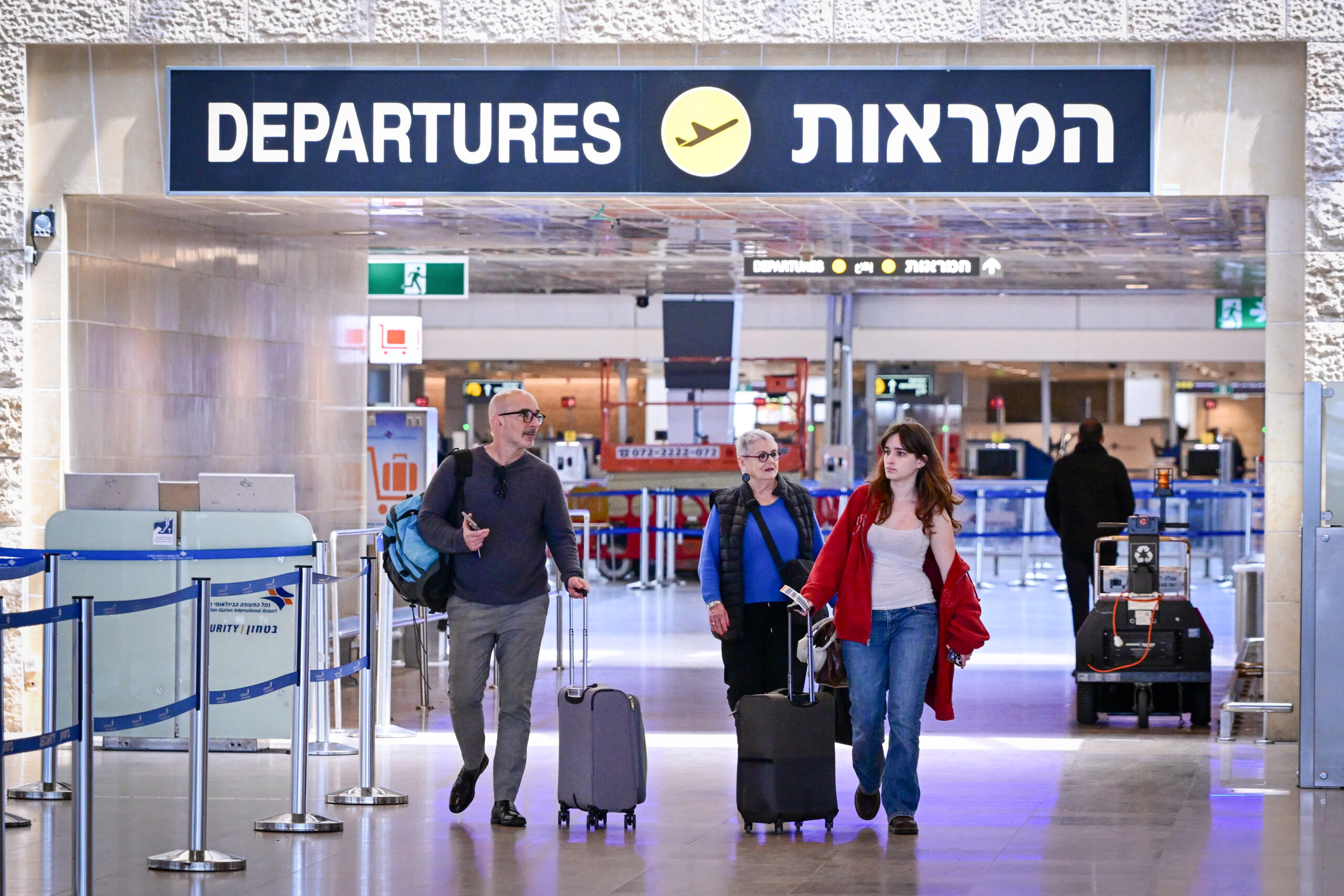
    British Airways is scheduled to resume flights between Tel Aviv and London on October 25, after suspending operations in Israel in late February. The carrier repeatedly postponed its target restart date in recent months, but is now set to reopen its route to London Heathrow officially.

    When it resumes service, British Airways will operate a daily flight on the route. The first flight from London to Ben Gurion Airport is scheduled to depart on the evening of October 25, while the initial departure from Tel Aviv to London will take off the following morning, October 26. The airline’s return follows a sequence of resumptions by leading global carriers in recent months.

    British Airways | Photo: Shutterstock

    In September, Delta Air Lines restored daily direct service between Tel Aviv and New York’s JFK, while United Airlines resumed its route between Newark and Ben Gurion Airport on September 8 with two daily flights.

    This positive trend is anticipated to continue into the coming months. Air India plans to reinstate direct flights between Tel Aviv and Delhi on December 1, following prior scheduling postponements.

    Photo: Shutterstock

    Once relaunched, the carrier is slated to operate five weekly flights. Despite the gradual return of major international airlines, one prominent carrier remains conspicuously absent. American Airlines has not operated flights to Israel since October 2023, with its Ben Gurion service currently suspended through March 27, 2027.

    For Israeli travelers, the return of British Airways adds a critical direct connection between Israel and London—specifically London Heathrow—after months without a route.

  • Israel Downgrades UK Consulate; London Rebrands Site

    Israel Downgrades UK Consulate; London Rebrands Site

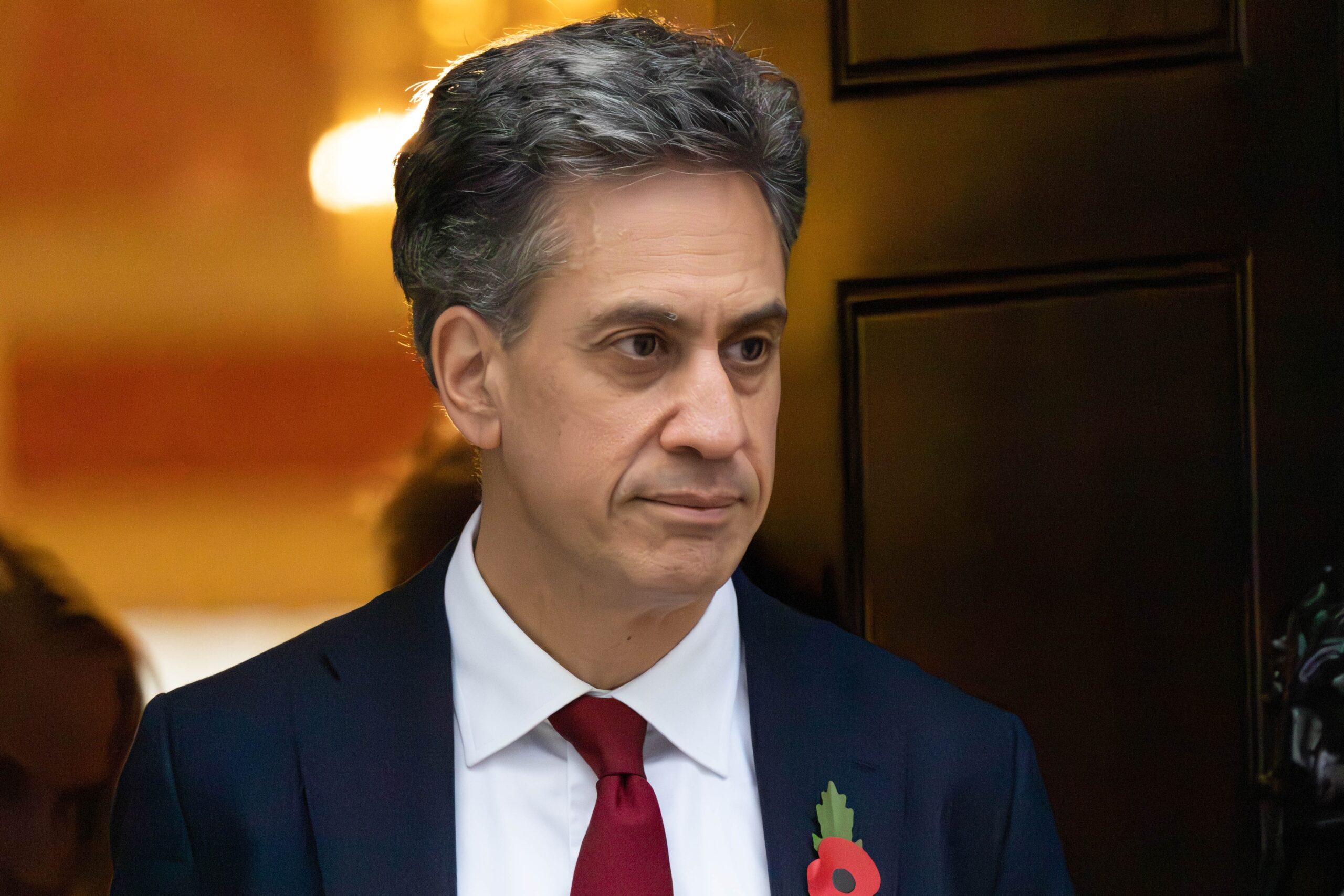
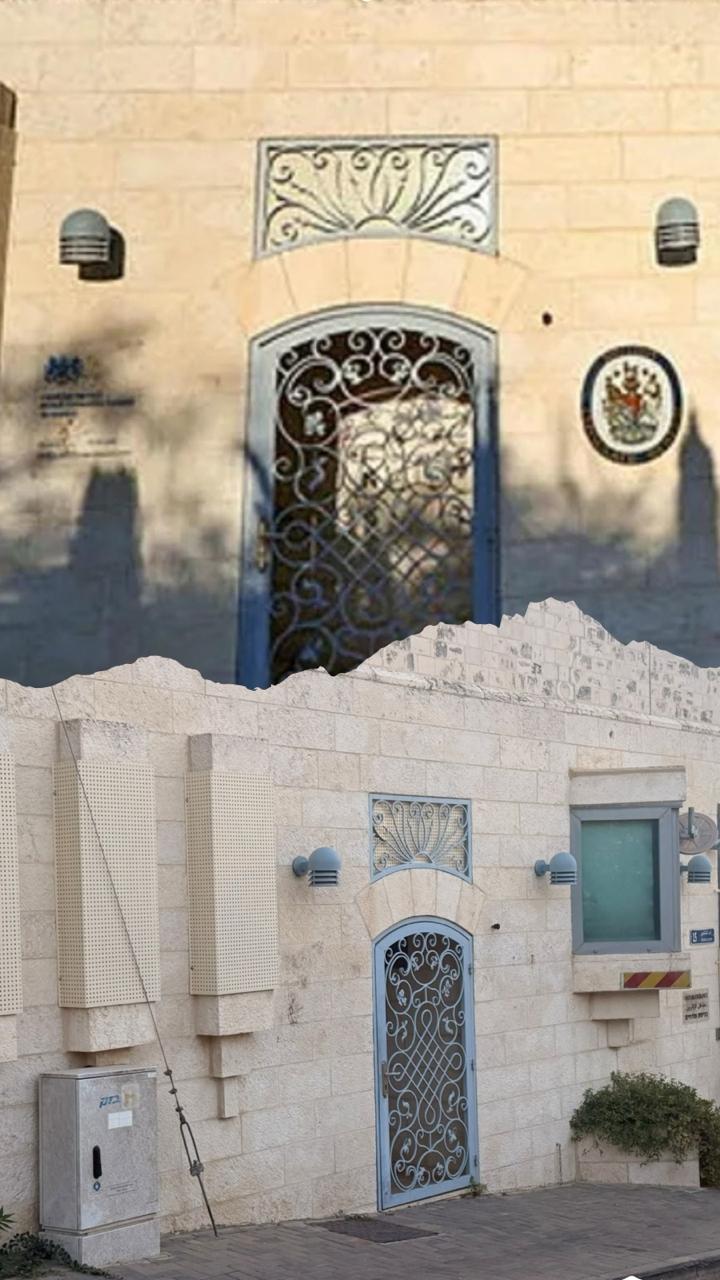
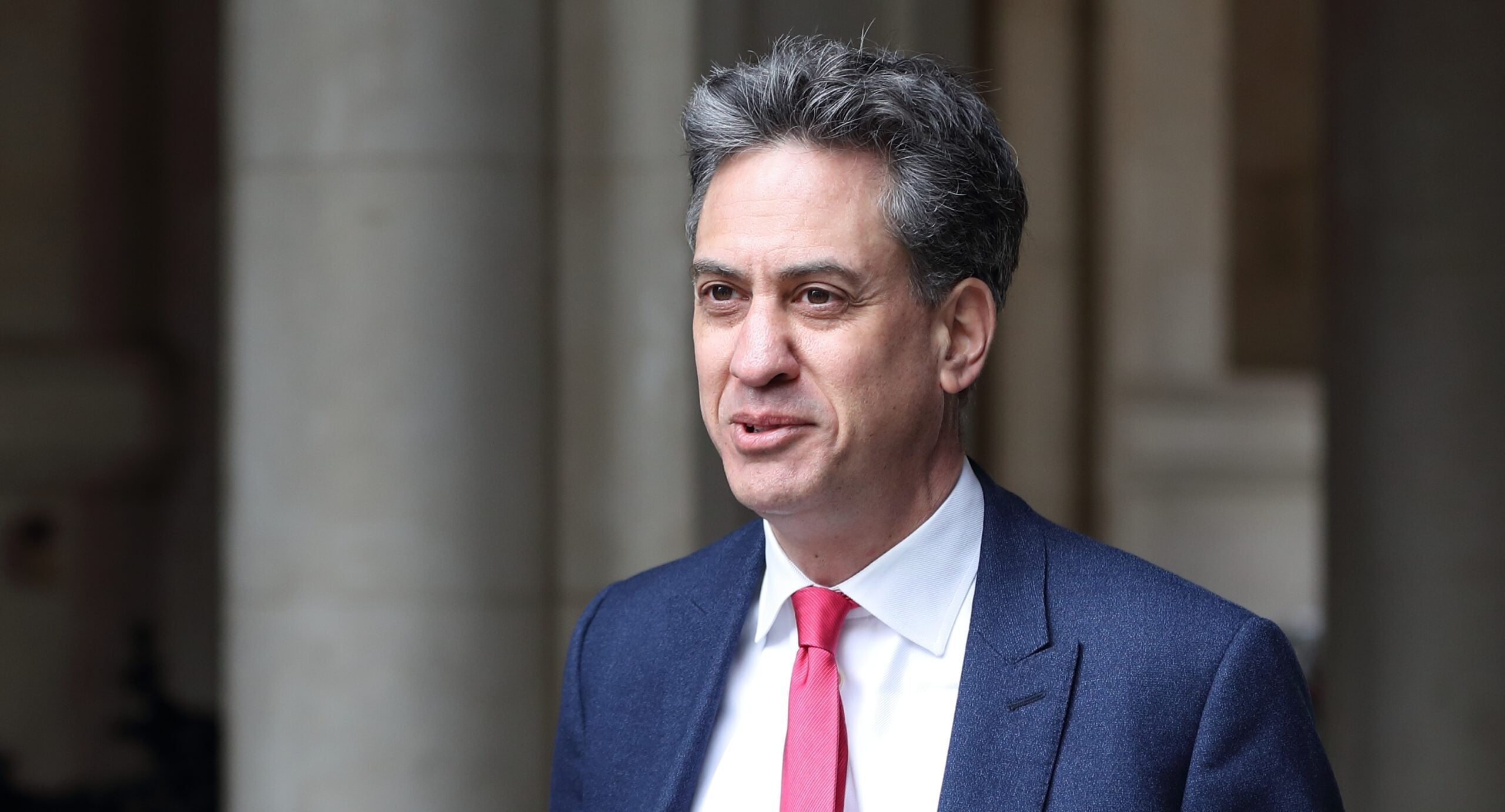
    After Israel’s announcement Thursday morning revoking the official diplomatic status of the British Consulate in Jerusalem, the British government is working to minimize the fallout from the diplomatic rift, seeking to present bilateral understandings as a continuation of its presence. UK Foreign Secretary Ed Miliband announced that the consulate “will not close,” but will instead operate under a new title: the “British Delegation, Jerusalem.” He added that London will not pursue retaliatory measures against Israel at this stage.

    The British Consulate in Jerusalem | Photo: Jerusalem Municipality

    In an official statement released via the British Embassy in Israel, Miliband tried to emphasize operational continuity in Jerusalem while opposing Israel’s position. “We have been clear in our position that we do not accept that the Israeli government has the legal right to close the British Consulate General in Jerusalem, which has existed for nearly 200 years,” he stated, further reiterating that the United Kingdom continues to consider eastern Jerusalem occupied territory.

    Despite London’s formal objections, Britain confirmed that following bilateral discussions with Israel, the diplomatic post will adjust its name and operate under a revised framework. Miliband clarified that the delegation will continue delivering vital services and engaging with the ‘Palestinians’, seeking to safeguard Britain’s ongoing footprint in Jerusalem and its backing for a two-state outcome.

    Ed Miliband, UK Foreign Secretary | Photo: Shutterstock

    Beyond the formal rhetoric, Israel’s assertive move puts London in an awkward diplomatic bind. While Britain’s recent diplomatic moves against Israel were intended, in part, to signal support for the ‘Palestinians’, the Israeli counter-response has led directly to a reduced British diplomatic profile in Jerusalem. This stands to constrain the UK’s capacity to advance its regional diplomatic initiatives with the ‘Palestinians’ at the exact moment it seeks deeper involvement.

    The British statement is widely viewed as an exercise in damage control, intended to downplay the severity of Israel’s sanction and reassure domestic audiences that its historic presence in Jerusalem persists. Nonetheless, London’s acquiescence to changing the mission’s designation and continuing engagement without imposing countermeasures highlights a clear intent to avoid further inflaming the dispute.

    Foreign Minister Gideon Sa’ar | Photo: Chaim Goldberg/Flash90

    Miliband also addressed security concerns regarding British personnel. According to the Foreign Secretary, absent functional understandings with Israel, the British government lacked the necessary security guarantees to protect its staff and consular compound. Consequently, several staff members and their dependents were temporarily relocated, with the UK aiming to restore its full footprint in the coming months.

    The fundamental contrast between the two governments’ accounts remains stark: Israel emphasizes the complete stripping of diplomatic privileges and the curtailment of the mission’s operations, whereas Britain highlights that the physical premises remain open. In Jerusalem, officials continue to condition any restoration of the consulate’s previous diplomatic status on the outright repeal of British sanctions against Israel.

  • Channel 14 Host Slams Israelis Celebrating Christian Holidays

    Channel 14 Host Slams Israelis Celebrating Christian Holidays

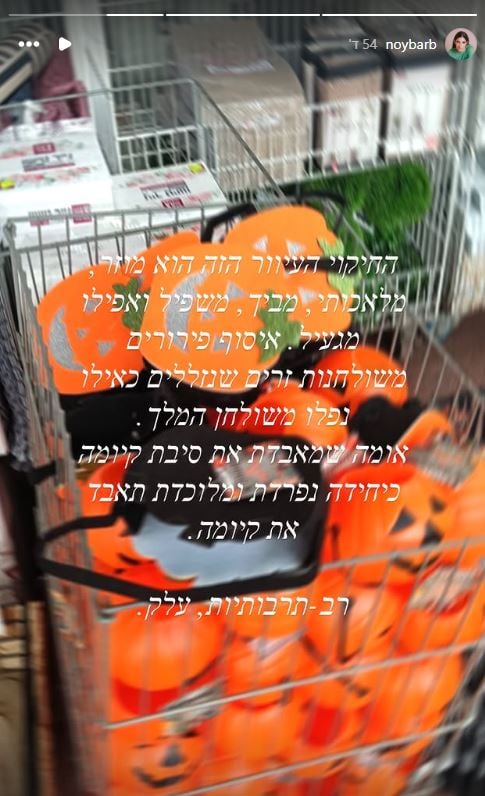
    Channel 14 news anchor Noy Bar shared photos on Wednesday from several Israeli shopping centers, where retailers have begun stocking merchandise and decorations ahead of the Christian holidays of Halloween and Christmas. Bar delivered a sharp critique of Jewish Israelis who choose to celebrate these occasions, as well as the retail chains that promote them.

    Photo: Noy Bar’s Instagram account

    In a series of stories posted to her personal Instagram account, Bar lashed out at what she characterized as “blind imitation” within Israel, arguing that the trend is “strange, artificial, embarrassing, degrading, and even repulsive.” According to Bar, adopting these holidays reflects shallow consumerism rather than authentic cultural engagement, calling it “gathering crumbs from foreign tables and devouring them as if they fell from the king’s feast.”

    Bar further framed the issue around broader questions of Jewish national identity and social cohesion in the Jewish state: “A nation that loses its reason for existing as a distinct and unified entity will ultimately lose its existence. Multiculturalism, yeah, right.”

  • Opinion: Weaponizing Oct 7 Grief Divides Us Again

    Opinion: Weaponizing Oct 7 Grief Divides Us Again

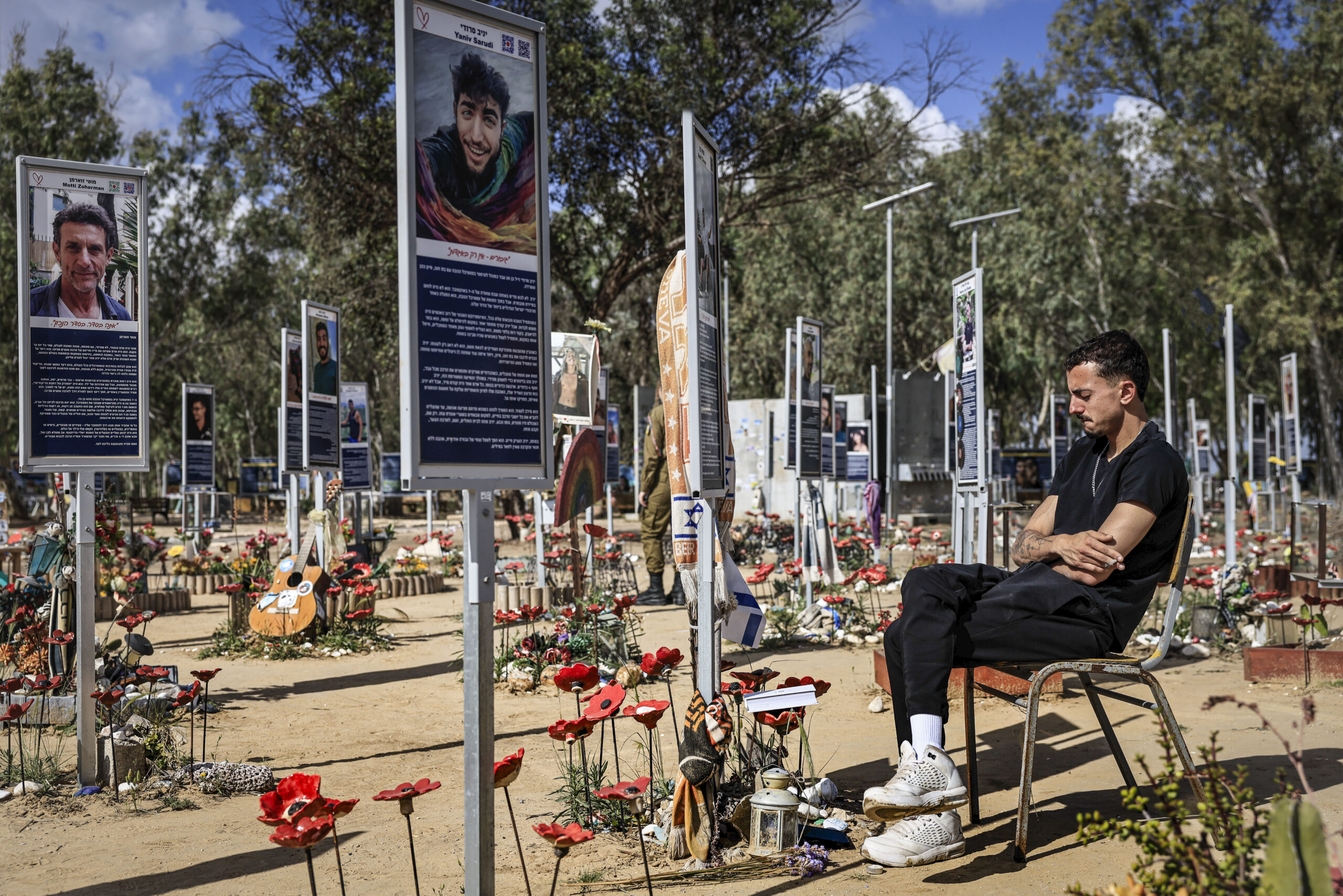
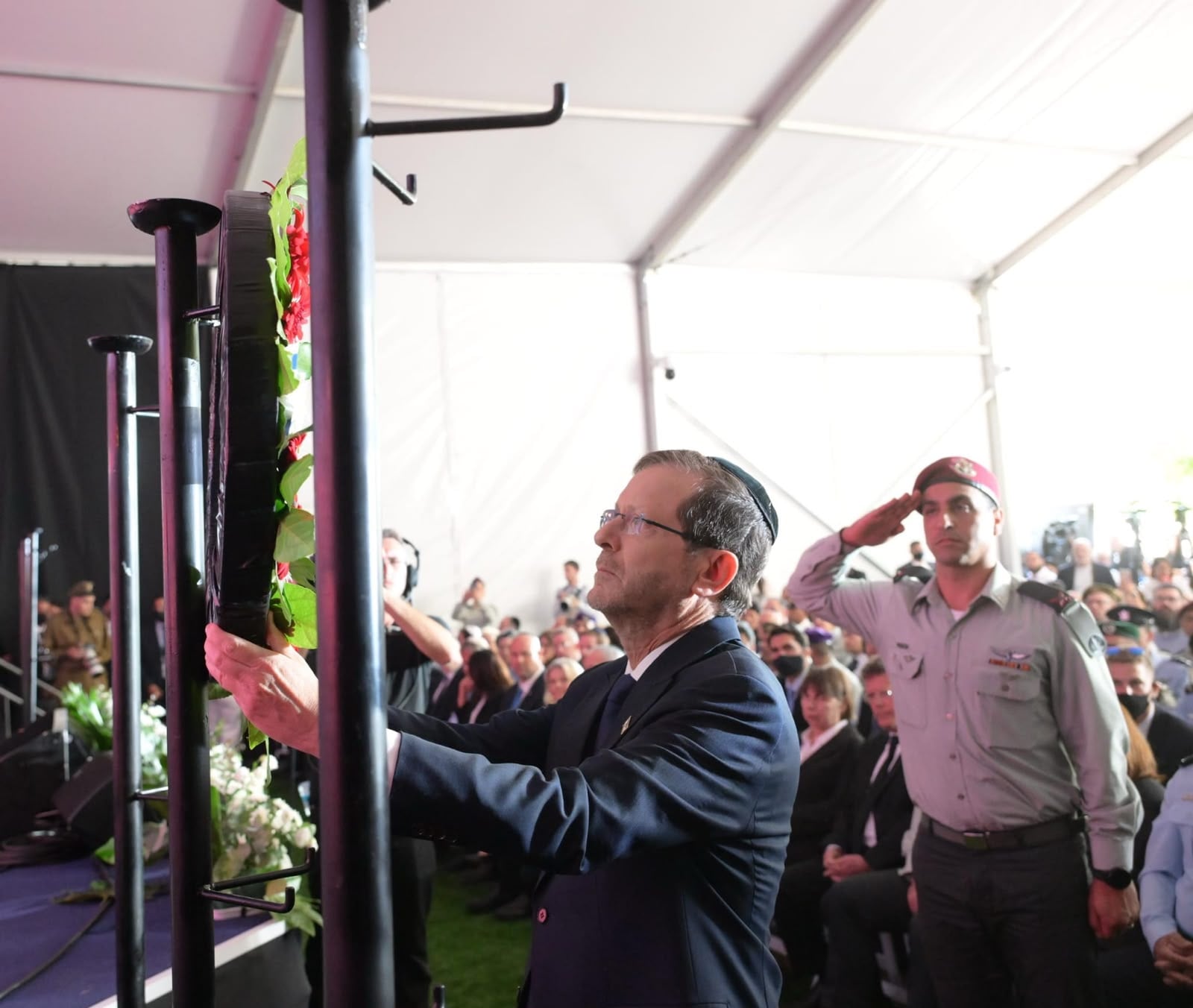
    Today is October 7. Today marks the Gregorian anniversary of the massacre. But do we really need a specific date? We remember the slaughter every single day. The pain remains excruciating, recovery is long and arduous, the bereavement is raw, and the wound stays open. And yet, something about marking this national memorial day right on the heels of the official state day of remembrance held on the Hebrew date of 24 Tishrei—which we observed just two days ago—carries an unsettling resonance. This insistence on constructing an “alternative” feels painfully reminiscent of October 6.

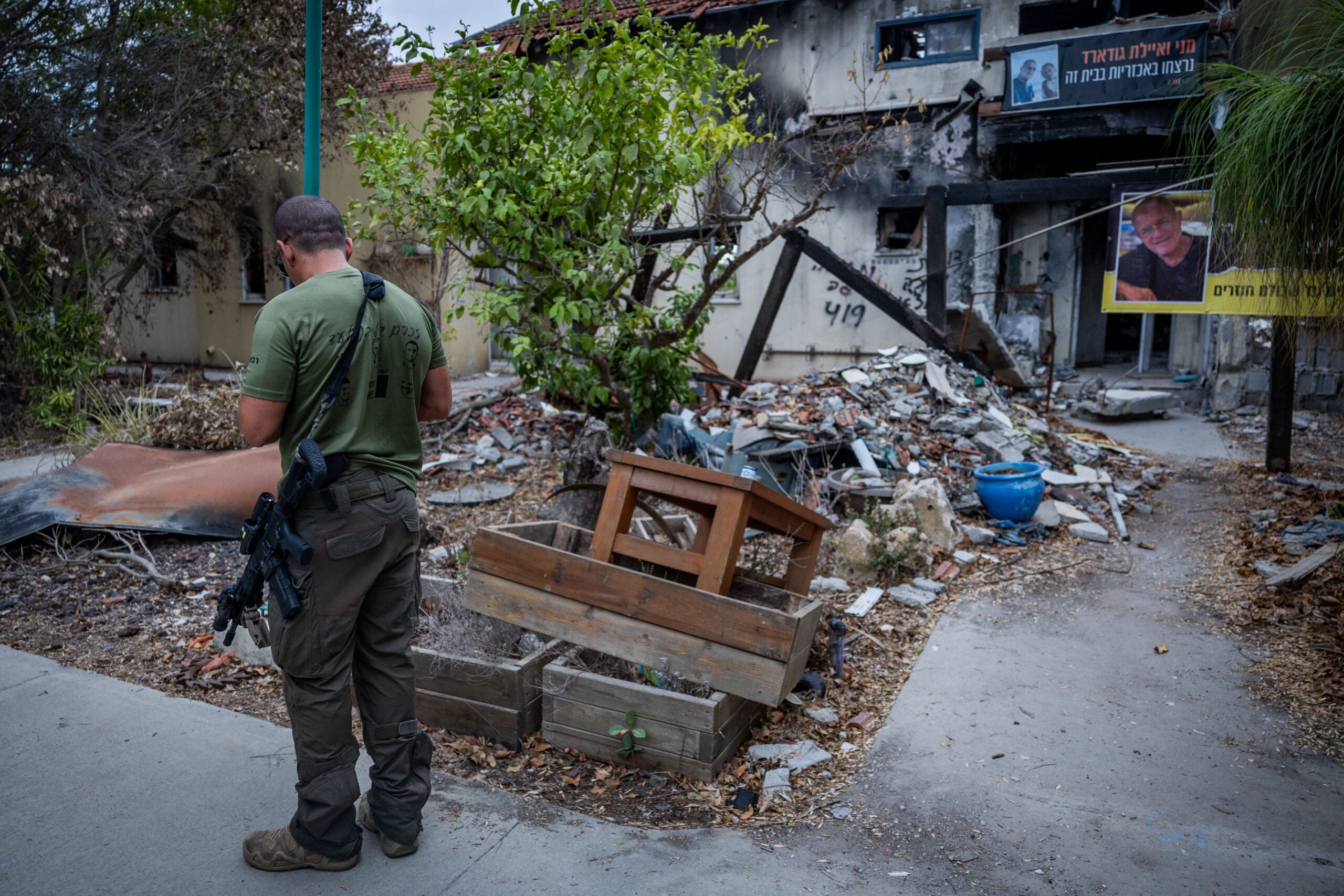
    Ruins in Kibbutz Nahal Oz following the Hamas attack, archive | Photo: Yonatan Sindel, Flash90

    We do not have two Holocaust Remembrance Days. We do not observe two Memorial Days for Israel’s fallen soldiers. The Yom Kippur War is not split across conflicting calendar dates. Yet today, there is a tangible sense of an arm-wrestling match not merely over the narrative, but over our collective national agony. To be sure, every citizen retains the fundamental right to commemorate as their heart dictates and commune with the memory of their lost loved ones however they choose. But staging an alternative event on an identical scale to the state ceremony, accompanied by a competing media offensive, sends a damaging message: that we are no longer one people.

    It creates the illusion that at least half the nation rejects our official days of communion and refuses to connect with state ceremonies purely because a right-wing government happens to be in power. In reality, that premise is utterly false. Most of the public sees past the cynicism; Israelis connect wholeheartedly to the official state memorial on 24 Tishrei and will gladly honor alternative ceremonies on October 7. Who among us would ever decline to honor the holy souls who perished that horrific day, regardless of when we are asked to remember them?

    Kibbutz Be’eri, archive | Photo: Yonatan Sindel, Flash90

    Yes, we will remember today. Absolutely today. But we must also remember why this terrible disaster befell us in the first place: where we stood just twenty-four hours before the onslaught, and how a narrow, vocal faction dragged our nation into acrimony, already seeking to divide our sacred memorial days back then.

    Nor can we overlook the cynical exploitation of hostage families by protest organizers who, while our soldiers fought across seven fronts and families trembled for their captives, applied relentless pressure from the inside against our own leadership instead of mobilizing global outrage outward against Hamas. Such pressure inadvertently raised the ransom price on our hostages and gifted Hamas the stamina to hold out, clinging to the hope that domestic disruption might force an exorbitant concession. We cannot forget Yahya Sinwar’s explicit guidance to keep Israelis feuding from within—because our division has always been Hamas’s ultimate victory.

    Official state memorial ceremony on 24 Tishrei | Photo: Amos Ben-Gershom / GPO

    If we keep this reality firmly in mind, we can remember the horrors of the massacre today without succumbing to the partisan agendas being forced upon us during our most agonizing hours. We can recognize when grief is being co-opted. To genuinely remember October 7, we must remember October 6 just as clearly.

  • Arab Parties Silent on Oct. 7 Victims on Third Anniversary

    Arab Parties Silent on Oct. 7 Victims on Third Anniversary

    Three years have passed since the barbaric October 7 massacre, in which Hamas and affiliated terror factions slaughtered hundreds of Israelis and abducted scores into the Gaza Strip. Yet as the Israeli public solemnly commemorated the memory of the murdered on Wednesday, the Knesset’s Arab factions chose a strikingly different path.

    המפלגות הערביות רע"ם בל"ד חד"ש תע"ל מנסור עבאס
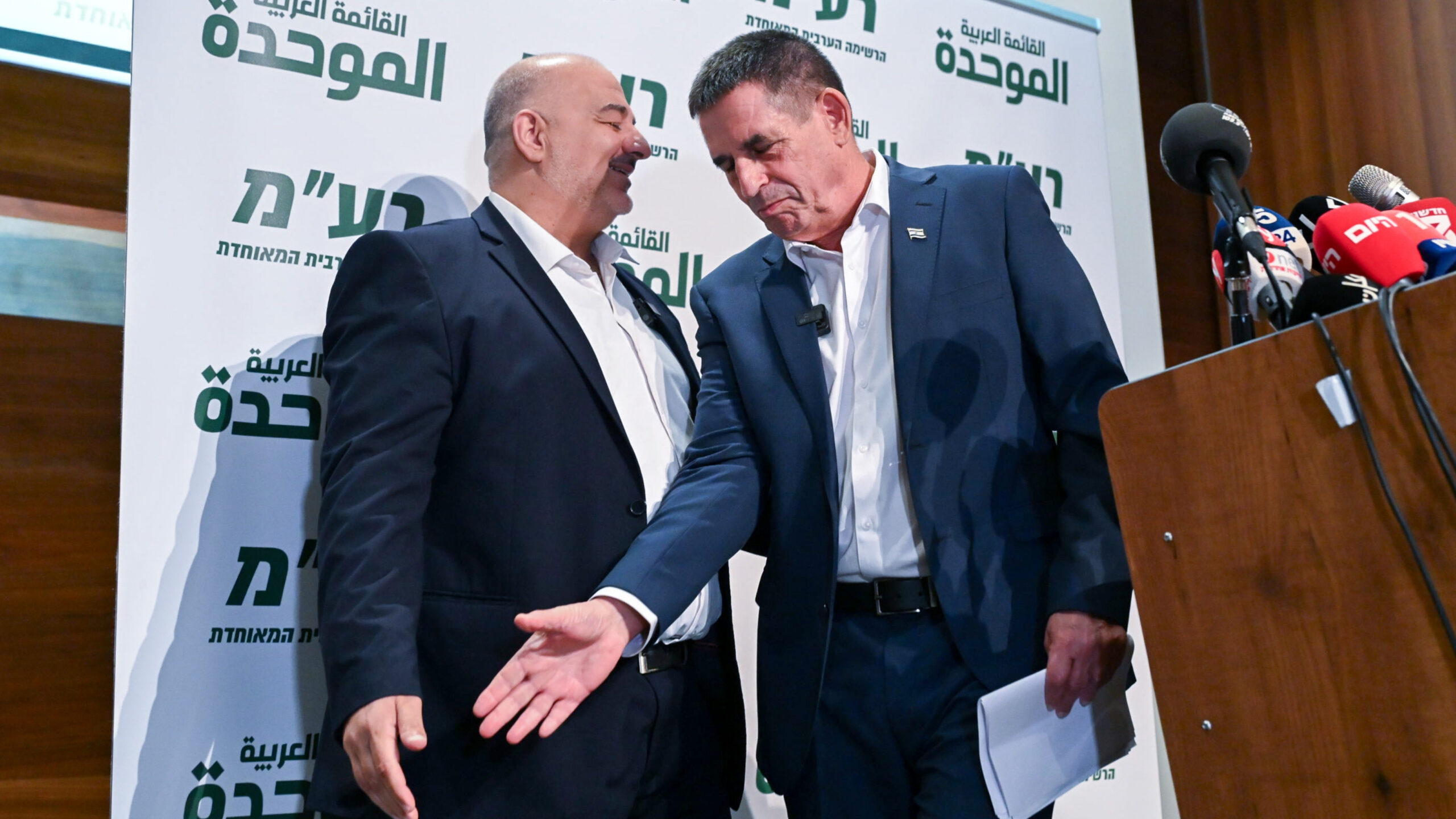
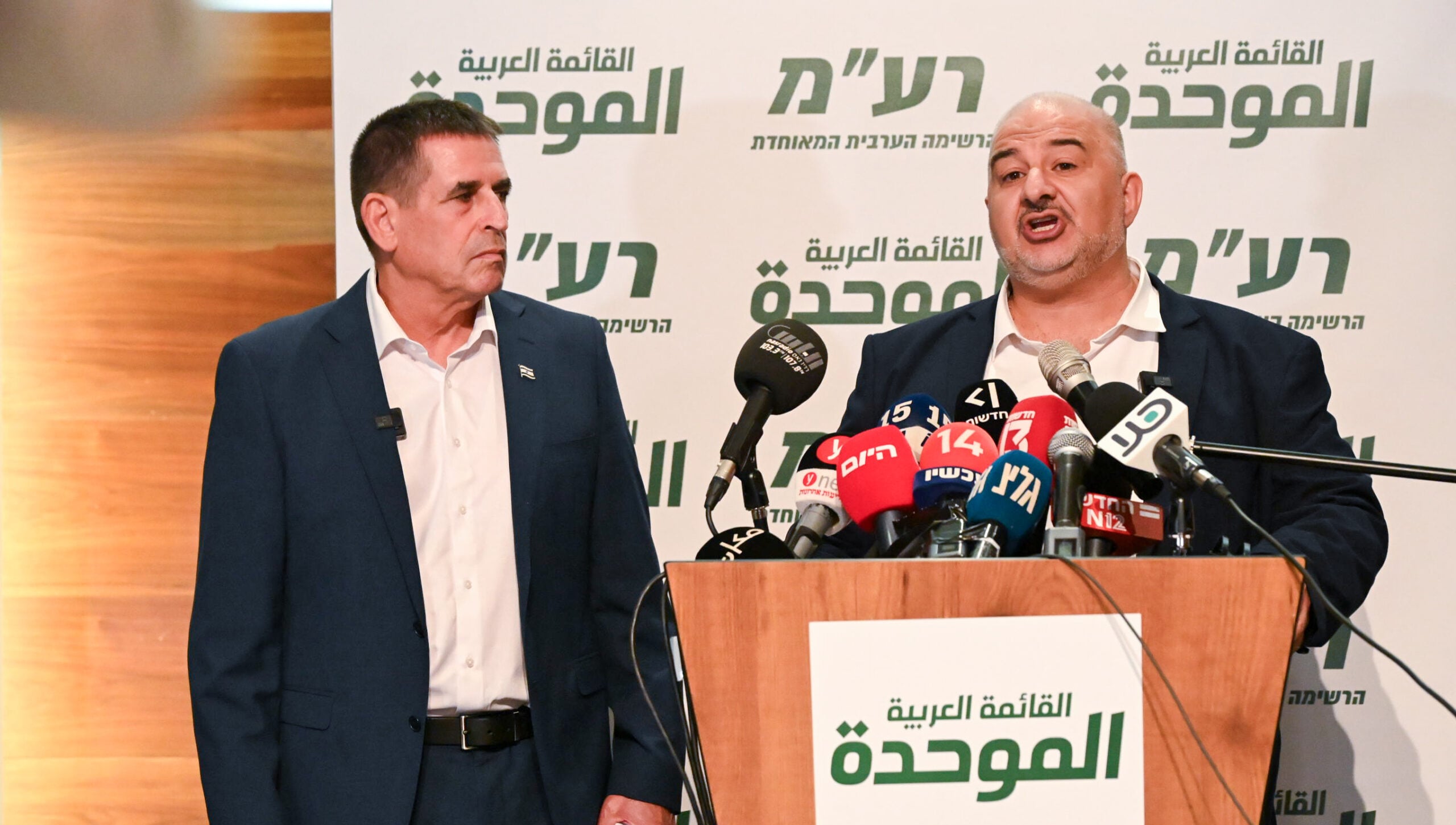
    The Arab parties, archive | Photo: None

    A comprehensive review by C14 of the official public accounts of Ra’am, the Joint List, and their respective senior candidates found that, as of publication, no tribute, memorial message for the victims, or expression of solidarity with bereaved families had been issued.

    Former senior lawmaker Yoav Segalovich, who recently joined Ra’am, also posted no statement or acknowledgment marking the anniversary on his public platforms. This marked silence stands in sharp contrast to Segalovich’s previous public statements, in which he had explicitly and repeatedly condemned the October 7 atrocities and honored the memory of those murdered.

    Photo: Michael Giladi, Flash90

    In contrast to honoring Israeli victims, the Joint List’s sole public messaging centered on condemning the ongoing military campaign in the Gaza Strip. The faction called for an end to what it termed “the genocide in Gaza,” without including any commemorative mention of the October 7 victims or extending comfort to their families. The faction framed its message around an alleged quote from Guy, a resident of Kibbutz Nahal Oz, stating: “I believe our only future lies with a new leadership based on a partnership between Jewish Israelis, Arabs, and Palestinians, because a perpetual war is unsustainable.”

  • MDA Launches Site Documenting Heroism Under Fire on October 7

    MDA Launches Site Documenting Heroism Under Fire on October 7

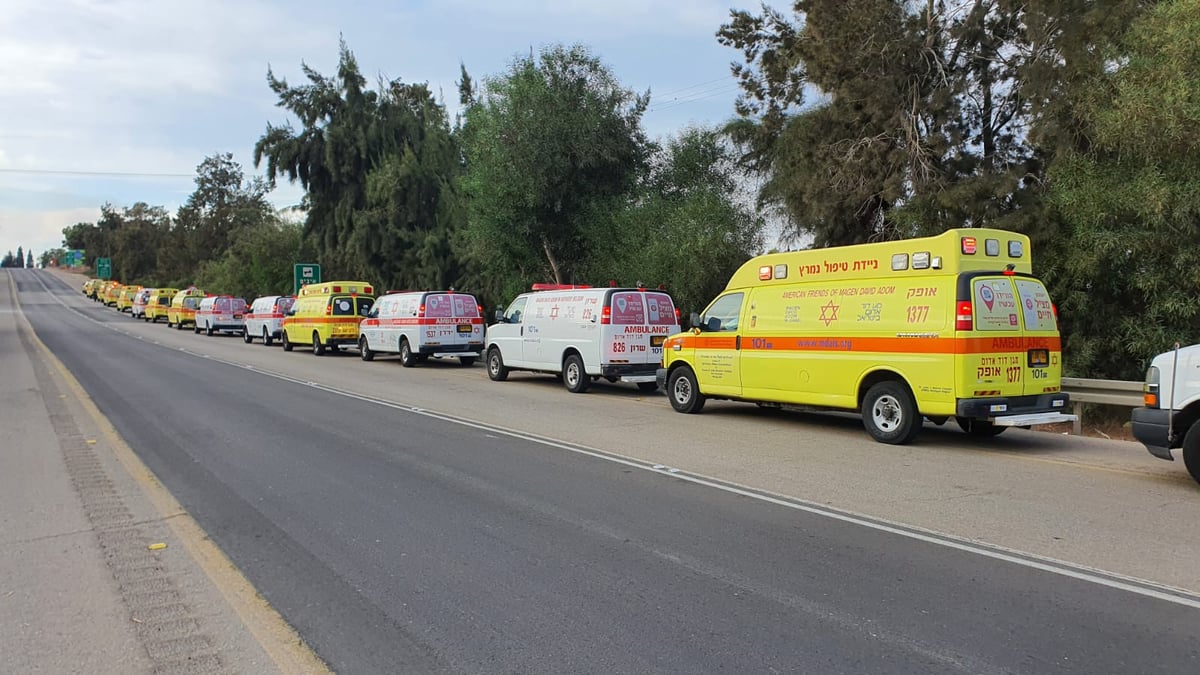
    Wounded civilians were treated on the kitchen counters of the Magen David Adom station in Sderot. In the community of Naveh, synagogue benches were hastily cleared to set up a makeshift clinic. In their living room in Kibbutz Mefalsim, MDA paramedic Oren Benita and his wife, emergency dispatcher and EMT Merav Benita, treated two critically wounded soldiers while their three young children sheltered alone in the safe room.

    Photo: MDA

    These are just a few of the austere locations where Magen David Adom waged an unrelenting battle to save lives on October 7, and among the profound accounts featured on a new specialized website launched by Israel’s national emergency medical service. The platform interweaves personal testimonies, geographical points of care, and critical tactical decisions that shaped the medical response on that fateful morning, alongside commemorative profiles of MDA personnel who were murdered or fell in defense of the country.

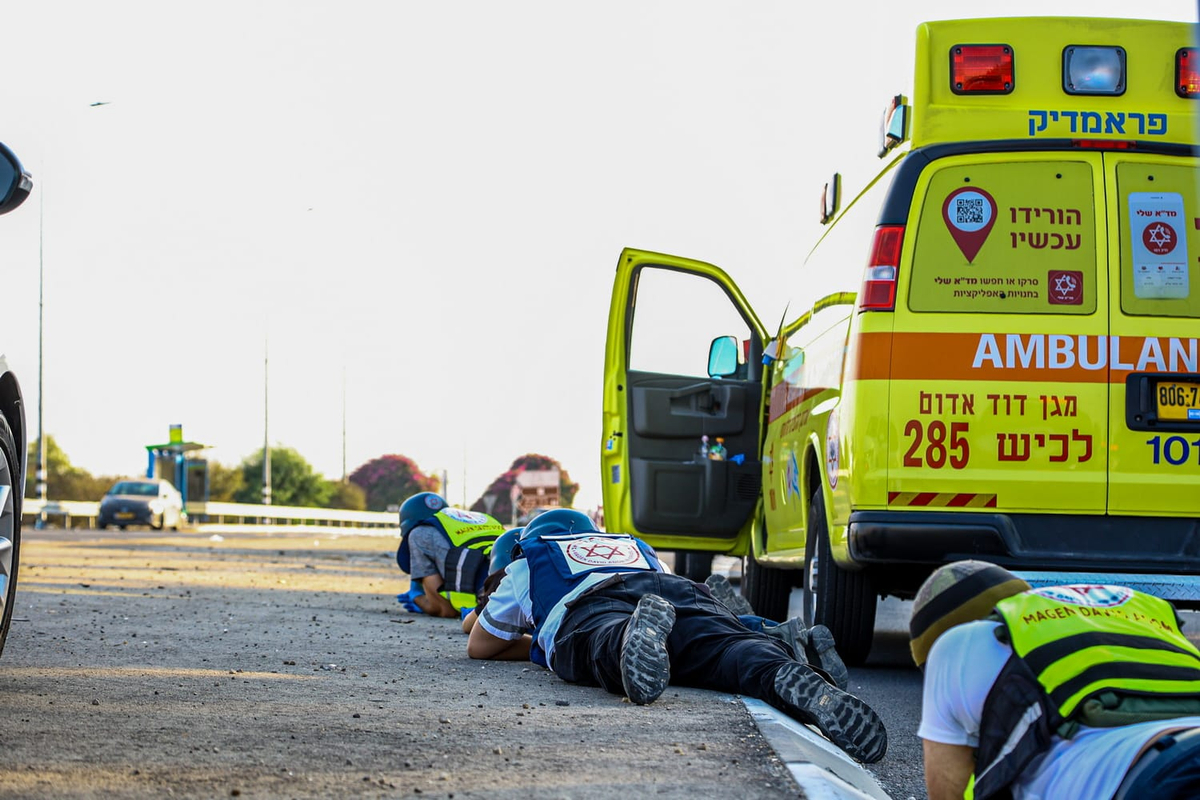
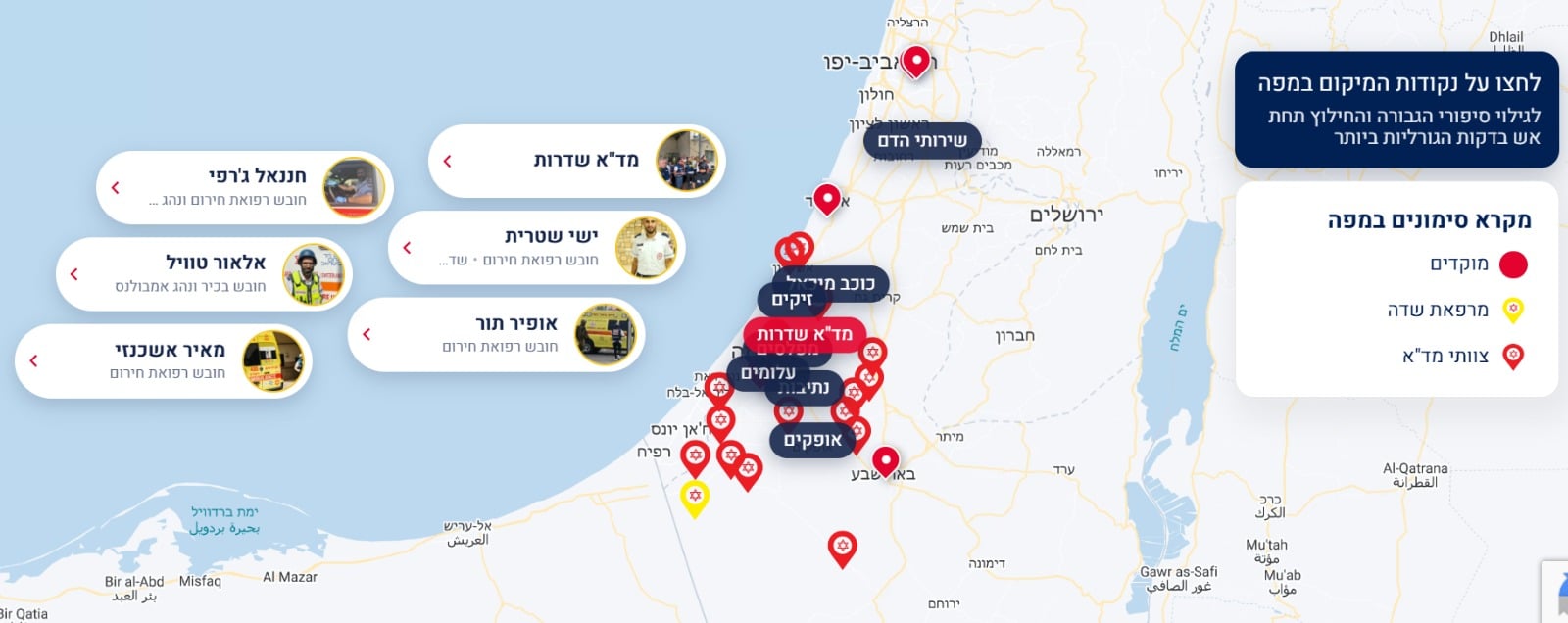
    To mark the third anniversary of the October 7 massacre, MDA is inviting the public to explore a portal chronicling its emergency operations. Utilizing an interactive map, dynamic timelines, documentary video footage, and first-person testimonies, the website connects dispatch operators, local first responders, and emergency reinforcements who rushed in from across the nation. Together, they demonstrate how field medical care was delivered under direct fire inside besieged kibbutzim, at urban stations, along ambushed highway intersections, and on the roads.

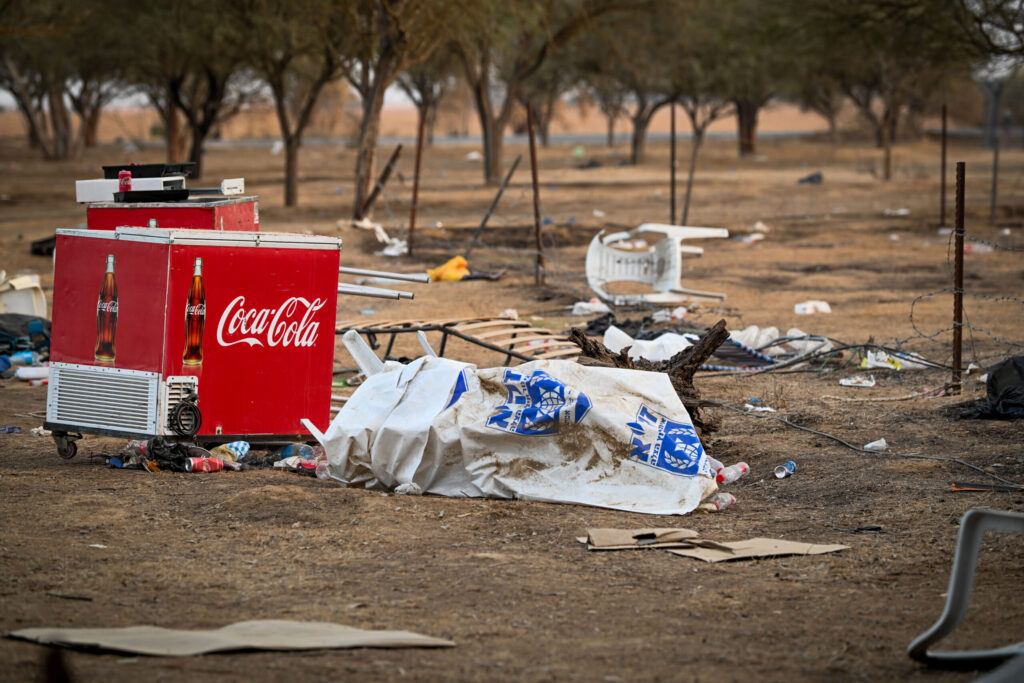
    The area of ​​the Nova party on October 7, 2023 | Photo: Arie Leib Abrams/Flash90

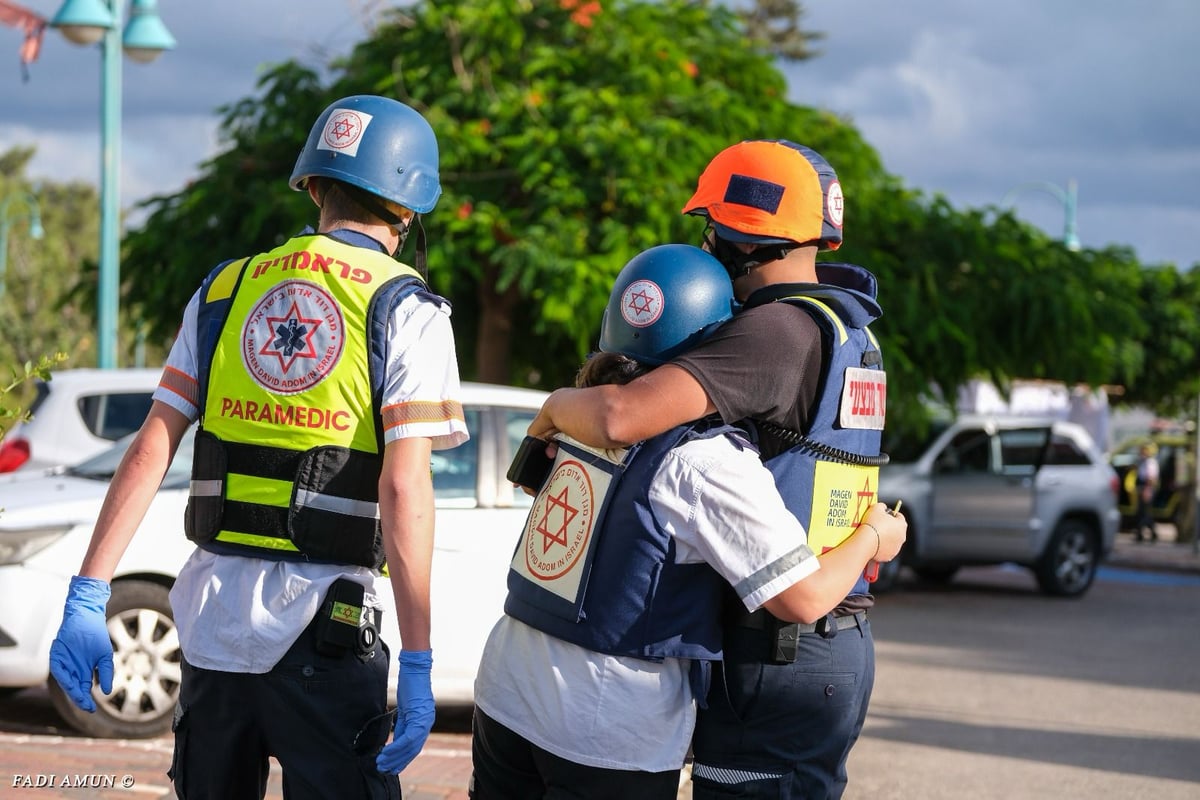
    The accounts offer a rare window into moments of extreme crisis where split-second decisions saved lives. Through these testimonies, visitors can learn about the responders who operated on the ground, the austere locations converted into triage centers, and the profound bonds forged between medical crews, local residents, IDF soldiers, and trauma patients—frequently unfolding while the medics’ own families remained under direct threat.

    Among the featured accounts is that of paramedic Anastasia Stelmakhov, who had just completed a demanding 24-hour shift but immediately remained on duty alongside driver Nashed Nasser. The two deployed south, treated a mortally wounded police officer in Sderot, and evacuated him to an advanced care post in Kochav Michael, where MDA medical staff continued fighting for his life. In Kibbutz Alumim, MDA volunteer Gilad Honwald coordinated the evacuation of ten wounded casualties under heavy fire, personally evacuating several of them. From Rahat, MDA responders Anis Abu Daabes and Amin Alkamlath mobilized rapidly into the combat sector of Ofakim to treat severe casualties.

    Photo: MDA

    Each personal testimony captures a vital fragment of the overall effort, demonstrating how hundreds of individual crews formed a synchronized medical operation: providing immediate life-saving interventions, establishing forward treatment points, transferring patients between crews, and executing evacuations in armored, bulletproof ambulances.

    On October 7, MDA’s 101 emergency dispatch centers logged over 21,700 distress calls. Within hours, more than 1,400 ambulances and mobile intensive care units were staffed and deployed nationwide, with over 300 ambulance teams operating directly across the southern sector. The digital platform provides faces, voices, and context behind those staggering statistics.

    Photo: MDA

    In addition to documenting frontline operations, a substantial portion of the portal is dedicated to permanent memorial pages honoring MDA staff and volunteers who were murdered by terrorists on October 7 or fell during active military reserve duty defending the nation. The commemorative profiles illuminate who they were as individuals, their roles within their families and communities, and their lifelong dedication to saving lives.

    The project preserves MDA’s operational legacy on October 7 as an enduring pillar of public memory and organizational heritage. Available in five languages, it serves as a vital educational and commemorative resource for families, communities, educators, and scholars globally seeking to understand the extraordinary valor displayed by Israel’s emergency responders.

    Click to enter the site or search online for “MDA Teams’ Heroism 7.10”.

  • Trump Speaks With Netanyahu on Oct 7 Anniversary

    Trump Speaks With Netanyahu on Oct 7 Anniversary

    Donald Trump announced that he spoke with Israeli Prime Minister Benjamin Netanyahu to mark the anniversary of the October 7 massacre, extending warm wishes to him and to the people of Israel.

    “I spoke with Netanyahu and sent my best wishes to him and to the people of Israel,” Trump stated. “It was a terrible day and a terrible tragedy. The other side is paying a very heavy price for what they did on October 7, believe me.”