




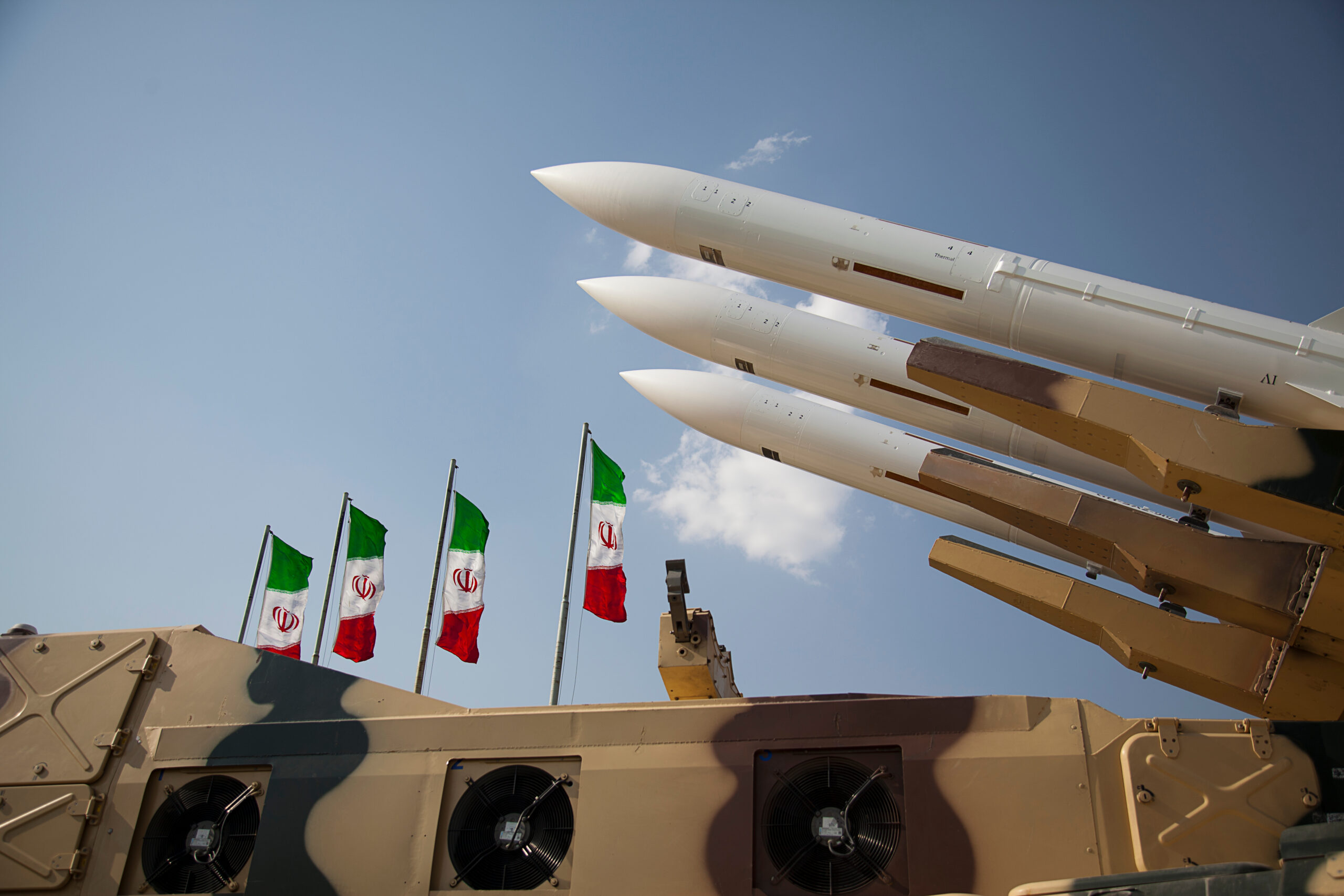
Despite months of Israeli and American airstrikes targeting the Iranian regime’s military infrastructure, Tehran has managed to retain its capacity to manufacture missiles and unmanned aerial vehicles. It remains able to replenish its weapons stockpiles. This assessment comes from a Bloomberg report citing Western officials familiar with the intelligence. For Israel, the takeaway is clear: notwithstanding the substantial damage inflicted upon the Iranian arms complex, the military threat posed by the Islamic Republic has not been neutralized.

 3+
According to the report, Iran preserved manufacturing facilities and critical infrastructure for producing ballistic missiles and drones despite extensive strike campaigns designed to dismantle its military capabilities. Speaking on condition of anonymity because of the intelligence’s sensitivity, Western officials said Tehran retains the technical capacity to manufacture new weaponry and replace inventories expended or damaged during the hostilities. This reflects active production capability rather than merely surviving, pre-existing stockpiles.
One official assessed that Iran continues to possess a substantial inventory of ballistic missiles alongside anti-ship weaponry, and is capable of rapidly scaling up its reserves. This indicates that while damage to Iran’s defense industry was significant, it did not eliminate the regime’s manufacturing capacity. However, the report did not provide updated figures on the exact size of Tehran’s current missile arsenal or its current production rate.
 3+
Alongside domestic production lines, a Western official alleged that Russia is supplying missiles to Iran, potentially aiding the regime in restoring its military posture. This assertion aligns with previous intelligence assessments published in June, which indicated that newly delivered Russian weaponry had arrived in Iranian depots. The Russian Ministry of Defense did not respond to Bloomberg’s request for comment, and Moscow has issued no official confirmation of the missile transfers.
Bloomberg previously reported in June that, according to Western intelligence assessments, Iran had restored large portions of its missile array, with overall ammunition inventories at roughly 75% of their pre-war levels at that time—an estimate that factored in the likely integration of Russian-manufactured systems. That metric, however, reflected June data rather than an updated quantitative assessment of current October inventory levels.
 3+
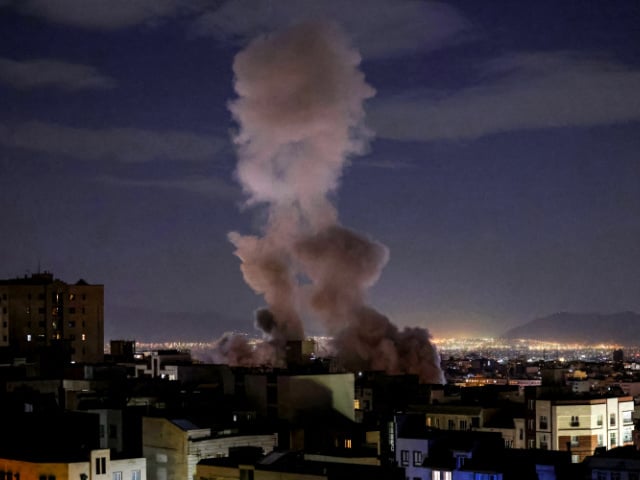
The new assessments stand in stark contrast to public statements by U.S. President Donald Trump and senior administration officials, who have asserted that strikes against Iran decisively dismantled its military apparatus. In a speech delivered on September 30, U.S. Secretary of Defense Pete Hegseth stated that the United States had obliterated Iran’s military production capacity and defense infrastructure. Yet according to the Western sources quoted by Bloomberg, key industrial production lines remain operational or available for swift rehabilitation, leaving the regime capable of presenting a persistent military threat to Israel and U.S. forces in the region.
The White House rejected the assertions. White House spokesperson Anna Kelly told Bloomberg that President Trump dismantled Iranian nuclear facilities under Operation Midnight Hammer and subsequently degraded the conventional weapons apparatus Tehran utilized to shield its nuclear enterprise. She added that under Operation Epic Fury, ballistic missiles, manufacturing facilities, and Iranian naval assets were destroyed.
 3+
The report emerges at a sensitive juncture, following President Trump’s announcement on Thursday that the United States will not resume strikes in Iran before Trump’s September 3 congressional midterm elections, provided the free transit of oil through the Strait of Hormuz continues unhindered. According to Bloomberg, the lull in airstrikes provides Tehran operational space to replenish its weapons stockpiles, potentially enhancing its retaliatory posture should armed conflict reignite.
Concurrently, the Iranian threat extends beyond ballistic capabilities. Bloomberg noted that Tehran continues to apply coercive leverage against commercial maritime transit in the Strait of Hormuz, retaining sufficient anti-ship arsenals to threaten commercial shipping lanes. The regime’s ability to preserve production lines and deploy naval strike assets affords it persistent operational options despite the heavy strikes it sustained during the campaign.