


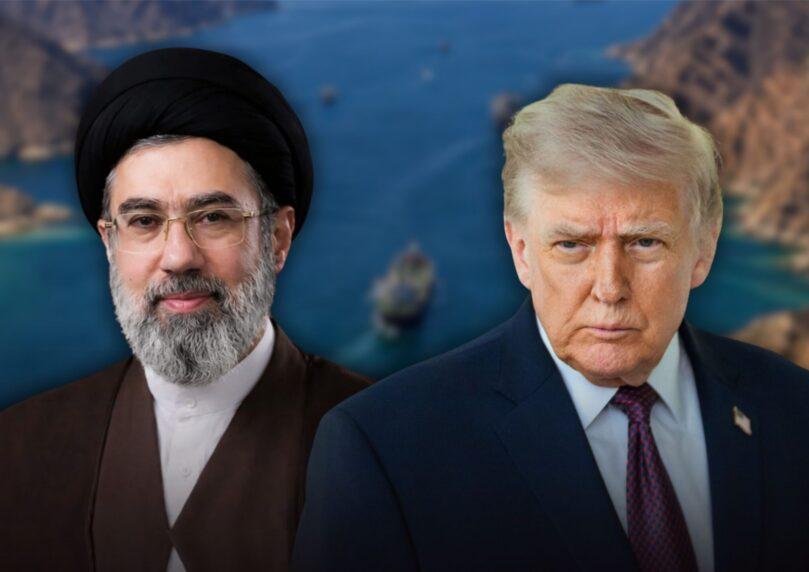

After a weekend of tit-for-tat strikes in the Strait of Hormuz, the United States and Iran have agreed to a temporary de-escalation. Under the understanding, both sides will lower tensions and resume talks. A Trump administration official confirmed overnight Sunday to CNN that the two countries agreed to “lower the temperature at this stage,” and that vessels will be able to move freely through the area again.

 2+
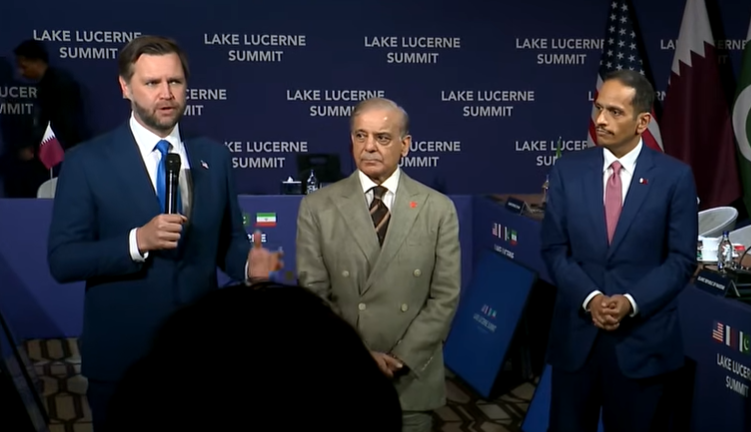
According to the American official, U.S. and Iranian representatives are expected to meet Tuesday in Doha, Qatar, to discuss the maritime crisis and continue talks based on a memorandum of understanding signed by the sides earlier this month. The Wall Street Journal also reported that the parties reached an understanding to halt the escalation and resume negotiations.
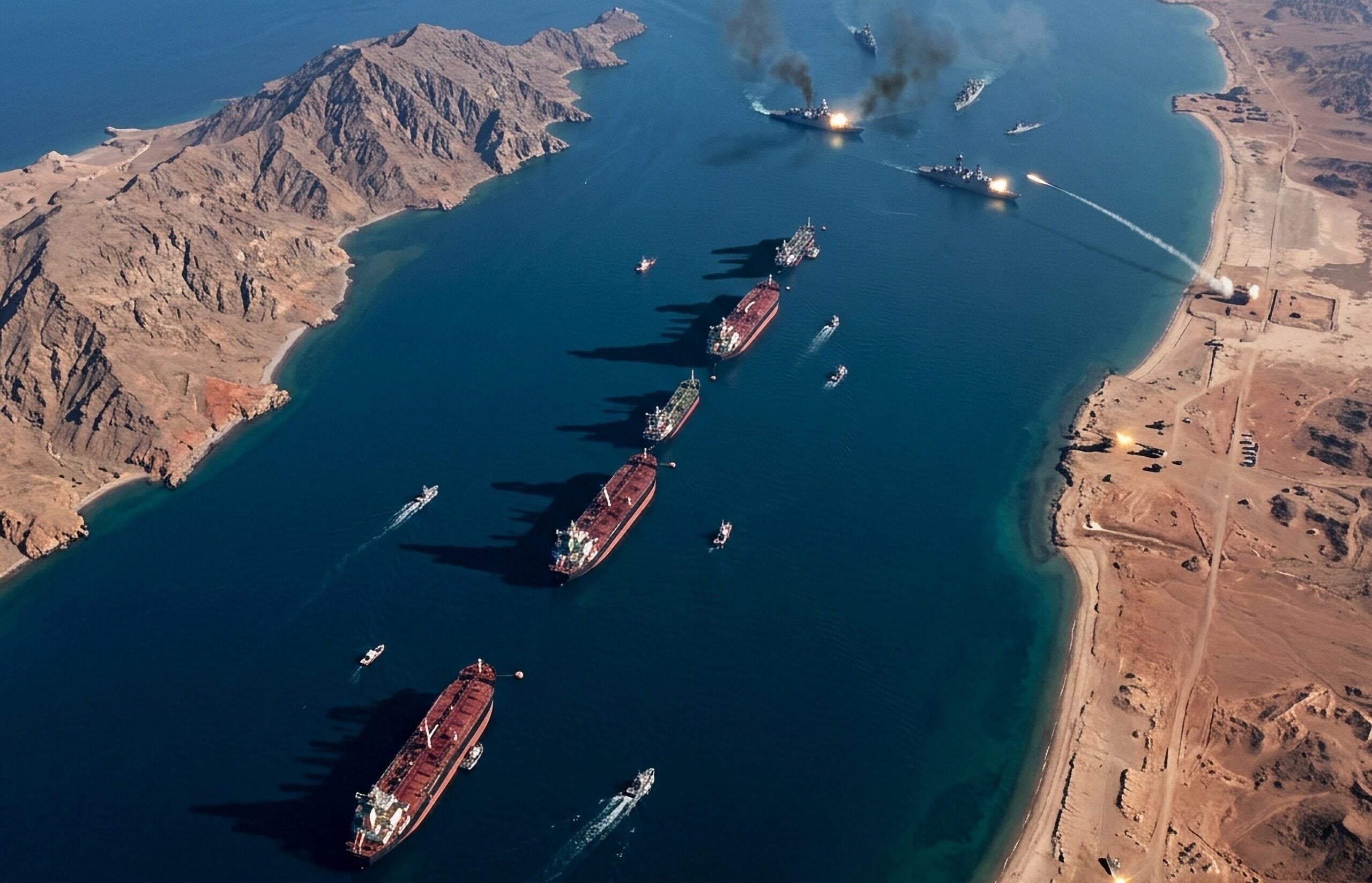
Tensions in the region flared Thursday after Iranian forces attacked a commercial vessel attempting to cross the Strait of Hormuz along a route close to Omani territorial waters. Tehran insisted that ships must pass along the route hugging the Iranian coast, and even warned international shipping companies against using the Omani passage.
 2+
Exchanges of fire between the sides continued over the weekend. According to reports, Iran struck two commercial vessels, while the United States hit Revolutionary Guard targets including drone warehouses, missile facilities, and communications sites. In addition, the U.S. military said it intercepted two drones that threatened shipping lanes. Following these developments, a round of talks planned for Switzerland was postponed after a joint emergency hotline designed to prevent incidents in the strait was not activated.
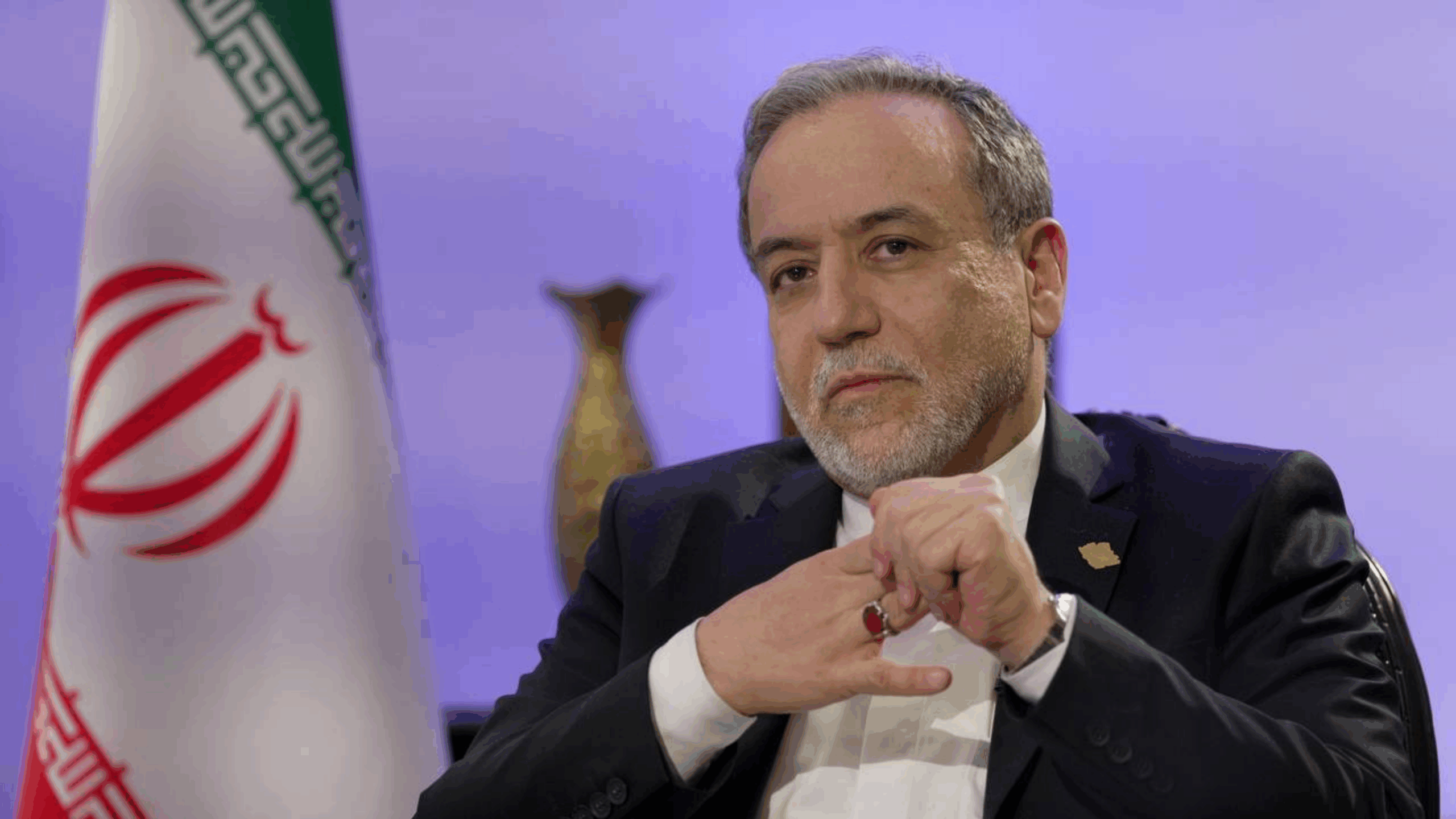
Against the backdrop of the exchanges, Iranian Foreign Minister Abbas Araghchi declared that “the management and full restoration of maritime navigation in the Strait of Hormuz is the exclusive responsibility of Iran, and no other country or entity has any authority in the matter.” The U.S. administration, meanwhile, made clear that the temporary understanding does not grant Iran control over the strait, and that freedom of navigation in international waters must be preserved.
 2+
The de-escalation agreement comes amid tough messages President Donald Trump sent over the weekend. In a social media post, he wrote that “a point may come where we can no longer show tolerance, and we will be forced to finish militarily the work we started with great success. If that happens, the Islamic Republic of Iran will no longer exist.” At the same time, U.S. Ambassador to the UN Mike Waltz said in a Fox News interview that the United States will not tolerate attacks on its bases or trade routes, adding that the Iranians “understood the message very well in recent nights.”