


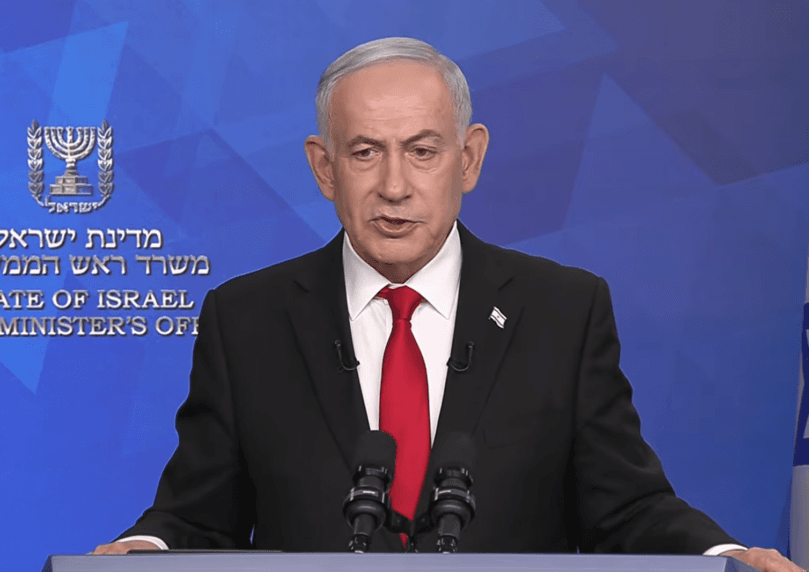

Prime Minister Benjamin Netanyahu called last night for an end to boycotts as a path to internal consensus in Israeli society. The statement is being read as a strategic move to pave the way for a broad national government while projecting a message of reconciliation and centrism.
Analyst Shlomo Filber broke down Netanyahu’s surprising shift, explaining that the prime minister is trying to present a vision of unity instead of the polarization that has defined Israeli politics in recent years—an attempt to reshape the public conversation around his leadership.


Behind the words lies a calculated strategy aimed at a specific target audience, Filber says. In the center of the political map sits a significant bloc of five to seven seats—voters who want Netanyahu as prime minister but are turned off by Likud’s current lineup. Netanyahu sees this potential as the factor that could decide the entire race, and he’s tailoring his message precisely to those voters looking for a familiar leadership figure but repelled by the extremism attributed to his party.
To execute the move, Filber estimates Netanyahu will work to change Likud’s face by protecting spots for more moderate figures who will be “easier to digest” for centrist voters. Netanyahu is willing to risk losing votes from Likud’s right flank to the parties of Smotrich or Ben-Gvir, understanding that those votes stay within the bloc anyway. The ultimate goal is expanding the entire bloc and creating renewed legitimacy that will allow him to form a stable, broad government after the election.