



The American green light for advancing a civilian nuclear program in Saudi Arabia is raising alarm about a nuclear arms race in the Middle East. Despite the gap between civilian energy and bombs, experts warn the move could push other countries in the region to demand their own nuclear capabilities.
A Civilian Reactor Isn’t the Problem
In principle, a civilian nuclear agreement to build a reactor for electricity generation alone shouldn’t trouble Israel. Not only does the United Arab Emirates have such a reactor (the Barakah power plant), but so does Iran, at Bushehr—with international community approval and separate from its military nuclear program. A reactor for electricity generation, when not accompanied by additional complex infrastructure, cannot be used to produce nuclear weapons.

 4+
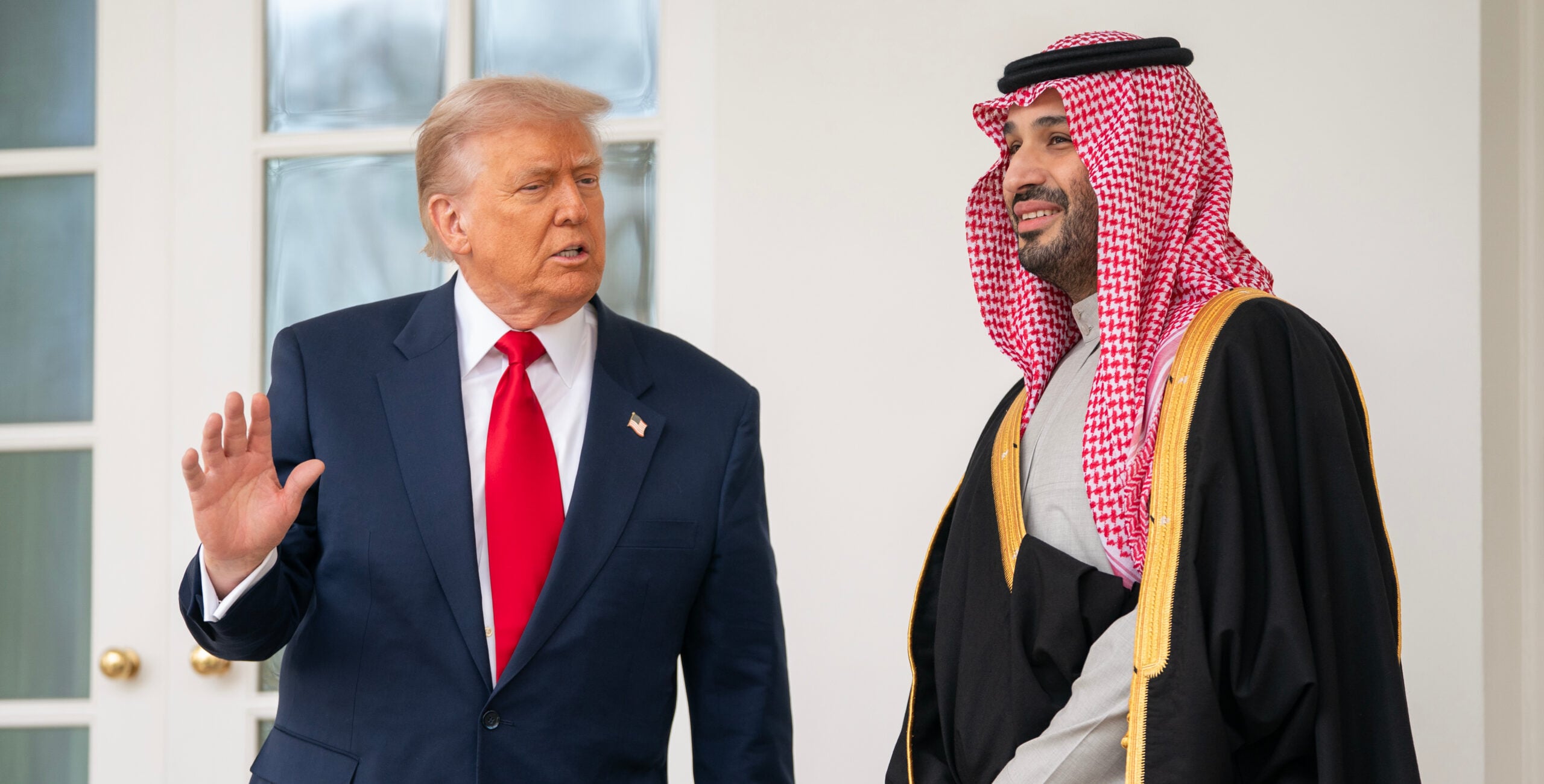
4+But here’s where the problem with the U.S.-Saudi agreement begins: it doesn’t just include building a reactor, but also establishing a uranium enrichment facility. The UAE, Iran (at Bushehr), and most countries that generate electricity from nuclear reactors purchase the nuclear fuel rods that power the reactor from other countries that enrich uranium and manufacture the rods.
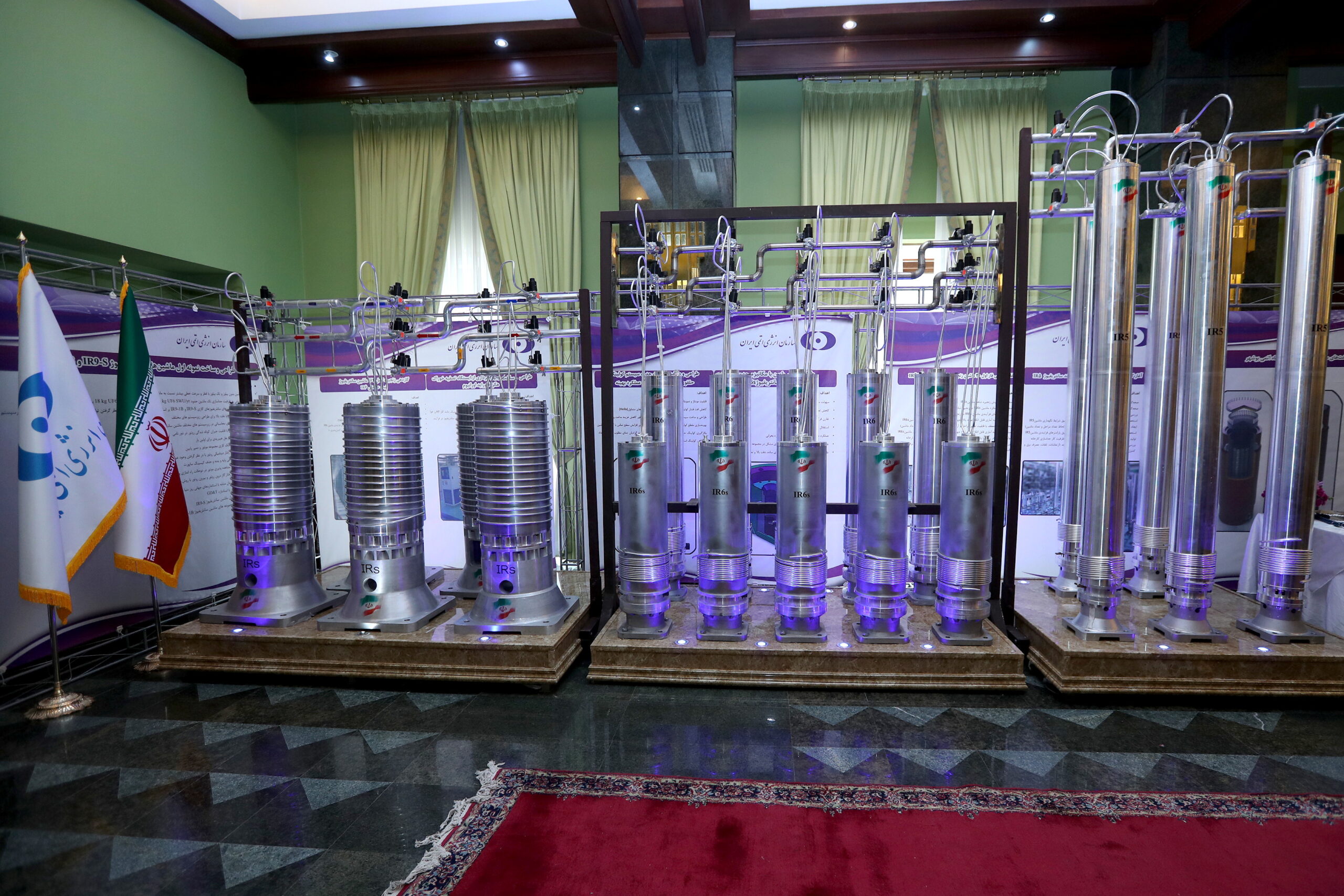
In principle, once you have the capability to enrich uranium to the 5% level used for electricity generation, you also have the capability to enrich it to the 90% level used for nuclear weapons. The only difference is that you need to run the centrifuges longer (and not much longer—uranium enriched to 5% has already gone through about 70% of the processing time required in a centrifuge).
 4+
4+Of course, uranium enriched to 90% still isn’t a nuclear bomb: you need to convert it back into metallic form, create a sphere with symmetry at the nanometer level, develop and manufacture a complex warhead, mount it on a ballistic missile, and more. But enrichment to 90% is undoubtedly one of the most critical steps on the path to nuclear weapons.
The American Model and the Dangerous Alternative
That said, there’s another side to the coin—and you need to look to Russia and China to find it. According to the agreement between Saudi Arabia and the U.S., uranium enrichment will be carried out by American companies using a mechanism called a “black box.” This means the process will take place on Saudi soil, but by Americans and without the technical knowledge being transferred to the Saudis. Theoretically, the “switch” for the centrifuges could even be located in the U.S., allowing them to be shut down remotely whenever the Americans choose.
 4+
4+The alternative, the Trump administration argues, is that Saudi Arabia will turn to Russia or China and receive full, unsupervised enrichment capability. It’s a weighty argument, but if the U.S. had firmly warned the Saudis against doing so, they likely wouldn’t switch sides so quickly.
Another critical issue is whether the enrichment facility will be located above or below ground. The Saudis may request that it be built underground under the pretext of protection from Iranian attacks. At the moment, they have a credible argument, but from Israel’s perspective this is a serious problem—an above-ground facility can be attacked and destroyed relatively easily; an underground facility is a different matter altogether.
 4+
4+The Israeli Concern—Armament Domino
So much for the technical concerns—the policy concerns raised by this agreement are arguably even greater. Saudi Arabia, apparently, won’t rush to launch a nuclear missile at Israel, but once it acquires a military nuclear capability, other countries in the region will demand the same: Egypt, Turkey, Qatar, the Emirates—all could set off a regional nuclear arms race.
In addition, the current Saudi regime is relatively level-headed, and indeed, the likelihood that it would attack Israel with nuclear weapons is close to zero. But what happens if there’s a coup in the kingdom? Beneath the surface, significant Islamist currents are stirring in Saudi Arabia. It’s worth remembering that the bin Laden family, and 15 of the 19 hijackers in the September 11 attacks, were Saudi, and that Deir ez-Zor, where the Syrian reactor built by the Assad regime and destroyed by Israel was located, was captured a few years later by ISIS.
 4+
4+Finally, by granting Saudi Arabia a civilian nuclear capability, the U.S. is giving up one of the main incentives that was supposed to push Crown Prince Mohammed bin Salman toward normalization with Israel. For now, the decision on uranium enrichment on Saudi soil depends on the conclusions of a joint Saudi-American committee, which is expected to publish its findings in about two years.
Israel could, in theory, try to use this leverage: normalization in exchange for enrichment is better than enrichment for nothing—but it would still be a bad deal, albeit the lesser of two evils.