


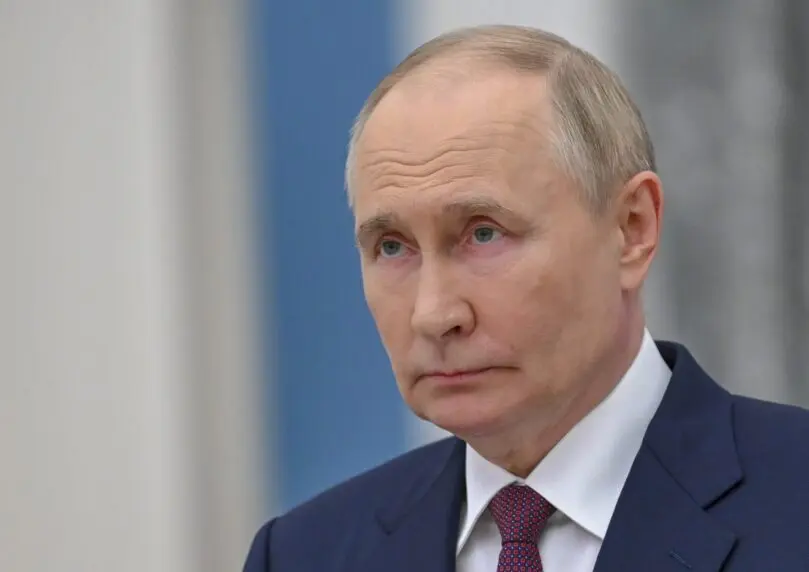

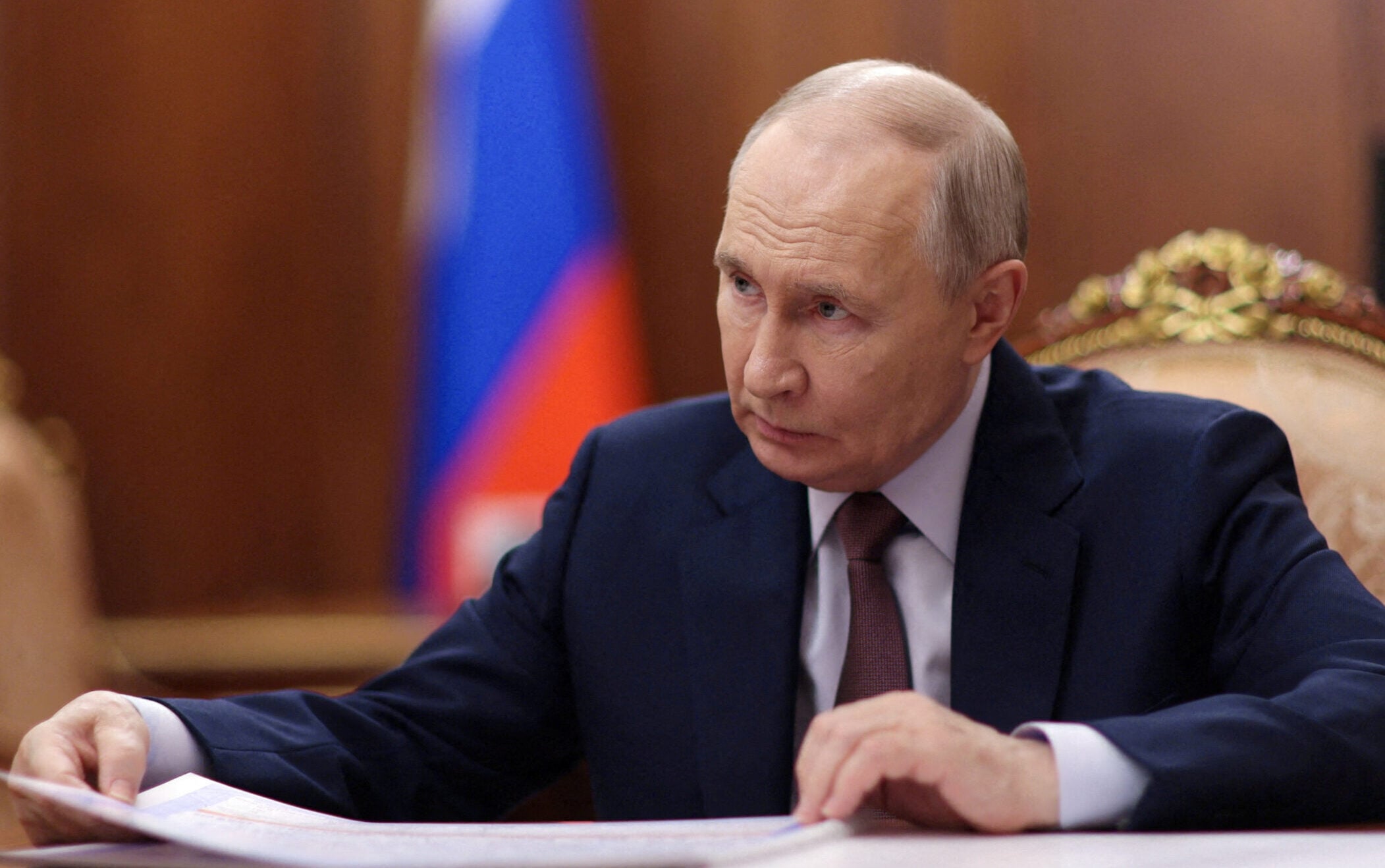
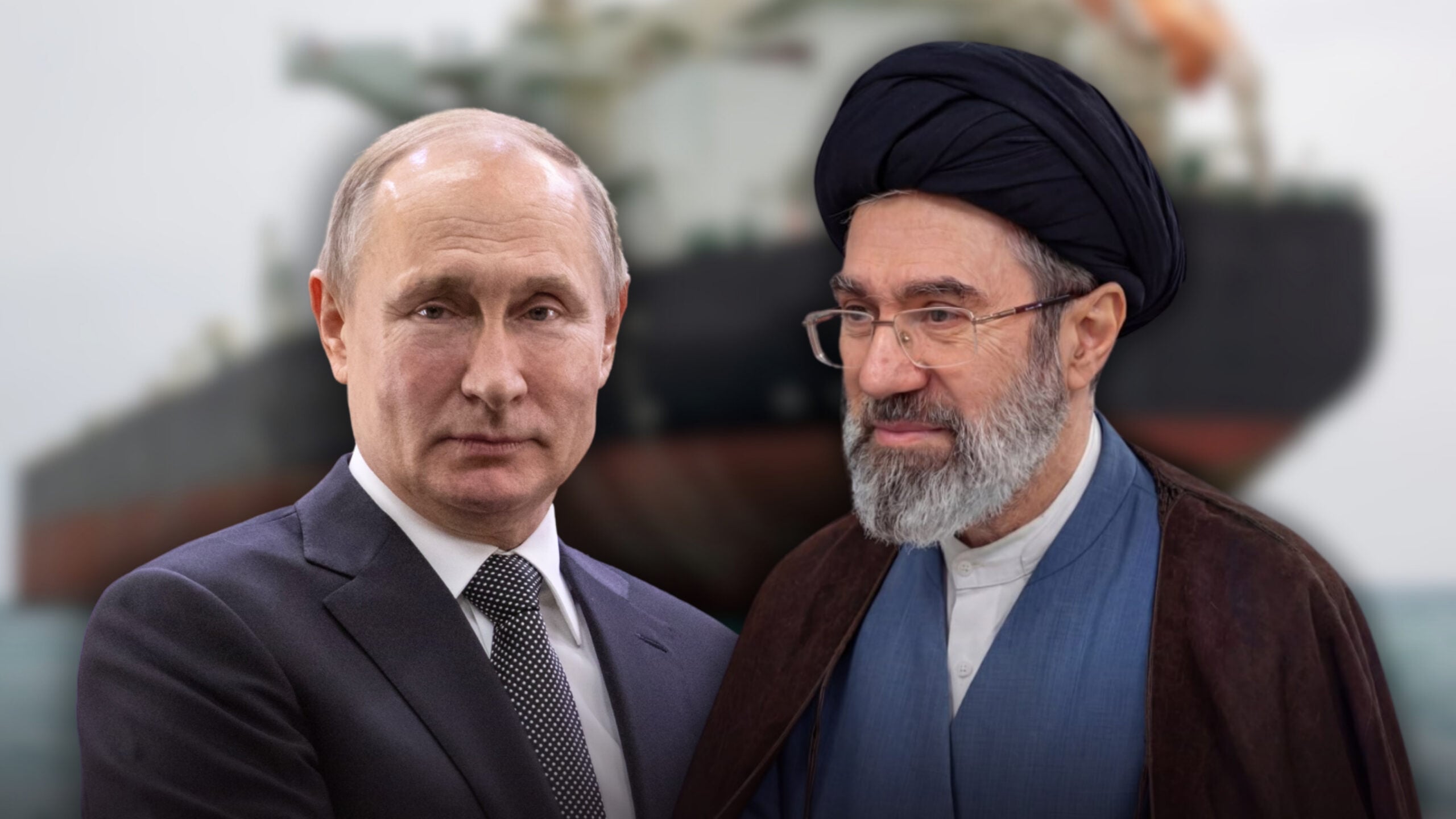
Russian President Vladimir Putin spoke two days ago with Mohsen Rezaei, secretary of Iran’s Supreme National Security Council, about regional developments and continued strategic cooperation between the two countries. According to Iranian media, no new military commitments were announced, but the conversation itself stands out: Putin typically speaks with presidents, not security officials.
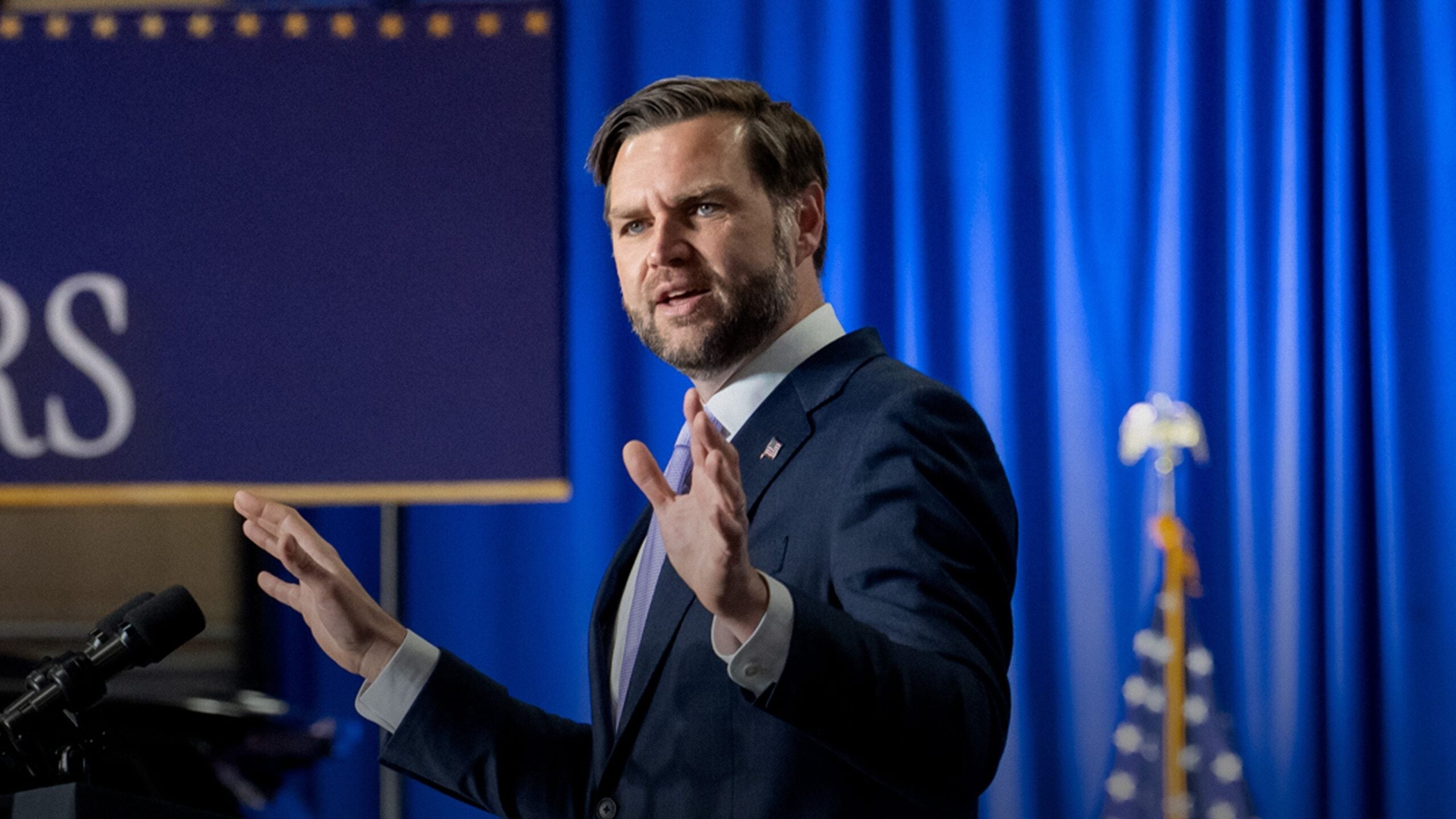
The call came days after the Wall Street Journal reported that U.S. Vice President J.D. Vance reached out to Rezaei in an attempt to restart negotiations. Those contacts may explain why Putin wanted to speak with him directly. According to Alex Vatanka, a senior fellow at the Middle East Institute, the conversation could also signal Rezaei’s rising status in Iran’s leadership, partly due to his rivalry with parliament speaker Mohammad Bagher Ghalibaf over who will manage contacts with Washington.
The meeting and call come amid deepening security ties between Moscow and Tehran during the war. Iran supplied Russia with drones and the technology to manufacture them for the war in Ukraine, while Russia, according to reports, provided Iran with intelligence and military assistance in its conflict with the United States. Now, as the regime in Tehran grapples with the war’s aftermath and the need to rebuild its military capabilities, the relationship with Moscow becomes even more critical.
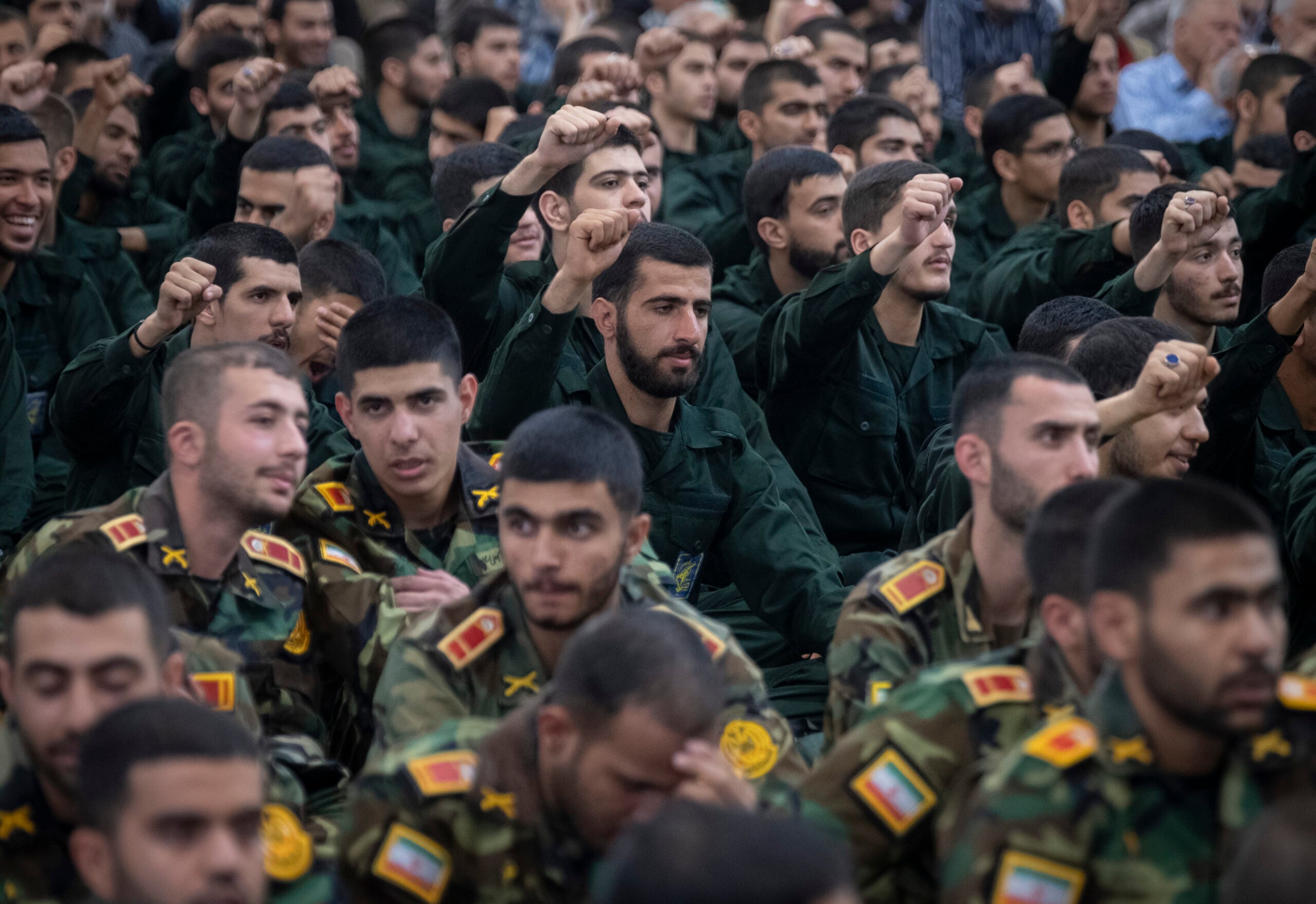
But alongside the growing closeness with Russia, it turns out China is also closely monitoring the Iranian regime’s stability. Two days before the Putin-Rezaei call, on November 1, political commentator Rouhollah Amin Saeedi said on Iranian state television that during the January protests, Chinese officials assessed that the Islamic Republic was close to collapse, and diplomats at China’s embassy in Tehran prepared for that possibility. According to him, neither Russia nor China wants Iran to possess nuclear weapons.
China is the main buyer of oil that Iran sells abroad, and in 2021 the two signed a 25-year cooperation agreement. Russia, meanwhile, maintains close security and military ties with Tehran. But despite shared interests, it’s unclear how far Moscow and Beijing would be willing to go to help the regime in an existential crisis.
Russia Prefers the Regime’s Survival—But Not at Any Price
According to Vatanka, Moscow will continue to help Iran as long as it doesn’t risk direct confrontation with the United States. However, he points to a possible shift in Russian calculations regarding Iran’s nuclear program: if the choice is between a nuclear Iran and the collapse of the Islamic Republic with a pro-Western regime replacing it, Moscow might prefer the former.
Ilan Berman, senior vice president of the American Foreign Policy Council, offered another explanation for Russia’s interest: from the Kremlin’s perspective, the ongoing conflict between Iran and the United States serves Moscow by drawing American resources and attention away from Ukraine. Therefore, Russia could benefit from maintaining the status quo even without Iran becoming a nuclear state.
In an analysis published Monday by the Chatham House research institute, Aniseh Bassiri Tabrizi argued that the war has changed how Tehran views Moscow. While some in Iran previously saw Russia as an unreliable partner, it’s now viewed as vital to Iran’s military survival, reconstruction, and future deterrence capability. According to reports, Russia is providing Iran with satellite imagery, intelligence used for strikes, and military components, and its expertise could help rebuild air defense systems and missile sites.
Still, Russian support doesn’t come without a price. In an analysis published Sunday on the Lawfare site, Carol Saivetz of the Massachusetts Institute of Technology and Kimberly Marten of Barnard College argued that Moscow benefits from rising oil prices and the diversion of American air defense systems from Ukraine, but supporting Tehran risks its relations with Saudi Arabia and other Gulf states. They emphasized that the partnership between the two countries is based primarily on wartime interests, not long-term trust or binding commitments.
Saivetz and Marten identified several scenarios that could lead Putin to reduce support for Iran: an agreement allowing the reopening of the Strait of Hormuz, Iran’s military or economic collapse, or a ceasefire in Ukraine on terms acceptable to Russia. On the other hand, Bassiri Tabrizi estimated that military cooperation between the countries could become a permanent part of Iran’s security apparatus.
On Monday, Russian Foreign Ministry spokeswoman Maria Zakharova called for intensified diplomatic efforts to end the conflict. Ultimately, while Iran grows increasingly dependent on Russia for its security needs, Moscow reserves the freedom to determine the scope of assistance according to its own interests. In China too, as evidenced by what was broadcast on Iranian television, the regime’s survival is not necessarily seen as a guaranteed outcome.