


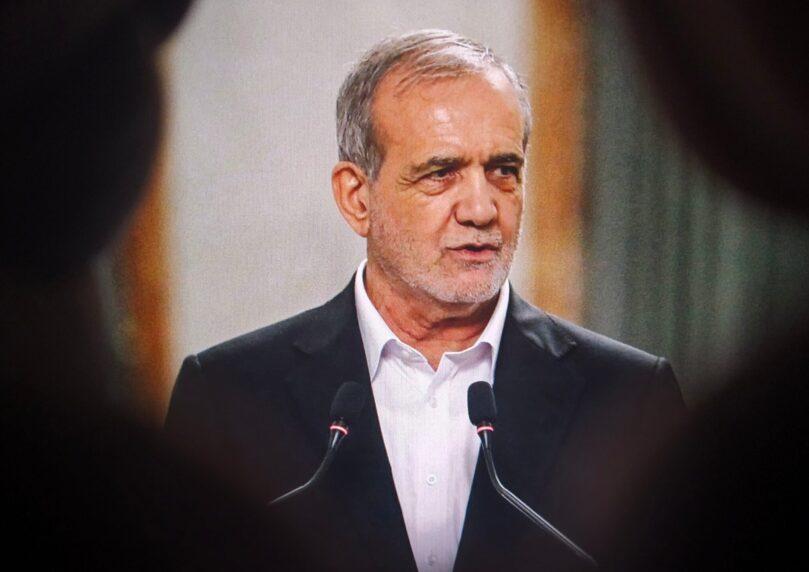

Sources close to Iranian President Masoud Pezeshkian describe deep frustration with the Revolutionary Guards’ conduct and the gap between Tehran’s military threats and its actual capabilities. According to these sources, the president believes Iran can inflict heavy damage on regional states but cannot win a broader war. At the same time, he’s frustrated by the Guards’ control over the country, their disregard for citizens’ hardships, and his inability to influence decision-making.

 3+
Tensions Within Iran’s Leadership
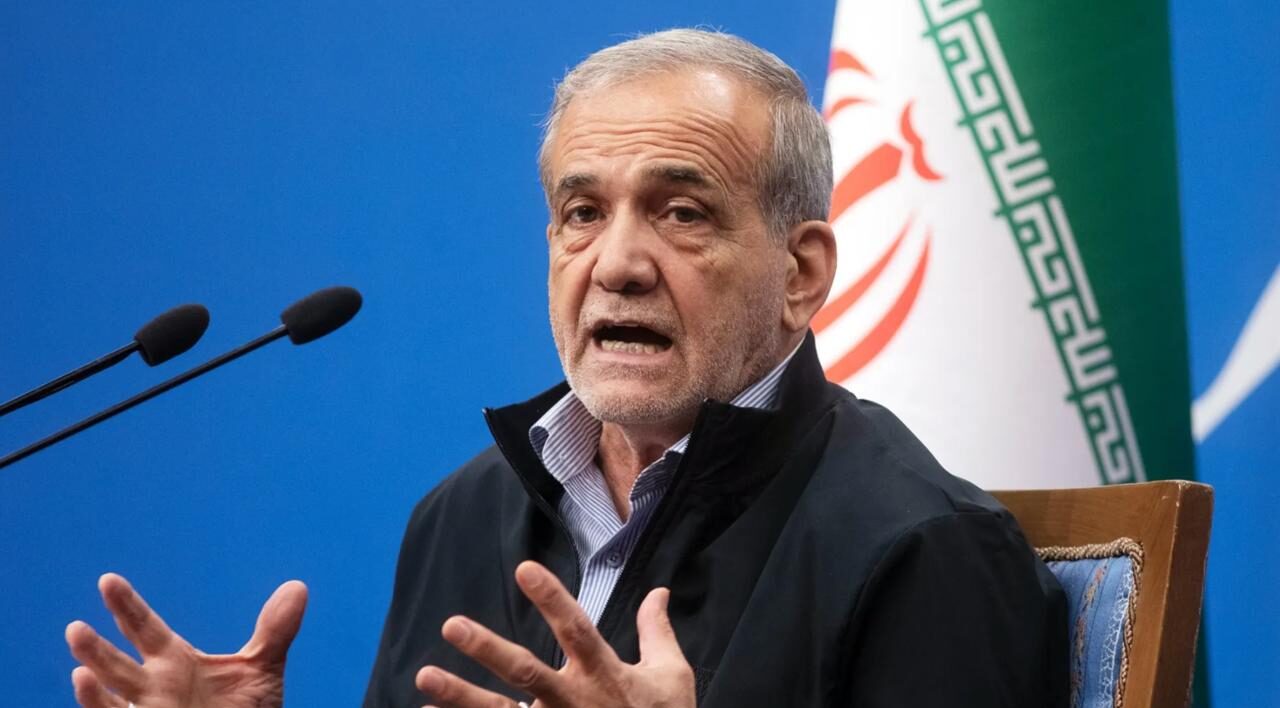
Sources close to President Pezeshkian describe sharp criticism from him regarding the Revolutionary Guards’ conduct. According to them, the Guards continue issuing military threats against the United States and regional countries despite the Islamic Republic’s dire situation. According to these sources, Pezeshkian is acutely aware of Iran’s remaining military capabilities. He understands that even with relatively small and outdated weapons, Iran can still cause significant damage to regional states. For example, a small missile hitting an oil facility in Saudi Arabia, Kuwait, or the United Arab Emirates could cause heavy damage and far-reaching economic consequences.
But in the Iranian president’s view, there’s a significant difference between the ability to damage an enemy and the ability to win a war. According to the sources, Pezeshkian believes Iran currently lacks the military and economic resources needed to wage a broad war and achieve victory, and certainly cannot afford to absorb additional heavy losses.
 3+
Criticism of the Revolutionary Guards: Threats Instead of Winning Capability
Those in the president’s circle describe growing frustration with the strategy led by the Revolutionary Guards. According to the sources, Pezeshkian believes the organization’s senior officials operate without clear boundaries, relying on military threats and Iran’s ability to strike strategic infrastructure in neighboring countries.
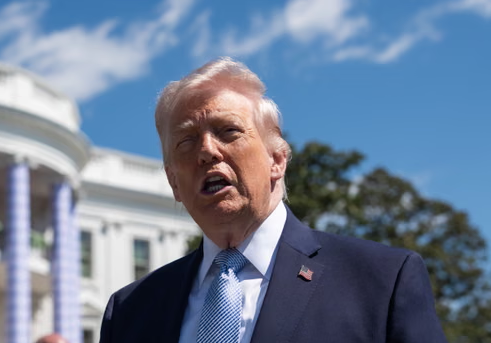
According to the sources, Pezeshkian’s assessment is that the Revolutionary Guards build their strategy on the assumption that threatening to strike energy facilities and regional states will deter U.S. President Donald Trump and cause him to avoid another American attack on Iran. But the Iranian president, the sources describe, isn’t convinced this strategy can succeed. From his perspective, even if Iran manages to inflict heavy damage on its enemies, that doesn’t guarantee victory.
 3+
“They’re Rich, and the Iranian People Suffer”
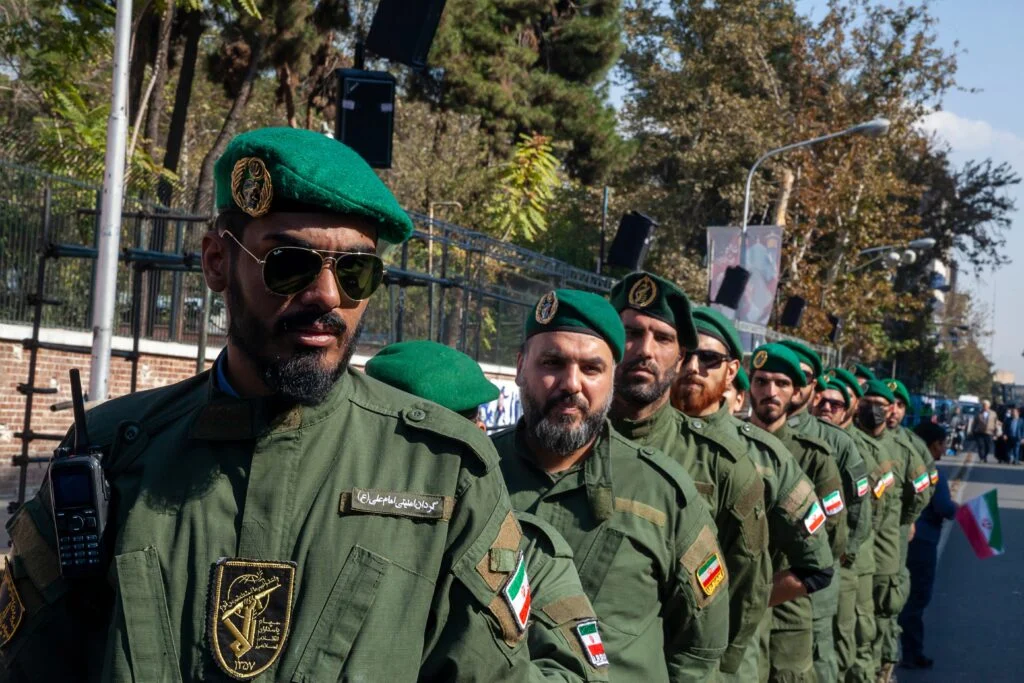
The criticism attributed to Pezeshkian isn’t limited to the military sphere. According to sources close to him, the president is also frustrated by the Revolutionary Guards’ extensive control over the government system and their influence on decision-making in the country. Those around him describe a reality where senior Revolutionary Guards officials enjoy great wealth and economic and political power, while Iranian citizens face severe economic hardship. According to the sources, Pezeshkian believes the organization’s senior officials show no real interest in the public’s daily struggles. From his perspective, his role as president is to voice Iranian citizens’ concerns and work to improve their situation. But in practice, he struggles to influence the significant decisions made in the country due to the Revolutionary Guards’ power. According to these sources, even when the president seeks to advance policy changes, he encounters a system where the main power centers aren’t in his hands.
 3+
The Desire to Resign and the Feeling of Powerlessness
Pezeshkian’s frustration extends, according to sources, to the question of continuing his tenure as Iran’s president. Sources in his circle describe a desire on his part to leave the position, but alongside that a feeling that he has no practical option to resign. According to them, Pezeshkian feels he bears public responsibility for Iran’s situation, even though in practice he lacks the power needed to change the main decisions made in the country. This creates a situation where the president must deal with public criticism over economic and security crises, while his influence on military policy and the country’s power centers remains limited.
The Gap Between the President and the Revolutionary Guards
The information provided by sources close to Pezeshkian points to a deep rift within Iran’s leadership—between the president who recognizes the country’s military and economic limitations, and the Revolutionary Guards who continue presenting its offensive capabilities as a central means of deterring the United States and regional states. From Pezeshkian’s perspective, according to the sources, Iran can still strike its enemies, but it cannot afford another war that would lead to heavy losses and deepening economic crisis.
Meanwhile, the Iranian president remains in his position, with sources in his circle saying he feels responsibility for citizens’ fate but struggles to change reality. The Revolutionary Guards continue holding great power in the government system, and the gap between the responsibility placed on the president and his ability to influence decisions keeps sharpening.