Category: Israel

  • Israel to Cut Fuel Prices Early Next Week

    Israel to Cut Fuel Prices Early Next Week

    Gasoline prices across Israel are expected to drop significantly early next week after the Ministry of Finance published a draft order for public comment to slash the gasoline excise tax by 50 agorot per liter. After the public comment window closes this Sunday, Finance Minister Bezalel Smotrich is expected to sign the decree into law, subject to a review of public feedback. Once signed, the reduction will take immediate effect, updating pump prices nationwide at midnight between Sunday and Monday.

    On September 1, self-service gasoline climbed to NIS 8.25 per liter including VAT—a jump of 16 agorot from the previous month. The spike marked the highest fuel price recorded in Israel since 2012, hitting drivers directly in the pocketbook. Now, within days, a decisive reduction is poised to push pump prices back below the psychological threshold of NIS 8 per liter. The initiative championed by Smotrich reduces the excise tax on fuel by 50 agorot per liter. The draft order has already been issued for public review, and after the consultation period closes on Sunday, the Finance Minister is slated to evaluate submissions and sign the order. Upon signing, fuel stations will immediately update their digital displays at midnight.

    If the reduction is fully implemented, gasoline prices will drop from NIS 8.25 to about NIS 7.75 per liter. For regular commuters and commercial drivers, the savings will amount to tens of shekels monthly, depending on overall mileage and refueling volume.

    However, the impending price reduction comes amid acute volatility across international energy markets. Recent military developments in the region and American strikes against Iranian oil assets have heightened uncertainty surrounding global crude benchmarks, meaning any sharp upward swing in oil prices could subsequently filter back into Israeli domestic retail prices. For motorists, the expected decrease offers immediate near-term relief, but does not guarantee sustained price stability over the long haul.

    Fuel prices in Israel are recalculated each month based on benchmark prices in European markets, foreign exchange fluctuations with the U.S. dollar, and government tax structures—meaning macroeconomic swings in global energy can rapidly alter retail prices. Ahead of the September pricing update, projections initially indicated that gasoline would decline below NIS 8 per liter, supported by a dip in crude oil. In practice, the opposite occurred: prices rose by 16 agorot to reach NIS 8.25 due to shifts in international reference markets, dollar valuation, and tax adjustments. Now, following that steep surge, the Ministry of Finance is intervening directly to reverse the trend by slashing the excise tax. If the order is finalized and signed as scheduled, motorists will see the relief at the pumps early next week, with prices falling back to roughly NIS 7.75 per liter.
  • 20 New Families Move to Hermesh in Northern Samaria

    20 New Families Move to Hermesh in Northern Samaria

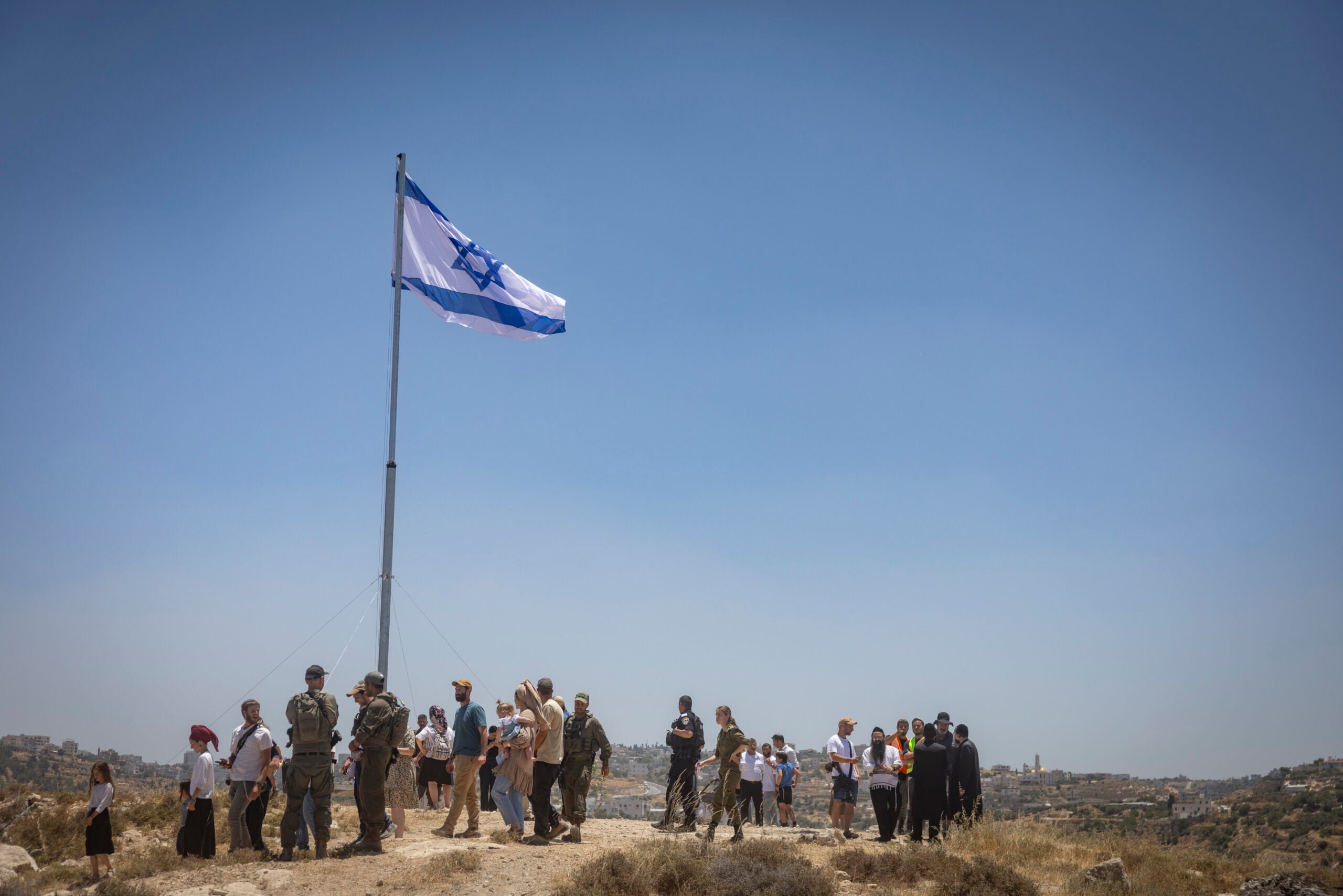
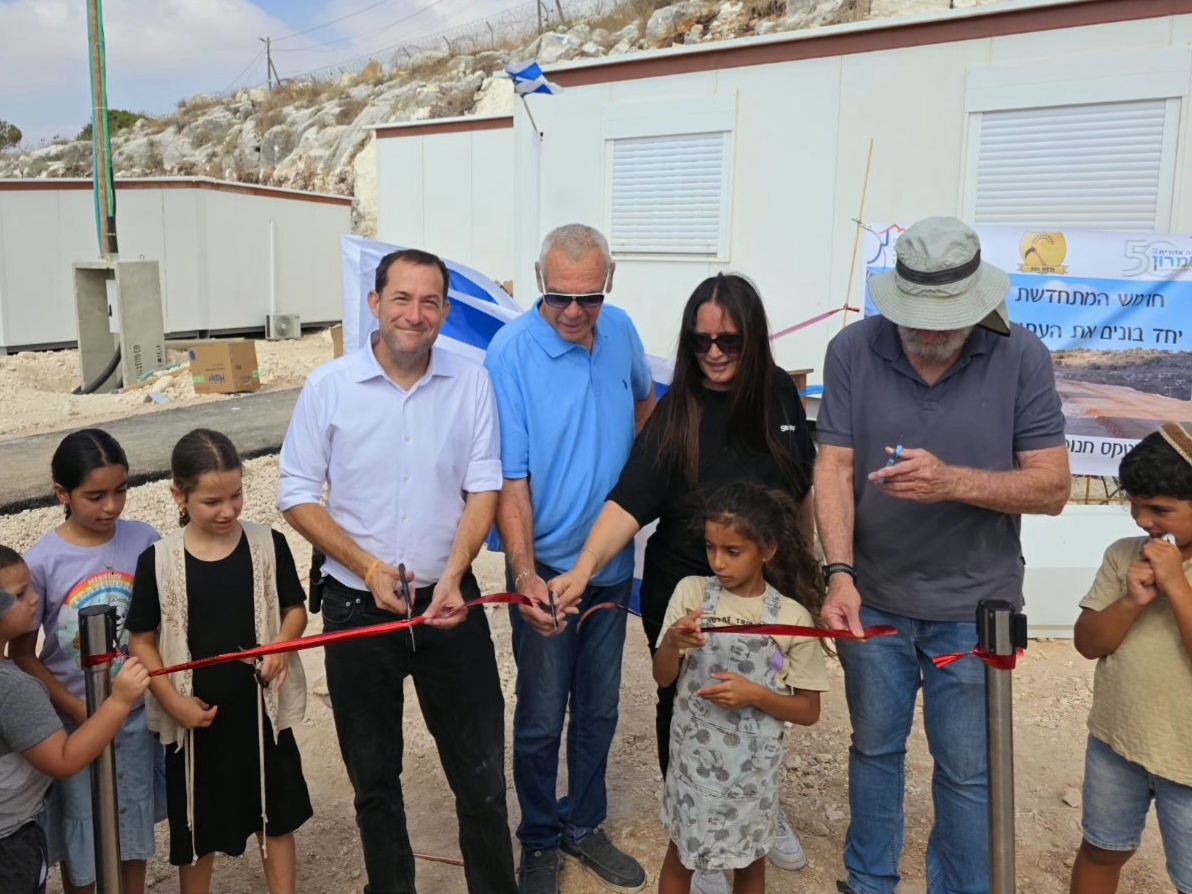
    Twenty new families, including dozens of children, have moved into the community of Hermesh in northern Samaria as part of a broad expansion initiative and the establishment of a new neighborhood. In tandem with welcoming the families, a new kindergarten and a dedicated daycare center were inaugurated in Hermesh to accommodate the surge of young children.

    Photo: Roi Hadi

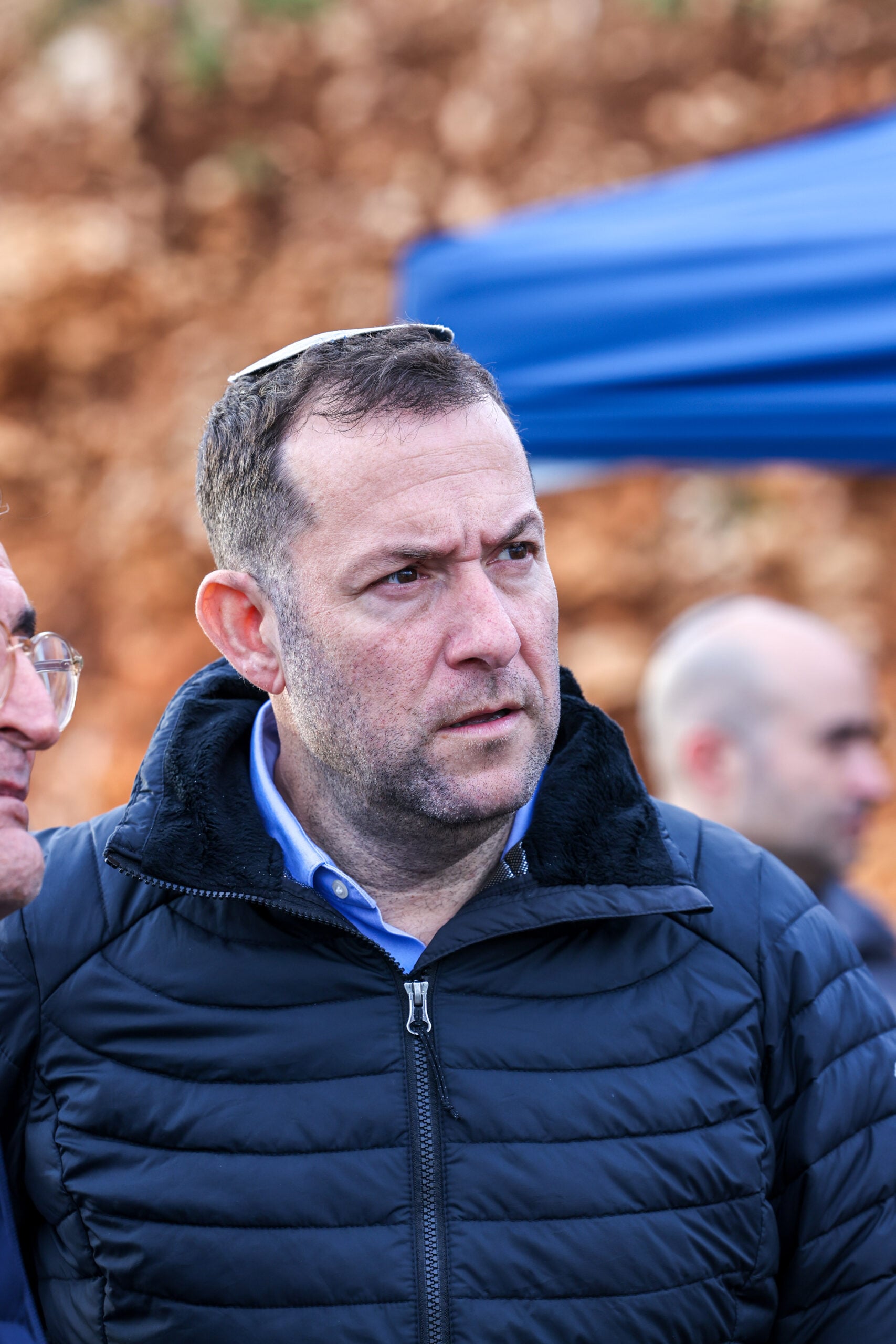
    To help families settle in quickly, a new residential mobile-home neighborhood was established in close coordination with the Amana movement. The move represents a key phase within a comprehensive strategic master plan to expand Jewish communities across northern Samaria—bolstering existing pioneer towns while laying the groundwork for new communities throughout the region. Speaking at the welcoming ceremony, Samaria Governor Yossi Dagan said the families’ arrival symbolizes the unstoppable momentum of regional growth.

    “The arrival of 20 new families to the community of Hermesh in a single day is an unequivocal statement by the people of Israel—we are here to deepen our roots, to build, and to flourish,” Dagan stated.

    Yossi Dagan | Photo: Yossi Aloni, Flash90

    The expansion was carried out under the “Connection Plan” (Tokhnit HaHitchabrut), spearheaded jointly by the Samaria Regional Council and Amana, advancing official government resolutions aimed at fortifying and expanding Jewish presence across northern Samaria.

  • Iran Threatens War if IDF Captures Ali Taher Ridge

    Iran Threatens War if IDF Captures Ali Taher Ridge

    Iran has warned the United States that it will respond with overwhelming force if Israel launches an offensive to seize the strategic Ali Taher ridge in southern Lebanon, a pivotal friction point in the war against the terror group Hezbollah. Reuters reported Thursday, citing three officials briefed on the Iranian diplomatic backchannel communication, that Tehran explicitly threatened that a full-scale Israeli ground maneuver to establish control over the ridge would trigger a “broad, large-scale Iranian attack.”

    כיבוש הבופור |
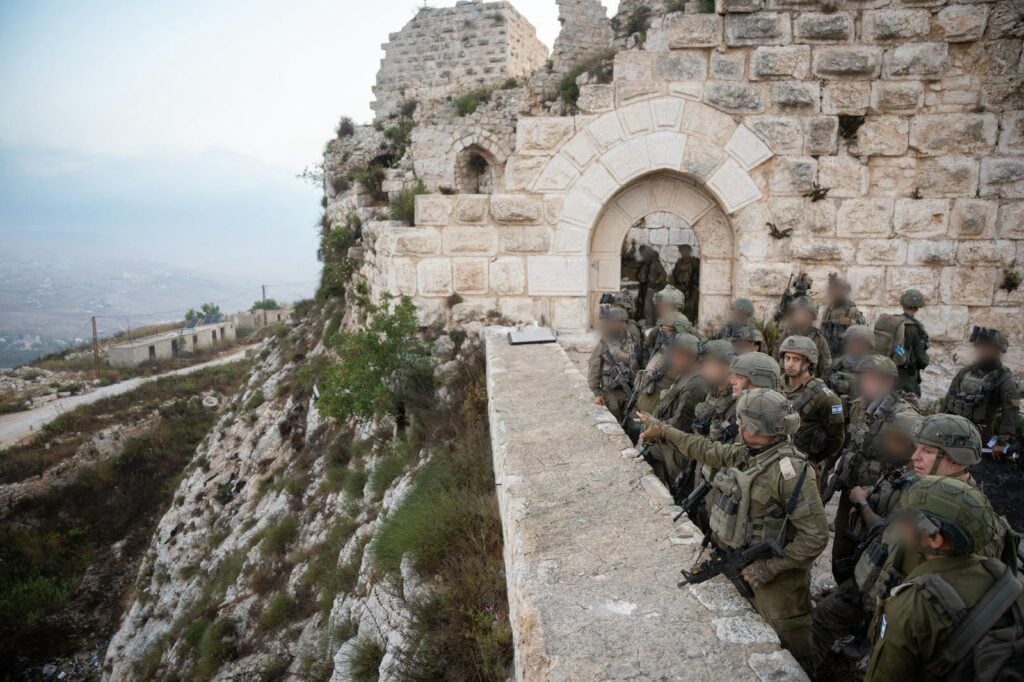
    Israeli Forces at the Beaufort | Photo: IDF Spokesperson

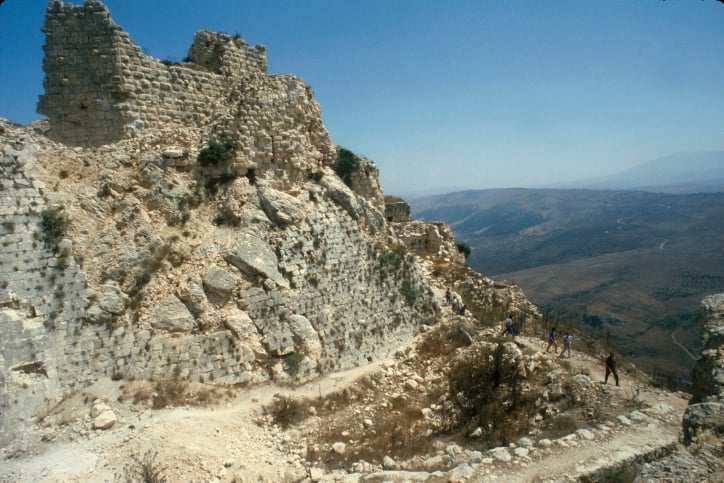
    The Ali Taher ridge dominates vast swaths of southeastern Lebanon. According to Lebanese security sources cited by Reuters, the terror group Hezbollah engineered an extensive subterranean command bunker complex and strategic weapons depots within the ridge. The terror organization has publicly declared full control over the high ground, vowing to confront any Israeli ground advance. At the same time, the IDF has designated the sector as one of its primary operational focal points.

    Two sources stated that the Iranian warning was relayed to Washington via Oman, which continues to facilitate backchannel diplomacy between the parties. According to these officials, over a dozen operatives from Iran’s Islamic Revolutionary Guard Corps (IRGC), including at least two senior officers, are stationed inside the ridge alongside Hezbollah terrorists. If confirmed, the presence of Iranian personnel adds significant gravity to Tehran’s ultimatum, as an Israeli assault could directly eliminate high-ranking Iranian military figures. Reuters noted it could not independently verify the claims of IRGC presence on the ridge.

    The Beaufort | Photo: Yossi Zamir, Flash90

    A third source, described as a foreign official with direct knowledge of the transmission, stated that the message was delivered around mid-August. The official claimed that the U.S. subsequently pressured Israel, prompting Jerusalem to postpone a planned assault on Ali Taher. The White House firmly dismissed the assertion, with a U.S. official characterizing claims of Iranian ultimatums and American pressure on Israel as “inaccurate.” The IDF declined to comment.

    The terror group Hezbollah neither confirmed nor denied delivering the warning. The terror organization’s media bureau told Reuters it was a “natural conclusion” that such a warning would be issued regarding the ridge. The terror group Hezbollah further asserted that Tehran views any Israeli territorial expansion or ground advance in southern Lebanon as a severe breach of understandings reached under the June framework between Washington and Tehran.

    The Beaufort | Photo: IDF Spokesperson

    Inside Israel’s defense establishment, assessments regarding Iranian personnel on the ridge differ markedly. Reuters cited a report from Maariv quoting an Israeli military source who indicated the IDF assesses there are no IRGC personnel currently at Ali Taher. The report further noted that several Hezbollah terrorists trapped in the subterranean network died after being cut off from food and water. As early as June, an Israeli military official told Reuters that Hezbollah terrorists were stranded underground without sustainable logistics.

    According to one source, Israel has recently opted to squeeze the trapped terrorists rather than mount a direct frontal assault on the reinforced subterranean complex. Forces are enforcing a tactical siege on Hezbollah and IRGC holdouts while intercepting drone-delivered supply runs attempting to drop water and food. The terror group Hezbollah claimed in response that its fighters can still reach positions via the ridge’s northern face.

    Capture of the Beaufort | Photo: IDF Spokesperson

    Tensions around Ali Taher persist despite the ceasefire framework announced in June. According to the IDF, the terror group Hezbollah has continuously operated in the immediate vicinity of the ridge, launching explosive suicide drones twice over the past week targeting Israeli forces in the sector. In July, the military announced an airstrike that eliminated a Hezbollah terrorist operating adjacent to an access shaft leading into the underground complex, reiterating that the IDF will not permit the terror group to operate in the area or threaten troops.

    Despite Tehran’s bluster and rumors of American pressure, an Israeli operation to neutralize the redoubt remains firmly on the table. A Lebanese source familiar with Hezbollah’s operational posture and a senior Lebanese security official told Reuters that an Israeli mission to secure Ali Taher could unfold in the coming weeks. The terror group Hezbollah warned that a full-scale assault on the ridge would be treated as an immediate return to all-out war, in which rocket barrages could be directed deep into northern Israeli communities.

  • Hamas-Linked Doctors Headed to Tel Aviv Hospital Training

    Hamas-Linked Doctors Headed to Tel Aviv Hospital Training

    Israeli politician Moshe Feiglin warned Tuesday in a social media post that 11 doctors and 36 nurses from An-Najah University Hospital in Nablus are set to begin training at Ichilov Hospital in Tel Aviv. According to Feiglin, the university is affiliated with the Hamas terror organization, and he called for the move to be canceled.

    Feiglin claimed this is part of a longstanding Israeli policy: “For years, the Israeli health system has promoted a policy of ‘affirmative action’ and leniency toward those who identify with our enemies, while imposing nearly impossible admission thresholds on our own youth. This is exactly what creeping takeover of one of the country’s most critical lifelines looks like.

    “This is the progressive disease in all its wretchedness and danger: institutionalized self-hatred, where we push out our own sons, our fighters and those most loyal to us—and with our own hands train the enemy’s environment. This disgrace must be stopped immediately and the entry permits for the medical teams from Nablus must be canceled.”

    As we reported, since 2024, Israel’s Health Ministry has been funding medical studies for Arab students at universities in Jordan at a cost of ₪360,000 per student. These students receive not only funding but also relaxed admission requirements—and some of the institutions where they study are identified with Hamas and support terrorism.

  • Israeli Banks Threaten to Cut Off ‘Palestinian’ Authority

    Israeli Banks Threaten to Cut Off ‘Palestinian’ Authority

    A significant economic and security crisis is unfolding in Israel as the country’s banking system confronts the future of its financial relationship with the ‘Palestinian’ Authority. The crisis follows reports published by Finance Minister Bezalel Smotrich that, according to the minister, demonstrate that the ‘Palestinian’ Authority’s official banking system serves as a major conduit for terror funding and payments to terrorists and their families.

    Bank Hapoalim | Photo: Shutterstock

    According to the information presented, any financial institution transferring or processing money for the ‘Palestinian’ financial system—including Israeli banks—could expose itself to serious legal and international risks related to terror financing and violations of international anti-money-laundering regulations.

    Against that backdrop, major Israeli banks, including Bank Hapoalim and Discount Bank, took the unprecedented step of moving to terminate financial and clearing relationships with banks operating under the ‘Palestinian’ Authority. In recent days, however, the banks temporarily stepped back, agreeing to extend those operations for just three additional months.

    Photo: Chaim Goldberg, Flash90

    Israel has presented the ‘Palestinian’ Authority with a series of stringent conditions, including demands for a comprehensive and transparent risk assessment addressing terror financing, oversight and auditing by international enforcement bodies, full compliance with Israeli security requirements and a drastic reduction in the use of cash, which can facilitate unmonitored money-laundering channels.

    Despite what the report describes as basic requirements for preventing terror financing, officials reportedly assess that the ‘Palestinian’ Authority is unlikely to implement them, citing its repeated failure to fulfill similar commitments dating back to the Oslo Accords. Rather than ending payments to terrorists, the ‘Palestinian’ Authority has launched an international campaign accusing Israel of attempting to “dismantle it economically.”

    Photo: Shutterstock

    The crisis has also exposed disagreements among Israeli officials. A senior Finance Ministry official told C14 that if Israel’s political leadership wants to dismantle the ‘Palestinian’ Authority, it should do so through the Defense Ministry rather than through measures that could entangle the Finance Ministry. The government now faces a consequential decision: continue financially sustaining an authority accused of funding terrorism against Israeli citizens—or allow mounting economic and security pressure to push the ‘Palestinian’ Authority toward collapse.

  • IDF Arrests Terror Suspects After Stones Hurled at Cars

    IDF Arrests Terror Suspects After Stones Hurled at Cars

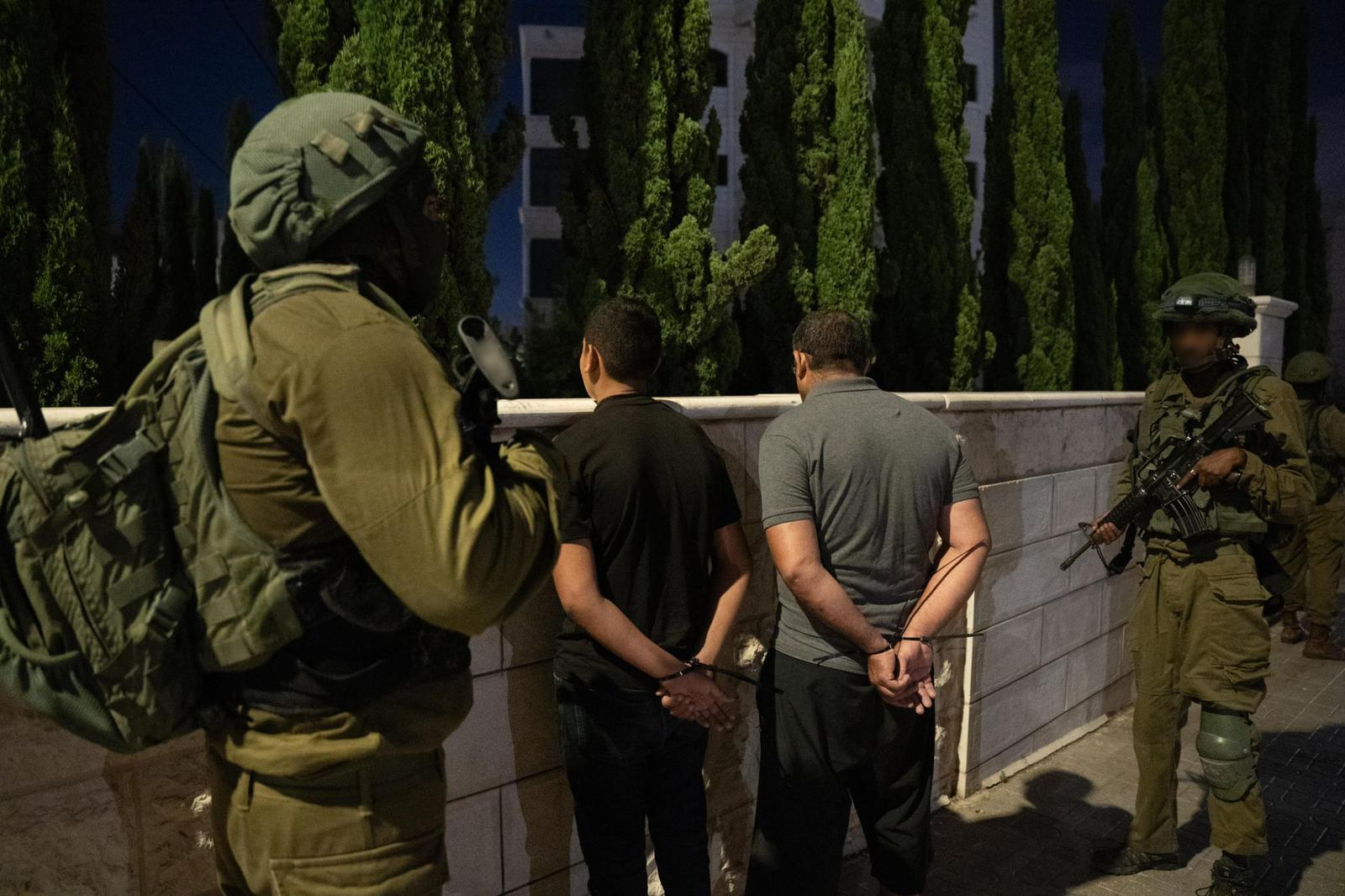
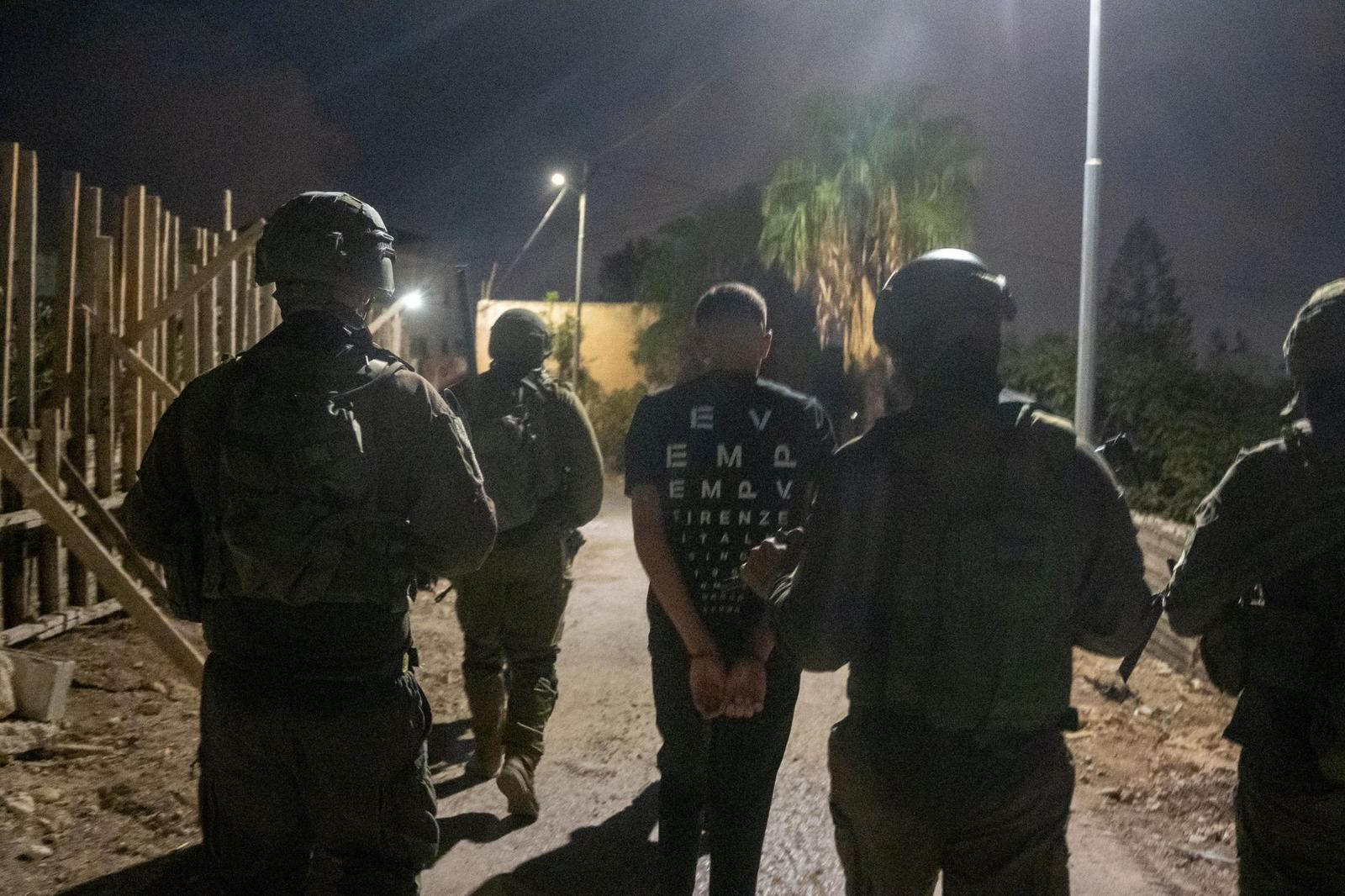
    Troops from the Barak Battalion’s “Tzuri” unit carried out a large-scale operation overnight Wednesday in the Arab village of Beit Ur al-Tahta operating under the Benjamin Brigade in Judea and Samaria. The operation was part of a focused effort to crack down on stone-throwing terror in the area and prevent attacks on Israeli vehicles traveling along Route 443, a major highway.

    Terrorists arrested in Binyamin | Photo: IDF Spokesperson

    During the operation, troops raided multiple targets in the village, working to arrest suspects involved in terror activity. Forces also conducted extensive searches of buildings and suspected areas to locate weapons, improvised weapons, and other equipment used by terror operatives in the area to carry out attacks against civilians and security forces.

    The “Tzuri” Battalion was established following the lessons of October 7, out of a need to create skilled and available forces for defense and counter-terror operations at friction points. The troops launched the complex operation in Beit Ur al-Tahta immediately after completing the battalion’s first operational deployment, continuing to work around the clock to protect residents and roads in the Benjamin region.

  • First Special Education High School Opens in Samaria

    First Special Education High School Opens in Samaria

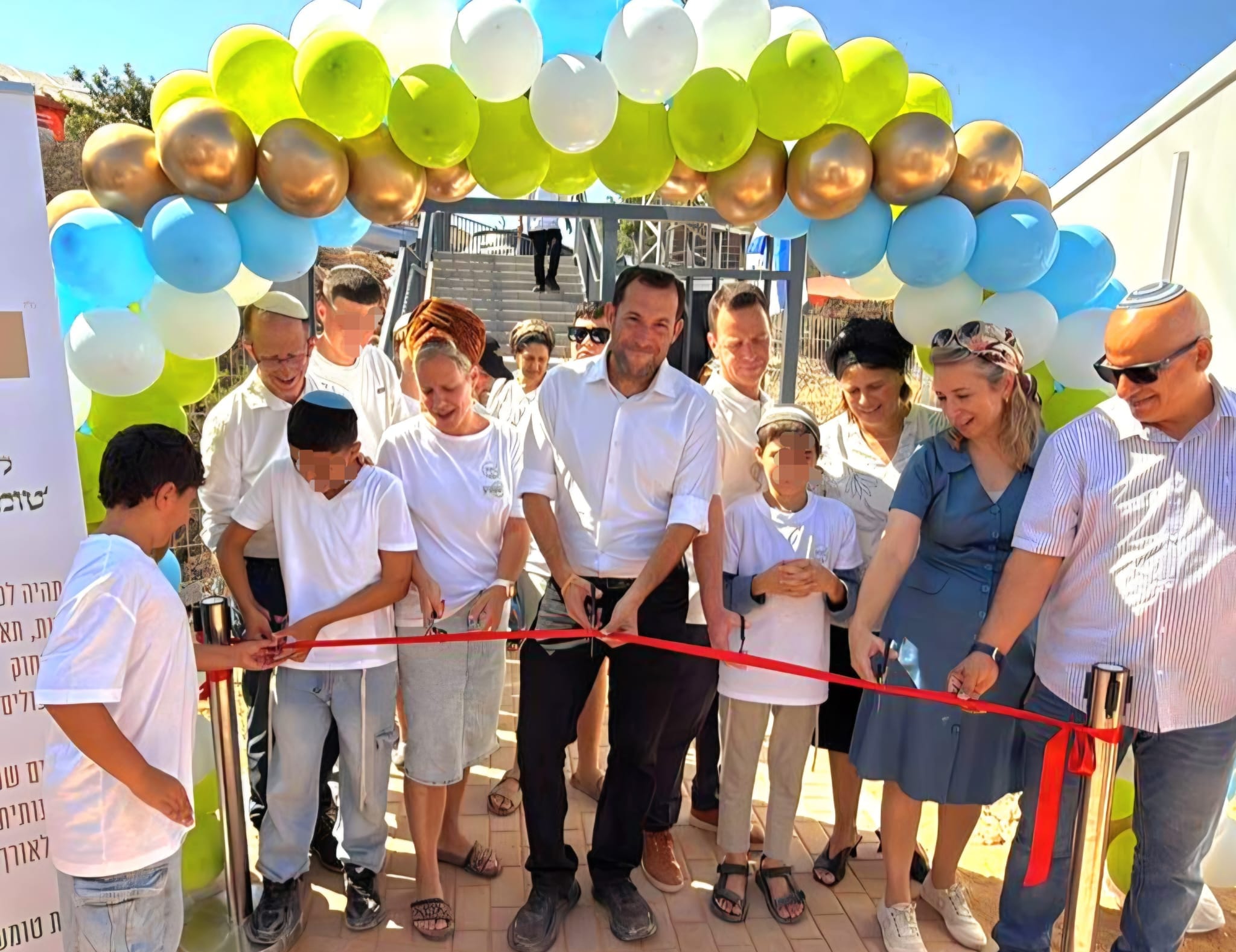
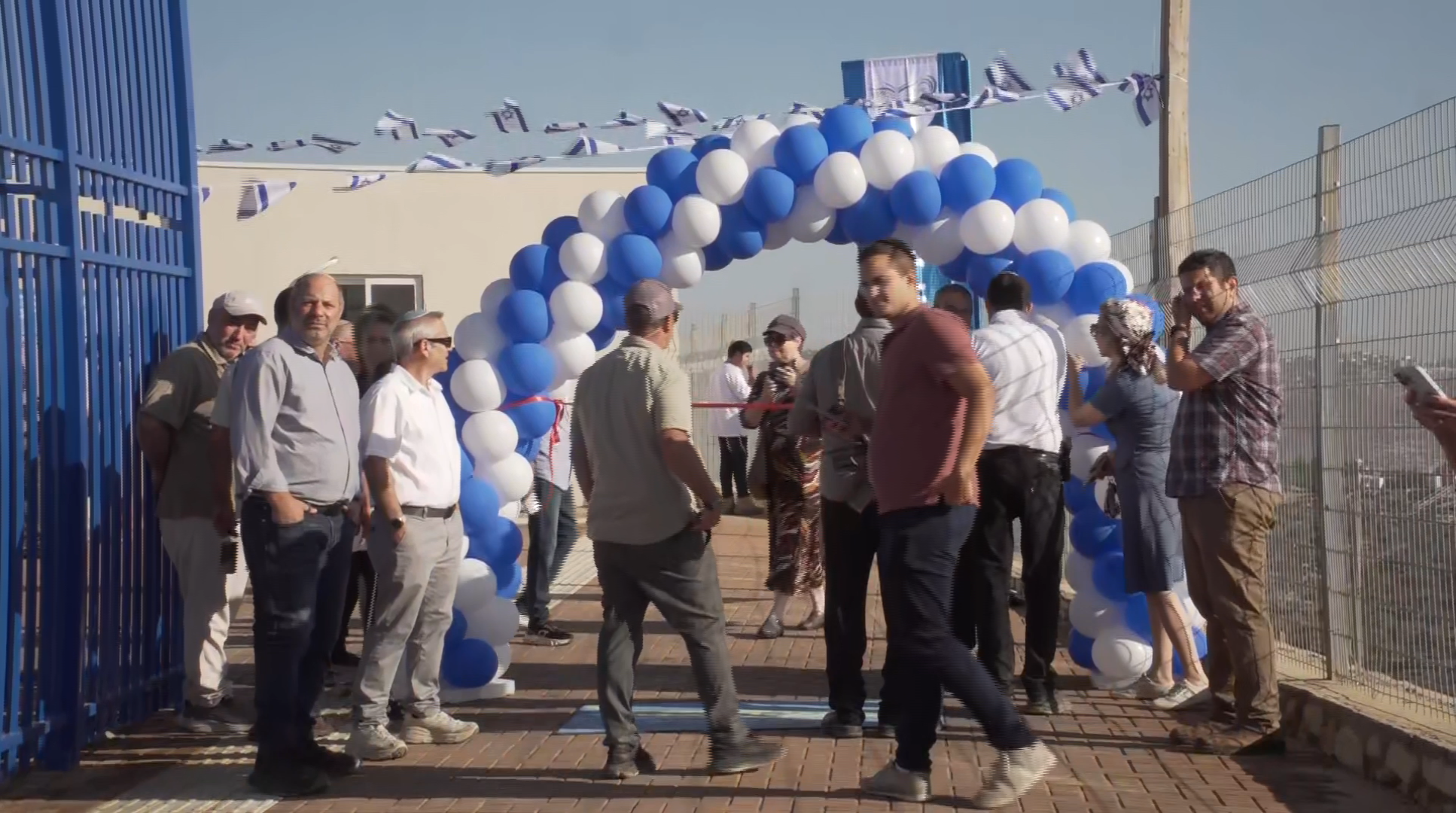
    The Samaria Regional Council has for the first time inaugurated a special-education high school for boys in the Samarian community of Revava, established as a growing secondary institution operated in direct partnership with the Tomashin educational network. The new institution is designed to provide comprehensive pedagogical and therapeutic solutions for students from across the Samaria Regional Council and neighboring jurisdictions, specializing in tailored support for youths navigating behavioral and emotional challenges. The school’s opening marks a major milestone in the council’s broader five-year master plan for education across the region. Special-education classes are limited to up to eight students per classroom, ensuring personalized mentorship and individual work tailored to each student’s unique needs. Principal Hadas Bar leads the school, staffed by a multidisciplinary team on behalf of the Tomashin network.

    Photo: Channel 14 News

    The curriculum includes practical vocational tracks such as cynology (dog training), carpentry, agriculture, visual arts, culinary arts, and community chesed and volunteer initiatives. The school also runs the “Zinuk Ba’Aliya” program for emotional training and pre-military fitness, anchored by a specialized obstacle and physical fitness facility at the center of campus.

    The new high school operates alongside the “Chen HaShomron” special-education elementary school in Revava, which serves primary-school students. In recent years, Samaria has expanded its special-education services, including communication classes spanning grades 1 through 9, the opening of 17 special-education kindergartens (including five specialized communication tracks), and the founding of a special-education classroom within the new yeshiva high school in Tapuach. These resources allow local families to access dedicated professional therapies close to home, eliminating the burden of long commutes to the center of the country. The inauguration is part of a comprehensive five-year education plan led by the council, which is investing NIS 50 million over five years to upgrade and expand regional educational infrastructure.

    The Settlement Enterprise | Photo: Chaim Goldberg, Flash90

    Samaria Governor Yossi Dagan hailed the school’s establishment as major news for regional families, emphasizing a steadfast commitment to building environments that allow every child to flourish. The Chairman of the State Religious Education Administration (Chemed), Rabbi Yoni Samuel, alongside Tomashin Network CEO Gadi Malovitzky, praised the initiative and thanked the professional teams for bringing the pioneering institution to fruition.

  • 30 Jews Still Missing in Nepal—At Least Two Are Israelis

    30 Jews Still Missing in Nepal—At Least Two Are Israelis

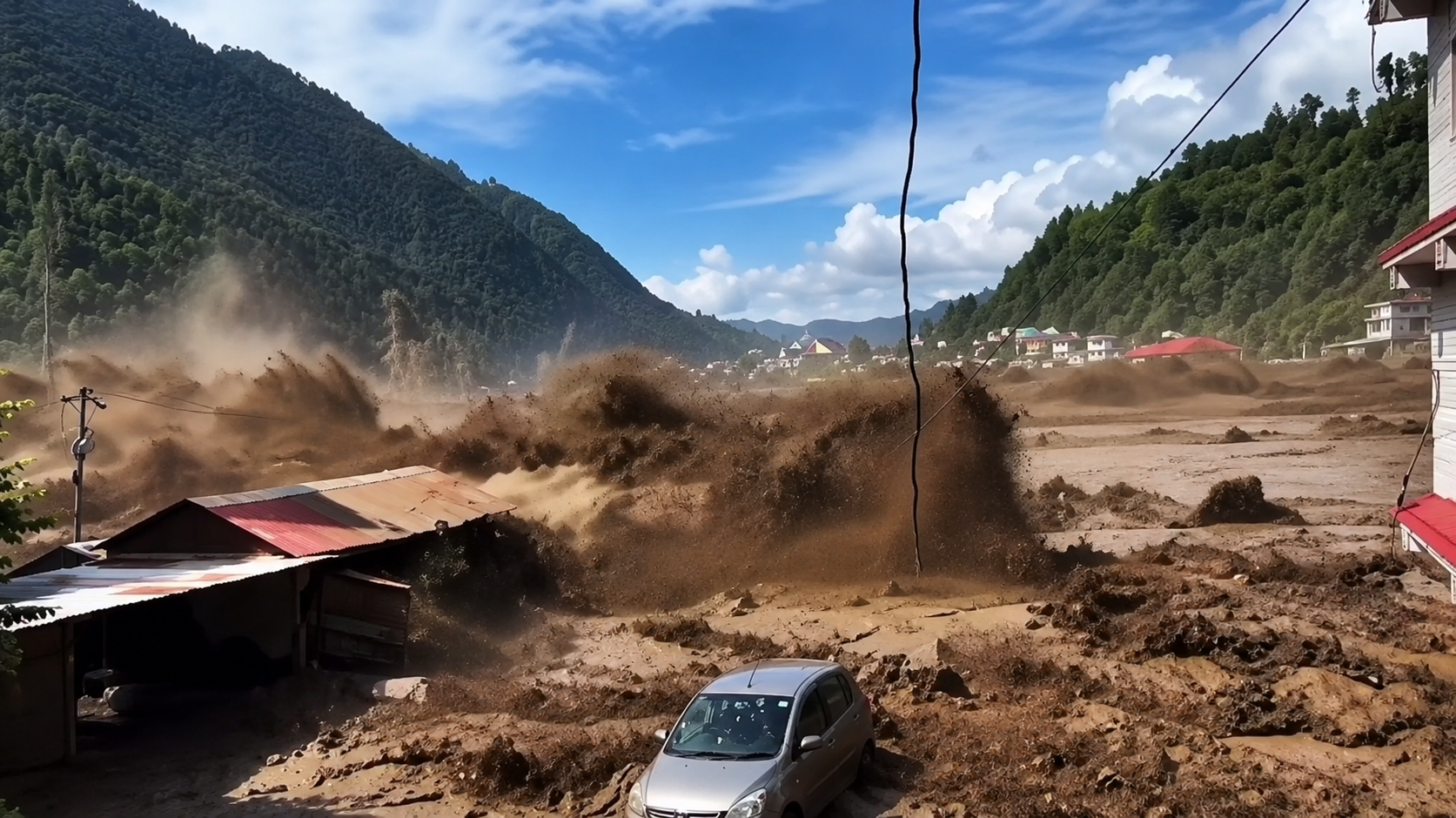
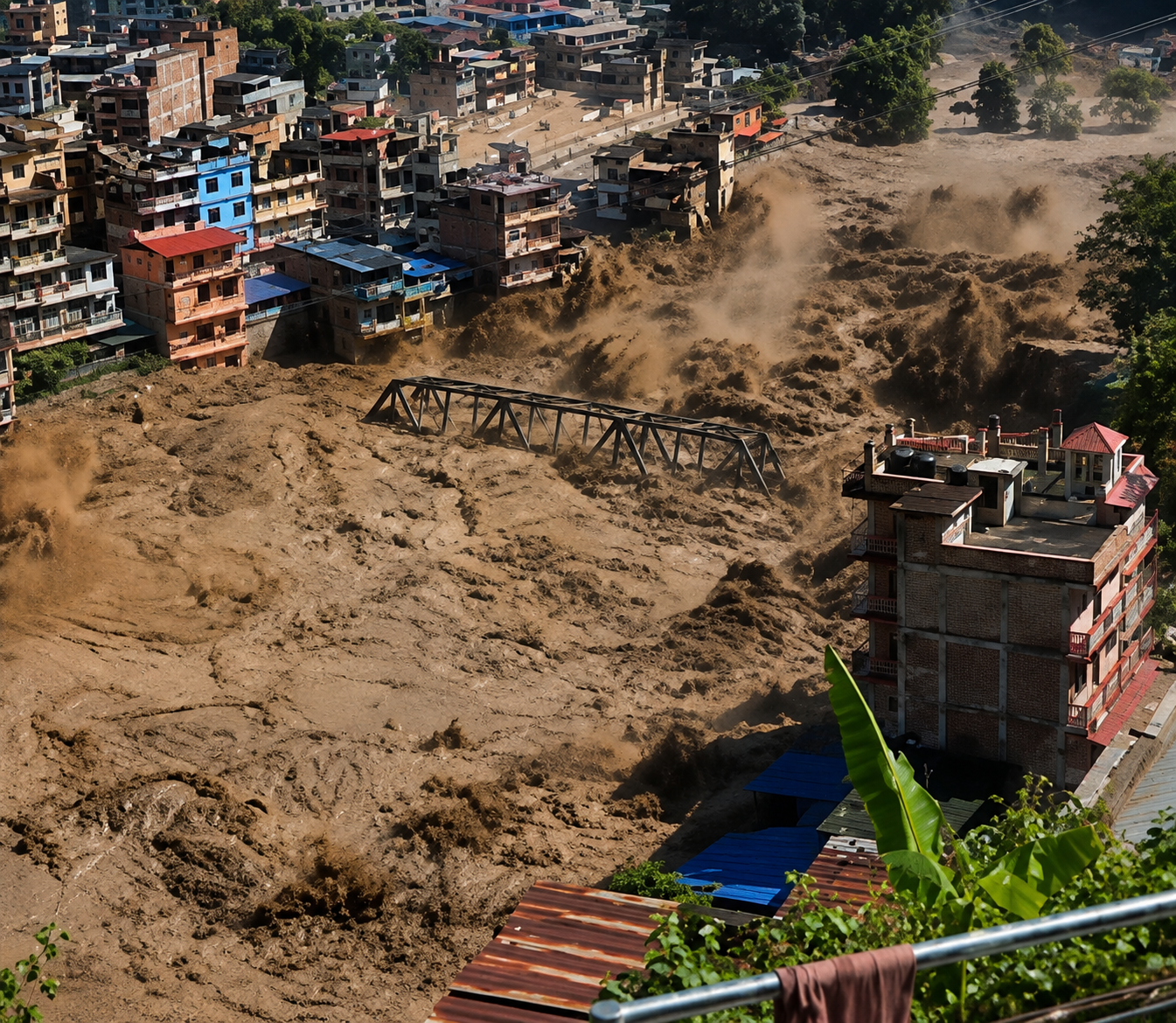
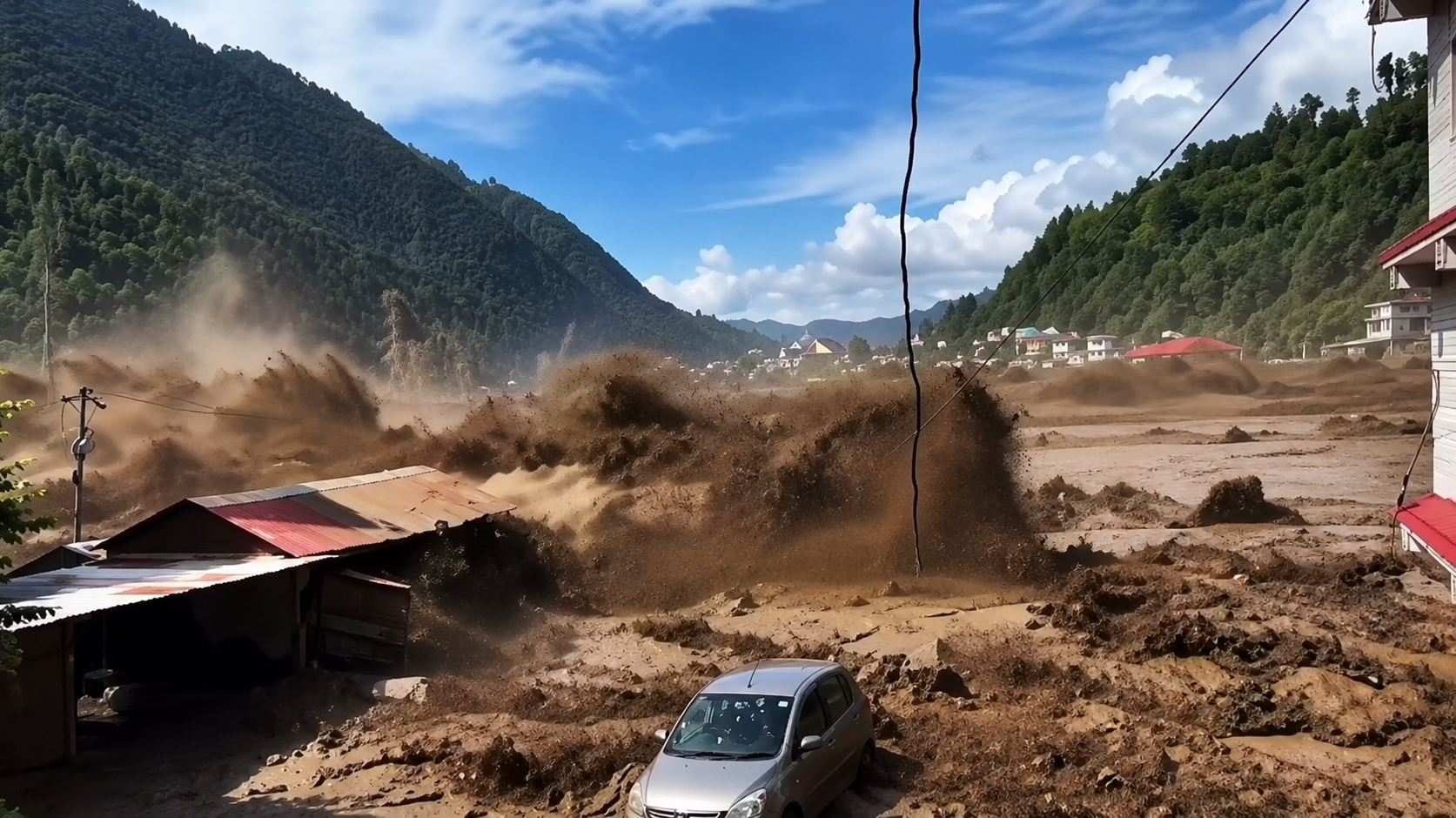
    The disaster in Nepal continues to claim lives, with the death toll now exceeding 1,000 people, while some 4,400 others remain missing following massive floods that struck the country. Chabad House in Nepal reported today (Wednesday) that among the thousands missing are about 30 Jews, with at least two of them Israeli citizens, including a man around 60 years old.

    The floods in Nepal | Photo: Social media

    The catastrophic event, which began with flash floods along the Nepal-China border after what appeared to be a glacier collapse, destroyed entire villages, bridges, and communication infrastructure. The widespread devastation cut off entire regions from the world—and now severely hampers rescue efforts and contact with travelers and residents in the disaster zones.

    For the country’s Chabad emissaries, Chezky and Chani Lifshitz, the festive preparations for Rosh Hashanah turned in an instant into a complex rescue and search operation. Instead of organizing holiday meals and prayers for the hundreds of Israeli backpackers who flock to the country this time of year, the couple is running an emergency command center in the heart of Kathmandu, coordinating aerial rescue teams and fielding nonstop calls from worried family members worldwide.

    Photo: Social media

    Chani Lifshitz said they’re checking every report and every lead in an attempt to locate the missing Jews, while access to the disaster zones has become nearly impossible by land due to collapsed roads and suspension bridges. Alongside the effort to find survivors, Chabad House is grappling with the painful and complex issue of bringing the dead to Jewish burial. Due to the massive death toll and fears of disease outbreaks, Nepali authorities are burying dozens of victims daily in mass graves, creating a race against time to identify Jewish bodies before they’re buried. Lifshitz noted that the condition of bodies pulled from the mud makes identification extremely difficult, but they’re determined to do everything possible to ensure every Jew receives a proper burial and doesn’t become just another number in the disaster’s statistics. Prayers continue for the safety of the missing, and aerial searches go on, hoping to find signs of life amid the heavy destruction.

  • Hamas Attack Warning Puts IDF Forces on High Alert in Gaza

    Hamas Attack Warning Puts IDF Forces on High Alert in Gaza

    Channel 14 News reported that a high operational alert was declared Tuesday evening among Israeli security forces deployed across the Gaza Strip, following pinpoint intelligence warning of an impending Hamas plan to execute an attack against troops on the ground. Acting swiftly on the actionable intelligence, forward units mobilized into defensive readiness postures to neutralize the threat, successfully preempting and preventing the planned terror assault from taking place.

    Strikes in Gaza | Photo: Arab Social Networks

    The sudden intelligence warning put operational sectors across the Strip on special alert over concerns that Hamas terror operatives would attempt to retaliate for the succession of heavy blows dealt to their command centers in recent days. While the anticipated assault was foiled before it could materialize, the raw intelligence highlighted the terror group’s desperate motivation to hit Israeli forces.

    The heightened readiness comes against the backdrop of an extraordinary operational campaign conducted by Israeli security forces. On Tuesday, an elite joint Shin Bet and IDF special forces unit raided a compound in northern Gaza, capturing alive the head of Hamas’s internal security apparatus across the entire Strip. The commander had been orchestrating efforts to re-establish Hamas control in the north and advance terror attacks against forces stationed along the Yellow Line. Precision IAF strikes hit surrounding military targets to extract the unit, and the senior operative was transferred into Israel for interrogation without Israeli casualties.

    Photo, Archive: Yonatan Sindel, Flash90

    Prime Minister Benjamin Netanyahu revealed that the captured commander was directly implicated in concealing and moving Israeli hostages between hideouts, securing senior Hamas leaders, and leading attempts to reconstitute the terror organization’s governance. Alongside the daring capture, the IDF has delivered lethal aerial strikes across the command echelon: on Tuesday, an IAF airstrike eliminated a commander in Hamas’s military wing in the Jabalia sector who was actively rebuilding force capabilities to target troops and civilians.

    Earlier on Wednesday, authorities cleared for publication that a precision strike on Monday eliminated Talal Mustafa Saleh Badawi, a commander in the military security department of the Gaza City Brigade, alongside operative Momo Said Muhammad Hawari, both of whom were directing hostile operations and rebuilding dismantled terror cells.

  • Hamas Security Chief Held in Gaza for Two Days Before Raid

    Hamas Security Chief Held in Gaza for Two Days Before Raid

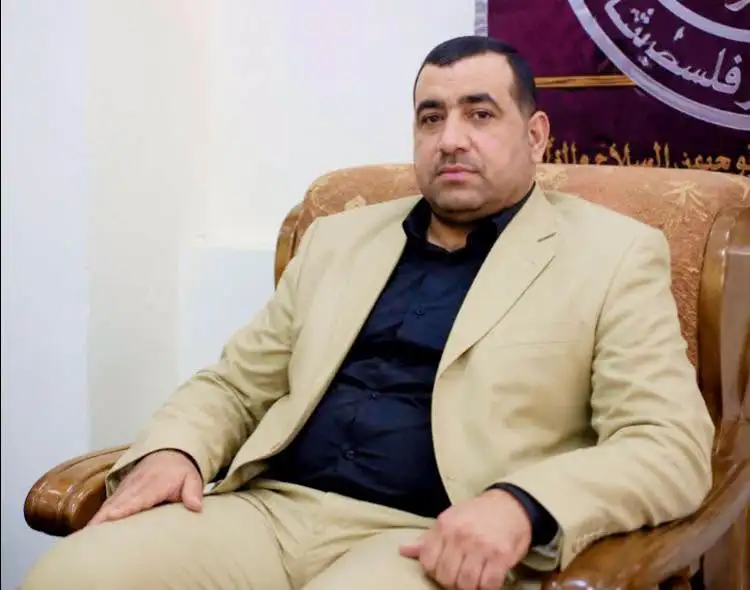
    The Saudi daily Asharq Al-Awsat published new operational details on Wednesday regarding the daring Israeli raid that captured top Hamas operative Mouin al-Arbid, head of the terror organization’s internal security apparatus in the Gaza Strip. According to the report, an elite Israeli undercover unit had been operating clandestinely in the sector for several days prior to the assault before breaching a villa where al-Arbid was residing with family members.

    Mouin al-Arbid | Photo: Arab Social Networks

    The property is situated in Gaza City’s upscale al-Katiba neighborhood, an affluent district comparable to Rimal. The report noted that the primary headquarters of Hamas’s internal security apparatus was located just a few hundred meters from the hideout. Arab sources cited by the paper claimed the Israeli unit had been on the ground for at least two days leading up to the breach. According to one account, the operators utilized a pickup truck alongside a commercial vehicle disguised as a produce transport. Upon arriving at the villa, one tactical assault team breached the interior while a second team established an outer security perimeter.

    Another Arab source claimed that when the assault team entered the building, two of al-Arbid’s sons opened fire on the Israeli fighters. The operators returned point-blank fire, wounding both sons, while al-Arbid’s wife was killed and the senior Hamas commander sustained wounds before being subdued. Simultaneously, Israeli Air Force aircraft struck two vehicles in the immediate vicinity and deployed tactical munitions to disrupt any counter-attacks or ambush attempts against the exfiltration force. Eyewitnesses said the team extracted under close air support, then used motorcycles during parts of the egress from the scene.

    The Terrorist al-Arbid After Being Captured by Shin Bet Operatives | Photo: None

    A Hamas source told the newspaper that internal security probes into the breach are ongoing, noting the entire neighborhood was outfitted with closed-circuit surveillance cameras. A local Gazan source added that al-Arbid was actively finalizing preparations for the wedding of his son, who was severely wounded during the firefight.

    Al-Arbid had previously survived two targeted assassination attempts during the war and successfully evaded an IDF arrest sweep at the Shifa Hospital medical compound in March 2024. Sources across Hamas and other terror factions in Gaza noted that for years, al-Arbid held some of the most sensitive operational portfolios in the Strip, including the brutal interrogation and execution of suspected collaborators with Israel and the suppression of ISIS-affiliated Salafi networks.