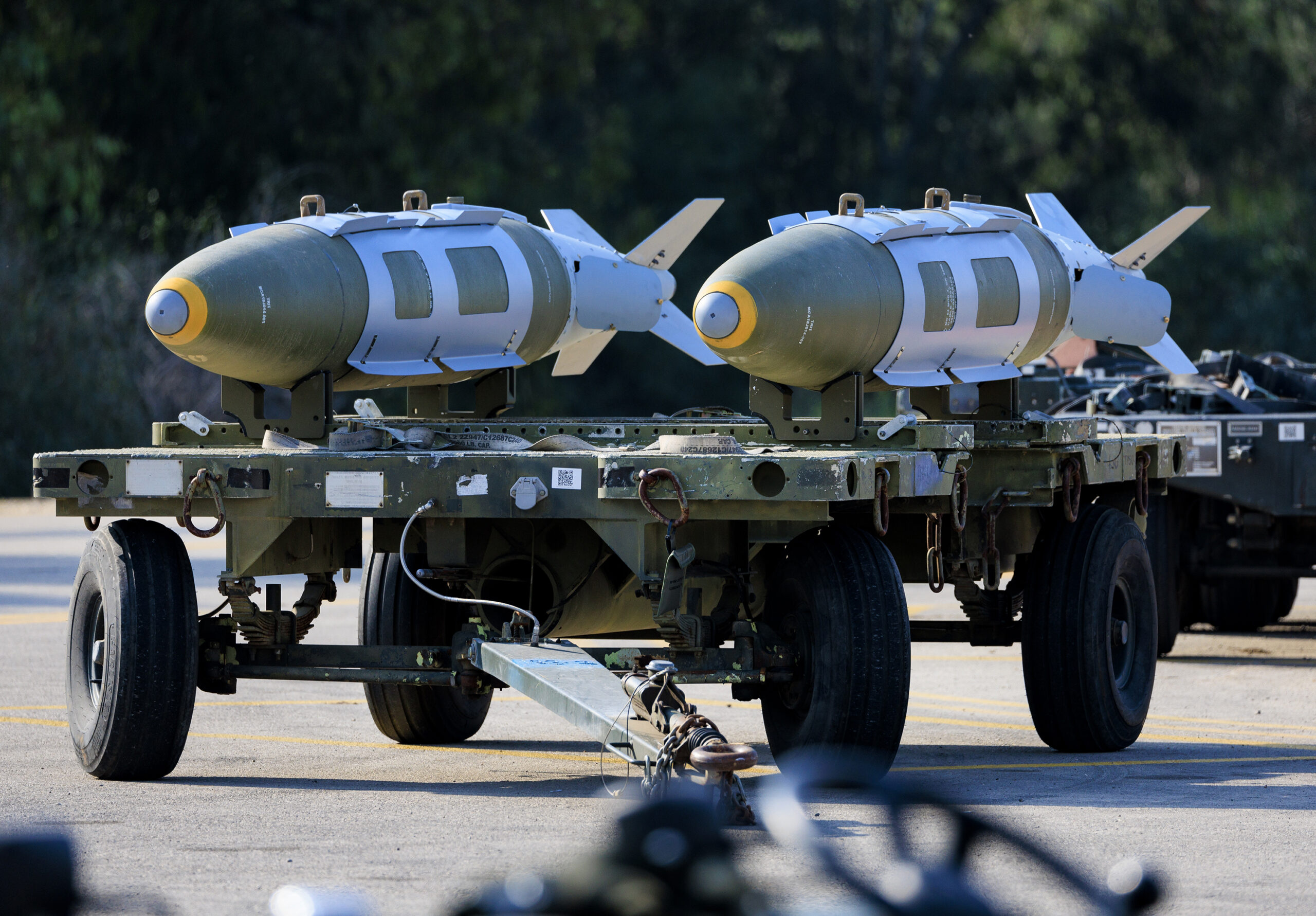
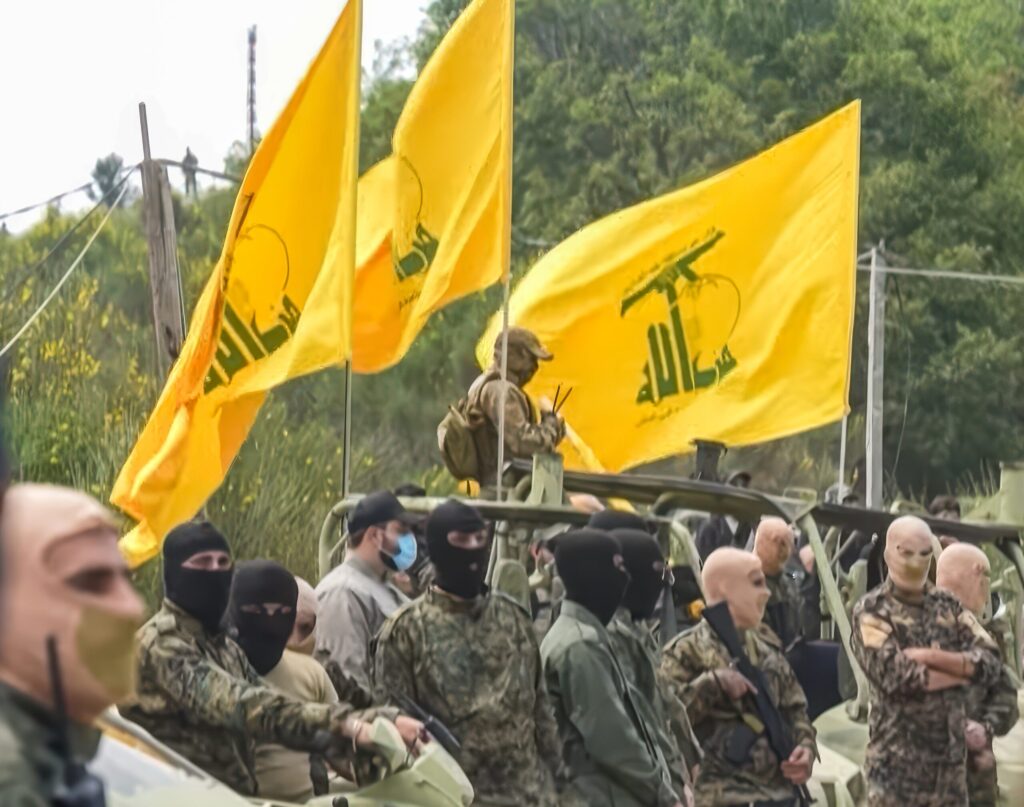
The IDF has completed clearing Hezbollah’s underground infrastructure in the Ali al-Taher Ridge and is working to neutralize it. Forces from the 36th Division have been clearing two underground tunnel networks in the Ali al-Taher Ridge area in the security zone. The forces gained operational control of the ridge area above and below ground and cleared the area of terrorists—some were killed, and others fled.
Efforts to neutralize the underground infrastructure cleared of terrorists are still ongoing. After operations conclude, the IDF will redeploy defensively based on situational assessments.
The terrorists in the infrastructure carried out terror operations against Israel and IDF forces. Following operations in the tunnels in recent weeks, the ability to execute terror operations against Israeli civilians and IDF forces from within the tunnels has been neutralized.
Inside the underground infrastructure, forces found command centers, weapons storage rooms, generator rooms, living quarters, showers, and a kitchen that allowed terrorists to manage combat operations and stay for extended periods. This is strategic infrastructure built over two decades, funded and planned by the Iranian terror regime.
C14 reported today (Thursday) evening on its main news broadcast: In a dramatic shift in Israel’s assessment, the political and security establishments are now preparing for the possibility that Iran could renew the war, potentially in the near future.
An Israeli political official told C14: “The Iranian regime feels it has reached a dead end, and that the only way out is by renewing the war. We’re not there yet, and we haven’t heard of a final Iranian decision to do so, but we are definitely identifying signs—and they are serious. Among other things, the recent fire toward Aqaba was an attempt to send a signal to Israel.”
Photo: Ariel Hermoni, Ministry of Defense
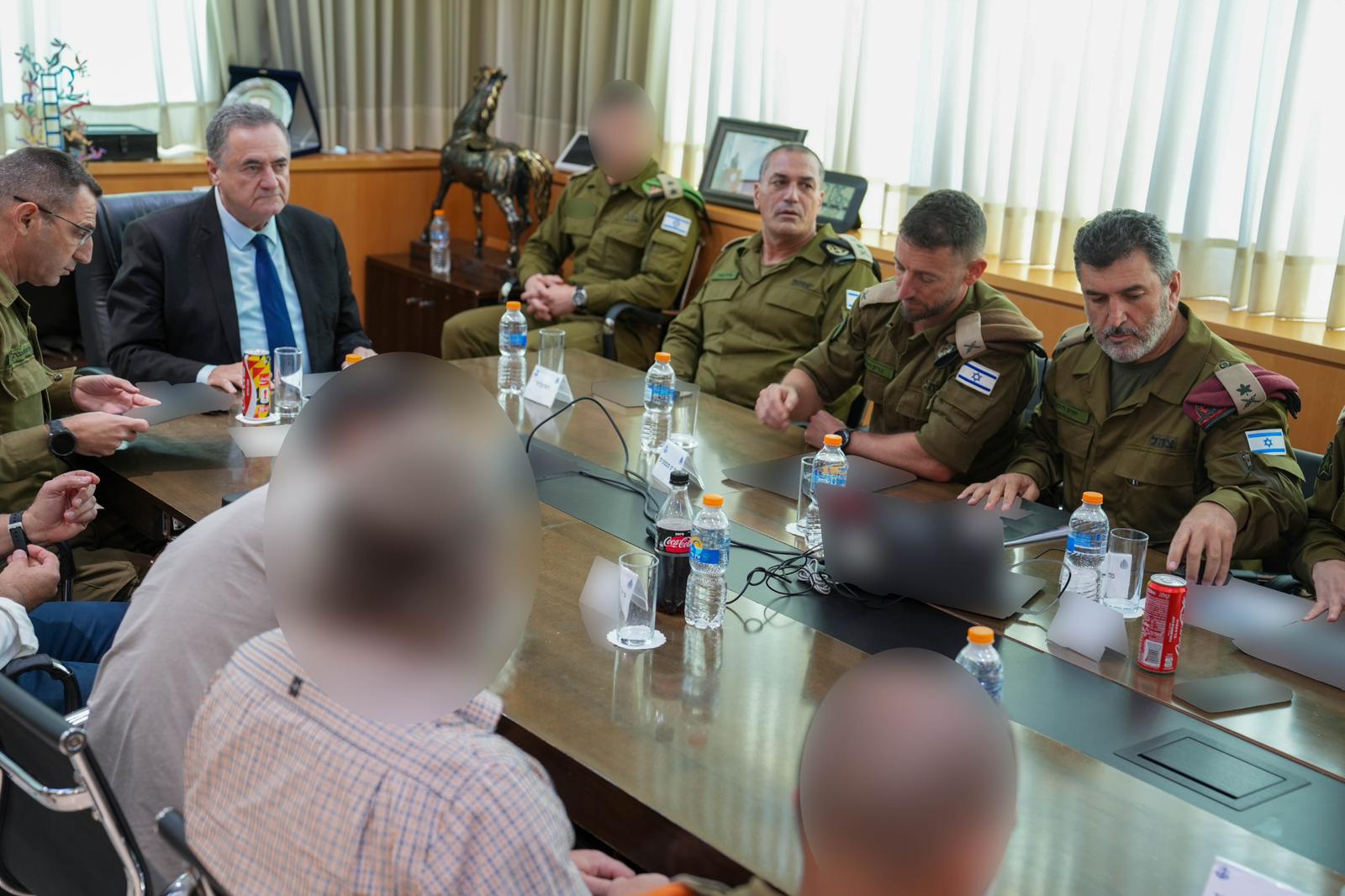
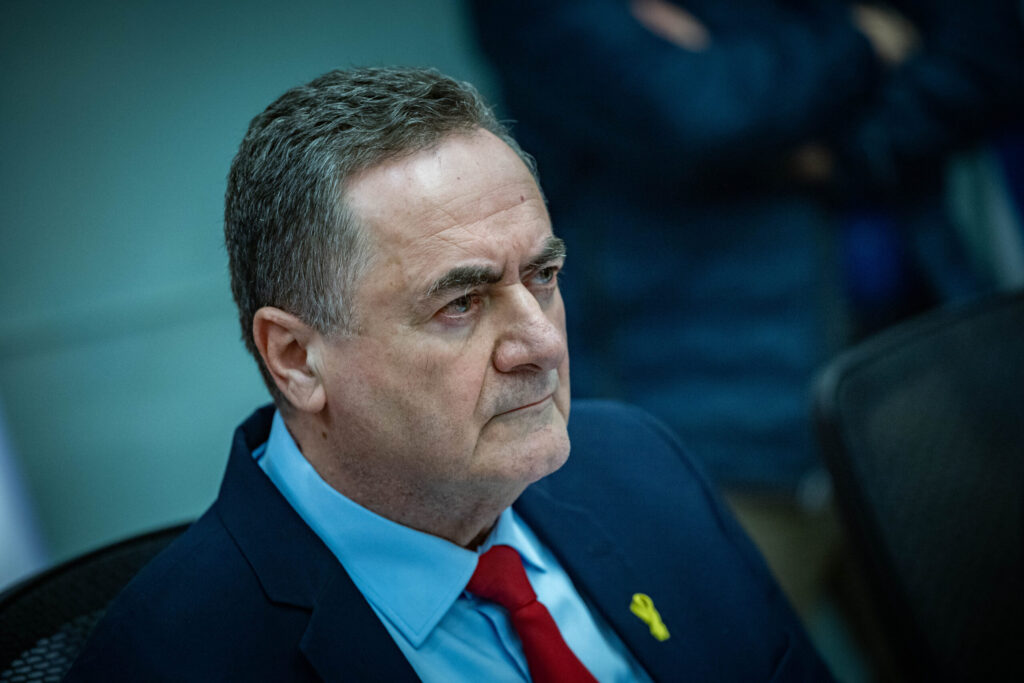
Tehran understands that it has lost much of the leverage previously provided by the Strait of Hormuz and is being pushed toward a dangerous strategy: renewing the fighting in order to create a credible threat of destroying oil and water-desalination infrastructure in Gulf states. According to the Israeli assessment, Iran could seek to use that threat to pressure President Donald Trump into loosening the economic stranglehold Washington has successfully imposed on Tehran. Against this backdrop, Defense Minister Israel Katz held a security assessment Thursday with IDF Chief of Staff Lt. Gen. Eyal Zamir and other senior military officials—and ensured that an image from the meeting was released publicly for those who needed to see it.
Israeli Air Force plane | Photo: Nati Shohat, Flash 90
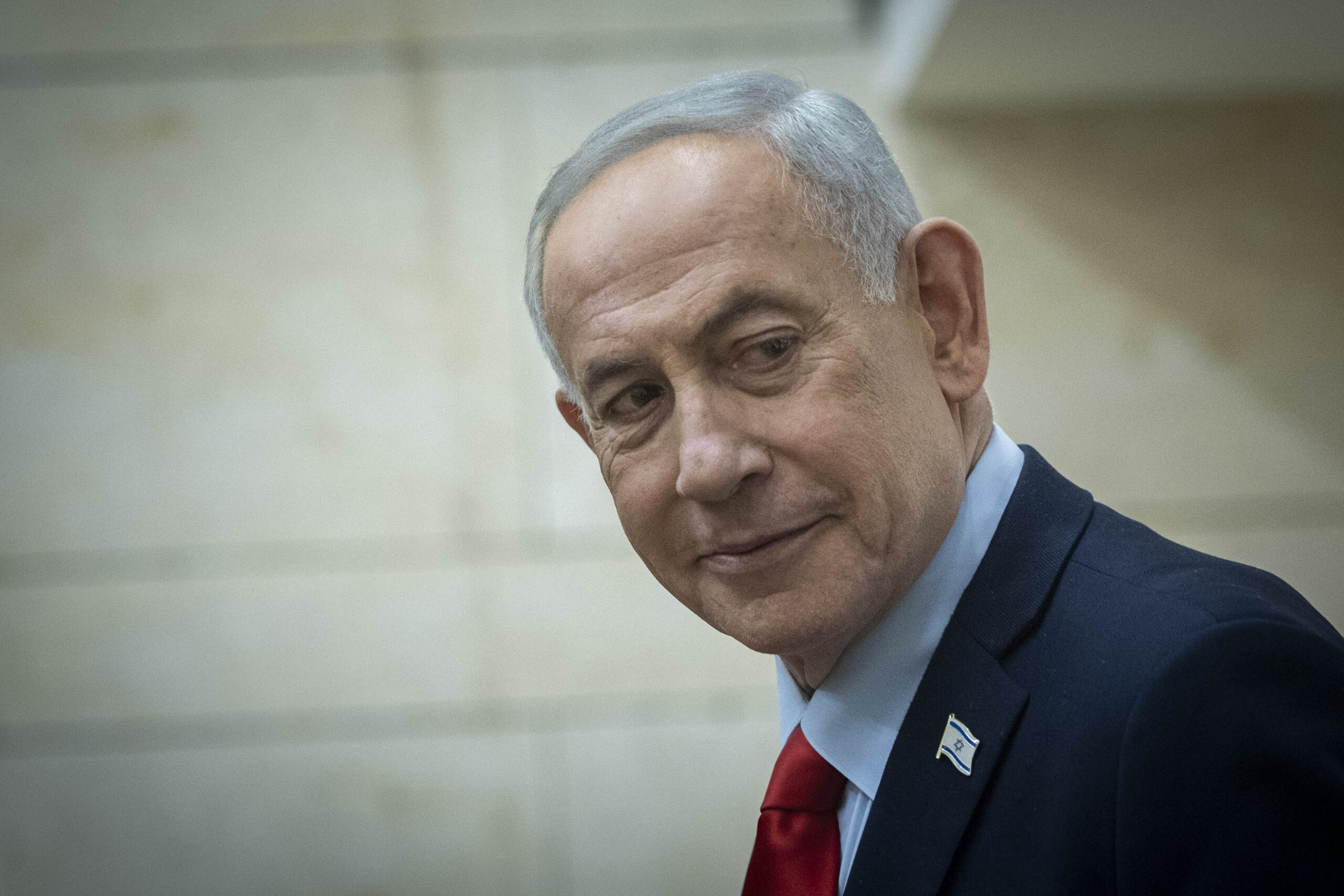
Prime Minister Benjamin Netanyahu, meanwhile, issued a threatening message to Tehran shortly afterward. “I am convinced of our ability to remove the threat once and for all and topple the regime in Iran, which is fighting for its life,” Netanyahu said. “I say to our enemies: Don’t mess with us. We have the strength, determination and internal unity to defeat you.”
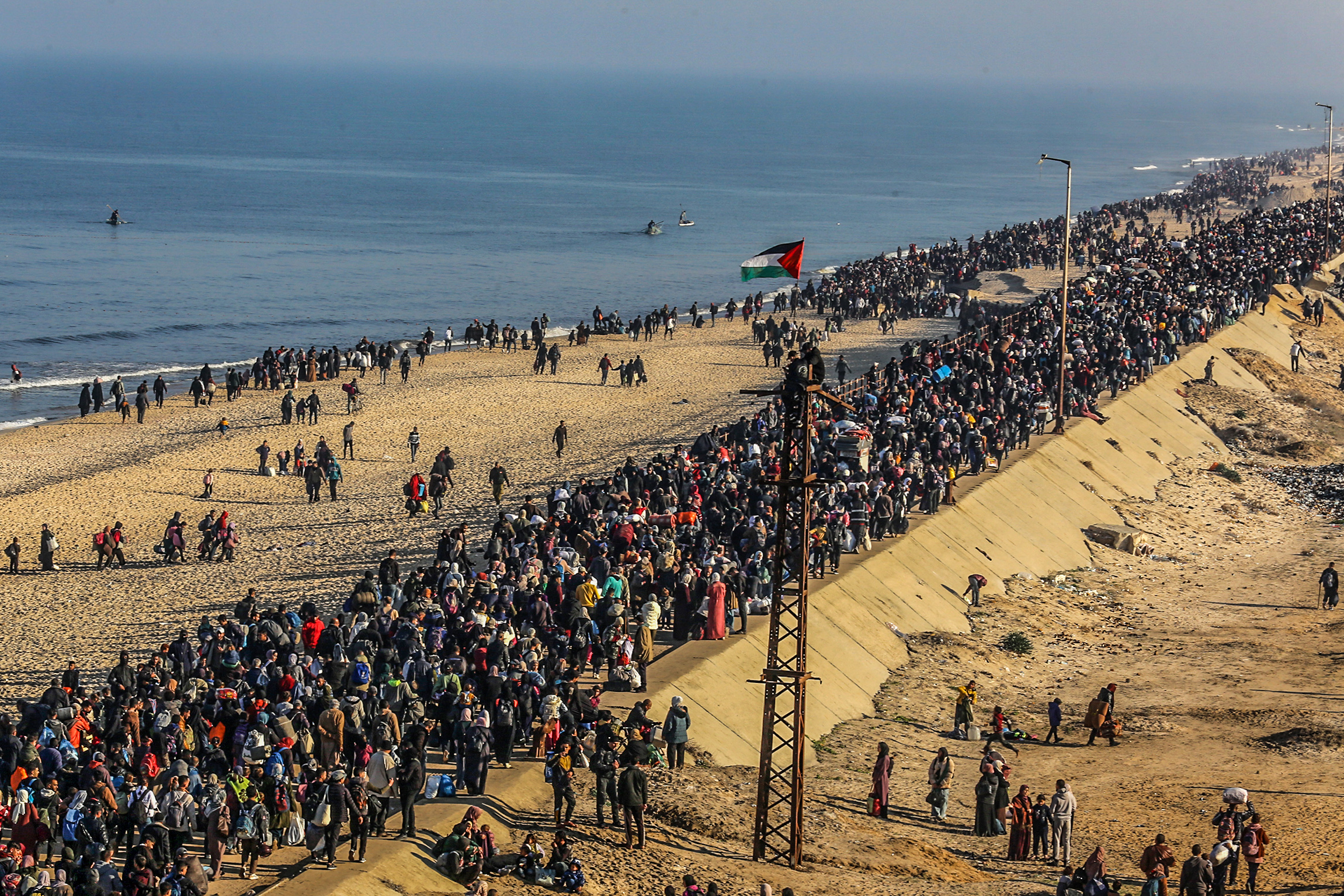
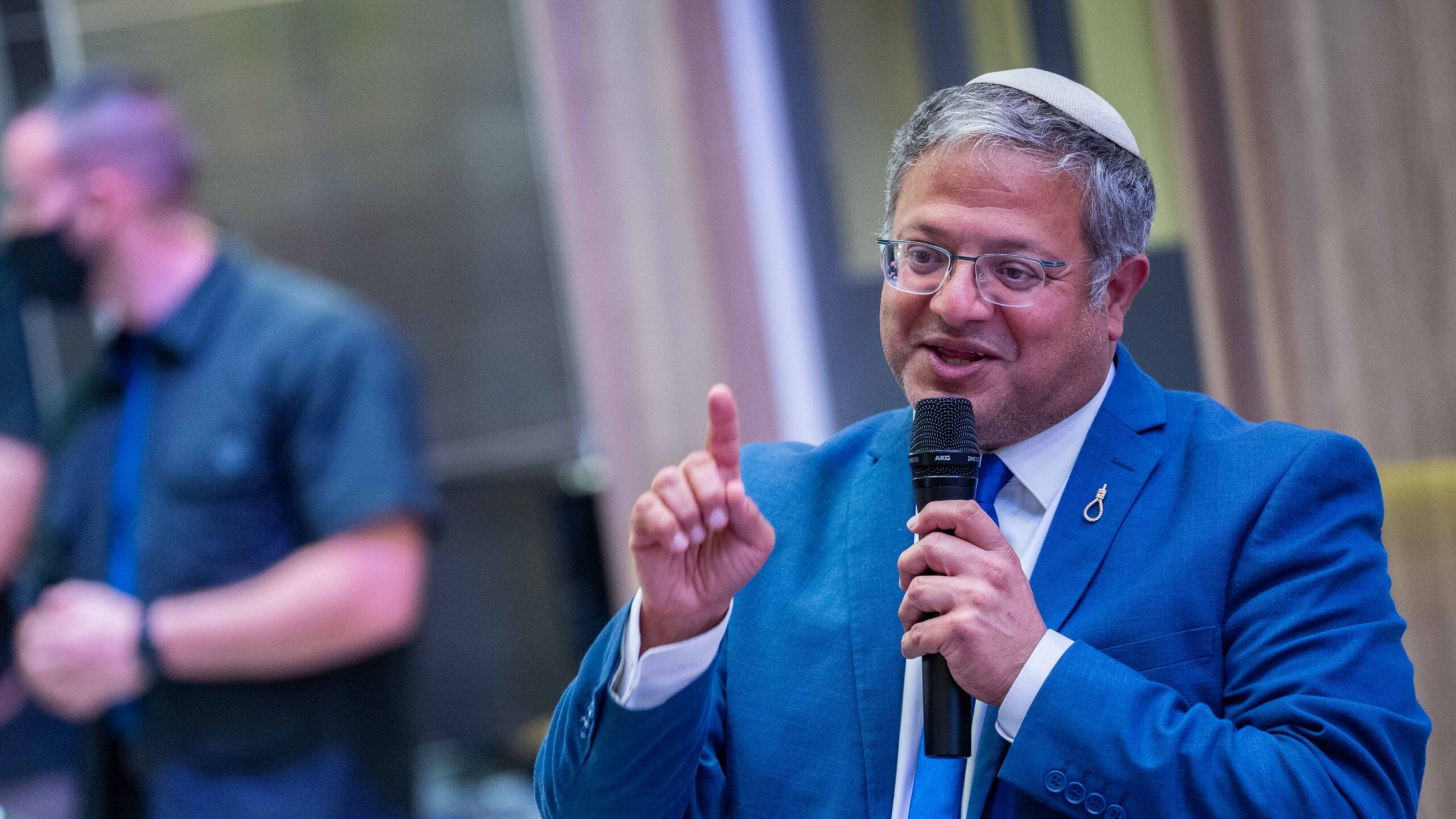
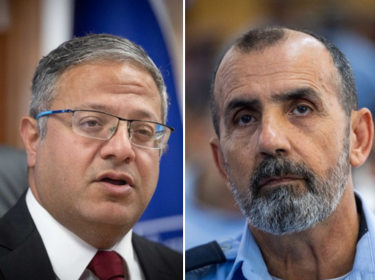
National Security Minister and Otzma Yehudit Chairman Itamar Ben Gvir unveiled his “Disengagement 710” plan, aimed at promoting the voluntary emigration of Gaza residents to countries willing to receive them. Under the plan, the target would be approximately 250,000 people leaving during the first year, 1.11 million within three years and approximately 1.86 million within seven years.
Photo: Eric Marmor, Flash 90
The proposal calls for establishing a dedicated government ministry for voluntary emigration, headed by a minister and operating with a director-general, independent budget, international negotiating team and implementation apparatus. As part of the planning process, Turkey, Ethiopia, Congo and Arab countries are being examined as potential destinations, alongside additional countries.
Under the plan’s principles, departures would be voluntary and take place only after a destination country agreed to receive the migrants and their legal status had been arranged. An individual file would be prepared for each person or family, including a destination, documentation, visas and an integration plan, with preference given to allowing families to leave together.
Our forces in the Gaza Strip, archive | Photo: IDF Spokesperson
The proposal outlines emigration pathways based on employment, education, medical treatment, family reunification and community sponsorship. The resettlement package would include assistance with travel, initial housing, vocational training, employment and support for up to 24 months. The plan also calls for individual security screenings and monthly publication of data on applications, approvals, departures, costs and absorption figures. Otzma Yehudit proposes an initial Israeli investment of NIS 10 billion to establish and launch the system, alongside an Israeli matching framework of up to NIS 50 billion, subject to international participation and agreements with receiving countries.
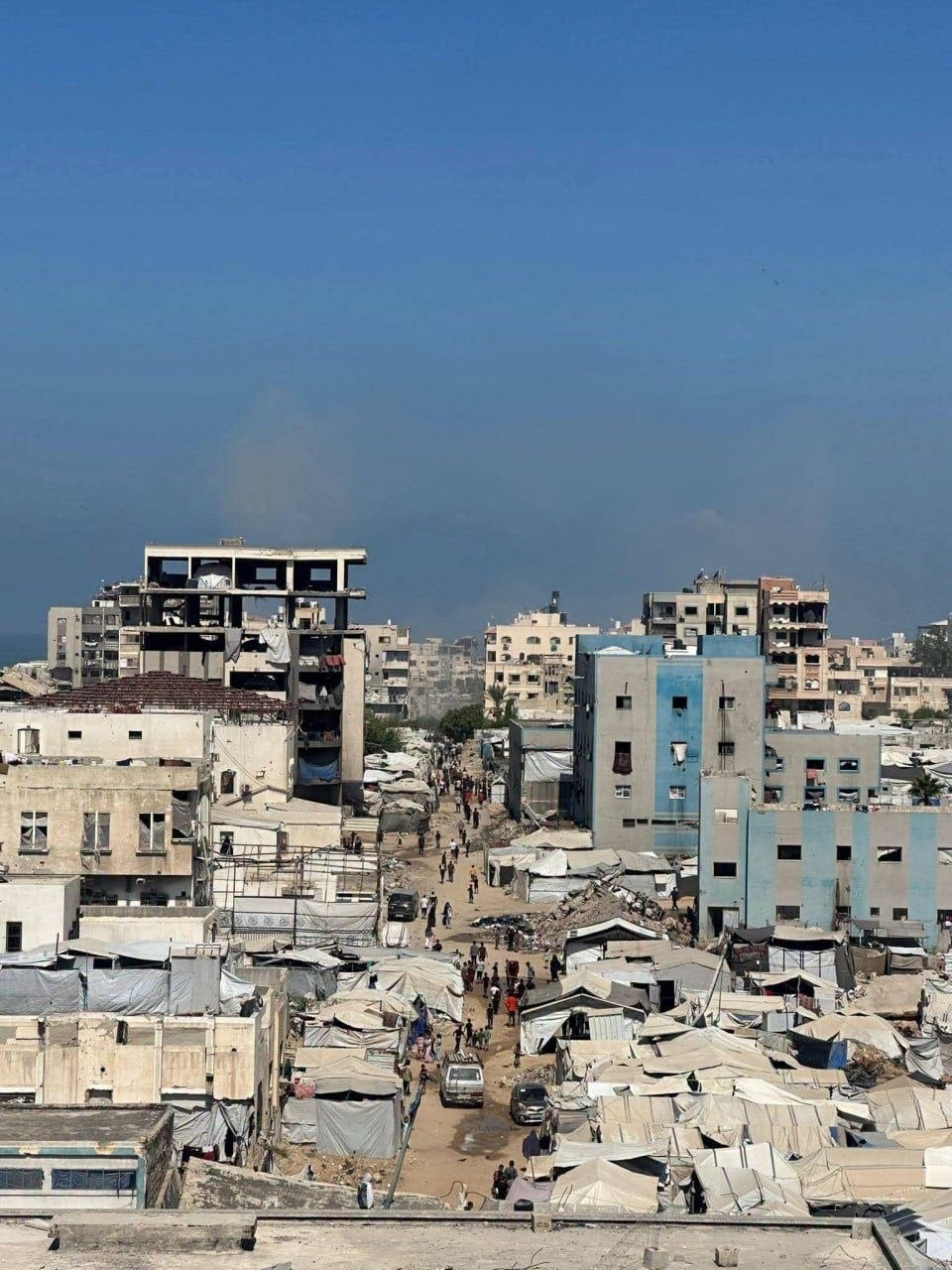
Gaza ruins | Photo: Arab Networks
Ben Gvir said establishing an Immigration Ministry—with its own minister, budget and authorities—would be among his party’s top coalition demands in the next government. “I am announcing here: In the next government, establishing an Immigration Ministry, with a minister at its head, budgets and authorities, will be at the top of our coalition demands,” Ben Gvir said. “Otzma Yehudit will demand this ministry for itself and advance the implementation of encouraging emigration.”
The rift between Israel’s police leadership and the government deepened Wednesday when Police Commissioner Danny Levi launched a frontal attack on National Security Minister Itamar Ben-Gvir’s policies. In a meeting with senior officers, including Judea and Samaria District Commander Moshe Pintzy, Levi voiced sharp opposition to transferring enforcement powers from the IDF to police in Judea and Samaria—a move Ben-Gvir recently blessed and called an achievement.
Photo: Haim Goldberg, Flash 90
Levi told his commanders that police are repeatedly forced to take responsibility for failures and incidents that fall under the army’s direct authority. He then ordered field commanders not to hold any discussions or coordination with military officials on the transfer of powers. The decision is seen as a direct confrontational step against Ben-Gvir, who has made expanding police control in Judea and Samaria a strategic goal.
Beyond the professional dispute, Levi sparked controversy by wading into political and diplomatic territory. In his remarks to officers, the commissioner claimed that “a handful of extremists” are causing severe damage to Israel’s image worldwide. The statement is unusual for someone heading the organization, as it touches on foreign policy issues and direct criticism of right-wing activists in the territory—subjects at the heart of political controversy.
Pushback against Levi’s attack came quickly, and from within the police force itself. Sources in the organization slammed the commissioner harshly: “He keeps injecting politics into police work. It’s very strange that a commissioner chooses to speak on diplomatic issues outside his authority. At the end of the day, the decision on transferring powers isn’t in his hands—it’s at the political level.” The clash between the commissioner and the minister has now become an open war that could affect police operations in the most sensitive friction points.
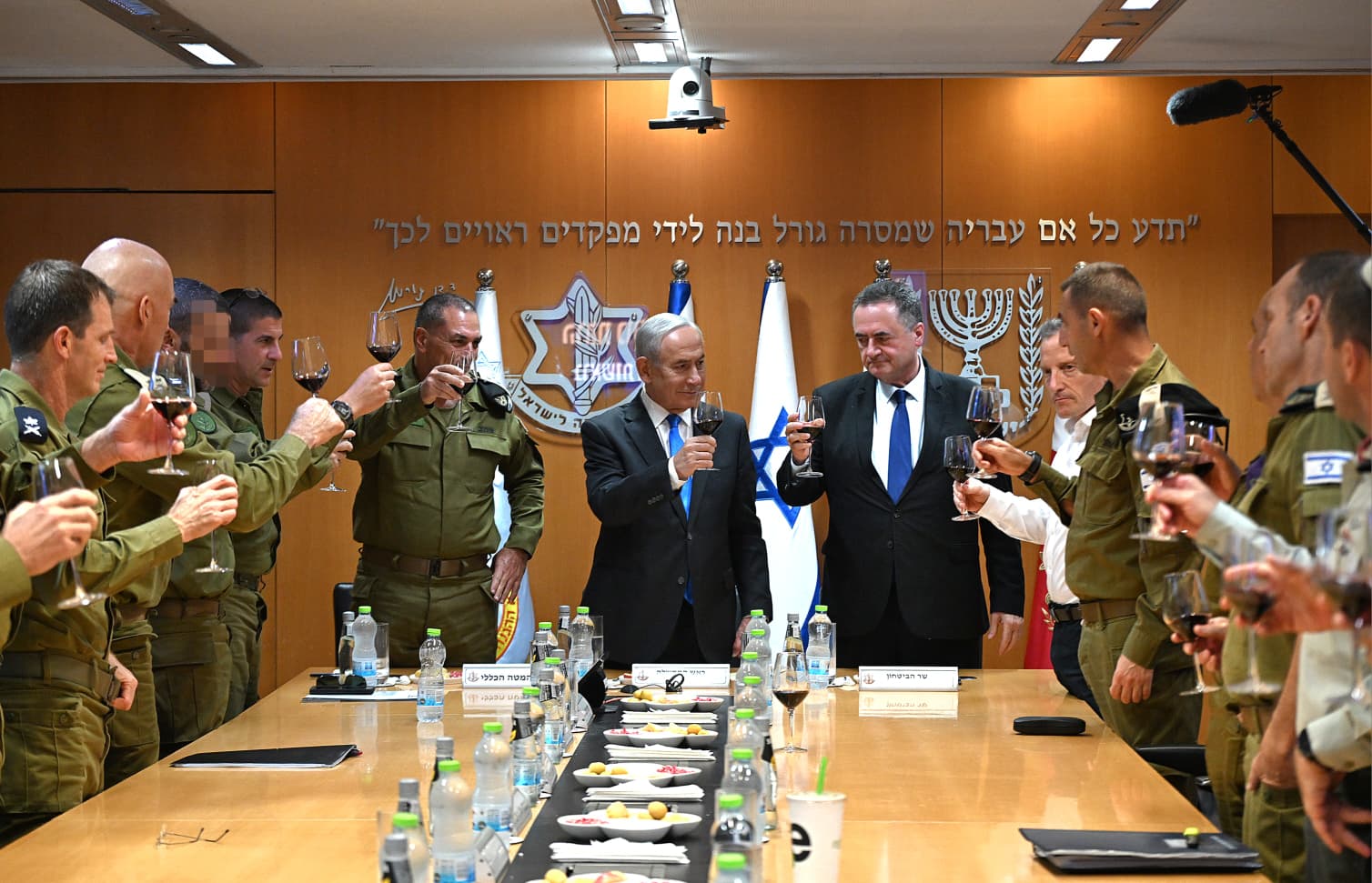
Prime Minister Benjamin Netanyahu said bringing down the Iranian regime is the central mission still facing Israel, adding that the goal is “close” and “within reach.” Netanyahu made the remarks during a Rosh Hashanah toast for the Hebrew year 5787 with Defense Minister Israel Katz, IDF Chief of Staff Lt. Gen. Eyal Zamir and members of the IDF General Staff Forum at the Kirya military headquarters in Tel Aviv.
Photo: Chaim Goldberg, Flash 90
Netanyahu said the Iranian regime is “faltering,” “weaker than ever” and “fighting for its life.” According to the prime minister, Israel has pushed back the threat posed by a regime seeking its destruction and nuclear weapons, along with additional threats. “I am convinced of our ability to remove this threat once and for all. That means toppling this regime,” Netanyahu said. “This is the central mission that still lies ahead of us, but it is close. It is not impossible. It is within reach.”
Netanyahu went on to praise IDF soldiers, pilots and navigators, Israel’s home-front defense apparatus and the Israeli people. He then issued a warning to Israel’s enemies. “I say to our enemies: Don’t mess with us. If you’ve learned anything, don’t mess with us,” Netanyahu said. “We have the strength, determination and internal unity to defeat you.”
Hate crimes across New York City have spiked at an alarming rate over the past year, with violent incidents singling out Jews remaining at the epicenter of the crisis. According to newly published crime metrics from the New York City Police Department (NYPD), the total number of documented hate crimes across the five boroughs jumped from 367 incidents in 2025 to 425 in 2026—a steep 15.8% increase.
Jewish Man Attacked in New York | Photo: Mendy Etzref
The disturbing figures emerge just weeks before the High Holidays—Rosh Hashanah and Yom Kippur—a period during which the city’s Jewish communities already maintain heightened security postures around synagogues, yeshivas, and communal centers. The NYPD data reveals that antisemitic hate crimes rose by approximately 8% over the past year, accounting for more than half of all confirmed hate crimes recorded throughout the first eight months of 2026. This disproportionate targeting is particularly staggering given that Jewish residents comprise only an estimated 10% of New York City’s total population.
Among the high-profile violent incidents underscoring the climate of fear was the stabbing of a Jewish man directly outside an Upper West Side synagogue in July. The brazen attack is part of an escalating wave of assaults, harassment, and open threats directed at visibly identifiable Jews, sparking profound apprehension and outrage across local communities.
Anti-Semitic protests in the U.S. | Archive, Photo by: Shutterstock
The compounding figures present a glaring challenge for Mayor Zohran Mamdani, who took office at the beginning of the year and faces fierce condemnation from Jewish community leaders over his radical record and the unchecked deterioration of communal safety. While City Hall cites liaison initiatives through its office for countering antisemitism, including outreach to rabbinic councils and neighborhood leaders, critics argue concrete deterrence on the streets remains sorely lacking.
The surge in antisemitic bigotry stands in sharp contrast to overall municipal crime trends touted by law enforcement: according to the NYPD, the past summer was statistically the safest on record regarding shootings, gunshot victims, and homicides. Between June 1 and August 31, the city recorded 195 shooting incidents, 249 shooting victims, and 66 homicides—historic lows for the summer period. Yet while gun violence has receded, targeted hatred against New York’s Jews continues to climb unhindered.
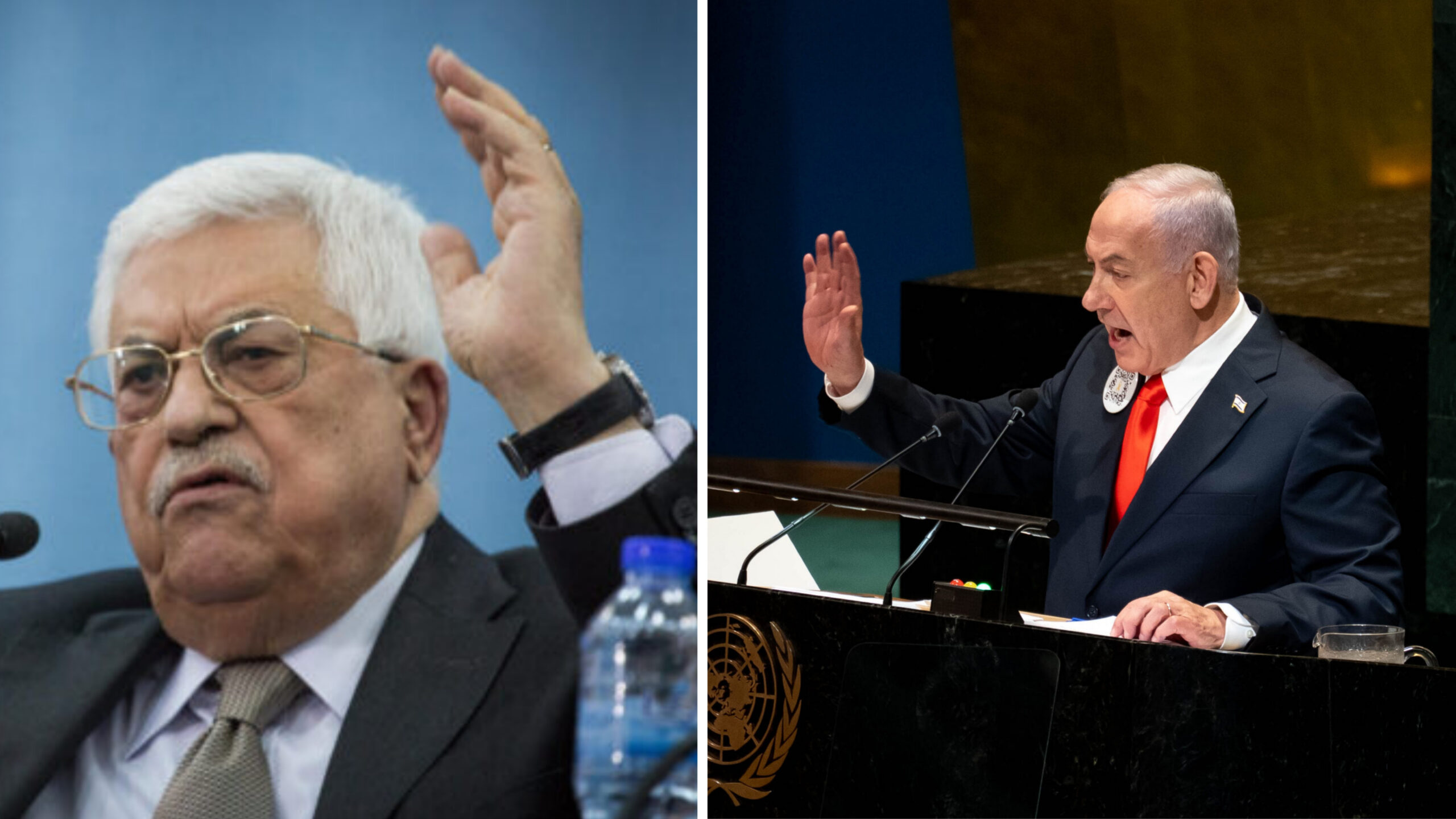
With the United Nations General Assembly High-Level Week set to open in New York in roughly three weeks—drawing world leaders for one of the premier annual diplomatic spectacles—Israel is actively working with the Trump administration to reinstate a formal U.S. entry ban on ‘Palestinian’ Authority Chairman Mahmoud Abbas.
The diplomatic maneuver aims to ensure Abbas is once again restricted to delivering his address via recorded video from Ramallah, mirroring the precedent set last year when he was denied physical entry to the UN podium on American soil.
U.S. President Donald Trump | Photo: The White House
Facing heavy Israeli diplomatic pressure spearheaded by Prime Minister Benjamin Netanyahu and Foreign Minister Gideon Sa’ar, Abbas has turned to Turkish President Recep Tayyip Erdogan, seeking to leverage Ankara’s influence to lobby the Trump administration against imposing visa bans on the ‘PA’ delegation. As the schedule currently stands, both Netanyahu and Abbas are slated to deliver their respective General Assembly addresses on the same day, September 24—just three days following Yom Kippur.
Alongside efforts to sideline Abbas from the international stage, diplomatic officials are exploring a bilateral summit between Prime Minister Netanyahu and President Donald Trump during the visit to the United States—a meeting with profound strategic weight for regional defense and sovereignty.
High-level diplomatic contacts between Israel and Lebanon have expanded in recent months to include a sensitive mission: locating and repatriating the remains of 12 prominent leaders of Lebanon’s historic Jewish community who were abducted and brutally murdered in the mid-1980s by Islamist terror factions, including a nascent Hezbollah.
Photo: Shutterstock
Newly surfaced details reveal that the effort is being spearheaded on Israel’s behalf by the Prime Minister’s Coordinator for Hostages and Missing Persons, Brig. Gen. (res.) Gal Hirsch, the National Security Council, and Israel’s Ambassador to the United States, Dr. Yechiel Leiter. The sacred file was also raised directly during formal bilateral negotiating sessions between Israeli and Lebanese delegations in Rome. Israeli defense and diplomatic officials have identified tangible readiness by the Lebanese government in recent weeks to help advance the searches.As part of the diplomatic exchange, Israel provided Lebanese authorities with actionable intelligence dossiers, including topographic maps and aerial photography of cemeteries and suspected burial sites where the victims may have been interred.
Concurrently, Lebanese authorities have conducted operational searches on the ground based on Israeli intelligence leads, relaying photographic evidence and video documentation back to Israel for forensic review.While the complex recovery efforts remain active, Israeli officials note that no definitive positive identification has yet been confirmed. The issue has been formally embedded into the diplomatic architecture between Jerusalem and Beirut. Following an uncompromising Israeli demand, Ambassador Leiter ensured the inclusion of a binding clause in the bilateral memorandum of understanding (MOU) that legally obligates the Lebanese government to actively locate the missing leaders.
Israeli Ambassador to the U.S., Yechiel Leiter | Photo: Yonatan Sindel, Flash90
For Prime Minister Benjamin Netanyahu, the file represents the culmination of a personal commitment spanning four decades. During the mid-1980s wave of kidnappings and executions that targeted the remnant of Lebanese Jewry, Netanyahu served as Israel’s Ambassador to the United Nations, actively working the diplomatic corridors of New York to uncover their fate. Several relatives of the murdered community leaders reside in Israel today. The Prime Minister’s Office, through Gal Hirsch, maintains continuous contact with the families, providing regular operational briefings on developments and searches carried out across Lebanon.
Israeli officials express hope that the diplomatic opening established over the past year will finally yield a long-overdue breakthrough, bringing Jewish martyrs to a dignified resting place in Israel and closing a painful chapter left open for forty years.
Defense Minister Israel Katz is currently holding a high-stakes, multi-front situational assessment alongside IDF Chief of Staff Lt. Gen. Eyal Zamir and senior leaders of Israel’s defense establishment.
Photo: Yonatan Sindel / Flash90
The emergency security consultations unfold against the backdrop of the Defense Minister’s explicit warnings that Israel is prepared to strike and cripple the Iranian regime’s strategic energy infrastructure. With tensions surging across all operational theaters, the defense leadership is reviewing forward offensive readiness, preemptive strike capabilities, and comprehensive multi-arena response plans to counter Tehran’s aggression and neutralize threats against the Israeli home front.
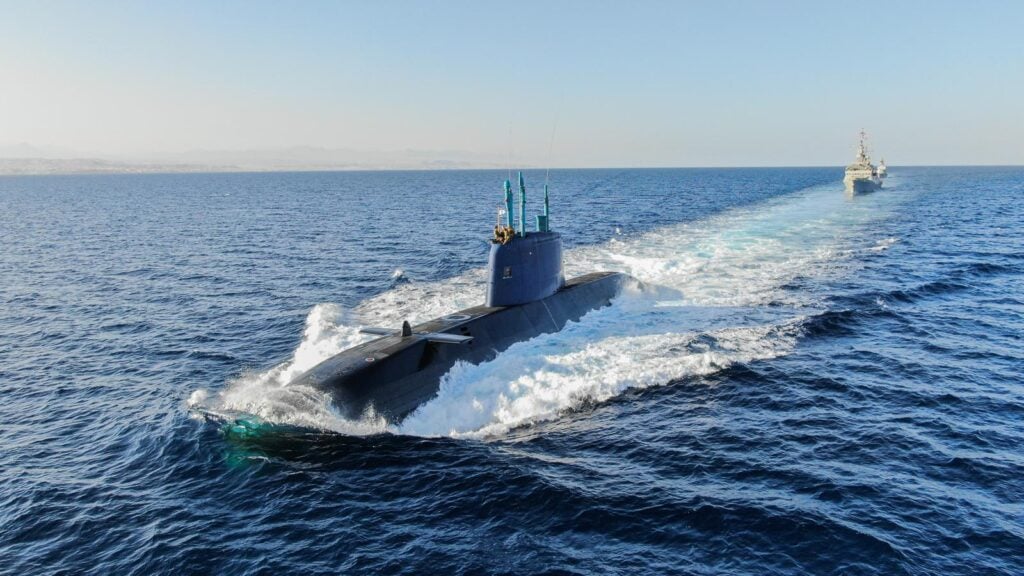
The submarine INS Dragon has left Germany bound for Israel after years of waiting. The new submarine, built at TKMS shipyards in Kiel, will make its way to its home port in Israel and join the Navy’s submarine flotilla. Upon arrival, it will become the sixth submarine in Israel’s underwater fleet.
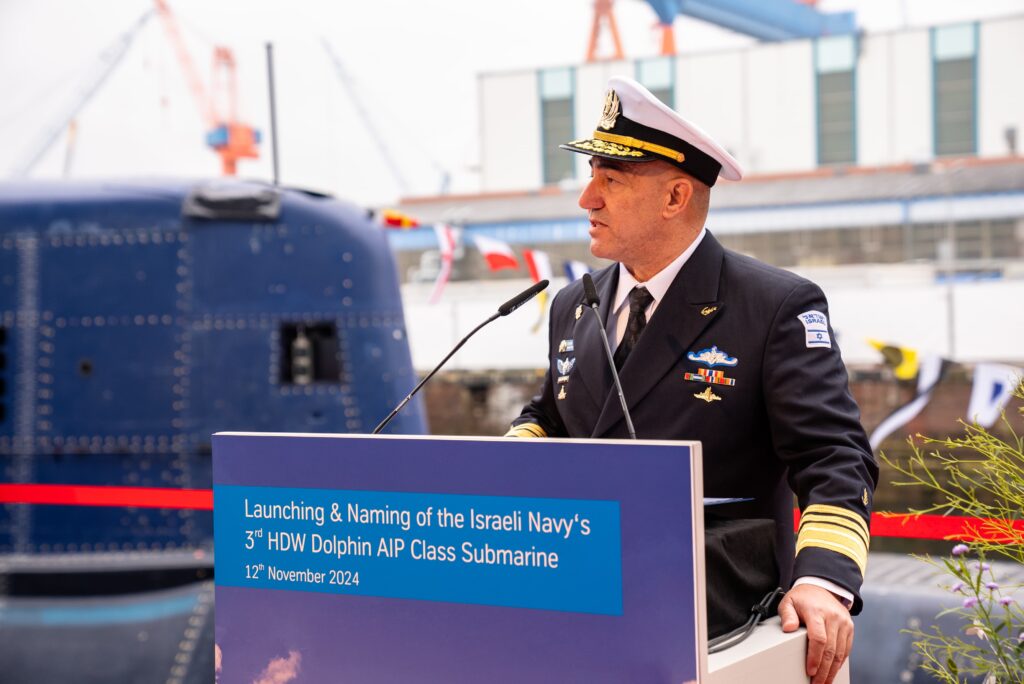
Just yesterday, a special ceremony was held in Germany led by the Navy commander, heralding a dramatic expansion of the naval arm: for the first time in the country’s history, the IDF will operate six submarines simultaneously. This is the most advanced war machine arriving in the IDF, a strategic asset equipped with the latest technology, designed to ensure Israel’s security and the superiority of its forces even in the most distant arenas.
The Dragon’s expected arrival also caps an unusually long process. The submarine was ordered back in 2011 as part of the Navy’s continued force buildup and was built in Germany according to Israeli specifications. In August 2023, it was already spotted outside the construction hall in Kiel, and in November 2024, an official ceremony was held at the shipyard where it received its name. The Defense Ministry defined it then as a “strategic combat asset” and announced that it is equipped with unique systems and technologies designed to expand the IDF’s capabilities in various arenas.
The Dragon is the third and final Dolphin AIP-class submarine built for the Navy, and it is also the largest of the six Dolphin-series submarines built for Israel. The AIP system allows the submarine to remain underwater for extended periods without needing to surface to run diesel engines and charge batteries—a significant advantage in covert, long-range missions.
Many details regarding the Dragon’s operational capabilities remain classified. However, the Navy and Defense Ministry have made clear this is a vessel designed to expand Israel’s operational range. At the naming ceremony, Navy Commander Rear Admiral David Saar Salama said the submarine would operate “at distances and depths for extended periods,” and defined it as a significant force multiplier for the Navy, the IDF, and the State of Israel.
Visual representation | Photo: IDF spokesperson
One of the submarine’s prominent external features is an enlarged and extended structure on its upper section, different from its predecessors. Professional publications abroad have raised assessments over the years regarding systems that could be integrated in this area, but Israel has not disclosed its purpose. Ambiguity is also maintained regarding the precise weapons systems installed on the submarine.
Just yesterday, it was reported in Kiel that the Israeli Navy officially commissioned the Dragon in a ceremony held at the TKMS shipyard under heavy security. According to the local report, this is the largest submarine from the Dolphin family that Germany has supplied to Israel, and its cost reaches about 700 million euros, with Germany financing about a third of the amount.
The submarine’s name was also chosen for its historical connection to the flotilla. According to the Defense Ministry, “Dragon”—a mythological sea creature symbolizing power and strength—contains in Hebrew the letters D, K, and R, which form the name “Dakar,” thus commemorating the legacy of INS Dakar and its crew members.
Visual representation | Photo: IDF spokesperson
The Dragon’s arrival comes at a time when the submarine flotilla is undergoing a broader expansion process. In November 2024, parallel to the ceremony held for the Dragon, construction also began in Germany on the first submarine of the future “Dakar” series. Israel has ordered three next-generation submarines, which are eventually intended to replace the three oldest submarines from the Dolphin series. Their delivery is expected to begin in the early part of the next decade.
Now, after completing the stages in Germany, the Dragon is making its way to Israel. Upon arrival, it is expected to be received at the Navy base in Haifa and join a fleet considered one of the most strategic and secretive assets of the IDF.