The Prime Minister’s Office announced on Wednesday that the flagship “Northern Shield” initiative to fortify and reinforce northern communities is officially moving forward. Under the project, three separate tracks were structured based on proximity to the border up to nine kilometers, with adjacent frontline communities eligible for self-implementation grants of up to NIS 182,000 per household starting next year.
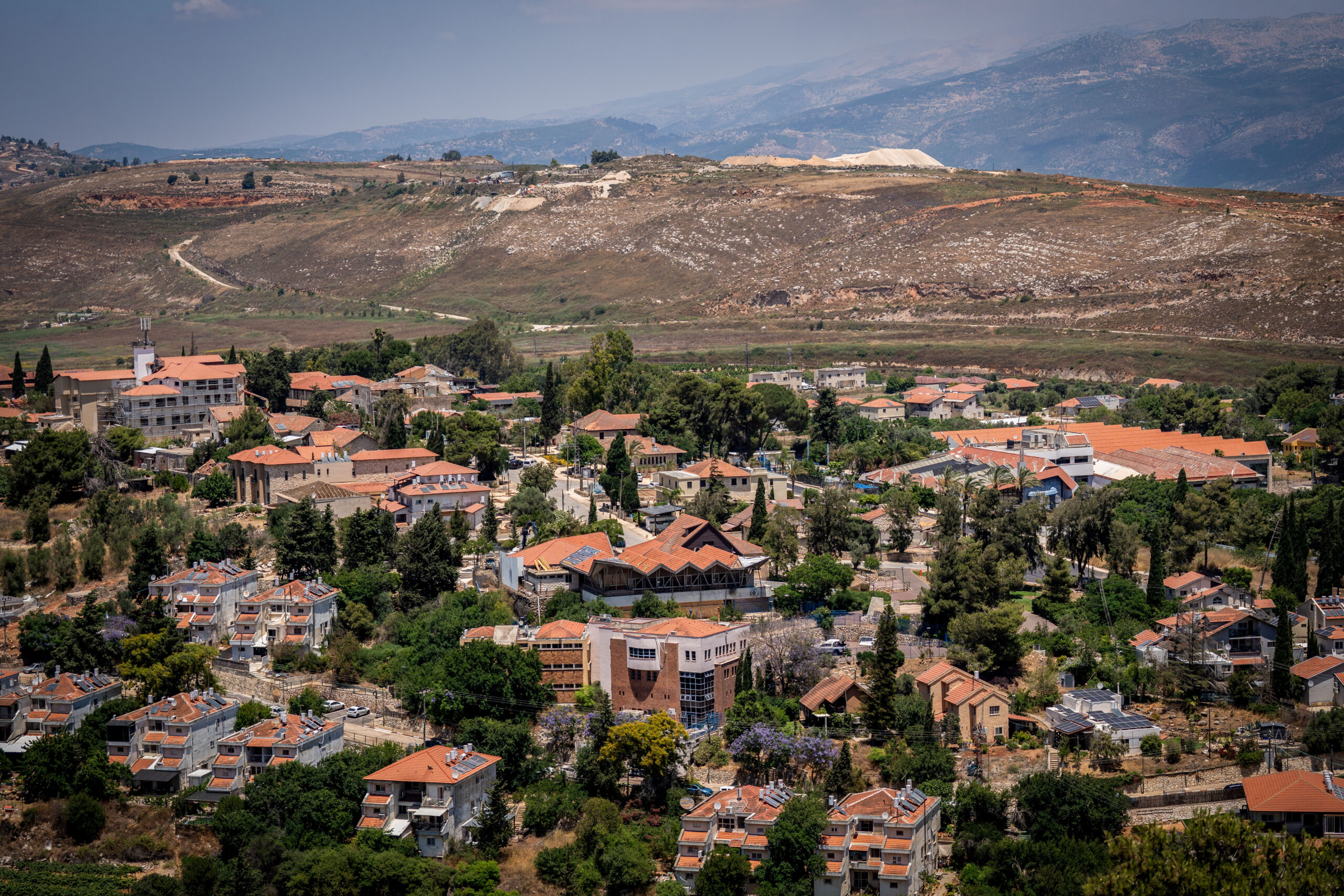
Metula | Chen Leopold, Flash90
According to the plan, high-density multi-story residential buildings will also be reinforced and fortified in Ma’alot, Nahariya, and Kiryat Shmona, even where specific municipal sectors exceed the baseline boundary distance. The project’s overall NIS 6.75 billion budget will be allocated across all kibbutzim, moshavim, and localities situated within the nine-kilometer zone. Under the direct self-build grant track, residents of 89 communities within nine kilometers of the border can apply for home fortification grants, disbursed in three phased installments aligned with construction milestones.
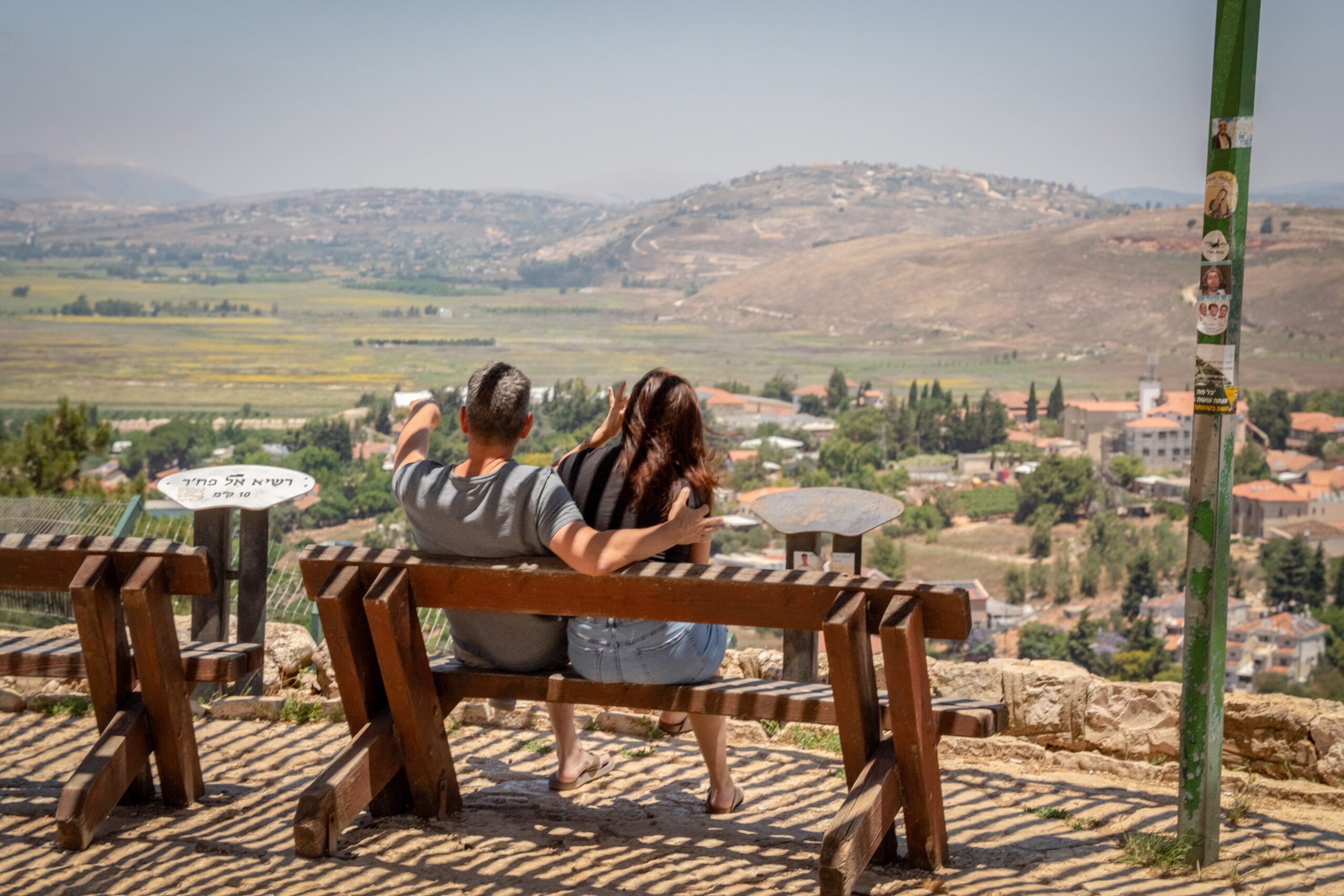
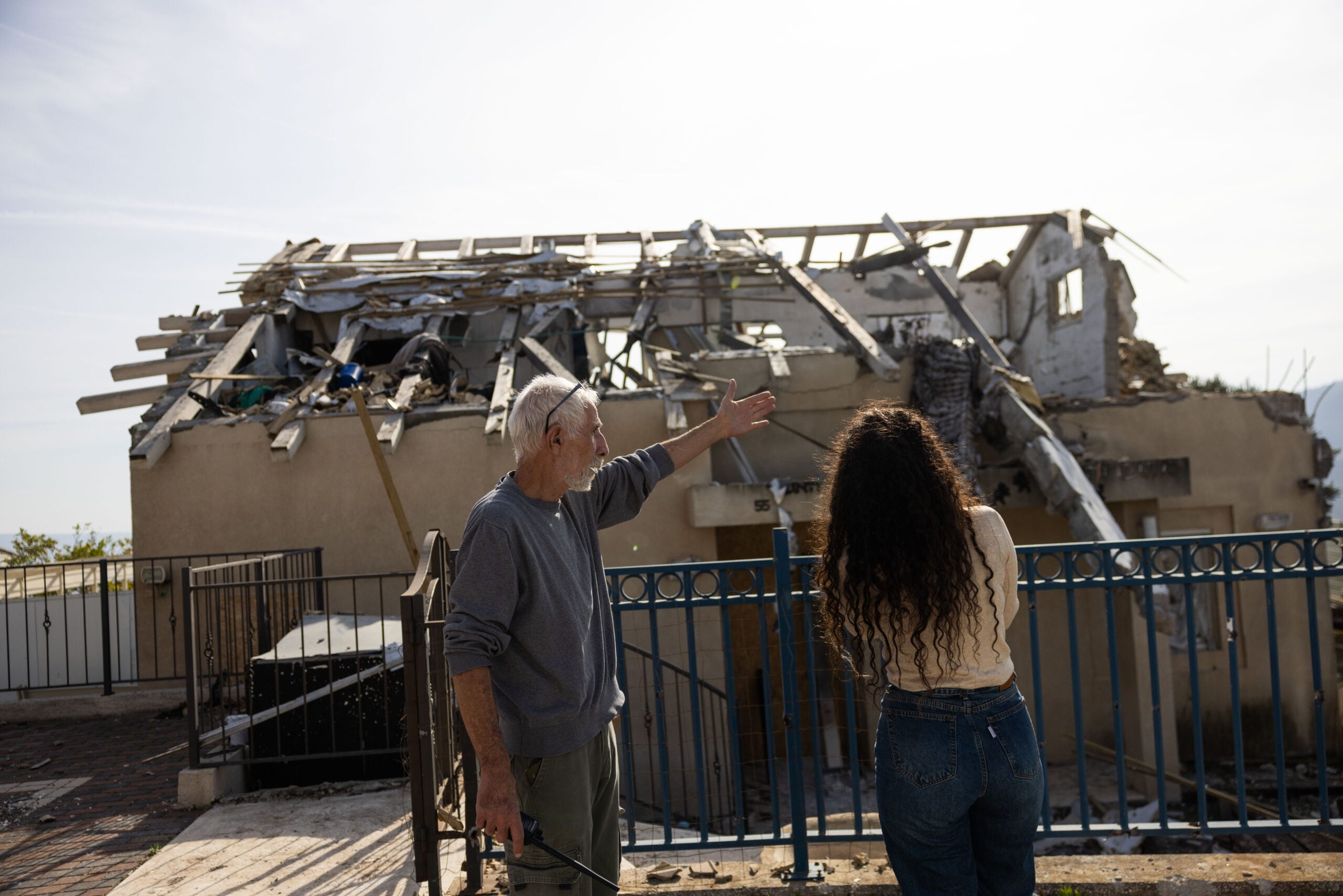
Metula During Wartime | Photo: Chaim Goldberg, Flash90
The initiative includes a strict declining timeline to accelerate construction: during 2027, the grant ceiling will stand at NIS 182,000; in 2028, it will decrease to NIS 133,000; and from 2029 onward, no new fortification grants can be requested. Conversely, residents located 0–1 kilometers from the border who already began or completed construction under prior, lower grant frameworks will be entitled to retroactive compensation upon presentation of valid contractor invoices. Regarding larger urban centers further from the fence: structural fortification and reinforcement of multi-family apartment buildings will be carried out in Kiryat Shmona, Ma’alot, and Nahariya. The Ministry of Construction and Housing will take direct responsibility for fortification across these urban centers, while also fast-tracking urban renewal projects and deploying joint legal and planning subcommittees with the Planning Administration and the Ministry of Justice to clear bureaucratic bottlenecks.
Lior Simcha, Secretary-General of the Kibbutz Movement, welcomed the Prime Minister’s Office announcement, stating: “It must be remembered that this decision is not the end of the story, but merely the beginning. Until the entire north is fortified, we will neither rest nor remain silent. We are now entering the execution phase, and hard work is required to realize what we have secured. A fortified north means a secure Israel, and that is the historic mission of the kibbutzim.”
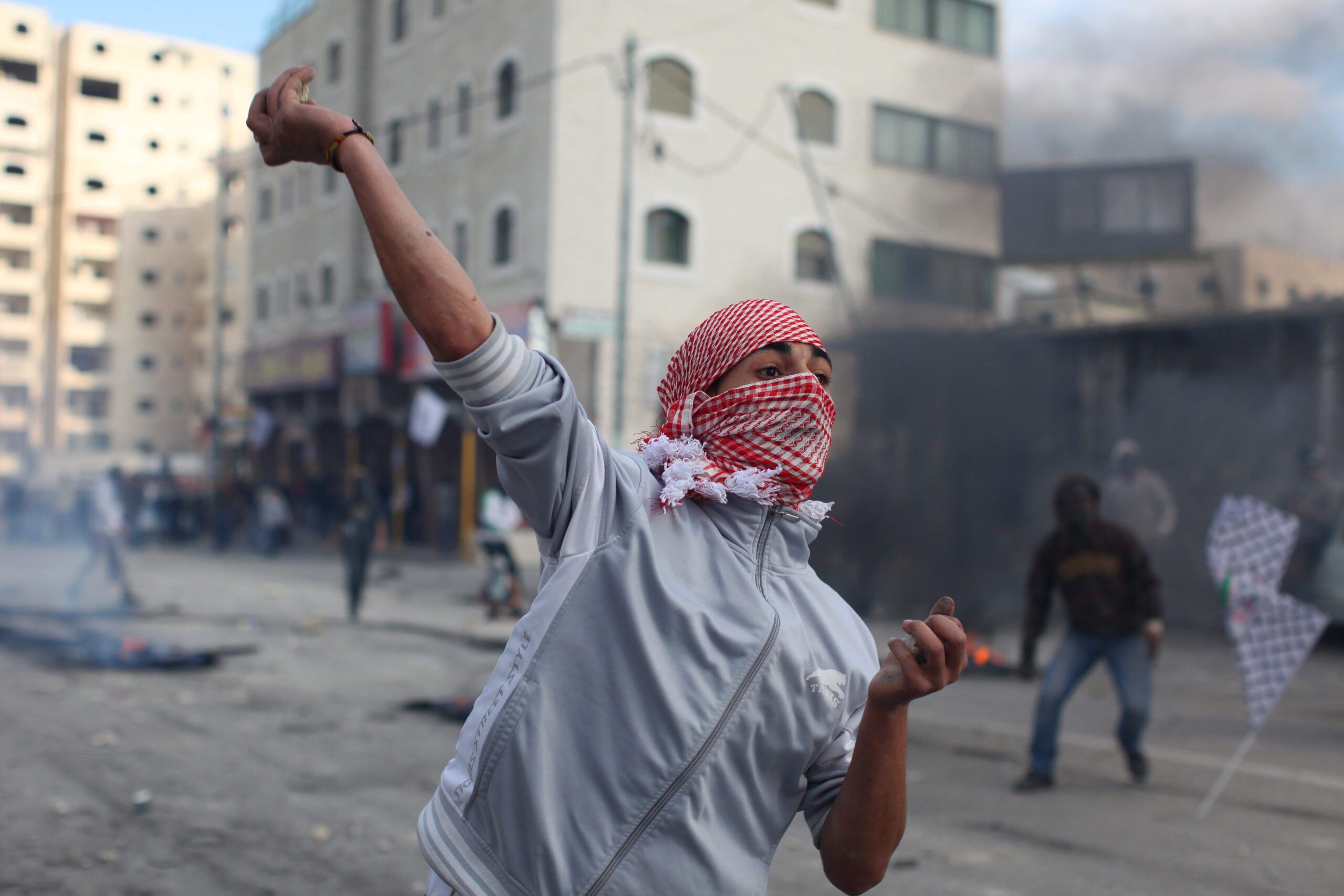
A series of hostile incidents was recorded on Wednesday evening across multiple sectors in Judea and Samaria, including stone-throwing attacks aimed at Jewish vehicles, deliberate roadblock barricades, and violent confrontations between Jews and ‘Palestinians.’ No physical casualties have been reported so far. Near al-Mughayyir, Arab assailants hurled rocks at an all-terrain vehicle carrying Jewish passengers; miraculously, no injuries were reported in the attack. In another incident near the Metzudat David Farm, heavy boulders were placed across the roadway to create a vehicular blockade, posing serious danger to passing motorists.
At the Amichai Farm, two goats died after reportedly being poisoned by radical far-left activists operating in tandem with local ‘Palestinians.’ Violent clashes subsequently erupted at the scene, during which dozens of rioters hurled stones directly at Jewish residents present in the sector.
As of this hour, no Israeli casualties have been reported in the incidents, and no attacking terrorists have been neutralized.
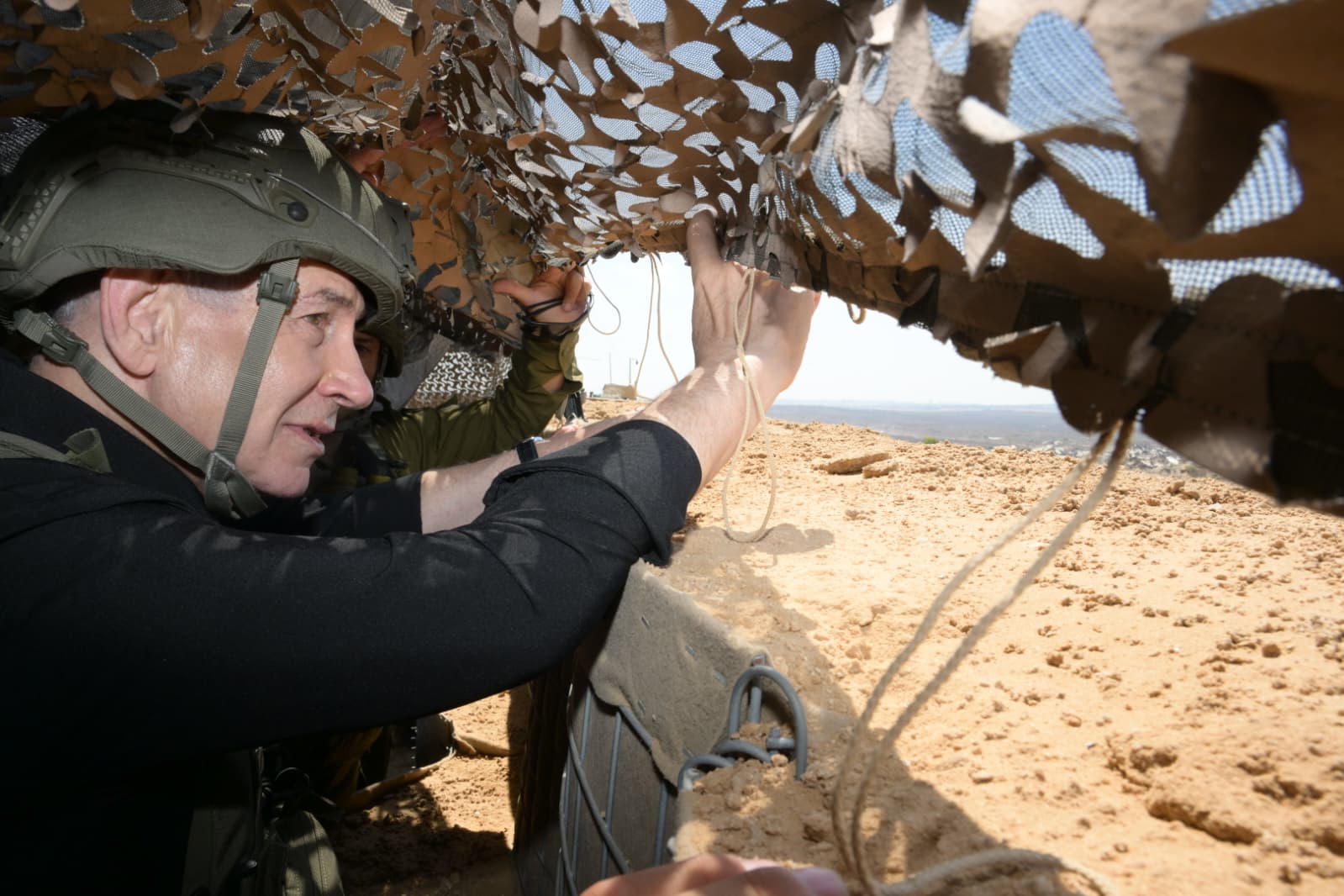
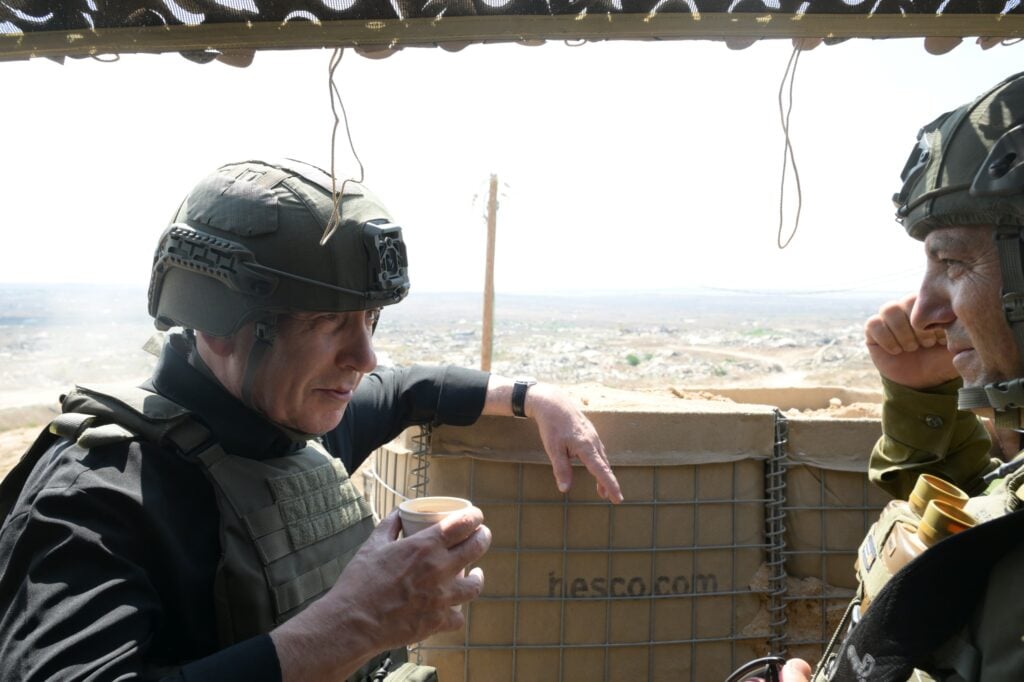
During an operational field tour on Wednesday at an IDF outpost adjacent to the Yellow Line deep within the Gaza Strip, Prime Minister Benjamin Netanyahu declared that Israel currently controls 60% of the enclave’s territory and stated unequivocally that IDF forces will remain deployed along this perimeter with no intention of pulling back.
Netanyahu in Gaza | Photo: Amos Ben Gershom, GPO
The Prime Minister was accompanied by IDF Chief of the General Staff Lt. Gen. Eyal Zamir, GOC Southern Command Maj. Gen. Yaniv Asor, and Commander of the 99th “Flash” Division Brig. Gen. Elad Tzuri. During the briefing, commanders provided Netanyahu with an in-depth operational overview of tactical control along the Yellow Line, ongoing sweeps to neutralize terrorist threats, and multi-layered defense postures protecting Israeli border communities. Addressing deployed fighters and field commanders, Netanyahu said: “I am here inside the Gaza Strip with the Chief of Staff, the head of Southern Command, and our heroic commanders and soldiers. We control the ground here. You can see Ashkelon right over there; you can see all of our communities in every direction—Sderot, Netivot, the kibbutzim.”
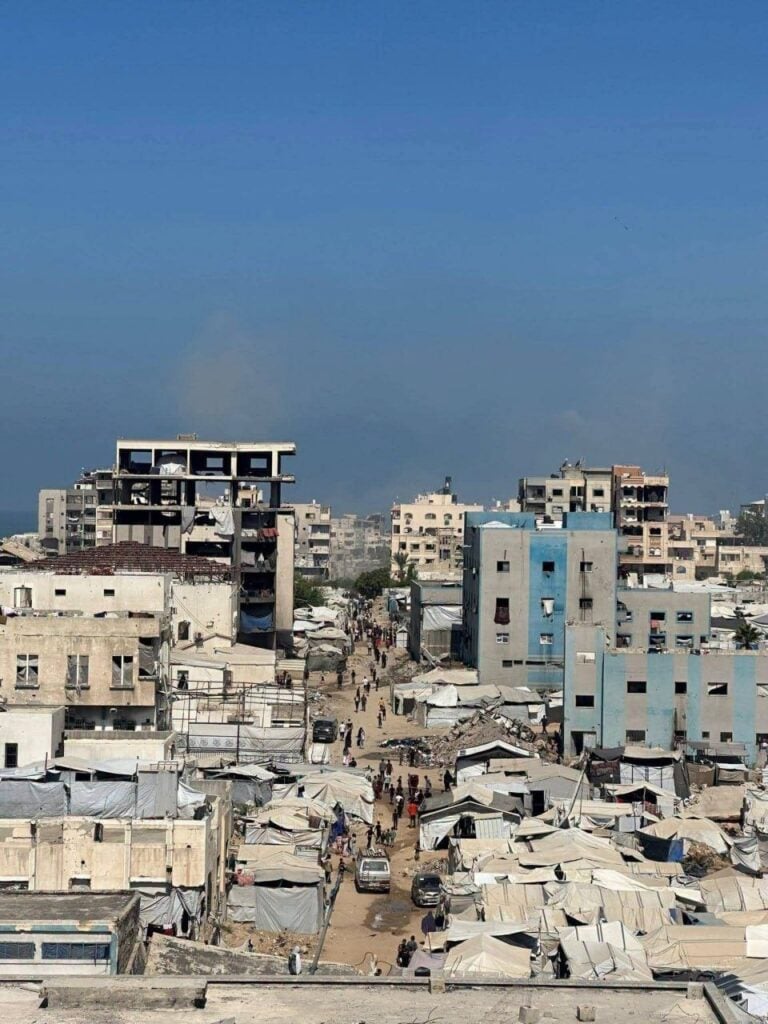
Strikes in Gaza | Photo: Arab Social Networks
Reaffirming Israel’s strategic security posture and long-term territorial control, Netanyahu stressed: “We control the area. We are not pulling back. We are staying along this line. We hold 60% of the Strip, and our hand is still outstretched because we are eliminating the terrorists who threaten us, doing so day in and day out. Just yesterday we apprehended the head of Hamas’s ‘Shin Bet.’ We are certainly going to learn a few things.” Addressing the broader strategic objectives of the campaign, he added: “We are doing everything to reach our objective—the dismantling of Hamas’s weapons and the complete demilitarization of Gaza. Gaza will no longer pose a threat to Israel. To a large extent, this goal has already been achieved, but there is still work to finish—and we will finish it.”
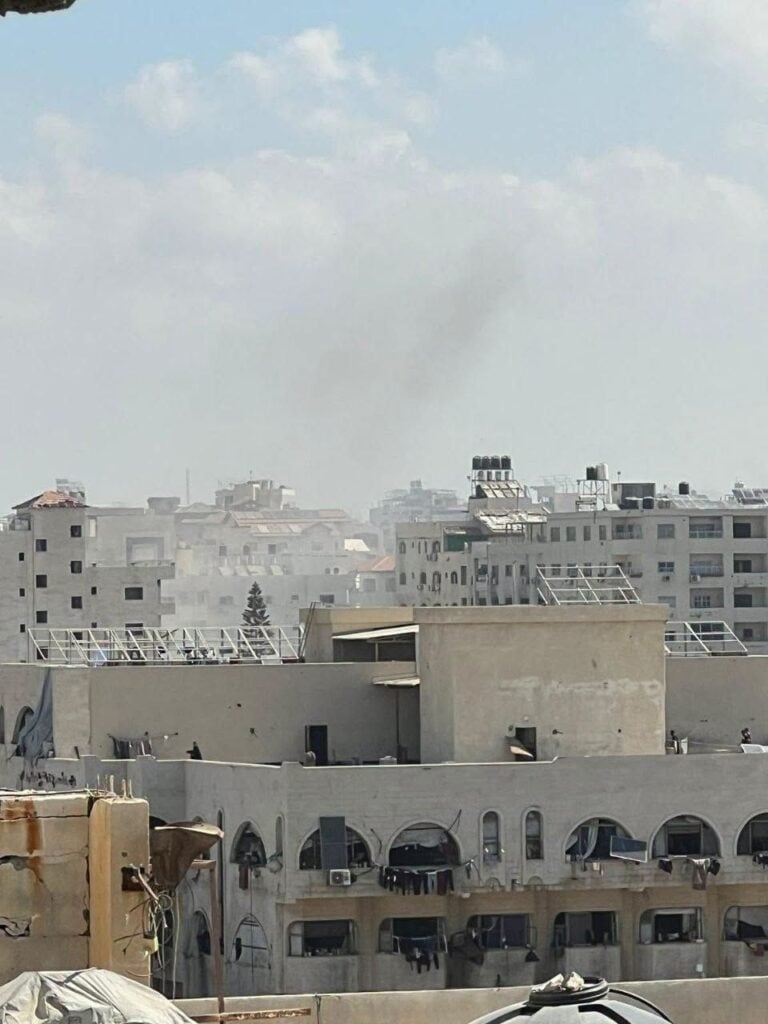
Strikes in Gaza | Photo: Arab Social Networks
In recent days, the IDF has intensified precision operational strikes against Hamas assets despite the formal ceasefire framework enacted in October 2025. Security establishment officials underscored that operations are strictly designed to thwart imminent attacks and prevent the terror organization’s rearmament, while Hamas claims the moves violate existing understandings.
At the center of the ongoing push was a daring, high-stakes special forces operation conducted in Gaza City: Shin Bet and IDF units raided a hideout, capturing Hamas’s internal security chief without casualties and extracting him into Israel for interrogation. Officials noted the commander had been actively orchestrating moves to consolidate Hamas rule in northern Gaza and direct attacks against troops along the Yellow Line. Precision IAF strikes accompanied the raid to secure the operational perimeter.
Those Pictured Have No Connection to the Article | Photo, Archive: Yonatan Sindel, Flash90
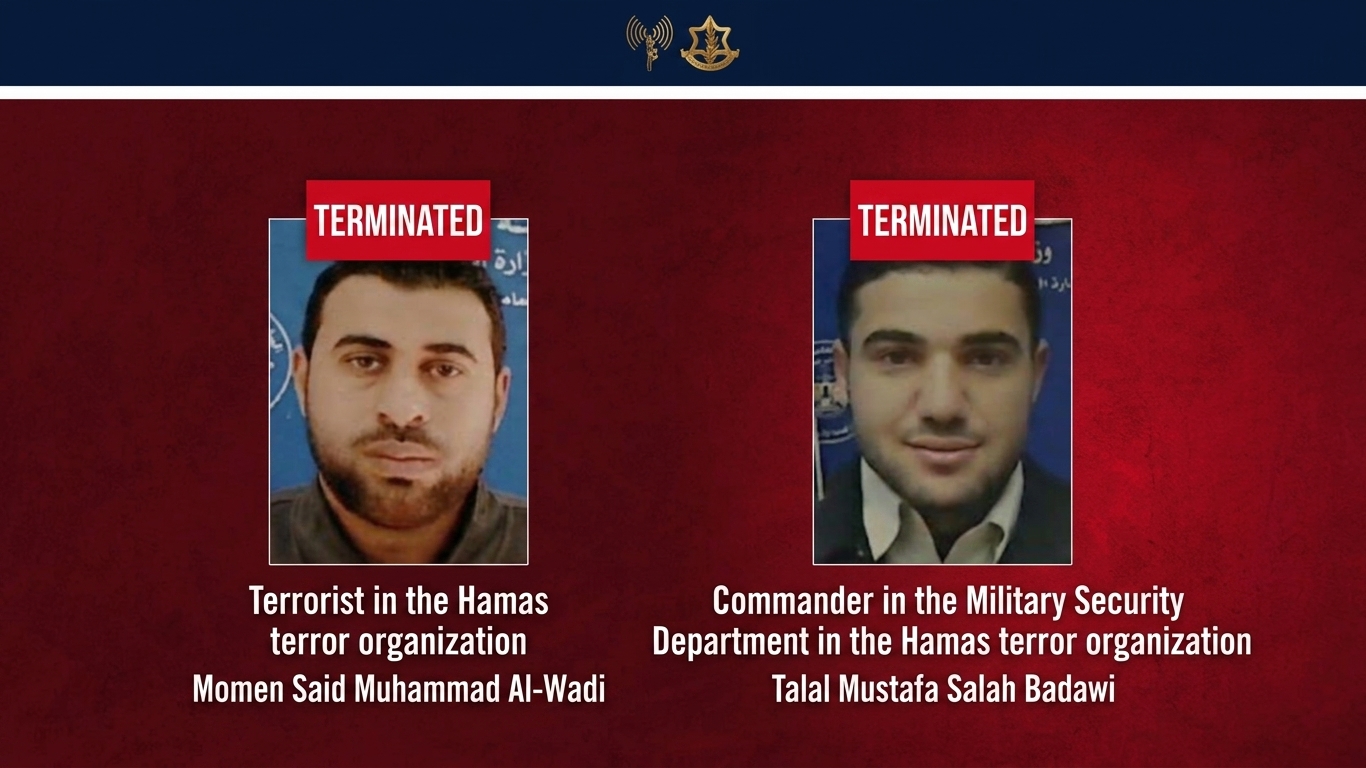
Alongside the high-profile capture, the IDF has conducted consecutive targeted eliminations: an IAF strike targeted a military wing commander in the Jabalia sector, and confirmation was given that an earlier strike eliminated two senior operatives—Talal Mustafa Saleh Badawi, a commander in the military security department of the Gaza City Brigade, and operative Momo Said Muhammad Hawari—both tasked with reconstituting military capabilities and planning hostile actions against Israel.
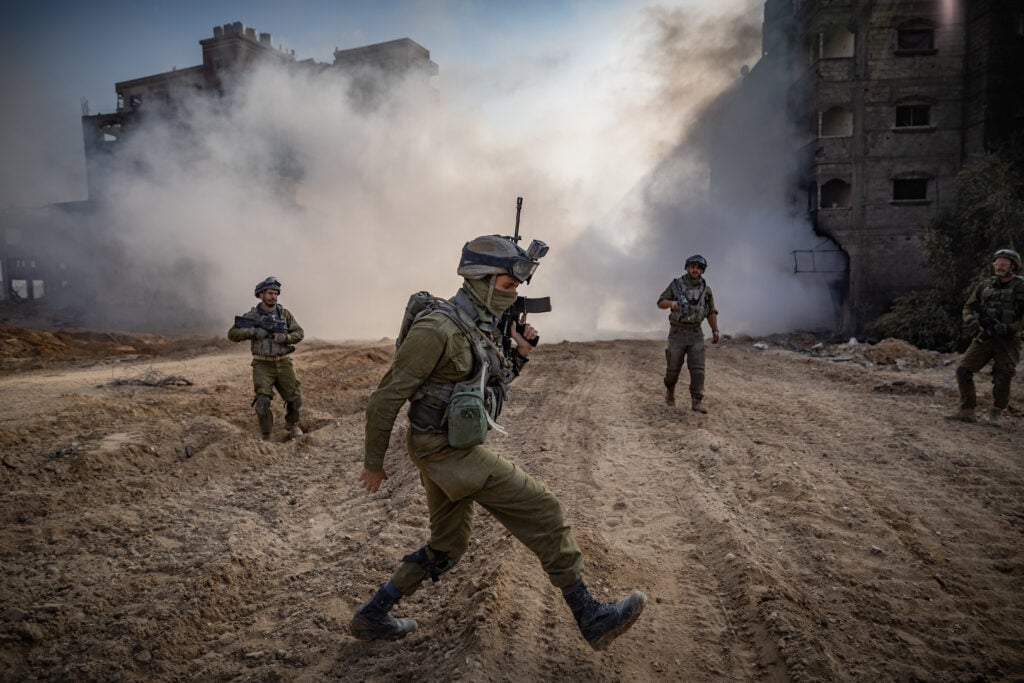
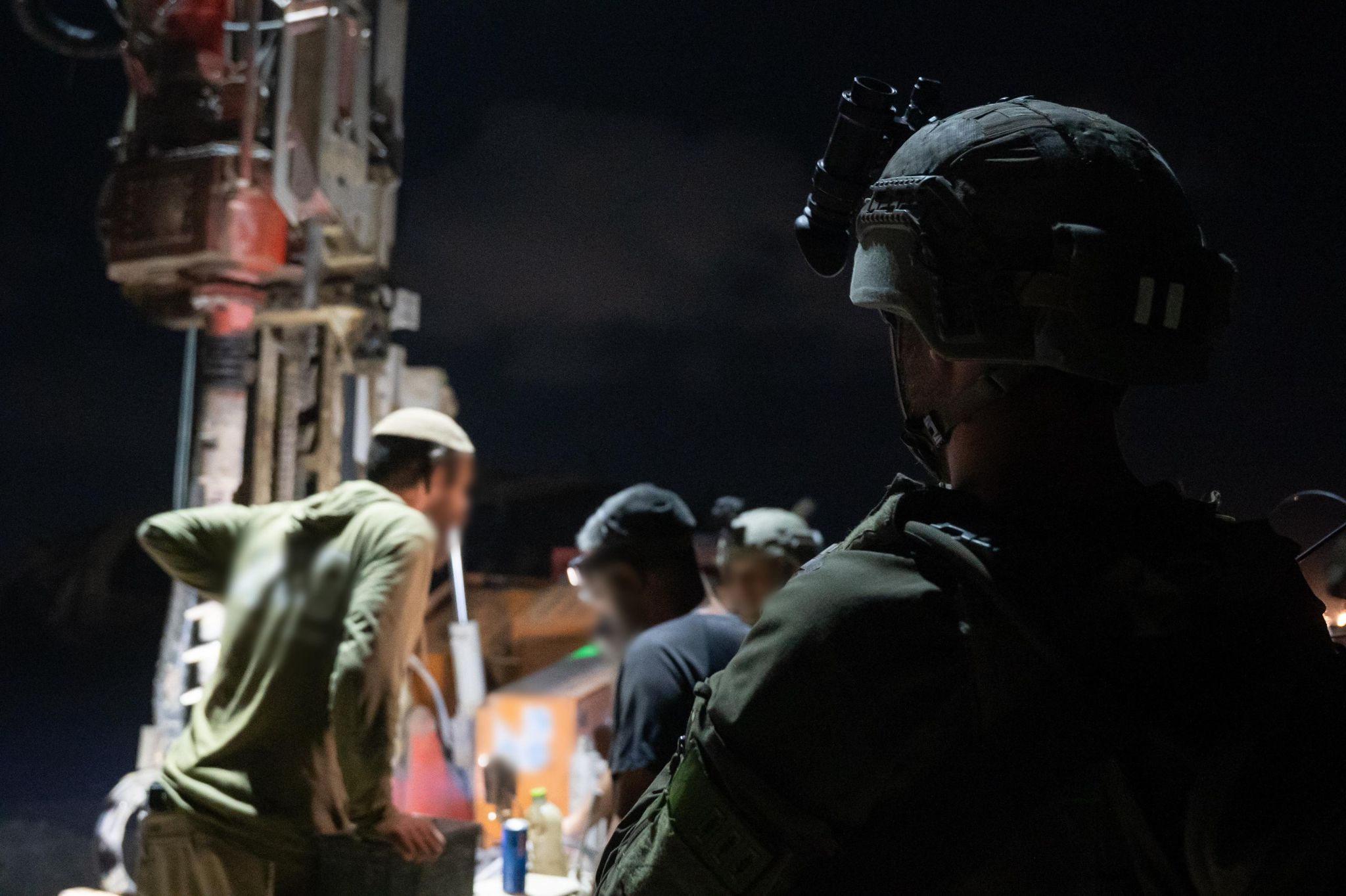
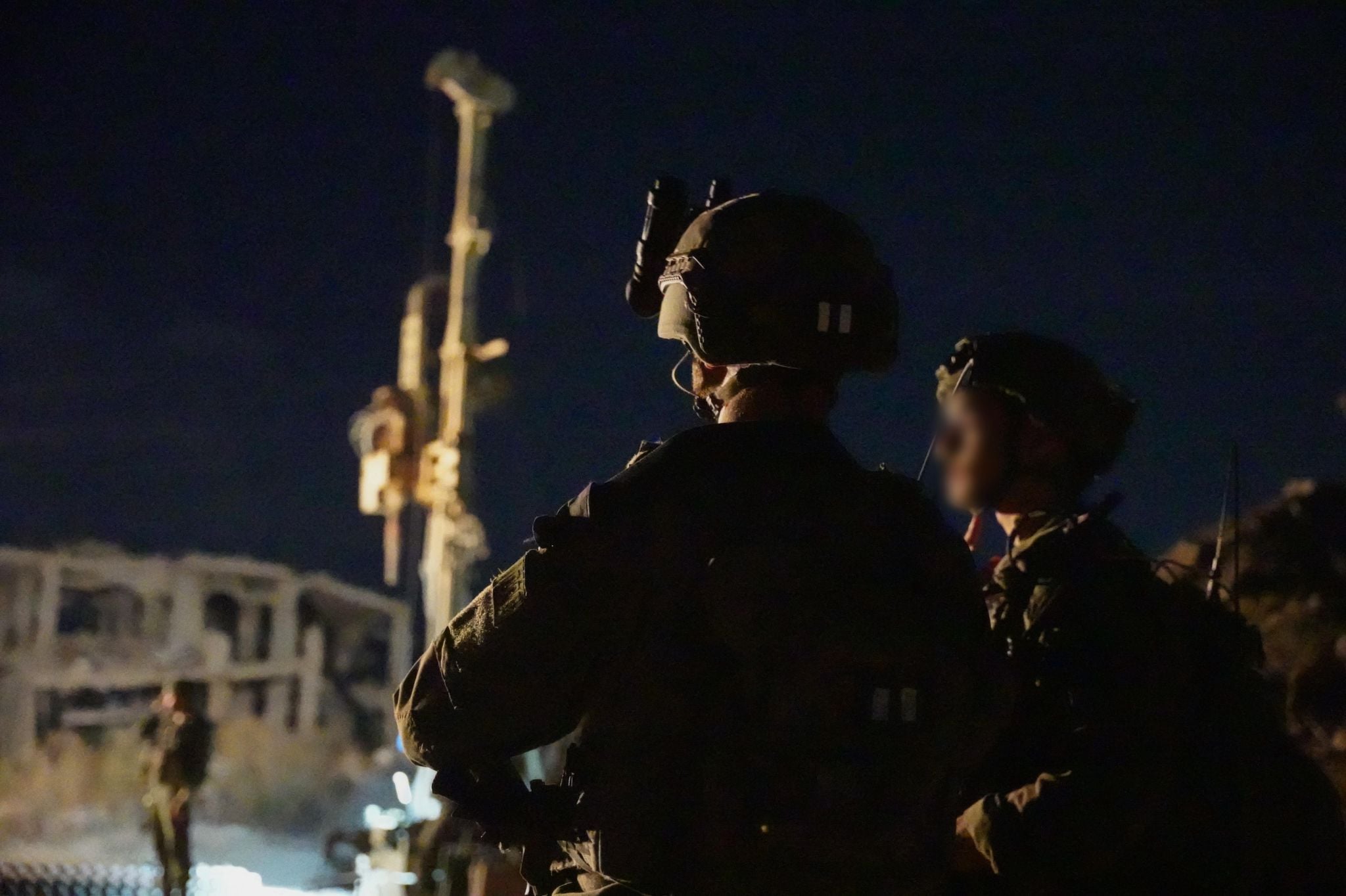
Forces from the Northern Brigade, operating under the command of the 99th Division in direct coordination with the elite Yahalom combat engineering unit, continue targeted operations across the northern Gaza Strip to purge the Yellow Line sector of terror infrastructure and protect deployed troops and border communities.
Photo: IDF Spokesperson
Over recent weeks, troops located and demolished an additional subterranean tunnel route measuring approximately one kilometer in length as part of ongoing engineering operations to uncover and neutralize underground terror assets throughout the area. Since the ceasefire began, Northern Brigade forces and Yahalom operators have neutralized more than 26 kilometers of subterranean tunnel shafts and networks east of the Yellow Line. The IDF reiterated that Southern Command forces remain deployed throughout the sector under the ceasefire framework, maintaining operational readiness to eliminate any immediate security threat.
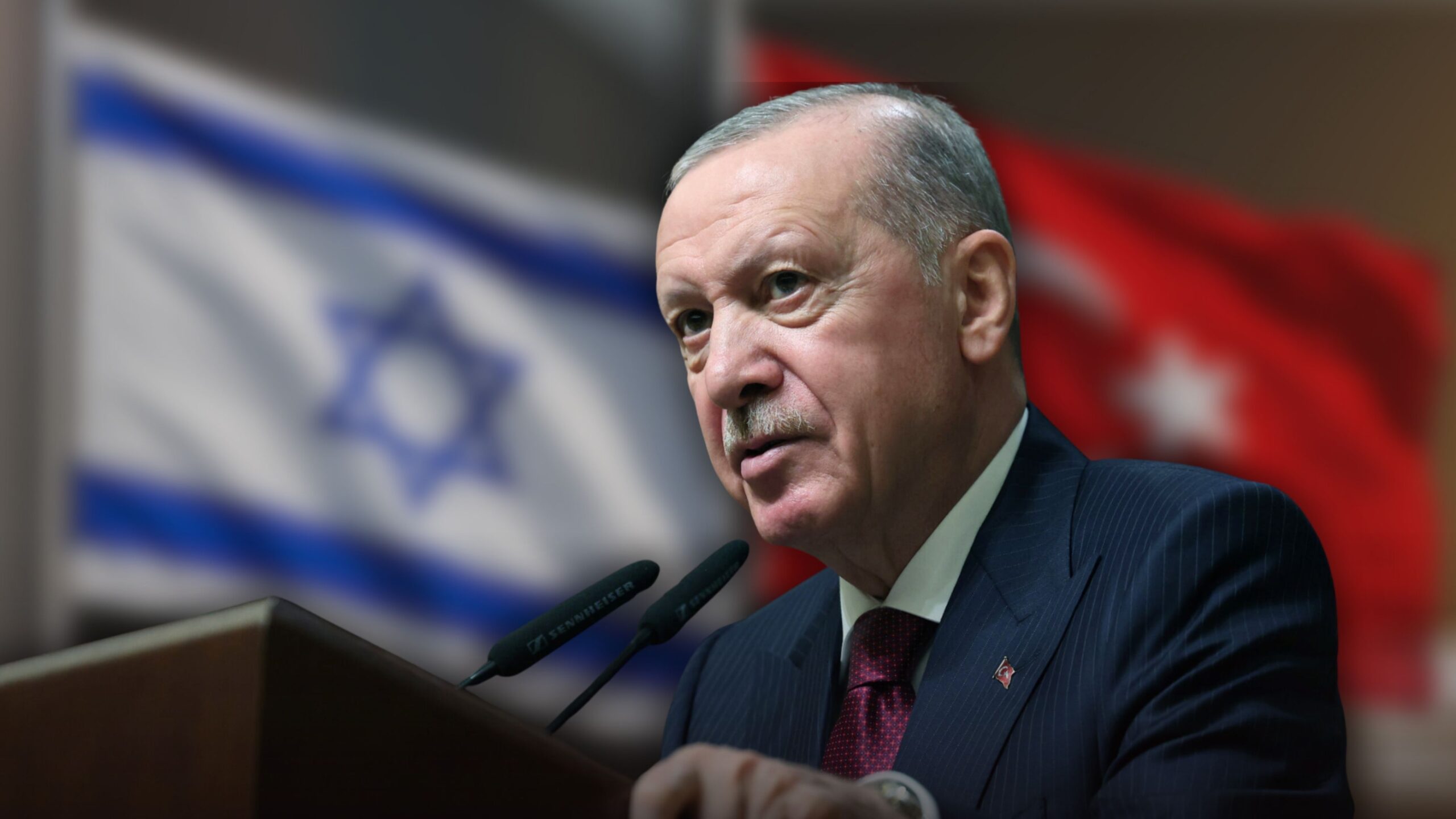
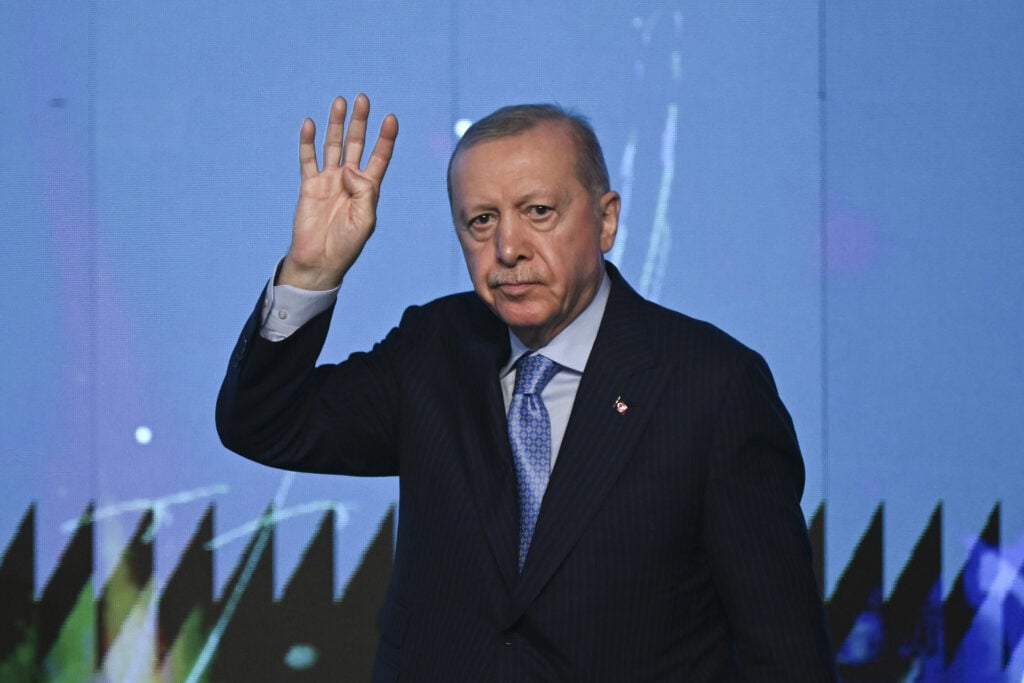
A senior Israeli diplomatic official addressed the tense and volatile relationship between Israel and Turkey on Wednesday, clarifying that decision-makers in Jerusalem classify Ankara as a bitter rival rather than an enemy state, backed by a clear intelligence assessment that neither side is interested in sliding into a direct military clash. The comments come at an extraordinarily sensitive juncture, following unprecedented friction in Syria over recent weeks ignited by a targeted Israeli strike on the Abu al-Duhur airbase, aimed at preempting the deployment of Turkish forces in the area.
Recep Tayyip Erdogan, Archive | Photo: Reuters
The senior official sought to define Ankara’s exact standing from Jerusalem’s strategic perspective: “Turkey cannot be defined as an enemy state, but rather as a rival.” Addressing mounting concerns over a potential kinetic exchange of fire, the official stressed that both nations have a clear mutual interest in preventing a conflagration: “I do not believe either side wants to reach an exchange of fire between Israel and Turkey.”
However, alongside efforts to lower tensions, the official revealed a sharp diplomatic shift in backchannel communications, confirming that Israel has stopped relaying diplomatic messages to Ankara via Azerbaijan. This marks a notable break, as Azerbaijani President Ilham Aliyev had previously facilitated direct dialogue channels that gave rise to operational deconfliction mechanisms in Syria, with Baku attempting to mediate between the parties as recently as last week.
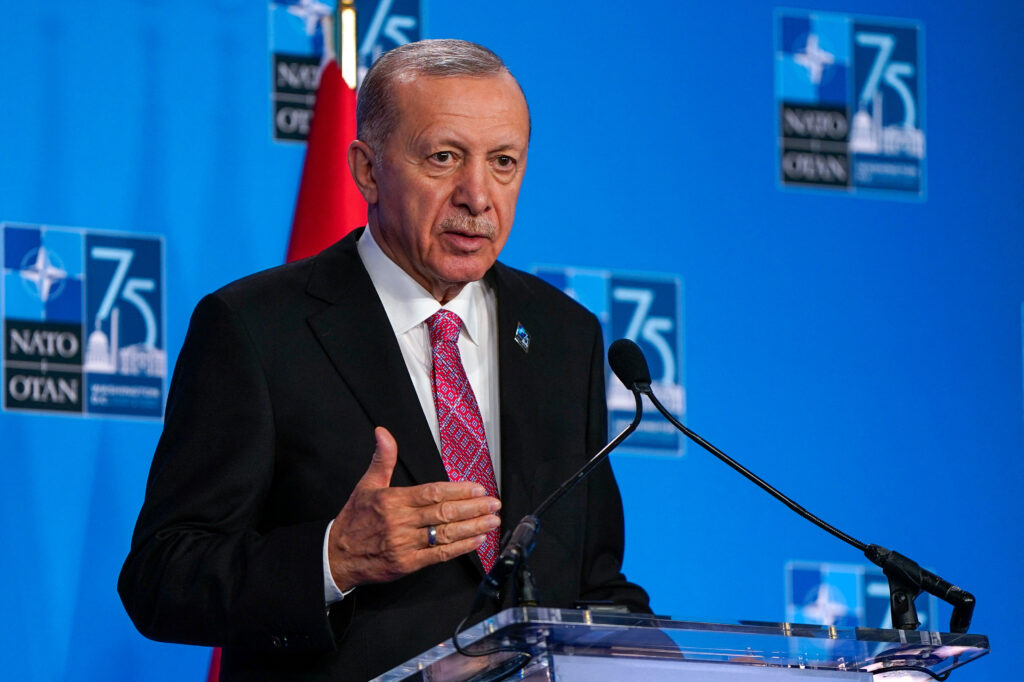
Turkish President Recep Tayyip Erdogan at NATO Summit | Photo: Reuters
Military friction between Israel and Turkey escalated sharply in August when Israeli Air Force fighters struck the Abu al-Duhur military airfield in Syria’s northwestern Idlib province—just dozens of kilometers from the Turkish border. At least eight precision bombs targeted runways and hangars in an operation intended to neutralize actionable intelligence indicating Damascus was preparing to grant Turkish forces operational basing rights at the facility.
Israel’s Ambassador to the United States, Yechiel Leiter, addressed the strike shortly after, stating that Israel possessed solid intelligence regarding Turkey’s intent to dramatically expand its military footprint: “Israel is not interested in war with Ankara or Damascus, but from our perspective, a red line was crossed.”
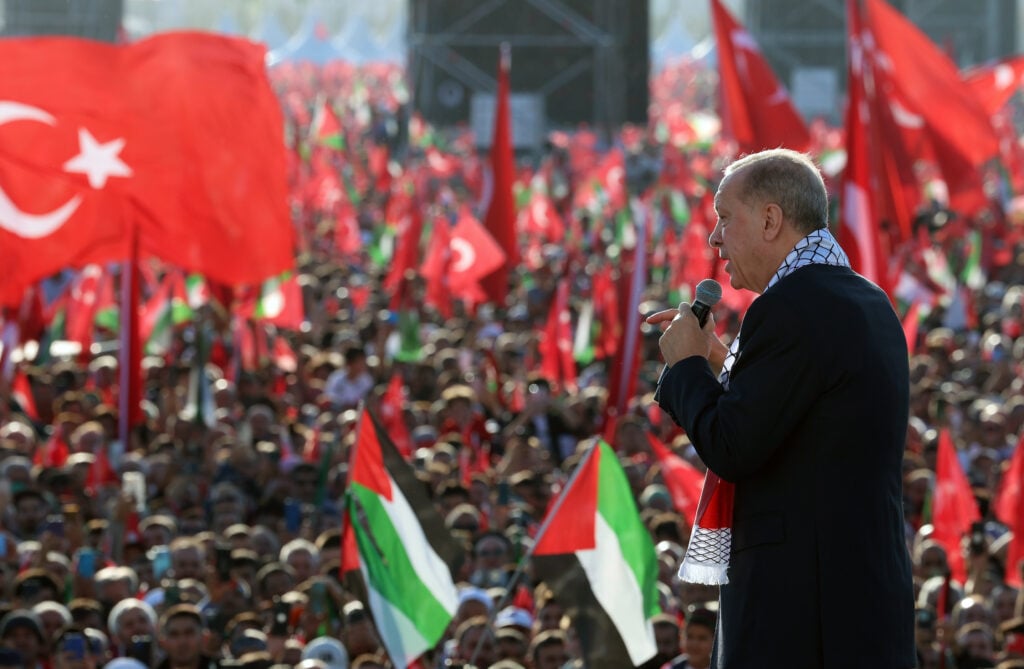
Erdogan at a Mass Rally in Istanbul in Support of Gaza | Photo: Reuters
The incident brought the two militaries to the brink of direct confrontation. U.S. Special Envoy for Syria and Ambassador to Turkey, Tom Barak, revealed that Ankara received zero advance warning of the raid and that the Turkish military tracked IAF jets flying northward toward their operational airspace, possessing the capability to open fire. Barak emphasized that only calculated restraint on the ground averted severe escalation. In response, Ankara’s Foreign Ministry forcefully condemned the raid, alleging a violation of Syrian sovereignty and calling on the international community to curb IDF activity in the country.
Amid palpable fears of an aerial or ground collision, the U.S. administration began advancing a trilateral deconfliction mechanism between Israel, Turkey, and Syria to coordinate troop movements and prevent miscalculations. However, the initiative faces significant hurdles: on August 27, the Turkish Ministry of National Defense stated that Ankara had not received a formal outreach from Washington to join such a framework. Now, with Israel disconnecting the Azerbaijani mediation pipeline, regional tensions are unfolding without established diplomatic safety nets.
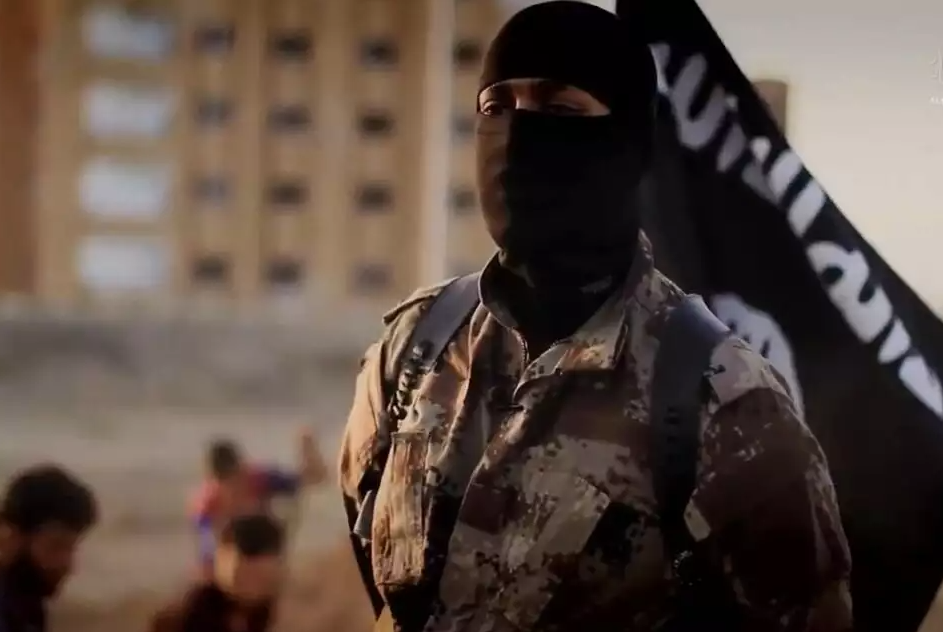
Khamis Suwaid, a resident of Hussniya in the Galilee in his 30s who previously served in the Israel Defense Forces (IDF), was charged Wednesday with planning to join ISIS following a joint investigation by the Shin Bet and the Galilee District Police.
According to the indictment filed in Haifa Magistrate’s Court, Suwaid pledged solidarity with the ISIS terror organization and studied and conducted training with the goal of joining the group’s fighting forces abroad.
The Shin Bet and Galilee District Police investigation found that Suwaid watched instructional content dealing with combat, the use of weapons, and the production of missiles and drones for terrorist purposes.
Suwaid was arrested in recent weeks in a joint operation by police and the Shin Bet. The Haifa District Attorney’s Office filed the indictment Wednesday alongside a request to hold him in custody until the end of legal proceedings.
The Shin Bet and police said they are working against activity that endangers the security of the state and its citizens, including against Israeli citizens seeking to operate on behalf of terror organizations against Israelis.
The IDF eliminated Talal Mustafa Salah Badawi, a terrorist commander in Hamas’s ‘military security department’ in the Gaza City Brigade, in a strike on Monday. The strike also killed Momo Said Mohammed al-Hawari, another Hamas terrorist.
According to an IDF spokesperson, the two had recently been advancing terror operations against IDF forces and Israeli civilians, and were working to rebuild Hamas capabilities. The IDF said the activity was carried out in systematic violation of the ceasefire.
The military said the strike was conducted to remove an immediate threat. IDF forces in the Southern Command are deployed in the area in accordance with the agreement and will continue to operate to remove immediate threats.
For years, Qatar has built networks of influence beyond its borders through media outlets, research institutions, foundations and scholarships. Now, a C14 investigation traces one such funding route into Israel: money originating in Doha, passing through London and continuing to Arab organizations in Israel, as well as students and academia. At the heart of the investigation is whether that financial support is also creating long-term influence over academic discourse, research and the identities given expression on Israeli campuses.
Photo: Jonathan Zindel, Flash 90
The Money Trail: From Doha Through London to Israel
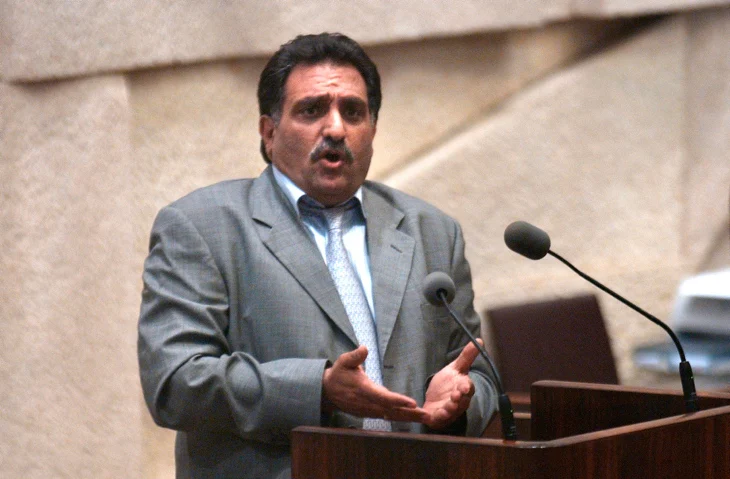
At the center of the funding route are brothers Azmi and Marwan Bishara, who are linked to The Galilee Foundation in London. In recent years, significant sums have been transferred through the foundation to Arab organizations and institutions in Israel. According to data examined as part of the investigation, the amount of money transferred through this route has risen sharply over the past two years. The Association for Arab Culture in Haifa received approximately 18 million shekels over five years, while additional funds were transferred to Mada al-Carmel and Baladna.
Azmi Bishara | Photo: Flash 90
The Students: Investing in the Next Generation
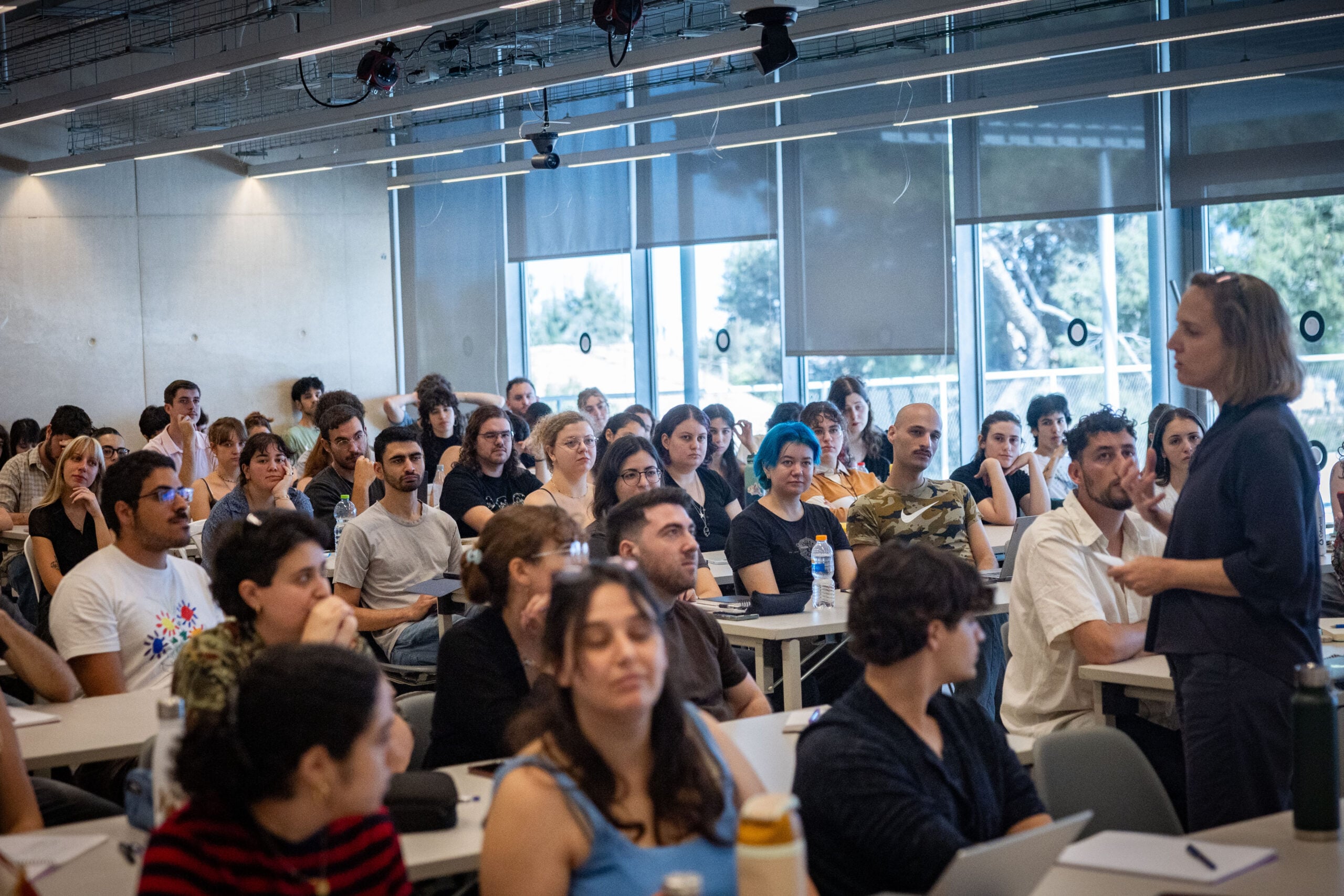
A significant portion of the money is directed toward scholarships for ‘Palestinian’ students and researchers. However, the activity extends beyond simply providing scholarships. The Galilee Foundation maintains ongoing relationships with Arab students and academics, with some of its activities also emphasizing ‘Palestinian’ identity and affiliation. As a result, money originating in Qatar and passing through an organization operating in London ultimately reaches the younger generation entering Israel’s universities and colleges.
Photo: Jonathan Zindel, Flash 90
From Scholarships to Influence
That raises one of the investigation’s central questions: What happens after those students enter academia? Is this purely financial support, or does it also create a long-term infrastructure of relationships, influence and ideas? Does funding students, researchers and research institutes eventually influence which subjects are studied, the discourse that develops and the narratives given a platform? The investigation examines the connections between the sources of funding, the organizations transferring the money and the academic and public activity that follows.
School | Photo: Shutterstock
Professors: ‘To Survive, You Learn to Fall in Line’
Senior lecturers and professors who spoke with C14 described a broader phenomenon. According to them, nobody needs to explicitly instruct a researcher what to write or which position to take. Instead, they say, the system itself gradually creates clear incentives: which subjects receive funding, which avenues of research are encouraged and which positions could make it more difficult for a researcher to obtain grants, publish or advance professionally. Some professors say the result is self-censorship. Researchers, they claim, learn in advance which questions are better left unasked, which positions should be softened and which conclusions could carry a professional price.
When Academic Discourse Becomes One-Sided
According to those academics, one potential result is intellectual conformity—a situation in which one position becomes dominant while competing voices increasingly go unheard.
Al Jazeera media network | Photo: Shutterstock
If that is indeed occurring, the problem extends beyond political disagreement itself. Academia depends on debate, criticism and freedom of thought. When researchers begin adjusting their research questions, language or conclusions to fit an ideological environment or sources of funding, the independence of academic research itself could be compromised.
Qatar: More Than Money
Above this funding route sits Qatar, which has spent years investing heavily in influence networks beyond its borders through media, research institutions, academic relationships, foundations and scholarships. Al Jazeera is perhaps the most prominent example of Qatari soft power, but it is far from the only one. Alongside its media investments, Qatar has poured substantial sums into universities and research institutions around the world. The question is whether these are simply separate investments—or components of a broader system of influence.
Photo: Jonathan Zindel, Flash 90
From Al Jazeera to the Campuses
On one side is Al Jazeera, with the ability to transmit its messaging to millions of viewers. On the other are research institutes, nonprofit organizations, scholarships and students. The tools are entirely different, but all operate in arenas where ideas, identity and public discourse are shaped.
In the United States, a fierce debate has raged for years over the scale of Qatari funding to universities and whether there is a connection between that money and the anti-Israel climate and Jew-hatred found on some campuses. Now, the same question is being raised in Israel: Who provides the funding? Who receives it? How is the money used? And does that funding route ultimately influence academic discourse?
The Impact on Academia
Ultimately, this is not merely a question of money. Academia is supposed to allow researchers to pursue uncomfortable subjects, reach unpopular conclusions and express positions that diverge from the majority. When senior academics say that they or their colleagues have learned to conceal their views, tailor their research or “fall in line” in order to obtain funding and advance professionally, it is a claim that warrants serious examination.
Because if funding begins influencing not only who gets to conduct research, but what gets researched, which questions are asked and which positions receive a platform, the question is no longer simply where the money came from. It is how successfully academia can preserve its independence.
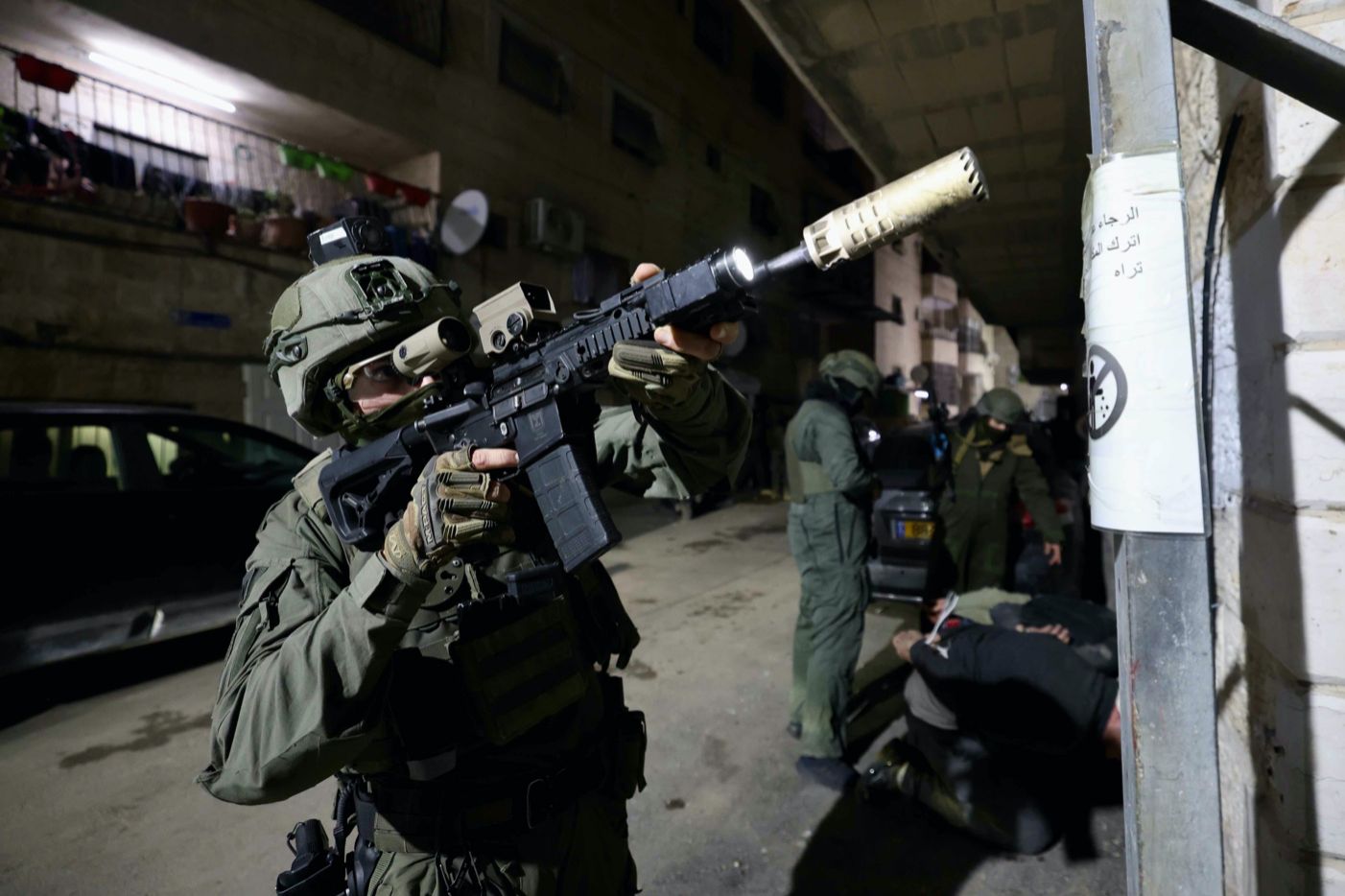
Jerusalem Border Police undercover operatives shot and neutralized three Islamists overnight who tried to attack security forces in the village of Beit Rima in the Binyamin Brigade area, according to a joint statement from the Israel Police and IDF spokespersons.
The operation in the village came after repeated incidents of attempted attacks on security forces. The undercover operatives were working to locate and arrest rioters when a violent confrontation broke out, including stone-throwing at the forces.
The operatives identified three Arabs who posed a danger to the forces and killed them with precise fire. Police and the IDF said security forces will continue to operate against hostile elements who attempt to harm public security and endanger the safety of security forces.
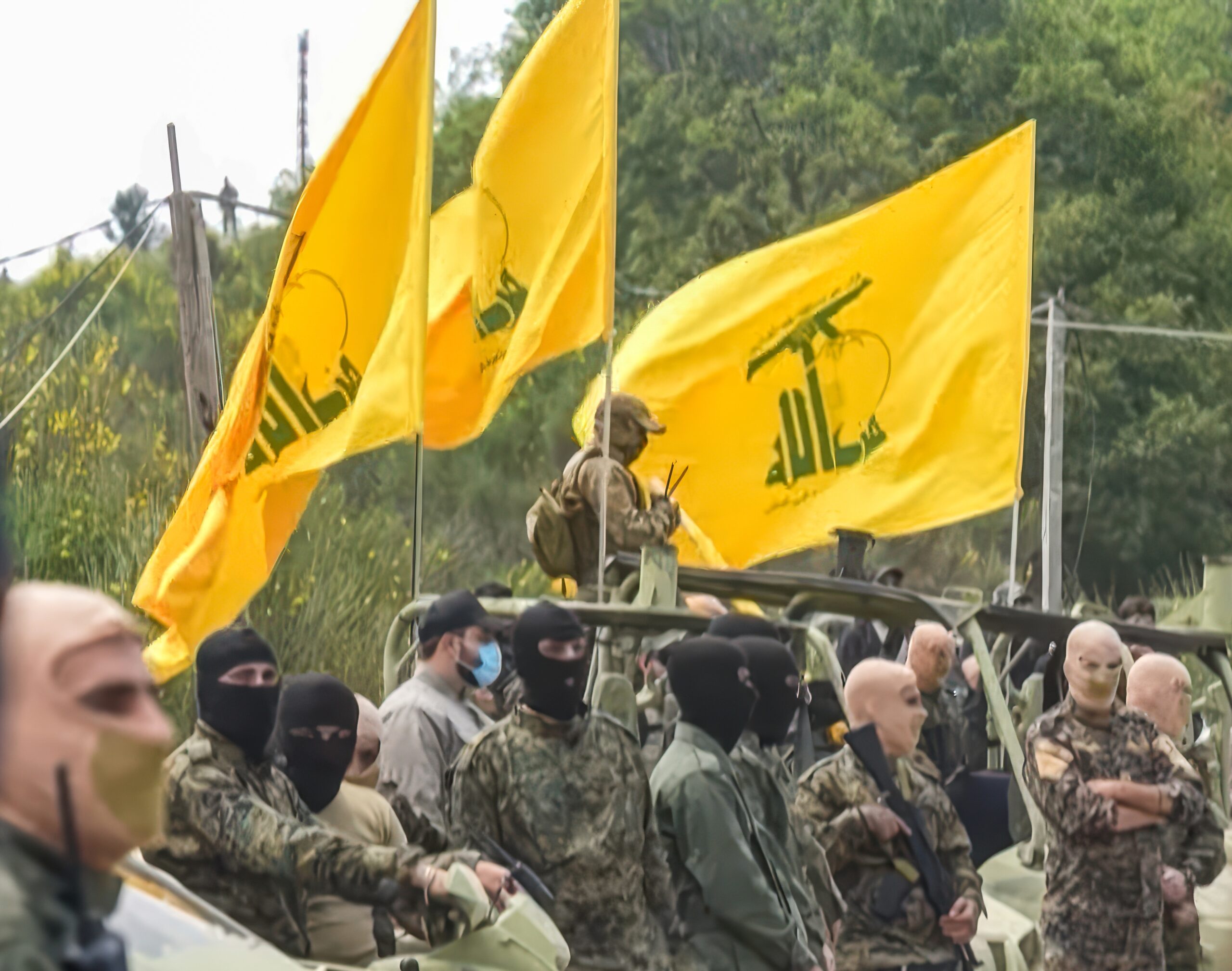
The Lebanese terror group Hezbollah fired two explosive drones overnight at IDF forces operating near the Ali Taher ridge in southern Lebanon, the IDF said. Soldiers shot down one of the drones. There were no casualties among Israeli forces.
In response to the launch, Israeli forces struck Hezbollah infrastructure in the Nabatieh area of southern Lebanon. According to the IDF, the infrastructure was used by the terror group’s operatives to plan and direct terror attacks against IDF forces in the security zone and against Israeli civilians.
The IDF said the strikes were carried out to remove an immediate threat. The military added that IDF forces will continue operating in the ridge area and will not allow terrorists to advance or carry out terror attacks against the forces.