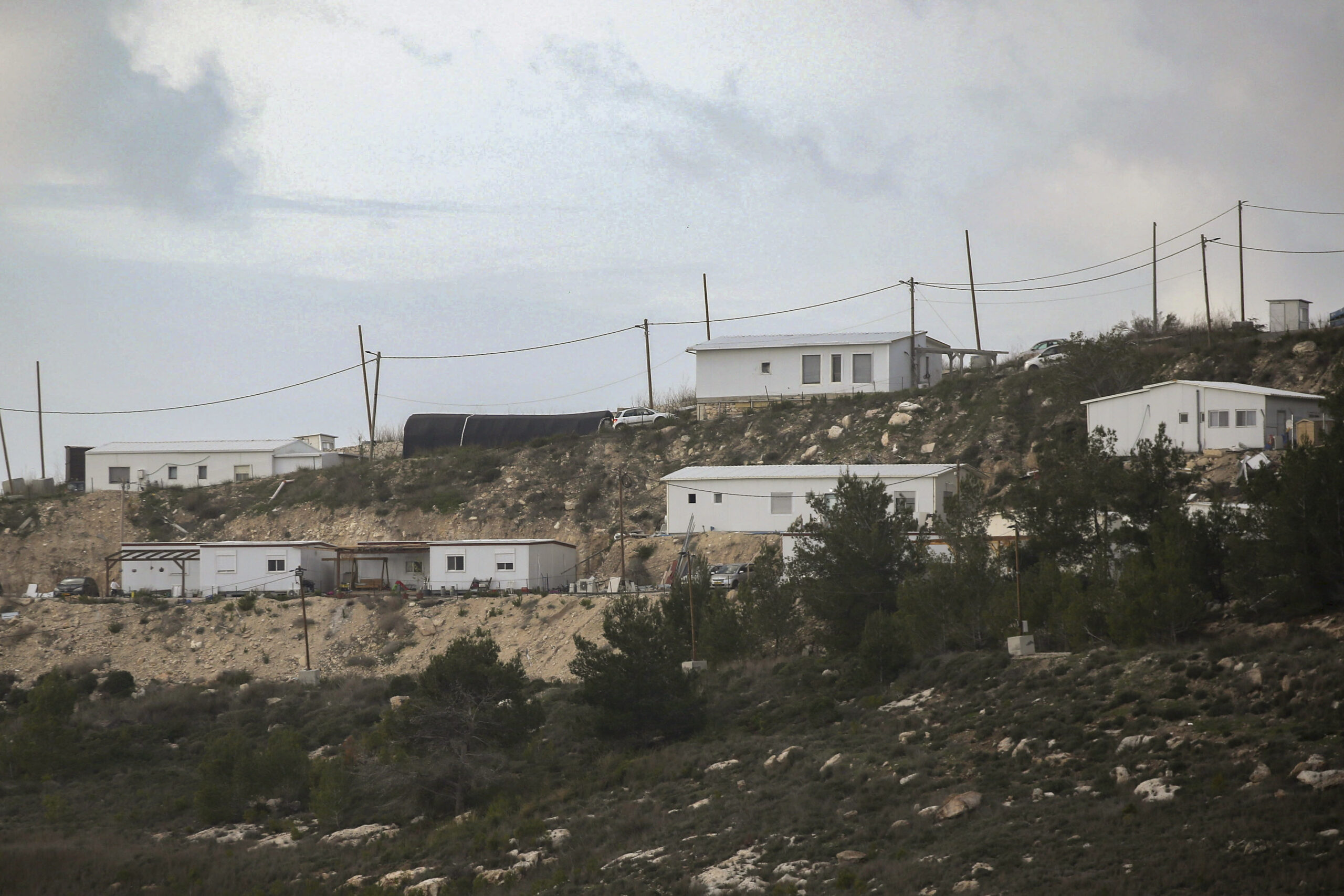
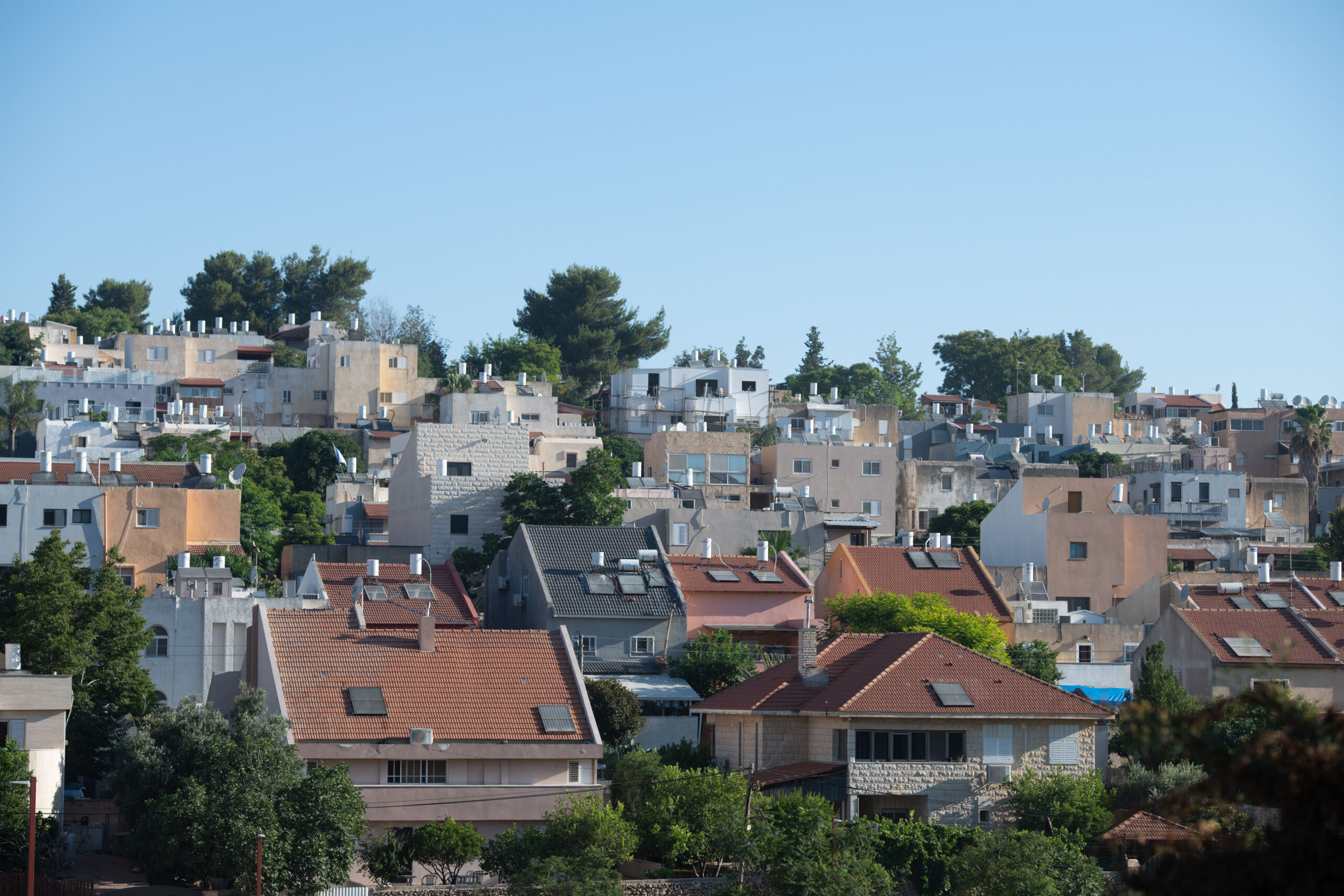
Security forces discovered two improvised explosive devices along a pipeline route on the outskirts of the village of Burqa while battling a fire that broke out in the area and spread toward the Jewish town of Homesh.
The initial report came from the Homesh security coordinator. Bomb disposal experts and sappers worked to neutralize the devices.
The fire has been extinguished. No Israeli forces were injured .
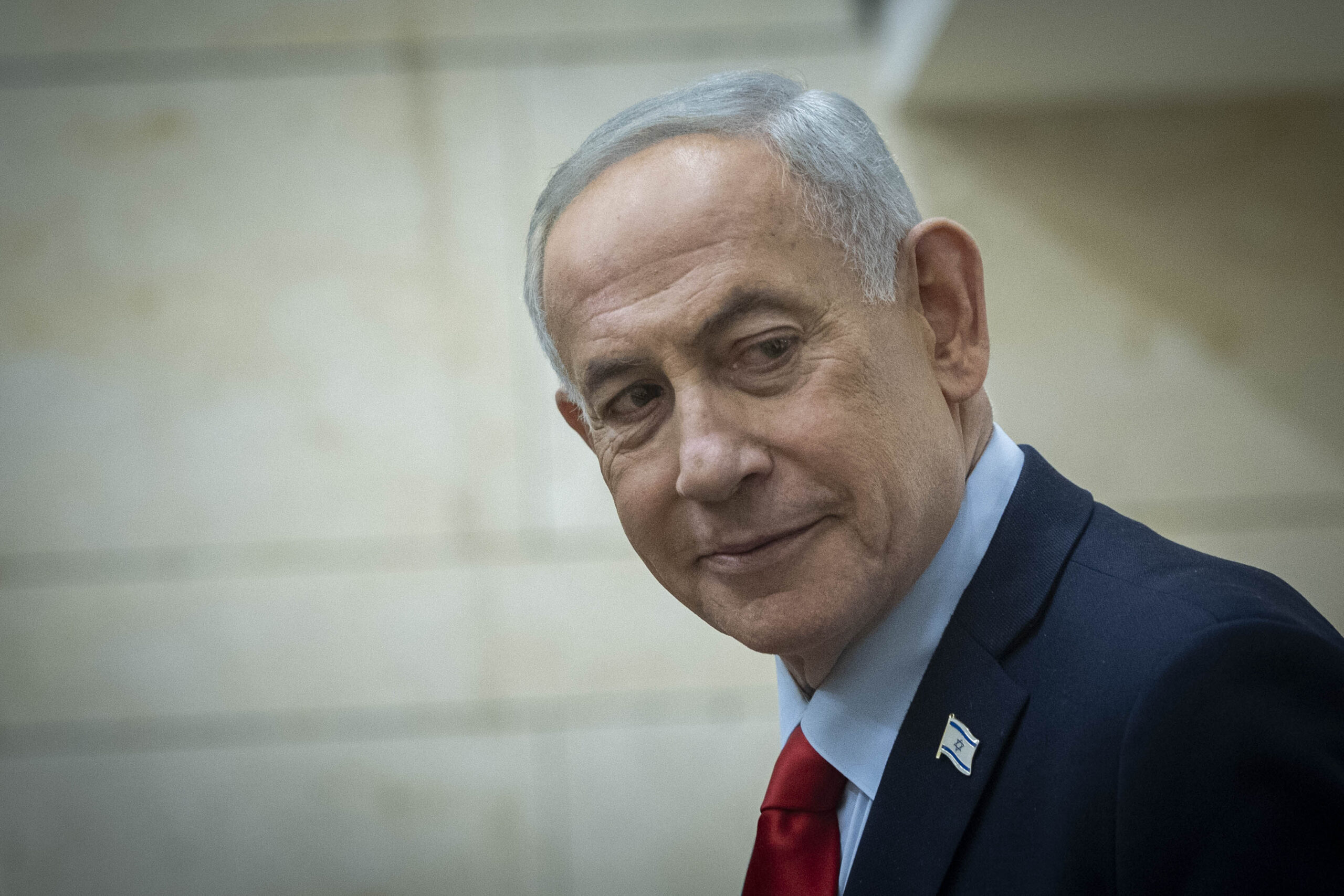
Responding to statements made by Jared Kushner, son-in-law and senior adviser to US President Donald Trump—who asserted that the American administration exploited international diplomatic backlash following Israel’s targeted strike in Doha roughly a year ago to force a hostage deal—Prime Minister Benjamin Netanyahu clarified on Sunday evening that the breakthrough was forged through Israel’s own operational resolve.
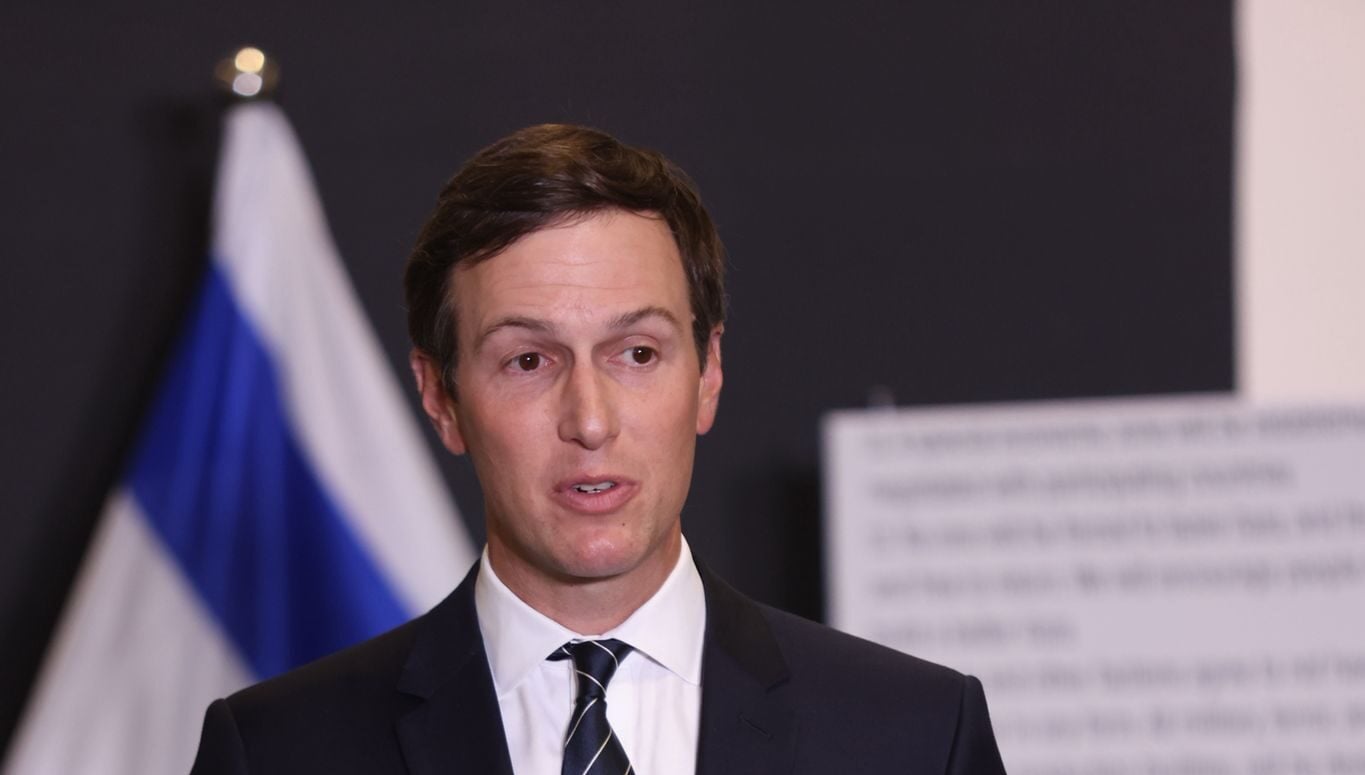
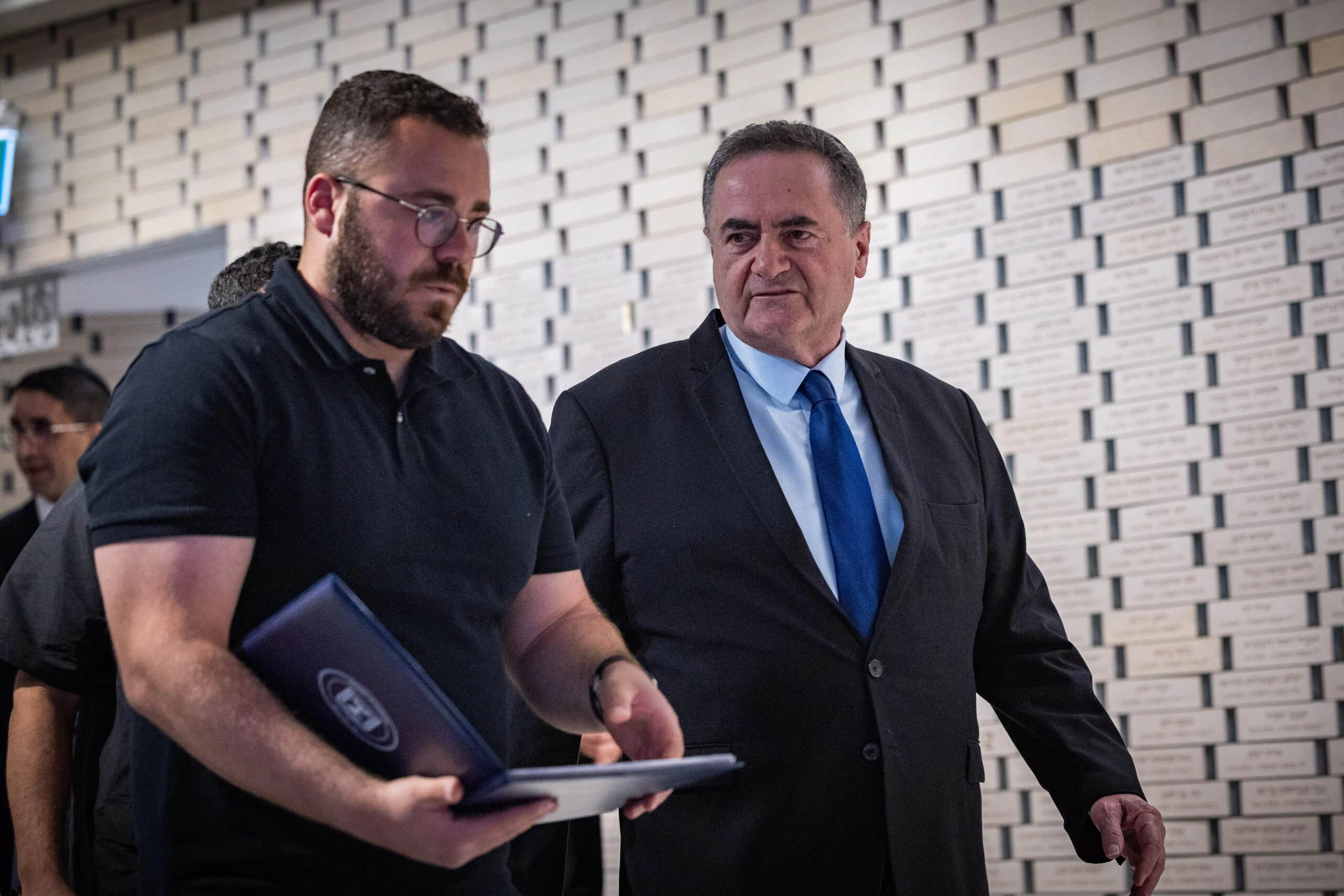
Jared Kushner | Photo: Aloni Mor, Channel 14 News
“The Prime Minister’s decision to send the IDF into Gaza City and strike Hamas’s senior leadership in Qatar, combined with the immense pressure applied by President Trump, are what compelled Hamas to drop its demands and agree to release all remaining hostages held in Gaza,” a statement released by the Prime Minister’s Office affirmed.
The official Israeli response follows an address Kushner delivered earlier Sunday during an official visit to Ukraine. In his speech, Kushner characterized the deep-penetration raid in Doha as an operational failure that isolated Israel on the global stage, openly revealing that decision-makers in Washington seized upon that isolation as strategic leverage to push leaders in Jerusalem toward signing the agreement.
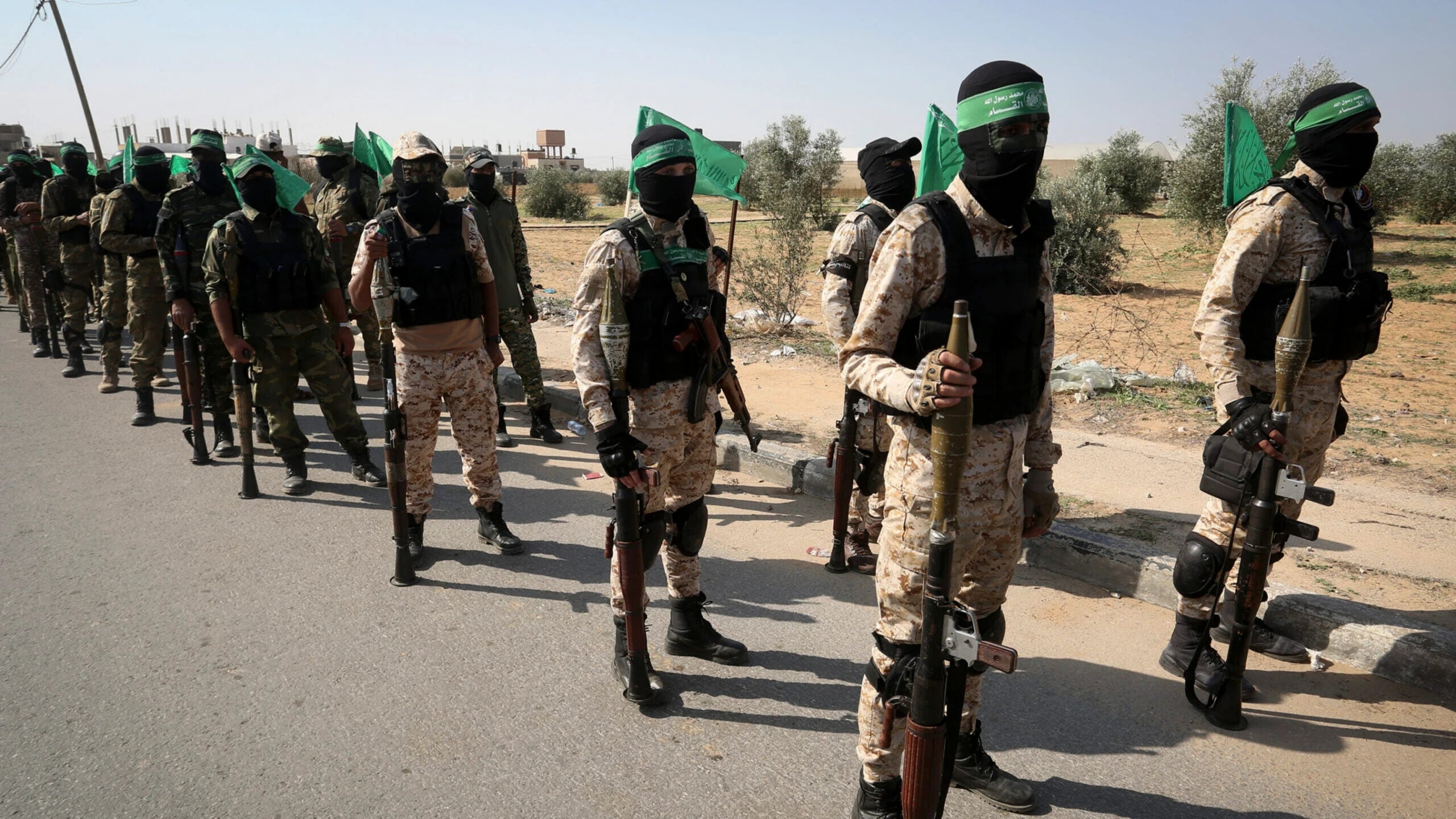
Hamas terrorists | Photo: Flash90
The pinpoint strike targeting Hamas’s senior command echelon in Doha occurred as the terror group’s leadership convened to review President Trump’s diplomatic framework. At the time, Israel’s defense establishment emphasized that the mission was greenlit with full consensus across the political and security echelons in response to a string of lethal terror attacks, underscoring that it was an autonomous Israeli undertaking executed under sovereign operational responsibility.
Although the strike initially triggered international friction and prompted Doha to suspend its mediation efforts temporarily, Israeli officials now firmly maintain that unrelenting, decisive force on the battlefield remained the foundational pillar that ultimately broke Hamas’s intransigence.
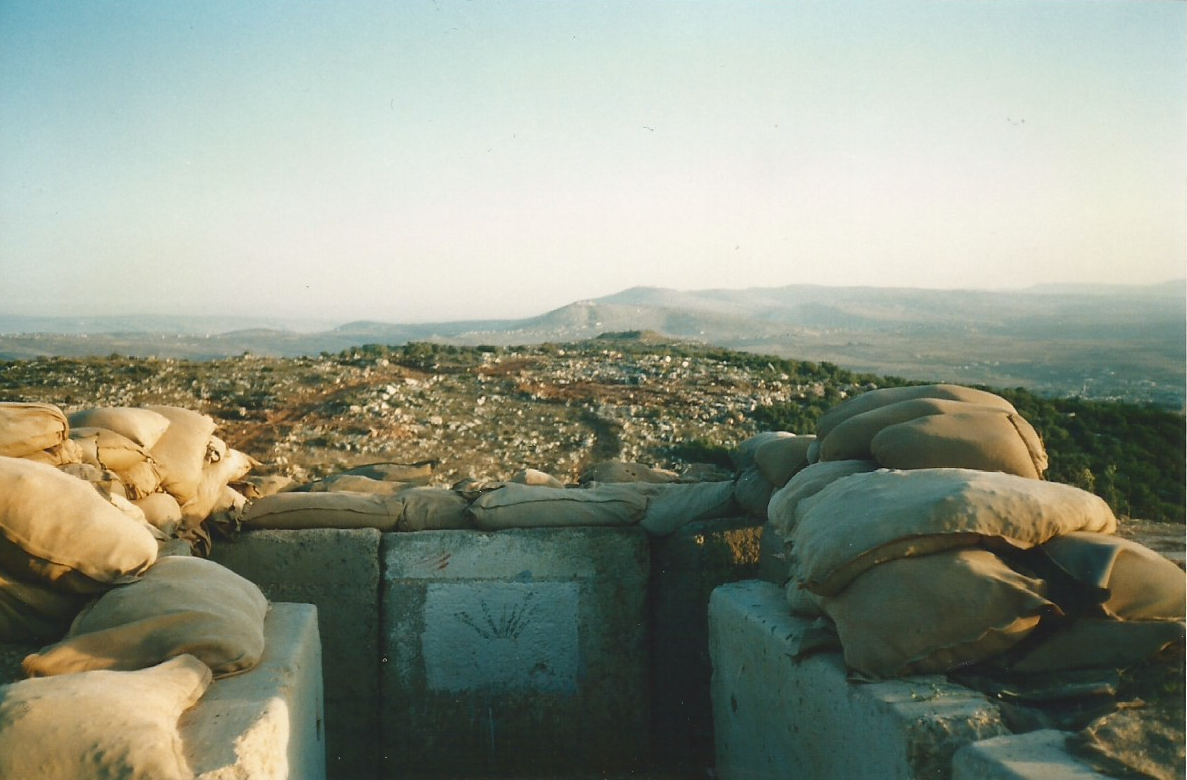
Following the targeted elimination of terrorists and the systematic demolition of Hezbollah terror tunnels along the Ali Taher ridge, Israeli defense forces are completing operational preparations to enforce tight, permanent control over the strategic ridgeline to thwart any adversary attempt to re-infiltrate or entrench in the sector. Defense Minister Israel Katz issued a sharp and unequivocal warning directed at Lebanon, stating bluntly: “Whoever approaches the Ali Taher ridge will be destroyed.”
Addressing the operational significance of the sector, the defense minister underscored the vital importance of the dominant terrain in safeguarding the security of northern Israeli communities: “The Ali Taher ridge forms an integral part of the Yellow Line and Israel’s security zone in southern Lebanon, which encompasses 700 square kilometers extending from the Mediterranean coastline in the west, through Beaufort Castle, and toward the Mount Hermon sector in the east.”
Katz reiterated the steadfast security policy established by the political and defense leadership: “As Prime Minister Netanyahu and I have repeatedly clarified: We are not budging from the security zone—and the IDF will neither withdraw nor redeploy until Hezbollah is fully disarmed across all of Lebanon.” Security establishment officials emphasized that the demolition of underground terror infrastructure along the ridge does not signal the conclusion of combat operations.Israeli forces will continue operating vigorously throughout the entirety of the security perimeter to track down combatants and neutralize terrorist apparatuses both above and below ground, ensuring the decisive removal of any threat directed against frontline troops and northern border communities.
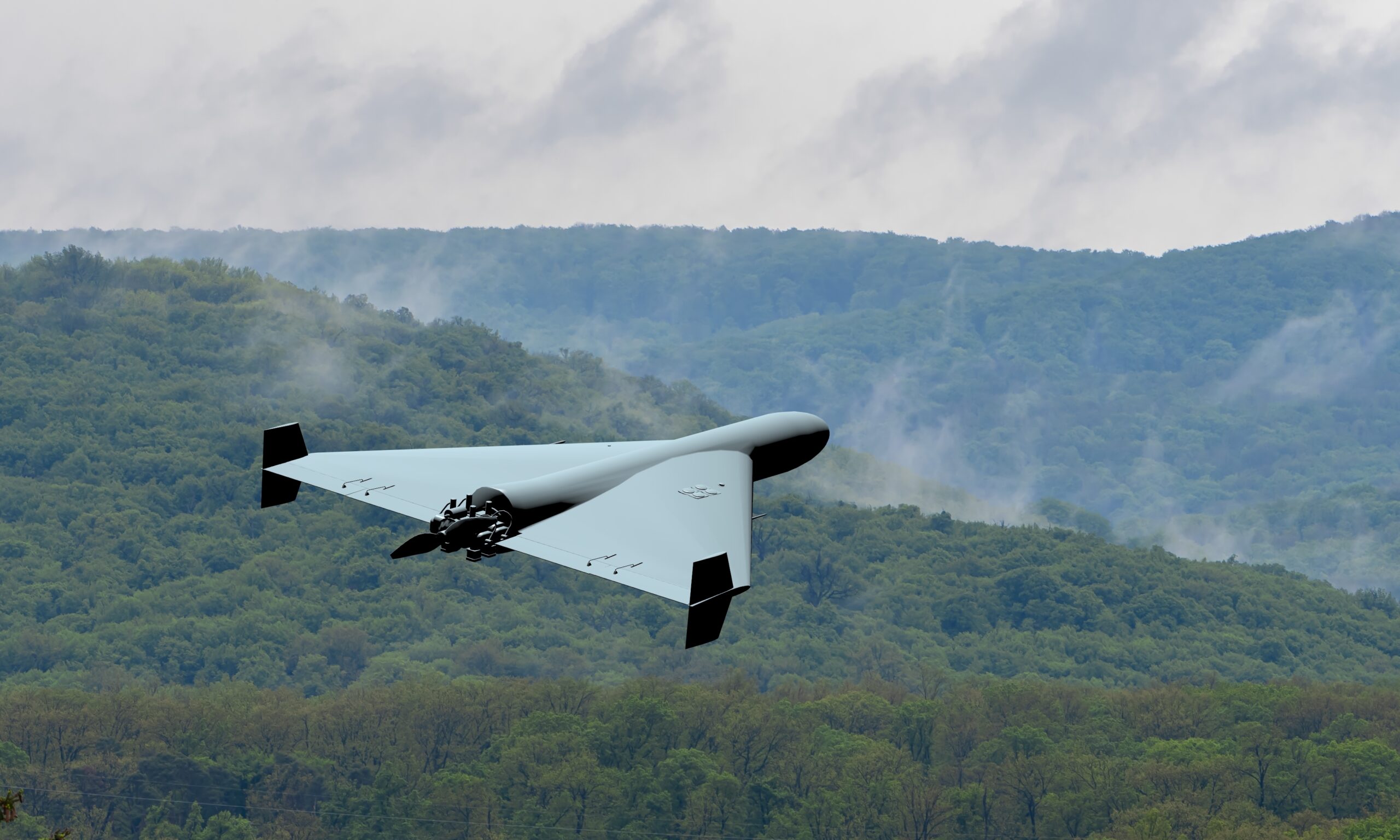
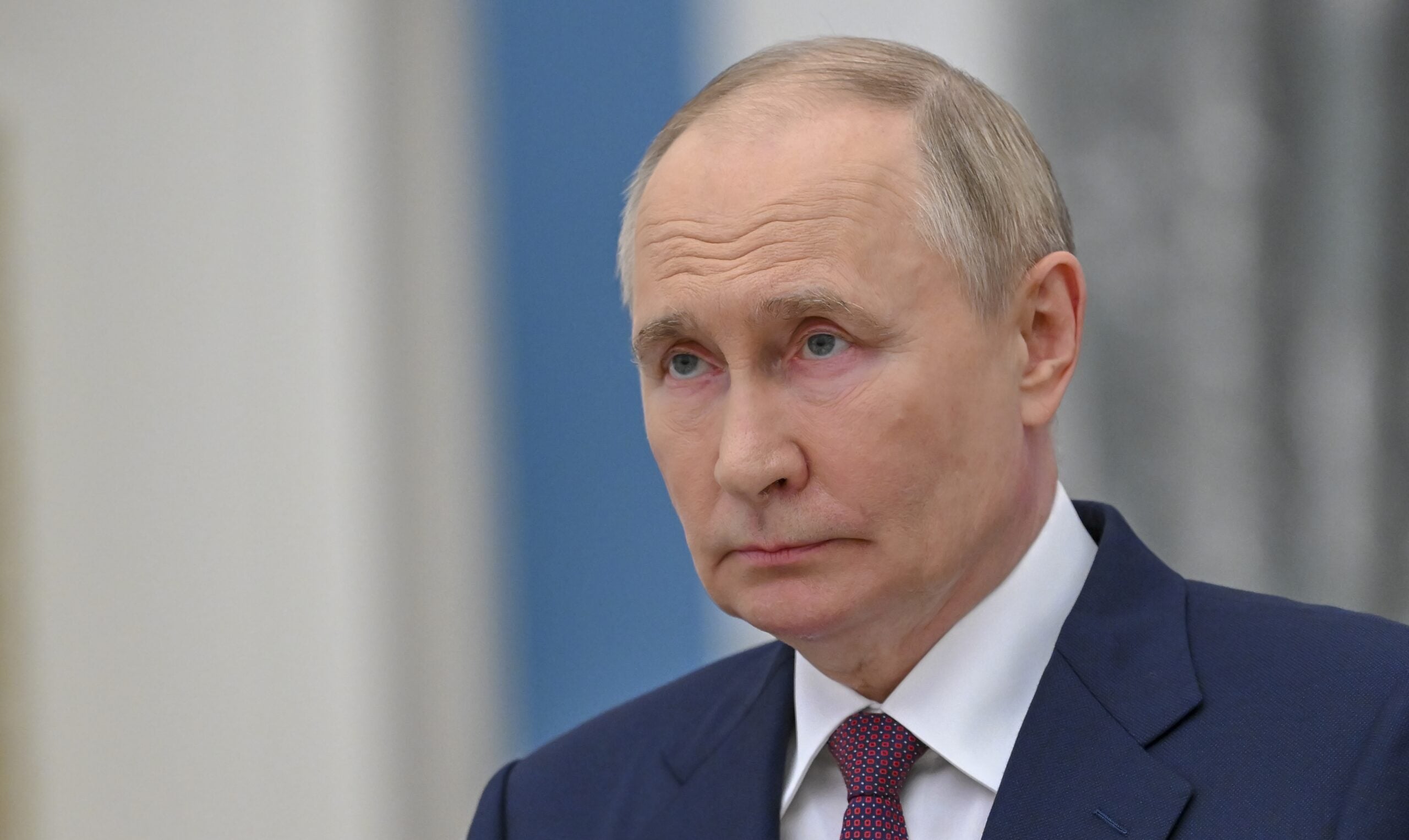
In a military role reversal posing a direct security challenge to Israel, Iran has formally requested that Russia deliver its newest generation of “Geran” strike drones for operational deployment against Israel and the United States, the Financial Times reported on Sunday, citing Western intelligence and security officials.
Russian President Putin | Photo: Shutterstock
At the core of the request lies an extraordinary geopolitical turnabout between the two allies. In the early stages of the war in Ukraine, it was Tehran that supplied Moscow with basic Shahed-136 loitering munitions. However, Russian defense engineers adapted the underlying Iranian technology, extensively upgraded it under intense combat conditions, and now Iran is seeking to acquire the sophisticated developments built upon its own initial blueprints.
The Russian modifications have transformed a slow-moving, propeller-driven platform into a high-speed strike system. The latest models, designated “Geran-4” and “Geran-5,” are powered by turbojet engines capable of speeds up to about 600 km/h (370 mph)—several times faster than the original Shahed. They also carry heavy 90-kilogram warheads, have an operational strike range of roughly 1,000 kilometers, and are outfitted with thermal optics, artificial intelligence target acquisition, and enhanced electronic warfare shielding.
Photo: Reuters
These enhanced systems are already having an operational impact across Ukraine’s air defense network. Ukrainian Air Force figures indicate that while interception rates for legacy piston-engine Shaheds stood between 90% and 95%, interception rates for the jet-powered Geran variants have plunged to around 60%, with multiple units successfully piercing defense arrays and striking strategic infrastructure in recent weeks. For Israel’s defense establishment, the trend represents a concerning escalation: the deepening Moscow-Tehran military axis ensures that Iranian arms refined in the European theater return to the Middle East faster, heavier, and significantly harder to intercept.
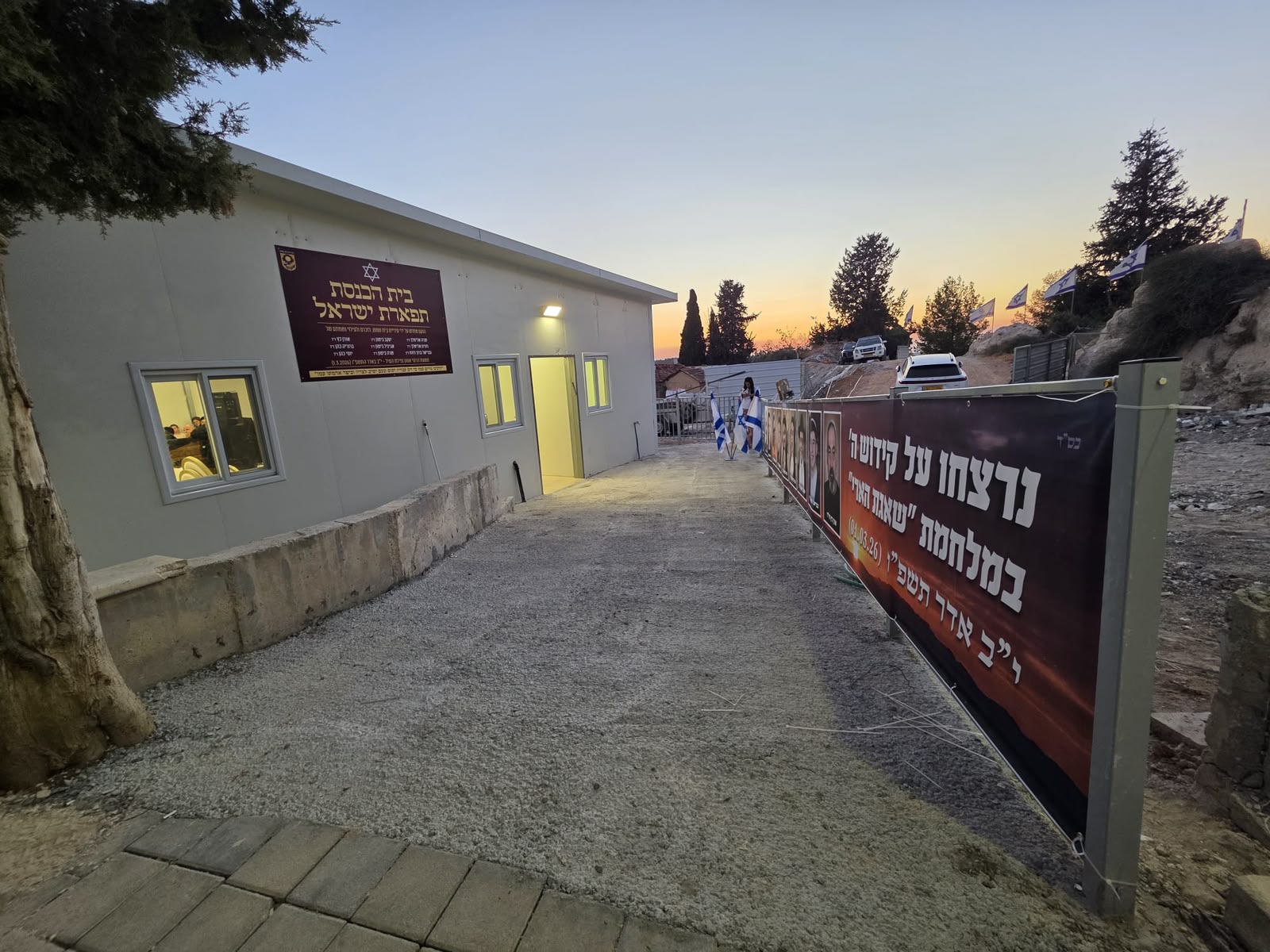
In an emotional ceremony marking a full circle, the Tiferet Yisrael synagogue was rededicated yesterday (Thursday) after being completely destroyed in the Iranian missile strike that killed nine residents of the city. Just 48 hours before Rosh Hashanah, and after an accelerated effort in recent weeks, the synagogue’s reconstruction was completed.
During the ceremony, a mezuzah was affixed at the synagogue entrance and mincha prayers were held. The mezuzah was placed by Tzion Revach, the synagogue’s gabbai and father of Gabriel Revach, who was killed in the disaster along with Mayor Shmuel Greenberg.
Revach was personally involved in the synagogue’s restoration process and worked together with the municipality to complete the construction, bring in equipment and furnishings, and install the ark, with the goal of returning the synagogue to operation as quickly as possible.
The synagogue’s reconstruction was done in cooperation with the bereaved families, the synagogue’s gabbai, the Beit Shemesh municipality, and professional municipal officials, who worked together to complete the work before Rosh Hashanah and allow worshippers to begin the new year in the place where they prayed before.
The ceremony took on special meaning in light of the terrible disaster: the synagogue that was completely destroyed in the missile strike now stands again and once more serves as a home for neighborhood residents.
Tzion Revach, father of Gabriel Revach: “This is a day of celebration. We’ve returned the synagogue to its glory, the synagogue that stood here for 70 years. The mayor mobilized for this project and did it at record speed. This moves me deeply, and this is our recovery from the terrible disaster that took the life of my son Gabriel.”
Mayor Shmuel Greenberg: “Several weeks ago we promised the synagogue would be ready for Rosh Hashanah, and today—48 hours before the holiday—we’ve completed the mission. Building the synagogue is proof that no one will break us. No one will break the Jewish people.”
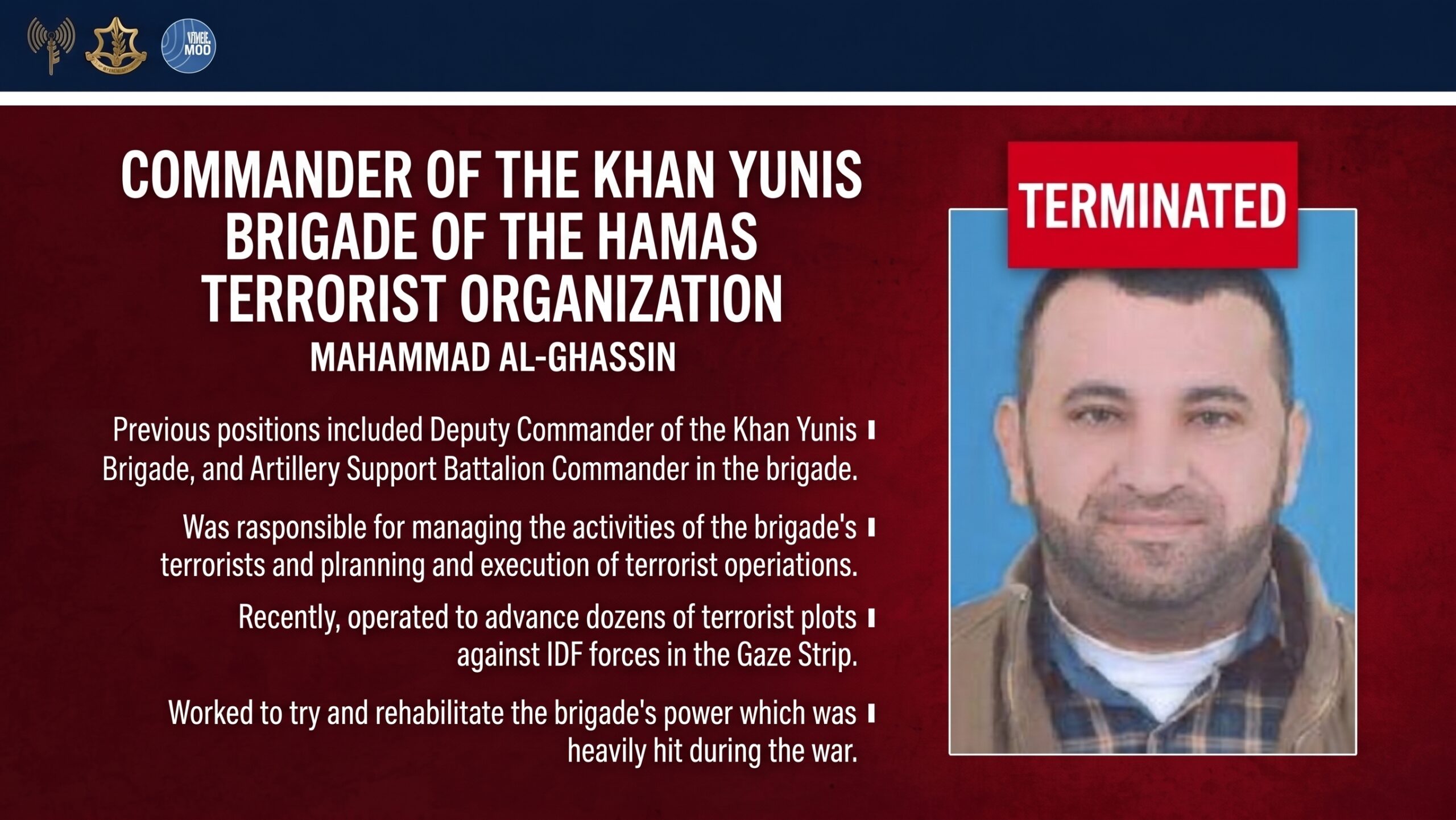
The IDF and Shin Bet eliminated the terrorist ‘commander’ of the Khan Younis Brigade in Hamas’s military wing in a targeted strike Thursday night. Muhammad Yazouri, who led the ‘Khan Younis Brigade’ in Hamas’s military wing in the Gaza Strip, was killed in the strike in the Khan Younis area.
In his role, Yazouri was responsible for managing the brigade’s terrorists and directing them to advance and execute terror operations against IDF forces and Israeli civilians. In recent months, he worked to advance dozens of terror operations against Israeli forces and attempted to rebuild the brigade’s capabilities, which suffered heavy damage throughout the war.
In the same strike, the IDF killed Khudaifa Mamar, a company commander, and Muhammad Bahjat Raji—another operative from Hamas’s military wing in the Khan Younis Brigade. IDF forces in the Southern Command are deployed in the area in accordance with the agreement and will continue to operate to remove any immediate threat.
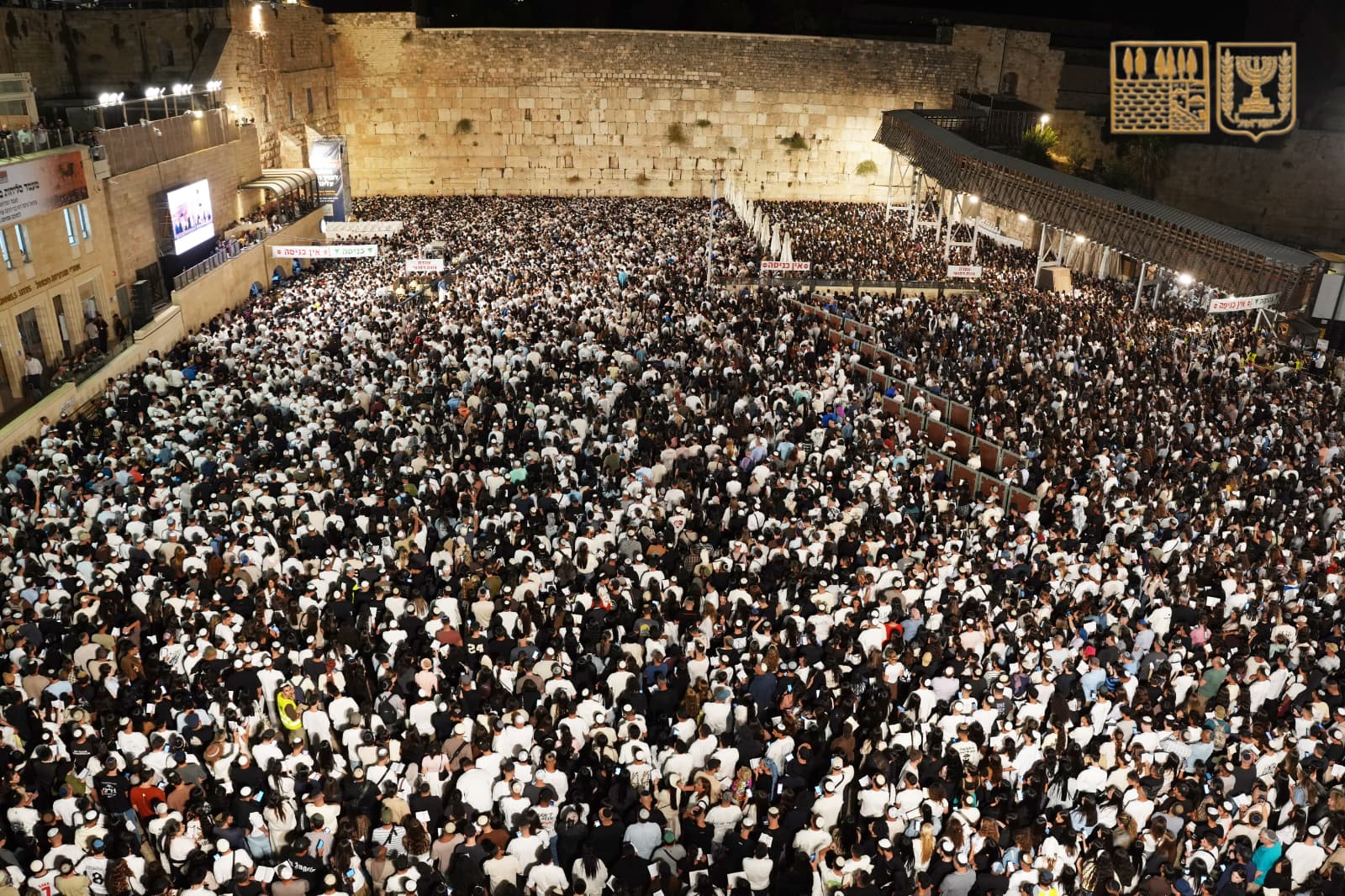
More than 50,000 people attended the central Selichot ceremony at the Western Wall plaza Thursday night, on the eve of Rosh Hashanah 5787 and the last night of the Hebrew month of Elul. Earlier, Prime Minister Benjamin Netanyahu visited the Western Wall to pray for the nation’s peace.
The ceremony included annulment of vows and curses, with participation from the Rishon LeZion and Chief Rabbi of Israel, Rabbi David Yosef, along with rabbis, ministers, and public figures. Jerusalem Mayor Moshe Lion led the prayers.
Rabbi Shmuel Rabinowitz, rabbi of the Western Wall and holy sites, opened the ceremony by calling to set aside disputes, increase unconditional love and mutual responsibility, and enter the new year in unity. During the prayers, worshippers prayed for the safety of IDF soldiers and security forces, for the recovery of the wounded, and for peace, security, and unity in Israel.
Photo: The Western Wall Heritage Foundation
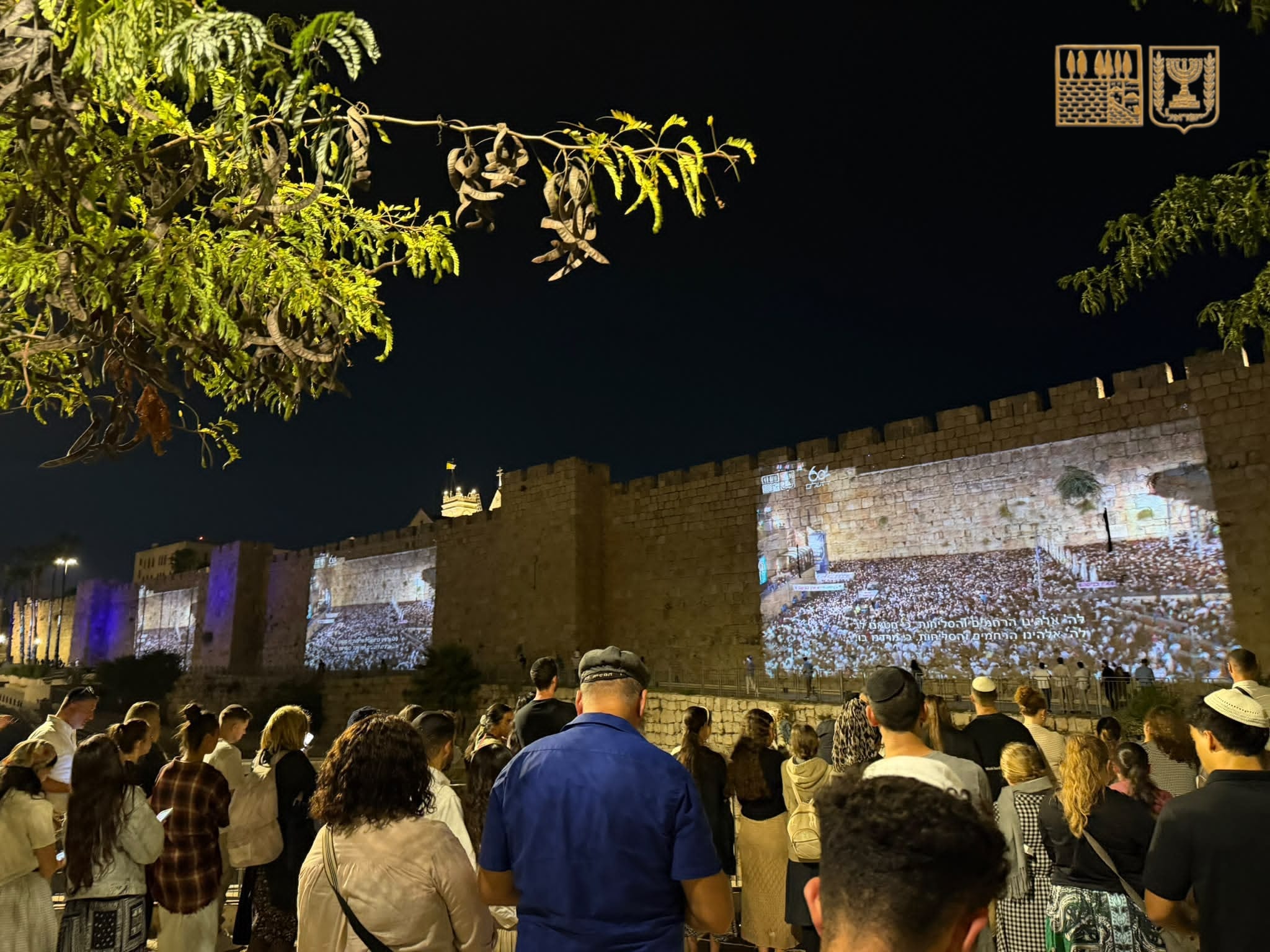
The Western Wall Heritage Foundation reported that since the beginning of Elul, nearly one million worshippers have visited the plaza to attend Selichot ceremonies held throughout the month. Due to the crowd, the ceremony was broadcast live on screens on the Old City walls and at Jaffa Gate for thousands of worshippers who couldn’t enter the plaza.
The broadcast was initiated by the Jerusalem mayor in cooperation with the Jerusalem Municipality, the Jerusalem Development Authority, and the Western Wall Heritage Foundation. The next central Selichot ceremony at the Western Wall plaza is scheduled for Monday, September 14, the third of Tishrei, at 12:15 a.m., with thousands of worshippers expected to attend.
Ahead of Rosh Hashanah and the beginning of the Jewish holiday season, Israel’s security establishment is at maximum readiness across all active fronts. As C14 reported yesterday (Wednesday) night, the arena currently ranked as the highest priority is also the most distant—Iran.
Senior political officials are delivering direct and unequivocal messages: If Iran attacks, the result will be a difficult, full-scale war—not a limited response or another round of fighting. “We will destroy their energy infrastructure within a short time,” officials warned. Earlier Thursday, senior defense officials held a security assessment at the Kirya in Tel Aviv, after which they decided to maintain the highest level of readiness, ensuring Israel is prepared both to defend itself and, if necessary, launch an offensive within a short period of time.
Air Force aircraft | Photo: IDF Spokesperson
Following Israel’s completion of its takeover of the Ali Taher Ridge, Israeli soldiers there are prepared for the next phase, while officials are taking no chances amid the threats from Iran. Alongside Lebanon and Iran, readiness in the Gaza Strip remains extremely high over concerns that Hamas could attempt a major showcase terror attack three years after the Oct. 7 massacre. Judea and Samaria remains one of the security establishment’s most concerning arenas, and following a recent string of terror attacks carried out by Arab terrorists, the IDF is reinforcing its forces.
The situation across the region remains volatile and sensitive, and Israel is taking no chances. Officials across all levels are delivering a unified message: If Israel is attacked, it will strike back immediately and without compromise. Earlier Thursday, Defense Minister Israel Katz issued his own stark warning to Tehran, saying Iran’s mounting economic pressure and fears of an uprising could drive the regime to take desperate action against Israel.
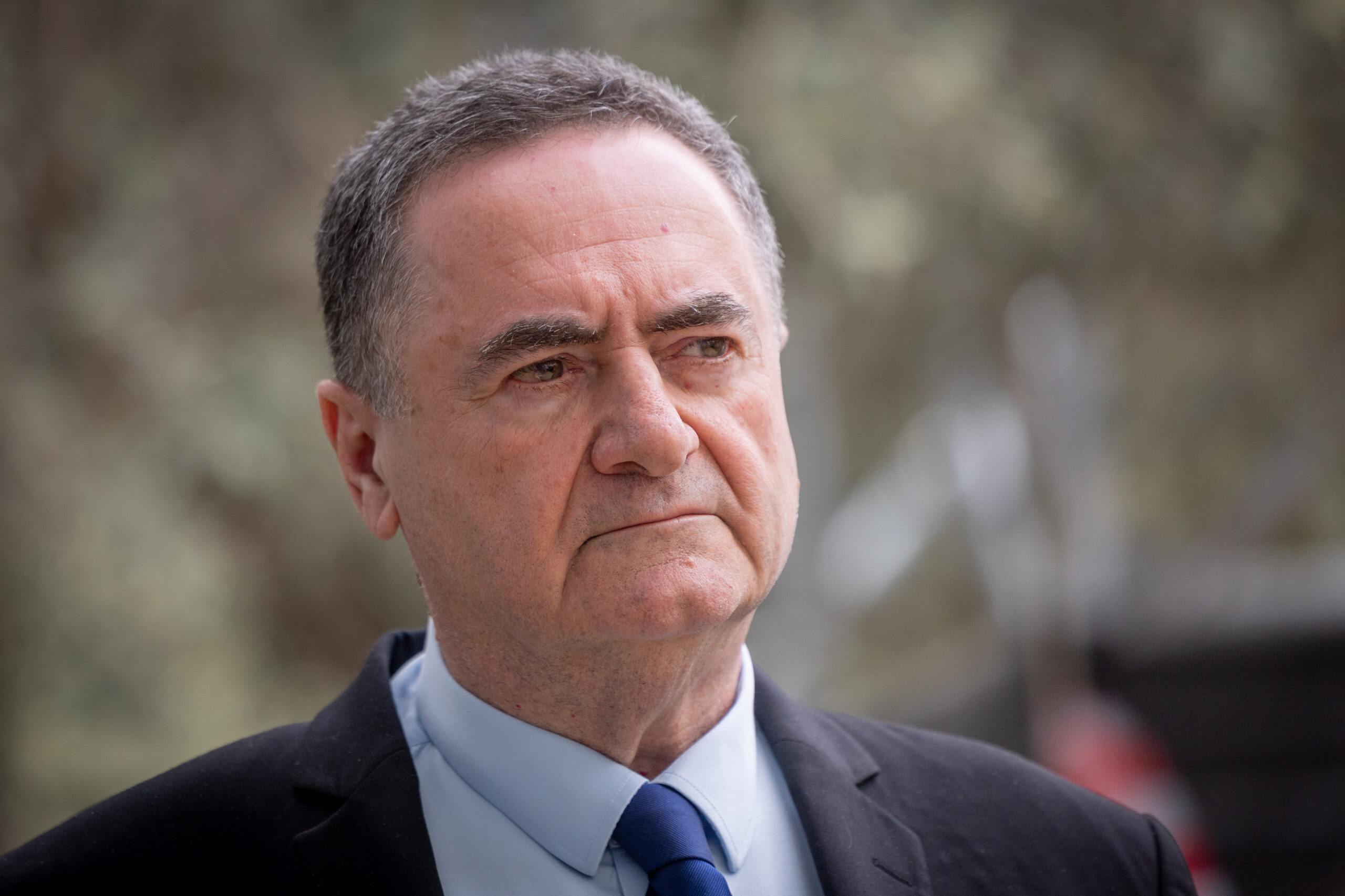
Israel Katz | Photo: Oren Ben-Kon, Flash90
“Given the possibility that, due to the economic stranglehold and the intense pressure Iran is under, they may decide to act against Israel, I once again warn the Iranian leadership: Any attack on Israel, for any reason and in any location, will be met with a powerful response—one that will inflict severe blows on Iran unlike any it has suffered to date, including against its key energy facilities, which provide resources and capabilities for Iran’s war and terror apparatus and for attacks on the citizens of the State of Israel,” Katz said.
“In accordance with the instructions of the prime minister and my own instructions, the IDF is on high alert and prepared to carry out the mission,” he continued. “Such a blow would set Iran back decades and further undermine the ayatollah regime, which the Iranian people so deeply despise and long to see fall.”
Katz’s warning came as part of a Rosh Hashanah message in which he also addressed Iran’s Jewish community and the Iranian people directly. “Ahead of Rosh Hashanah, I want to send wishes for a happy new year to the Jewish community in Iran and wish them a good and safe year. You are part of a glorious Jewish history and will always be in our hearts,” Katz said. “And to the Iranian people, I wish: Next year in Tehran, liberated from oppression and tyranny.”
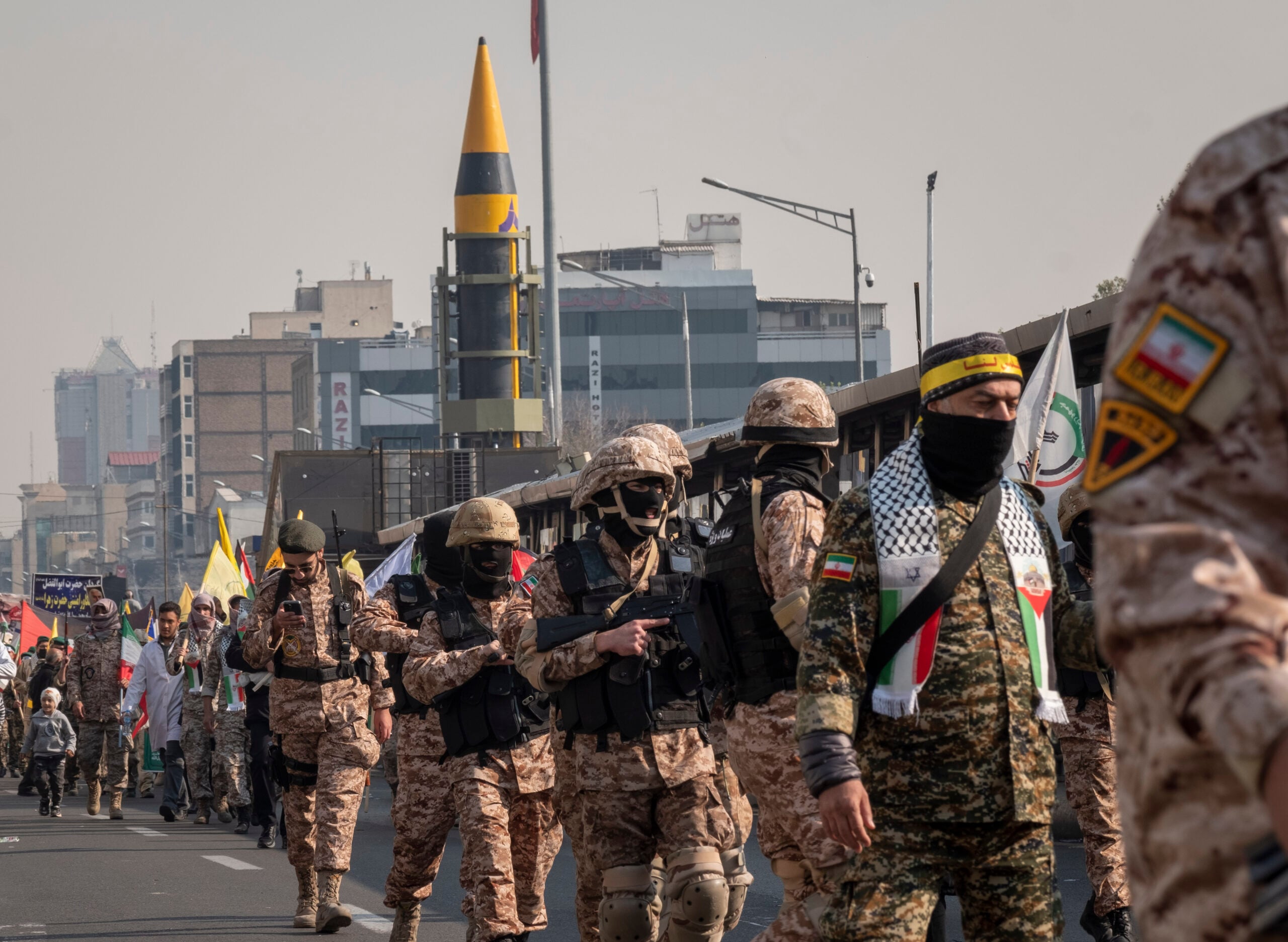
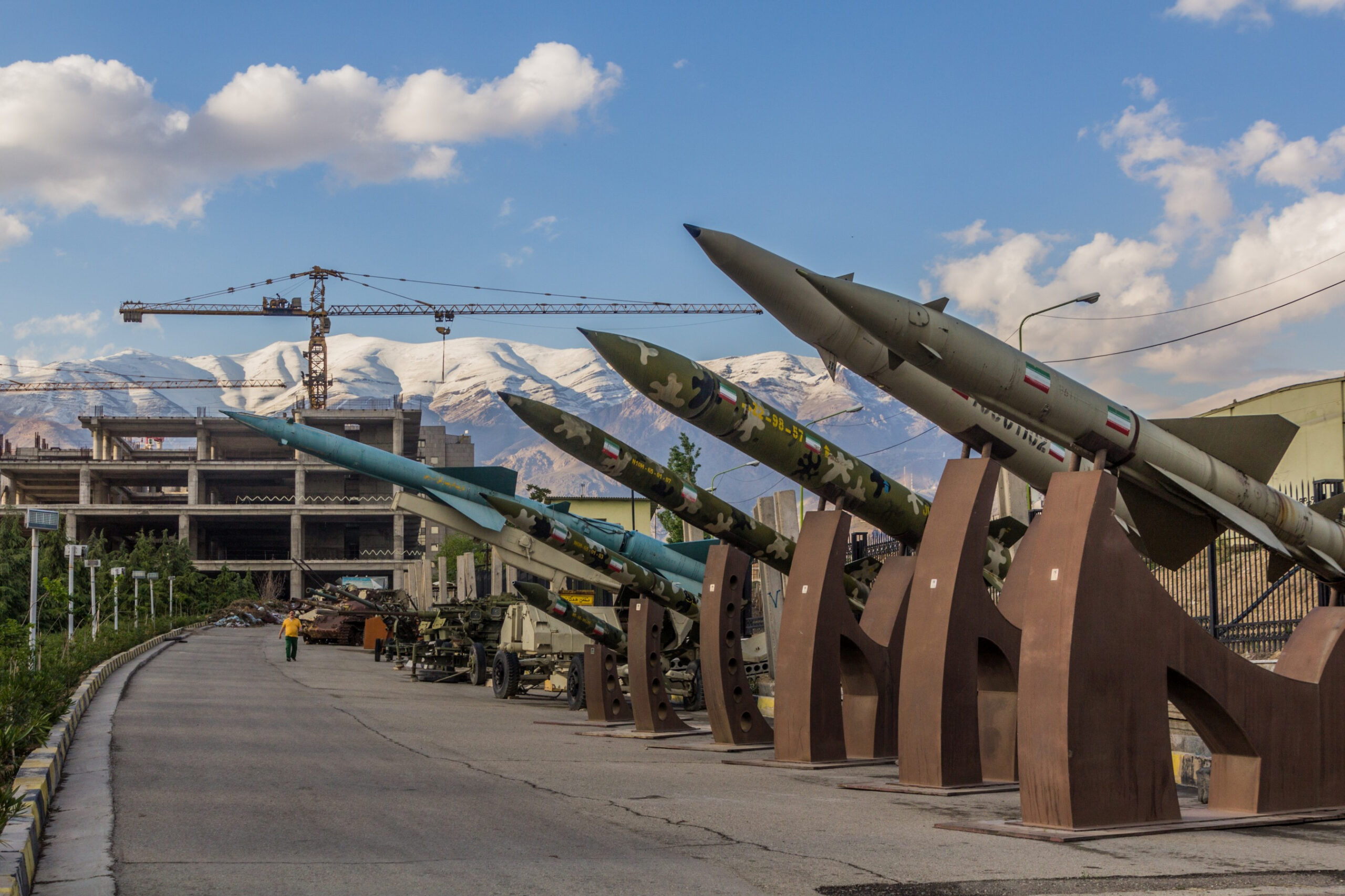
Meanwhile, U.S. and Middle Eastern officials told The Wall Street Journal that Iran has recently resumed ballistic missile production at underground facilities using components accumulated in existing stockpiles. According to the report, intelligence indicates activity at several underground sites across Iran, including the Khojir missile facility southeast of Tehran.
Finance Minister Bezalel Smotrich scored another dramatic win for Israeli community expansion in Judea and Samaria Thursday, securing government-wide approval for a massive master agreement in the city of Ariel. Prime Minister Benjamin Netanyahu and all government ministries signed off on the deal, which will add 18,000 housing units to the city.
It’s only the second master agreement signed for a city in Judea and Samaria—the first was in Maale Adumim—and is expected to transform the entire region.
The city of Ariel in Samaria, archive | Photo: Saraya Diamant, Flash90
The agreement will add roughly 18,000 new housing units to the city. The move gives major momentum to the urban and demographic development of what’s known as the capital of Samaria.
Development under the agreement includes:
• Expansion of new neighborhoods: Massive construction of modern housing units to meet surging demand and accommodate young families.
• Strengthening older neighborhoods: Major investment in upgrading public spaces, infrastructure, and public buildings in existing neighborhoods.
• Cementing Ariel’s status: Substantial reinforcement of the city as a strong, thriving metropolis in the heart of the country.
The move is a major strategic step that demonstrates more than anything that residents and communities in Judea and Samaria are experiencing unprecedented growth and racing forward to cement their hold in the land of the patriarchs.
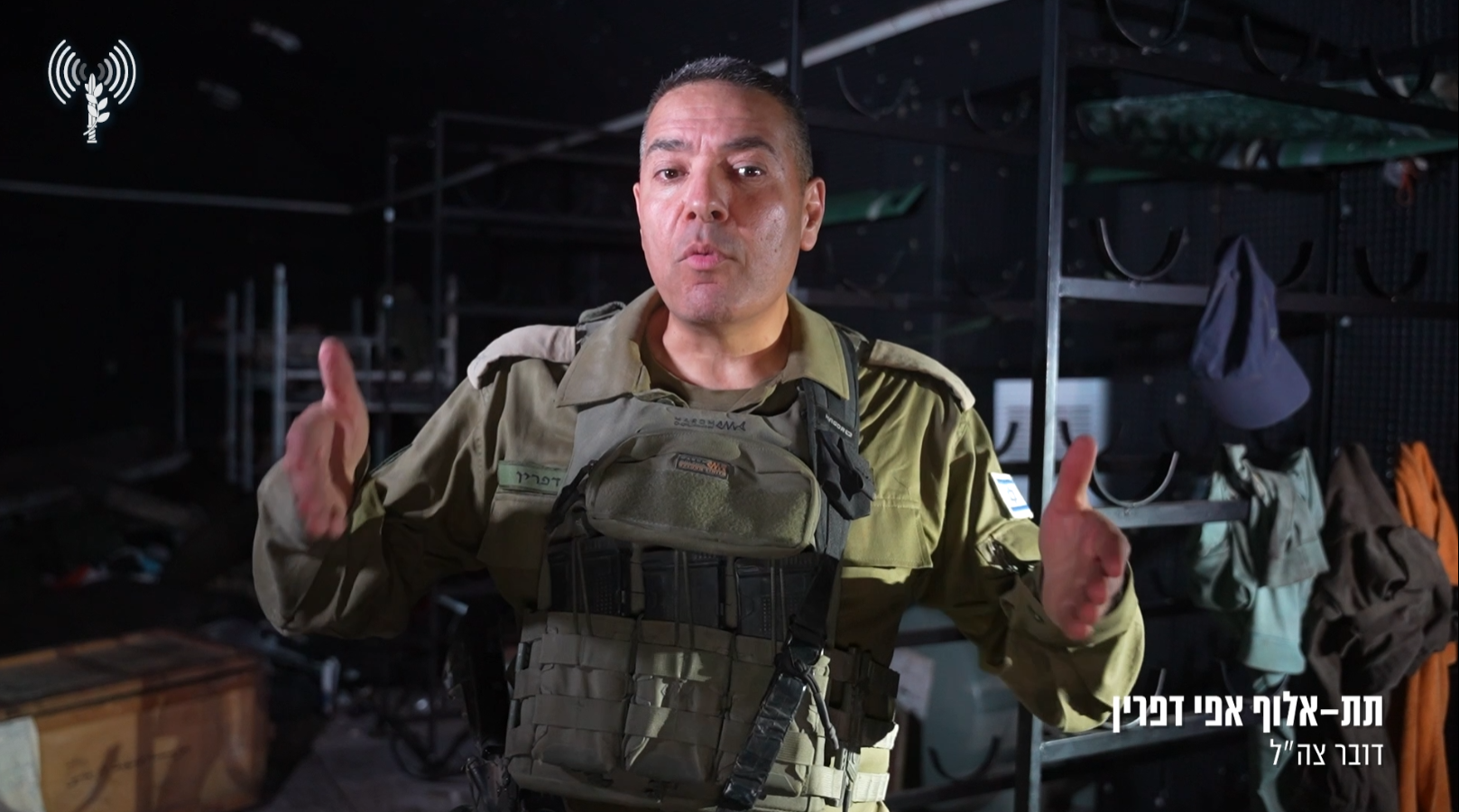
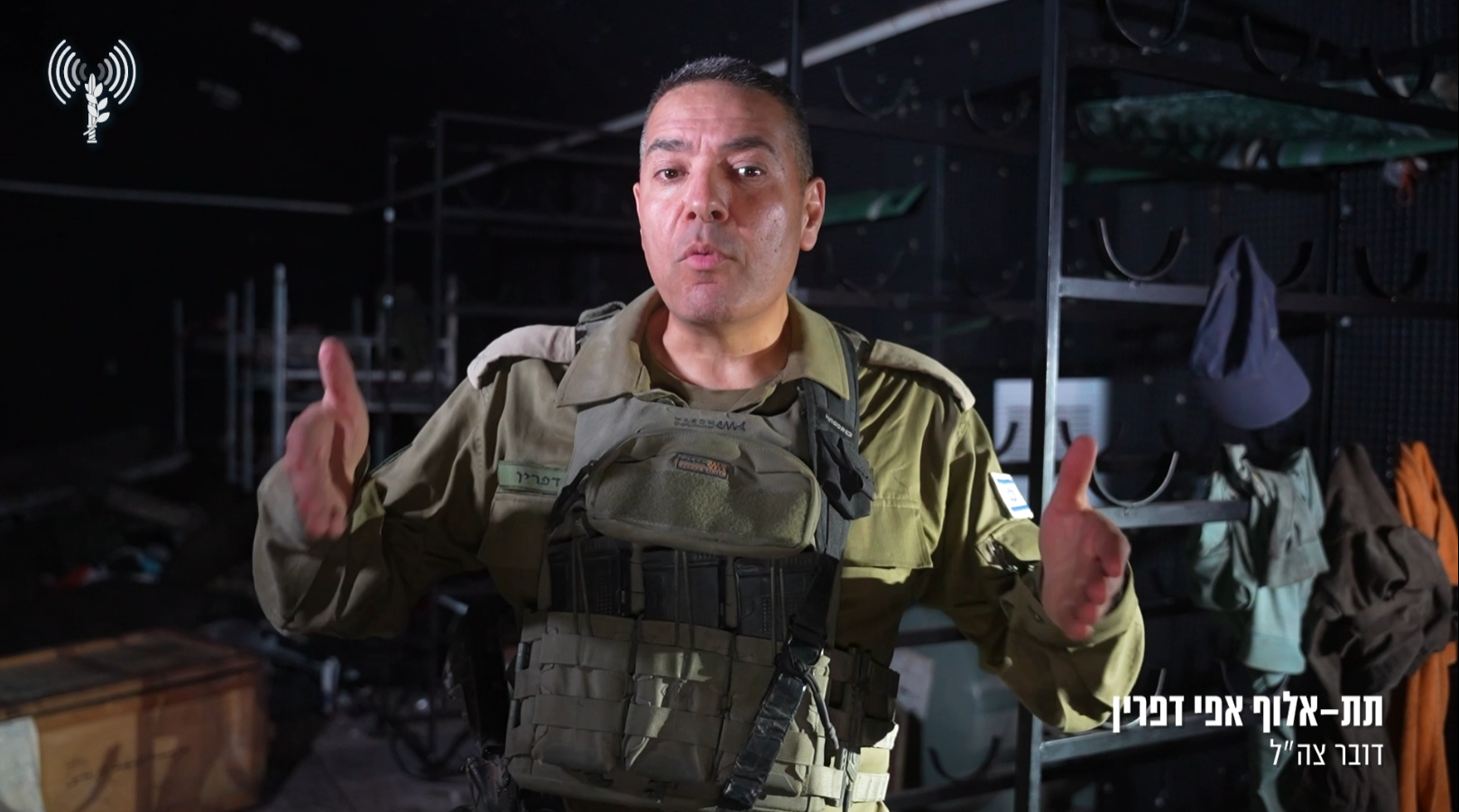
IDF Spokesman Col. Efi Defrin entered deep into Hezbollah’s tunnel network beneath the Ali Taher ridge in southern Lebanon Thursday evening, after Israeli forces completed operational control of the ridge and destroyed the underground infrastructure there.
“This network was built over two decades, financed and directed by the Iranian terror regime,” Defrin said from inside the tunnels. According to him, the infrastructure served as a central command complex and the “nerve center” for Hezbollah’s Badr Unit in the area, from which fighting in southern Lebanon was managed during Operation Northern Arrows, Operation Roar of the Lion, and throughout the current fighting.
Defrin revealed details about the operation that preceded the infrastructure’s destruction. According to him, the ground maneuver included deception and misdirection, as forces from Division 36 captured the Beaufort ridge from an unexpected direction after crossing the Litani River and surprising Hezbollah.
Afterward, fighters from the Commando Brigade and engineering forces from the Yahalom Unit worked to clear the routes and prepare them for destruction. Simultaneously, Israeli forces surrounded the area and applied constant pressure on the terrorists who had fortified themselves underground.
IDF Spokesman Col. Efi Defrin | Photo: IDF spokesperson unit
Terrorists who tried to exit the routes or transfer supplies to the besieged terrorists were killed in airstrikes and ground attacks. Others who tried to escape ran into ambushes and were killed in face-to-face combat.
“All the terrorists who stayed in the infrastructure were killed or fled,” the IDF spokesman declared. “Even though Hezbollah declared it would defend the infrastructure at any cost, it failed and even abandoned its men to die inside.”
During the clearing of the tunnel network, forces located numerous weapons that Hezbollah left behind, including weapons manufactured by the Iranian regime.
According to Defrin, the findings provide additional proof of the direct connection between Tehran and the terror organization: “The terror organization Hezbollah is an arm of the Iranian terror regime. This regime, through its proxies, is trying to harm Israel’s security and threatens to destabilize the security of the entire region. Now our mission is complete. The underground route has been neutralized and destroyed,” he announced.
Alongside the operational achievement, Defrin addressed the heavy price Israeli forces paid in the battles to capture and clear the ridge.
“In the battles to capture and clear the ridge, our fighters fell, the best of our sons, the salt of the earth,” he said. “Fighters who acted out of a sense of mission, with courage and out of deep commitment to defending the communities of the north.”
The IDF spokesman wished a recovery to the wounded and added: “We completed the mission. These achievements are first and foremost theirs.”
He closed his remarks with a message going forward: “We will continue to defend the communities of the north and will act to remove every threat to our citizens and our forces. Just as we acted here, we will continue to act along all the borders. We will continue to be a buffer between every threat and the residents of the State of Israel. This is our duty.”