Finance Minister Bezalel Smotrich scored another dramatic win for Israeli community expansion in Judea and Samaria Thursday, securing government-wide approval for a massive master agreement in the city of Ariel. Prime Minister Benjamin Netanyahu and all government ministries signed off on the deal, which will add 18,000 housing units to the city.
It’s only the second master agreement signed for a city in Judea and Samaria—the first was in Maale Adumim—and is expected to transform the entire region.
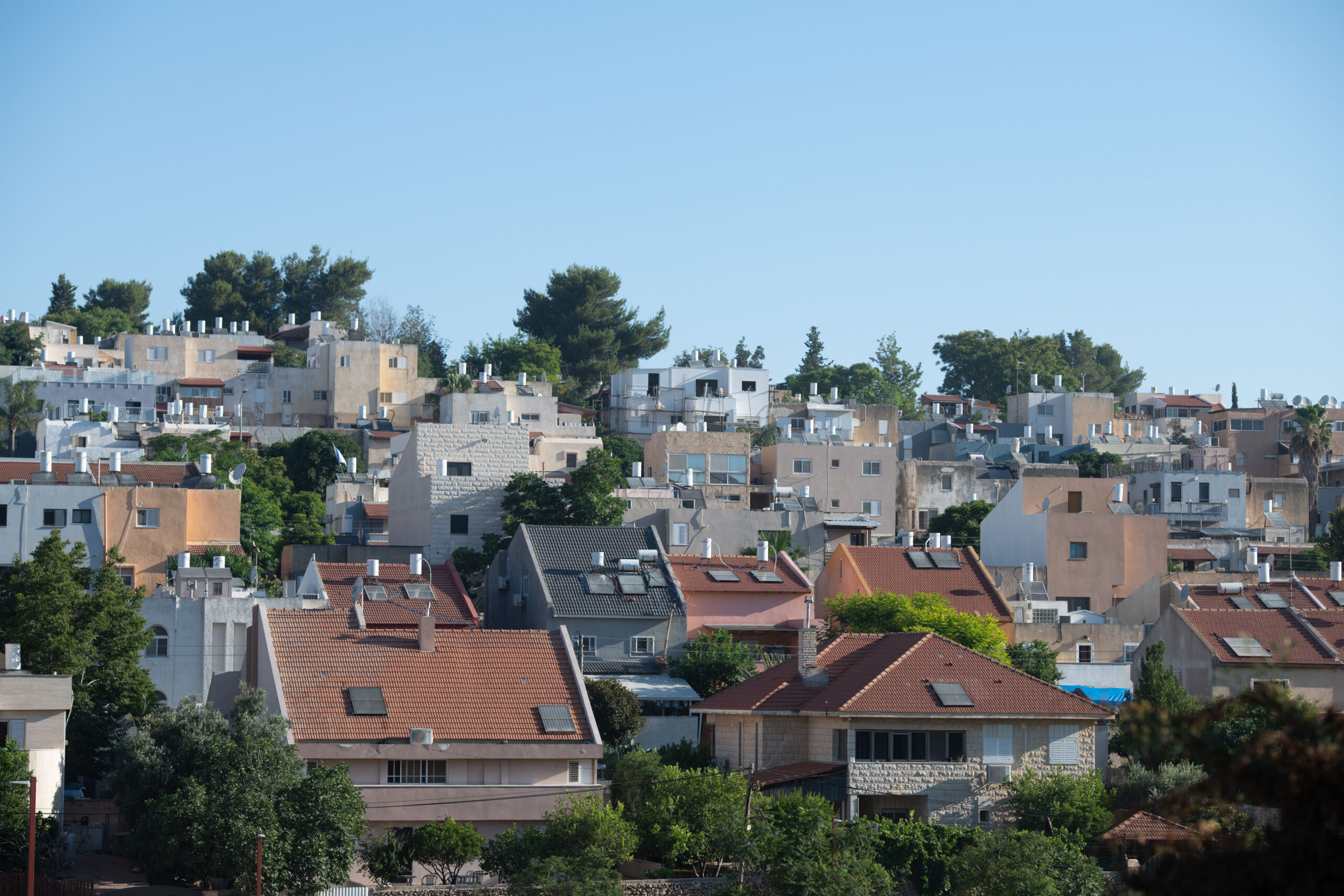
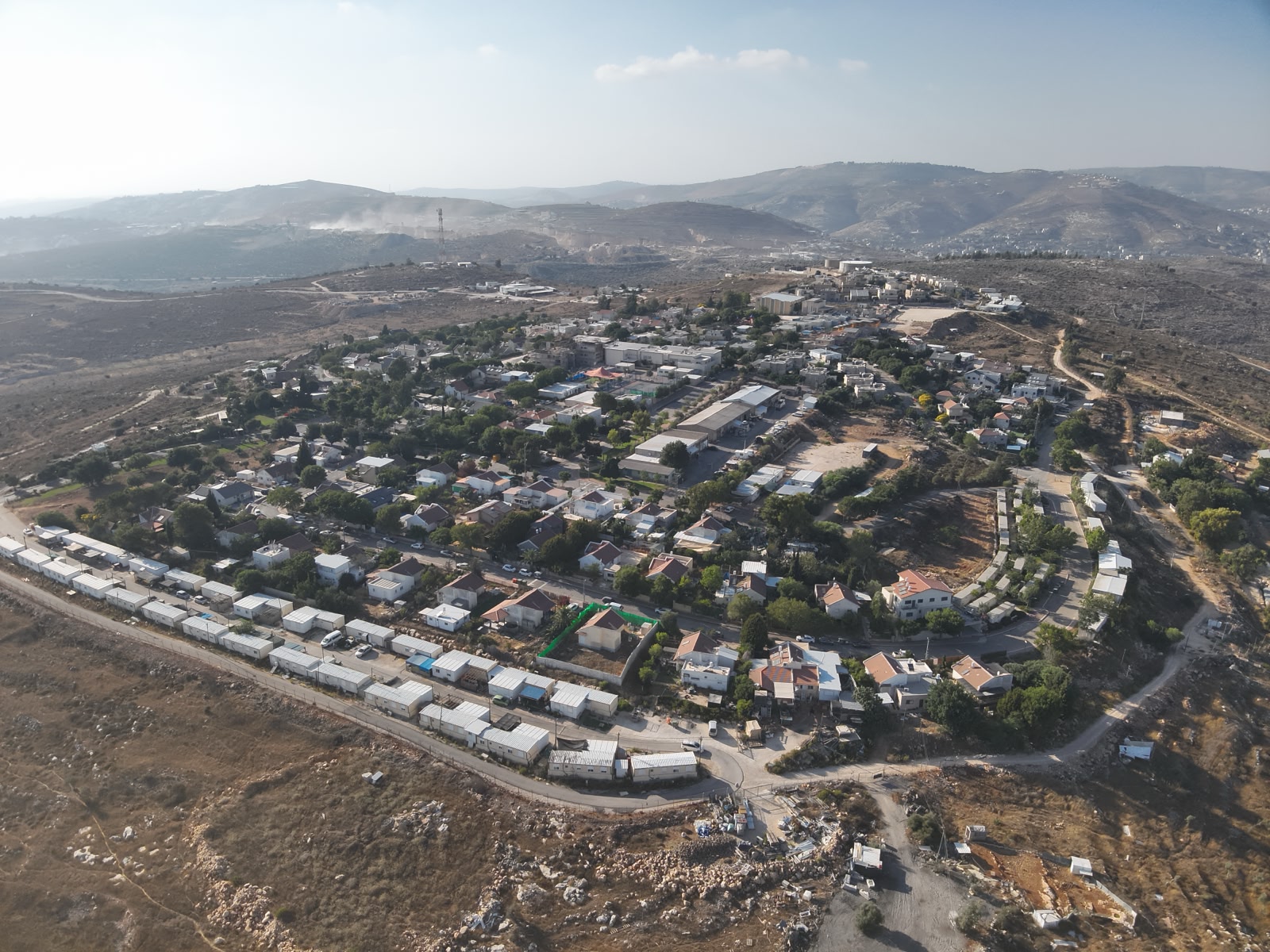
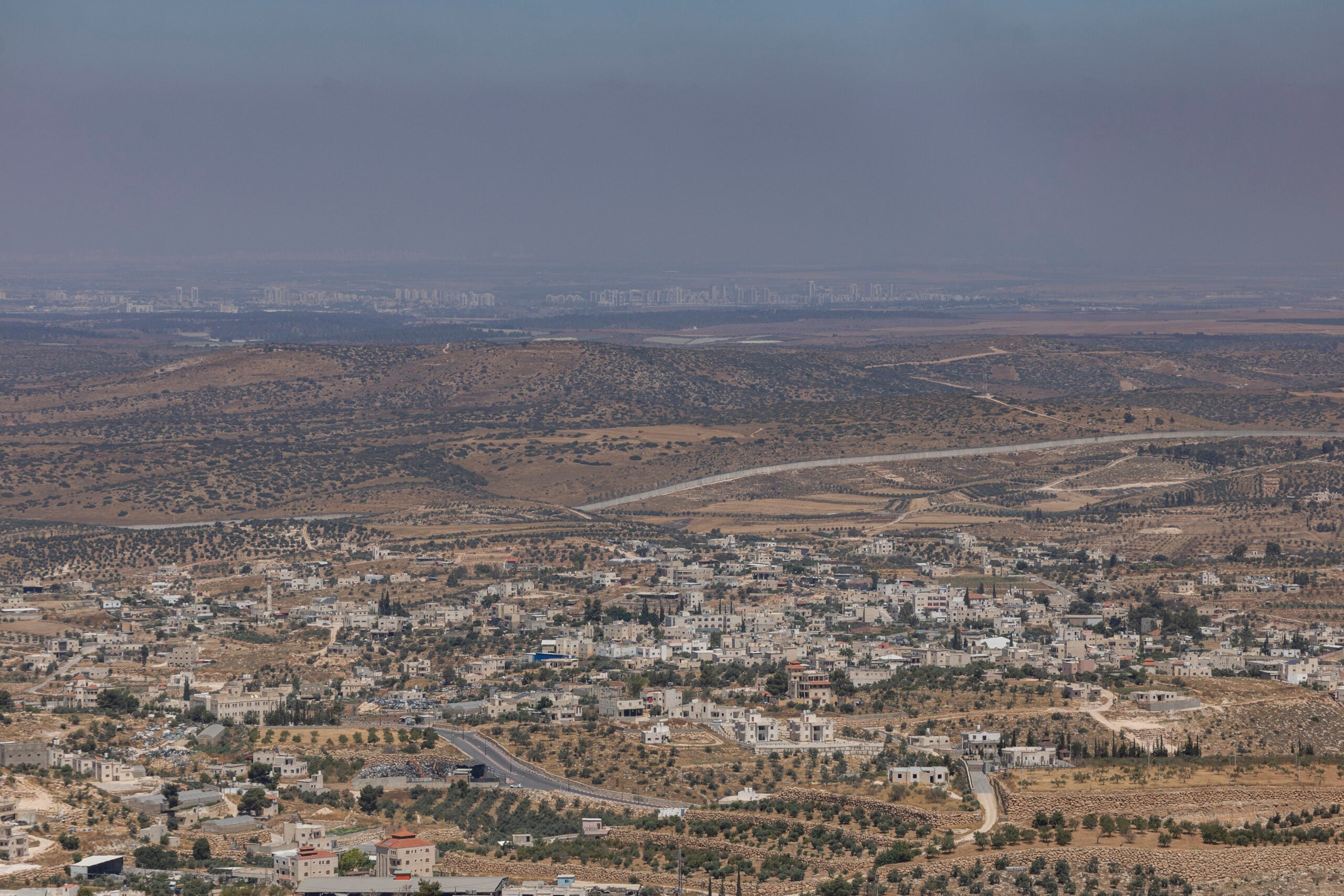
The city of Ariel in Samaria, archive | Photo: Saraya Diamant, Flash90
The agreement will add roughly 18,000 new housing units to the city. The move gives major momentum to the urban and demographic development of what’s known as the capital of Samaria.
Development under the agreement includes:
• Expansion of new neighborhoods: Massive construction of modern housing units to meet surging demand and accommodate young families.
• Strengthening older neighborhoods: Major investment in upgrading public spaces, infrastructure, and public buildings in existing neighborhoods.
• Cementing Ariel’s status: Substantial reinforcement of the city as a strong, thriving metropolis in the heart of the country.
The move is a major strategic step that demonstrates more than anything that residents and communities in Judea and Samaria are experiencing unprecedented growth and racing forward to cement their hold in the land of the patriarchs.
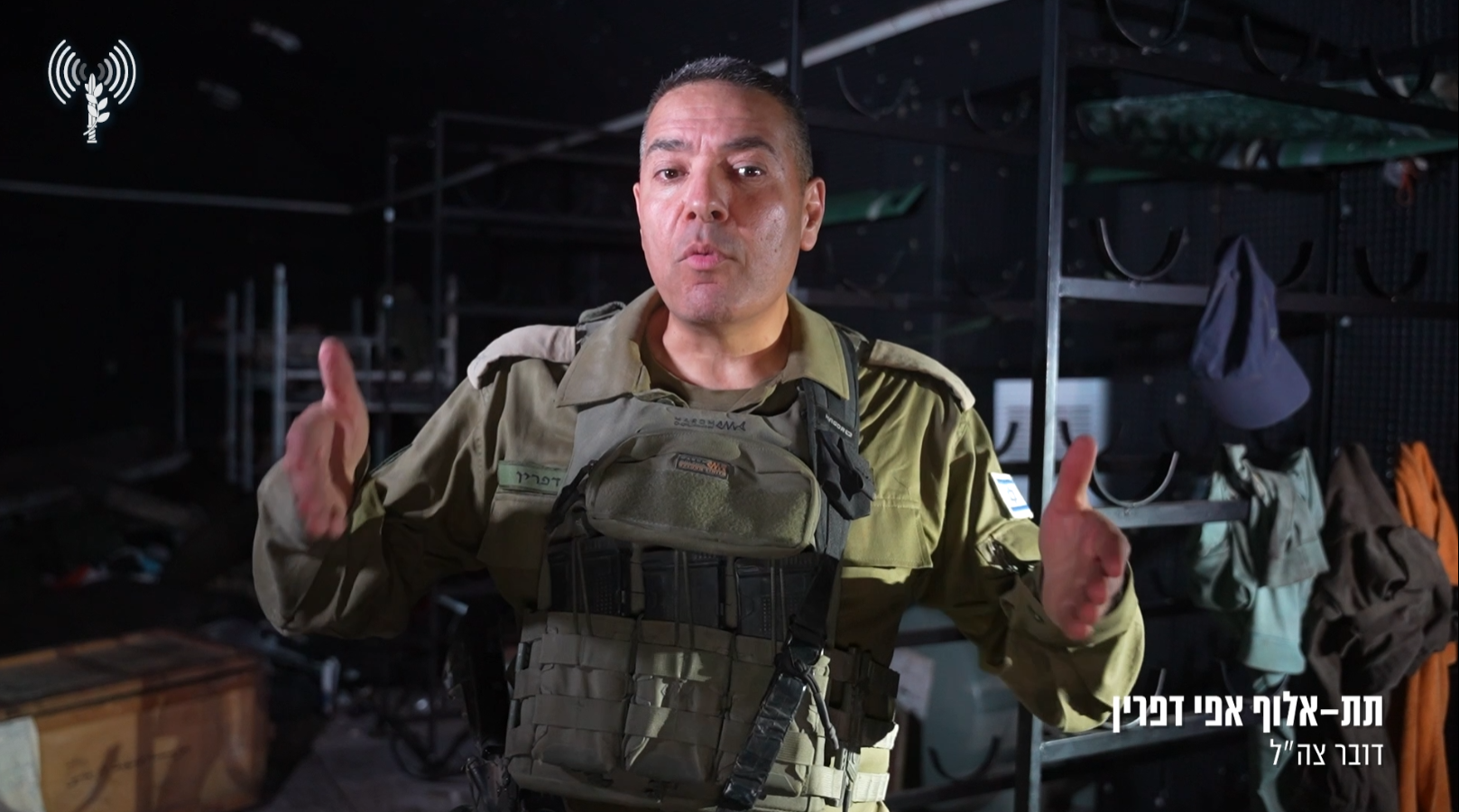
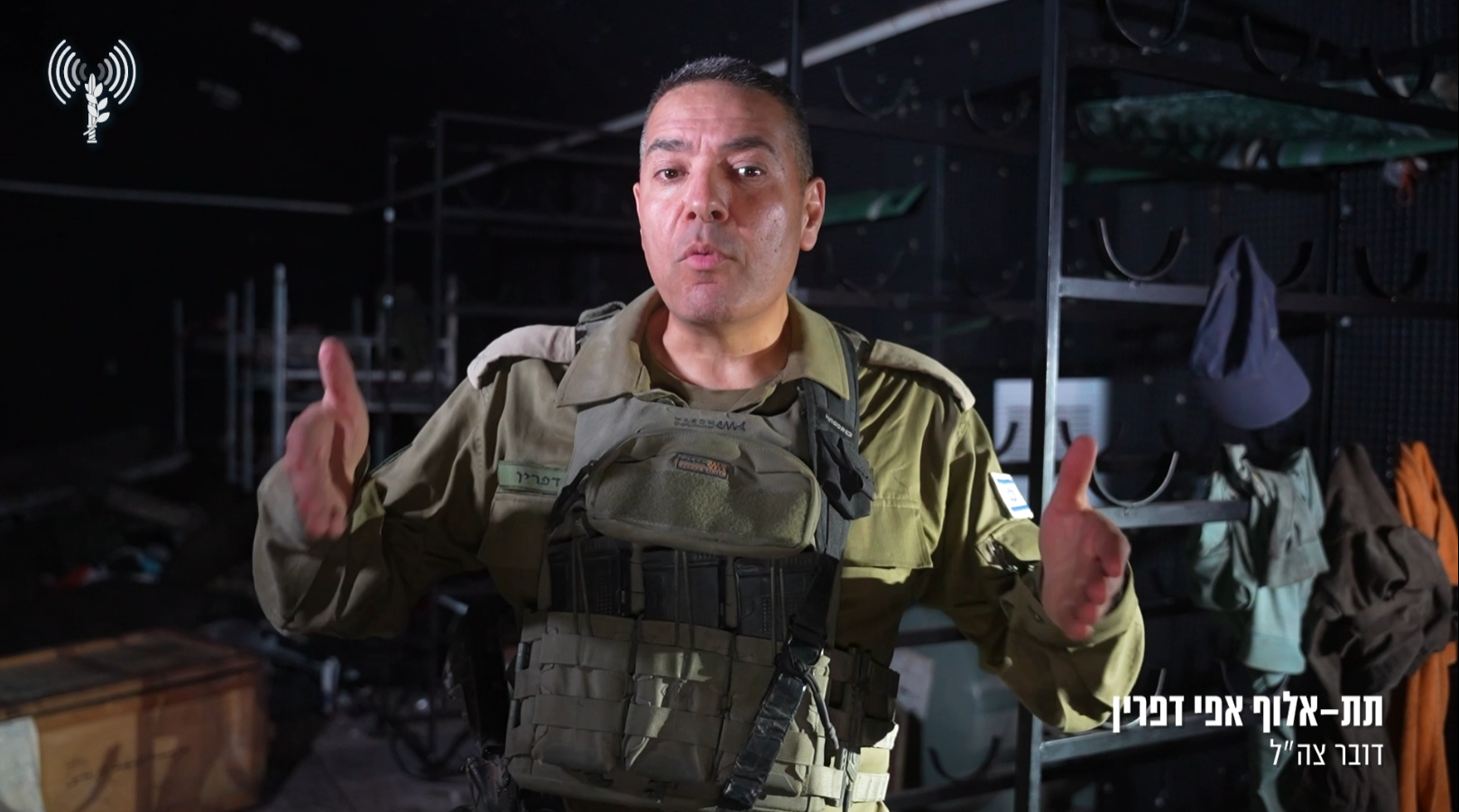
IDF Spokesman Col. Efi Defrin entered deep into Hezbollah’s tunnel network beneath the Ali Taher ridge in southern Lebanon Thursday evening, after Israeli forces completed operational control of the ridge and destroyed the underground infrastructure there.
“This network was built over two decades, financed and directed by the Iranian terror regime,” Defrin said from inside the tunnels. According to him, the infrastructure served as a central command complex and the “nerve center” for Hezbollah’s Badr Unit in the area, from which fighting in southern Lebanon was managed during Operation Northern Arrows, Operation Roar of the Lion, and throughout the current fighting.
Defrin revealed details about the operation that preceded the infrastructure’s destruction. According to him, the ground maneuver included deception and misdirection, as forces from Division 36 captured the Beaufort ridge from an unexpected direction after crossing the Litani River and surprising Hezbollah.
Afterward, fighters from the Commando Brigade and engineering forces from the Yahalom Unit worked to clear the routes and prepare them for destruction. Simultaneously, Israeli forces surrounded the area and applied constant pressure on the terrorists who had fortified themselves underground.
IDF Spokesman Col. Efi Defrin | Photo: IDF spokesperson unit
Terrorists who tried to exit the routes or transfer supplies to the besieged terrorists were killed in airstrikes and ground attacks. Others who tried to escape ran into ambushes and were killed in face-to-face combat.
“All the terrorists who stayed in the infrastructure were killed or fled,” the IDF spokesman declared. “Even though Hezbollah declared it would defend the infrastructure at any cost, it failed and even abandoned its men to die inside.”
During the clearing of the tunnel network, forces located numerous weapons that Hezbollah left behind, including weapons manufactured by the Iranian regime.
According to Defrin, the findings provide additional proof of the direct connection between Tehran and the terror organization: “The terror organization Hezbollah is an arm of the Iranian terror regime. This regime, through its proxies, is trying to harm Israel’s security and threatens to destabilize the security of the entire region. Now our mission is complete. The underground route has been neutralized and destroyed,” he announced.
Alongside the operational achievement, Defrin addressed the heavy price Israeli forces paid in the battles to capture and clear the ridge.
“In the battles to capture and clear the ridge, our fighters fell, the best of our sons, the salt of the earth,” he said. “Fighters who acted out of a sense of mission, with courage and out of deep commitment to defending the communities of the north.”
The IDF spokesman wished a recovery to the wounded and added: “We completed the mission. These achievements are first and foremost theirs.”
He closed his remarks with a message going forward: “We will continue to defend the communities of the north and will act to remove every threat to our citizens and our forces. Just as we acted here, we will continue to act along all the borders. We will continue to be a buffer between every threat and the residents of the State of Israel. This is our duty.”
Israel completed one of its most significant operations in southern Lebanon Thursday evening: destroying Hezbollah’s underground infrastructure network at Ali Taher Ridge and securing the buffer zone. But beyond the blow to the terror organization, the move has another address—Tehran.
The timing is particularly sensitive. Just before the Jewish High Holidays, Israel is maintaining high alert across all combat zones, with a possible escalation with Iran at the center of concern. In the background are the Islamic Republic’s attempts to rebuild damaged capabilities and new American threats against its nuclear program.
During the fighting for Ali Taher, Reuters reported that Iran sent a warning to the United States that it would respond if Israel acted against the compound where Hezbollah terrorists were fortified. Israel didn’t back down—and Thursday evening the operation was completed.
The message takes on added significance given what was uncovered inside the mountain. According to Israel, the strategic tunnel network was built over two decades with Iranian funding and planning, was intended in part to serve as a base for the plan to conquer the Galilee, and functioned as a nerve center for Hezbollah’s Badr Unit.
IDF Spokesperson Brig. Gen. Efi Defrin, who entered the tunnels after the operation was completed, pointed a finger directly at Tehran: “This network was built over two decades, with funding and direction from the Iranian terror regime.” According to him, combat equipment manufactured in Iran was also found in the tunnels. “This is further proof that the Hezbollah terror organization is an arm of the Iranian terror regime,” he said.
Trump Warns: “We’ll Have to Hit Them Very Hard”
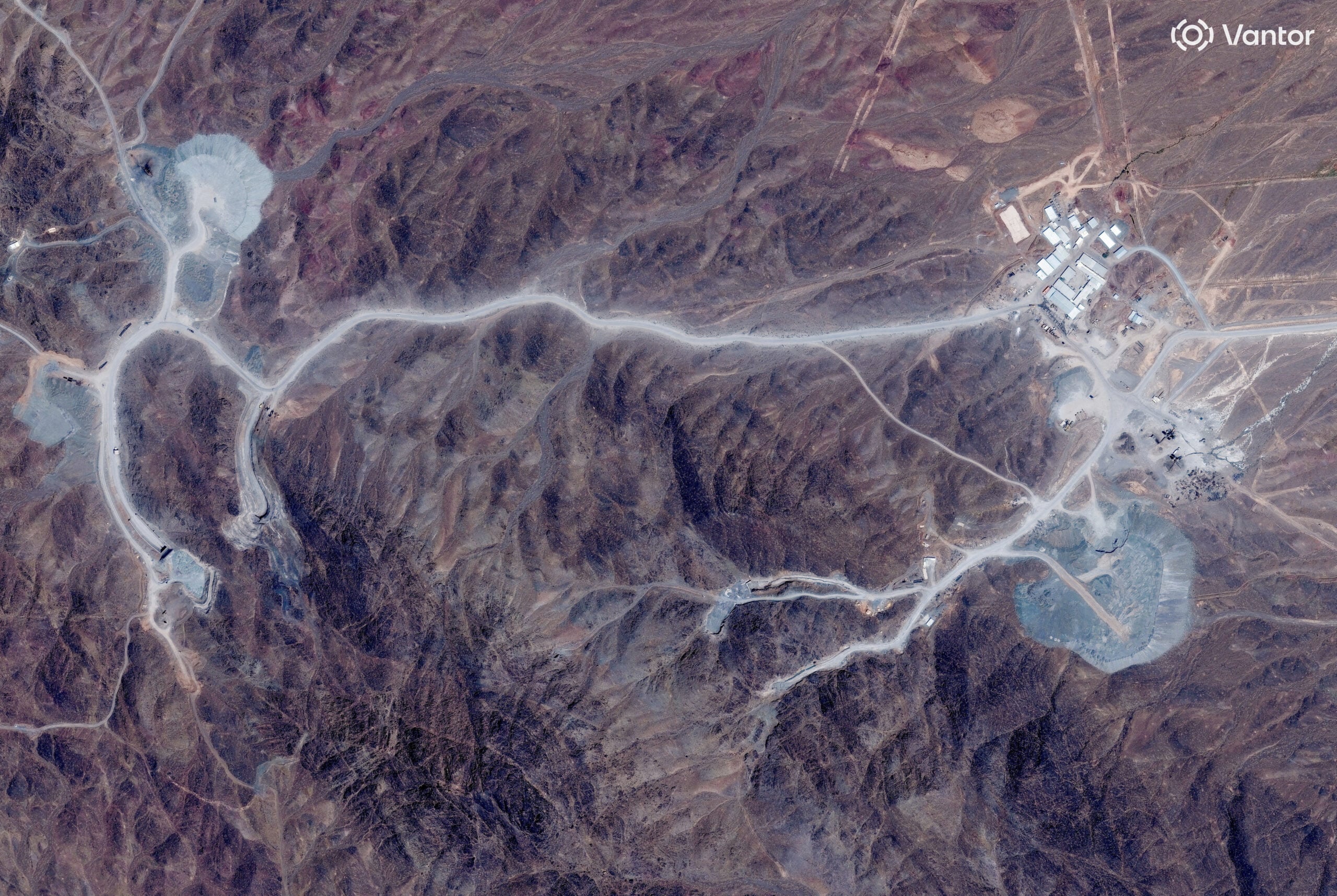
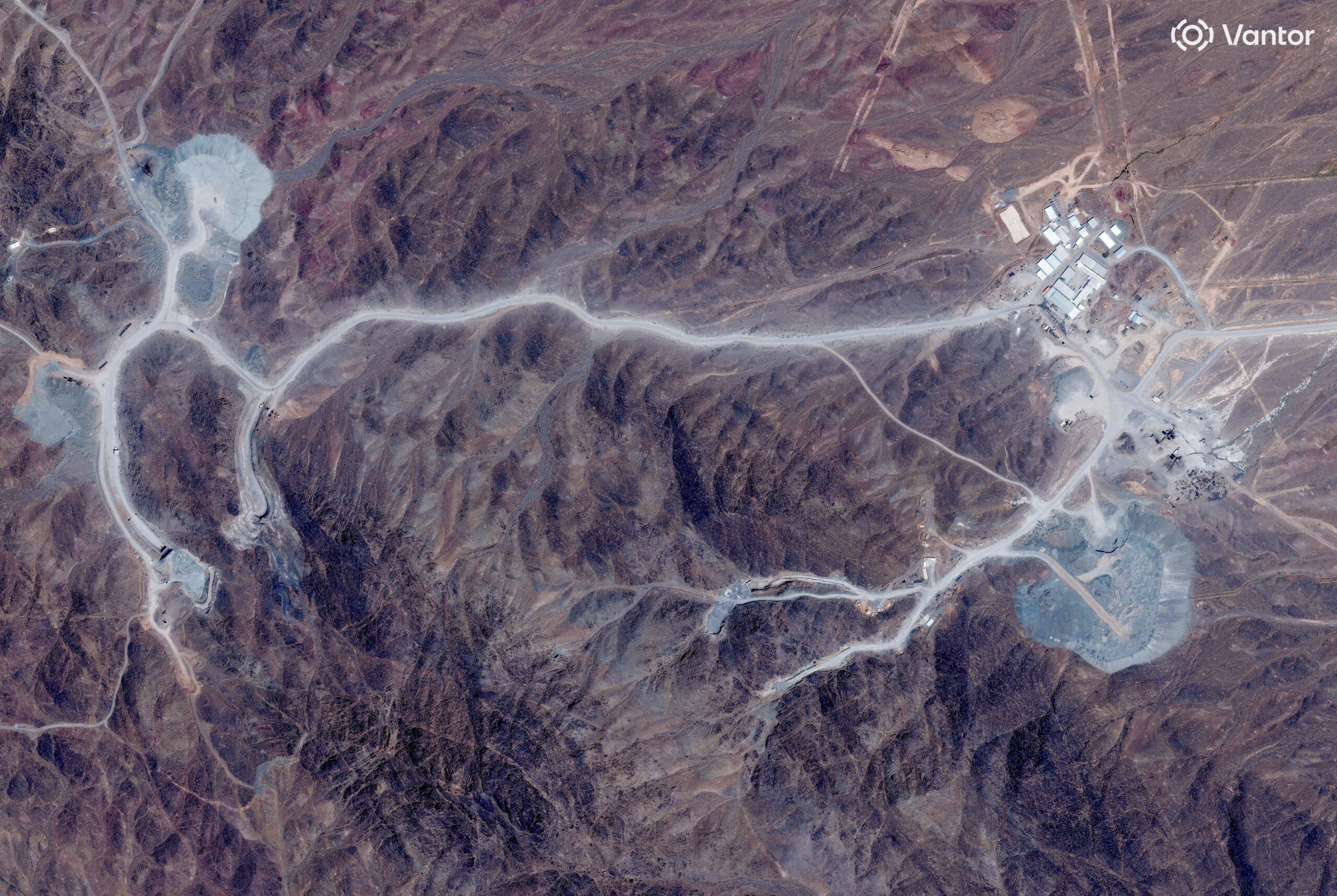
But Lebanon is only part of the picture. Parallel to the Israeli operation against Iran’s northern proxy, President Donald Trump issued a direct threat to Tehran in the past 24 hours following activity detected at Pickaxe Mountain—a fortified site with underground facilities near the Natanz nuclear facility.
Trump warned Iran not to take provocative steps at the site and made clear the United States might strike it if the activity continues. “I suggest Iran not get smart, because we’ll have to hit them very hard,” he said.
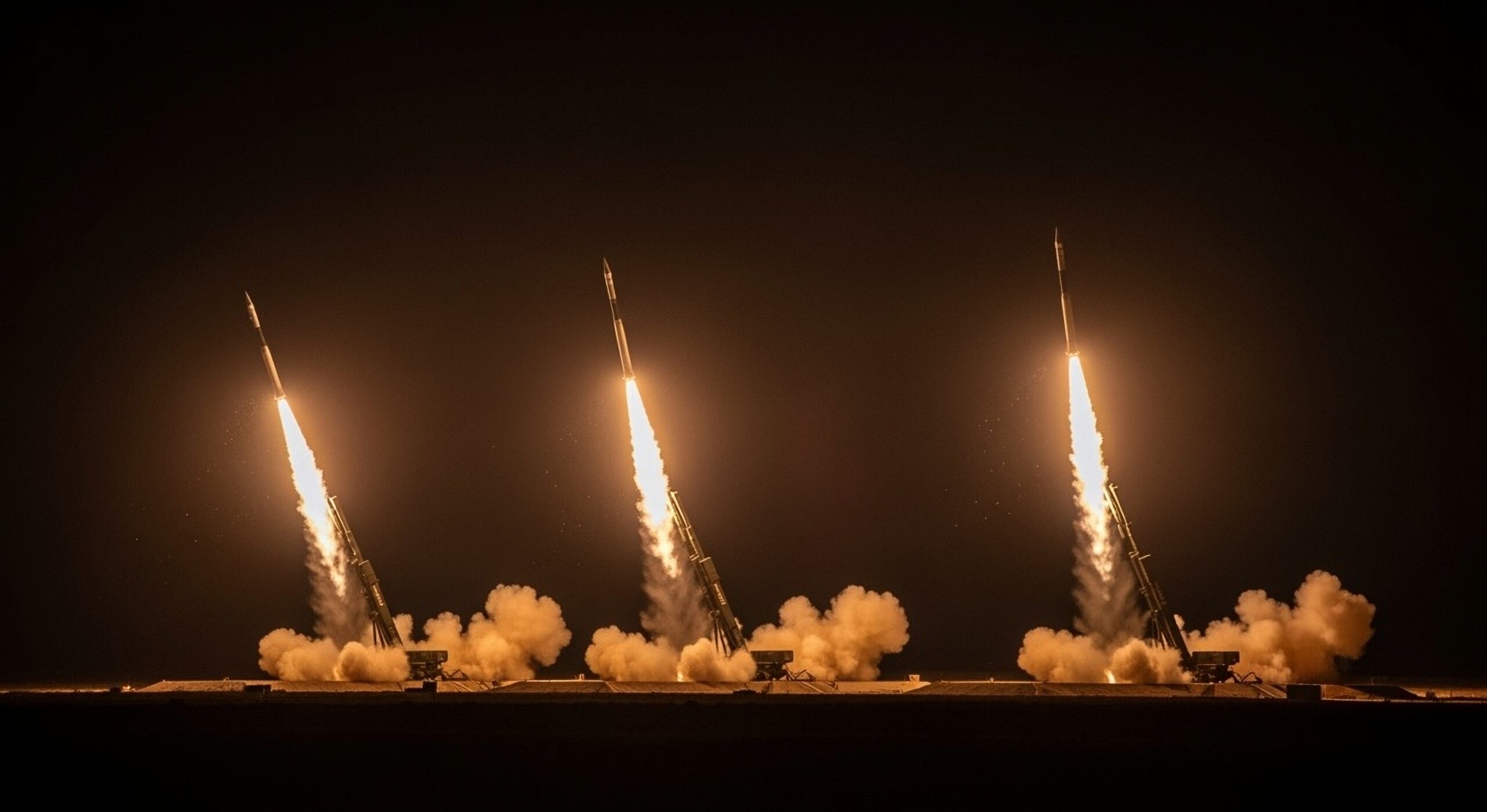
Meanwhile, reports emerged today that Iran has resumed production of its ballistic missiles, using remaining components and underground facilities. According to the report, the activity is taking place on a smaller scale than before, but Tehran is also working to establish new underground assembly points to make future strikes more difficult.
Photo: Arab networks, Shutterstock
Tension is also rising on the nuclear front: in recent days the International Atomic Energy Agency warned about the difficulty of monitoring Iranian nuclear material, while the United States and European countries are applying additional pressure on Tehran.
The Israeli Message: We Won’t Let Iran Recover
Prime Minister Benjamin Netanyahu also addressed Iranian attempts to rebuild their capabilities Thursday evening, declaring that Israel will not allow Tehran to obtain nuclear weapons. At the same time, in a joint statement with Defense Minister Israel Katz after the destruction of the infrastructure at Ali Taher, the Iranian connection to the compound was emphasized and it was made clear that Israel will continue to operate from within Lebanon against Hezbollah’s attempts to rebuild its strength.
Defrin also chose to end his remarks at the ridge with a message that goes beyond the Lebanese arena alone: “Just as we acted here, we will continue to act along all the borders. We will continue to be a buffer between any threat and the citizens of the State of Israel.”
Photo: Shutterstock
Will Iran Respond?
As of now there is no public indication allowing a determination that Iran has decided to respond directly to the destruction of the compound at Ali Taher. Hezbollah itself has so far refrained from a response that would fundamentally change the rules of the game following the loss of the ridge.
But the accumulation of events creates particularly sensitive days: Israel destroyed infrastructure that Hezbollah saw as a strategic asset and that was built with Iranian assistance; Tehran is trying to rebuild its missile systems; the United States is threatening another strike if activity at the fortified nuclear site continues; and Israel is entering the holiday period with alert status in multiple arenas simultaneously.
Pickaxe Mountain in Iran | Photo: Vantor/Handout via REUTERS
Therefore the question now hovering over the region is not only how Hezbollah will respond to the loss of Ali Taher—but whether Iran will choose to view the destruction of one of the strategic assets it built for its Lebanese proxy as grounds for further escalation, or will prefer at this stage to avoid another direct confrontation with Israel.
Earlier Thursday evening our correspondent Hillel Bitton Rosen reported that senior political officials are conveying direct and unequivocal messages on two fronts—if Iran attacks, a severe war will break out, not a response or round of fighting: “We’ll destroy their energy infrastructure in short order.” Earlier today, a situation assessment was conducted at the Kirya with senior security officials, and at its conclusion it was decided to maintain alert at the highest level. This is so we can be prepared for defense—but if required, for an attack in short order.
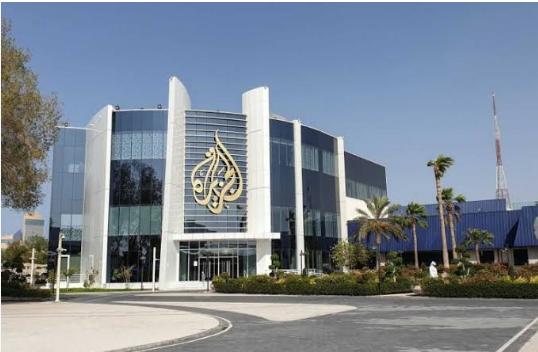
The Israeli government is moving forward with plans to shut down Al Jazeera’s operations in the country, revoke the press credentials of its journalists, and block access to its broadcasts. The Communications Ministry has begun preparing the regulatory groundwork to close the Qatari network’s offices in Israel. According to officials, the move is based on security assessments and what the government describes as ‘ongoing incitement by the network against Israel.’
Al Jazeera building in Doha, Qatar | Photo: Arab Networks
Communications Minister Shlomo Karhi is leading the effort. “Al Jazeera will no longer broadcast from Israel,” Karhi said. “I intend to act through all available legal and diplomatic channels to remove this terror-supporting network from Israeli airwaves and shut down its local offices.” The minister added that he would work to ensure Al Jazeera journalists lose their press credentials and that the network’s content is blocked across all platforms in Israel.
The latest move follows years of Israeli scrutiny of the Qatari network and previous government action against its operations on national security grounds. In 2024, Israel imposed an initial 35-day ban on Al Jazeera’s operations in the country, a measure upheld by a Tel Aviv court and subsequently extended for another 45 days after the cabinet determined that the network’s broadcasts posed a threat to national security.
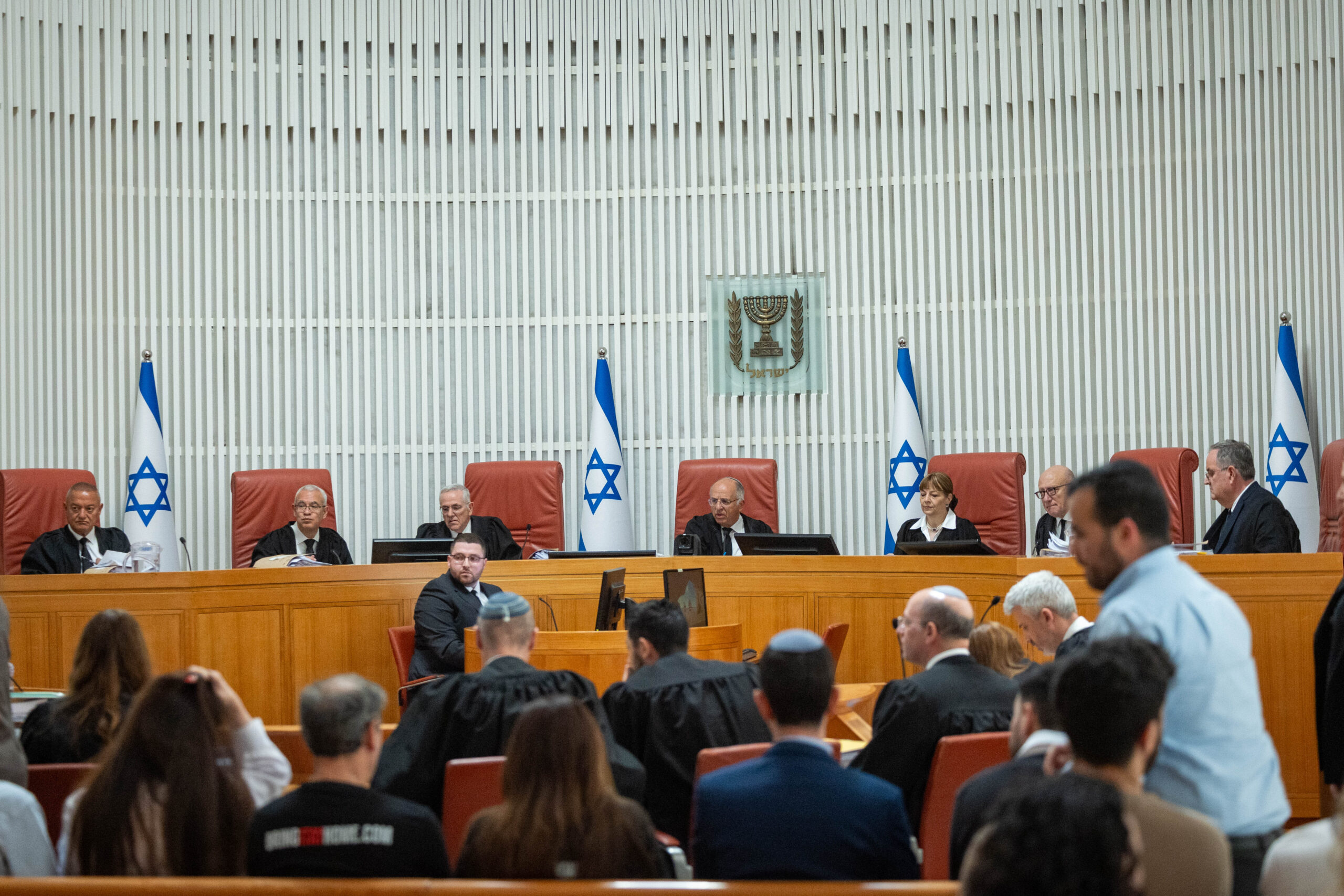
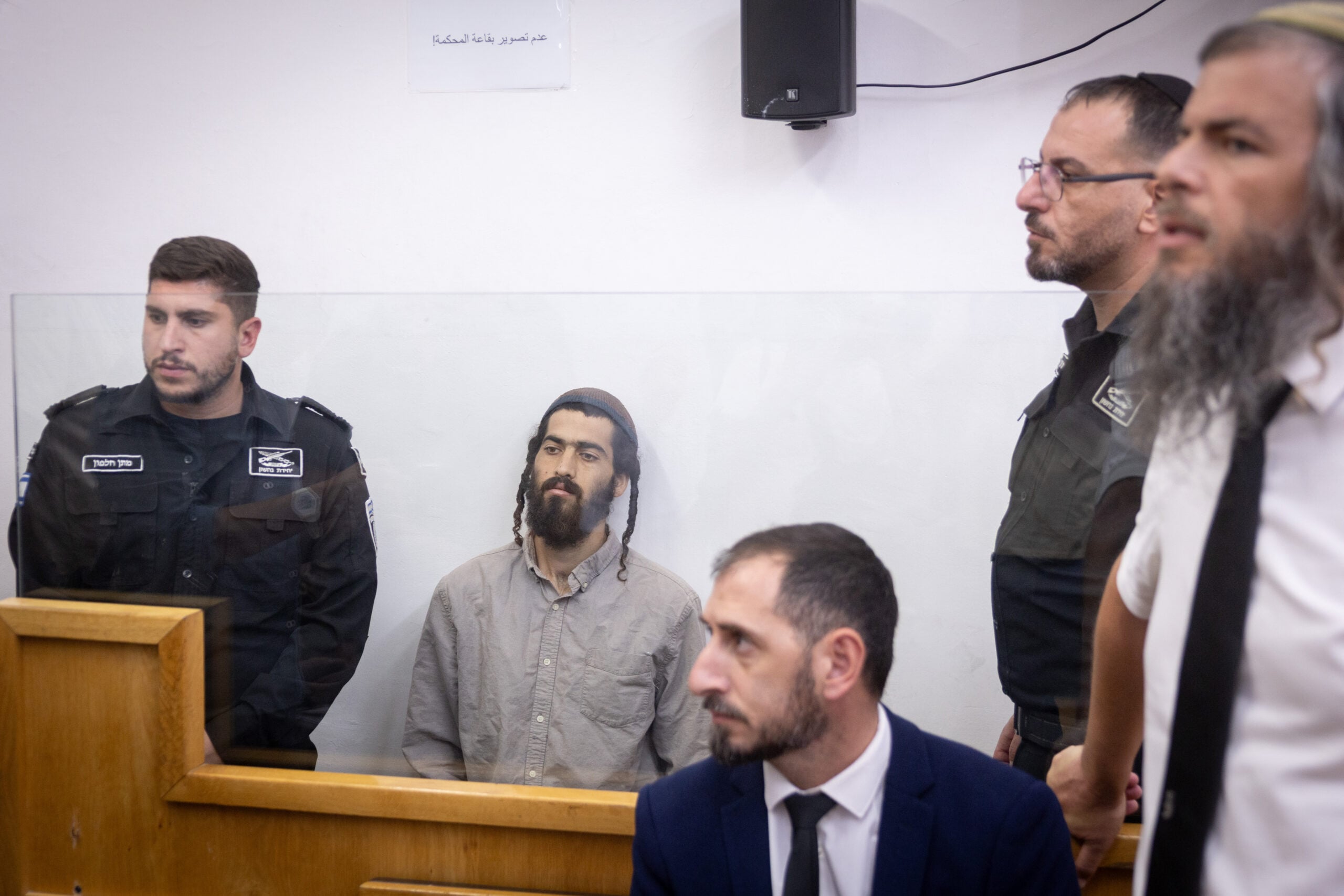
Oct 7 Israeli Court Hearing | Photo: Jonathan Zindel, Flash 90
As part of the measures, Al Jazeera’s broadcasts on Israeli cable and satellite providers were blocked, access to its websites was restricted, and Israeli authorities raided a Jerusalem hotel room being used by the network as an office. The restrictions also underwent judicial scrutiny. Judge Shai Yaniv said he had been presented with evidence of what he described as a long-standing and close relationship between Hamas and Al Jazeera and accused the network of promoting the terrorist organization’s goals. The details of the evidence presented to the court were not made public. Al Jazeera denied the allegations and challenged the restrictions in court.
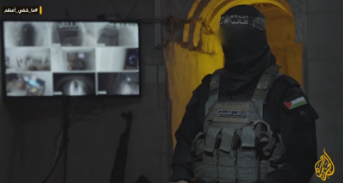
Further questions over the network’s relationship with Hamas emerged in January 2025, when Al Jazeera aired a special episode of its investigative program What Is Hidden Is Greater, presenting the October 7 massacre largely from the perspective of Hamas’ military wing.
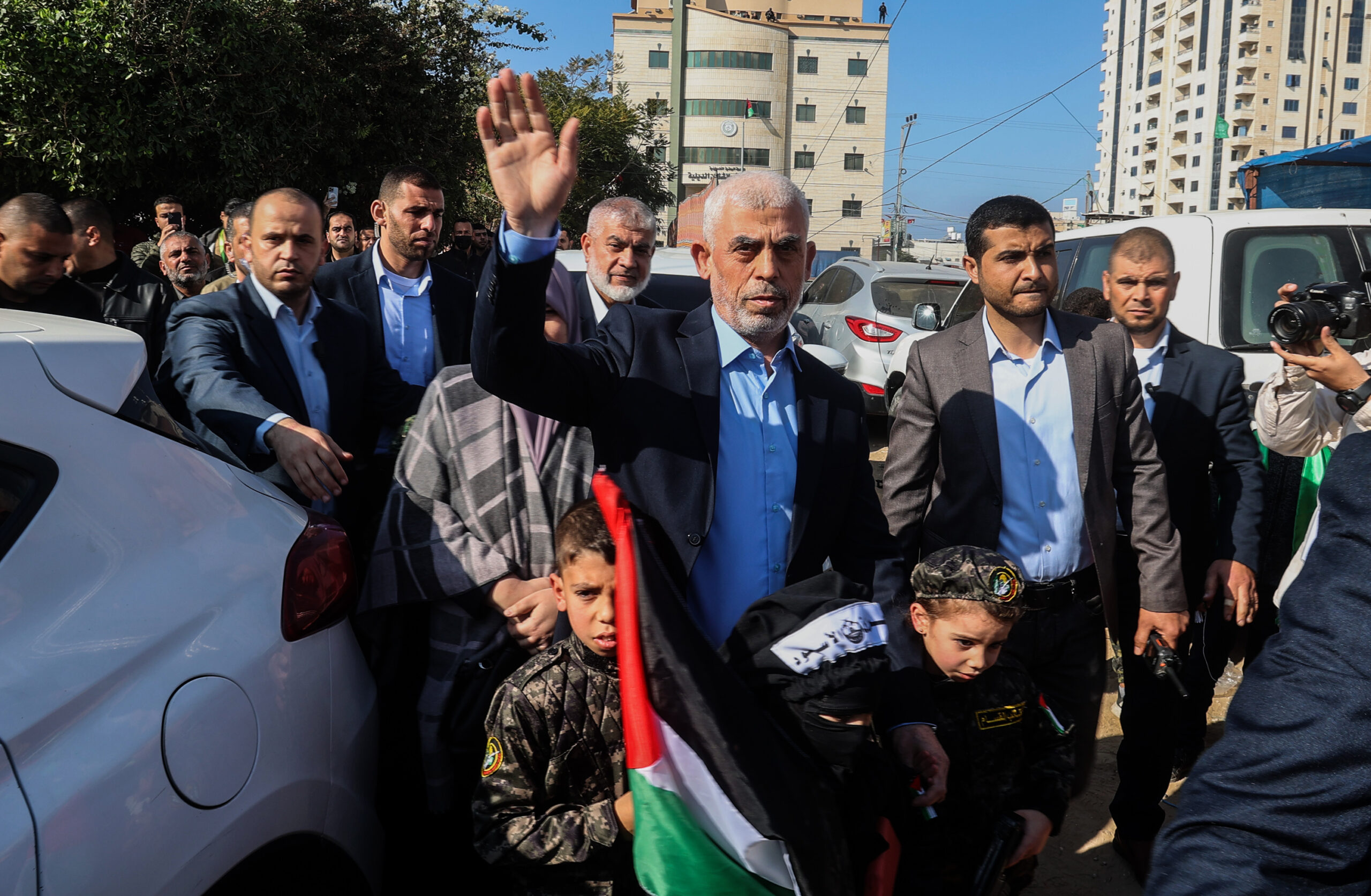
Dead Hamas Arch-terrorist Yahya Sinwar | Photo: Atia Mohammed/Flash90
The program broadcast previously unseen footage of Hamas military commander Mohammed Deif during preparations for the attack, as well as footage of Yahya Sinwar in Gaza before his death. It also presented a narrative of Hamas’s “victory” in Gaza, and promoted Hamas’ claim that the October 7 attack was a justified military operation “intended only to harm Israeli military personnel and abduct soldiers while not harming children and the elderly.”
A report published by The Amit Terrorism and Intelligence Research Institute (ATIRI) on February 14, 2025, assessed that the broadcast sought to reinforce Hamas’ post-ceasefire “victory” narrative and portray the October 7 massacre as a legitimate military operation. According to the report, Sinwar was portrayed as the “fighter leader” who remained on the front lines until his death rather than hiding in tunnels.
ATIRI said the previously unseen details and footage involving Sinwar and Deif provided further evidence of what it described as the close relationship between Hamas and Qatar’s Al Jazeera network. The report also pointed to Al Jazeera correspondents who had been exposed as operatives in Hamas’ military wing, as well as the network’s exclusive permission to cover the release of Israeli hostages, as further evidence of those ties.
The latest announcement comes amid growing tensions between Israel and Qatar over the Gulf state’s relationship with Hamas and its role in regional negotiations. Following years of government action, judicial scrutiny and mounting evidence cited by Israeli officials and researchers regarding Al Jazeera’s ties to terrorist organizations and its extreme anti-Israel propaganda, Israel is now moving to further restrict the network’s presence in the country by closing its local offices, revoking journalists’ press credentials and blocking its broadcasts nationwide.
Israeli security forces eliminated Farah Hamed in an airstrike in Gaza on Wednesday, a Hamas military wing terrorist who was involved in multiple terror attacks that killed Israeli soldiers and civilians. The operation was carried out jointly by the Shin Bet, the Israel Defense Forces (IDF), and the Gideon Unit 33 in Lahav 433.
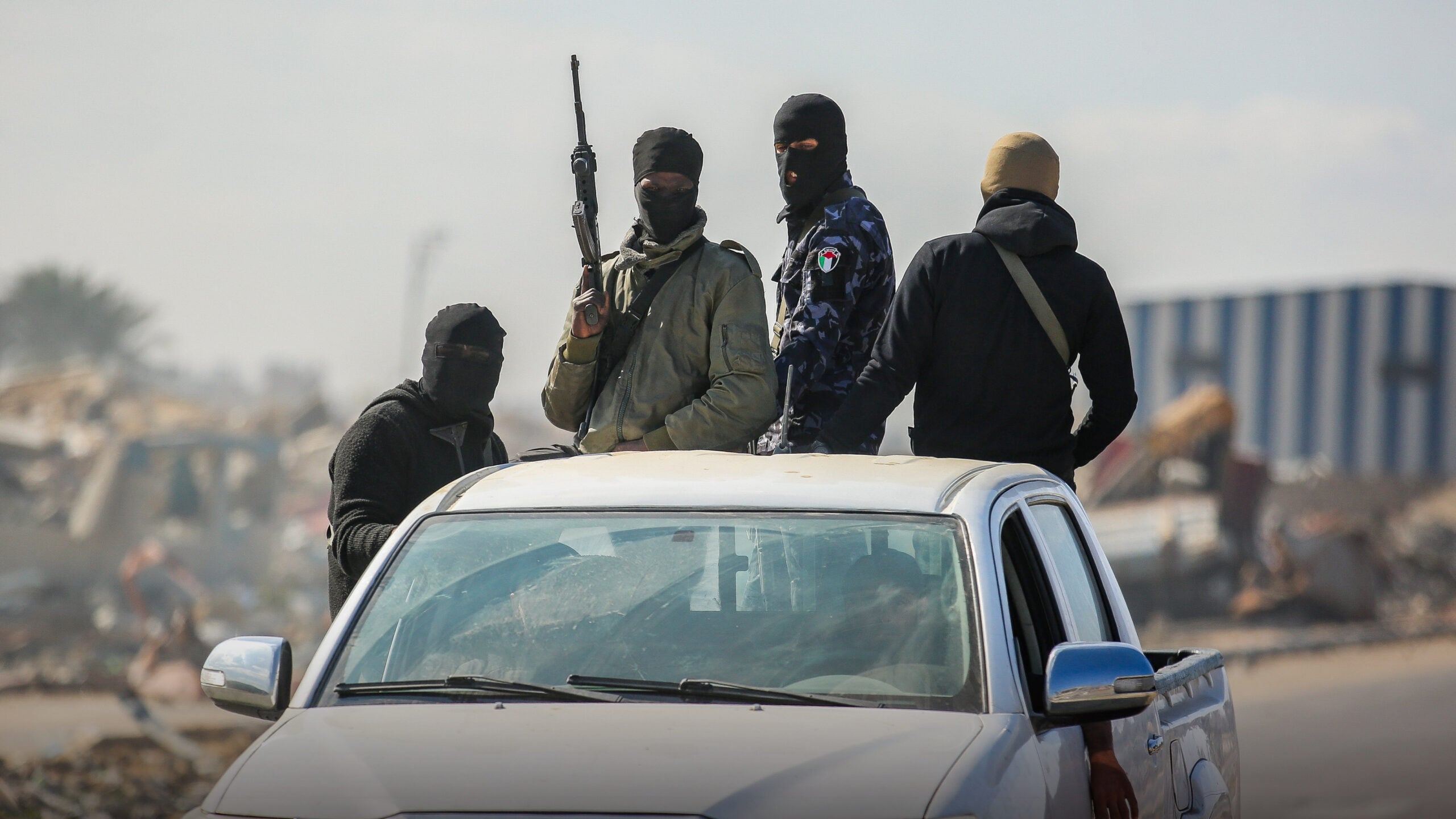
Hamas terrorists in Gaza | Photo: Flash 90
According to a joint statement from the Shin Bet, IDF Spokesperson, and Israel Police, Hamed previously served as a senior figure in Hamas’s “‘West Bank’ Headquarters” infrastructure and took part in combat against IDF forces during the war. In recent years, he advanced terror operations in Judea and Samaria, and for years was a member of the “Silwad cell.”
Among the attacks Hamed participated in were a shooting near the Rimonim Junction in November 2002, in which civilian Esther Galia Atiya was murdered; a shooting on Route 60 in June 2003, in which civilian Zvi (Howard) Goldstein was murdered; and a shooting on the Alon Road in Samaria in August 2003, in which civilian Shalom Har Melech was murdered.
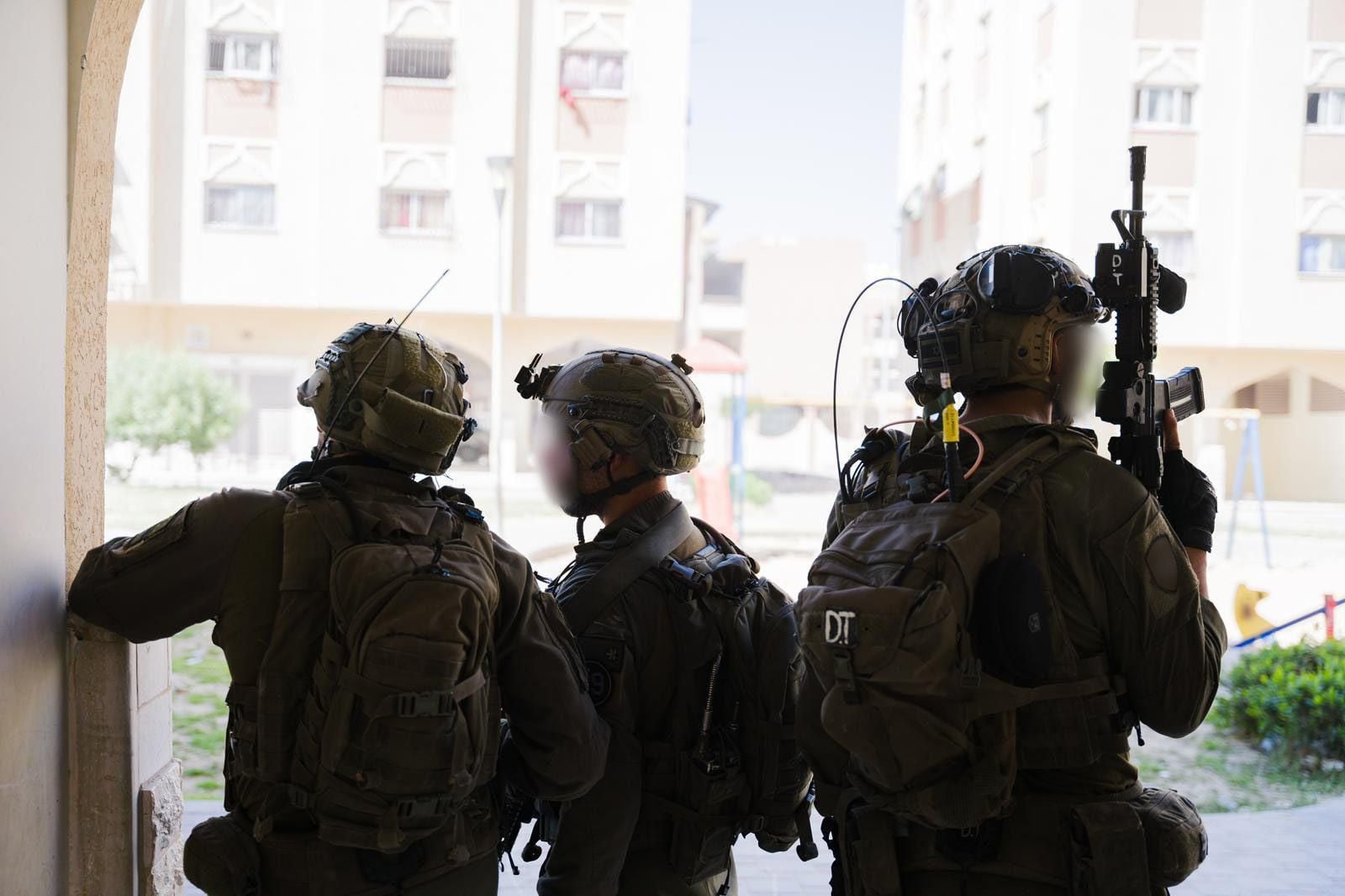
Archive | Photo: IDF spokesperson
Hamed also participated in a shooting attack in Ein Yabrud in October 2003, in which three IDF soldiers fell: Staff Sergeant Elad Pollak, Staff Sergeant Roy Yaakov Solomon, and Sergeant First Class Erez Idan.
Hamed was arrested and released to Gaza in 2011 as part of the Shalit deal. Since then, he has continued to belong to Hamas’s military wing and has been involved in recruiting operatives and directing them to advance attacks in Judea and Samaria.
Security officials said that before the strike, steps were taken to minimize the risk of harming civilians, including the use of precision munitions and aerial surveillance. The Shin Bet, IDF, and police said they will continue to act to protect Israeli citizens and security forces and to remove threats in the area.
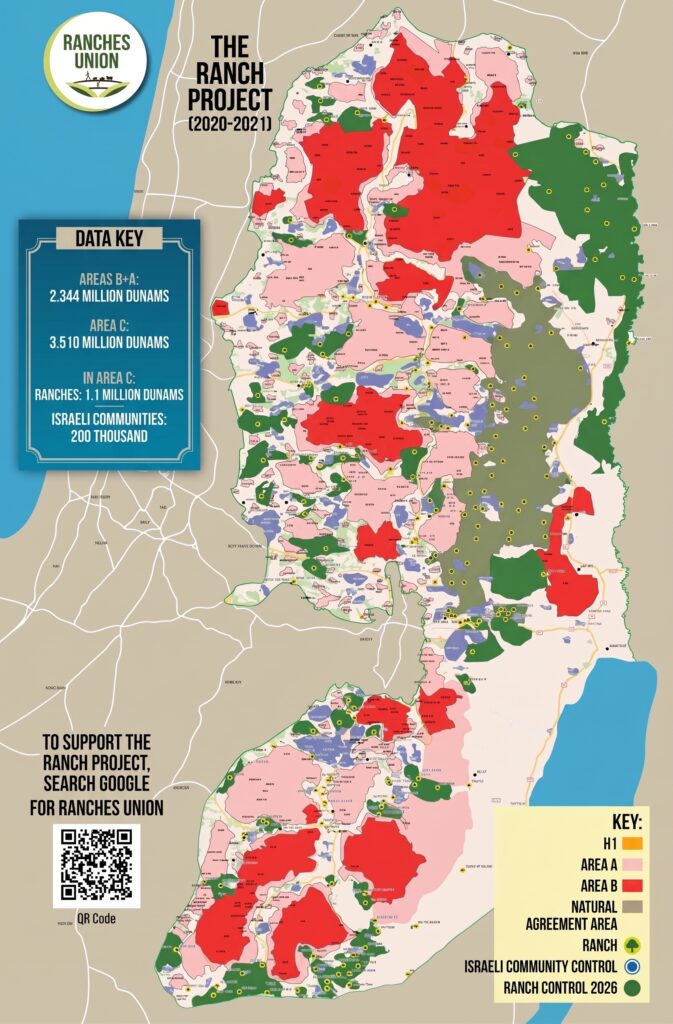
The Ranches Union has released its first map in a decade showing the scope of agricultural holdings across Judea and Samaria, the Jordan Valley, and the Judean Desert. According to the organization’s data, farms now control more than 270,000 acres through grazing and Hebrew agriculture.
Photo: Ranches Union, translated through AI
By comparison, built-up towns and cities in the region span only about 50,000 acres. That means for every acre held through built communities, agricultural ranches control nearly six additional acres.
The map shows a broad network of Jewish presence, land cultivation, and state land preservation—from the Jordan Valley through the mountain ridge and northern Samaria to southern Hebron Hills and the Judean Desert.
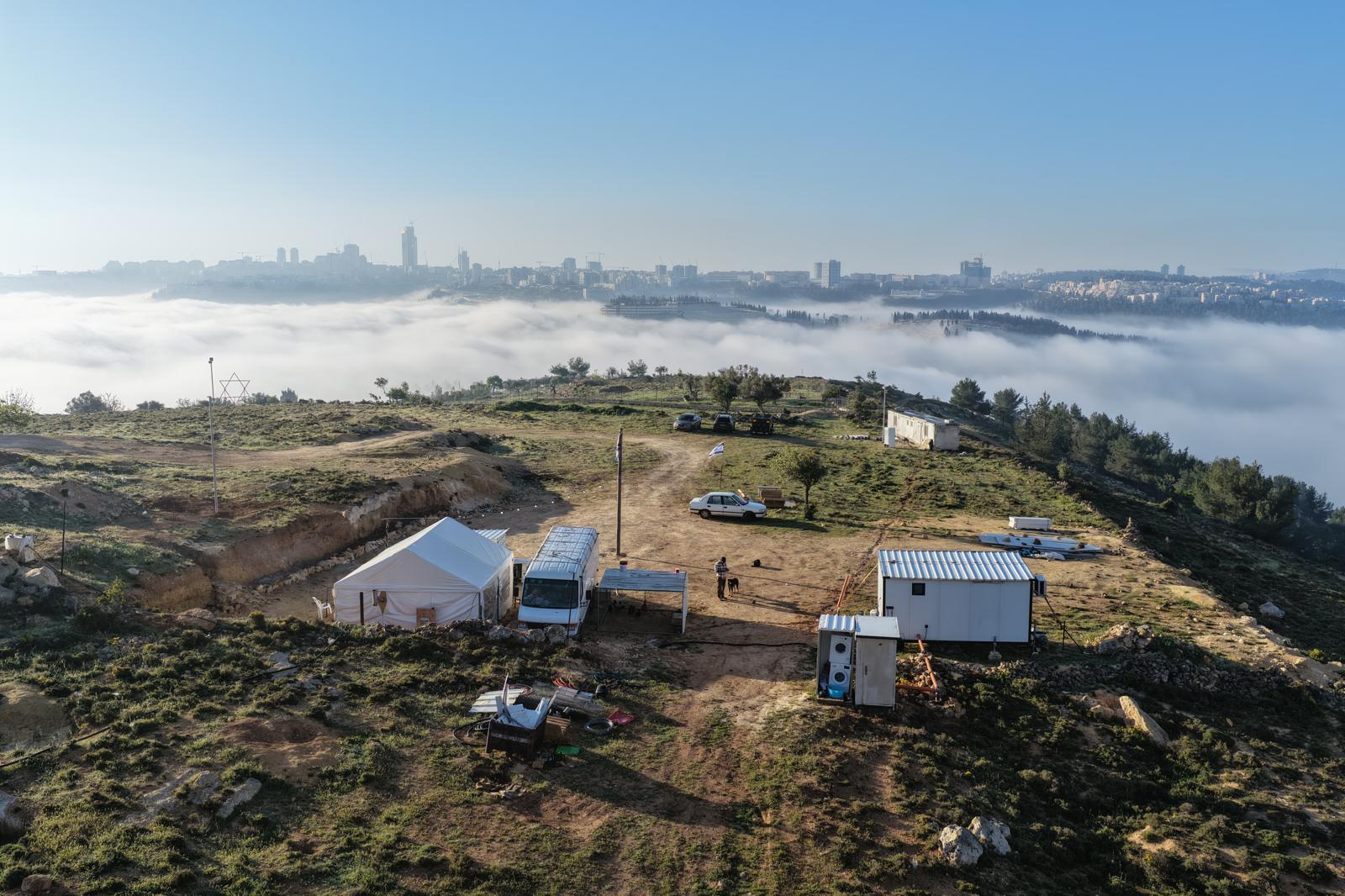
Judea and Samaria | Photo: Haim Golberg, Flash 90
The Ranches Union stresses that despite these achievements, the work isn’t finished. According to the organization, more than a million additional acres remain in Area C where expanded agricultural presence and grazing are needed to prevent foreign takeover and strengthen Israeli control on the ground.
Over the past year, new farms were established, herds expanded, infrastructure built, and security components reinforced. According to the union, more than 23,000 partners from across Israel regularly support the Ranch Fund and help sustain operations.
Credit: None
Behind the effort are ranchers working daily in the field, alongside thousands of youth participating in agricultural work and security. The union emphasizes agriculture’s historical importance in establishing community: “Where the Jewish plow passes—there our border will pass.”
The Ranches Union said in a statement: “The map revealed today tells a story much bigger than dots on a map—it tells of an agricultural and resettlement revolution happening before our eyes. The 270,000 acres preserved through the ranches are proof of agriculture’s power to shape the landscape and protect the land. After a year of tremendous momentum, we’re looking forward—to continued growth, consolidation, and expansion of agriculture across all of the Land of Israel.”
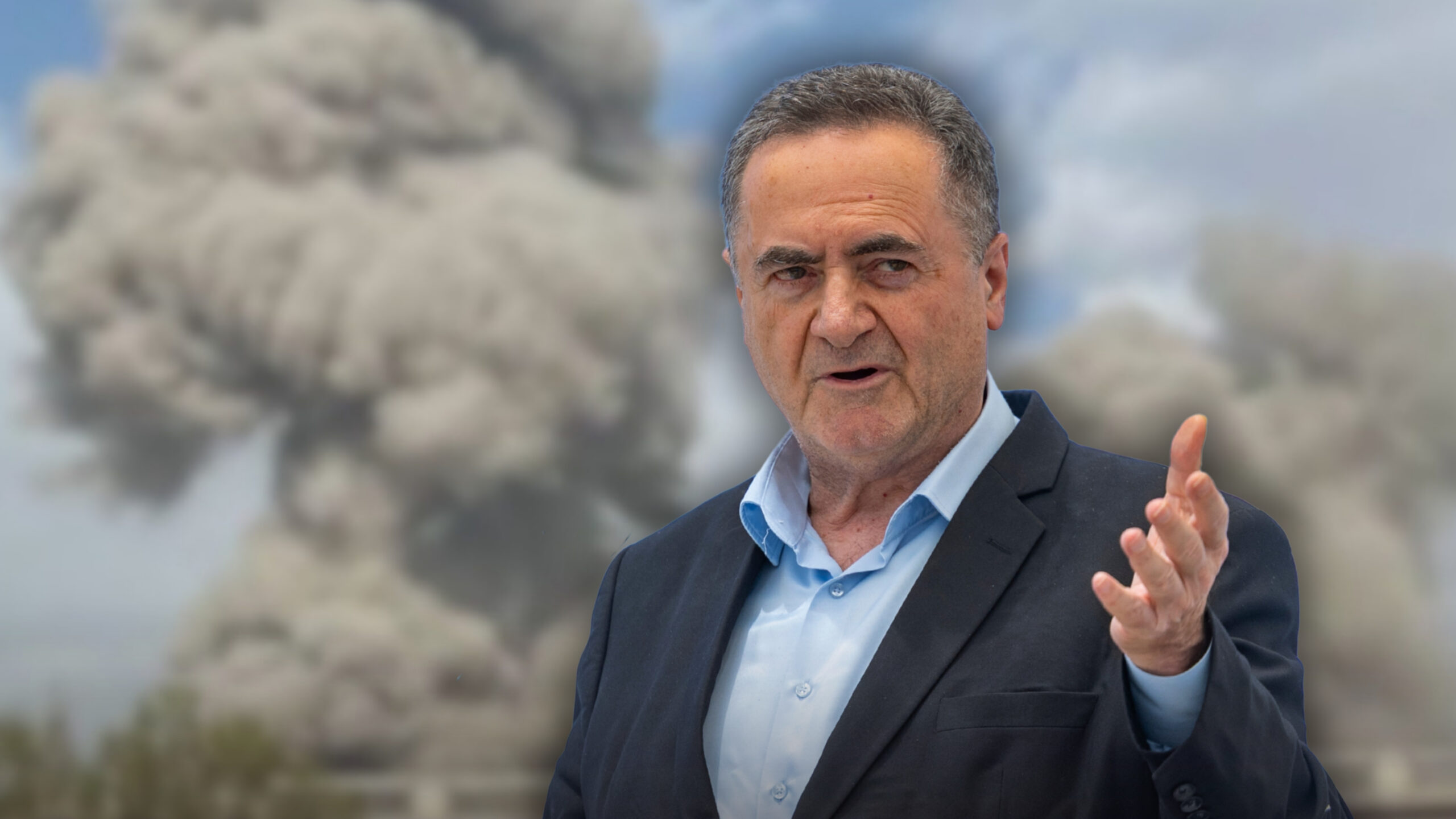
Against the backdrop of heightened military friction and escalating economic strain gripping the Islamic Republic, Defense Minister Israel Katz issued an uncompromising and unprecedented warning to Tehran’s leadership on Thursday. In his address, the defense minister made clear that any attempt by the Iranian regime to strike sovereign Israeli interests—under any pretext and across any operational theater—will trigger an overwhelming, decisive retaliation. Katz underscored that an Israeli response of this magnitude would inflict catastrophic damage upon Iran’s core infrastructure on a scale never before sustained by the regime.
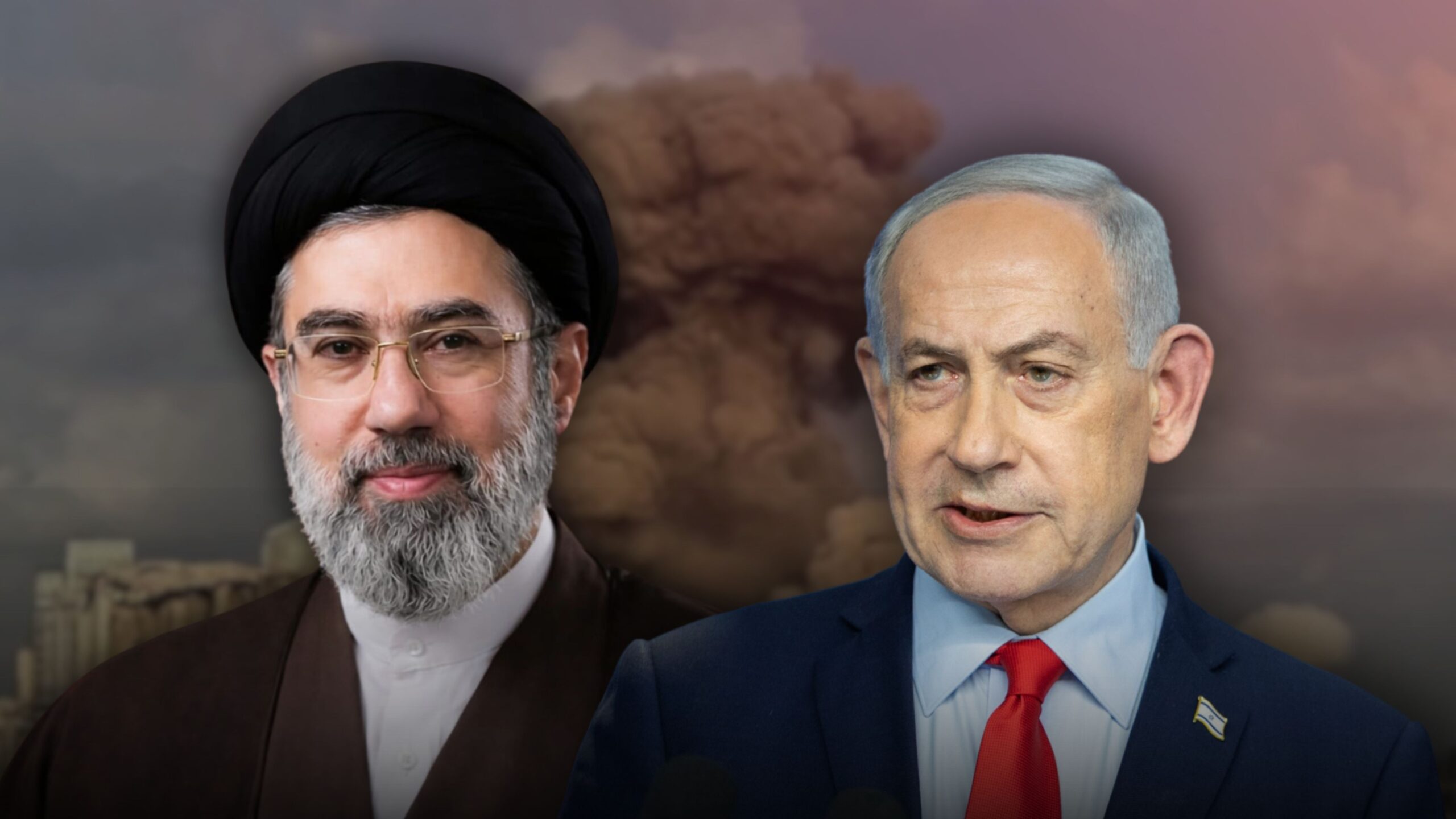
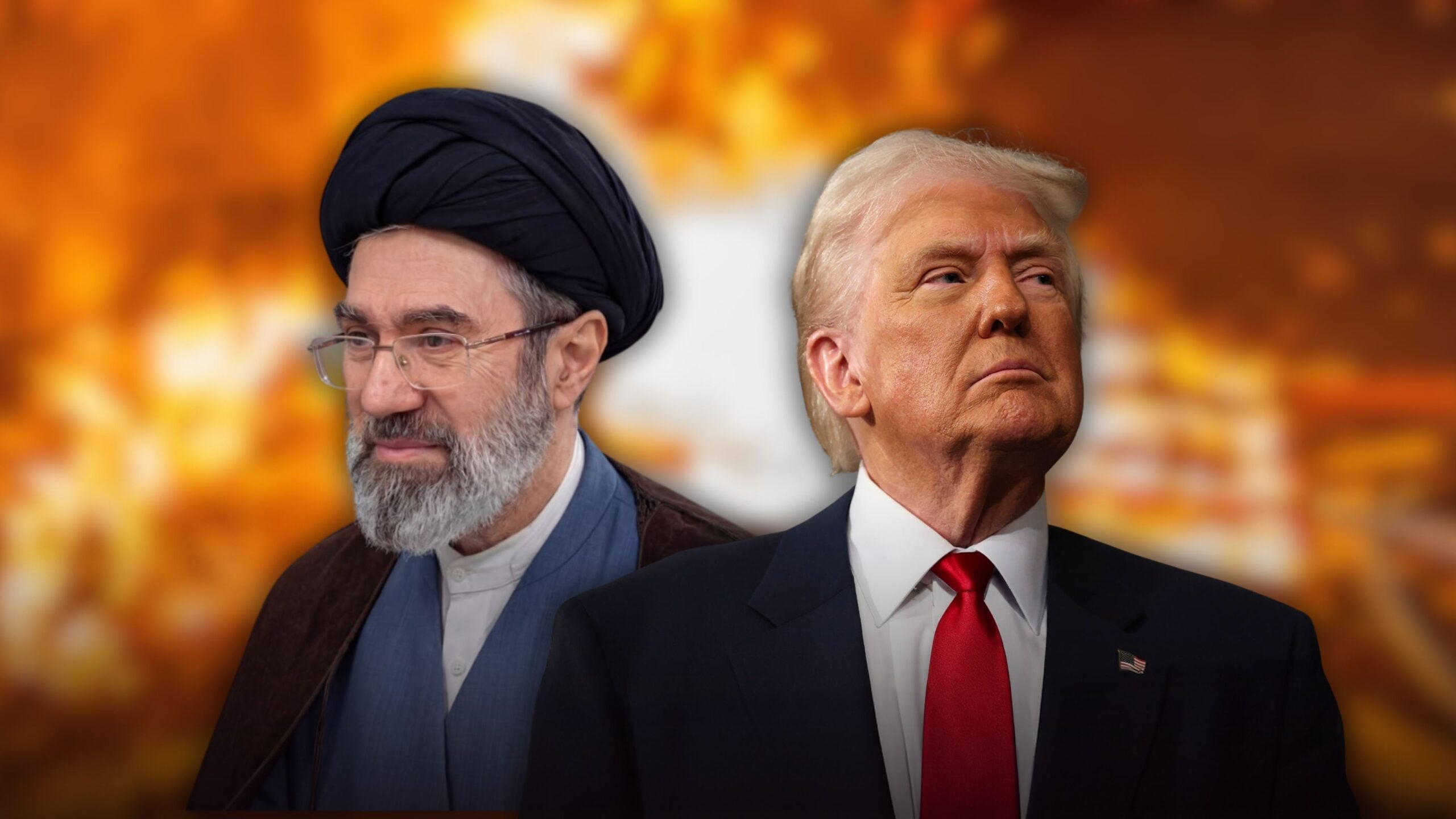
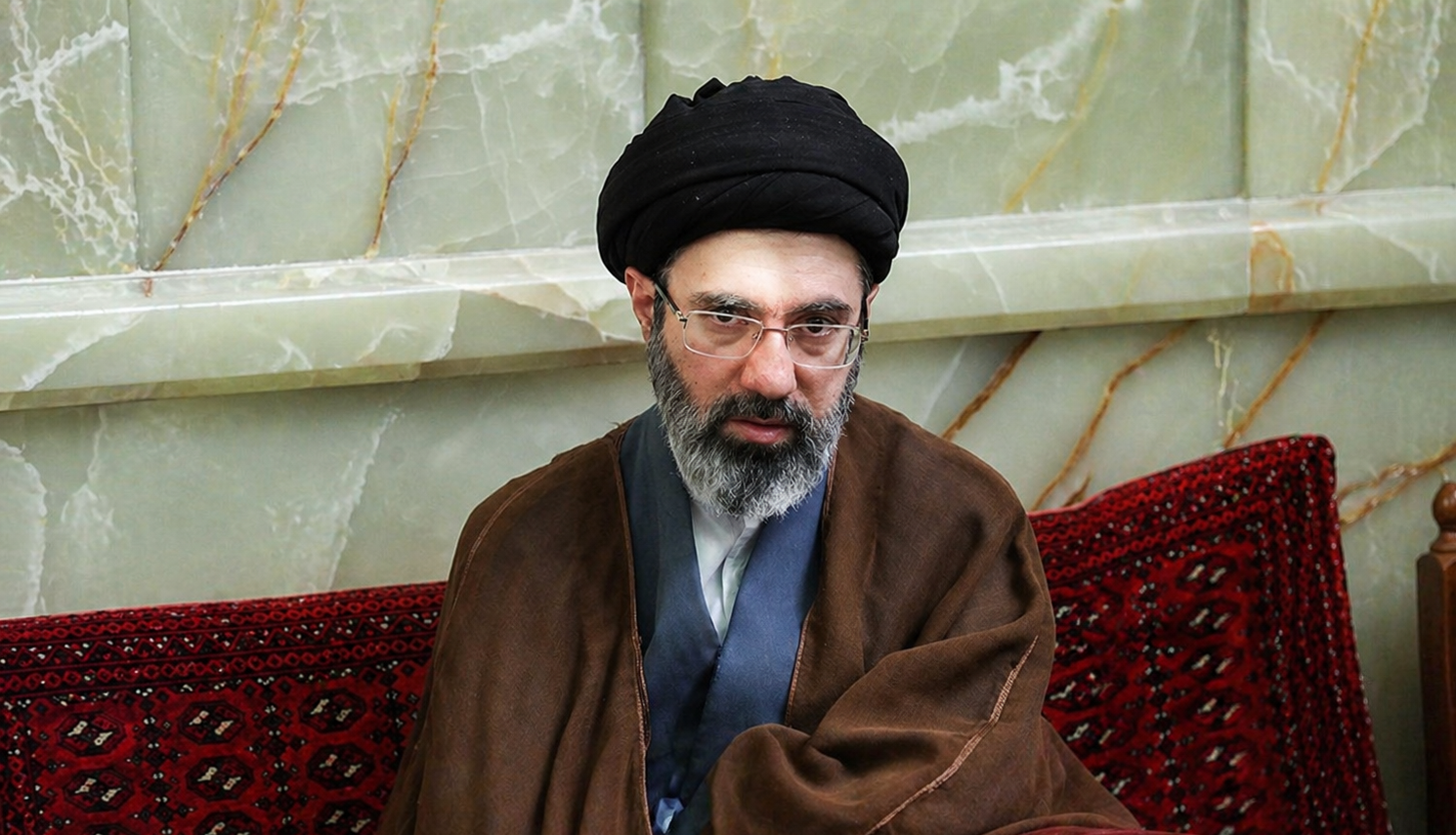
Mojtaba Khamenei, Supreme Leader of Iran | Tasnim, image edited under CC BY 4.0 license
Detailing the focus of any retaliatory campaign, Katz emphasized that Israeli strikes would deliberately target Iran’s vital energy sector, which provides the primary financial resources powering the regime’s war machine and regional terror proxies. The defense minister said that, under directives from Prime Minister Benjamin Netanyahu and himself, Israeli defense forces remain on high alert, fully primed to execute the mission at a moment’s notice.moment’sded that a blow of this severity would throw Iran back decades, further unraveling the foundational stability of the ayatollahs’ regiayatollahs’ollapse the Iranian populace actively awaits.
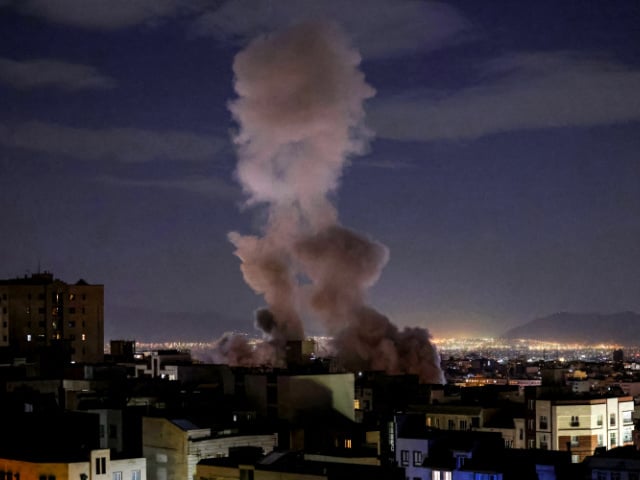
Strikes in Iran, archive | Photo: Arab social media networks
Alongside the stern warning, the defense minister extended personal Rosh Hashanah greetings to the Jewish community residing within Iran, offering words of solidarity and highlighting their enduring place in Jewish history. Furthermore, Katz addressed the Iranian civilian population directly, voicing hope that by next year they will celebrate “in a Tehran liberated from oppression and tyranny.” Concluding his remarks, the defense minister wished the Jewish people in Israel and across the diaspora a secure and prosperous New Year, invoking a traditional Rosh Hashanah prayer: “May our enemies, adversaries, and all who seek our harm be banished.”
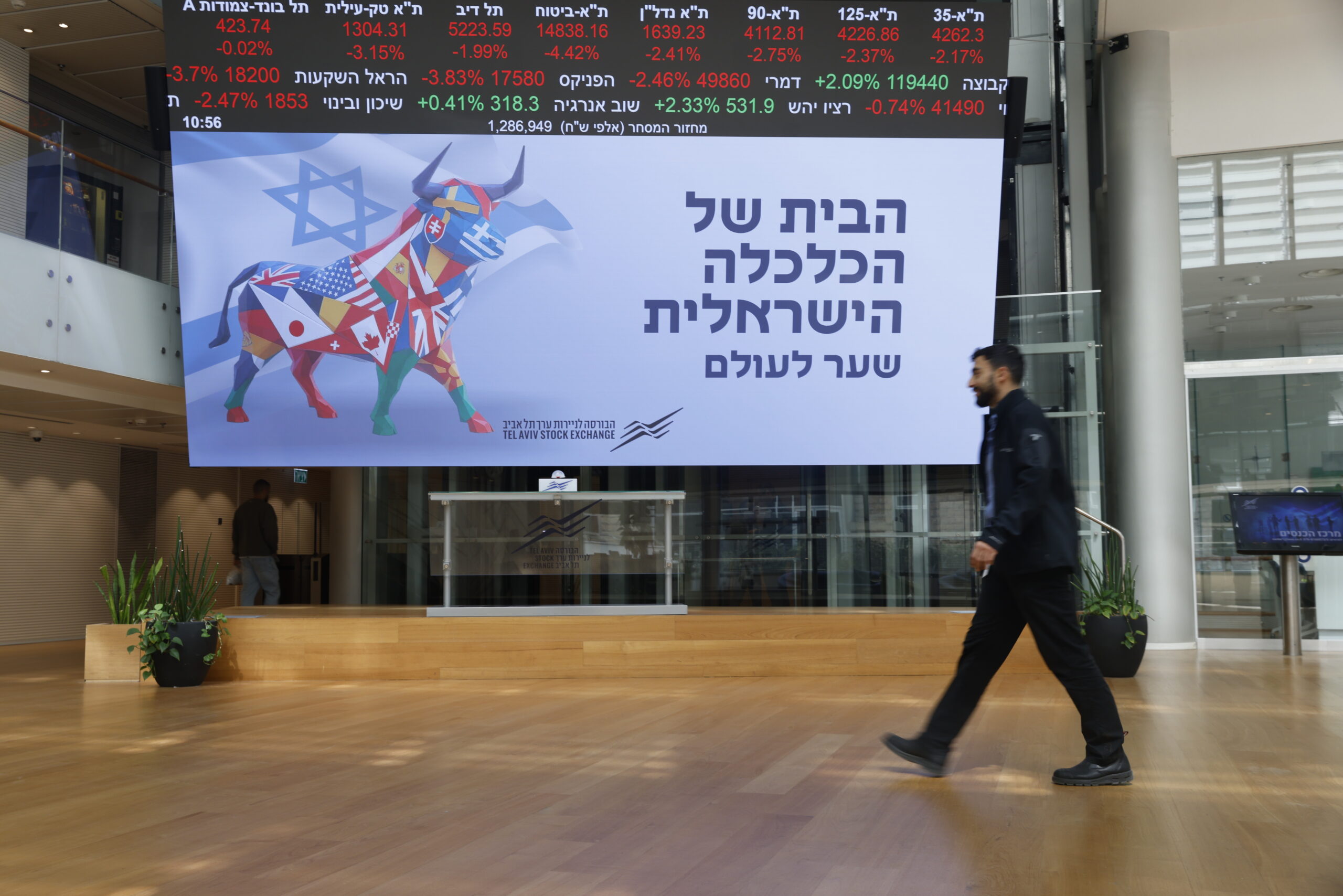
Trading on the Tel Aviv Stock Exchange closed sharply lower Thursday, mirroring a global sell-off triggered by U.S. producer price data and rising oil prices. The sour finish caps an exceptionally strong year in which Israel’s benchmark indexes delivered returns that beat most major Western markets.
The rally actually began in June 2025 with the launch of Operation “Rising Lion,” while a sharp drop in inflation provided tailwinds that drove exceptional returns. The flagship TA-35 index jumped roughly 37% over the year, while the TA-125 gained more than 30%—significantly outpacing most major Western indexes.
By comparison, the Nasdaq rose about 20% in the U.S., while the S&P 500 climbed roughly 17%. Europe posted more modest gains: Britain’s FTSE rose about 15%, Germany’s DAX strengthened around 7%, and France’s CAC managed just 6%.
The Asians Won
Japan’s Nikkei did manage to top the Israeli indexes, soaring nearly 50% in what appears to be one of the highest returns among major global benchmarks. The surge was fueled in part by massive global demand for artificial intelligence infrastructure, which lifted Japanese tech and chip stocks that carry significant weight in the index.
South Korean and Taiwanese indexes also posted sharp gains this year. South Korea’s KOSPI and Taiwan’s TAIEX stood out, though comparisons are complicated by the heavy weighting of a handful of individual companies in those indexes—mainly Samsung and SK Hynix in Korea, and TSMC in Taiwan.
Insurance Soared, Defense Stocks Disappointed
The insurance index delivered a dream return of more than 70% this year, making it one of the standout performers on the exchange. Close behind was the TA Cleantech index, which includes green energy companies, with a return of roughly 52%.
On the flip side, one of the disappointing indexes was the defense stocks index, which launched at the start of winter. The index initially surged, especially with the outbreak of the “Roar of the Lion” war, but later lost altitude and now trades below its launch level.
Real estate and construction stocks also struggled to post meaningful gains during the year. Despite recent rallies following the Bank of Israel’s decision to cut interest rates, indexes in these sectors remain around their levels from the start of the year. In sum, the Tel Aviv Stock Exchange wraps up an exceptionally strong year, with local benchmark indexes delivering higher returns than leading Western indexes. The question now is whether the strong momentum will carry into the coming year.
*This article was translated with the assistance of AI
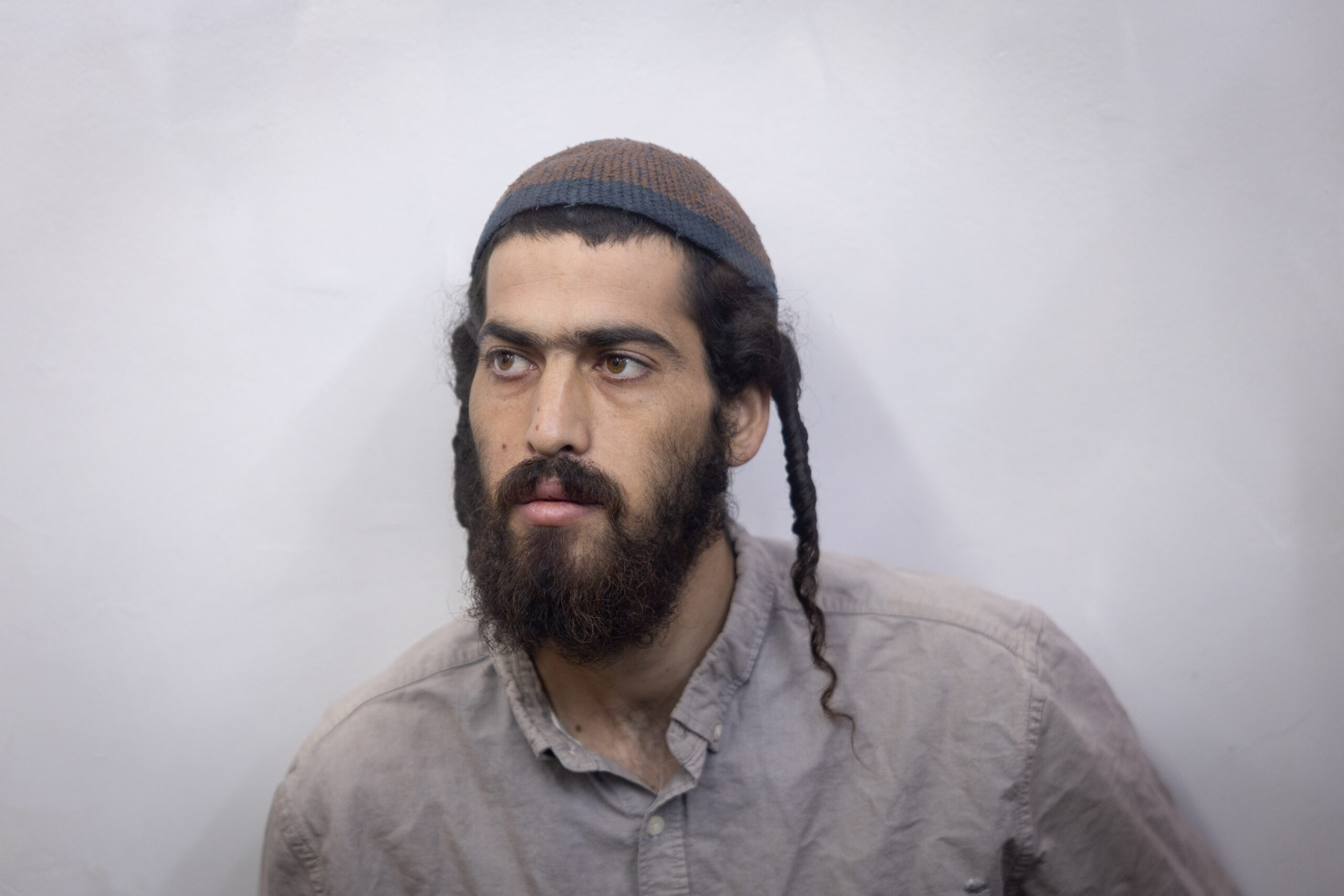
The public campaign against administrative orders has flared up again: The Jerusalem Magistrate’s Court ordered Tal Yinon Dardik to remain in custody until the proceedings conclude, after he allegedly violated an administrative restriction issued by IDF Central Command Commander Maj. Gen. Avi Bluth. After the ruling, Dardik announced he would resume an active protest against administrative restrictions, telling his family and legal counsel he will remain in prison rather than comply with the directives. He emphasized that the protest transcends his individual case, targeting the broader policy of administrative orders overseen by Maj. Gen. Bluth against dozens of Jewish residents in Judea and Samaria.
Tal Yinon Dardik and his family | Photo: Courtesy of the family
“The only citizens in Israel against whom administrative orders are slapped are the residents in Judea and Samaria; this cannot be accepted,” Dardik stated. “I am embarking on a fight against this—I refuse to comply with the order, I will sit in jail, and I will not sign any commitment to observe this absurd directive. The persecution by Avi Bluth against the settlement enterprise must be halted.”
The legal escalation follows Dardik’s re-arrest for breaching the terms set by the Central Command order. Within hours of his detention, the Samaria-Judea District Police prosecution filed a formal indictment charging him with violating the order. The indictment alleges that Dardik failed to report twice daily to check in at the Modi’in Illit police station, thereby breaching mandatory monitoring stipulations.
Tal Yinon Dardik | Photo: Chaim Goldberg, Flash90
Because he categorically refused to sign an undertaking obligating him to uphold the administrative terms, the court ordered his detention until the end of the proceedings. Attorney Nati Rom, representing Dardik on behalf of the Honenu legal defense organization, fiercely contested the prosecution’s remand petition in court, challenging the police stance: “Since when is someone who fails to sign at a police station detained until the conclusion of proceedings?” Rom demanded during the hearing.
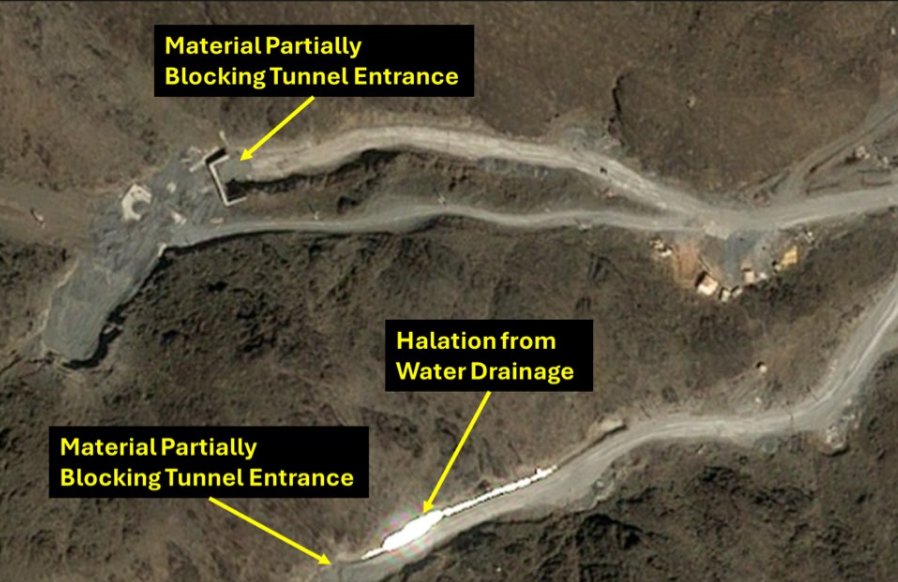
International Atomic Energy Agency (IAEA) Director General Rafael Grossi stated in an interview with Bloomberg Television on Thursday that the nuclear watchdog has identified renewed construction activity at Iran’s subterranean “Pickaxe Mountain” (Kuh-e Kolang Gaz La) site. Grossi noted that while agency inspectors have yet to conduct an in-person inspection inside the fortified tunnel complex, satellite and remote surveillance indicate fresh movement at the facility, which is situated south of Tehran’s primary uranium enrichment plant.
Screenshot of the Pickaxe Networks
“There are some indications that there is movement around this construction site; we do not have concrete information as to the activities that might be taking place there,” Grossi stated. The IAEA chief’s remarks follow the agency’s formal referral of Iran’s nuclear dossier to the United Nations Security Council over sustained non-compliance with safeguard verification demands concerning its atomic enterprise.
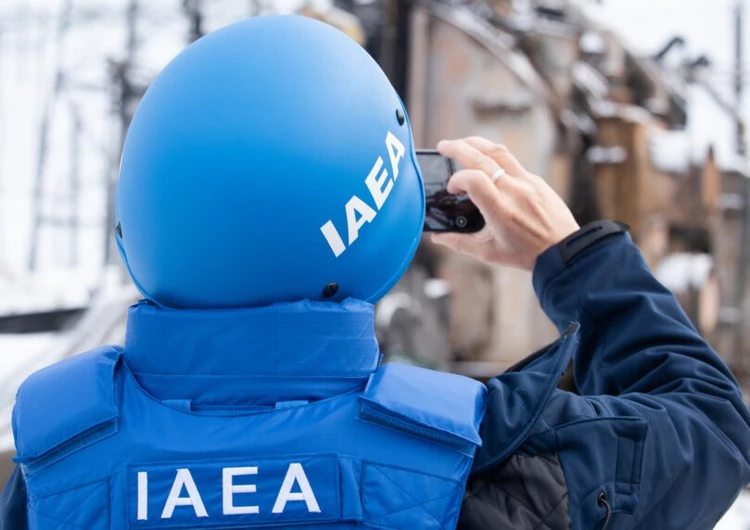
IAEA employee | Photo: Shutterstock
The confirmation comes roughly 24 hours after CNN broadcast satellite imagery documenting intensive excavation and construction work across the perimeter. Bloomberg noted that international monitors have not verified the precise status, containment, or whereabouts of Iran’s stockpiles of uranium enriched to near-weapons-grade levels since June 2025, when large-scale preemptive strikes by Israel and the United States targeted the Islamic Republic’s expansive nuclear infrastructure.