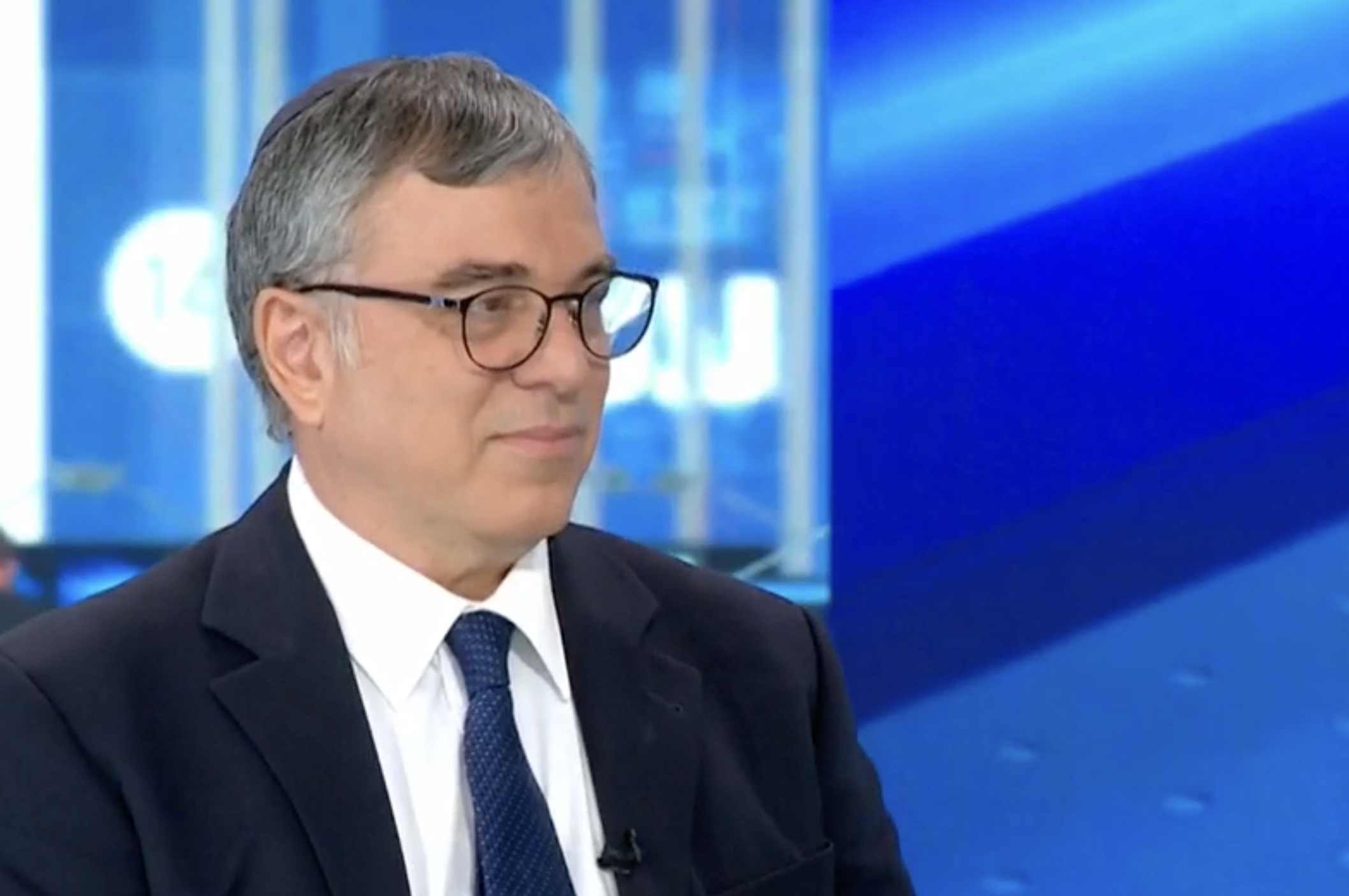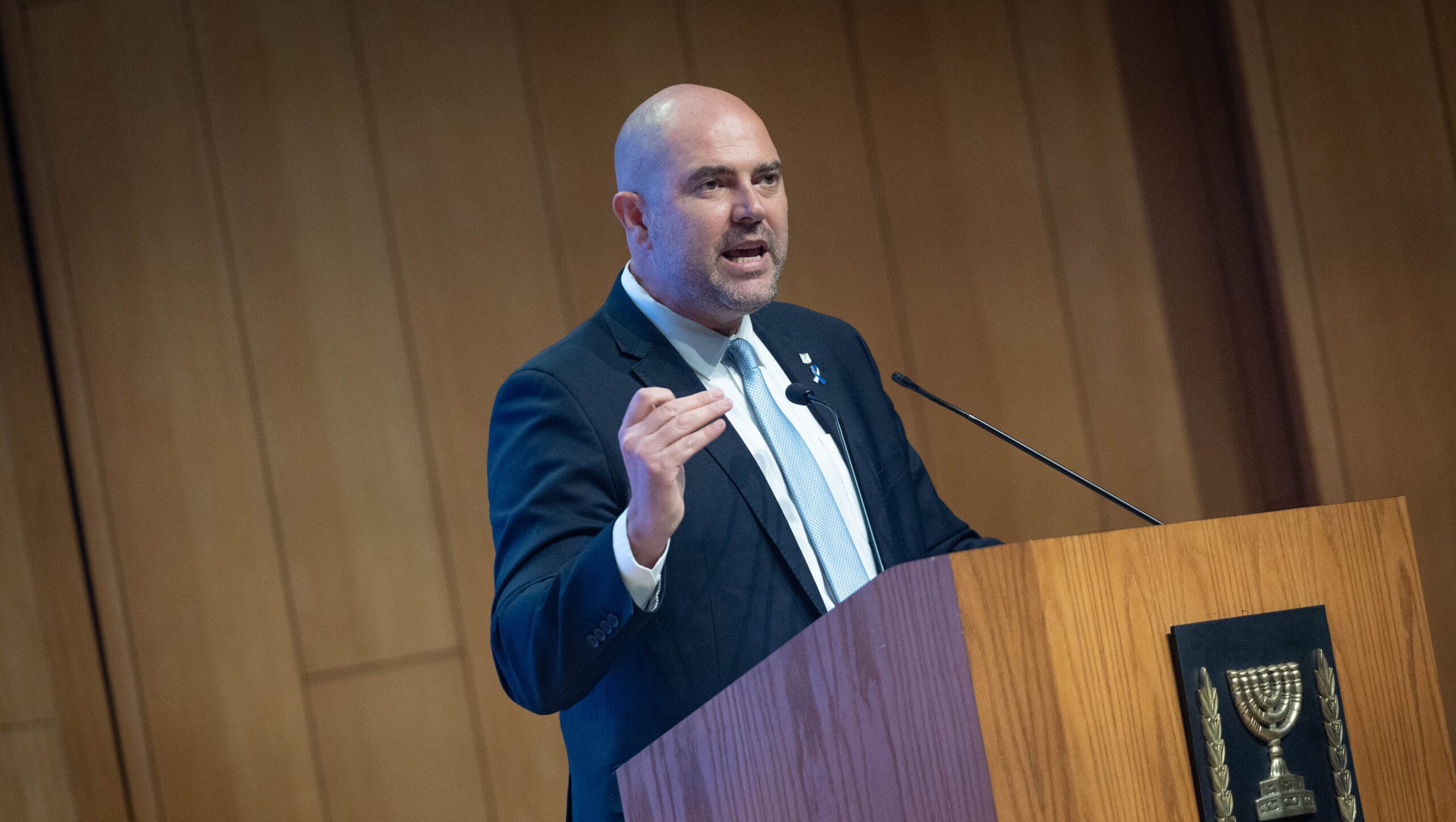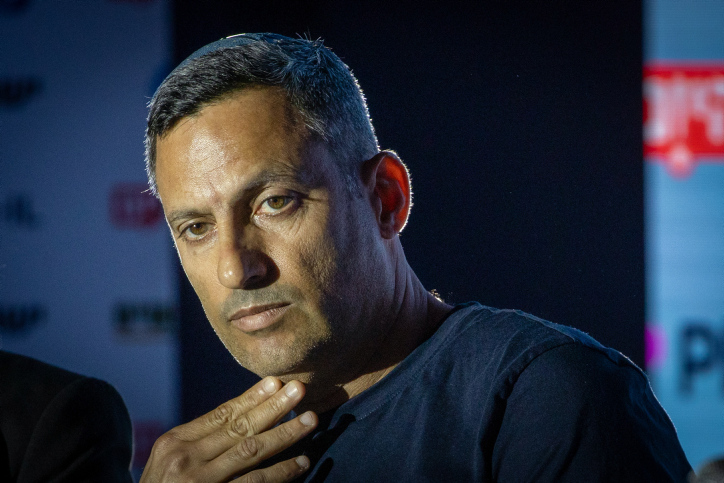
Sderot Mayor Alon Davidi issued an explicit demand on Sunday to political party leaders, calling on them to present a comprehensive, long-term security doctrine for the Gaza Strip and border communities, and to publicly commit to the total dismantling of the Hamas terrorist organization, three years after the October 7 massacre.

“Residents of Sderot and the Gaza envelope are not asking for promises for another election cycle. They are demanding security for an entire generation,” Davidi stated at the “Future for the Gaza Envelope” conference. “We demand that party leaders publicly pledge how they intend to dismantle Hamas, how they will purge Gaza of terrorism, and how they will ensure we never return to the reality that preceded October 7.”
Davidi sharply criticized Israel’s previous policy of containment in the years leading up to the massacre, arguing that even the military’s designated Yellow Line inside the Gaza Strip cannot substitute for a defined security doctrine. “The Yellow Line is not a security policy. It is merely a modest manifestation of an offensive operational posture that Israel must adopt. It is the line from which you launch an attack,” he stressed.

As part of the mandatory framework he laid out, the mayor presented a series of non-negotiable measures that he argued every candidate for prime minister must adopt. These include the destruction of all underground terror tunnels and related infrastructure, the complete dismantling of Hamas’s civil administration and financial networks, and the sustained expansion of Israeli operational and security control across the Strip.
“We do not want to keep hearing about the targeted elimination of the head of Hamas’s finance division. We want Hamas to have no financial apparatus left to begin with,” Davidi said, emphasizing that Israel must reject temporary tactical strikes that target individual senior operatives without eliminating the broader institutional framework.
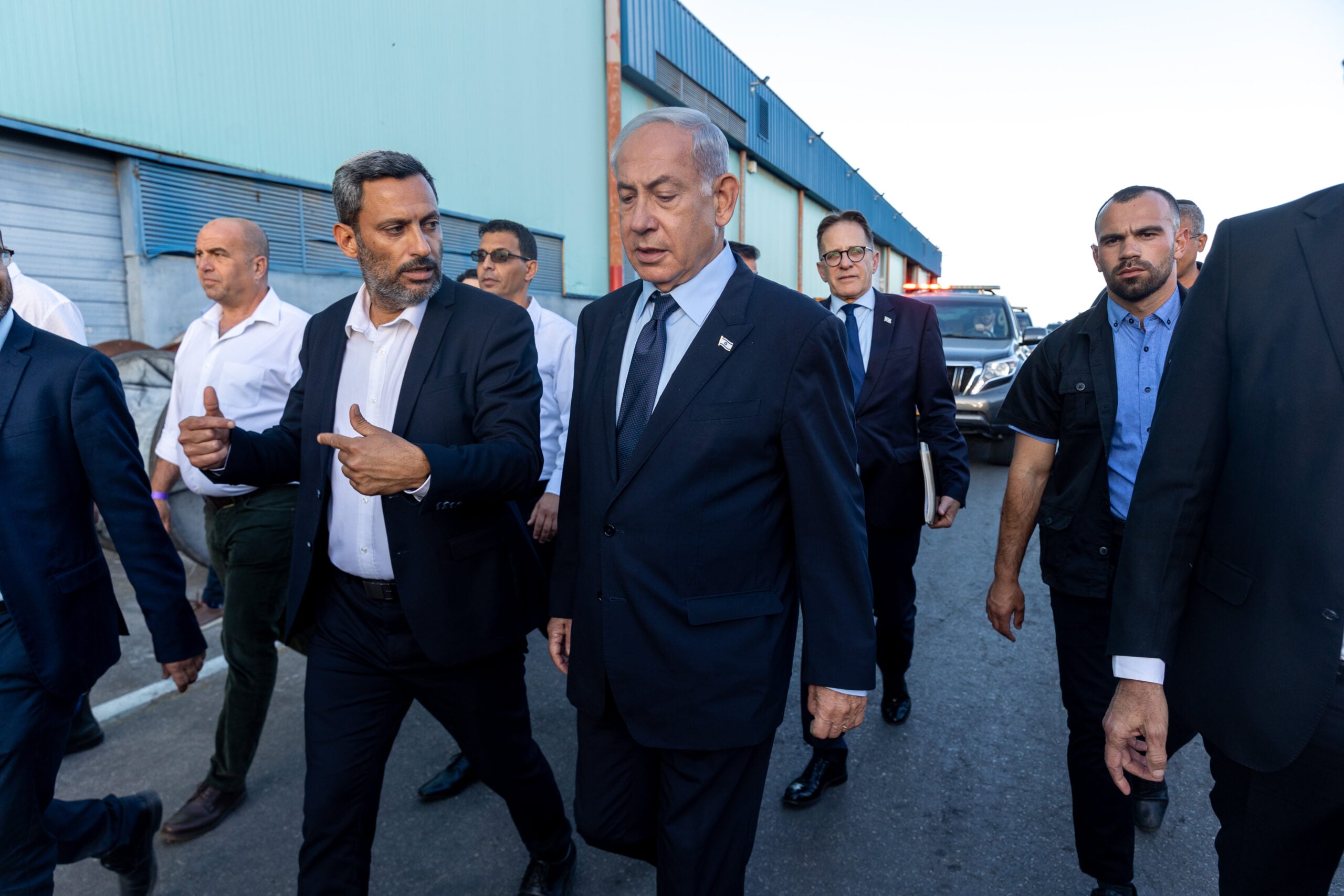
Amid calls for continued offensive operations, Davidi demanded clear, transparent answers on the Gaza Strip’s future, including identifying the entity that will administer the enclave in the post-war period, specifying enforcement mechanisms for demilitarization, and establishing contingency plans if future arrangements fail. He also urged the rapid establishment of a permanent, heavily reinforced defense system for border towns, along with expanded administrative powers and municipal budget allocations for local regional councils.
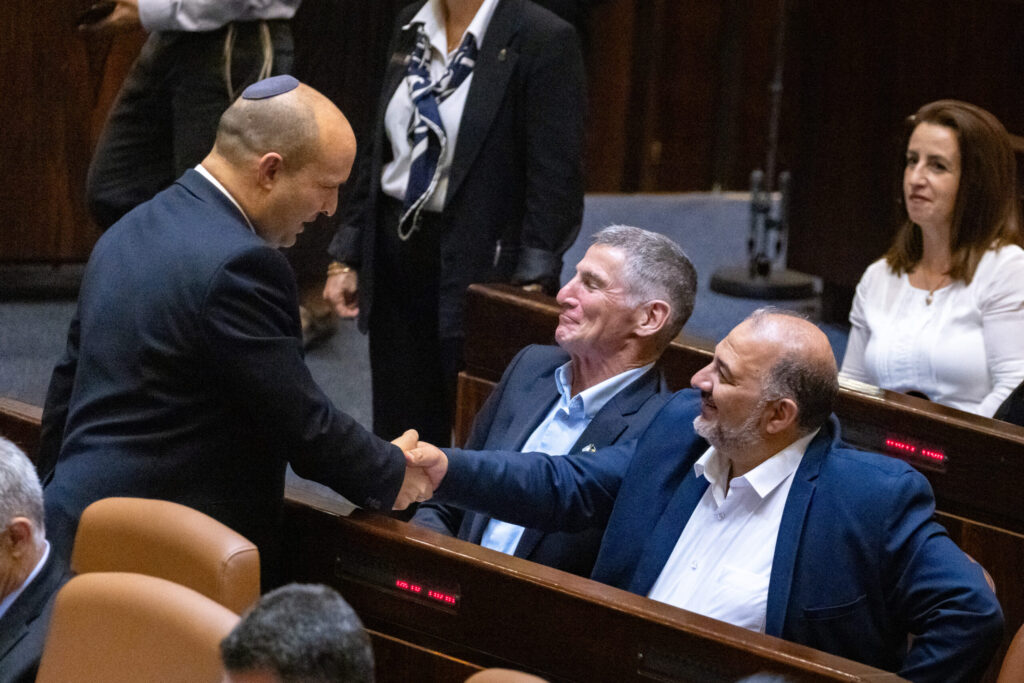
Concluding his address, Davidi addressed the political landscape and warned against the prospect of establishing a governing coalition dependent on Arab parliamentary factions: “Under no circumstances should a government be formed here on the backs of Hamas supporters like Mansour Abbas, Ahmad Tibi, Yousef Jabareen, and whatever the others are called—names I have no interest in knowing.”