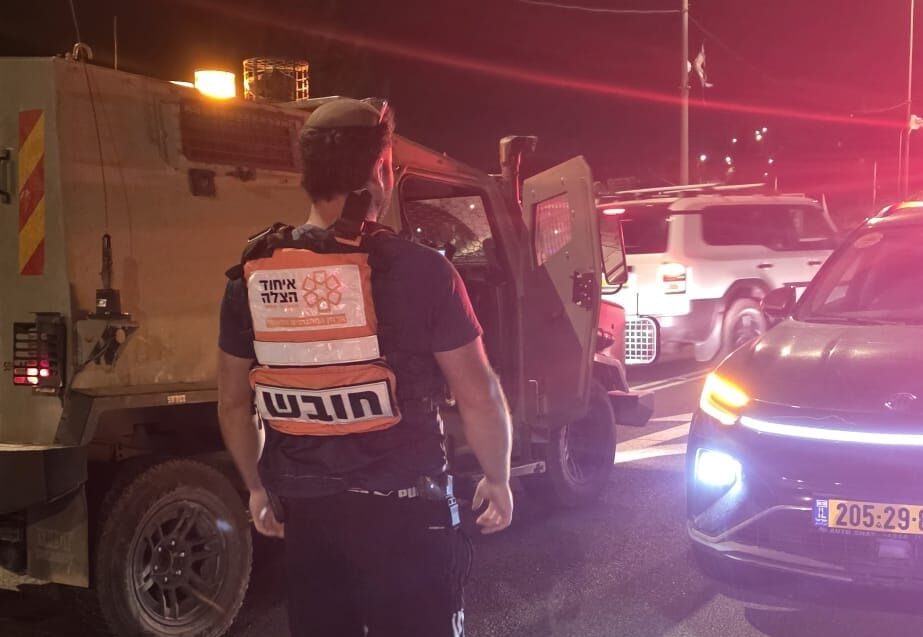
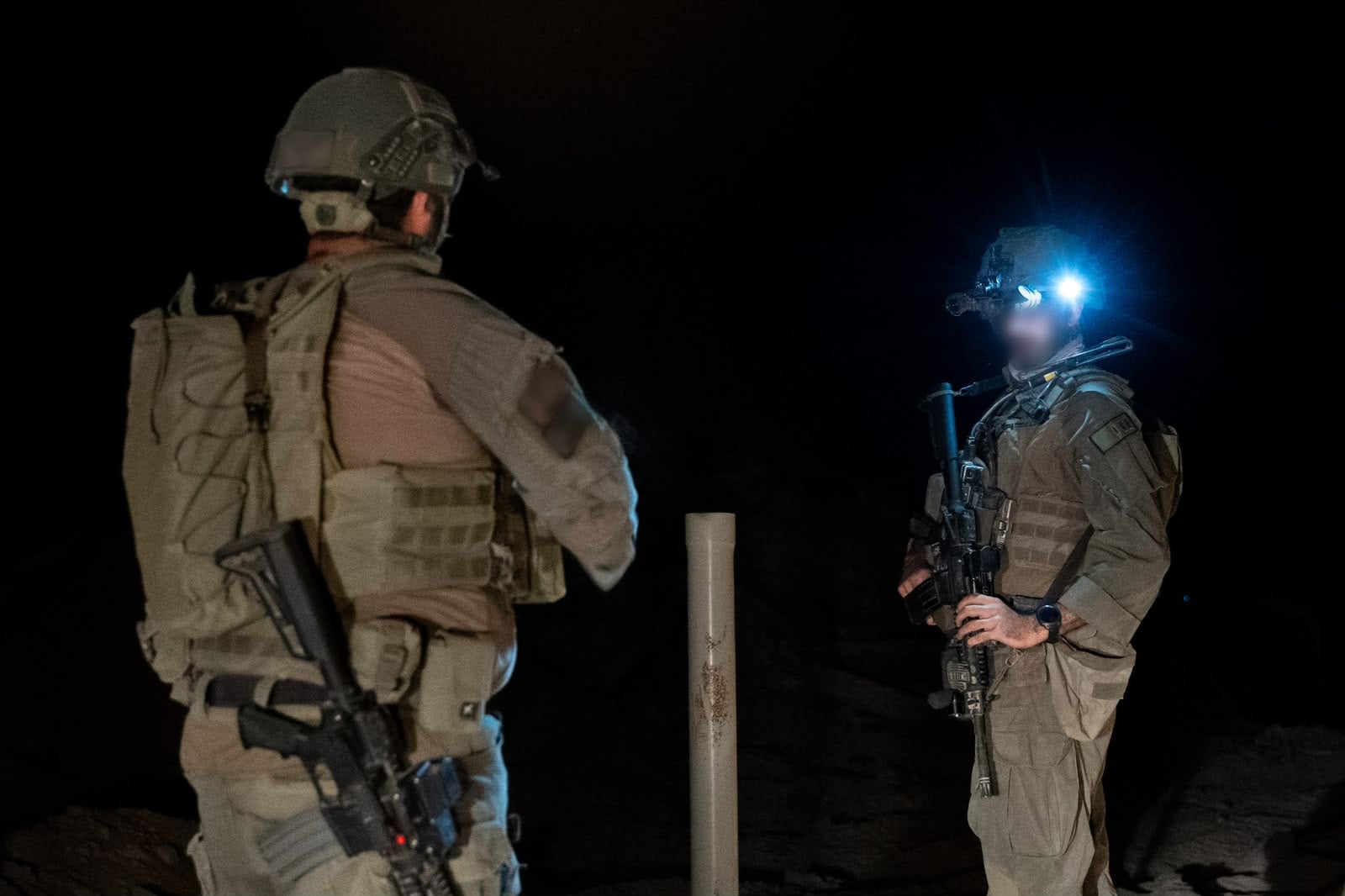
The IDF announced overnight Thursday that the suspected terror attack near Ateret in the Benjamin Brigade area has been ruled out. After an initial investigation into the circumstances of the incident, it became clear this was not a terrorist act, removing initial fears of a ramming attack in the area.
According to the IDF spokesperson, the initial investigation conducted at the scene clearly showed this was a traffic accident. The incident, which occurred earlier, had raised alertness among security forces and residents in the sector, but it now appears the background was not terrorism.
Following the findings, the driver involved in the accident was handed over to security forces for further handling. At the same time, police from the Judea and Samaria District opened a formal investigation to examine all circumstances of the accident, aiming to understand the factors that led to it.
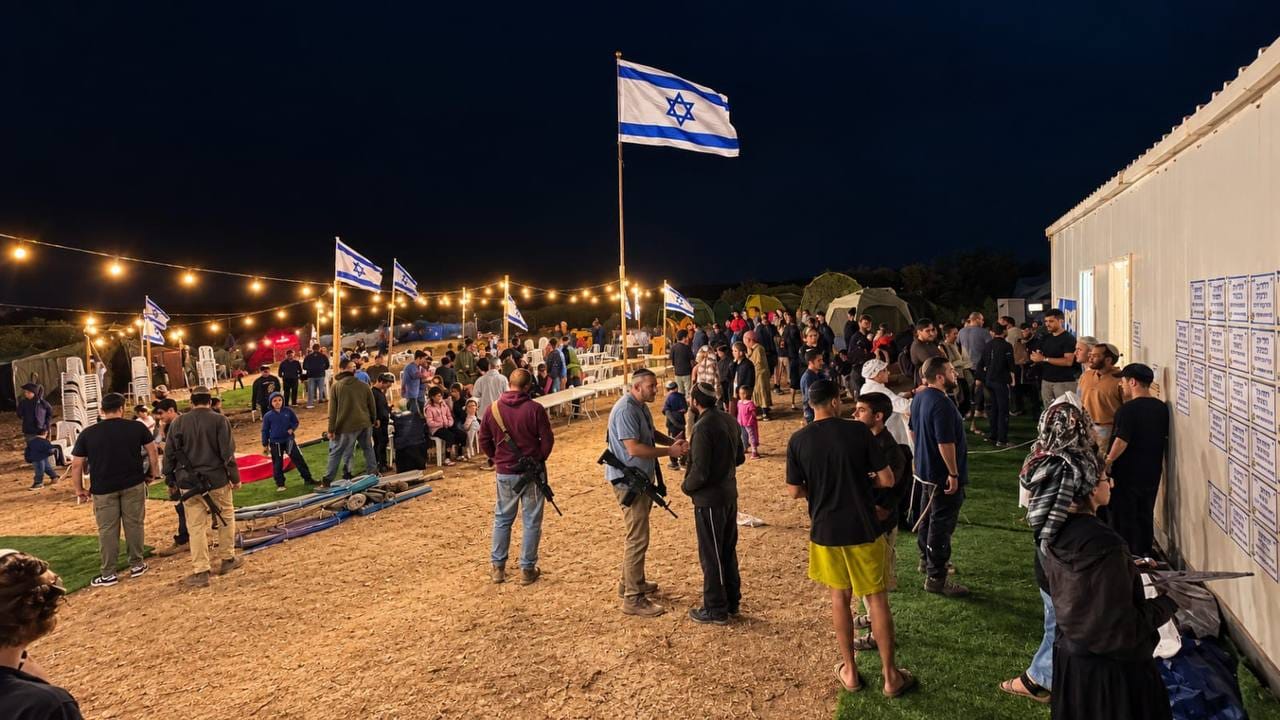
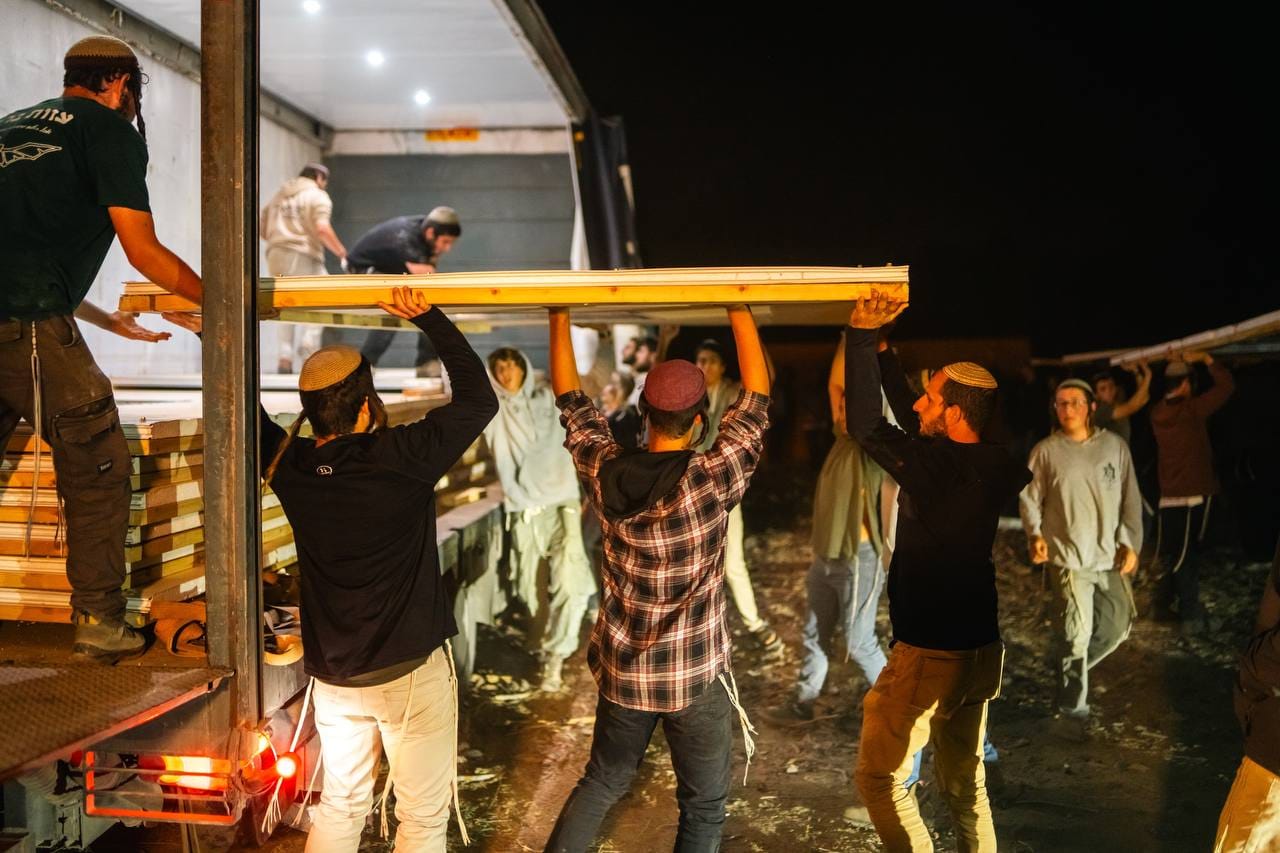
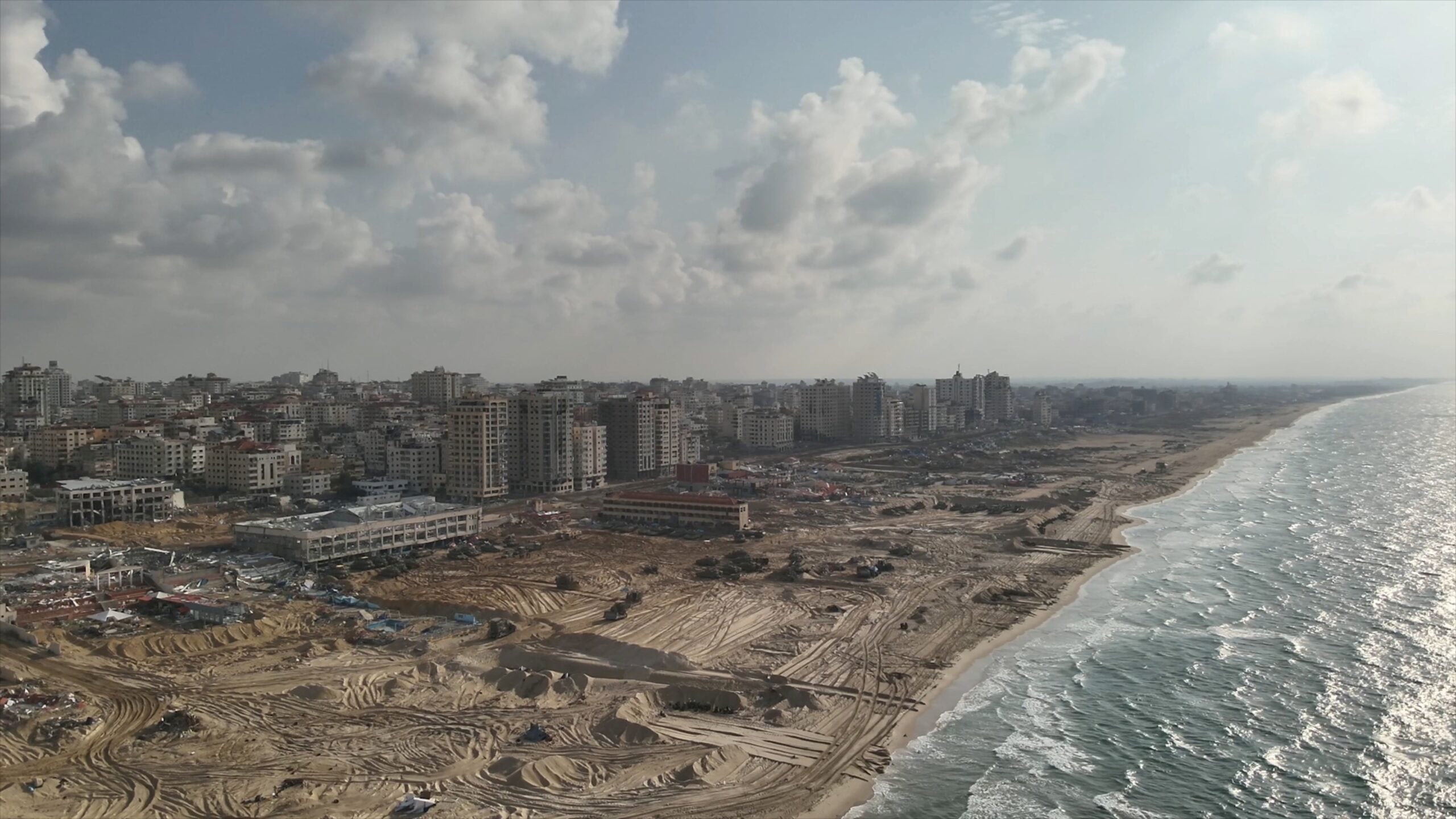
The Nachala settlement movement established a new settlement outpost called ‘Gaza Pioneers’ overnight Thursday into Friday, located in Simchoni Forest near Kfar Aza, facing the border fence with the Gaza Strip. The outpost was set up in a nighttime operation, with several caravans and temporary structures brought to the site in advance.
Photo credit: Nahala
According to the movement, over 700 people participated in establishing the outpost, including bereaved families, IDF soldiers wounded in Israel’s wars, rabbis, Knesset members, and other public figures who came to support the move. The initiative comes after three years in which the movement has been working to advance the idea of resettling the Gaza region.
In an official statement, Nachala wrote: “We are pleased to update that tonight we established a temporary settlement facing Gaza City on the path to renewing settlement in the Gaza region.” The movement emphasized this is a first and significant step toward realizing the vision of a full return to the Gush Katif settlements that were evacuated.
The movement is now making a clear demand of the government: “We demand that the government immediately order the relocation of the settlement into the northern buffer zone.” According to them, “Gaza is an inseparable part of the Land of Israel, and only taking territory and Jewish settlement will ensure the security of the State of Israel and burn into the enemy a clear consciousness of defeat.”
National Security Minister Itamar Ben-Gvir, chairman of the Otzma Yehudit party, has unveiled a comprehensive plan to make sweeping changes to the Israel Defense Forces’ code of ethics, known as the “Spirit of the IDF.” The plan aims to strengthen the military’s Jewish identity and prioritize the value of absolute victory over Israel’s enemies.
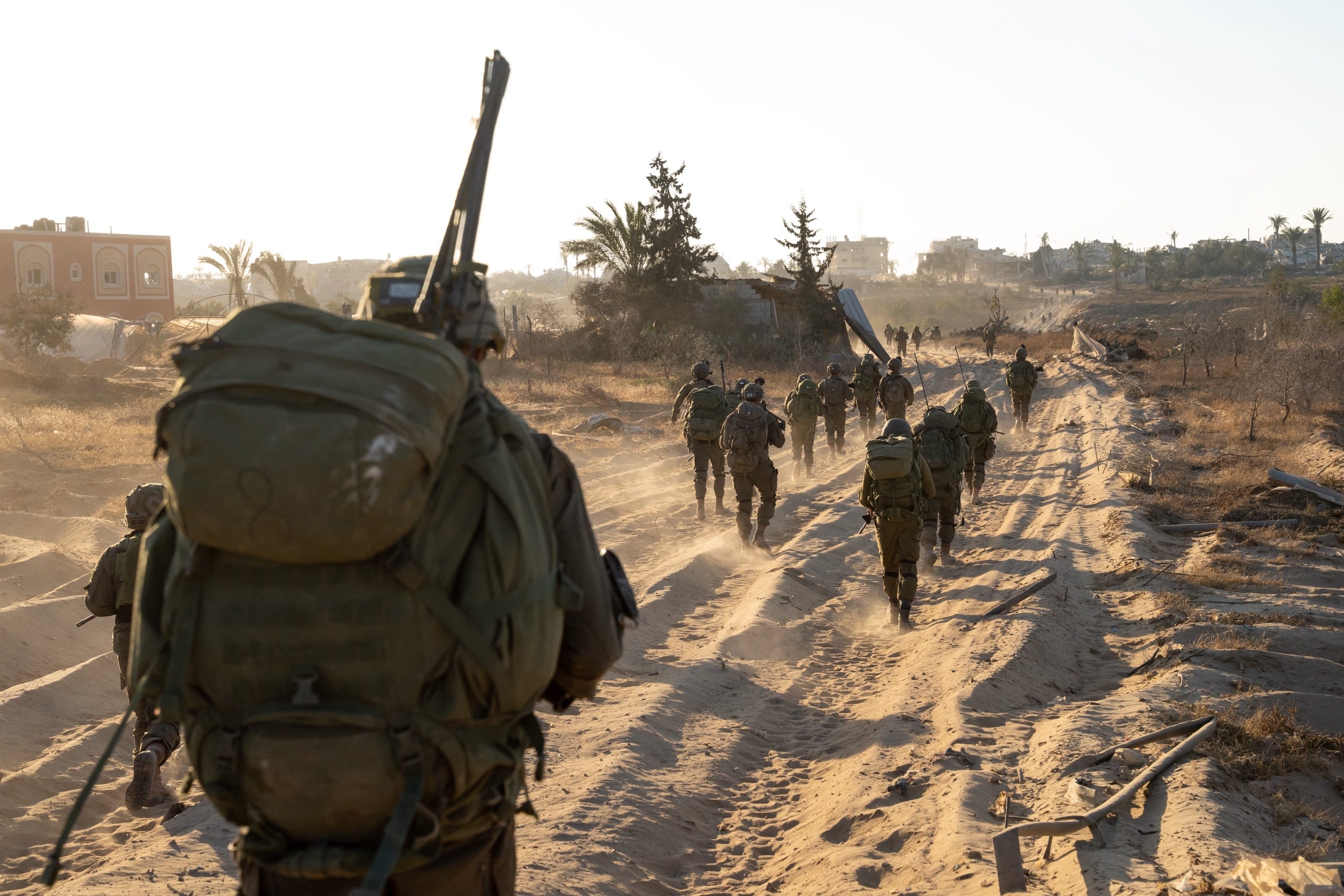
IDF forces’ operations in Gaza, archive | Photo: IDF Spokesperson
The most prominent change in the plan is eliminating the “Purity of Arms” clause and replacing it with “Justice of Arms.” The new clause would add the principle that the moral code guiding soldiers is “If someone comes to kill you, rise up and kill him first.” At the same time, language limiting action to “only what is required” would be removed, as would the prohibition on harming “uninvolved parties.”
Under the plan, the IDF’s supreme objective would be redefined as striving for victory and defeating the enemies of the State of Israel. The military’s value sources would be expanded to include a central emphasis on Jewish morality based on the Bible, Hebrew law, and the tradition of Israel, while defining the IDF as a “Jewish state army” and removing references to “universal moral values.”
Soldiers wrapped in a tallit and tefillin, visual illustration | Photo: Flash90
As part of the plan, new IDF values were presented, including: “Love of the people of Israel and the Land of Israel, and loyalty to the state”; “Statism,” according to which the IDF is “the people’s army, a Jewish state army, subject to the law and the government”; and preservation of “human dignity,” defined as a value not conditional on origin, religion, nationality, gender, status, or role.
The IDF is investigating a suspected ramming attack near the settlement of Ateret in the Benjamin Brigade area of the West Bank.
An IDF spokesperson said: “Initial report: We received a report of a ramming incident in the Ateret area of the Benjamin Brigade. Details are being verified. IDF forces have rushed to the scene.”
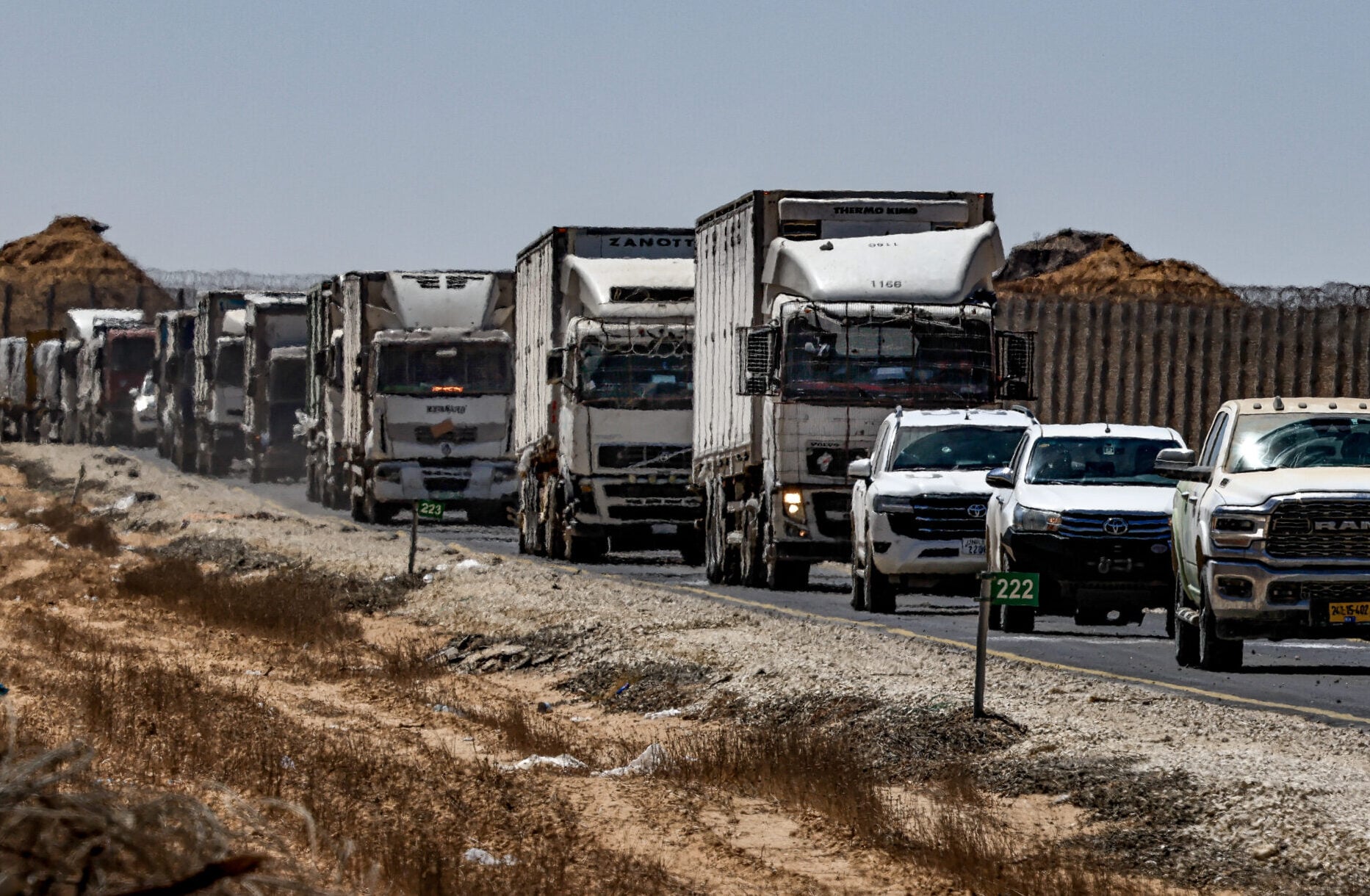
A year after the ceasefire agreement took effect, the terror organization Hamas continues to generate massive revenues from aid entering the Gaza Strip. Data released Wednesday by Israel’s Coordinator of Government Activities in the Territories (COGAT) points to an extortion mechanism Hamas is running against local merchants responsible for bringing a significant portion of aid trucks into the Strip.
Photo: Tzafrir Abayov, Flash90
According to COGAT, private sector merchants in Gaza—who handle roughly 50% of aid trucks entering the Strip—have announced they’re halting coordination for bringing in trucks following financial demands from Hamas. The move could impact the volume of goods entering Gaza through the private sector.
According to the data, about 600 aid pallets enter the Gaza Strip daily via 300 to 400 trucks. Until now, Hamas has demanded that merchants sell at least 30% of goods for cash, allowing the organization to seize a portion of the money. In recent days, Hamas added a new demand: a payment of 10,000 shekels (roughly $3,200) for every truck entering the Strip.
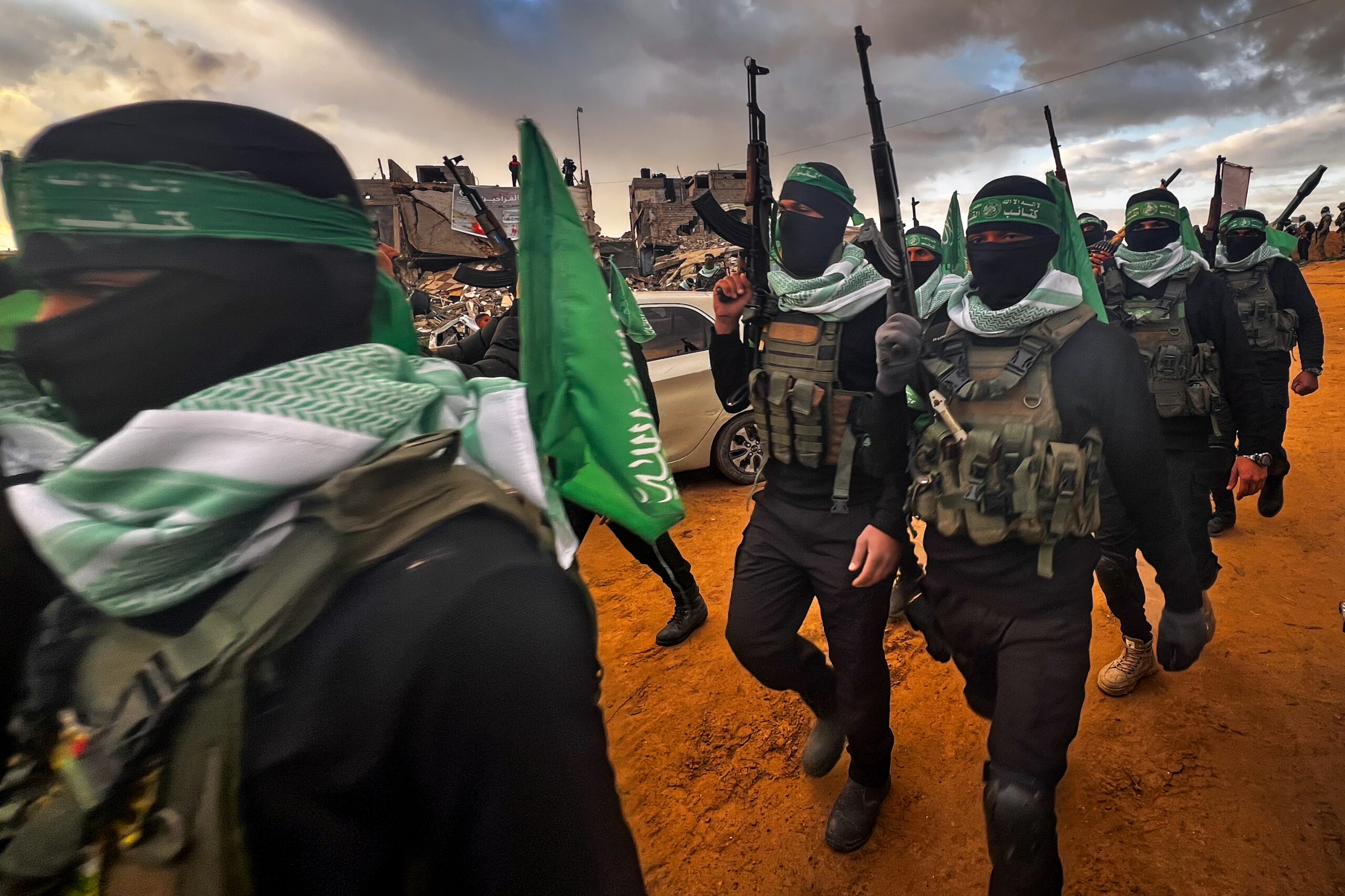
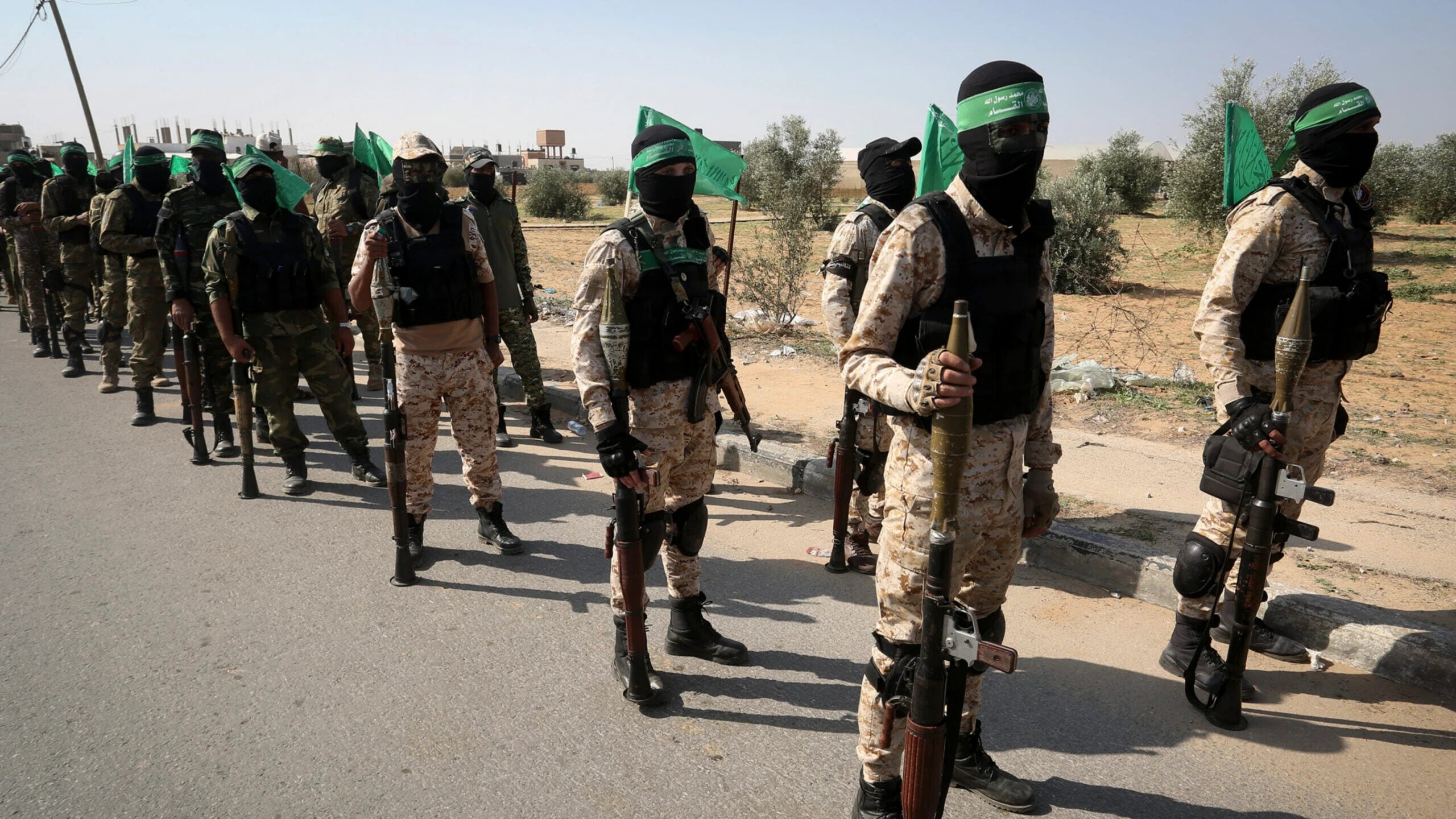
Hamas terrorists, archive | Photo: Flash90
The new demand, along with the arrest of one merchant’s son, led to pushback from the merchants and their decision to stop coordinating goods shipments.
Millions Per Day, Billions Per Year
From the published data, it’s possible to estimate the scale of money Hamas may be extracting through this extortion mechanism. According to the assessment presented, the organization makes about 50,000 shekels or more from a truck carrying basic goods, while trucks carrying more expensive merchandise could yield hundreds of thousands of shekels.
Based on a calculation using an estimated average income of 75,000 shekels per truck and about 175 trucks daily from the private sector, the total comes to roughly 13 million shekels per day—about 400 million shekels per month. Projected over a full year, that’s approximately 4.8 billion shekels (roughly $1.5 billion).
According to our political analyst Tamir Morag, the order of magnitude of these numbers (not the exact figures) was confirmed through checks with relevant professional sources. This is the price Israel is paying for the entirely legitimate decision to prioritize the return of all hostages. But a year later, with Hamas refusing to fulfill its part and disarm, it’s worth asking whether the time hasn’t come for Israel to change the terms of the deal as well.
The Israeli government is moving to transfer approximately NIS 1.03 billion to the Ministry of Defense to fund classified and urgent defense acquisitions. Under the proposal, roughly NIS 964 million will be diverted from budgets originally earmarked for the Arab sector’s five-year development plan. At the same time, Cabinet Secretary Yossi Fuchs instructed ministers to approve the measure expeditiously via a dedicated ministerial WhatsApp group.
Ministers were asked on Wednesday to grant immediate clearance for the billion-shekel funding shift to accelerate time-critical security purchases. The decision reflects heightened operational requirements across the defense establishment, prompting rapid executive action to secure necessary acquisitions. According to the draft resolution submitted by the Finance Minister, approximately NIS 964 million will be redirected from budgets planned for the years 2027 to 2029 within the Arab sector’s five-year plan. The remaining balance of roughly NIS 68 million will be drawn from the current 2026 state budget.
The draft resolution highlighted an “urgent necessity” to expedite the procurement schedule, with specific details regarding the nature and systems involved withheld due to high operational classification. Cabinet Secretary Yossi Fuchs contacted ministers directly, urging them to authorize the proposal as soon as possible through the government’s official digital communications channel.
Marking two years since the killing of Hamas leader and mass murderer Yahya Sinwar, the Israel Defense Forces (IDF) released on Thursday a disturbing letter written by his son, Ibrahim, at the start of the war when he was just 10 years old. The letter, seized by Israeli forces in the Gaza Strip in 2024, contains expressions of longing for his terrorist father alongside harsh expressions of hatred and an explicit desire to harm Jews.
‼️ EXPOSED: A LETTER WRITTEN BY YAHYA SINWAR’S 10 YEAR OLD SON
“I want to hold a Kalashnikov and shoot Jews.”
In a letter to his father, Ibrahim wrote that he makes “guns, tanks, and Kalashnikovs out of paper and cardboard” in his spare time and expressed his desire to shoot Jews.
The letter, accompanied by drawings of weapons, tanks and missiles, reflects how Hamas’ ideology of hatred and violence impacts the younger generation in Gaza.
The letter opens with Ibrahim addressing his father: “My beloved father, I miss you so much! I want to hug you and see you victorious.” He then expressed an explicit desire to kill Jews: “I want to declare ‘Allah is the greatest of all,’ hold a Kalashnikov and shoot Jews.”
Instead of children’s games, his daily routine was devoted entirely to terror and incitement: “I’m constantly making guns, tanks and Kalashnikovs from paper and cardboard.” Alongside his preoccupation with weapons, he expressed hope for the war’s end and his father’s return: “My Lord, I hope the war will end, and that I’ll see you well. May Allah protect you, father. I want you to pray for me.”
The letter was accompanied by shocking drawings of weapons, tanks near the border fence between the Gaza Strip and Israel, and missiles being launched toward the State of Israel. The letter and drawings illustrate how Sinwar’s murderous ideology is reflected in his children’s upbringing, and expose the impact of Hamas’s values of hatred and violence on the younger generation in the Gaza Strip.
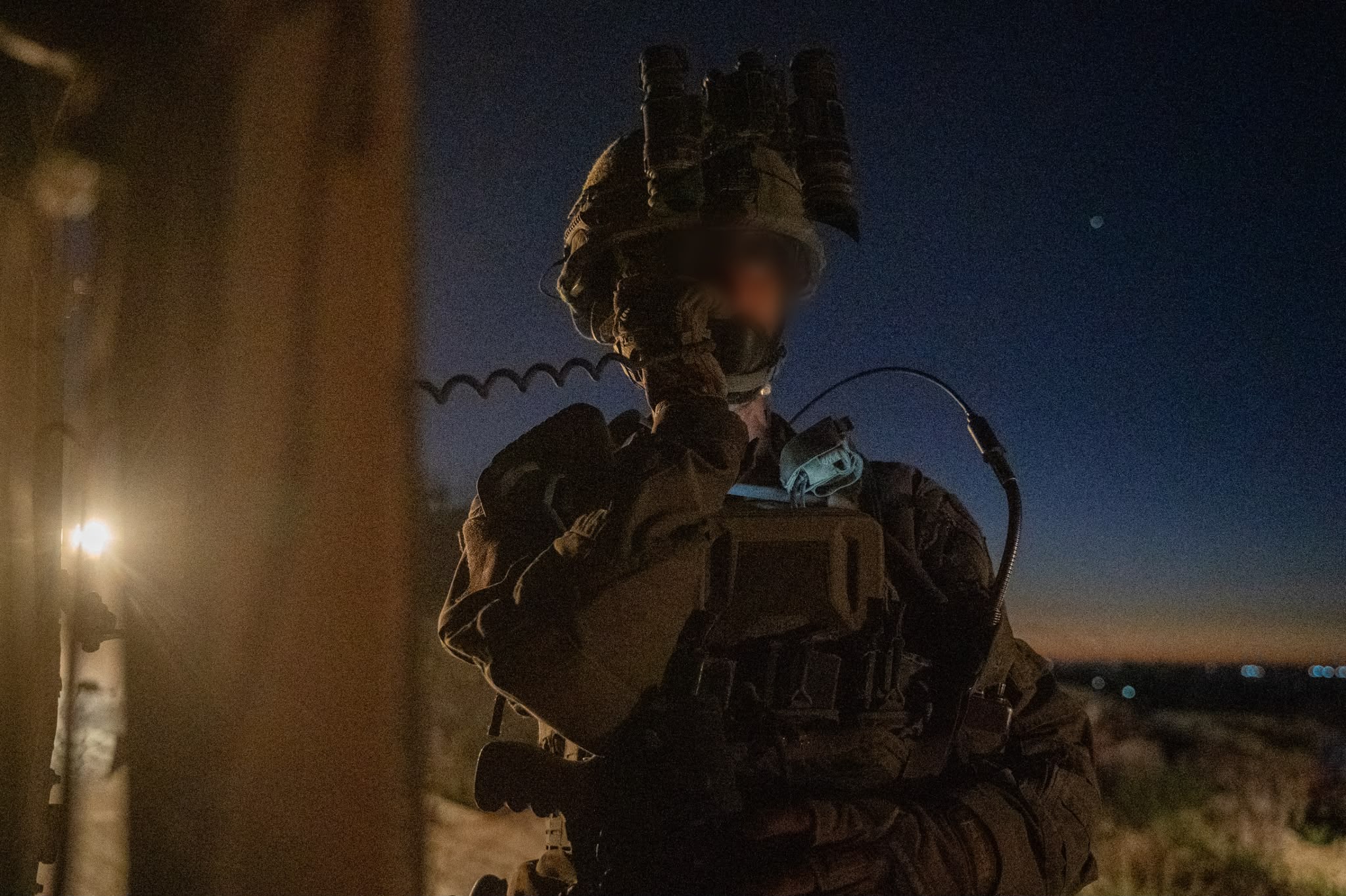
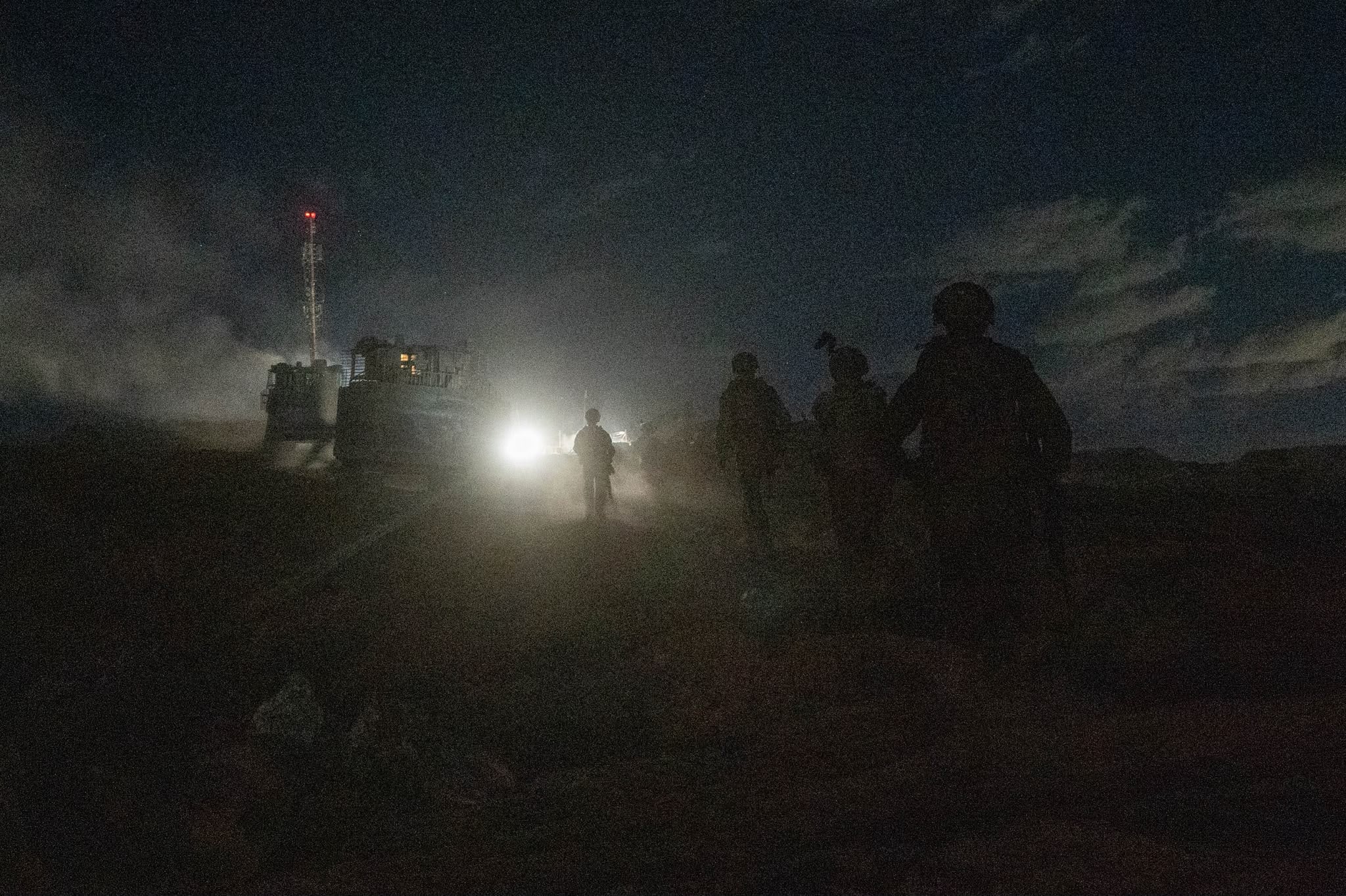
The IDF’s 99th Division completed its operational deployment in the northern Gaza Strip on Wednesday following four months of intensive combat activities, during which forces eliminated more than 100 terrorists, according to the IDF Spokesperson. Among those eliminated were operatives who invaded Israeli territory during the October 7 massacre and terrorists involved in holding Israeli hostages captive. The 162nd Division headquarters will now assume command of the sector.
99th Division troops during operations deep inside the Gaza Strip | Photo: IDF Spokesperson
Forces from the division operated east of the “Yellow Line” to dismantle and neutralize aboveground and subterranean terror infrastructure, systematically disrupting attempts by the Hamas terrorist organization to reconstitute its operational ranks. During the deployment, troops dismantled about eight kilometers of underground tunnel networks. They demolished extensive terror assets, including an observation command center and staging compounds used by operatives to prepare attacks against Israeli forces.
The “Yellow Line” marks the tactical perimeter to which the IDF redeployed under the ceasefire agreement that took effect in October 2025. Israeli forces have continued conducting precision sweeps east of the line to preempt immediate security threats and deny Hamas the ability to rebuild its armed capabilities.
99th Division forces conducting engineering operations to locate subterranean tunnels in the northern Gaza Strip | Photo: IDF Spokesperson
In tandem with ongoing military operations, Hamas has sought to assert aggressive economic control across the enclave—the Coordinator of Government Activities in the Territories (COGAT), Maj. Gen. Yoram Halevi, sent an official letter to senior international community figures on Wednesday detailing systemic extortion schemes targeting local commerce.
According to reports from local traders, Hamas operatives have been demanding kickbacks of roughly NIS 10,000 per commercial truck, threatening violence against any merchant who refuses to comply. Following the arrest and detention of a prominent merchant’s son by Hamas operatives yesterday, private distributors—who supply approximately half of all commercial freight entering the Gaza Strip each week—suspended all transport coordination until further notice.
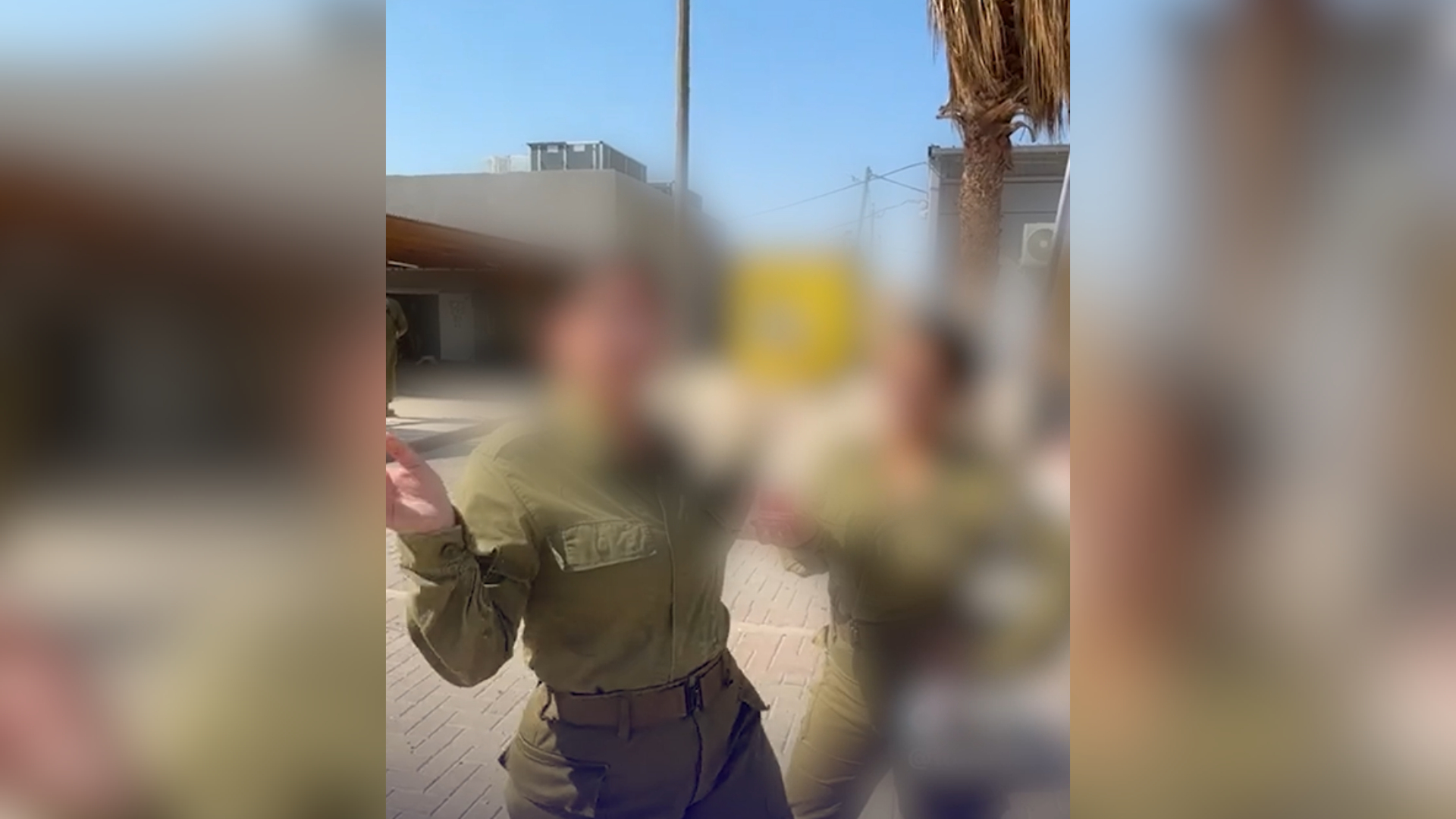
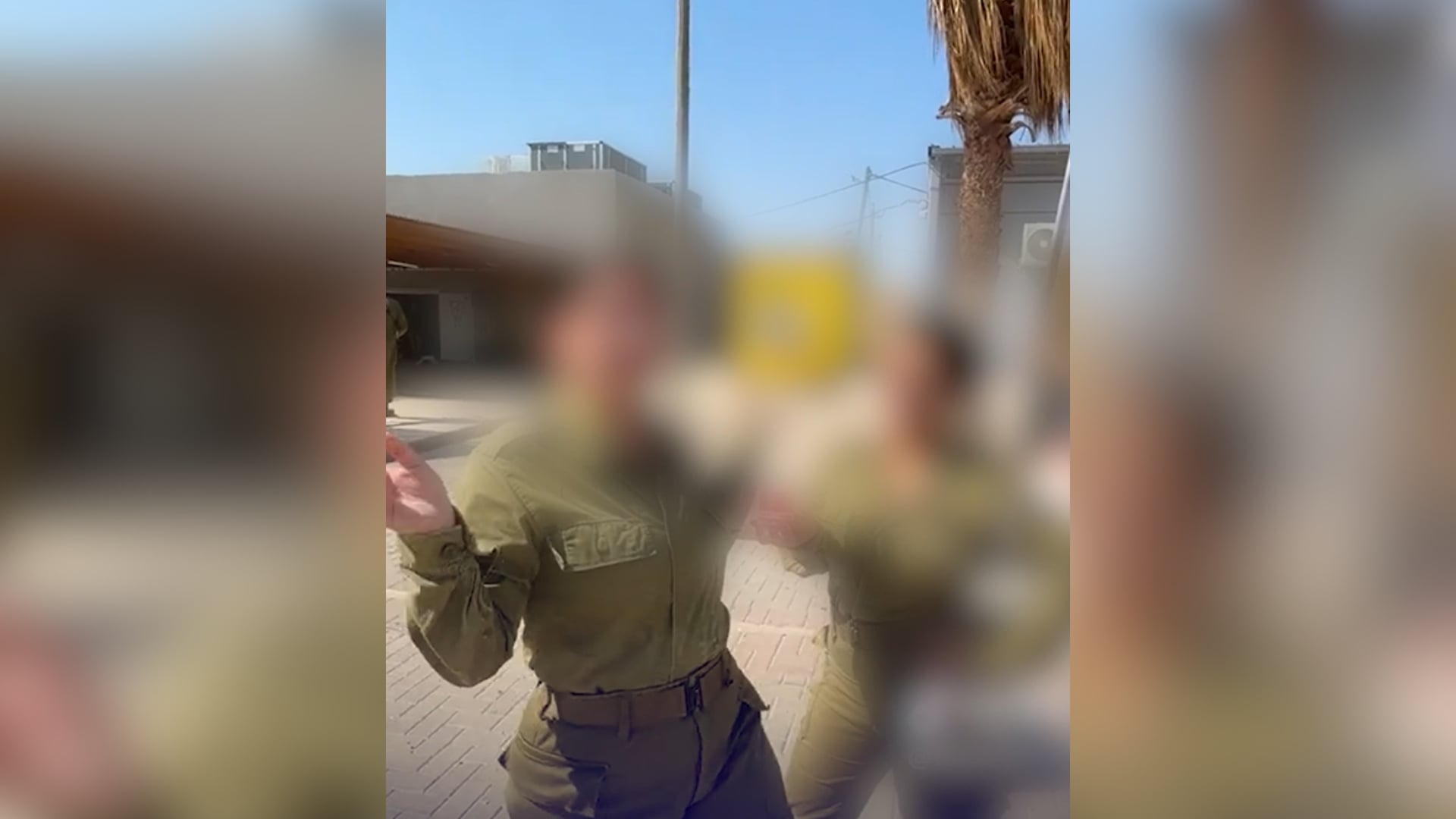
Matan Yitzhaki, a correspondent for Channel 14’s Yoman Tsohorayim, presented new evidence on Monday revealing significant, ongoing information security failures within the IDF. The vulnerabilities stem from the pervasive penetration of social media into the military sphere, where numerous clips and live streams showing soldiers inside IDF installations and bases are published with visible faces, name tags, and unit insignia, exposing critical information to the general public and hostile actors alike.
Screenshot from TikTok
Before the October 7 massacre, the Hamas terrorist organization systematically harvested intelligence from the public social media accounts of IDF combatants and support personnel. Through footage uploaded by soldiers, enemy operatives meticulously mapped out military bases and the internal layout of command facilities. Three years later, the dangerous phenomenon persists, raising pressing questions regarding chain-of-command accountability and disciplinary enforcement.
Following recurring security lapses, the IDF developed a dedicated technological platform dubbed “Morpheus,” designed to detect such accounts and issue alerts regarding sensitive operational content. However, investigative findings indicate that the phenomenon remains widespread. Footage broadcast in the report showed male and female soldiers uploading videos to TikTok from within base perimeters, living barracks, and live-fire training ranges.
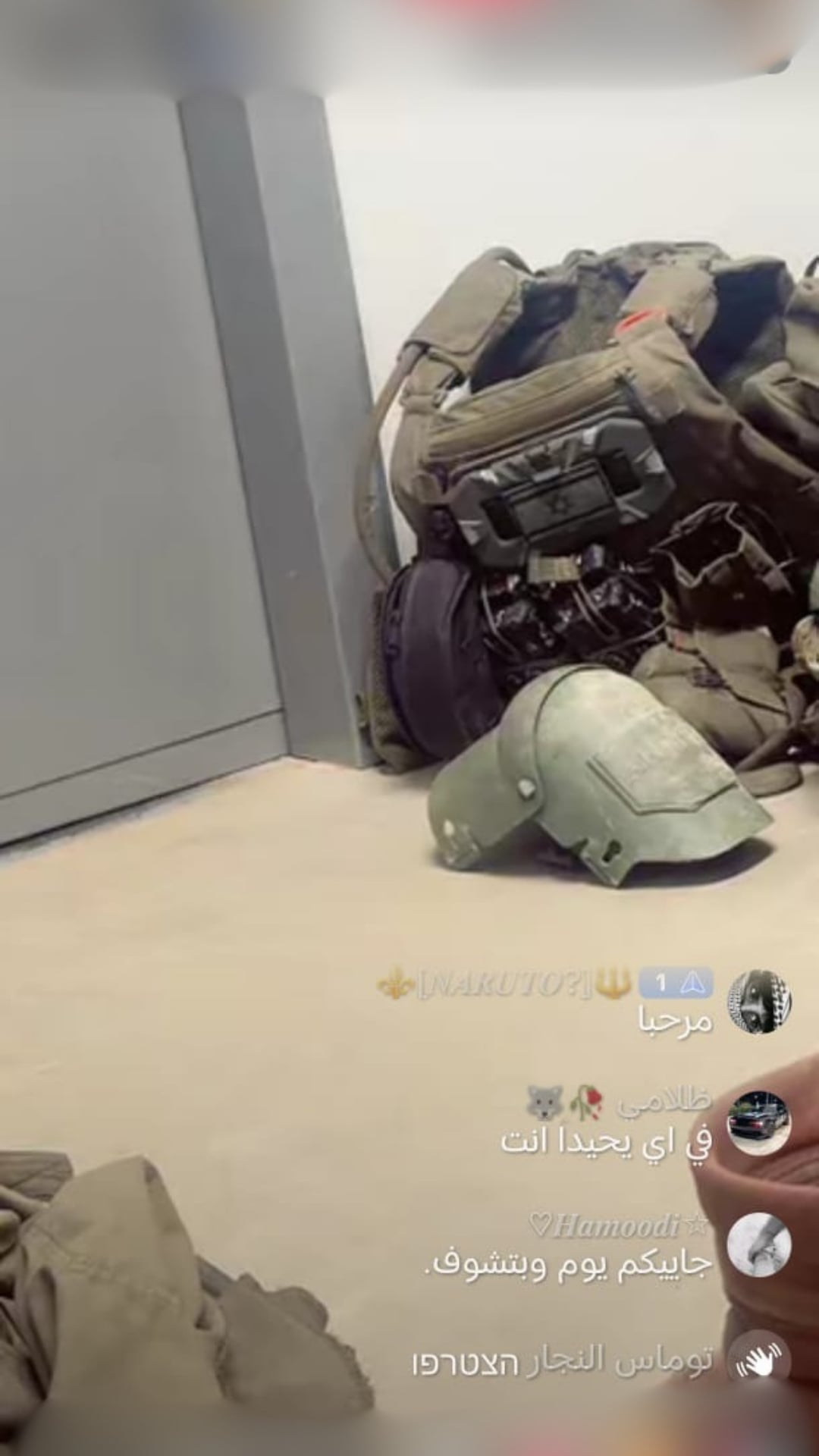
Screenshot from TikTok
More alarming still, deeper inspection revealed soldiers participating in TikTok’s interactive “Live Battles.” During these real-time broadcasts, soldiers can receive virtual gifts that can be redeemed for real money. In these public streams, viewers interact directly in the chat, posing questions in Arabic such as “What unit are you in?” or “Do you have a weapon?”—an acute operational security breach. In response to the report, the IDF Spokesperson’s Unit stated: “The IDF maintains clear orders and directives regarding the use of social networks, filming in military facilities, and publishing content during service. These regulations are designed to prevent the exposure of sensitive information to the enemy and to safeguard the security of service members and military assets.”
While the IDF maintains that it enforces strict prohibitions to prevent such leaks, ongoing online activity shows that enforcement in the field remains severely lacking, leaving fundamental security vulnerabilities unresolved.
We are making a great effort to locate the rights holders in the footage. The use of works whose rights holder is unknown or not located is done according to Section 27A of the “Copyright Law.” If you have identified footage and you are the rights holder, please get in touch with [email protected]
“Maybe there will be another October 7, one that brings more destruction and killing than what we’ve already seen,” warns N., a geography teacher who has worked in UNRWA schools in the Gaza Strip for 15 years. In an exclusive interview, she reveals how teachers are spreading extremist ideas among students and inciting them to murder Israelis—and warns of the severe consequences of the ongoing incitement.
N., a 40-year-old geography teacher, has worked at one of UNRWA’s schools in the Gaza Strip for 15 years. In an exclusive interview, she tells us about the incitement to murder Israelis taking place in schools across the Strip.
Photo: Shutterstock
In her testimony, she describes how extremist and violent ideas are being spread among students, including by teachers. To understand what her words mean, you need to know the organization she works for: UNRWA, the agency the UN established to care for Arab refugees from Israel’s War of Independence and their descendants.
UNRWA presents itself as a neutral body working for “‘Palestinian’ refugees.” But despite that declaration, over the years cases have been exposed in which the organization’s employees were involved in terrorist activity, including employees linked to the October 7 massacre. In recordings released by the IDF, teachers at UNRWA schools in the Strip can be heard describing their role in the massacre.
Back to N., who says that ideas about murdering Israelis and using violence continue to be spread in Gaza’s schools. “Extremist, violent ideas are multiplying. This comes from teachers too, and they pass these ideas on to students, to a large extent. They incite them to murder and to use violence,” she testifies.
Weapons seized alongside a UNRWA flag in Gaza, archive | Photo: IDF Spokesperson
According to her, even after the destruction and devastation that October 7 brought on the Gaza Strip, the idea of another attack on Israel is still present in UNRWA schools. “In the current period, their extremist ideas are intensifying greatly, to the point where maybe there will be another ‘October 7,’ and it will bring more destruction and killing than what we’ve already seen,” she warns.
N. also describes a confrontation with one of her colleagues, who she claims spread ideas of murder, violence, and extremism among students. “There was a discussion between a teacher and me about the ideas of using violence and of murder and extremism, which she plants in the minds of our students. I told her this isn’t in the spirit of Islam,” she says.
According to her, the influence doesn’t stop in the teachers’ lounge. “I had a student whose mind was planted with extremist ideas, and she also talked to her about murder, violence, and destruction,” she says.
Channel 14 also obtained additional documentation from M., a teacher at a Hamas government school in the Gaza Strip that is not part of UNRWA. M.’s testimony also deals with extremist ideas being spread among Strip residents.
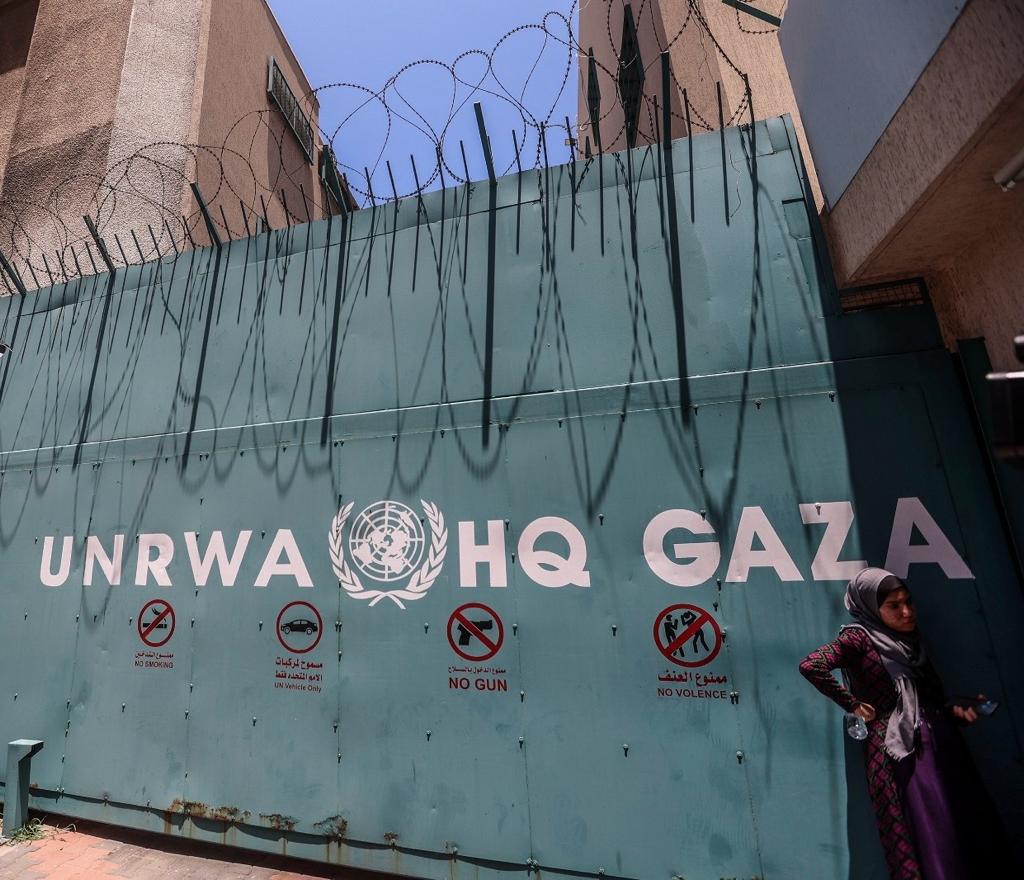
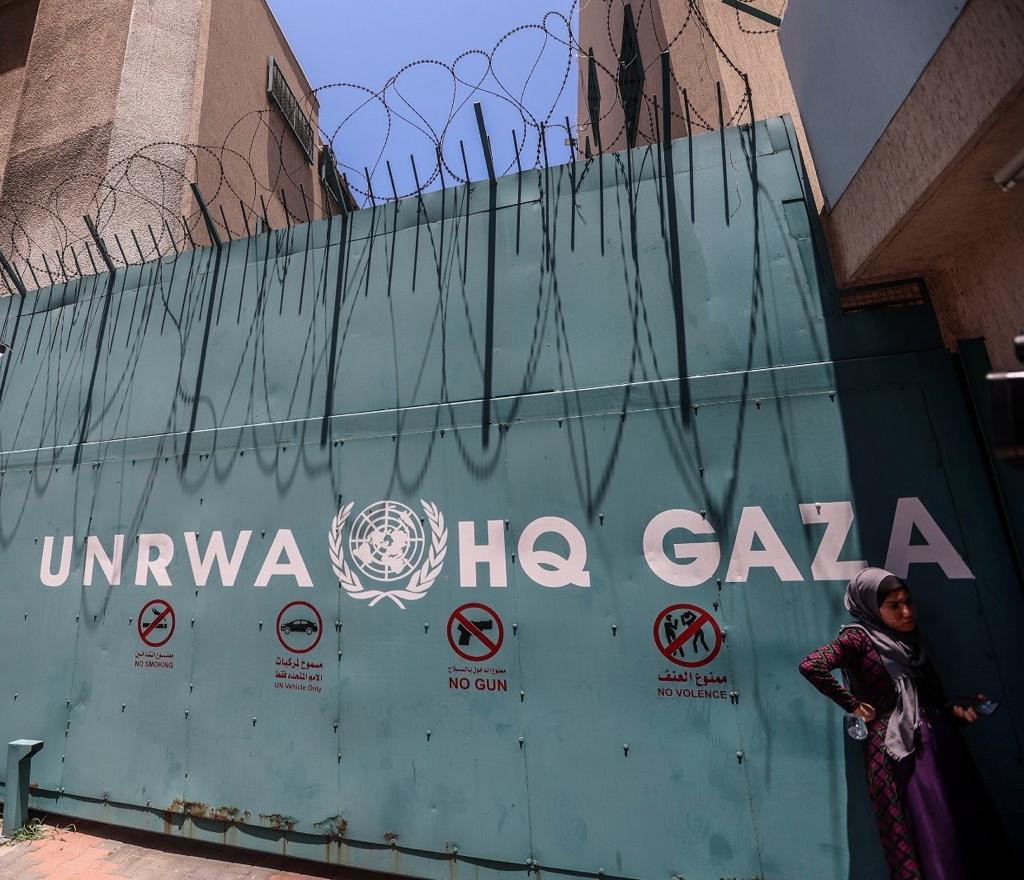
UNRWA headquarters in the Gaza Strip | Photo: Shutterstock
M. emphasizes that the phenomenon, in her view, has roots broader than affiliation with Hamas. “This problem isn’t connected to the government and isn’t connected to Hamas. The problem is in the minds of the students, in the minds of the parents, and in the minds of the teachers,” she says.
The testimonies raise questions about the content and messages that students in the Gaza Strip are exposed to, and about UNRWA’s role in the education system where it operates schools. Alongside the agency’s declared role in caring for ‘Palestinian’ refugees, the question also arises: what ideas are being passed on to the next generation, and are sufficient steps being taken to prevent incitement to violence and murder?