


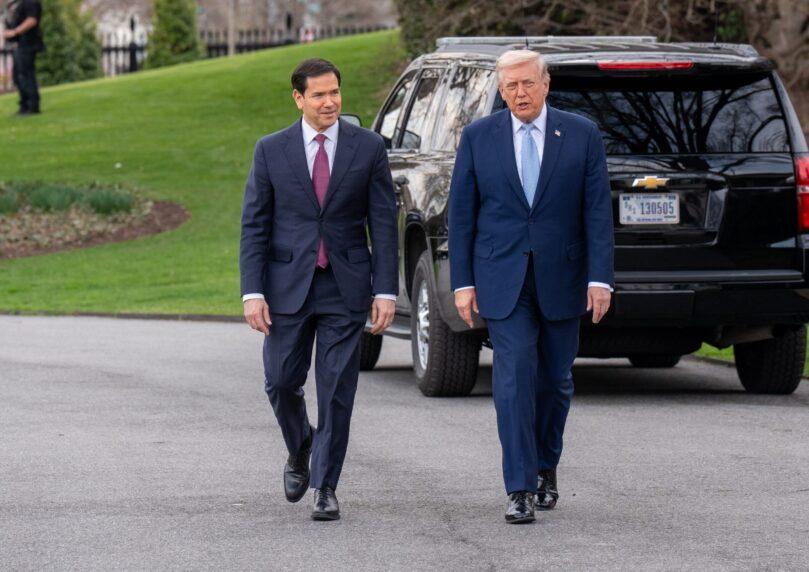

U.S. Secretary of State Marco Rubio departed on Sunday for an official visit to Uzbekistan, where he is scheduled to confer with the leaders of five Central Asian nations amid coordinated American initiatives to broaden influence in the region and evaluate the potential inclusion of additional states in the Abraham Accords with Israel, according to a report by Reuters.


 1+
Rubio is expected to land in the historic city of Samarkand to participate in the C5+1 diplomatic forum, which brings together the United States and Uzbekistan, Kazakhstan, Kyrgyzstan, Tajikistan, and Turkmenistan. The five-nation bloc represents an area of acute geopolitical significance, strategically positioned between Russia, China, and Iran, and endowed with abundant natural energy reserves and critical rare-earth mineral deposits.
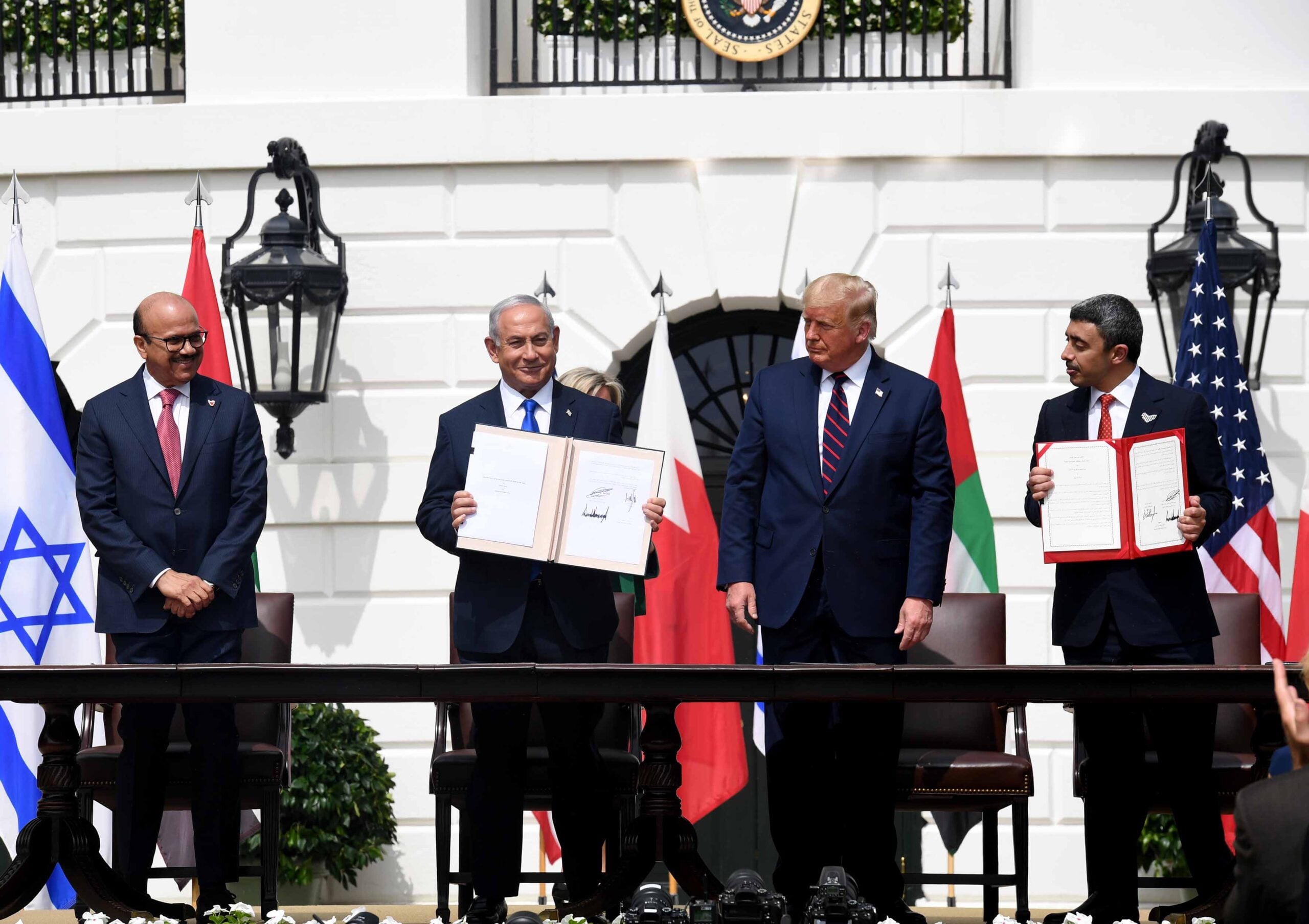
The diplomatic trip follows a high-profile summit hosted last November by U.S. President Donald Trump at the White House, during which the leaders of all five regional states were received, and Kazakhstan formally agreed to join the Abraham Accords. Building on exploratory contacts initiated over the past year, the Trump administration is actively examining the feasibility of extending the normalization accords to other Central Asian partners. However,h it has not yet made a formal announcement about an impending accession.
 1+
Beyond potential diplomatic normalization with Israel, a primary pillar of Rubio’s mission centers on securing American economic and industrial supply chains across the region. A commercial delegation of more than 200 business leaders is accompanying the Secretary of State, with administration officials prioritizing direct access to rare-earth mineral deposits vital to high-tech manufacturing and defense applications.
Rubio’s Central Asian mission unfolds against the backdrop of multifaceted international flashpoints confronting Washington, including open hostilities with Iran, the ongoing conflict between Saudi Arabia and the Houthis, and complex diplomatic frictions surrounding Ukraine. According to the report, while Rubio focuses his portfolio on high-value economic and resource frontiers, senior administration figures, including Vice President JD Vance and special envoys Steve Witkoff and Jared Kushner, manage other sensitive geopolitical negotiations.