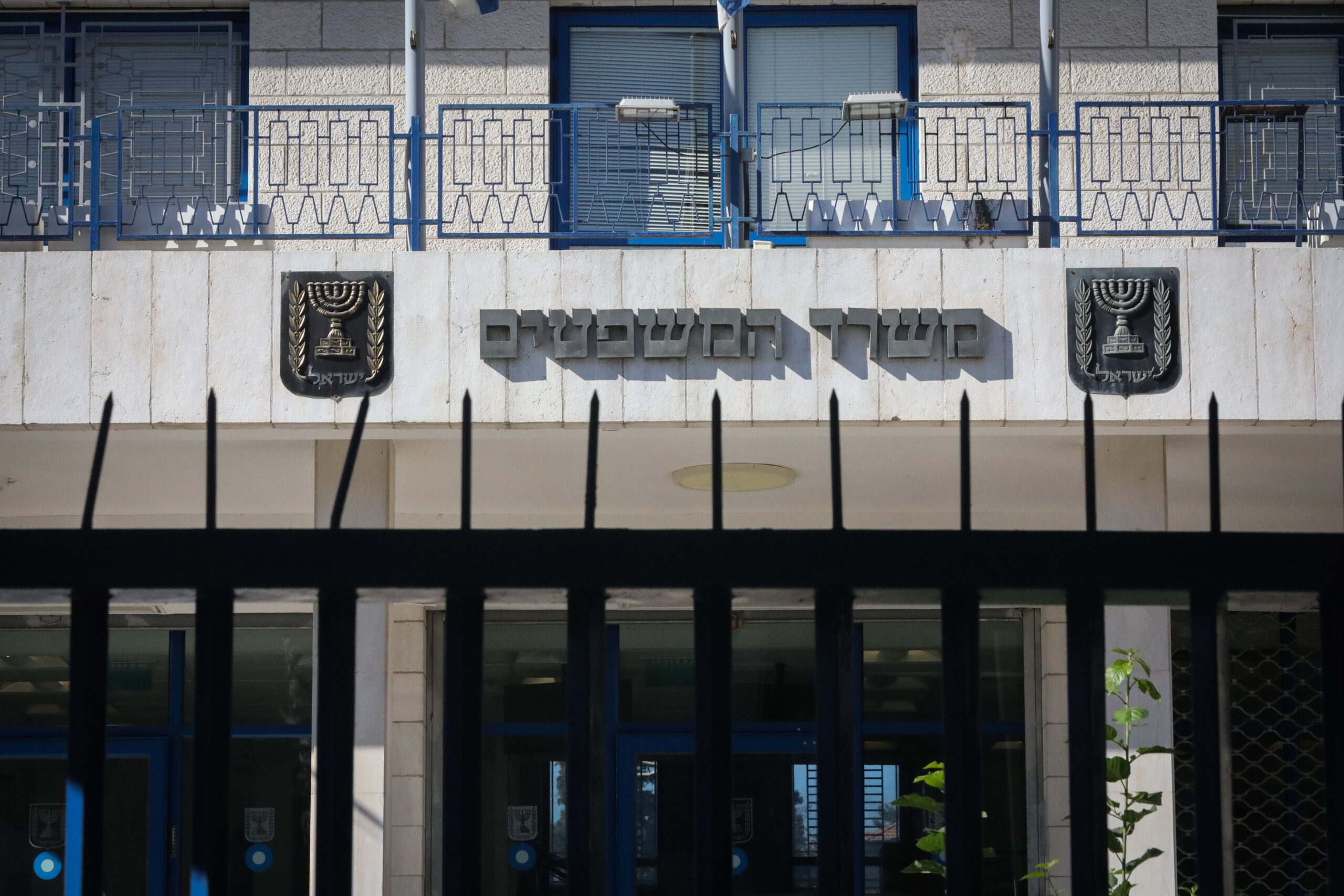
Israel’s Civil Enforcement Unit filed a lawsuit Monday in Beersheba District Court seeking over three million shekels from Ohel Yosef, a haredi charity in Ashkelon. The suit, filed on behalf of the Education Ministry, alleges the organization and three of its officials fraudulently collected government funding meant for a religious school by reporting hundreds of students who didn’t exist.
The lawsuit details how the scheme worked over several years: The defendants systematically filed false reports with the Education Ministry claiming the institution had over 600 students. Inspections at the facility told a completely different story—only a few dozen students were actually there. Investigators also found that the building where classes supposedly took place physically couldn’t hold the massive number of students reported.
Prosecutors describe the case as “a series of events including false representations, fraudulent reports, breach of commitments, and gross negligence.” Following the findings and a hearing process, the Education Ministry’s grants committee ordered the charity to return the funds. The current lawsuit aims to enforce that decision and recover the public money that was stolen through fraud, according to the state.
Alongside the lawsuit, the court granted prosecutors’ request and imposed temporary seizure orders on the defendants’ assets, including vehicles, bank accounts, and insurance policies. The court ruled there’s reasonable concern that without the seizure orders, assets would be hidden or transferred. Prosecutors say they’ll pursue all civil remedies to recover the funds for the public treasury.
Retired Major General Eliezer Merom today (Sunday) slammed Israel’s lack of preparedness for the growing threat of Hezbollah drones, criticizing the military for ignoring warning signs from European battlefields.
“I have to say honestly, and it pains me to say this, but I think we fell asleep on watch a bit,” Merom said, referring to the development of the drone threat. He said the threat has been visible for a long time: “This threat existed in Ukraine for a very long time, and we saw it. We saw it on open networks. There are thousands of videos that were published two years ago and more, of small drones like these attacking forces.”
Merom explained that the war between Russia and Ukraine served as a live laboratory for the drone threat, where both sides used these weapons against each other. He emphasized that Ukraine developed various defense systems, and although they’re “not always the most perfect and not always the best,” Israel must “make sure to get our hands on them and learn from them.”
As for the current situation, Merom argued that Israel must act quickly to close the gap: “What we didn’t learn in the last two years, we need to learn now in a short period of time and produce results.” He said that until advanced technological solutions are found, the IDF must implement interim solutions in the field to protect soldiers.
These solutions include using simple measures and changing operational behavior: “In the meantime, at least right now, we need to do our best in the interim phase—and that’s nets, shotguns, and wherever possible find shelter.” Merom also stressed the need to reduce troop exposure: “Wherever IDF soldiers don’t need to be, they shouldn’t be in open terrain.”
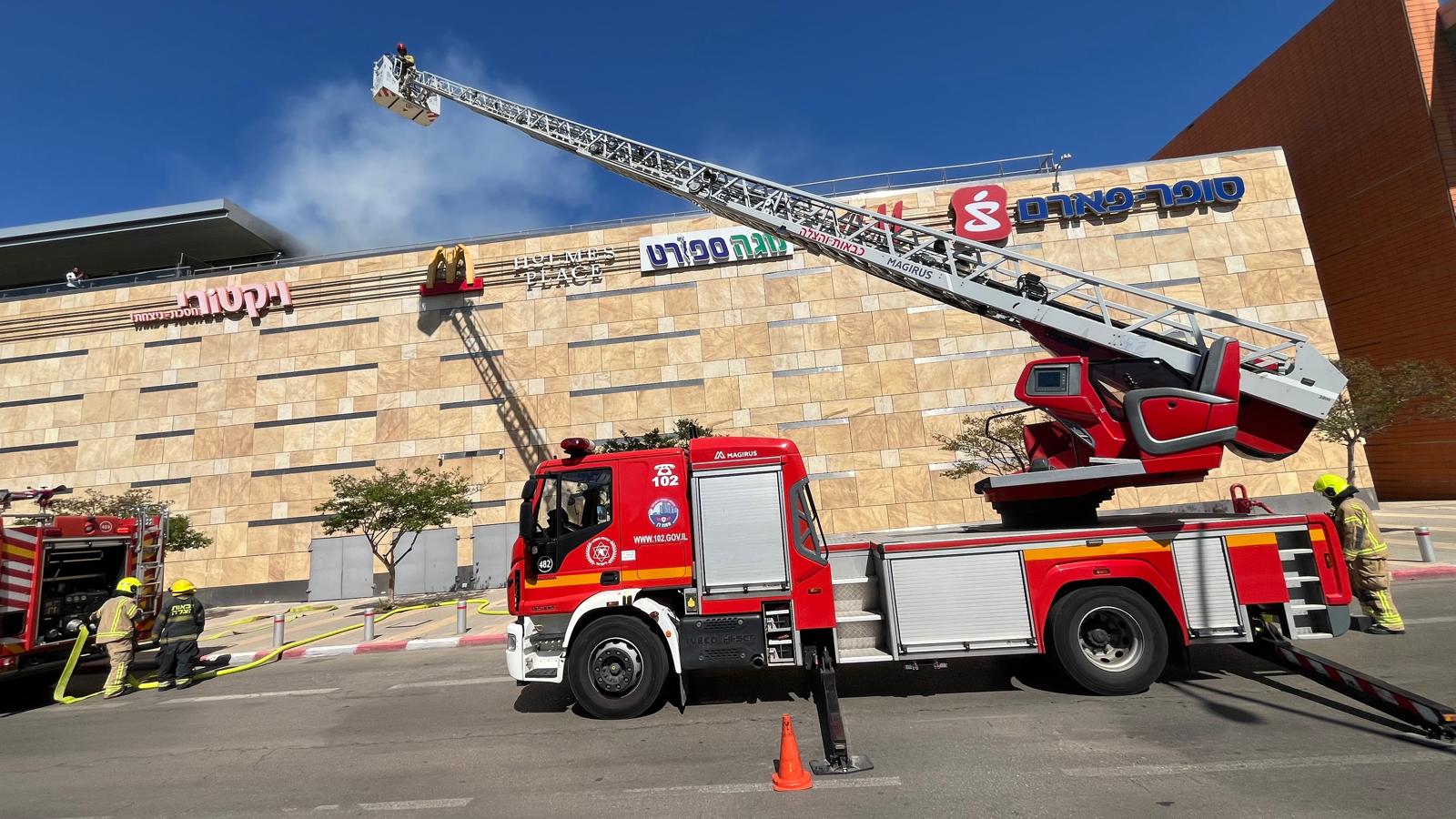
Following reports of a fire that broke out today (Sunday) at the Seven Stars mall in Herzliya, fire and rescue crews rushed to the scene and gained full control of the incident. Teams remain on site working to fully extinguish the fire and locate any remaining hotspots.
Rescue teams are reminding the public to avoid lighting fires in open areas and throwing flammable waste or cigarette butts in natural and wooded areas.
Fire and rescue crews were called earlier today to the Herzliya mall following reports of a fire. The teams identified an active fire on the mall’s roof and began operations to control the flames. Crews worked to gain control of the fire and prevent it from penetrating from the roof into other parts of the building and the stores in the complex.
While fighting the fire on the roof, teams worked to fully evacuate shoppers and employees who were inside the mall. Visitors were taken outside the building to prevent danger and injury from smoke inhalation.
The understandings taking shape between the United States and Iran are creating sharp political upheaval in Jerusalem and threatening to demolish Likud’s election strategy ahead of October.
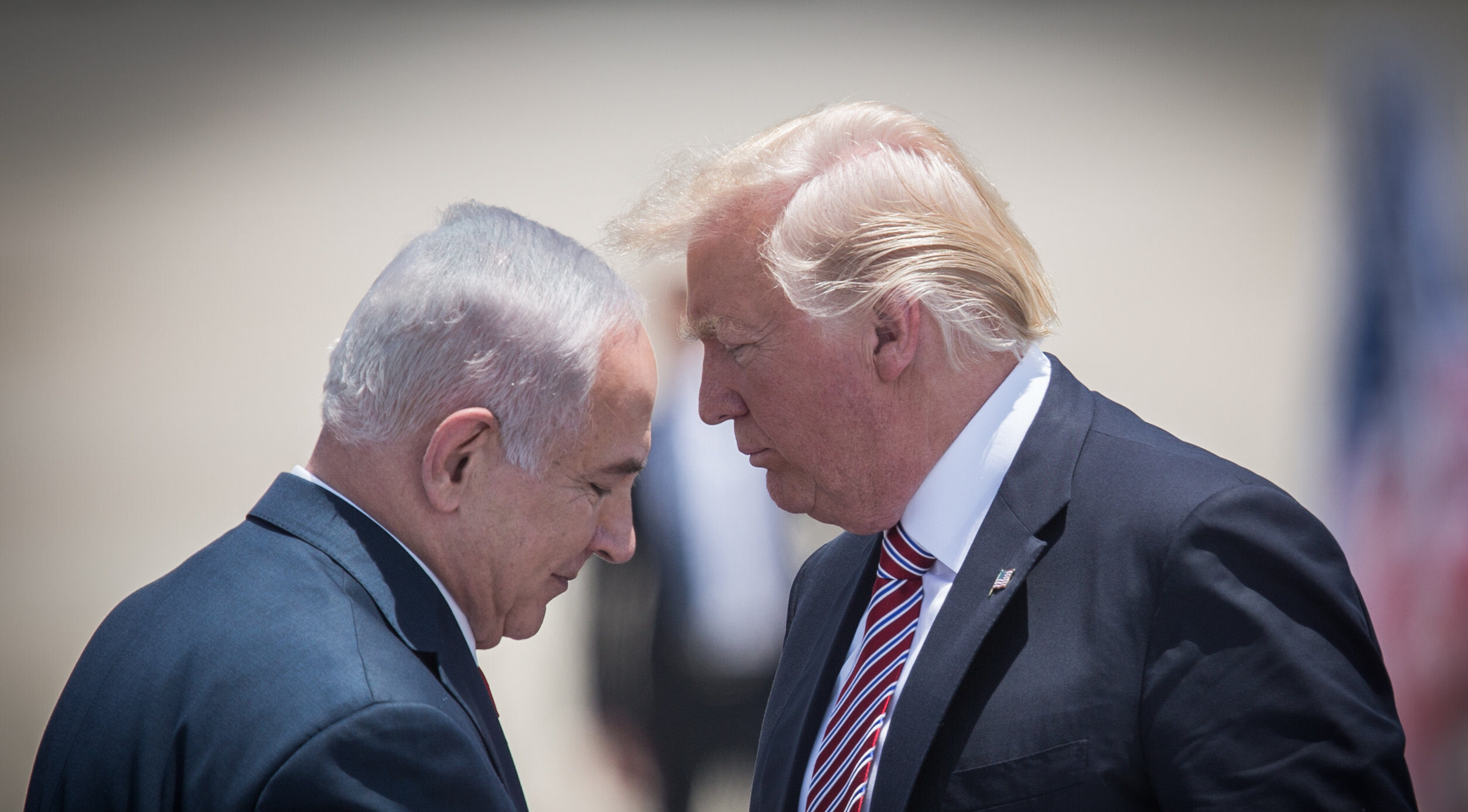
Internal documents and assessments reveal that early on, based on intelligence reports and the wave of protests in Tehran, Prime Minister Benjamin Netanyahu believed Operation Roaring Lion would lead to the fall of the ayatollah regime and even the signing of a historic peace agreement. Now, in light of President Donald Trump’s ceasefires and the emerging deal, the prime minister’s campaign headquarters has been forced to shelve its core messages.
Any agreement—or lack thereof—between Iran and the U.S. carries dramatic political implications. Early on, the prime minister believed, based on Israeli intelligence assessments, that there was a chance of toppling the Iranian regime and even signing a peace deal between Israel and a new Iran. Now, not only has that dream been shelved, but there’s even a danger that several of the prominent messages Netanyahu planned will completely destroy Likud’s campaign and force the prime minister and his campaign staff to think of an entirely different set of messages in an attempt to salvage what they can.
Several months ago, Netanyahu seriously believed—and even shared this with a handful of political figures—that the regime could be toppled soon. This was during the days of mass protests in Iran and before the launch of Operation Roaring Lion on Iranian soil. The prime minister, who already estimated then that elections would be held on schedule or close to it—meaning late October—even calculated the timing so that it would be possible to allow the new regime to establish its leadership in the country and restore Iran-Israel relations to the pre-1979 Islamic Revolution days.
As the military operation dragged on and Trump announced a ceasefire, Netanyahu understood this would no longer happen. The hope that was and remains is a decisive victory in the war. Netanyahu very much wanted a successful conclusion of the Iran campaign to lead to an equally successful conclusion of the other open fronts in Lebanon and Gaza. The prime minister didn’t want the closure of these arenas to be made as an election promise but rather to be carried out before them. Now, in light of developments, all of this is in doubt.
Another message in the campaign is his boasting about the warm and special relationship with Trump. But the public anger now at the U.S. president—which, if the details of the reported agreement prove accurate, will most likely lead to shelving this message as well. Netanyahu is indeed in a warm and friendly relationship with Trump, and even managed to enlist him for military action against Iran, something that can be assessed with certainty would not have been possible with any other president, but now a big question mark hangs over whether Trump is still an object of admiration as he was and a figure to boast about in the upcoming Likud campaign.
Since last night’s developments, senior government officials have wrapped themselves in silence and it’s possible things are not as they currently appear. But if they are, there’s no doubt that Likud’s main messages in the coming months have fallen into no simple predicament.
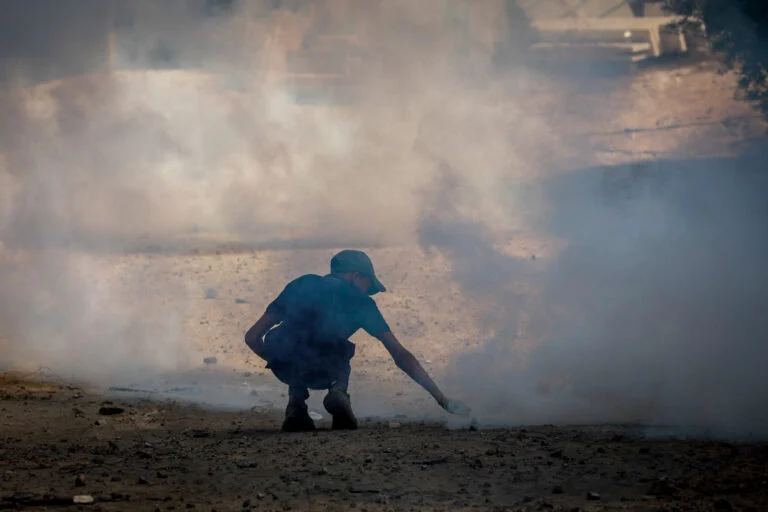
Terror attacks happen daily in Israel, but it appears that in many cases, if an incident ends without fatalities, it receives no mention in Israeli media. The reality on the ground shows that civilians are exposed to life-threatening dangers every day—from stone-throwing and firebombs to laser-blinding attempts while driving.
As part of a special C14 project, we’re bringing you the full picture: a list of terror attacks that occurred in the past 24 hours, incidents that happen hour by hour but pass “under the radar.”
In the past 24 hours, approximately 3 terror incidents were recorded
Terrorists threw stones at vehicles at the Bazariya junction. There were no casualties in this incident. In another case, gunshots were heard in the area of Farm 6. During the day, another incident was recorded when terrorists threw stones in the Jericho area. In this incident as well, there were no casualties and no property damage.
A political source said the United States is updating Israel on negotiations for a memorandum of understanding to reopen the Strait of Hormuz and enter talks on a final agreement on disputed points.
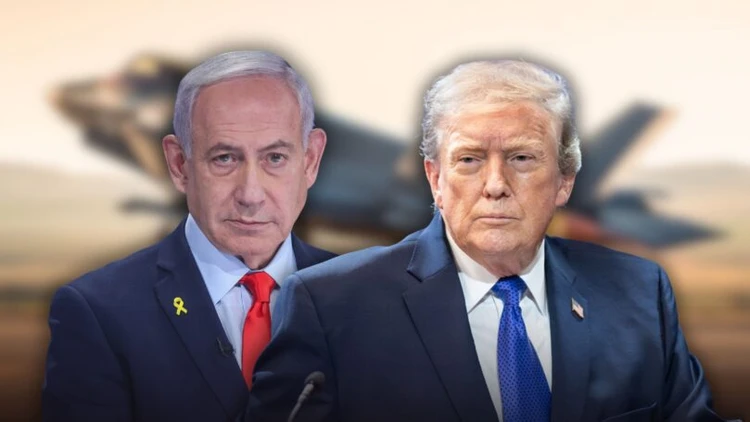
In a call last night with President Trump, the prime minister emphasized that Israel will maintain freedom of action against threats in all arenas, including Lebanon, and President Trump again backed this principle.
President Trump made clear he will stand firm in negotiations on his consistent demand to dismantle Iran’s nuclear program and remove all enriched uranium from its territory, and that he will not sign a final agreement without these conditions being met.
The prime minister again expressed his appreciation to President Trump for his longstanding and exceptional commitment to Israel’s security.
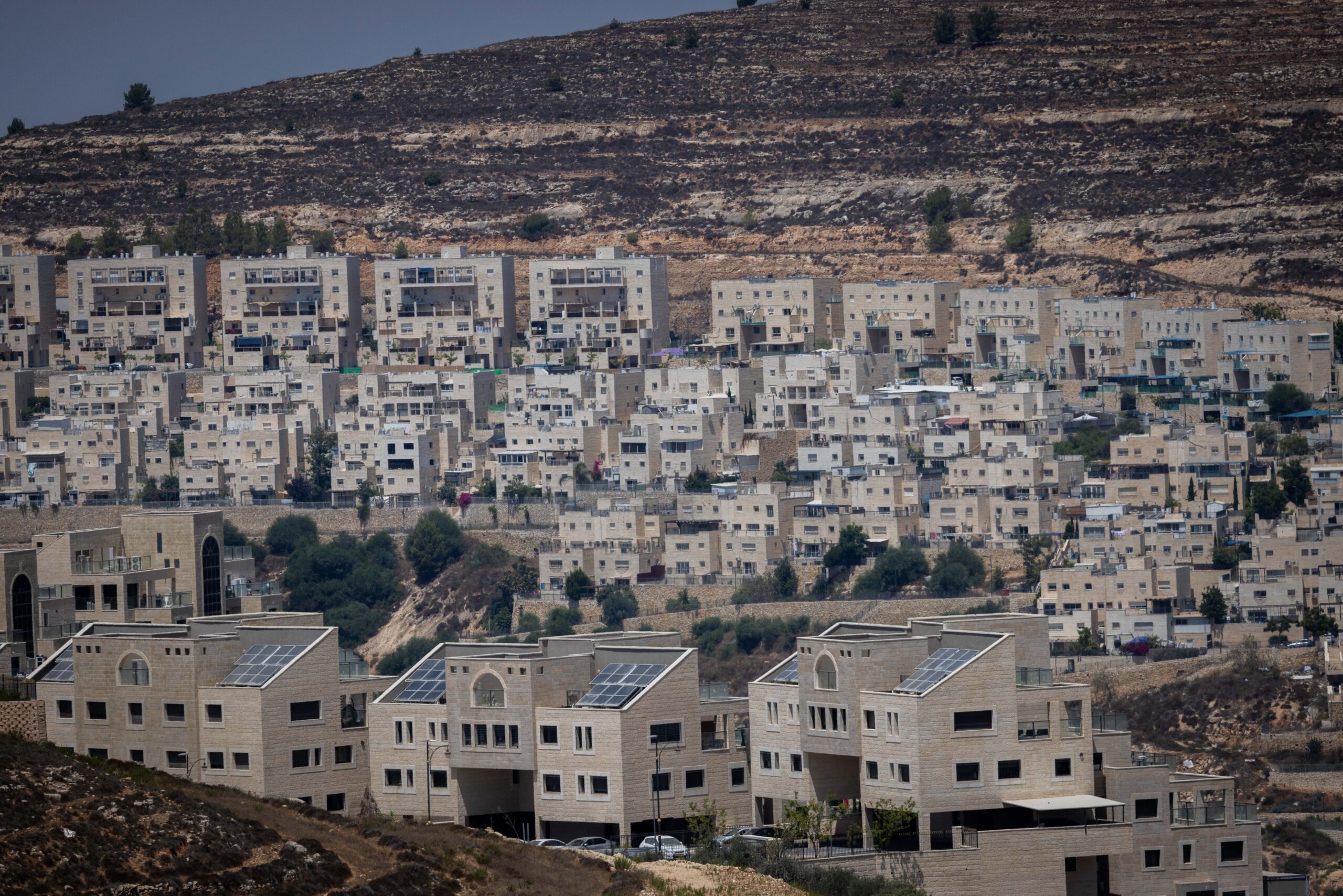
A day after the Interior Ministry announced it would advance Givat Ze’ev’s status from local council to city, it appears that alongside the congratulations and celebrations, quite a few residents are struggling to embrace the news. The decision, which council head Yossi Asraf called a “historic moment,” sparked debate on social media about the future and character of the community in the Jerusalem envelope.
Residents’ criticism centers mainly on fears of losing the community’s quiet, small-town character. “What does becoming a city give us?” one resident wondered in a comment on Asraf’s Facebook page. “It would have been better to just connect us to Jerusalem—at least we’d get a Jerusalem transit card. Most of us work, shop, and spend time in Jerusalem anyway.”
Another resident argued that Givat Ze’ev has been changing in recent years due to a construction boom. “We came to Givat Ze’ev to enjoy the character of a comfortable rural community with a diverse population,” she wrote, “but as a result of the intensive construction, everything has flipped and changed. Soon it will be the new Ramot.”
Public transportation also came under fire. One resident wrote: “A city with no transportation at all—this is the strangest city in the world. You have to wait hours for a pathetic bus. In a city you shouldn’t have to rely on hitchhiking, but on a functioning bus system.”
Another resident attacked the move itself, claiming many people moved to Givat Ze’ev precisely to escape dense urban life. “We came to live in Givat Ze’ev because it’s a community, not a city,” he wrote. “We wanted a quiet, small town.”
As previously reported, the decision came after Interior Ministry Director General Israel Ozen adopted the recommendations of the Geographic Committee and the district commissioner, who determined that Givat Ze’ev already has distinctly urban characteristics. According to the professional staff work, the community currently has about 25,000 residents and is experiencing one of the highest growth rates in Israel, alongside extensive construction and development plans for the coming years. Final approval from Central Command chief Avi Bluth is now required to complete the process.
The Interior Ministry explained that the status change is meant to align the municipal framework with the community’s development needs, strengthen the authority’s ability to provide services, and help address the challenges of accelerated growth. Council head Asraf also welcomed the move, saying it represents “a tremendous lever for action” that will help advance Givat Ze’ev in the coming years.
This story was adapted from reporting by Eliya Aviv, Channel 14’s Judea and Samaria analyst.
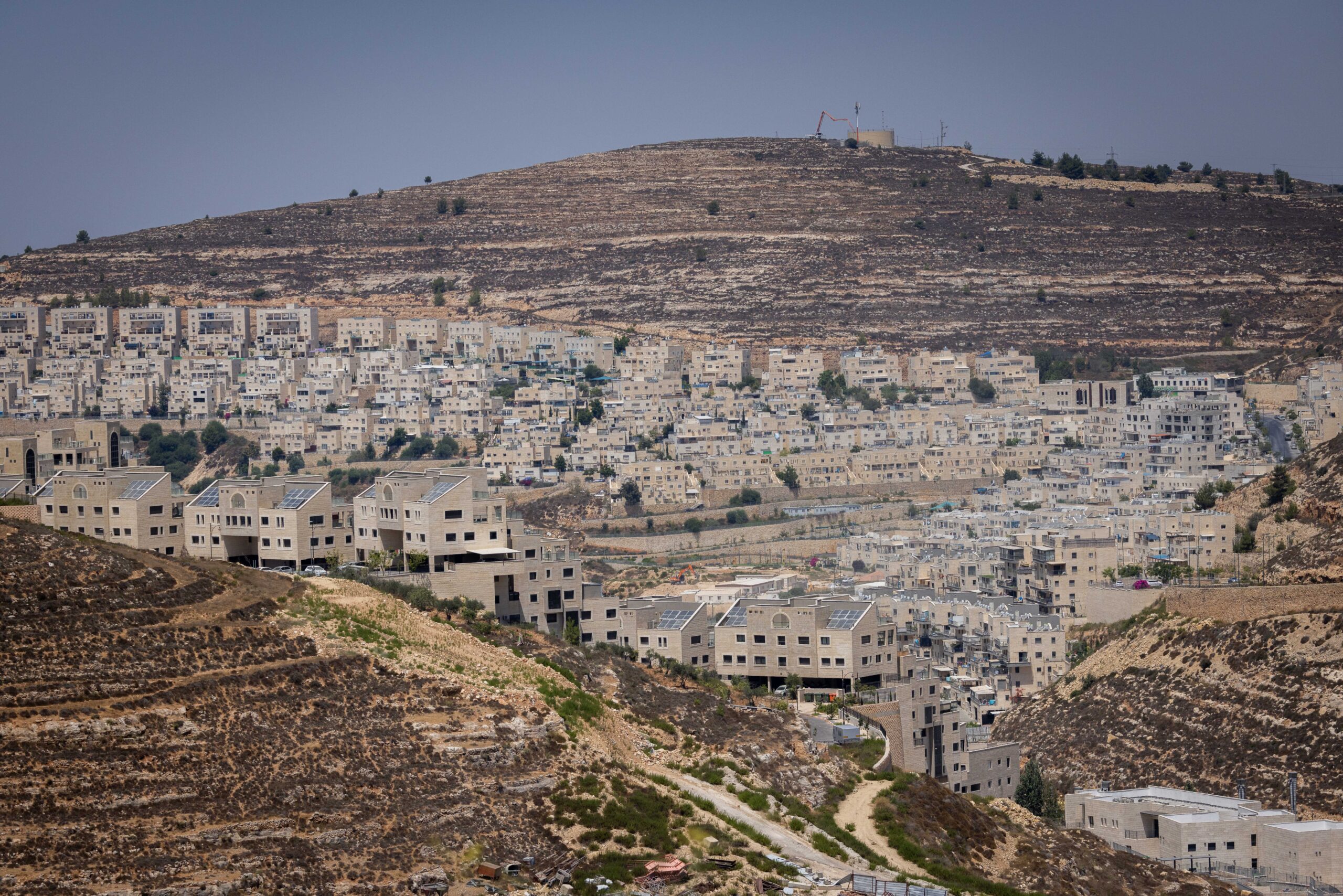
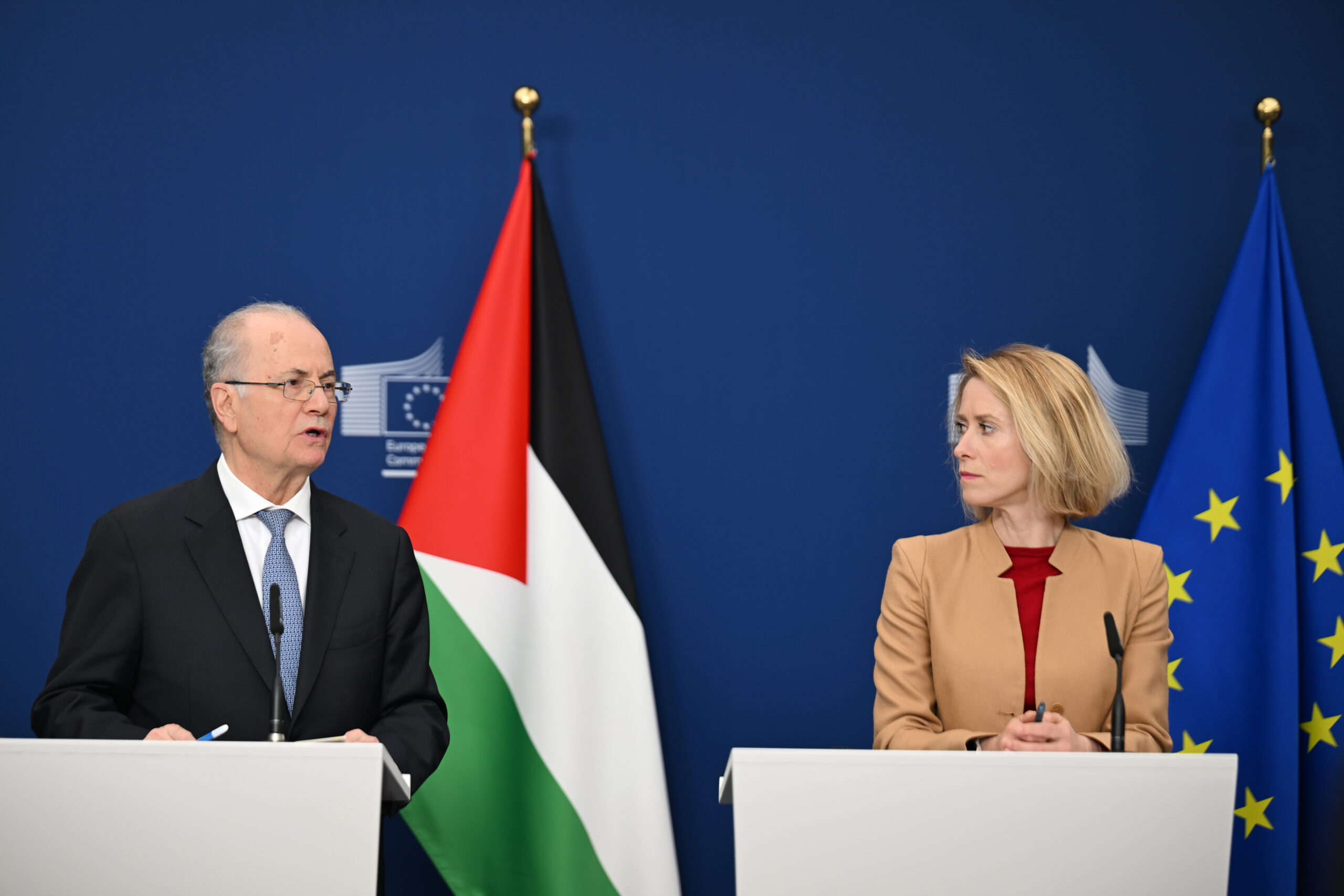
Eleven Western governments and the European Union’s top diplomat published a blistering joint statement on the first day of the Jewish holiday of Shavuot, condemning Israeli plans for the E1 corridor east of Jerusalem and warning Israeli construction firms against bidding for tenders in the area. The statement goes beyond standard diplomatic condemnation. It puts Israeli contractors directly in the crosshairs, signaling that firms bidding on E1 tenders may face sanctions from the signatory states.
The signatories are the United Kingdom, France, Germany, Italy, Canada, Australia, New Zealand, Norway, Spain, Belgium, and the Netherlands, almost all of whom are headed by left-wing governments, alongside EU High Representative Kaja Kallas. They declare E1 development a “serious breach of international law” that would “divide the ‘West Bank’ in two,” and instructed businesses to weigh “legal and reputational consequences” before participating in “settlement” construction.
The statement also perpetuates a dangerous blood libel, publishing “Settler violence is at unprecedented levels,” despite recent data on crime published by the Israel Police that places Judea and Samaria well below the country’s average crime rate, ranking it as one of the most secure civilian areas in Israel. In the latest statement against E1, the enemies of Israel continue to characterize Judea and Samaria as a region defined by widespread ‘settler’ violence in an attempt to justify their own antisemitism and actions that aim to destroy the State of Israel on behalf of Islamists.
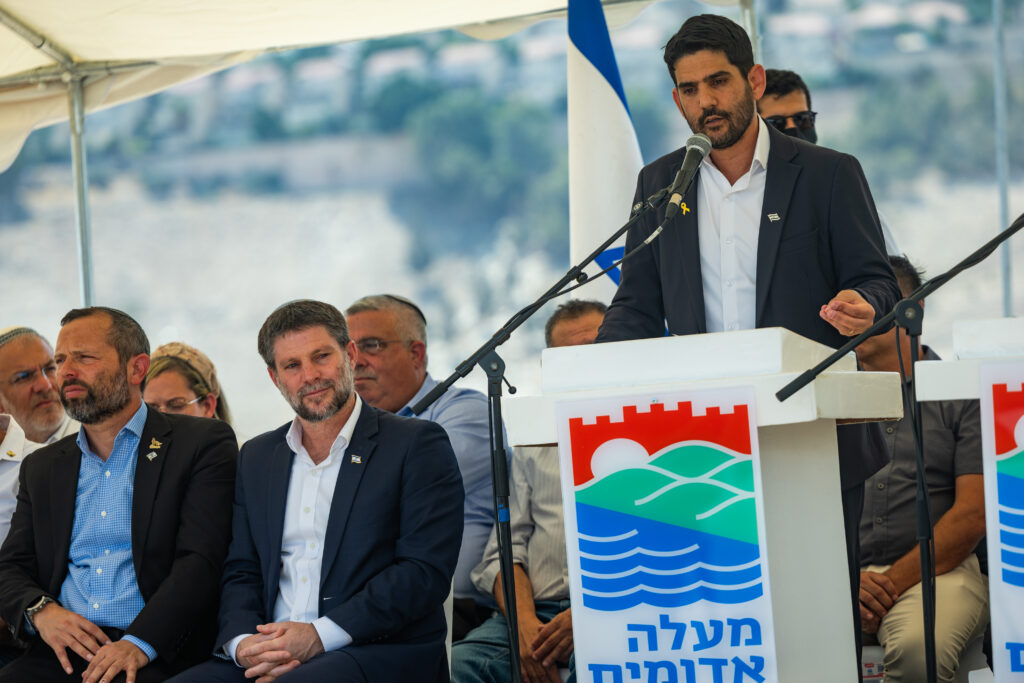
Ma’ale Adumim Mayor Guy Yifrach speaks during a press conference announcing his plans to approve more than 3,000 housing units in the E1 – Photo courtesy: Yonatan Sindel/Flash90
The mayor of Maale Adumim (less than 5 miles east of Jerusalem), Guy Yifrach, responded within hours, saying “Maale Adumim is not a temporary city. Jerusalem is not up for debate. The Mevasseret Adumim neighborhood, E1, will be built soon,” he wrote.
Yifrach predicted that dozens of Zionist construction firms would submit bids regardless of European pressure, “and perhaps precisely because of the threat.” He framed the European position as cowardly capitulation to domestic electorates at the expense of strategic clarity, and said history would judge European leaders for their choices, when liberal democracies came under threat.
The strategic logic Yifrach invoked has guided every Israeli prime minister since Yitzhak Rabin. A territorial connection between Maale Adumim and Jerusalem is treated in Israeli defense doctrine as decisive, with planners consistently rejecting a north-to-south ‘Palestinian’ contiguity that would sever Jerusalem from its eastern suburbs.
Yifrach said he led the historic cabinet decision authorizing the Fabric of Life road alongside the defense minister, and that the road will preserve full ‘Palestinian’ freedom of movement between northern and southern Judea and Samaria once construction proceeds. Critics, he said, are operating “either from ignorance in the best case or antisemitism in the worst.”
Eliya Aviv characterized the European action as an escalation aimed squarely at Israeli industry, and as foreign meddling in the internal affairs of the State of Israel.
“This is the kind of protection racket that even the most experienced contractors have not encountered before,” Aviv wrote. He noted that the joint statement does not stop at diplomatic disapproval but extends direct warnings to individual firms, putting them on notice for possible sanctions from the signatory states. Aviv also reported that among contractors and community leaders, there is great anger over the crude, heavy-handed interference in the internal affairs of the State of Israel. A source in the construction industry told Channel 14: “This is the crossing of a red line. We have seen political pressure before, but direct threats of sanctions on civilian companies carrying out government policy in their own country?”
The E1 corridor sits between Maale Adumim and Jerusalem and has been the subject of international pressure for two decades. Successive Israeli governments have advanced and frozen the project under varying degrees of external pressure. The current cabinet decision marks the most concrete step toward construction since planning began.
The Interior Ministry announced Wednesday it is advancing a change in status for the Givat Ze’ev local council to become a city. The decision came after Interior Ministry Director General Israel Ozan adopted the recommendations of the Geographic Committee and the district commissioner. The move, which represents a significant boost for authorities in the greater Jerusalem area, now awaits the signature of Central Command Chief Maj. Gen. Avi Bluth.
The decision was based on professional staff work by the Geographic Committee for Municipal Status Change, headed by accountant Gabriel Maimon. According to the committee’s findings, Givat Ze’ev currently has about 25,000 residents and is experiencing one of the highest growth rates in Israel. The committee also noted that the council has a distinctly urban character, reflected in master plans and the scope of development and construction planned for the coming years.
Interior Ministry Director General Israel Ozan praised the move: “Givat Ze’ev’s transformation into a city is an important municipal step. The status change will allow the municipal framework to be adapted to the community’s needs, strengthen the authority’s ability to provide services to residents, lead development processes, and manage growth challenges optimally. I recommend that the Central Command chief accept the recommendations and complete the process.”
Givat Ze’ev Council Head Yossi Asraf responded with excitement: “Thank God, a historic moment for Givat Ze’ev. I congratulate the decision and thank Shas movement chairman Aryeh Deri, the Interior Ministry director general, and all the teams. We deeply appreciate the great expression of confidence in the council and its residents. Our transformation into a city is a tremendous lever for action, and we will continue to work with full energy to advance our city to new achievements.”
Military analyst Noam Amir sharply criticized the conduct of fighting on the northern border Wednesday, describing the current situation as a “disgrace.” According to him, Israel has fallen into a symmetrical equation with Hezbollah—a “terrible tactical error” in managing the campaign.
Amir argued the current situation has normalized attacks on Israeli territory: “It’s as if it’s normal that we’re taking fire from Lebanon, both to our forces inside the yellow line and to the communities along the confrontation line.” He added that despite IDF strikes in southern Lebanon, they don’t match the required proportion against Hezbollah’s actions.
Addressing the political dimension and connection to Iran, Amir assessed that the Lebanon ceasefire is temporary and stems from American interests: “The entire ceasefire event in Lebanon was meant to convince Iran to return to negotiations.”
According to him, a shift in U.S. policy should lead to an immediate change in IDF operations: “The moment the United States returns to Iran, there’s no reason anymore to justify the ceasefire in Lebanon. We need to go back to striking deep in Lebanon.”