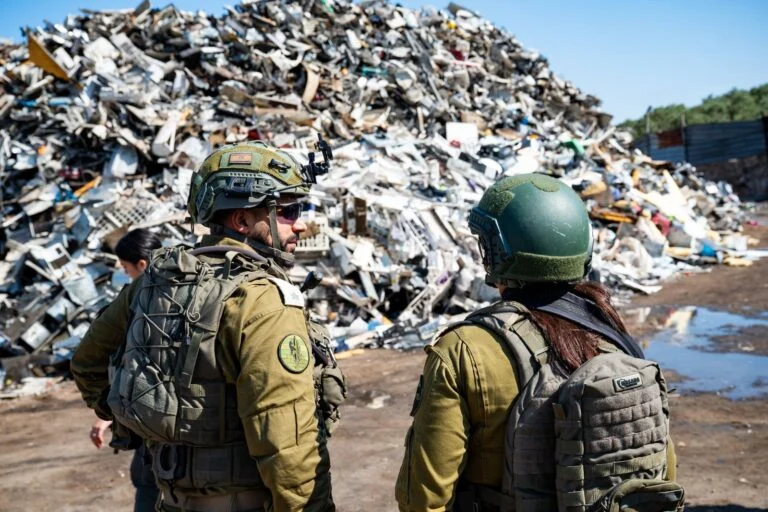
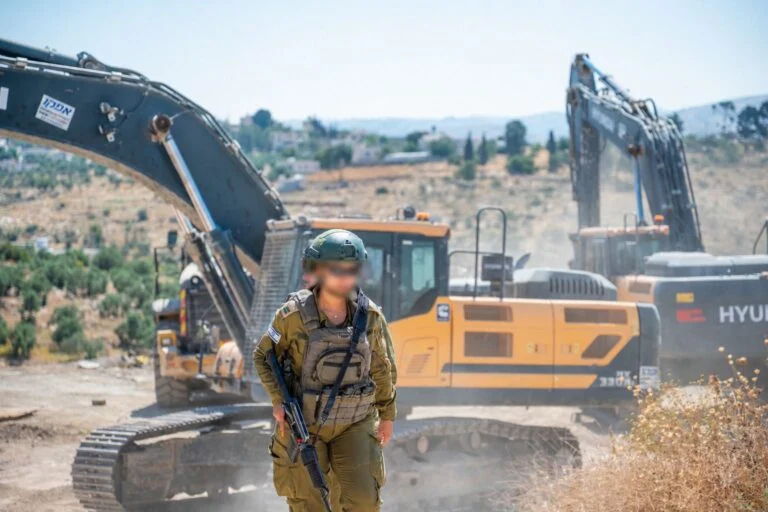
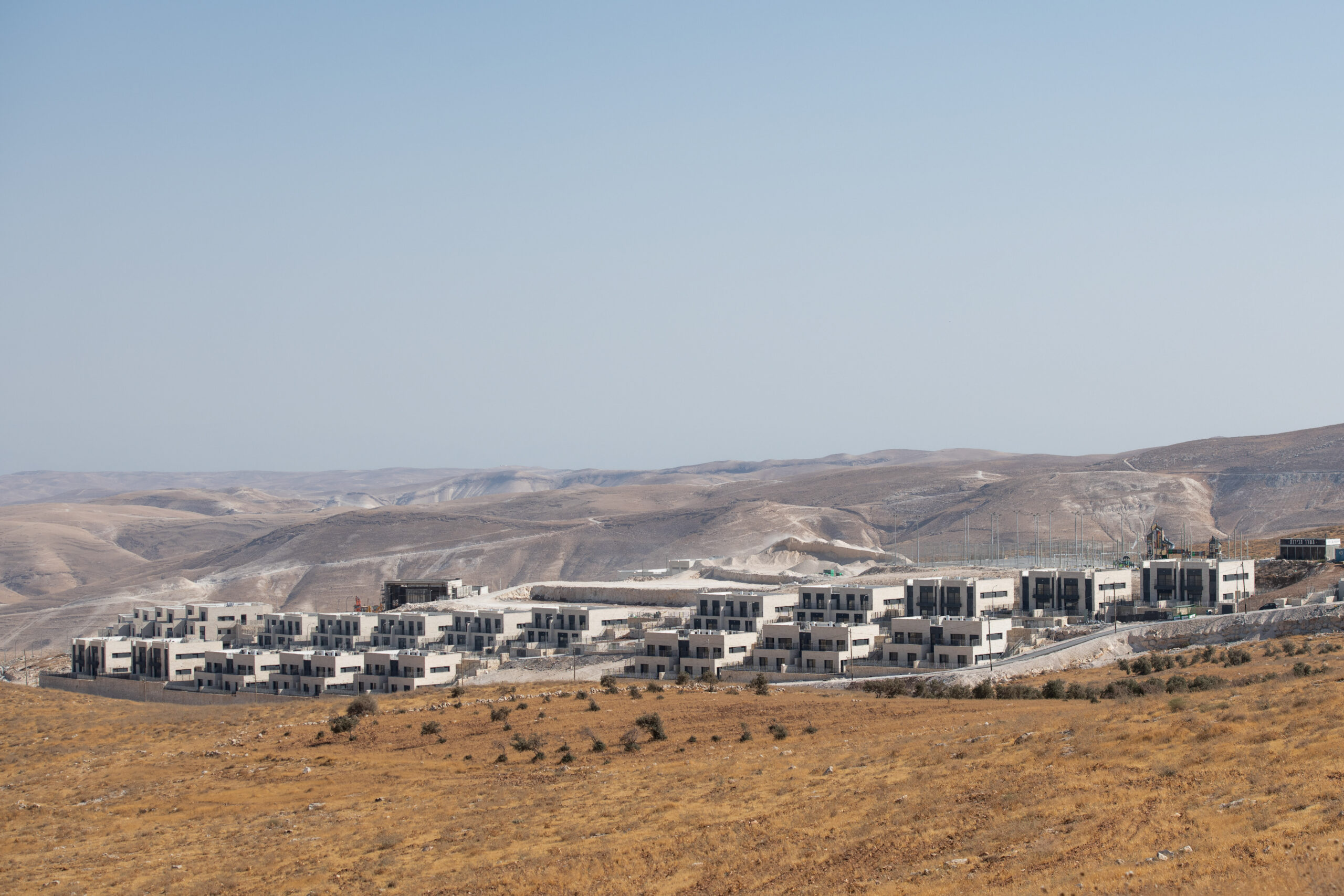
Israeli forces destroyed illegal ‘Palestinian’ waste sites that caused severe air pollution in communities west of Hebron. The sites, operating in violation of the law, burned electronic waste and created a health hazard. The IDF said: “We will continue to act with all means at our disposal against any entity that causes environmental pollution.”
Photo by: IDF Spokespersons Unit
Civil Administration forces operated last night (Wednesday) alongside the enforcement inspection unit to shut down two illegal ‘Palestinian’ compounds operating in the Hebron area that caused severe environmental pollution. The operation was led by the Coordination and Liaison Administration of the Judea Brigade and secured by its forces.
The teams went into action after receiving information about electronic waste burning in two illegal compounds operating in the heart of Hebron, which spread across 8 dunams (about 2 acres). The fires in the area caused severe air pollution in the communities of Shaked, Eliyav, Bnei Dekalim, Nehusha, Givot Eden, Amatzia, Karmei Katif, Otniel, Negohot and Adora.
Photo by: IDF Spokespersons Unit
The Coordination and Liaison Administration in the Judea Brigade said: “The operations carried out in the illegal compounds created a severe health risk to all residents of the area. We will continue to act with all means at our disposal, with a strong hand and zero tolerance, against any entity that causes environmental pollution.”
The changing security reality of recent months makes one thing clear: the IDF understands that Israel’s home front is no longer on the margins of the battle—it’s now an integral part of the main combat arena. The gradual operational shift from Operation “Rising Lion” to Operation “Roaring Lion” reflects a deep conceptual change, requiring civilian and security systems to adapt as quickly as possible to complex and dynamic threats.
Current civilian response planning rests on five core assumptions. First among them: preparing for a distinctly multi-front scenario with sustained threats from several theaters simultaneously—including Iran, Lebanon and Yemen—while managing unprecedented strain on the population.
Another starting point is that this is a prolonged campaign requiring maintaining functional continuity and preserving emergency system readiness over time, understanding that civilian space and critical national infrastructure will be a central target for attack. Alongside this, planning required maintaining high secrecy of operational activities, even at the cost of limiting visible preparations, based on the assessment that the enemy is on high alert allowing it to generate surprise potential at the tactical level on the ground.
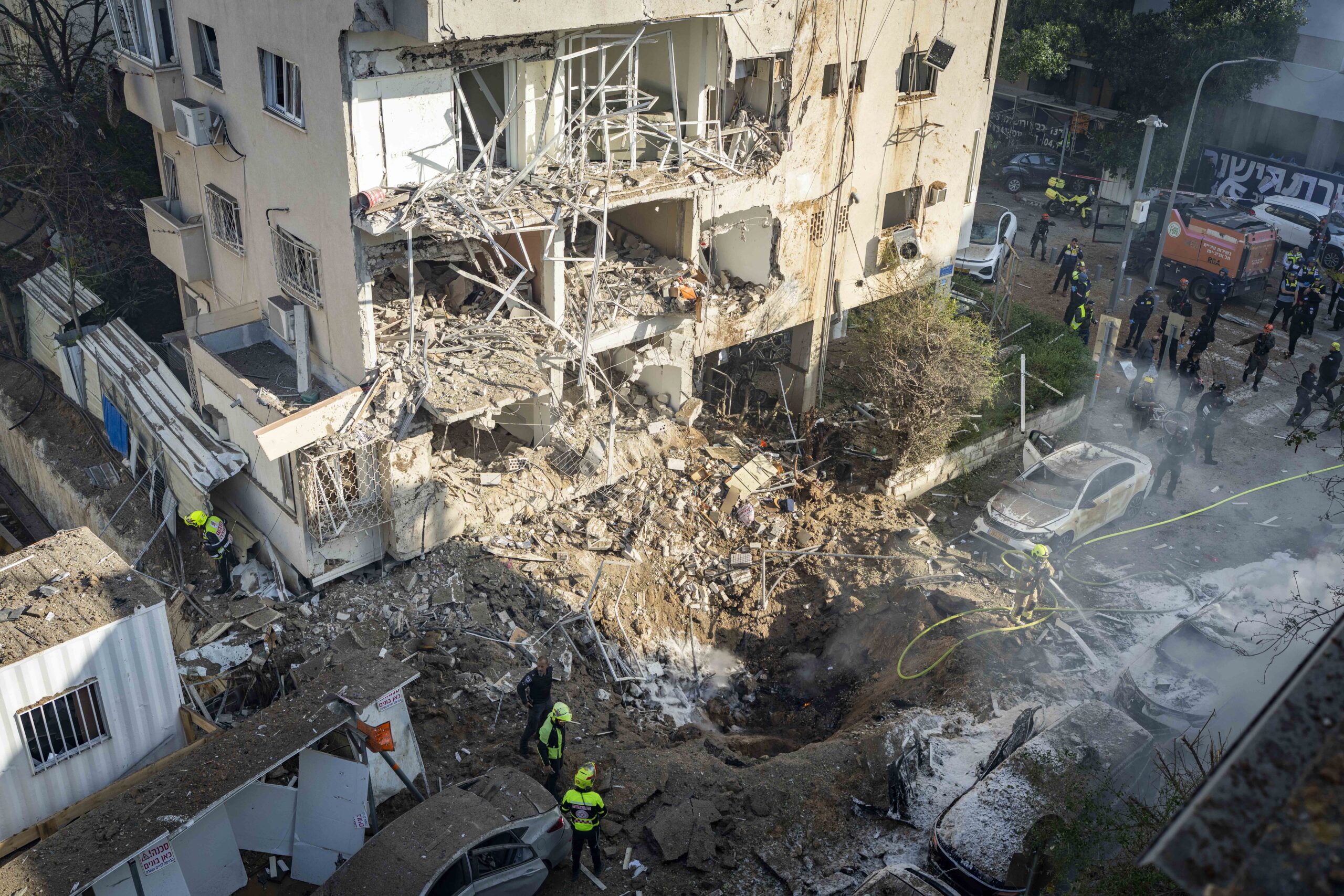
Crash scene in the center, archive | Photo: Flash 90
The most significant change recorded recently is the crystallization of the strategic concept that “Iran is here.” The campaign against Tehran is no longer conducted only in distant arenas—it directly and immediately impacts the home front, which functions as a front in every sense.
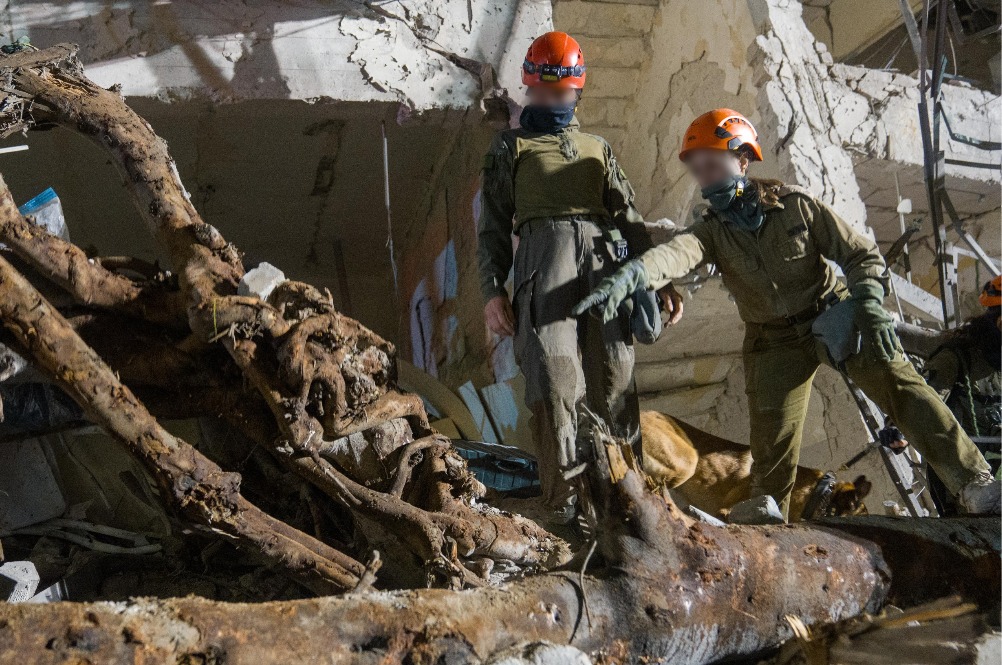
As a result, there’s been a sharp shift from traditional passive defense to managing an active home front that combines advanced warning systems, rapid rescue operations within minutes, precise instructions to the public, and maintaining the economy’s functional continuity. On the ground, this was expressed in raising unprecedented alert levels at headquarters and command centers, shortening response times, and significantly strengthening rescue capabilities at the tactical level.
As part of the operation, the “Northern Lion” program was implemented, focusing specifically on strengthening response and civilian assistance to residents of the confrontation line, while concentrating efforts in physical protection and strengthening local authorities’ readiness to manage emergencies.
In parallel, to meet these goals, an accelerated and continuous process of learning lessons from previous operations is underway, including structured incident investigations and force building that includes opening special training cycles, courses to strengthen rescue battalions, and headquarters exercises. These conclusions are being integrated on an ongoing basis both in the military space among commanders and in the civilian space with local authority heads, emergency officers and emergency organizations.
Home Front Command personnel in action | Photo: IDF Spokesperson
The Operation in Numbers: Scale of Activity Revealed
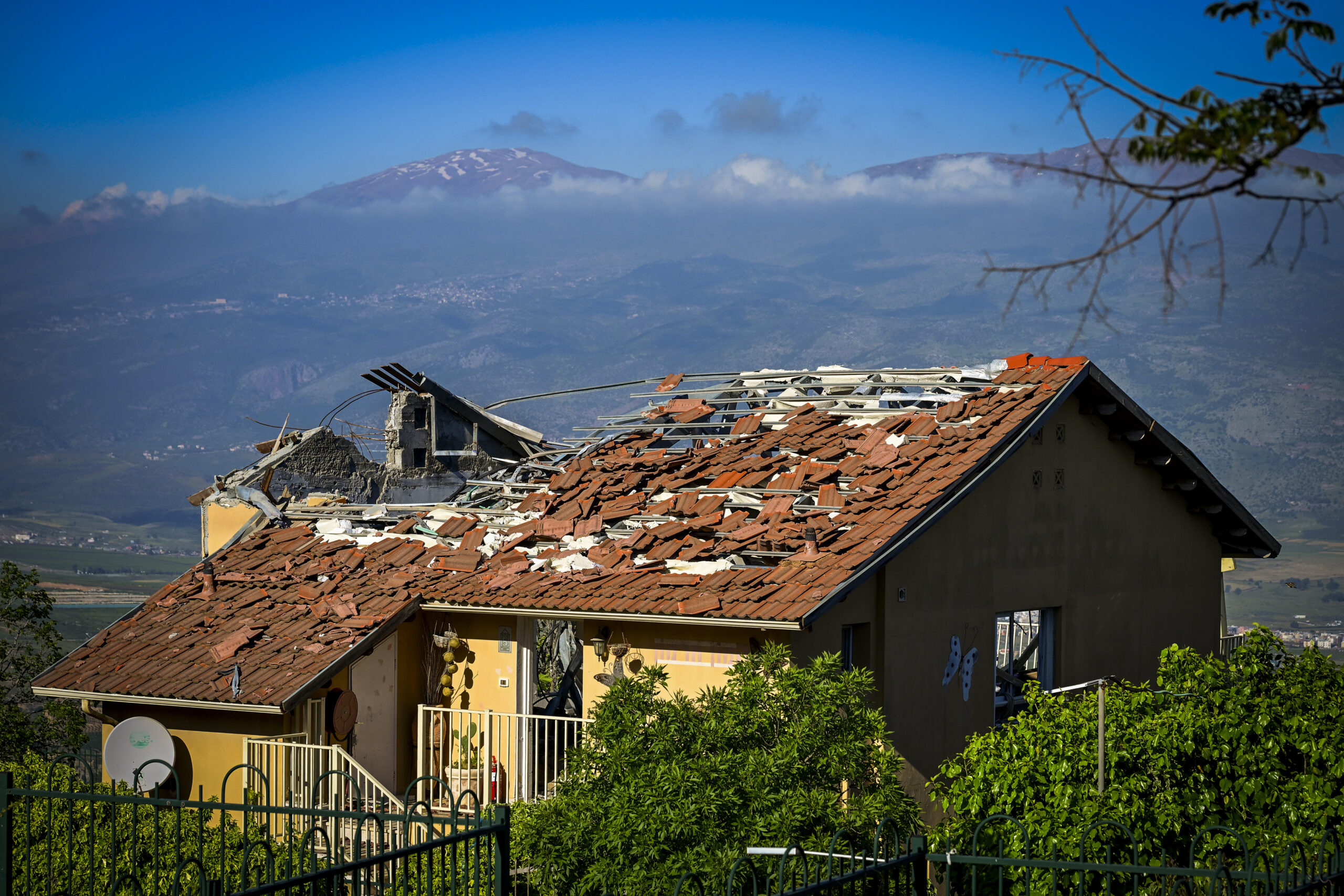
Behind-the-scenes activity data from managing the home front recently illustrates the scale of the challenge and indicates that emergency and rescue forces were required to respond to about 25 significant destruction zones. In total, approximately 1,200 incidents were handled in the context of the Iranian front, alongside about 100 incidents on the Lebanon front. Enormous effort was also invested in improving physical protection, with renovations of about 130 shelters (110 of them in the north) and deployment of about 755 protected spaces across the country (373 of them in the north).
Alongside the physical and operational response, broad emphasis was placed on resilience and public information; about 865 female soldier instructors were recruited and deployed to strengthen civilian resilience in communities, and in parallel 312 information products were produced adapted to different languages and special populations. This massive system is currently managed through 5 district headquarters and 20 sub-district headquarters, operating about 150 different deployment points in civilian space. This wide deployment is designed to ensure that wherever a response is needed, forces will operate quickly and professionally, understanding that saving lives is the supreme value guiding the entire campaign.
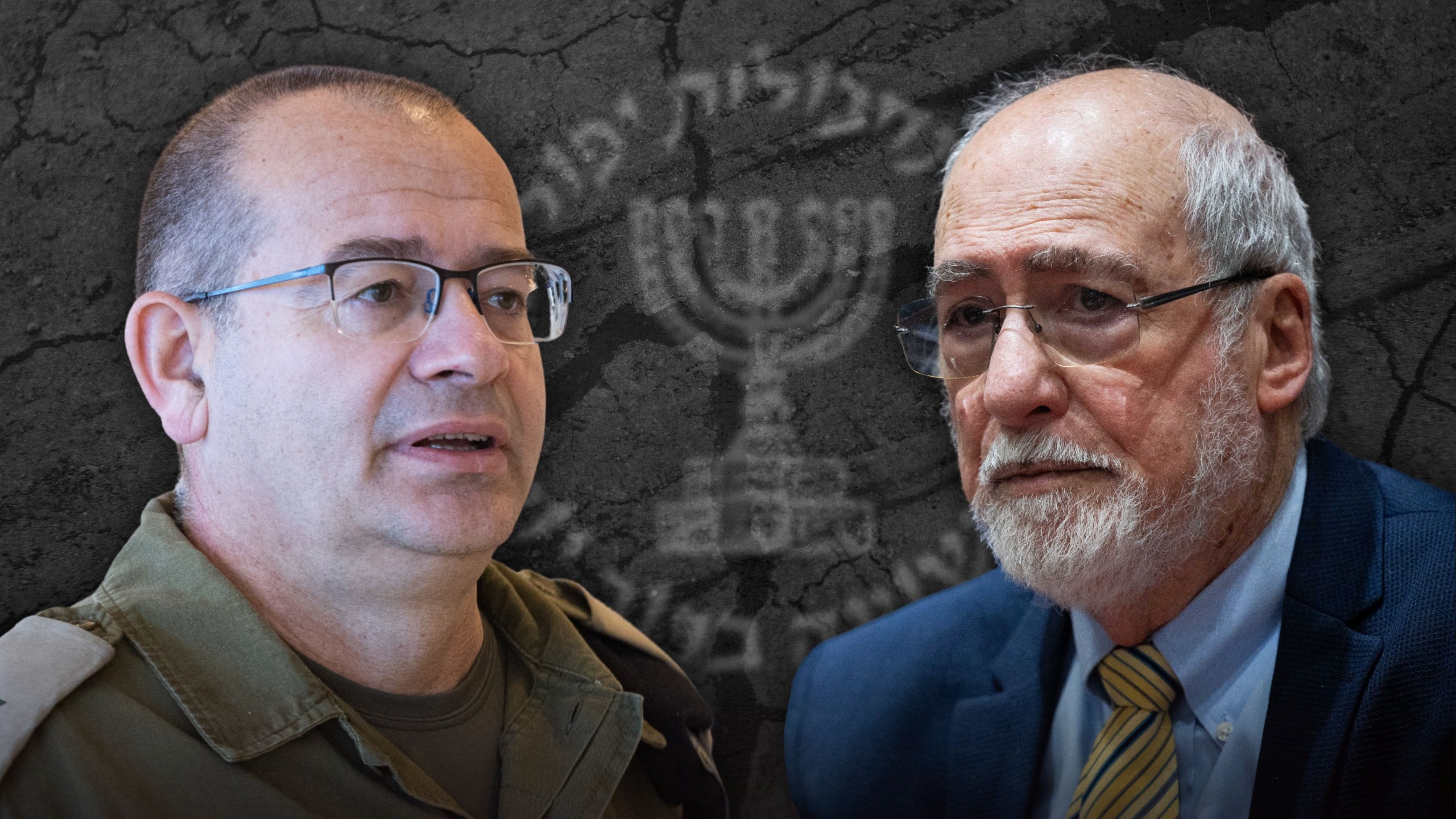
Tuesday evenin Channel 14 has revealed excerpts from Maj. Gen. Roman Gofman’s testimony before the Grunis Committee, and last night (Wednesday) we’re revealed for the first time dramatic transcripts from the testimony of Maj. Tzur—the officer who was in contact with Ori Elmakayes. At the center of the discussion was the claim that Tzur passed classified information to Almakias, a claim he categorically rejected throughout the investigation.
Ori Elmakayes | Photo by: Jonathan Zindel, Flash 90
During the testimony, Judge Asher Grunis asked Tzur whether he only sent Almakias unclassified material. Tzur replied: “To Ori Elmakayes I sent only material from open media sources.” When Grunis mentioned that Almakias claimed he received information that couldn’t be found on the internet, Tzur responded forcefully: “Almakias, I respect him very much, he’s very talented, but on this issue he’s wrong. There’s no material I sent that can’t be found on the internet. You just need to know how.”
The confrontation between the two intensified when Grunis said the committee was shown material that Almakias claimed wasn’t available online. Tzur replied: “The decision whether material is classified or not isn’t up to Almakias. I sat with the investigator for hours upon hours, with all the correspondence, and no classified material I sent to Almakias was found there. I would never send classified material. That’s part of the education I absorbed in Military Intelligence for over a decade.”
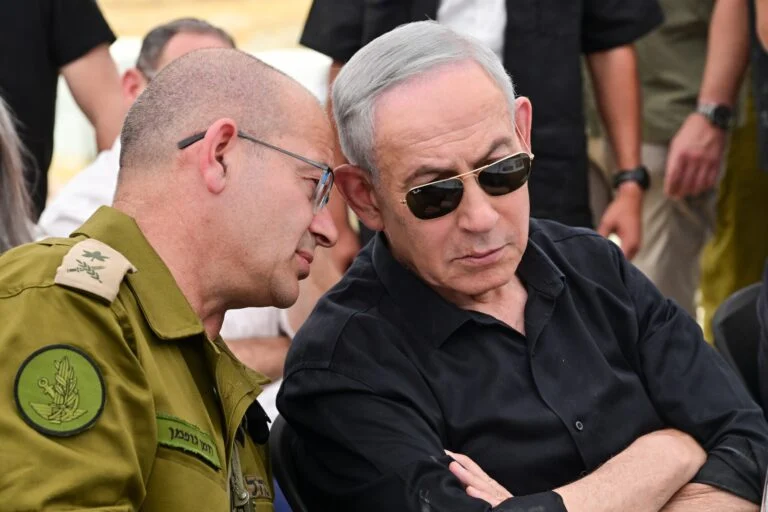
Roman Gofman and Prime Minister Netanyahu | Photo by: Kobi Gideon, GPO
Later, Grunis asked about material concerning Hajj Abu Yasir, a senior Hezbollah official. Tzur replied that abundant material on senior organization figures exists online: “Everyone’s human, everyone has families. And if he’s a senior official, obviously there’s material about him.” Tzur even claimed that during his investigation by the Military Police Criminal Investigation Division, he convinced investigators he didn’t pass classified information: “He confronted me with numerous materials, each and every one I proved to him wasn’t classified. At the end of the investigation he told me: you convinced me you didn’t pass classified material. They wouldn’t have kept me for over a year if I’d been passing classified material.”
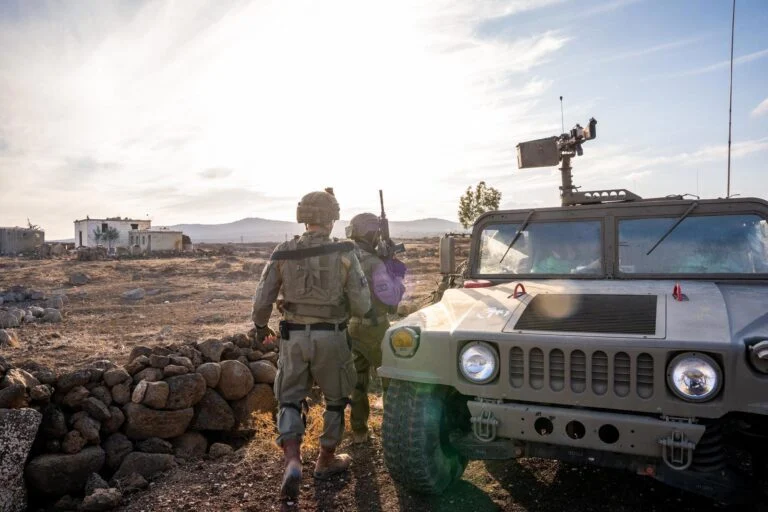
Meanwhile, we’re also revealing the extensive and dramatic testimony of Maj. Gen. Roman Gofman, the candidate for Mossad chief, who presented his security and operational vision to the committee. Gofman addressed his past activity as commander of Division 210 and said: “We conducted hundreds of operations in Division 210. Tamir Hayman, who was then head of Military Intelligence, said the only campaign that succeeded in the IDF was the campaign in southern Golan Heights to prevent Iran and Hezbollah from establishing themselves on that front.”
According to him, alongside firing operations, raids, and intelligence gathering, he also led “influence operations” within his authority and with full approval. He emphasized to the committee: “Are the questions that remain here enough to cast doubt on my integrity? To the point that I’m not worthy to compete? To be appointed to the position?” Additionally, Gofman clarified that the discussed conversation with Col. G didn’t deal with operating Almakias but rather with the much broader context of the hundreds of operations the division conducted and whether a leak of secret information occurred within them.
The most dramatic moment in the testimony came when Gofman addressed the Mossad’s future challenges vis-à-vis Iran. “We’re facing very large security challenges. But also opportunities. Even toppling the regime. The Mossad has taken on an enormous mission,” he said. He continued: “This is the Mossad’s first war and probably not the last. The Mossad is used to conducting covert operations. This is war. This is the Mossad’s first campaign to topple the regime.”
Outgoing head of Mossad David Barnea | photo by: olivier fitoussi, Flash 90
According to him, such a campaign will have “unprecedented implications” for the organization’s structure, operational methods, and future capabilities. Gofman argued that his comparative advantage for the position lies in a broad view of national security and his integrity: “My foundation for meeting this challenge is first of all me with myself, it’s my integrity and the way people will follow.” Gofman also elaborated on his approach to working with civilians, researchers, and people with independent knowledge in security fields. According to him, he makes a point of listening to people outside the system: “Anyone who approaches me in an official capacity and has some idea, or concern, or in the operational security world, I take it seriously.”
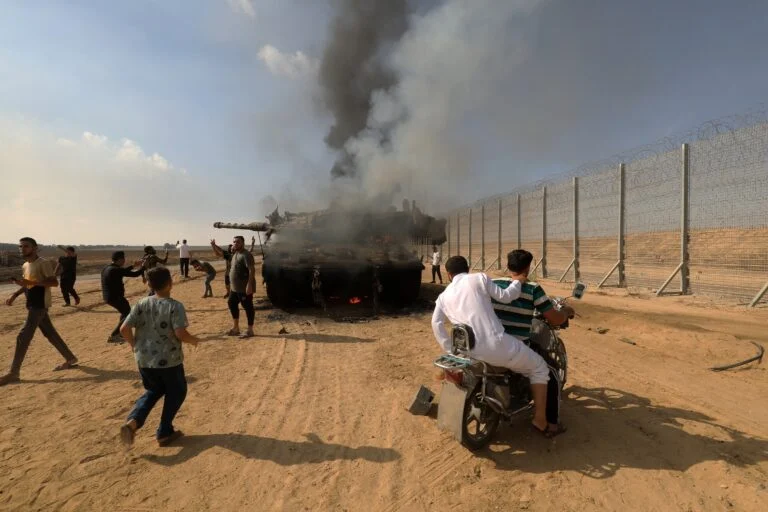
Gazan terrorists breaking through the fences on October 7th | photo by: Shutterstock
He later connected his approach to the lessons of the October 7 attacks and said: “The main thing we learned on October 7 is that the moment systems fence themselves in, intellectually, in interpretation of reality and ideas for dealing with complex problems—that’s the beginning of the end. And I’m not there.” At the end of his testimony, he emphasized that throughout his positions he made a point of speaking with experts, civilians, and academics who dealt with Syria and the Golan Heights: “Anyone who had something real to say about Syria when I was division commander, I made an effort. That’s how it is. That’s how I’m going to operate as Mossad chief too.”
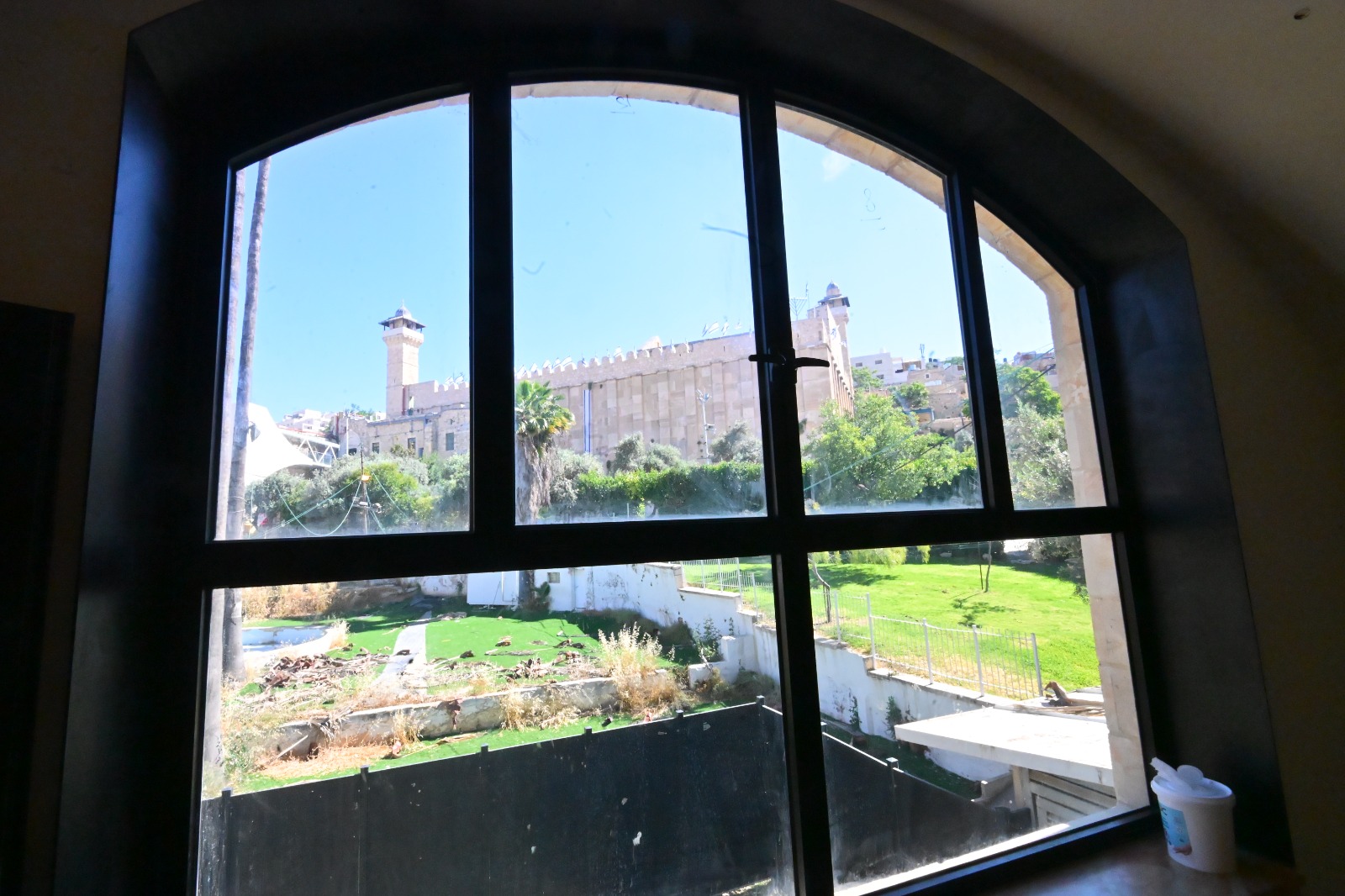
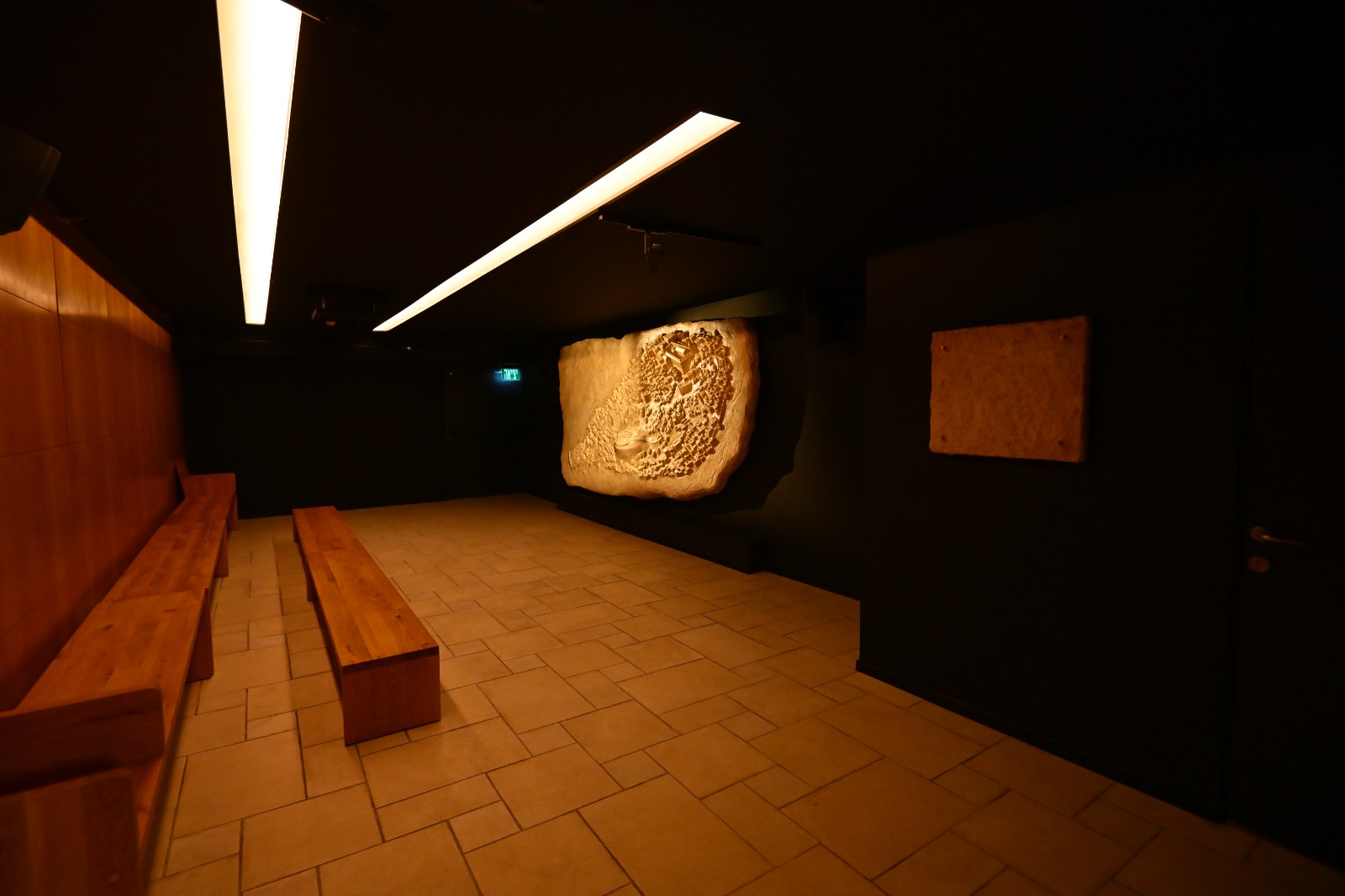
In a historic move to preserve Jewish heritage in Israel’s heartland of Judea, in Hebron, a high-tech visitors’ center has opened at the Field of Machpelah, featuring a multimedia presentation tracing Hebron’s Jewish history from the time of Abraham the Patriarch to the present day. The “Gateway to Hebron” visitor center showcases the historical significance of the site to the Jewish people, and reveals Chabad’s historic role in the city.
Gateway to Hebron offers visitors an immersive journey through the Jewish history of the City of the Patriarchs. The new project, launched this week by Chabad of Hebron, marks the opening of Phase One of the “Field of Machpelah” Visitor Center, a major educational and tourism initiative located directly across from the Cave of the Patriarchs.
Israel’s Heritage Minister Amichai Eliyahu, said at the ribbon-cutting, “The UNESCO organization previously declared the Cave of the Patriarchs a ‘Palestinian’ heritage site. This is our answer to their lies. When an international organization tries to erase thousands of years of Jewish history through a false declaration, we do not respond with statements, but with practical acts of determined sovereignty. This visitor center will tell the true story of the Cave of the Patriarchs and connect the younger generation to its glorious heritage. Meanwhile, the clowns at UNESCO can continue making absurd declarations as much as they want, and we will continue to build, preserve, and pass on our heritage.”
Photo: Chabad of Hebron
Among the senior Israeli leaders attending the inauguration ceremony were Ministers Itamar Ben-Gvir, Amichai Eliyahu, Ze’ev Elkin, and Orit Strook, as well as local mayors, rabbinic leaders, and community representatives from Hebron and Kiryat Arba.
National Security Minister Ben-Gvir spoke about the personal and national connection to the site: “I personally have the privilege of raising my children here in the City of the Patriarchs, but all of Israel deserves the privilege of connecting to our fathers and mothers. The Cave of the Patriarchs is the place where Jewish ownership of the Land of Israel began, where Abraham our forefather purchased the land openly and legally. Strengthening the communities and returning to the City of the Patriarchs are part of returning to our roots. God willing, this visitor center will ensure that every Jew who comes here feels their deep connection to this place.”
Photo: Chabad of Hebron
According to the organizers, many visitors currently come only to pray at the Cave of the Patriarchs and leave without discovering the city’s broader Jewish history and heritage sites. The new center aims to change that by introducing visitors to additional historic locations throughout Hebron, including the ancient Jewish cemetery and the resting place of Rebbetzin Menucha Rachel Slonim, a central figure in early Chabad history in the city.
“Throughout the generations, the Rebbes of Chabad strongly supported and encouraged Jewish life in Hebron,” said Rabbi Danny Cohen, director of Chabad of Hebron. “This center allows every visitor, from every background, to experience the deeper story of Hebron and strengthen their personal connection to the city of our fathers and mothers.”
Photo: Chabad of Hebron
Chabad representatives noted that the connection between Chabad and Hebron dates back centuries, beginning with the Alter Rebbe, founder of Chabad, who sent financial support to strengthen the city’s Jewish community. The Mitteler Rebbe later purchased property in Hebron and famously called upon Chassidim to help build and support the Jewish settlement there.
The project was developed by Chabad of Hebron with significant private support, together with assistance from Israel’s Ministry of Heritage. Organizers say this newly opened phase is only the beginning of a much larger vision for the site’s future.
Residents of Givat Tzon Aviezer in Samaria found an injured and exhausted stork yesterday in grazing fields after it was hurt at an illegal ‘Palestinian’ dump near the village of Deir Istiya in Judea & Samaria. The stork, which lost its ability to fly, was taken to safety on the hilltop and treated by residents before being transferred to Israel Nature and Parks Authority inspectors for medical care and eventual release back into the wild.
The incident underscores the consequences of ongoing environmental damage in the area. An illegal ‘Palestinian’ dump operated by the village of Deir Istiya attracts thousands of migrating birds each year that see it as a food source, according to residents. The food scattered among mountains of garbage and toxic smoke causes severe damage to nature and the birds themselves, posing a serious environmental hazard.
Yesterday, residents of Tzon Aviezer—a Jewish village located between the communities of Yitzhar and Emmanuel—found the stork injured in its legs and body after spending time at the dump. It landed on the ground in the grazing fields after losing its ability to fly, completely exhausted.
Immediately after finding it, residents took the stork to safety on the hilltop, where they brought it water and food. The residents reported to the Nature and Parks Authority, and an inspector arrived to collect the stork for urgent medical treatment with the goal of returning it to the wild. This incident follows an earlier case just two weeks ago, when residents documented another stork trying to fly with a large plastic sheet from the dump wrapped around its neck.
Oz Yehuda Rom, a Tzon Aviezer resident who found the stork with his wife Tamar, addressed the situation and said that “the enormous environmental damage created by the ‘Palestinian’ Authority is incomprehensible and strikes every corner.” Rom added that “we and the other communities in the area breathe the toxic smoke from the dump every day, but we see again and again that animals are also harmed by it.”
Rom emphasized the importance of Israeli presence in the area: “This time, thank God, we were here in the field to locate and provide assistance to the animals harmed by environmental terror, but before the hilltop was established, the lawlessness here on the ridge was severe. We learned from this today once again—only settlement will prevent Arab terror of all kinds, and will restore security and peace to the people of Israel and to nature.”
Political analyst Tamir Morag said today (Wednesday) that the U.S. naval blockade on Iran is proving more effective than military strikes, costing Tehran between $400 and $450 million per day—roughly $12 to $13 billion per month.
“This isn’t a situation they can sustain long-term, which is why they’re so eager to end this,” Morag told interviewer Boaz Golan. He argued that beyond the options of signing a new deal or launching a major military operation, there’s a third path: maintaining heavy economic pressure.
The blockade, Morag said, is the most painful tool against the Iranian regime—possibly more than renewed bombing, unless oil infrastructure is targeted. “This is what hurts them most. More than resuming the bombardments.”
The Strait of Hormuz | Photo: Shutterstock
As for how long the regime can survive under these conditions, Morag estimates not weeks but five to six months. “In the end they’ll reach a point where, in the simplest terms, there won’t be food in Iran,” he said.
That scenario could trigger civil unrest threatening the regime’s stability. Morag explained that once people have no food, they take to the streets despite the risk. “When those two options face each other, people go out to the streets.” It’s a scenario, he said, that Iran’s leadership wants to avoid.
Photo: The White House
Despite the heavy pressure, Morag emphasized it’s hard to predict the United States’ next moves given President Trump’s inconsistency. He noted that last week Trump ordered an attack on Iran and reversed course at the last minute.
“Sometimes even Trump himself doesn’t know, or more accurately, no one in the world knows,” Morag said, adding that “if the blockade continues long-term, the Iranian regime will be forced to fire in all directions to try to end this.”
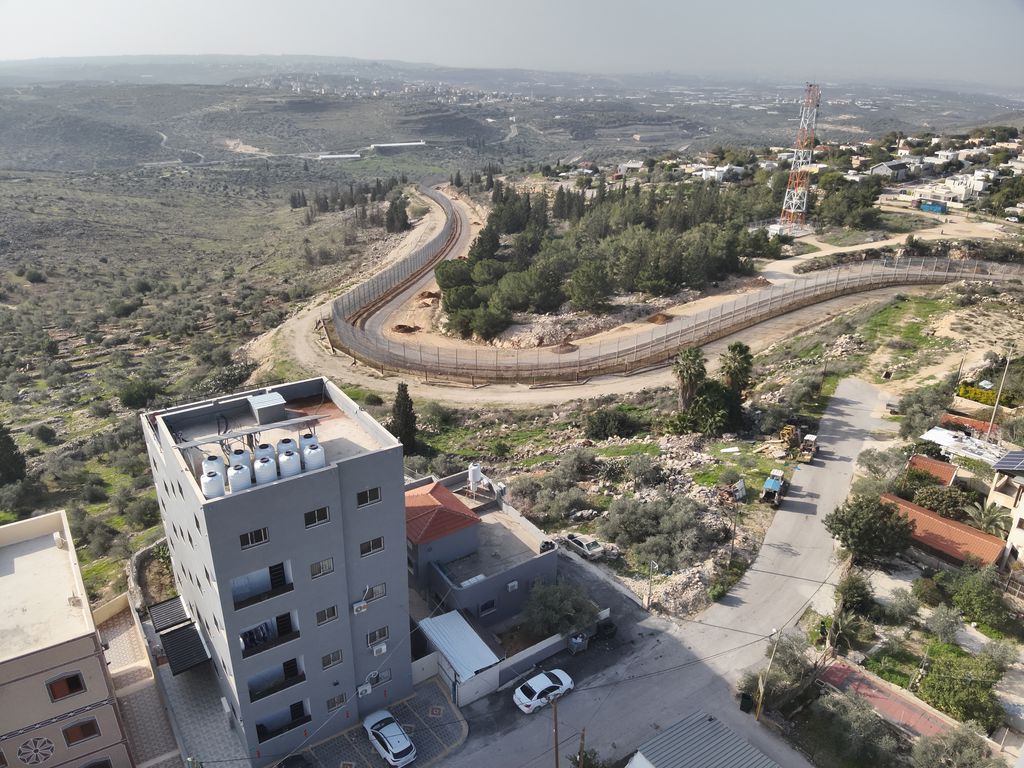
The Shomron Regional Council and Regavim petitioned the High Court of Justice on Wednesday demanding the immediate demolition of an illegal five-story Arab building standing adjacent to homes in Sal’it. The petition was filed after Regavim sent an urgent letter to government ministers highlighting the severe security threat posed by the structure.
The building, erected by Arabs from the area, sits just 75 meters from Sal’it’s security fence and 250 meters from residential homes. It also stands near a critical electrical facility, heightening concerns it could be exploited for hostile purposes.
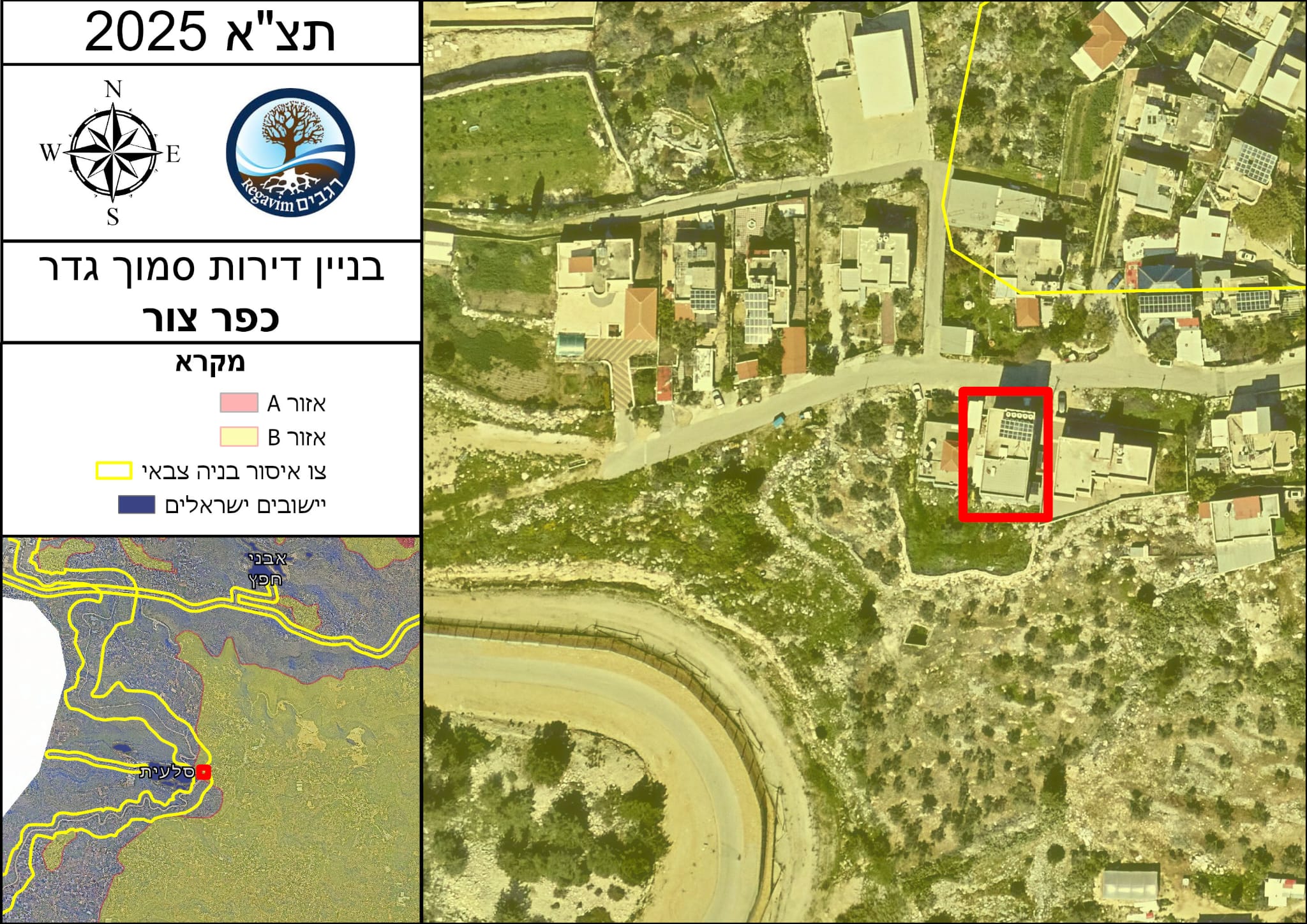
According to data and aerial photographs Regavim attached to the petition, construction and development of the building began in 2022 and was only recently completed. In recent months, a new playground was even built next to the structure, indicating plans for permanent habitation. Throughout the construction period, council and Regavim inspectors repeatedly reported the activity to enforcement authorities, but no action was taken on the ground to halt the building.
Security concerns in Samaria | Photo: Regavim
Regavim emphasizes that although the building itself was constructed in Area B, security responsibility for the zone falls on Israeli forces and the security establishment. Due to the grave risk to the community, a military construction ban was originally imposed on the site, but the order was never enforced. The structure completely violates a security axis and directly overlooks homes in Sal’it, posing a tangible danger to Israeli forces and area residents.
Yossi Dagan, head of the Shomron Regional Council, addressed the petition: “We are acting responsibly and out of genuine concern for residents’ security. The reality where such a tall building stands near a community, overlooking family homes and a security axis, demands swift and clear action. After October 7, there’s no room for tolerance and a soft hand. Even though the building is in Area B, there’s no logic in tolerating and turning a blind eye to this illegal construction that endangers residents.”
Dagan added that “we trust the security establishment will thoroughly examine the risk and act according to its responsibility to remove the structure and protect the area’s security. After October 7, we all understand how critical it is not to leave such weak points in the field.” His words reflect frustration with the lack of enforcement and the demand for decisive action.
Roi Drucker, Regavim’s director for Judea and Samaria, reinforced the message: “Anyone with sense understands that illegal construction adjacent to communities and roads creates infrastructure for terror, and the danger to life is only a question of time. Alongside the welcome trend reversal and significant increase in enforcement in Area C in Judea and Samaria, the system cannot abandon citizens’ security and hide behind claims of lack of authority because the area is classified as B. The security establishment has responsibility, full authority, and more than anything—an obligation to protect security and not allow the enemy to exploit the vacuum.”
Government ministers sharply criticized Hezbollah’s ceasefire violations at Tuesday night’s cabinet meeting on Lebanon and demanded a change in Israel’s response strategy. Proposals raised during the discussion included: direct strikes on Lebanese government infrastructure, seizing territory, and a large-scale operation to displace the population and level the Dahieh district in Beirut.
Many ministers called for taking a harder, more aggressive line against Hezbollah following the terror group’s continued attacks despite the ceasefire agreement.
Energy Minister Eli Cohen attacked Israel’s restraint: “It’s strange that we need to be cautious when they’re hitting us during a ceasefire—they’re violating it and we need to be cautious? We have the right to act!” Later in the discussion, Cohen added that in his view there’s no choice but to expand the targets: “There’s no escape but to strike the Lebanese government too so they pay a price. They’re a country and they’re responsible and we need to hit their infrastructure.”
Transportation Minister Miri Regev raised the question of the neighboring state’s responsibility and wondered: “What is Lebanon doing against Hezbollah?” National Security Minister Itamar Ben-Gvir dismissed her question: “They’re not doing anything! They have two Hezbollah ministers—it’s the mother of all revolving doors.”
The ministers then began discussing ways to create effective deterrence against Lebanon. Settlement and National Missions Minister Orit Strock noted that “we need to look for what hurts them.” Defense Minister Israel Katz laid out his position, saying that “what hurts them is taking their territory.”
Ben-Gvir demanded replicating the Gaza Strip operational model in Lebanon’s capital: “What will hurt them is if we level Dahieh! We’ll do there what we did in Rafah—displace the population. I understand some won’t like this, but the red line is harm to our soldiers and civilians.” Agriculture Minister Avi Dichter said that “we need to see if the moves the IDF is proposing are sufficient.”
Coalition chairman MK Ofir Katz announced that the Knesset Committee will hold a debate and vote Monday on the Knesset dissolution bill for its first reading, with the bill also going to the plenum the same day. The move marks a significant acceleration by the coalition toward dissolving the Knesset and heading to elections—which could come even earlier than originally planned.
Last week, the dissolution bill passed its preliminary reading with 110 supporters and zero opponents. But the legislative process still has a long road ahead, including a vote in the Knesset Committee, a first reading vote in the plenum, and if successful, preparing the bill in committee again before passing it in second and third readings for final approval.
Photo: Chaim Goldberg
Meanwhile, Knesset reporter Avraham Hasson reported that the Central Elections Committee announced elections can be held even if 90 days have not passed since the dissolution bill’s approval in second and third readings.
This represents a very different procedure from the usual practice. However, the committee noted that “typically, in all election campaigns, the committee was allocated 90 days for preparation, partly due to the need to perform actions according to law that require time intervals between one action and another (by law).” Despite the accelerated legislative process, no official election date has been set yet.
Israel has launched a groundbreaking digital platform that will allow citizens to register land in Judea and Samaria online for the first time—just as they do within the Green Line.
The system, called “Rimon,” was established by Justice Minister Yariv Levin and Finance Minister Bezalel Smotrich. It marks what officials are calling a historic step toward applying practical sovereignty in Judea & Samaria.
Minister Yariv Levin and Minister Bezalel Smotrich | Photo: Haim Goldberg, Avshalom Shoshani, Flash 90
Until now, land registration in Judea and Samaria operated through an outdated system. Applicants had to physically visit registration offices to open files, submit documents by hand, and pay fees in person. The cumbersome bureaucracy not only hurt development and delayed projects for years—it also left a dangerous opening for land fraud.
Starting today, the Rimon system eliminates the need for physical visits entirely. Users can complete all transactions remotely through a secure personal portal integrated with Israel’s national identification system.
Key Changes Now in Effect:
• Online submission and payment: Opening files, entering property details, attaching required documents, and paying fees are all done digitally.
• Efficient error handling: If a file has missing information or errors, corrections and additions are made directly through the system without visiting an office.
• Personal portal for attorneys: Allows ongoing tracking of application status, viewing correspondence and notifications, and obtaining updated land registry records online.
• Advanced internal management: Files submitted starting today will be processed automatically, preventing delays and increasing transparency.
• Time reduction: Average processing time for land registration will plunge from 14 business days to just 4 days.
Officials describe the move as correcting a historic injustice and taking a significant strategic step that normalizes life in Judea and Samaria, eliminates bureaucratic discrimination, and advances Israel toward full sovereignty in the territory.