



The understandings taking shape between the United States and Iran are creating sharp political upheaval in Jerusalem and threatening to demolish Likud’s election strategy ahead of October.
Internal documents and assessments reveal that early on, based on intelligence reports and the wave of protests in Tehran, Prime Minister Benjamin Netanyahu believed Operation Roaring Lion would lead to the fall of the ayatollah regime and even the signing of a historic peace agreement. Now, in light of President Donald Trump’s ceasefires and the emerging deal, the prime minister’s campaign headquarters has been forced to shelve its core messages.
Any agreement—or lack thereof—between Iran and the U.S. carries dramatic political implications. Early on, the prime minister believed, based on Israeli intelligence assessments, that there was a chance of toppling the Iranian regime and even signing a peace deal between Israel and a new Iran. Now, not only has that dream been shelved, but there’s even a danger that several of the prominent messages Netanyahu planned will completely destroy Likud’s campaign and force the prime minister and his campaign staff to think of an entirely different set of messages in an attempt to salvage what they can.
Several months ago, Netanyahu seriously believed—and even shared this with a handful of political figures—that the regime could be toppled soon. This was during the days of mass protests in Iran and before the launch of Operation Roaring Lion on Iranian soil. The prime minister, who already estimated then that elections would be held on schedule or close to it—meaning late October—even calculated the timing so that it would be possible to allow the new regime to establish its leadership in the country and restore Iran-Israel relations to the pre-1979 Islamic Revolution days.
As the military operation dragged on and Trump announced a ceasefire, Netanyahu understood this would no longer happen. The hope that was and remains is a decisive victory in the war. Netanyahu very much wanted a successful conclusion of the Iran campaign to lead to an equally successful conclusion of the other open fronts in Lebanon and Gaza. The prime minister didn’t want the closure of these arenas to be made as an election promise but rather to be carried out before them. Now, in light of developments, all of this is in doubt.
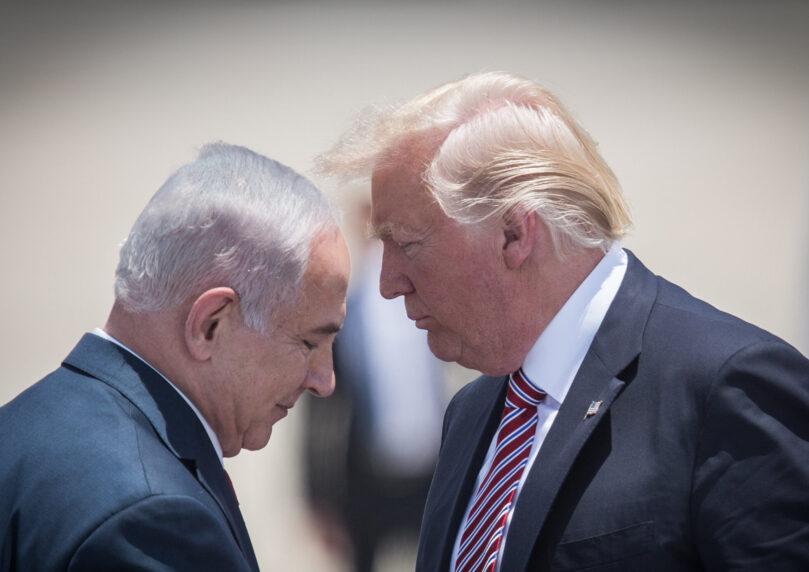
Another message in the campaign is his boasting about the warm and special relationship with Trump. But the public anger now at the U.S. president—which, if the details of the reported agreement prove accurate, will most likely lead to shelving this message as well. Netanyahu is indeed in a warm and friendly relationship with Trump, and even managed to enlist him for military action against Iran, something that can be assessed with certainty would not have been possible with any other president, but now a big question mark hangs over whether Trump is still an object of admiration as he was and a figure to boast about in the upcoming Likud campaign.
Since last night’s developments, senior government officials have wrapped themselves in silence and it’s possible things are not as they currently appear. But if they are, there’s no doubt that Likud’s main messages in the coming months have fallen into no simple predicament.