


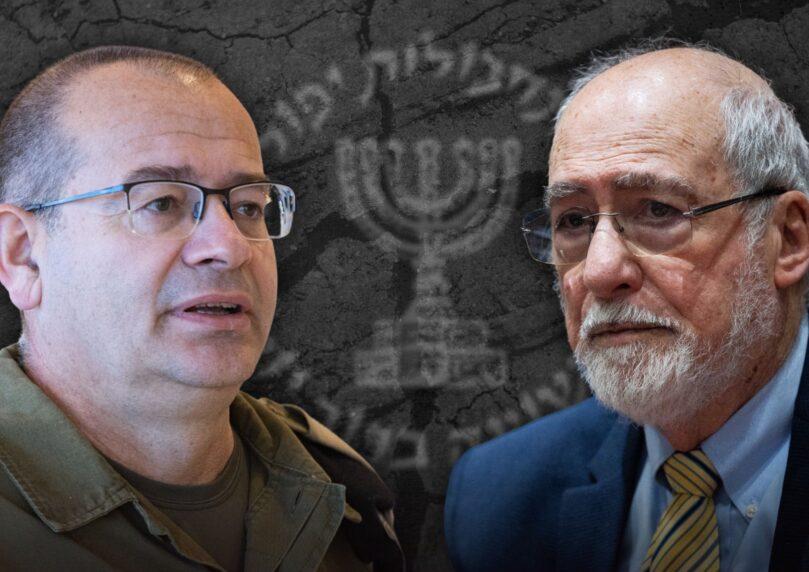

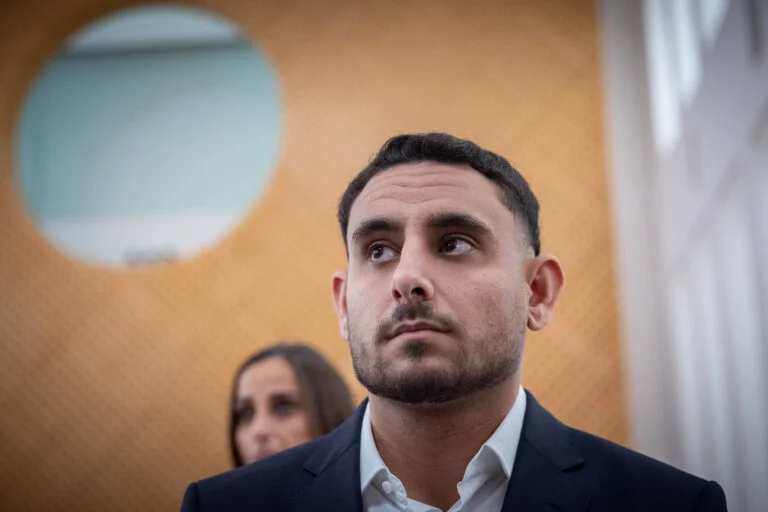
Tuesday evenin Channel 14 has revealed excerpts from Maj. Gen. Roman Gofman’s testimony before the Grunis Committee, and last night (Wednesday) we’re revealed for the first time dramatic transcripts from the testimony of Maj. Tzur—the officer who was in contact with Ori Elmakayes. At the center of the discussion was the claim that Tzur passed classified information to Almakias, a claim he categorically rejected throughout the investigation.

 4+
During the testimony, Judge Asher Grunis asked Tzur whether he only sent Almakias unclassified material. Tzur replied: “To Ori Elmakayes I sent only material from open media sources.” When Grunis mentioned that Almakias claimed he received information that couldn’t be found on the internet, Tzur responded forcefully: “Almakias, I respect him very much, he’s very talented, but on this issue he’s wrong. There’s no material I sent that can’t be found on the internet. You just need to know how.”
The confrontation between the two intensified when Grunis said the committee was shown material that Almakias claimed wasn’t available online. Tzur replied: “The decision whether material is classified or not isn’t up to Almakias. I sat with the investigator for hours upon hours, with all the correspondence, and no classified material I sent to Almakias was found there. I would never send classified material. That’s part of the education I absorbed in Military Intelligence for over a decade.”
 4+
Later, Grunis asked about material concerning Hajj Abu Yasir, a senior Hezbollah official. Tzur replied that abundant material on senior organization figures exists online: “Everyone’s human, everyone has families. And if he’s a senior official, obviously there’s material about him.” Tzur even claimed that during his investigation by the Military Police Criminal Investigation Division, he convinced investigators he didn’t pass classified information: “He confronted me with numerous materials, each and every one I proved to him wasn’t classified. At the end of the investigation he told me: you convinced me you didn’t pass classified material. They wouldn’t have kept me for over a year if I’d been passing classified material.”
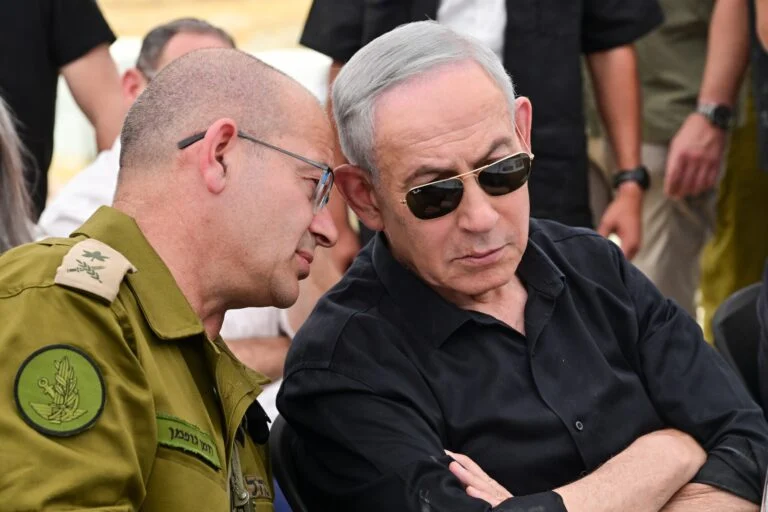
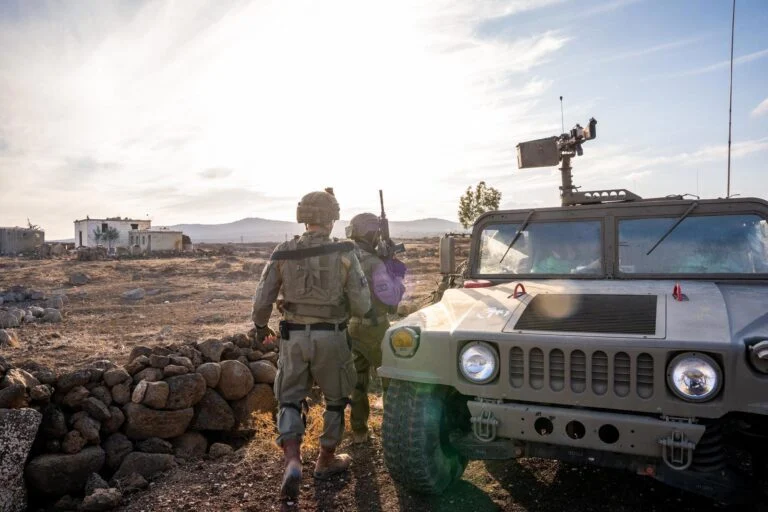
Meanwhile, we’re also revealing the extensive and dramatic testimony of Maj. Gen. Roman Gofman, the candidate for Mossad chief, who presented his security and operational vision to the committee. Gofman addressed his past activity as commander of Division 210 and said: “We conducted hundreds of operations in Division 210. Tamir Hayman, who was then head of Military Intelligence, said the only campaign that succeeded in the IDF was the campaign in southern Golan Heights to prevent Iran and Hezbollah from establishing themselves on that front.”
 4+
According to him, alongside firing operations, raids, and intelligence gathering, he also led “influence operations” within his authority and with full approval. He emphasized to the committee: “Are the questions that remain here enough to cast doubt on my integrity? To the point that I’m not worthy to compete? To be appointed to the position?” Additionally, Gofman clarified that the discussed conversation with Col. G didn’t deal with operating Almakias but rather with the much broader context of the hundreds of operations the division conducted and whether a leak of secret information occurred within them.
The most dramatic moment in the testimony came when Gofman addressed the Mossad’s future challenges vis-à-vis Iran. “We’re facing very large security challenges. But also opportunities. Even toppling the regime. The Mossad has taken on an enormous mission,” he said. He continued: “This is the Mossad’s first war and probably not the last. The Mossad is used to conducting covert operations. This is war. This is the Mossad’s first campaign to topple the regime.”
 4+
According to him, such a campaign will have “unprecedented implications” for the organization’s structure, operational methods, and future capabilities. Gofman argued that his comparative advantage for the position lies in a broad view of national security and his integrity: “My foundation for meeting this challenge is first of all me with myself, it’s my integrity and the way people will follow.” Gofman also elaborated on his approach to working with civilians, researchers, and people with independent knowledge in security fields. According to him, he makes a point of listening to people outside the system: “Anyone who approaches me in an official capacity and has some idea, or concern, or in the operational security world, I take it seriously.”
 4+
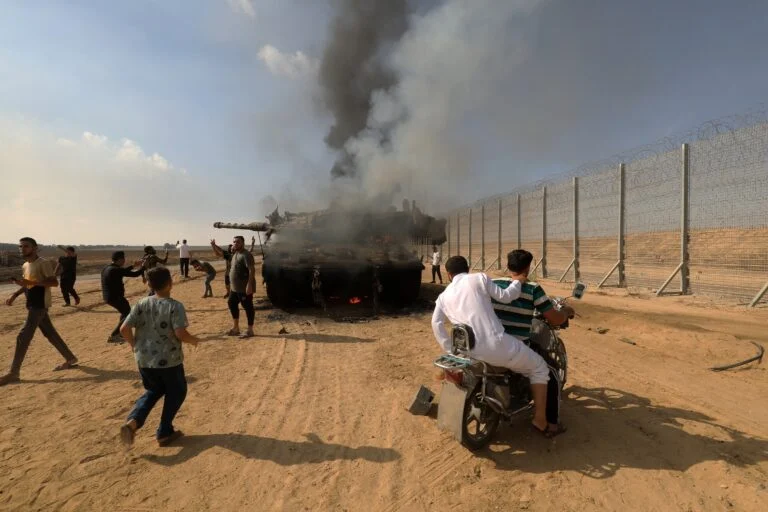
He later connected his approach to the lessons of the October 7 attacks and said: “The main thing we learned on October 7 is that the moment systems fence themselves in, intellectually, in interpretation of reality and ideas for dealing with complex problems—that’s the beginning of the end. And I’m not there.” At the end of his testimony, he emphasized that throughout his positions he made a point of speaking with experts, civilians, and academics who dealt with Syria and the Golan Heights: “Anyone who had something real to say about Syria when I was division commander, I made an effort. That’s how it is. That’s how I’m going to operate as Mossad chief too.”