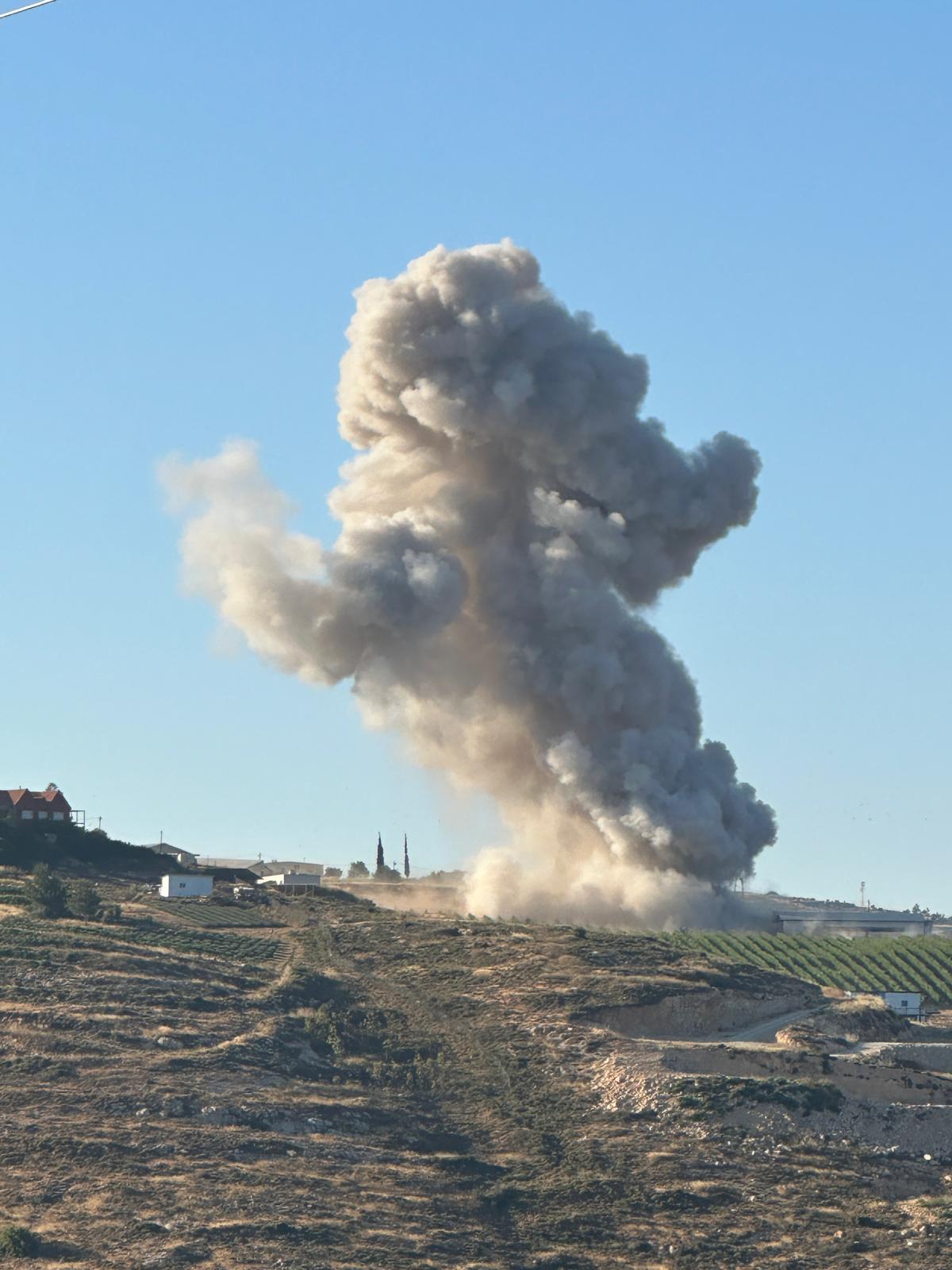
Police and bomb disposal teams are conducting extensive searches across Judea and Samaria after fire was directed at Israel, Israeli police said Monday.
No casualties were reported, but property damage occurred at several sites, according to the statement. Officers from the Judea and Samaria District, along with Border Police bomb disposal units, are searching for fallen interceptor debris throughout the region to collect evidence and neutralize any potential danger to the public.
The searches are being carried out in full coordination between all security units operating in the area, with strict adherence to safety protocols.
Police are urging the public to follow instructions and avoid approaching sites where weapons or interceptor debris have fallen. Residents are also asked to keep roads clear for emergency and rescue forces and not to touch any items until authorized personnel arrive. Police emphasized they remain on high alert across all districts and will continue working to protect public safety.
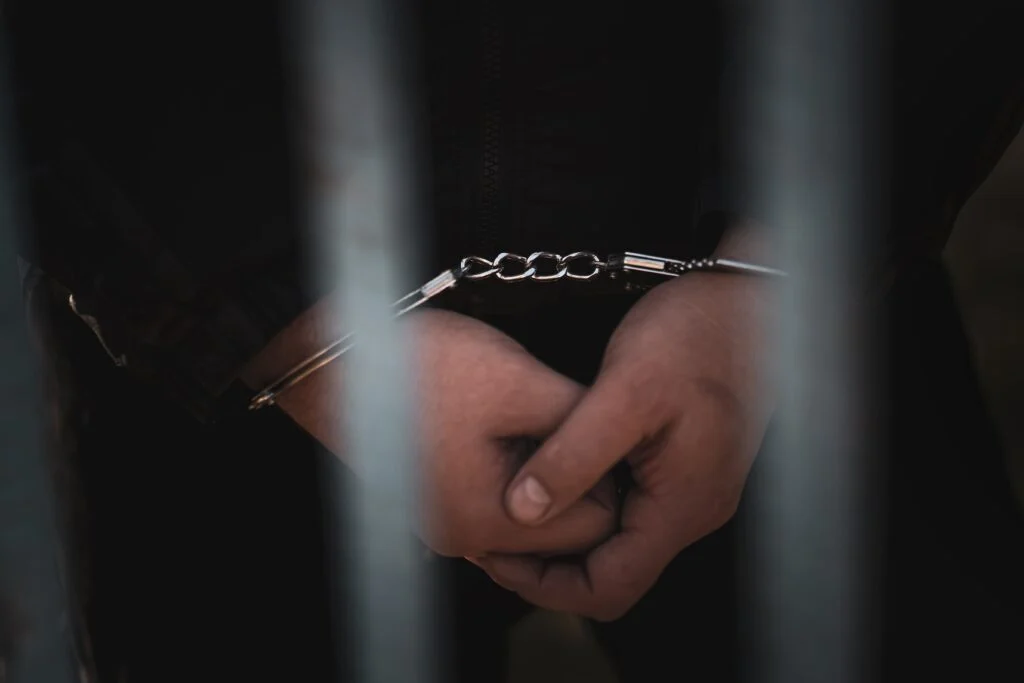
An Israeli Arab citizen in his 20s from Kafr Qasim was arrested recently after intelligence suggested he was in contact with a foreign operative and spreading incitement and propaganda on social media against Israel at that operative’s direction.
Illustration | photo by: Shutterstock
The investigation was held by the Shin Bet, Israel’s internal security agency, and the Sharon District Police, and revealed the suspect posted and distributed propaganda content from Hamas. He also spread videos, images, and messages designed to sow panic among the Israeli public, damage Israel’s image internationally, and present a distorted picture of security forces’ activities.
Investigators found the suspect knew the identity of the person he was in contact with and that person’s affiliation with Hamas. He identified with the terror group’s goals and acted out of support for the organization during the war, aiming to advance its messages and give them wide exposure. An indictment on serious charges is expected to be filed against him today (Monday).
Sirens were activated today (Monday) across extensive areas in Israel following the detection of missile launches toward the country. The Home Front Command announced that citizens must enter protected areas until defense systems neutralize the threat from Iran.
The IDF Spokesperson’s statement read: “Defense systems are currently operating to intercept the threat. In recent minutes, the Home Front Command distributed a preliminary alert directly to mobile phones in the relevant areas. The public is requested to show responsibility and act according to the instructions—they save lives. Enter protected areas immediately upon receiving the alert and remain there until further notice.”
In the latest round, Iran launched a cluster missile toward Israel. This presents a dual risk, as the missile itself can cause severe damage. However, the primary danger of a cluster missile lies in “duds”—submunitions that failed to explode upon impact and remain dormant on the ground. These can detonate upon later contact, posing a tangible danger to civilians even after permission is given to leave protected areas.
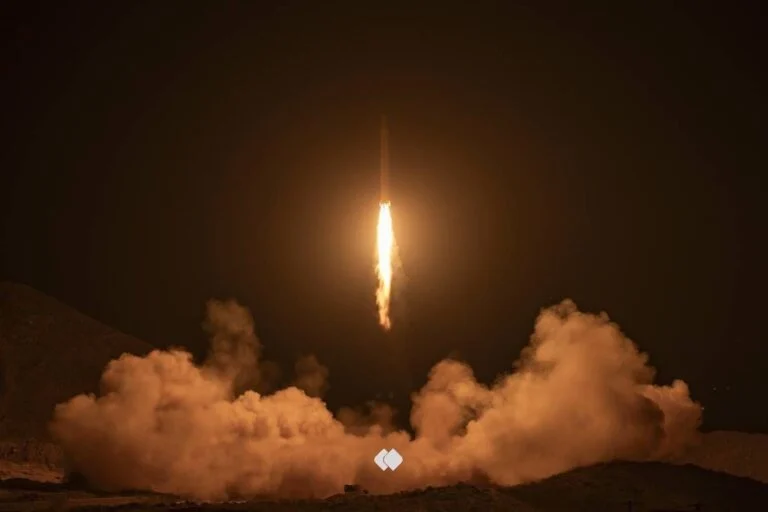
Ballistic missile launch | photo by: Arab social media
Safety guidelines following the use of cluster munitions: Do not approach unexploded ordnance. If you identify a suspicious object, fragment, or submunition, move away from the area immediately. Report it instantly by calling the Israel Police 100 hotline to report any unexploded ordnance found on the ground. Maintain strict discipline in protected areas; as proven in the past, staying inside a residential secure space can be the difference between a minor injury and a heavy disaster.
Earlier today, sirens were activated in the Central region, Lakhish, the Judean Foothills (Shfela), and Judea following the detection of missile launches toward Israel. The Home Front Command announced that citizens must enter protected areas until defense systems neutralize the threat from Yemen. Shorty thereafter, the launch was successfully intercepted. The launch from Yemen marks an escalation, with the Houthis joining the campaign shortly after Israel attacked several areas in Iran in response to missile launches toward northern Israel.
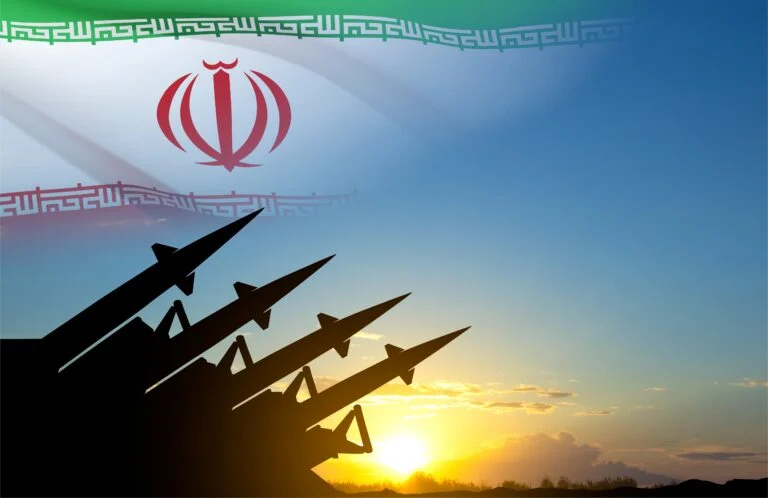
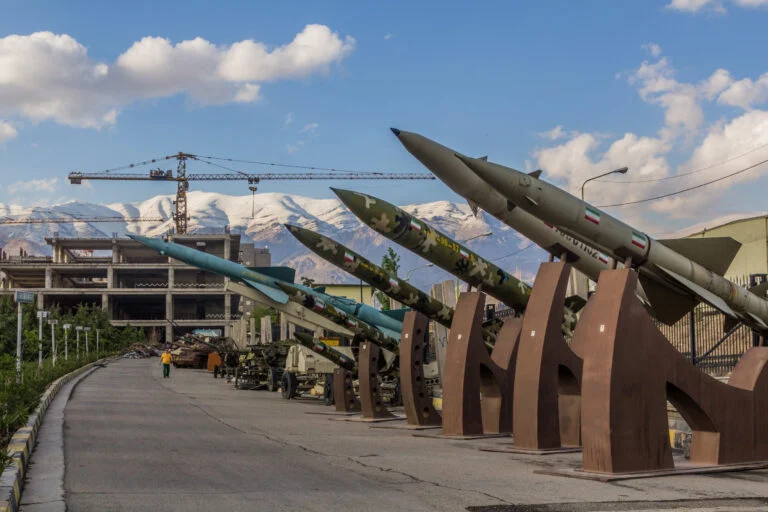
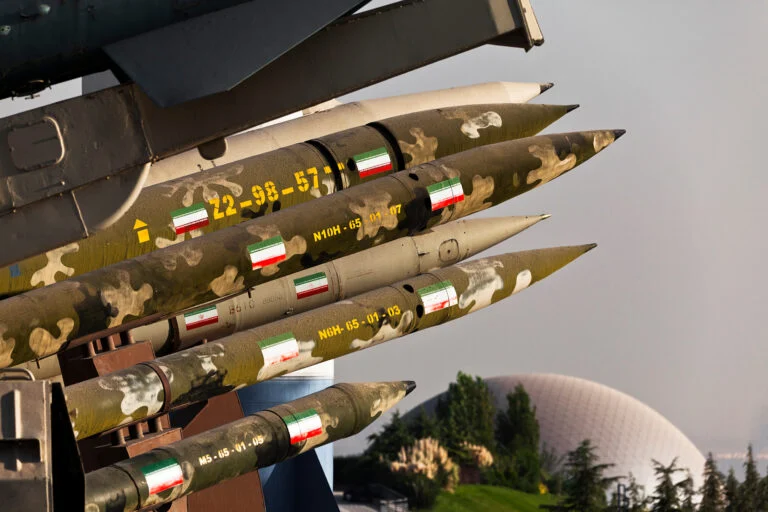
Iranian Missiles | Photo by: Shutterstock
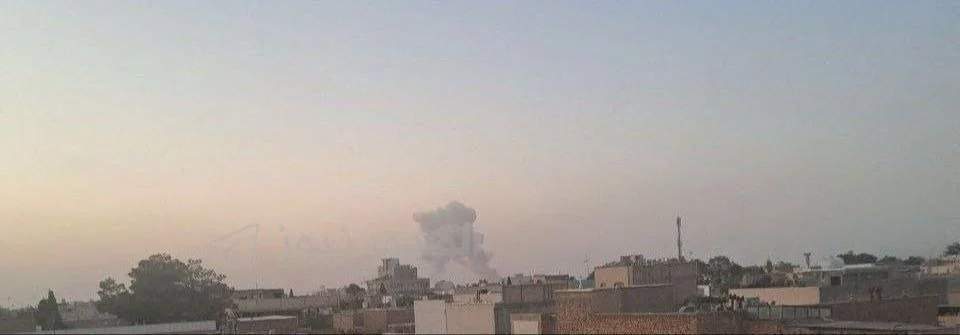
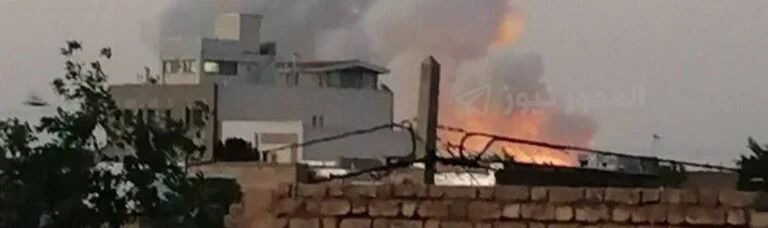
According to Arabic reports, the sounds of powerful explosions simultaneously shook the following cities: in Iran – Tehran, Kermanshah, and Tabriz. In Iraq, there are also reports of a strike in Baghdad. In Iran, they have begun showing the extent of the damage caused by the latest wave of strikes, although information regarding the specific locations hit deep inside the country remains limited at this stage.
According to updated data, the airstrike was carried out by Israeli fighter jets, which operated and passed through Iraqi airspace, from where they launched advanced long-range munitions and precision missiles at the Iranian targets. As stated, the strike was carried out after a wave of launches from Iran toward northern communities, with Tehran claiming the fire was due to the “crossing of a red line”—a massive Israeli airstrike in the heart of the Dahiyeh district in Beirut, which served as a direct response to continuous violations of the ceasefire agreement by the Hezbollah terror organization.
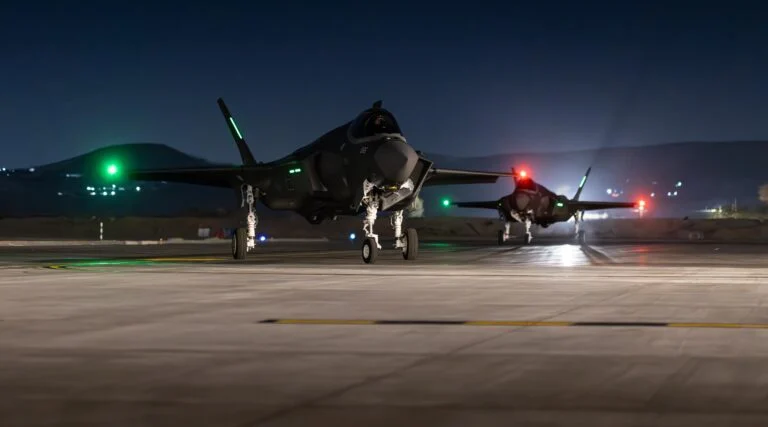
Israeli forces began a wave of direct strikes on Iranian soil overnight (between Sunday and Monday). The attack, which was executed following the missile barrages recently launched toward Israel, is accompanied by foreign reports of powerful explosions heard simultaneously in five major cities across the region. According to an Arabic report, Mehrabad Airport was bombed in Tehran. According to reports, the White House stated that “the United States was not involved in the Israeli strikes in Iran.”
Photo by: Arab social media
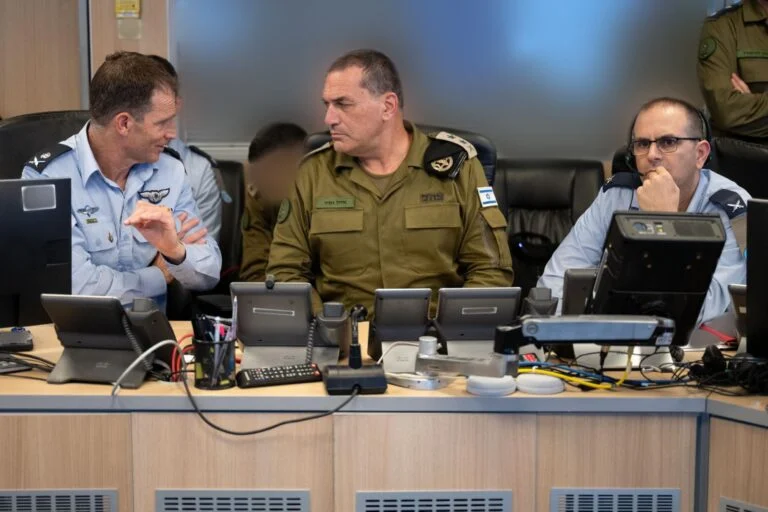
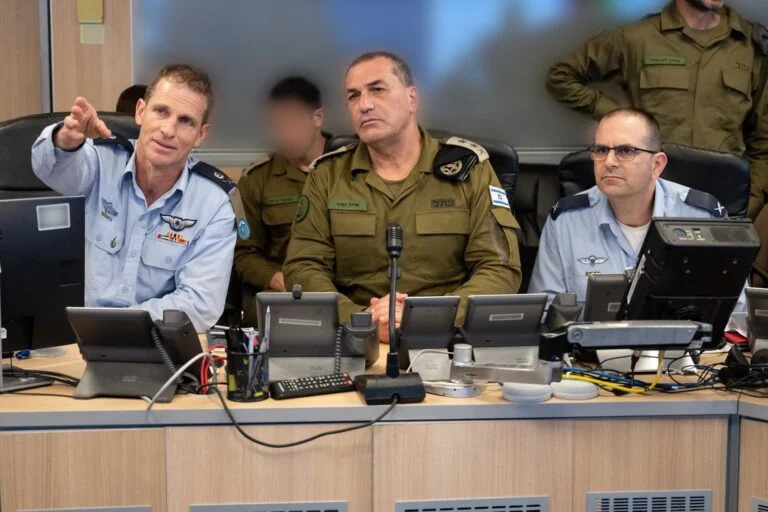
The IDF stated that “The Chief of Staff, Eyal Zamir, and senior IDF officials have held ongoing situational assessments over the past few hours and are commanding the IDF strikes in Iran from the Air Force bunker. The IDF is alert and ready for continued action in all sectors against whoever threatens the State of Israel.”
The Air Force’s military activity deep within Iran began following the aggression and missile fire carried out toward the State of Israel. Simultaneously with the IDF announcement, reports began flowing from Arabic sources regarding strikes and explosions heard concurrently in several countries and major cities across the Middle East.
According to these reports, the sounds of powerful explosions simultaneously shook the following cities: in Iran – Tehran, Kermanshah, and Tabriz. In Iraq, there are also reports of a strike in Baghdad. In Iran, they have begun showing the extent of the damage caused by the latest wave of strikes, although information regarding the specific locations hit deep inside the country remains limited at this stage. According to updated data, the airstrike was carried out by Israeli fighter jets, which operated and passed through Iraqi airspace, from where they launched advanced long-range munitions and precision missiles at the Iranian targets.
As stated, the strike was carried out after a wave of launches from Iran toward northern communities, with Tehran claiming the fire was due to the “crossing of a red line”—a massive Israeli airstrike in the heart of the Dahiyeh district in Beirut, which served as a direct response to continuous violations of the ceasefire agreement by the Hezbollah terror organization.
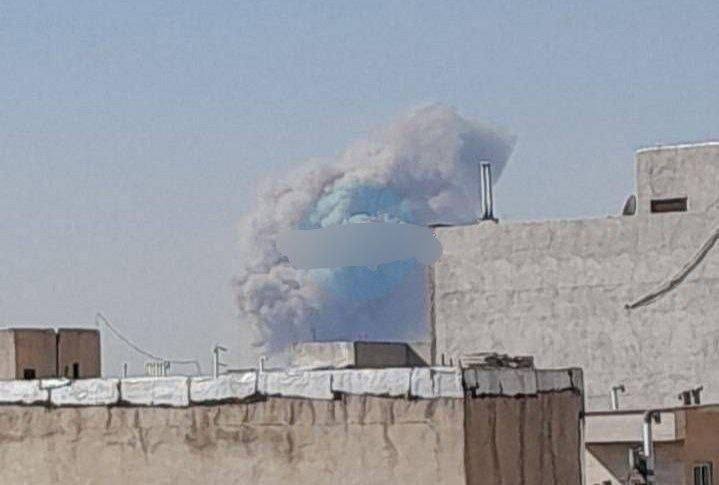
The attack in Iran | photo by: Arab social media
At the same time, political sources reveal that U.S. President Donald Trump spoke directly with Netanyahu immediately after the attack and applied aggressive pressure on him to prevent an Israeli military response.
Trump made it clear that since “the missiles did not hit anyone,” an Israeli response could completely destroy American diplomatic efforts and the chance of reaching a comprehensive deal with Iran. According to reports, Netanyahu expressed firm opposition to the American stance but “partially agreed” to wait and hold back, at this stage, an immediate and public military response.
Attacks in Iran | Photo by: Arab social media
The heavy American pressure on decision-makers in Jerusalem escalated overnight when United States President Donald Trump chose to deliver sharp and unequivocal messages in public media interviews. In a special interview he granted to the Financial Times immediately following his conversation with the Prime Minister, Trump took a hard line, declaring: “I am the one who decides, Netanyahu does not decide. Netanyahu will have no choice but to accept a deal with Iran.”
The American president did not stop there, and in an additional interview with Fox News, he expressed prominent dissatisfaction with Israel’s military conduct in recent days, directly criticizing the breaking of the ceasefire in Lebanon: “The Israeli strikes in Beirut were not coordinated with us—I am not happy with them.”
IDF Chief of staff Eyal Zamir during a briefing | Photo by: IDF Spokespersons Office
Simultaneously with the pressure coming from Washington, senior officials in Tehran rushed to exploit the momentum, stating that, in their assessment, Trump is determined to end the war in the Middle East at almost any cost—a factor that dramatically increases the weight placed on the shoulders of the political status in Israel.
Photo by: IDF Spokesperons Unit
However, it should be noted that this public dissatisfaction could be a misleading move, as the Prime Minister and President Trump have previously used such steps in mutual coordination to mislead enemies and advance strategic processes. This is not the first time Trump has spoken out against Netanyahu in recent weeks. Just a few days ago, he confirmed that he had called the Prime Minister “crazy,” among other things, against the backdrop of the activity in Lebanon.
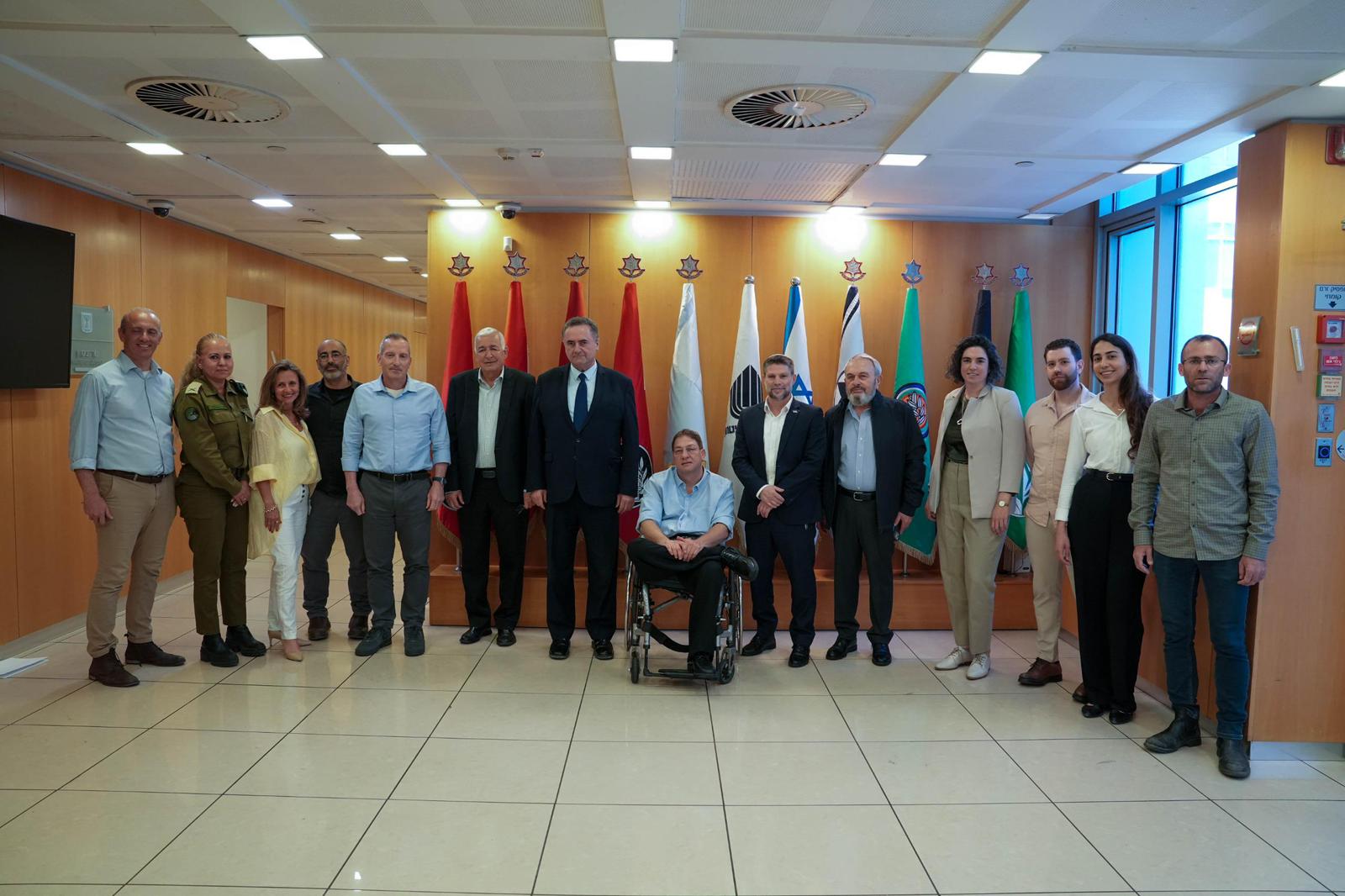
A public committee examining Israel’s national response to treating and rehabilitating wounded IDF soldiers submitted its recommendations Sunday to Defense Minister Israel Katz and Finance Minister Bezalel Smotrich. The proposals come against the backdrop of a dramatic surge in casualties since the October 7 atrocities—more than 25,000 wounded in the current war alone.
Among the key recommendations: establishing an independent authority within the Defense Ministry to treat wounded security personnel, with expanded powers and a dedicated budget, and appointing a personal liaison for each wounded soldier to guide them through rehabilitation. The committee also recommended expanding treatment options for psychological casualties, including alternative therapies and establishing a dedicated national psychiatric ward.
Additional recommendations include granting benefits urgently, creating a “Home for Life” facility for the most severely wounded, and improving medical care. The committee also proposed giving wounded soldiers the option to receive medical treatment through health maintenance organizations alongside strengthening the Rehabilitation Division’s medical system, and expanding services for physically wounded soldiers and unique populations.
The committee also addressed the need for a dedicated support system for families of the wounded, employment incentives that promote rehabilitation, and replacing the Rehabilitation Division’s digital infrastructure. The goal is to shorten and reduce bureaucratic processes and streamline recognition procedures and disability percentage determinations.
Defense Minister Israel Katz said the State of Israel faces an unprecedented rehabilitation challenge that will require treating some 100,000 wounded in the coming years. “Our duty is to ensure they and their families receive the most comprehensive rehabilitation support possible,” he said.
Rescue of the wounded, illustration | Credit: IDF Spokesperson
Finance Minister Bezalel Smotrich said “we have a deep moral and national debt to those who gave everything for Israel’s security.” He described the committee’s work as “a revolution in how the state supports IDF wounded and their families.”
As of May 2026, some 87,000 security system casualties are being treated by the Rehabilitation Division, of whom about 31,000 are dealing with psychological injuries and post-trauma. About 25,000 of those being treated were wounded in the current war, with roughly 15,500 of them (62%) struggling with psychological distress.
Israeli police are continuing their determined fight against crime and violence in the Arab community, particularly in Bedouin communities in the south. As part of Operation “Iron Net,” ordered by Police Commissioner Chief Superintendent Dani Levy, Southern District forces and border patrol fighters raided various targets.
The operational activity, which took place over the past weekend, focused on violent conflicts between different factions and thwarting criminal activity that harms public safety. Southern District Commander Superintendent Haim Bublil emphasized that the goal is to strengthen the security of law-abiding citizens.
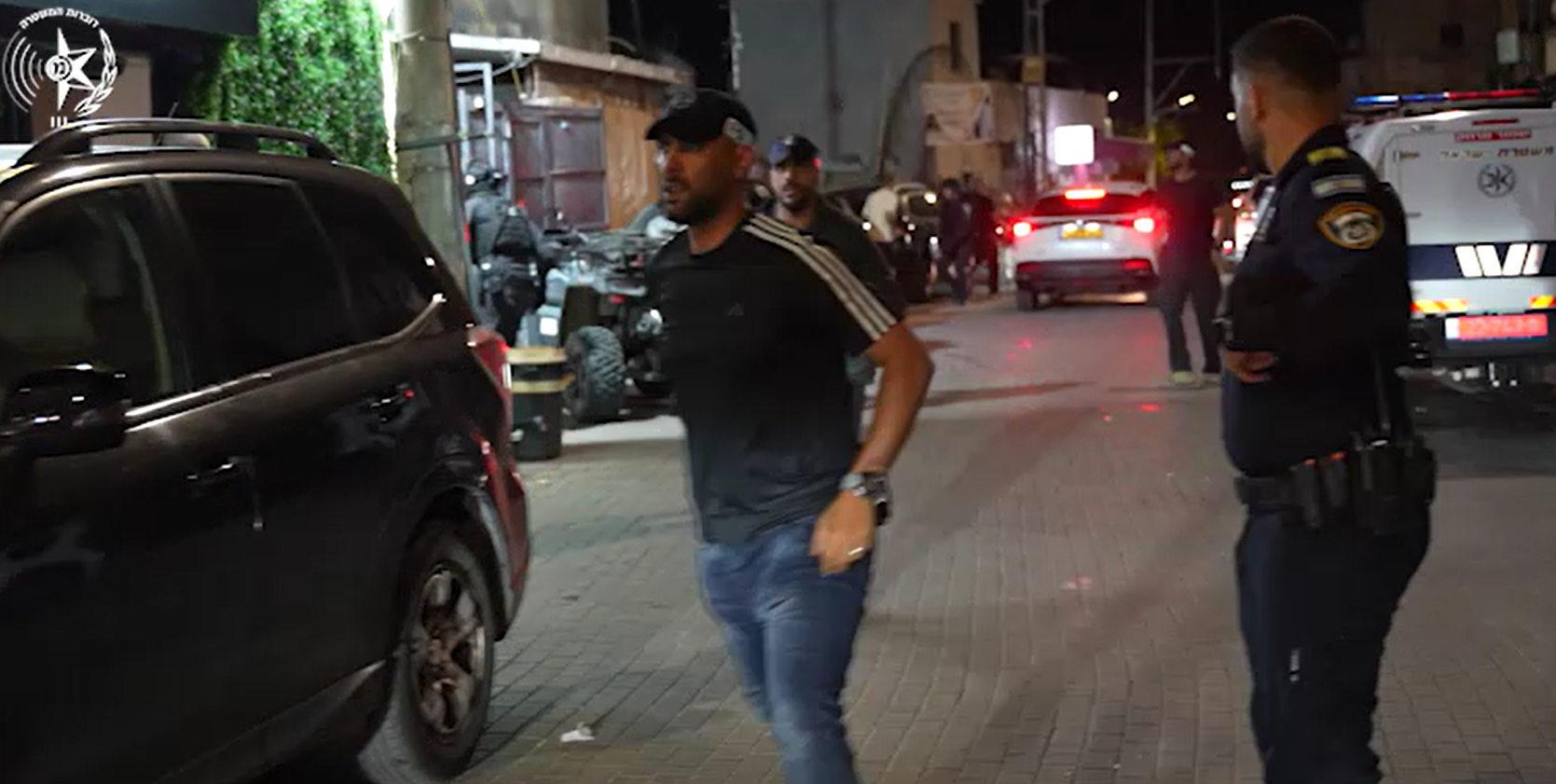
During focused activity in the Towns Station sector, police and border patrol fighters arrested two suspects traveling by vehicle near the Nesharim interchange. A search of the vehicle turned up three Glock handguns, three matching magazines and approximately 214 grams of material suspected to be crystal meth.
Photo: Police spokesperson
In another operation carried out in the town of Hura, forces located an abandoned vehicle containing a handgun and three magazines, which were confiscated. Two suspects, Hura residents, were arrested and taken for questioning. In the city of Rahat, three M-16 rifles were seized in the 25th neighborhood, and one suspect was arrested.
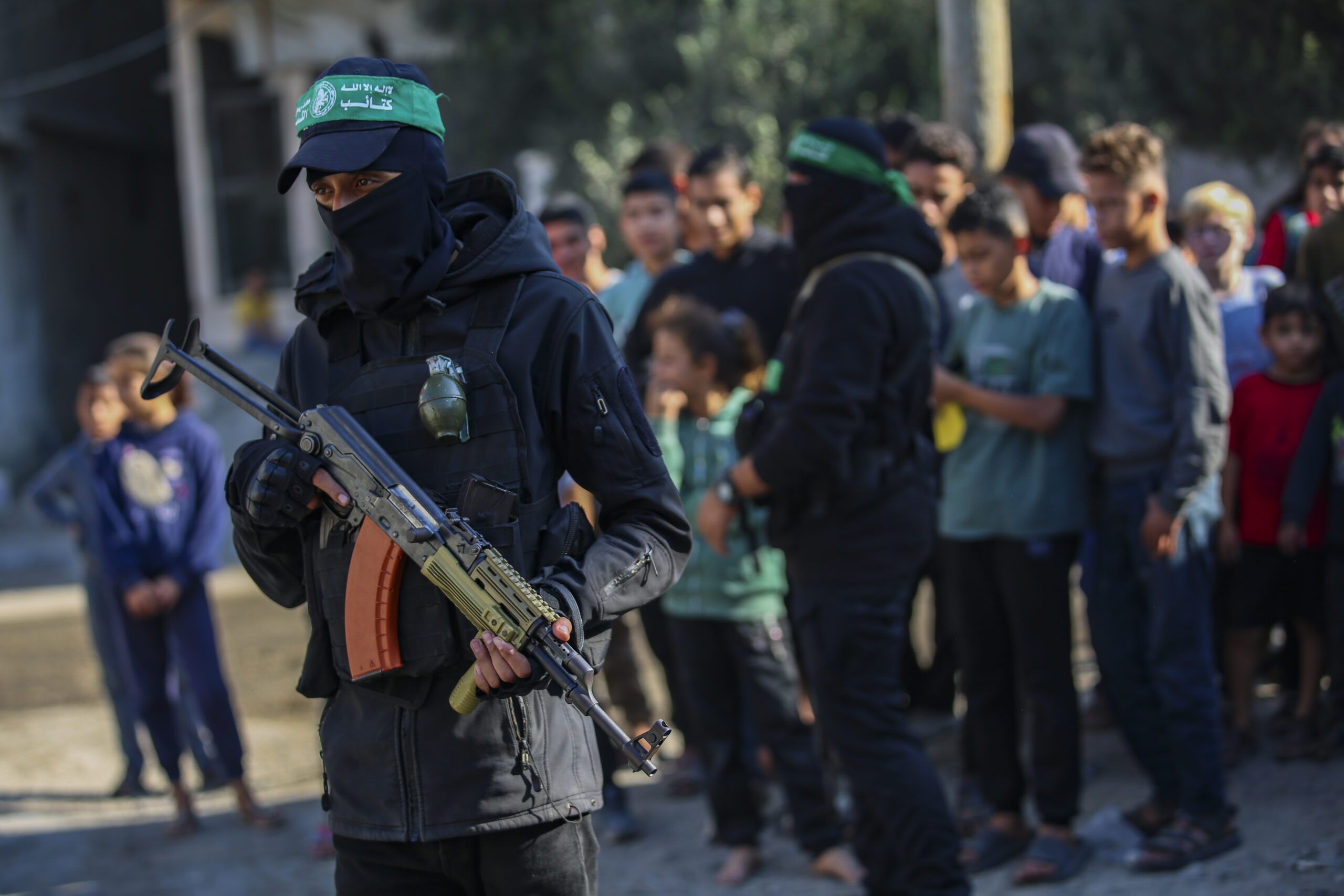
Arab social media networks in Judea and Samaria continue to spread incitement and propaganda following the deadly terror attack in the Sharon region, in which an Israeli civilian was killed and several others were wounded. One widely circulated post features an illustration of a “Carlo” gun—an improvised weapon commonly used by terror organizations and terrorists in Judea and Samaria. Alongside the weapon are young ‘Palestinians’ marching from the direction of Jerusalem carrying flags, with the caption: “This is the way.”
Photo: Arab media
The text accompanying the poster reads: “This is the way, the weapons of resistance will not rust, the Carlo will not sleep, as long as the people of truth are on the land and the call of Jerusalem is in our hearts.”
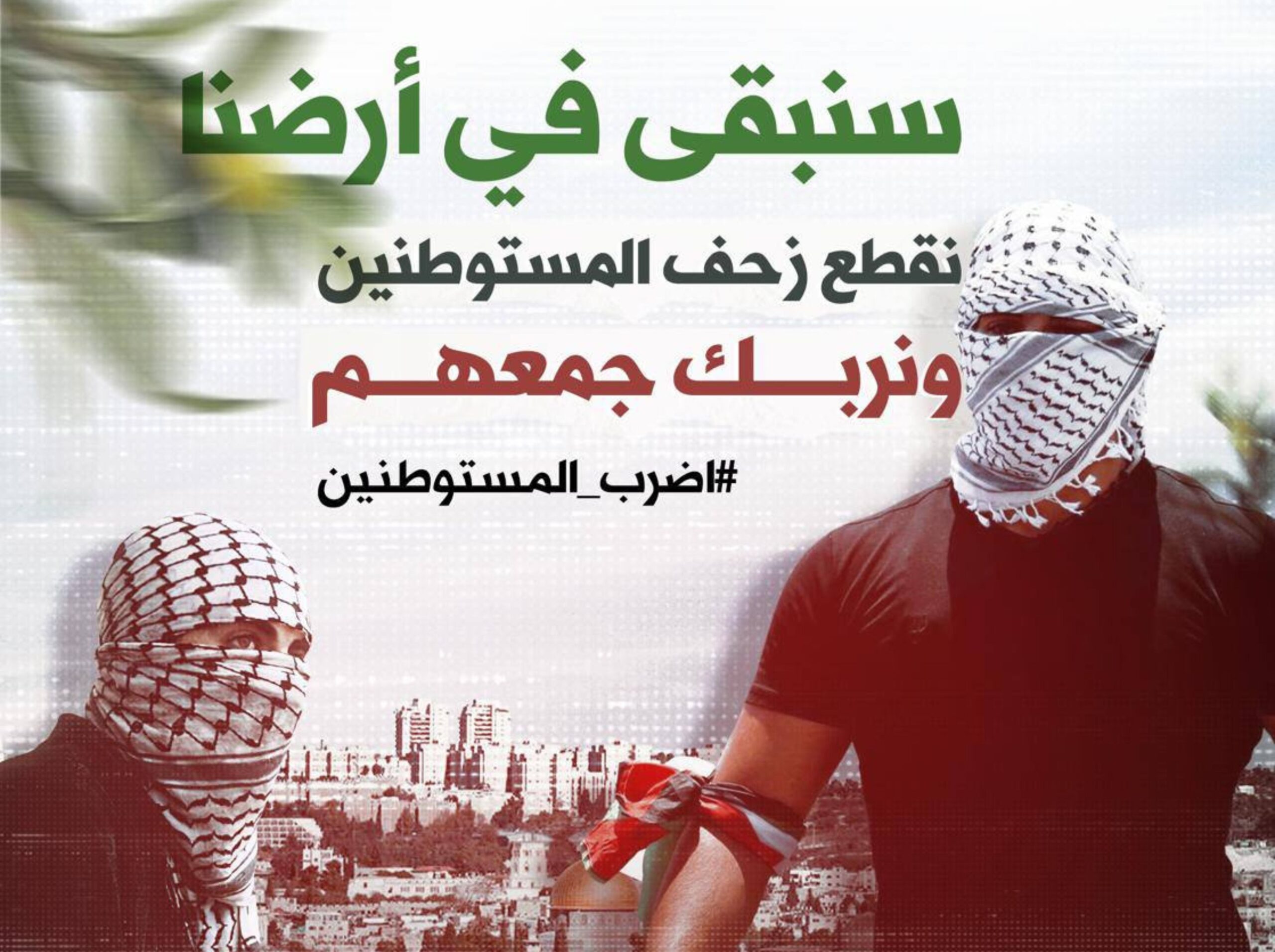
In the hours after the attack, additional posts circulated on Palestinian social networks with messages calling to stop “the advance of the settlers” and to act against Jewish settlement in Judea and Samaria. Some of the posts include symbols associated with terror organizations and content glorifying terrorists who carried out attacks in the past.
Photo: Arab media
The deadly attack left a man in his mid-30s dead and five others seriously and moderately wounded. They were taken to hospitals. The terrorist who carried out the attack, a resident of Tayibe, was killed by police forces after a chase.
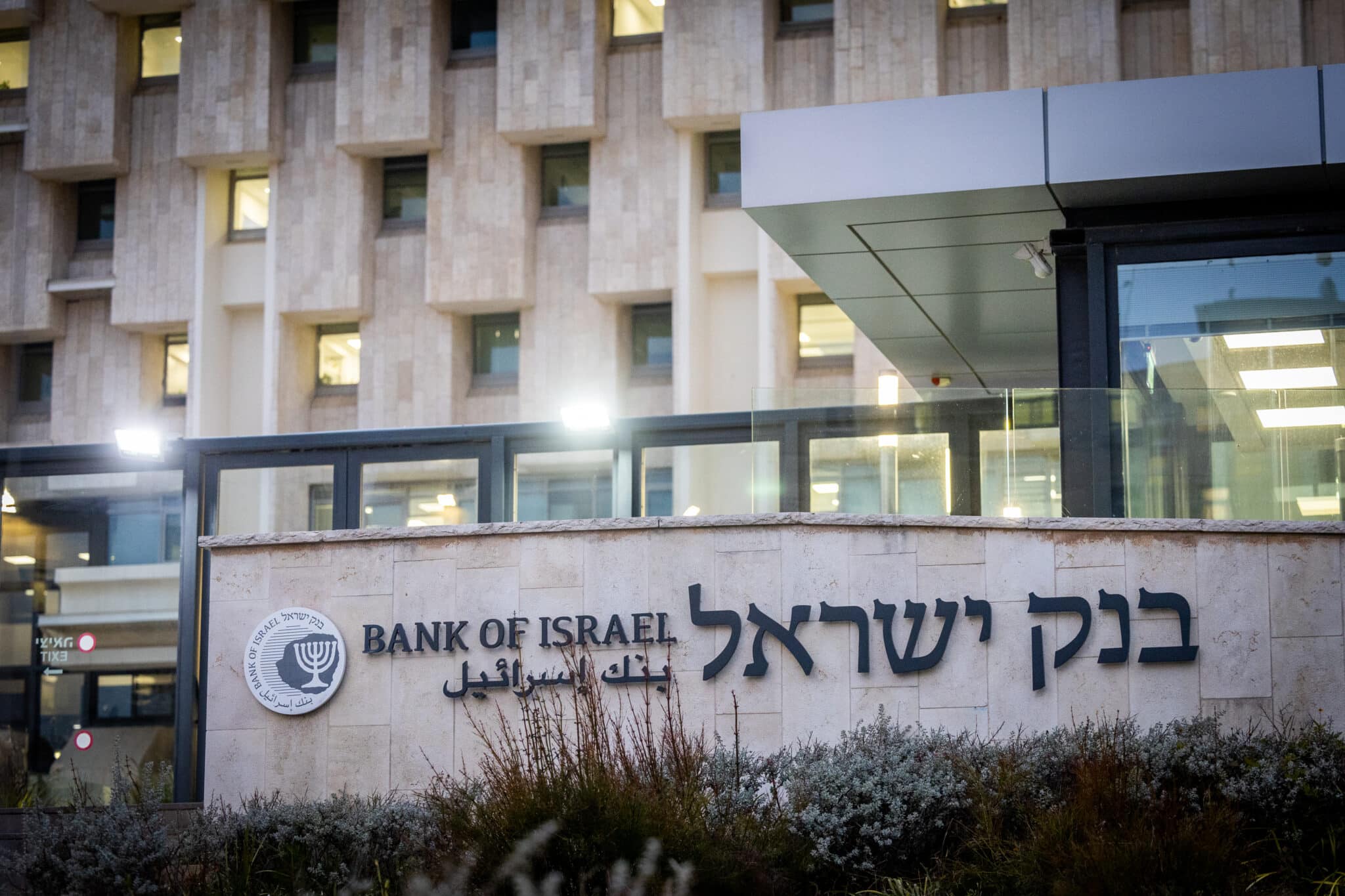
Israel’s foreign currency reserves jumped by roughly $3 billion in May 2026, reaching a record $238.7 billion, the Bank of Israel said Sunday.
The central bank disclosed that alongside valuation gains on its foreign assets, it also conducted a targeted intervention in the currency market totaling $801 million.
The reserves now stand at 37.2% of Israel’s gross domestic product (GDP), reflecting the strength of the economy’s financial cushion during a period marked by uncertainty in local and international markets.
Bank of Israel officials said most of the increase—about $2.685 billion—came from revaluation of the bank’s foreign currency holdings. The remaining $801 million came from direct foreign currency purchases.
According to the bank’s statement, the purchases were made “on an ad hoc basis in order to maintain the continued regular activity of the markets,” which indicates proactive intervention by the Bank of Israel in the foreign exchange market during the month of May.
The data is published against a backdrop of volatility in the financial markets and the Bank of Israel’s continued monitoring of the stability of the shekel and the financial system, with foreign exchange reserves continuing to be a key tool in the Bank’s ability to deal with economic shocks and support economic stability.
While Israel finds itself in one of its most challenging periods, with public demand for clear and decisive action growing, hundreds of participants—youth and nationalist activists—gathered this week for a special conference hosted by the Sovereignty Movement. Taking center stage and stirring waves of excitement in the crowd was respected media figure and educator Ido Tauber, who presented a straightforward Zionist vision in a pointed interview.
Tauber, who hosts Channel 14’s midday news program, connected the past to the present, arguing that the only path to real security and lasting peace in the land of our fathers runs through applying Jewish sovereignty across all parts of the homeland. “We’re focused a lot on this war and the desire to achieve absolute victory, final decisiveness,” Tauber began to audience cheers. “And we’re entering these days into the sixtieth year of the Six-Day War, which still hasn’t been decisively concluded.”
Photo: Sovereignty Conference
From the Western Wall—to All of Judea and Samaria
Tauber returned to the great miracles of 1967 and recalled the decisive step taken in Jerusalem immediately after its liberation—a step that, he said, must serve as a model and compass for current leadership in Judea and Samaria:
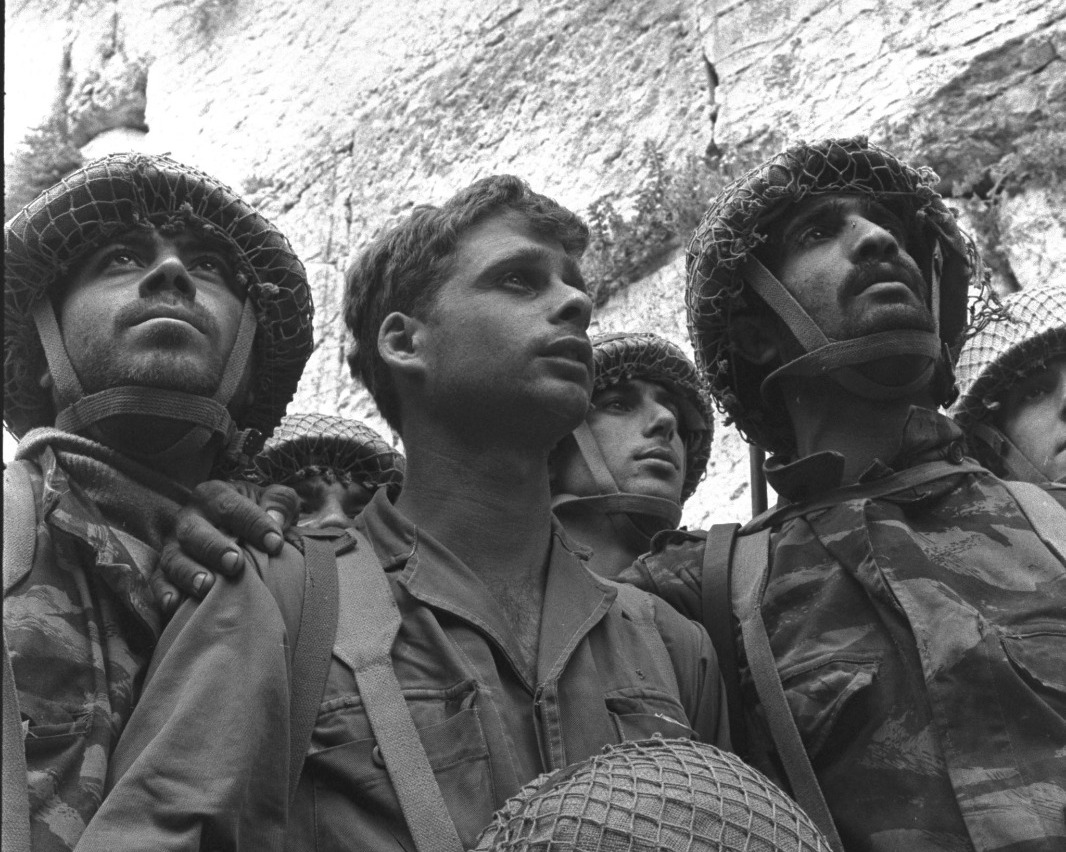
The immediate decision in Jerusalem: “In the Six-Day War, through the miracles and wonders that the Holy One, blessed be He, showered upon us, we understood how blessed we were from His goodness in those days. What happened in the small Mughrabi Quarter, which stood adjacent to the wall called the Western Wall—within a few days, that should have happened throughout all of Judea and Samaria.”
The natural right of the people of Israel: “If we believe that the Western Wall plaza must be large to accommodate the people of Israel, and that’s clear and natural to us—then so too in Benjamin, and so in Samaria, and so in Gush Etzion and the Jordan Valley! That’s how it should be done.”
Jewish deterrence and strength: Tauber emphasized that Israeli resolve would have prevented the hesitation of recent years: “If we had done that thing then, no one would have opened their mouth and chirped. And even if they did, it would have passed after some time.”
Photo: Sovereignty Conference
‘Sovereignty Is Completing the Campaign’
Tauber’s remarks, accompanied by waving Israeli flags and powerful singing from the youth in the hall, concluded with a clear and sharp message to decision-makers: the time has come to finish the work begun by the heroes of the Six-Day War, to stop apologizing and to realize our historic right. “And therefore, sovereignty is completing the Six-Day War.”
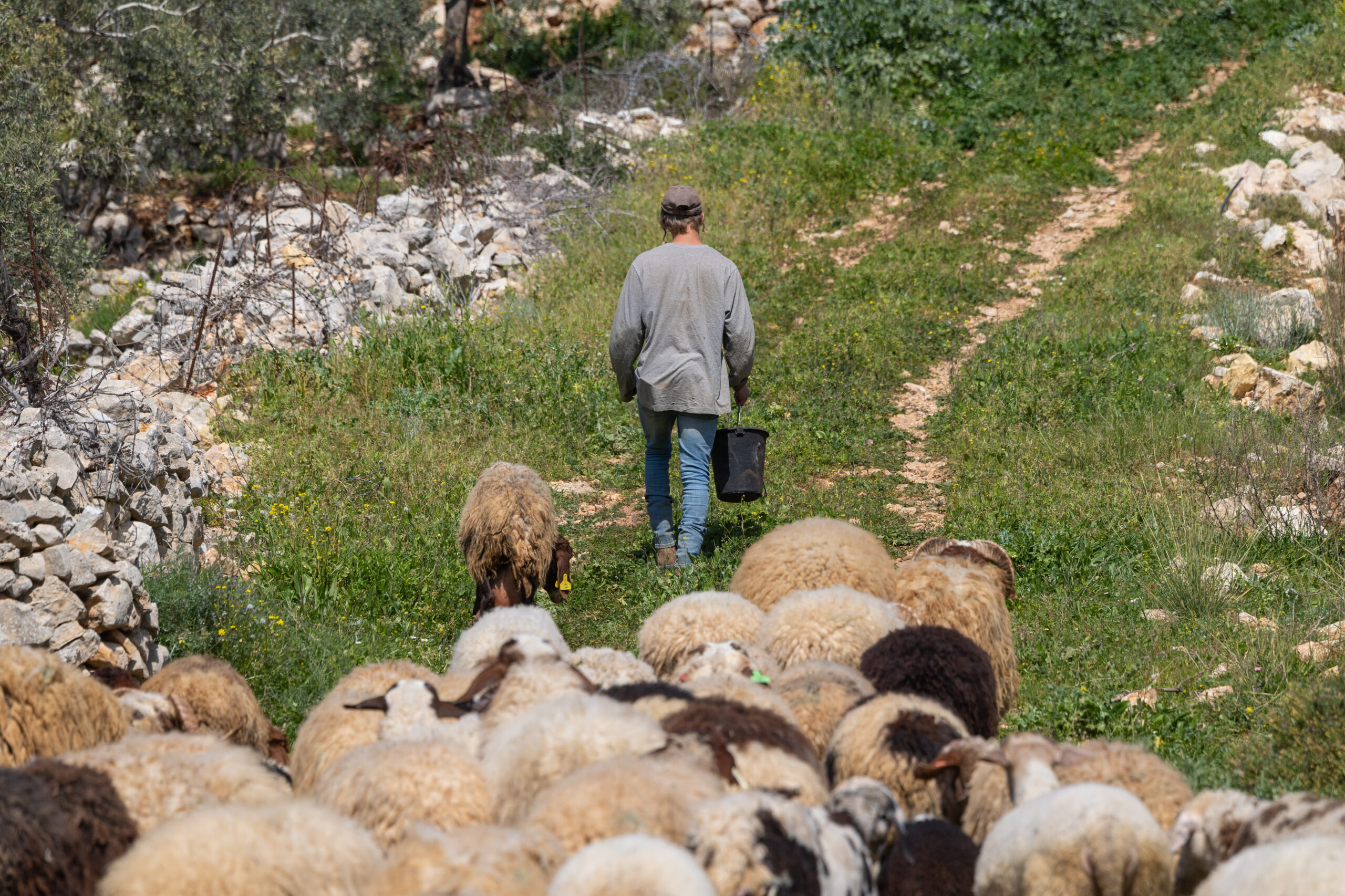
Agricultural and nationalist terror in Judea and Samaria struck again, this time under cover of the Sabbath: Last Friday night, Arab rioters from the village of Huwara broke into Tzafnat Farm near Tapuah in Samaria. The Arabs used the cover of darkness to steal the farm’s flock of sheep—the farmers’ livelihood—and drove the stolen animals into the village.
In the early morning hours, when the theft was discovered, the farm owner called security forces and volunteers from the area. The farmers, along with residents who came to help, launched an urgent search for the stolen flock, following the thieves’ escape route that led directly to the outskirts of Huwara.
Planned Ambush: Clubs, Stones, and Attempted Ramming
The residents’ legitimate search for their property quickly met with severe and organized Arab violence: Dozens of Arab rioters from the village surrounded the farmers and volunteers and began attacking them brutally with clubs and a heavy barrage of stones, in a deliberate attempt to disrupt the pursuit and allow the flock to be hidden. The volunteers were forced to defend their lives with their bare hands.
In another serious incident during the event, one of the Arabs pulled out a knife and threatened the volunteers with it. Immediately afterward, the rioter rammed his vehicle into one of the Israeli volunteers’ cars in an attempt to flee the scene.
Archive | Photo: Haim Goldberg, Flash 90
Tzafnat Farm Fights Back Against Leftist Lies Campaign
After the Sabbath ended, Tzafnat Farm didn’t stay silent in the face of distorted reports spread by various media outlets and radical leftist organizations, which tried as usual to turn the victim into the aggressor. Meanwhile, according to reports from Arabs living in the village, about nine Arabs were injured during the incidents in the area. The radical left rushed to distribute an edited video showing two Arabs being detained, while deliberately omitting the fact that the two had actively participated in the violent stone attack just minutes earlier.
“Under cover of the Sabbath, the media and radical leftist organizations chose to run a malicious campaign against the farm,” Tzafnat Farm representatives said sharply. “They painted a partial, biased, and distorted picture, while blatantly ignoring the theft of the flock and the violent attacks by Huwara Arabs against those searching.”
Archive | Photo: Haim Goldberg, Flash 90
The farm reminded the Israeli public who Huwara really is—a village that serves as an ongoing terror hub in the heart of Samaria: “Any attempt to whitewash the village of Huwara—which has waged a terror war against the hilltop residents for years, supported and laughed at the murder of the holy brothers Hillel and Yigal Yaniv, praised the Neve Yaakov massacre and the October 7 massacre, and repeatedly carries out violent attacks against the farm—is despicable and dangerous.”
IDF Spokesman’s Response: “Forces Rushed to Prevent Friction; Violence Attributed to Soldier”
Following the serious incidents, security forces were called to the scene to restore order. The IDF spokesperson responded to the events: “Earlier today (Saturday), IDF and Border Police forces rushed to several locations in the Huwara area in the Samaria Brigade, following a report of suspected theft of sheep belonging to Israeli civilians, in order to remove the Israeli civilians and the sheep from the village and prevent friction in the area. Subsequently, several rioters arrived in the village area and violent friction developed that included stone-throwing and use of clubs between Israeli civilians and ‘Palestinians’. The claim about several ‘Palestinians’ who were injured is known.
“The forces acted to disperse the gatherings while using riot dispersal means. The gatherings were dispersed and security forces are in the area to prevent additional disturbances. Investigation of the incident has begun in the Samaria District Police. The IDF strongly condemns violence of any kind that harms security in the area and diverts the attention of commanders and soldiers from defense missions and thwarting terror.”
Pasture in Judea and Samaria, archive | Photo: Haim Goldberg, Flash 90
Additionally, regarding footage circulated on social media showing a soldier striking one of the Arabs, the IDF spokesman said: “Footage is known in which an IDF soldier acted violently toward a ‘Palestinian’. The actions seen in the video are serious and are not consistent with IDF values. The case is being investigated, and when the soldier is located he will be dealt with disciplinarily and command and disciplinary steps will be taken according to the findings.”
The activists concluded their remarks with an optimistic message of national resilience and faith in the justice of their path: “We are confident and certain that the people of Israel learned long ago to distinguish between truth and lies, between reliable reporting and libel, and will stand this time too on the side of the settlement people and not on the side of the enemy.” The hilltop pioneers will continue to hold onto the land, guard the homeland’s soil, and will not surrender to agricultural terror.