Category: Israel

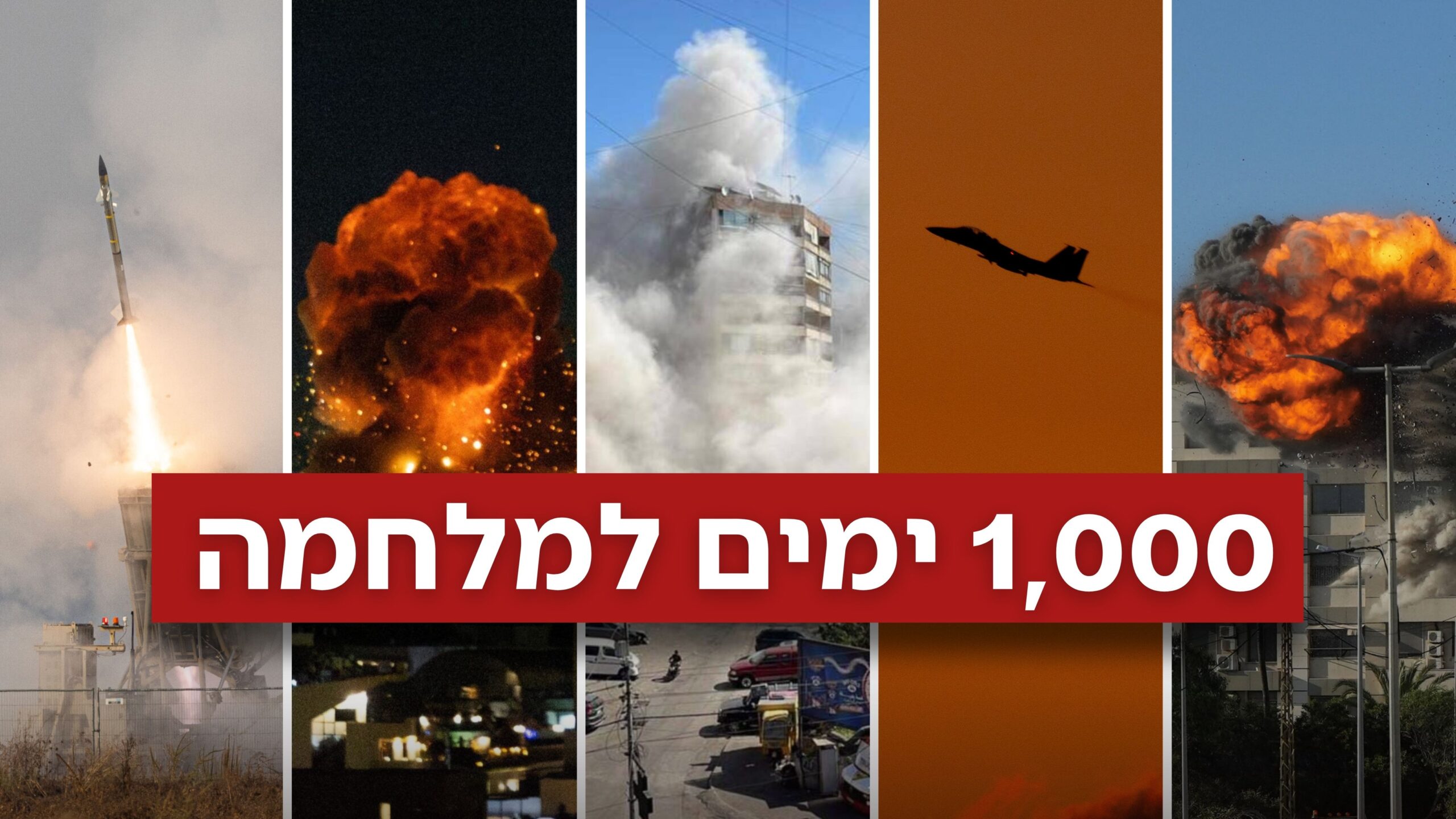
  • 1,000 Days Past Oct. 7: How Israel Reshaped The Middle East

    1,000 Days Past Oct. 7: How Israel Reshaped The Middle East

    A thousand days have passed since the October 7, 2023 terror attack that plunged Israel into its longest and most complex war. Alongside the heavy toll in lives lost, wounded soldiers, and economic damage, the campaign has produced a series of major achievements that reshaped Israel’s security reality and the regional balance of power.
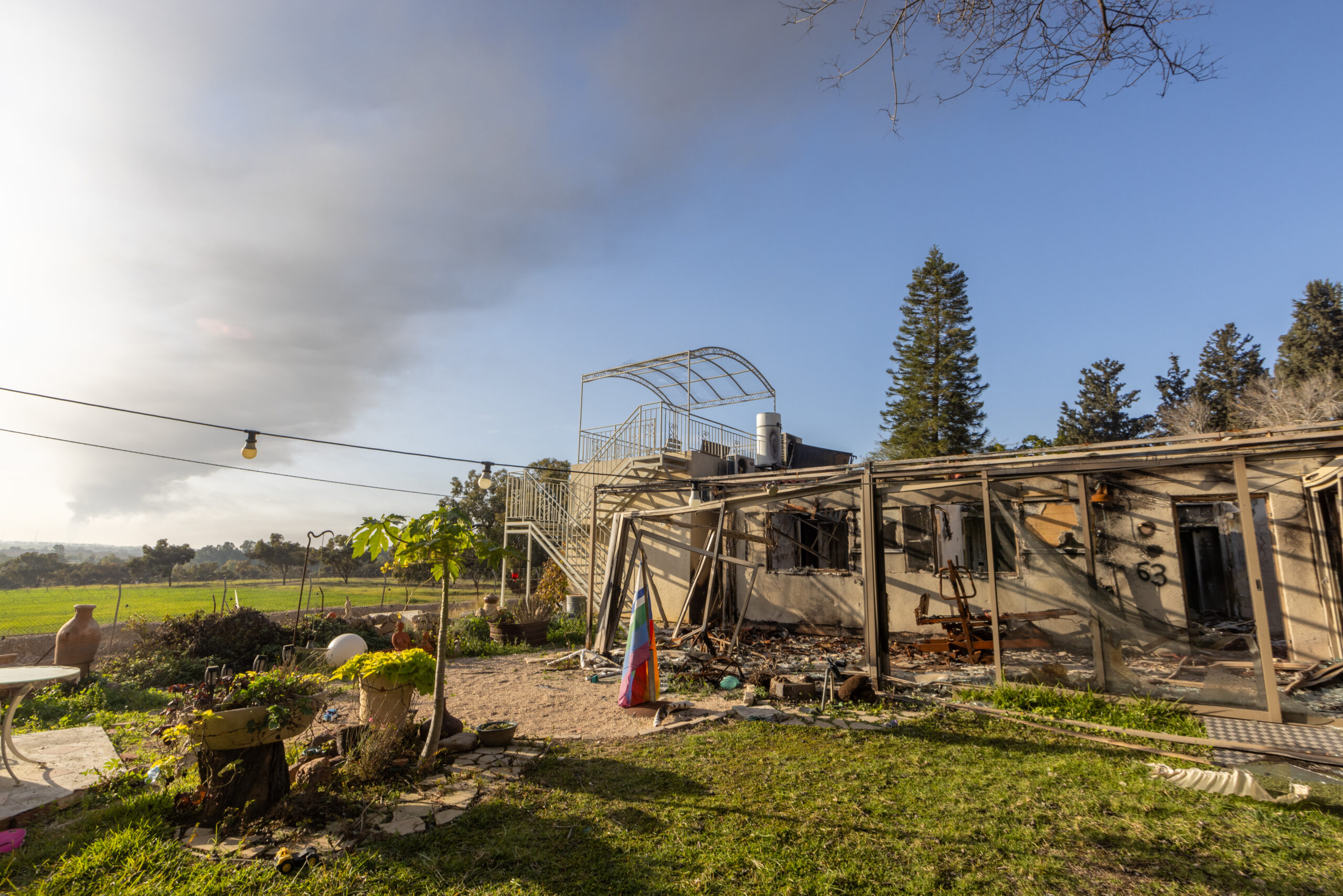
    קיבוץ נירים לאחר טבח השבעה באוקטובר | צילום: יוסי אלוני, פלאש90
    Kibbutz Nirim after the Oct. 7 massacre | photo by: Yossi Aloni/Flash90
    Gazan terrorists standing on top of a tank on the Gaza border, October 7, 2023 | photo by: Flash90
    Gazan terrorists standing on top of a tank on the Gaza border, October 7, 2023 | photo by: Flash90

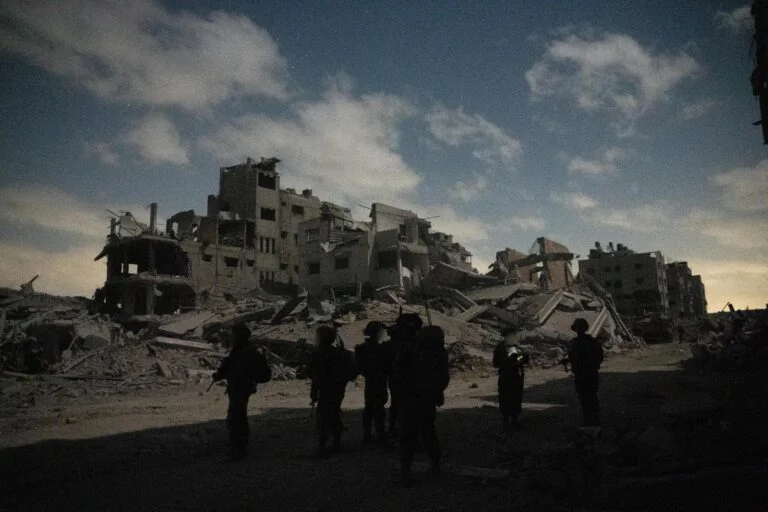
    On the military front, Israel dealt significant blows to terror organizations’ capabilities. Over months of fighting, thousands of terrorists were killed, including senior Hamas and Hezbollah commanders. Extensive terror infrastructure was destroyed, attack tunnels neutralized, command centers dismantled, and rocket and missile production and launch capabilities sharply reduced. At the same time, the IDF expanded its freedom of operation across multiple fronts and developed new combat methods adapted to the multi-arena reality.

    Israel also achieved a major shift vis-à-vis Iran. During this period, Israel—working closely with the United States and its allies—acted against Iranian attempts to strengthen its regional proxies. Alongside military and intelligence operations, Israel confronted Iran directly, an event considered a strategic turning point in the Middle East.
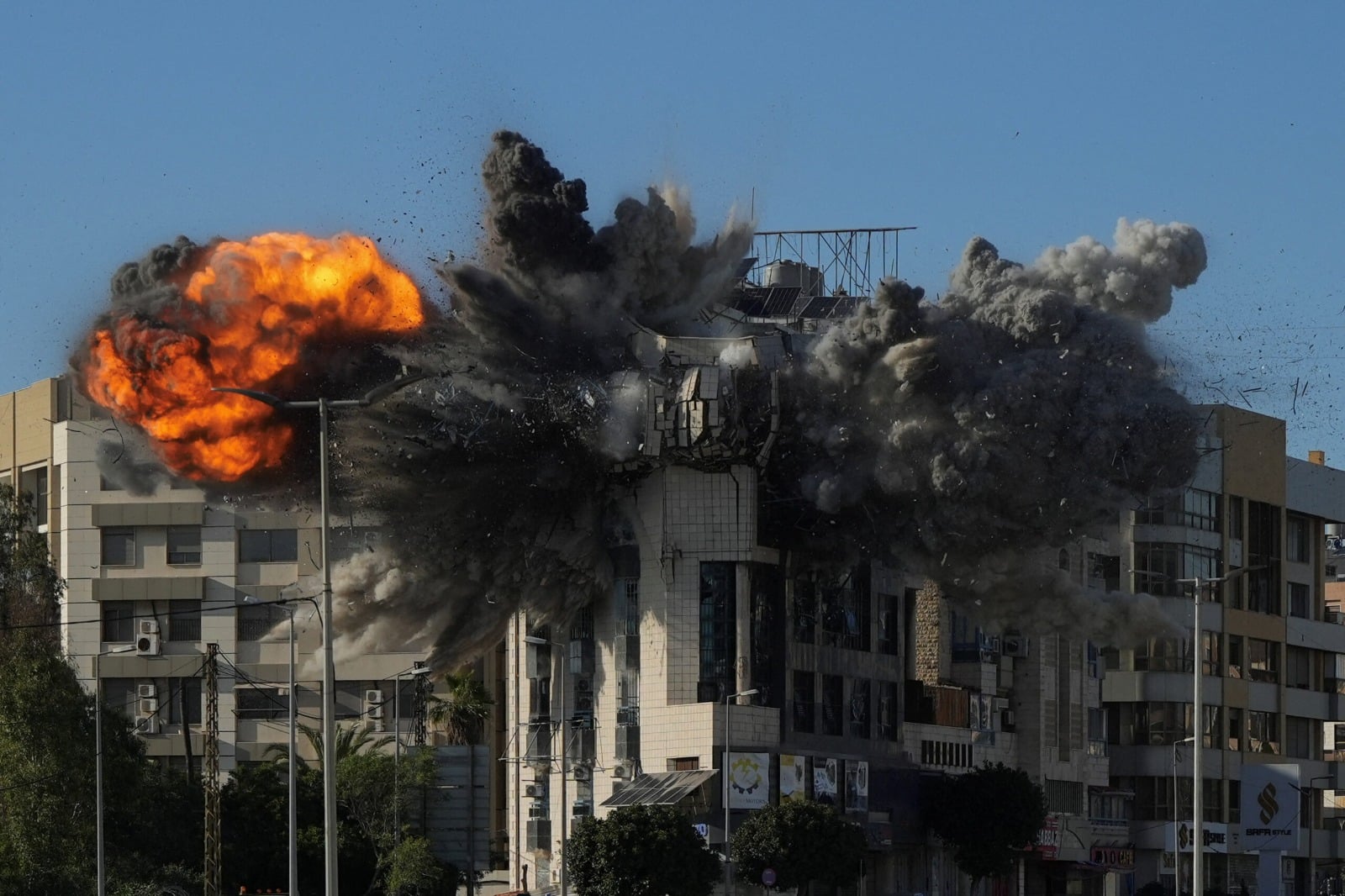
    Israeli attack on a building in Beirut, archive footage | photo by: Reuters
    Israeli attack on a building in Beirut, archive footage | photo by: Reuters
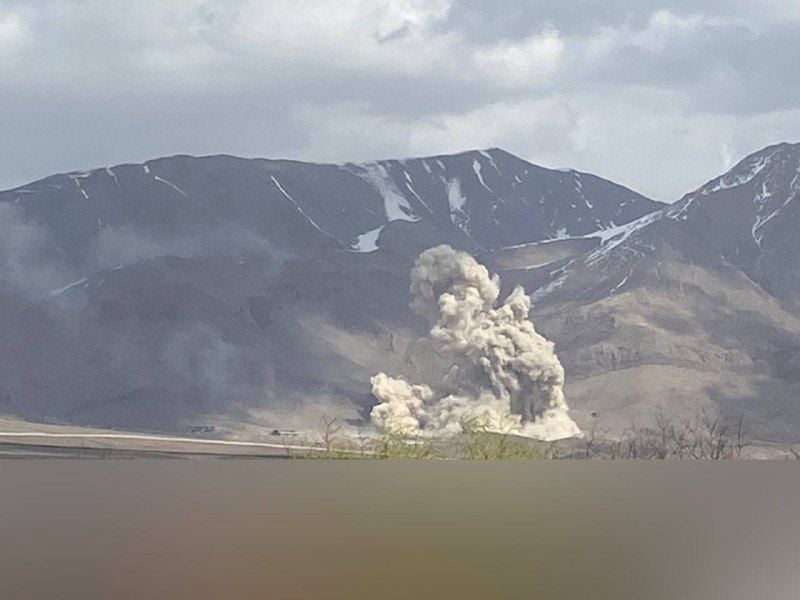
    תקיפות באיראן, מבצע "שאגת הארי"תקיפה במפקדת משמרות המהפכה, סמוך לטהרן | צילום: רשתות ערביות
    An attack of the IRGC command base, next to Tehran | photo by: Arab media
    Israeli Air Foces planes during operation "Lion's Roar" | photo by: IDF Spokespersons Unit
    Israeli Air Foces planes during operation “Lion’s Roar” | photo by: IDF Spokespersons Unit

    On the northern border, Hezbollah’s leadership was significantly degraded, and Israel pushed the threat back from its border through sustained operations in southern Lebanon. Meanwhile, in Judea and Samaria, hundreds of attacks were thwarted through continuous intelligence and operational activity by security forces.
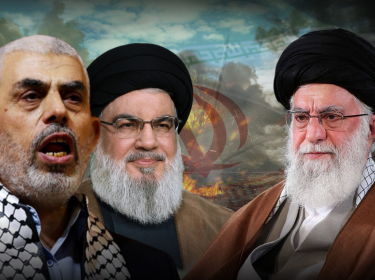
    חמינאי, נסראללה וסינוואר | צילום: רויטרס, שרטרסטוק
    Ali Khamenei, Hassan Nasrallah and Yehya Sinwar | Photo by: Reuters, Shutterstock

    In defense technology, the war accelerated new developments in drones, artificial intelligence, defense systems, intelligence, and battlefield command and control. The Defense Ministry significantly expanded cooperation with startups, and hundreds of new defense ventures were advanced to apply the war’s lessons and strengthen Israel’s qualitative edge.

    Israeli society also demonstrated massive mobilization capacity. Hundreds of thousands of reservists were called up for extended periods, thousands of volunteer organizations sprang up to support soldiers, evacuee families, and the wounded, and the Israeli economy maintained operational continuity despite the ongoing fighting.

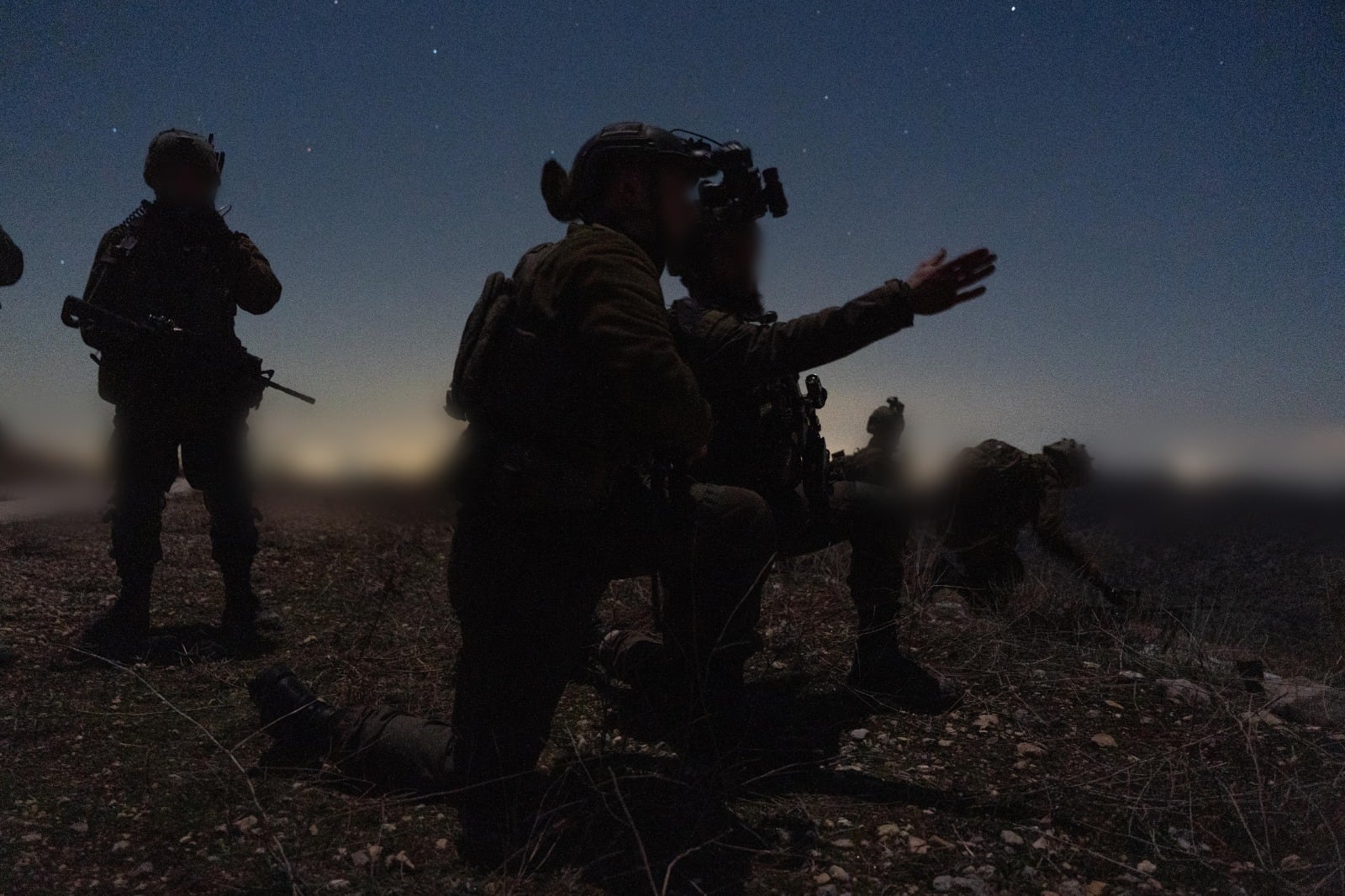
    לוחם יוצא למילואים | צילום: חיים גולדברג, פלאש 90
    An IDF reservist leaving his home | photo by: Chaim Goldberg/Flash90
    צה״ל נערך לקלוט משרתי מילואים | צילום: דו"צ
    Saluting our soldiers | photo by: IDF Spokespersons Unit

    Still, even after a thousand days, the war has left significant challenges. Reconstruction of southern and northern communities continues, bereaved families and war wounded are still grappling with its aftermath, and many security and regional issues have yet to reach full resolution.

    The IDF this week marked the thousand-day milestone, with the Chief of Staff defining the period as a “significant strategic juncture” for Israel and emphasizing that the war changed combat doctrines and how the IDF will build its future force. “We won in every sector,” he said, highlighting the IDF’s achievements in the multi-arena campaign and the shift in security reality since October 7.

  • Harris Courts Anti-Israel Left in Secret Outreach Campaign

    Harris Courts Anti-Israel Left in Secret Outreach Campaign

    Former Vice President Kamala Harris has begun a political blitz of outreach to radical left-wing and anti-Israel activists in recent months, aiming to cement her position as frontrunner in the Democratic Party’s 2028 primary race. Harris’s overtures came immediately after a wave of dramatic socialist victories in New York state primaries that ousted veteran pro-Israel Democratic incumbents, the New York Post reported Wednesday.

    קמלה האריס |
    Kamala Harris | Photo by: Reuters

    A source close to the details confirmed that Harris personally reached out to socialist New York City mayor Zohran Mamdani—who previously tried to block Joe Biden’s nomination—and congratulated him on his slate’s primary success.

    Mamdani himself confirmed the contact in an interview on SiriusXM’s “The Clay Cane Show,” saying: “The vice president reached out to have a conversation, and we had a brief conversation. We’ve been in touch over the last few months, and I really appreciate her reaching out.”

    קמלה האריס | צילום: שאטרסטוק

    Alongside Mamdani, Harris held a series of phone calls and met in Detroit with Abbas Alawieh, co-founder of the “Uncommitted Movement” that led the boycott against the administration over its support for Israel. Harris also spoke with Democratic National Committee member James Zogby, a longtime pro-Palestinian activist.

    Alawieh posted details of the meeting and calls on X: “In my first call with former Vice President Harris, I shared with her that several community members in the Michigan state senate district I’m running to represent recently had family members killed in Israeli airstrikes backed by our American government, and that my 91-year-old grandmother’s home was also destroyed.”

    Zohran Mamdani | Photo by: Shutterstock

    Alawieh described their formal meeting last week: “When I met with her last week, I reiterated what has been my longstanding position: U.S. tax dollars should never be used to target civilians and destroy entire communities.”

    He concluded with a direct appeal to party leadership: “Every Democrat knows how critical Michigan is to defeating Trumpism. As a Democratic candidate in Michigan for state senate, I’m urging Vice President Harris and all our party leaders to stand with peace-loving Americans against endless wars, in opposition to the Israeli military’s genocide in Gaza, and against the ethnic cleansing campaign in Lebanon.”

    קמלה האריס ביום הבחירות לנשיאות |
    Kamala Harris | Photo by: Reuters

    Harris’s attempts to court the progressive wing aren’t new, but they’ve taken on fresh urgency following the 2024 presidential election results and recent local primaries.

    Back in July 2024, just four days after Joe Biden dropped out of the race, Harris issued an unusually sharp public statement immediately after the president’s meeting with Benjamin Netanyahu, accusing Israel of killing “too many” Gaza civilians and declaring: “I will not be silent. To everyone calling for a ceasefire and everyone yearning for peace—I see you and I hear you.” She later tried to arrange a meeting with Uncommitted Movement leaders to discuss a possible arms embargo on Israel. Yet in her nomination acceptance speech in Chicago, she tried to balance her message by telling Jewish voters she would stand by Israel’s right to defend itself.

    Kamala Harris | Photo by: Shutterstock

    That strategy failed at the ballot box. Post-election polls conducted in November by the Council on American-Islamic Relations showed Harris won just 20.3% of American Muslim votes, with the majority preferring Donald Trump or third-party candidates. Michigan Democratic heavyweights like Congresswoman Rashida Tlaib and Dearborn’s mayor refused to endorse her.

    The immediate catalyst for Harris’s leftward pivot is last week’s New York primary results, which proved the Democratic base is shifting left on Israel. Candidate Drialieza Avila Shebalia, backed by socialists, defeated incumbent Congressman Adriano Espaillat. Meanwhile, Jewish pro-Israel Congressman Dan Goldman lost to former City Comptroller Brad Lander, who previously accused Israel of committing “genocide” in Gaza.

    Kamala Harris | Photo by: Shutterstock

    Harris understands that to win the 2028 primaries, she must recapture young and progressive voters. She currently leads internal party polls with 27.3% support, followed by California Governor Gavin Newsom (17%), Pete Buttigieg (12.6%), and Alexandria Ocasio-Cortez (11%). Though she hasn’t formally announced her candidacy, she recently told Reverend Al Sharpton: “I may run. I’m thinking about it and will keep you posted.”

  • Bennett, Liberman Vow to Repeal Torah Study Basic Law

    Bennett, Liberman Vow to Repeal Torah Study Basic Law

    The Knesset’s preliminary approval of a Basic Law on Torah Study sparked fierce backlash Wednesday evening from opposition figures and even some coalition members. Critics slammed the legislation as a blow to equal burden-sharing, arguing it would cement military draft exemptions for the ultra-Orthodox and deepen divisions in Israeli society.

    Photo: Yonatan Sindel/Flash90

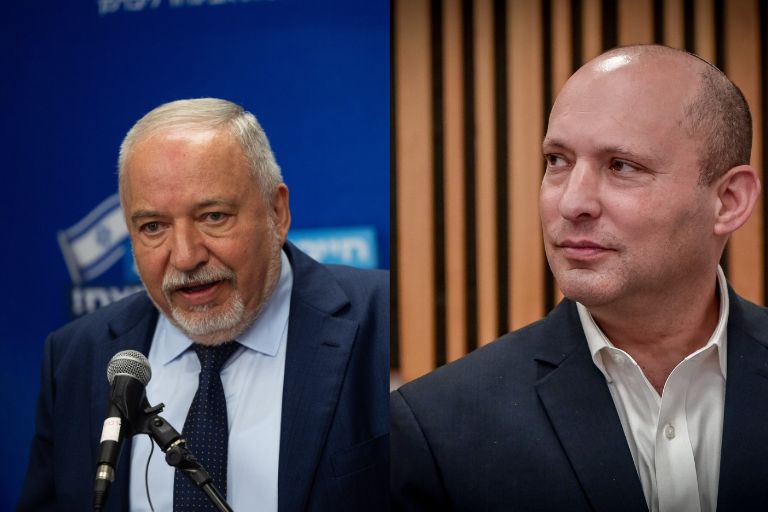
    Yisrael Beiteinu chairman MK Avigdor Liberman tore into the bill’s passage, charging that “to preserve his bloc, Netanyahu is willing to dismantle the IDF and Israeli society as a whole.” He said the “Basic Law of Desecration” would remain “a mark of Cain on the October 7 massacre coalition.”

    Yachad party leader Naftali Bennett pledged to scrap the law if he forms the next government. “The moment we establish the new government, we will repeal the Basic Law Disgracing the Torah,” he wrote. “The law will disappear, but the mark of shame on the Knesset members who supported it will remain.” Bennett added that “draft-dodging is the opposite of unity,” accusing the coalition of putting political interests ahead of security needs while the IDF is short tens of thousands of soldiers.

    Photo: Yonatan Sindel/Flash90

    Likud MK Dan Illouz also came out against advancing the bill, calling it a “Basic Law of Torah Desecration.” He warned that pushing the legislation forward “stretches the rope between the serving public and the coalition to the breaking point,” and said caving to ultra-Orthodox demands could lead Likud to “crash at the polls.” Illouz argued the law’s purpose is to keep granting benefits to those who don’t serve, calling it “a true desecration of God’s name.”

    Former IDF Chief of Staff Gadi Eisenkot criticized the bill’s approval as well. “The attempt to turn draft-dodging into a Basic Law is a direct blow to our national backbone,” he said. Eisenkot stressed that Torah study is an important value but cannot serve as “political cover for abandoning the mission of defending the state,” adding that those who backed the law “prefer the government’s survival over the resilience of the IDF and Israeli society.”

    Photo: Yonatan Sindel/Flash90

    The Democrats chairman, Yair Golan, declared that a government led by his camp would work to repeal the law. “In our government, the Basic Law on Torah Study will be canceled, the ultra-Orthodox will enlist, and we will ensure true equality in burden-sharing,” he wrote. “The working and serving public will stop being the sucker carrying the ultra-Orthodox on its back.”

  • Israeli Hospitals Prevented Over 1,300 Deaths in 2025

    Israeli Hospitals Prevented Over 1,300 Deaths in 2025

    When patients check into a hospital, they expect treatment that will send them home healthier. But for thousands each year, the hospital stay itself becomes a source of danger—infections acquired during medical care. Some of these infections can lead to sepsis, extend hospitalization, and even cause death.

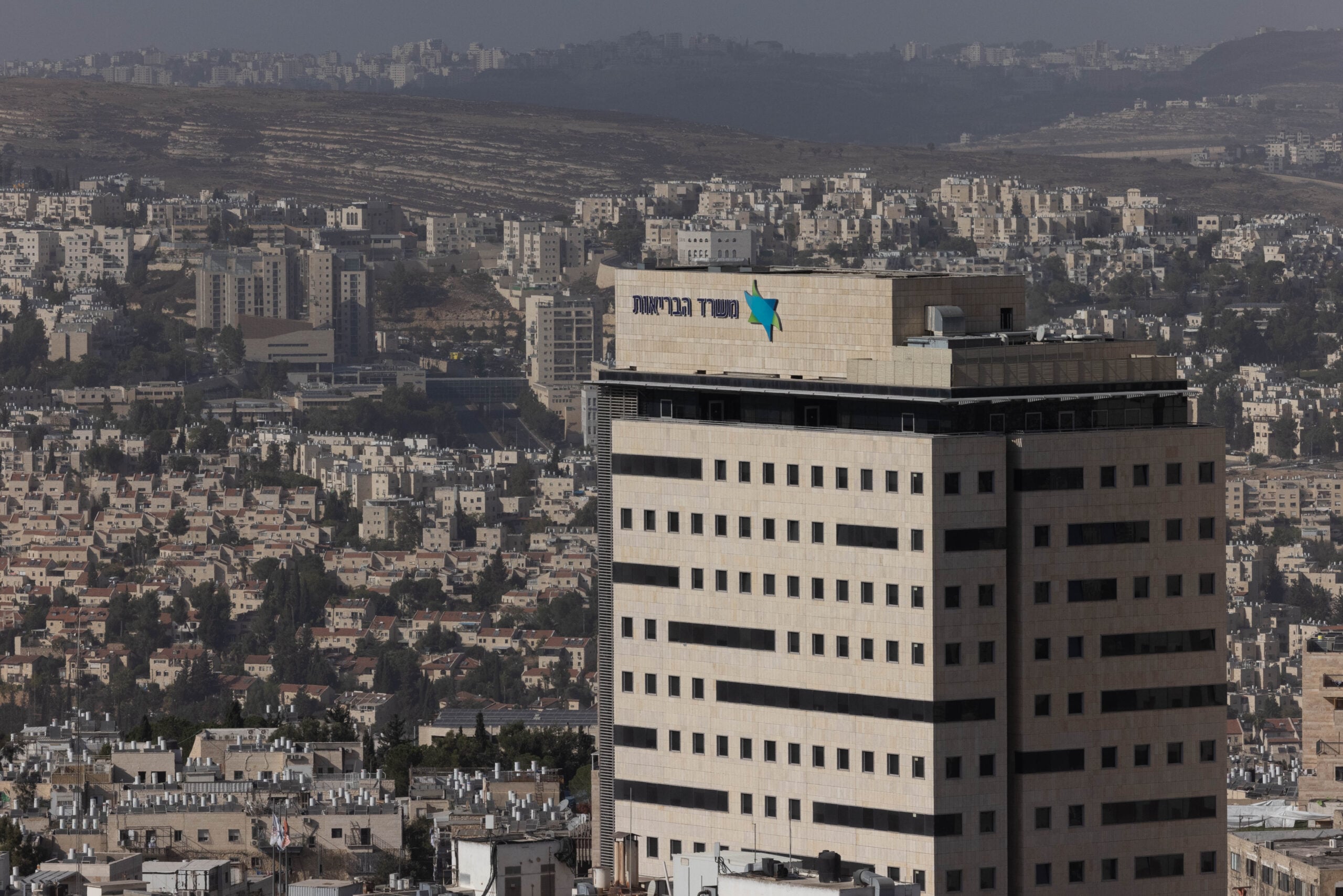
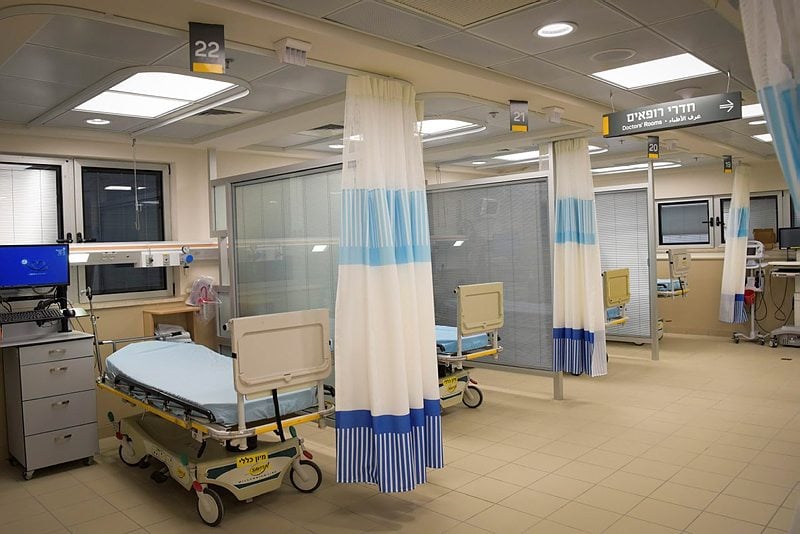
    Ministry of Health in Jerusalem | Photo: Nati Shohat, Flash 90

    According to Prof. Yehuda Carmeli, director of the National Center for Infection Control and Antibiotic Resistance at the Health Ministry: “We’re talking about a complication of medical treatment that sometimes saves lives, but can also endanger them. Our job is to make every effort to prevent these complications.”

    The Health Ministry has now released its 2025 infection prevention reports, showing that the national infection prevention program successfully prevented an estimated 4,668 hospital-acquired infections, 1,319 potential deaths, saved more than 30,000 hospitalization days, and cut roughly 300 million shekels (~$100 million) in healthcare costs.

    According to the ministry, these achievements stem from a national program running for over a decade that includes continuous infection monitoring, nationwide oversight, medical staff training, targeted interventions in high-risk departments, and incentives for hospitals to pursue continuous improvement.

    One key metric tracked is hospital-acquired sepsis—one of the most serious complications of infection during hospitalization. Since the nationwide intervention began in 2012, the rate has dropped by roughly 52%, from 5.3 to 2.6 cases per thousand ICU hospitalization days. In 2025 alone, more than 1,150 cases of hospital-acquired sepsis were prevented.

    Following this improvement, the Health Ministry tightened the national target for central line-associated infections, from 1.9 to 1.3 cases per thousand catheter days. However, the ministry notes that in recent years no improvement has been recorded in neonatal units, pediatric ICUs, and neurosurgery, so these areas will remain a focus of intervention.

    Significant declines were also recorded in urinary tract infections. In internal medicine and surgical departments, infection rates dropped 44%-60% compared to 2016, and in acute geriatric departments they fell 18%-33%. According to the Health Ministry’s estimates, this translates to prevention of roughly 1,700 infections annually in monitored departments.

    The Health Ministry also released the 2025 National Antibiogram, presenting the picture of bacterial resistance to antibiotics in Israel. The data shows that on most metrics Israel presents similar figures—and in some cases better—compared to European countries. Still, the ministry emphasizes that continuing the fight against antibiotic resistance requires reducing unnecessary antibiotic use and continued investment in infection prevention.

    Alongside the achievements, the Health Ministry stresses that the challenge is far from over. Hospital-acquired infections continue to affect roughly 5% of hospitalized patients in Israel and lead to thousands of patient deaths annually. Most are related to complications of medical treatment, but a significant portion can be prevented through strict hand hygiene, judicious antibiotic use, continuous monitoring, and implementation of infection prevention protocols.

    The Health Ministry says that in 2026 it will expand efforts to reduce infections through incentive programs and targeted interventions in hospitals and long-term care facilities, aiming to continue reducing infection rates and improving patient safety.

  • IDF Rules Out Abduction of Missing Israelis in Arab Town

    IDF Rules Out Abduction of Missing Israelis in Arab Town

    Security forces rushed to the village of Mukhmas in the Benjamin Brigade sector early this morning and launched extensive searches after receiving a report about several Israeli civilians who were in the area and with whom contact was lost.

    The vehicle that was located | Photo: None

    Security forces were called to the village of Muhammas in the Binyamin Brigade area early this morning after a report that several Israeli civilians had entered the area, felt threatened, and then lost contact with authorities. Extensive searches followed, and after a report was received from one of the civilians, suspicion of a kidnapping was ruled out. Forces continued additional operations in the area to complete the investigation and account for everyone involved.

    The incident began around 4:00 AM, when Israeli citizens reported that they were in the Muhammas area and felt threatened. Concerns escalated after a vehicle with an Israeli license plate was found abandoned and damaged in the area, with personal belongings apparently belonging to Israeli citizens found inside.

    In response, large numbers of IDF, Shin Bet, and police forces were dispatched to the scene, including special units, who conducted extensive searches with the support of a combat helicopter. During the operation, forces cordoned off the village and blocked nearby roads.

    At around 6:40 AM, a report came in from a citizen indicating that everyone who had been in the vehicle had left the village. Suspicion of a kidnapping was ruled out at that point, though security forces continued additional searches and checks to rule out any other security incident and complete their handling of the case.

  • IDF Kills Hamas Commander Planning Attacks on Soldiers

    IDF Kills Hamas Commander Planning Attacks on Soldiers

    Israeli forces and the Shin Bet killed a Hamas terrorist in southern Gaza on Tuesday who was planning imminent attacks against Israeli troops. In a joint statement, the IDF and Shin Bet said forces struck from the air and killed Adel Jihad Mohammad Asfour, who served as a battalion commander in the military wing of the terror organization.

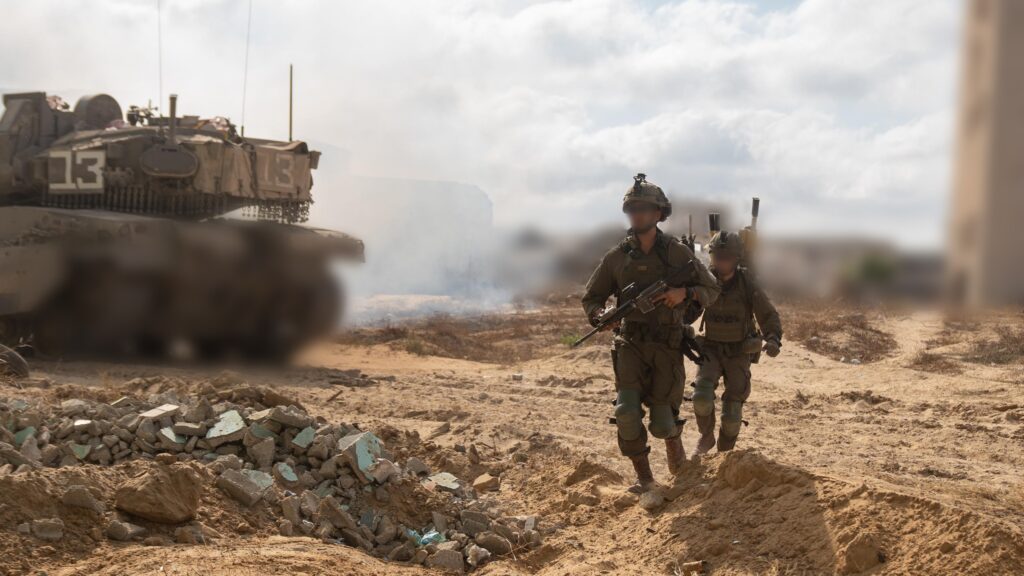
    Israeli Forces in Gaza, archive footage | photo by: IDF Spokespersons Unit

    Throughout the war, Asfour actively advanced sniper attacks and IED placements against Israeli forces operating in Gaza. Recently, alongside planning imminent attacks on troops, the terrorist worked to rebuild Hamas’s military capabilities in southern Gaza. Asfour posed a real and immediate threat to forces on the ground until he was killed in the precision strike.

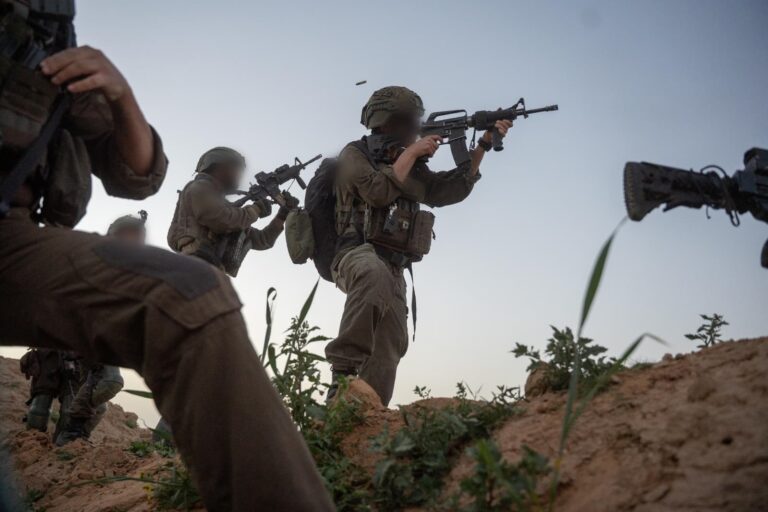
    Israeli forces in the Gaza Strip | Archive, Photo: IDF Spokesperson

    IDF Southern Command forces are currently deployed across the area in accordance with operational agreements, and will continue to act decisively to remove any immediate threat to the country’s security. The IDF and Shin Bet said the joint operation will continue as needed to thwart Hamas’s rebuilding efforts and strike any terrorist attempting to harm Israeli troops in the Gaza Strip.

  • Bill Imposing Fines on Mosques Passes Preliminary Vote

    Bill Imposing Fines on Mosques Passes Preliminary Vote

    A bill to crack down on mosque loudspeaker noise passed its preliminary vote, backed by National Security Minister Itamar Ben-Gvir and National Security Committee Chairman MK Zvika Fogel of the Jewish Power party.

    MK Zvika Fogel | photo by: Sagiv Cohen

    The legislation would ban mosques from installing or operating loudspeaker systems without a permit. Permits would be evaluated based on noise levels, mitigation measures, the mosque’s location, proximity to residential areas, and impact on residents. If violations occur, police could demand immediate shutdown—and if the violation continues, confiscate the loudspeaker system.

    The bill sets steep fines: ₪50,000 for operating or installing a system without a permit, and ₪10,000 for operating in violation of permit conditions. Fine revenues would go to the state’s forfeiture fund.

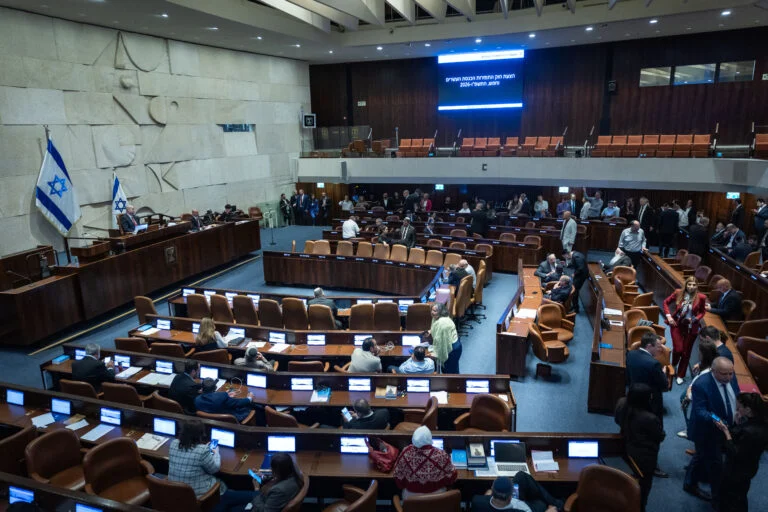
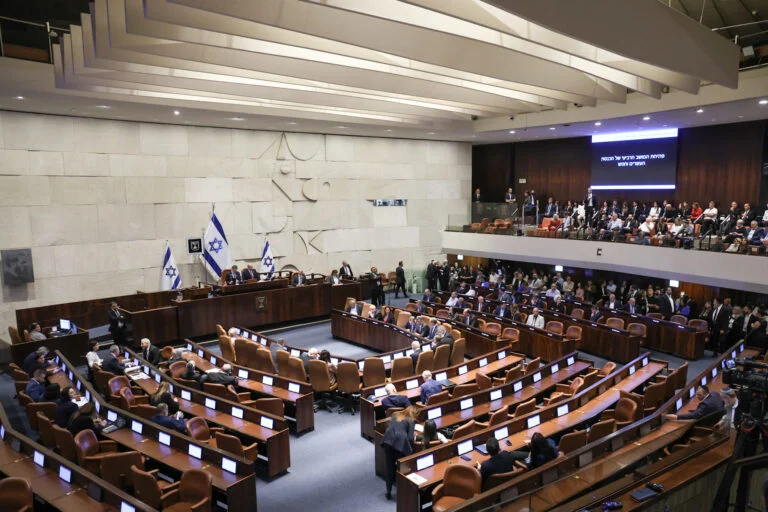
    Knesset Plenum | photo by: Jonathan SIndel/Flash90

    Unlike previous bills that focused only on limiting loudspeaker hours and allowed broad exemptions with limited enforcement, this legislation establishes a structured licensing and oversight system, imposes clear personal liability on operators, and significantly strengthens enforcement powers and penalties. It also creates a dedicated mechanism to funnel enforcement revenues toward public projects.

    The bill’s explanatory notes state that noise is a health hazard, and despite past enforcement operations, no current law provides adequate tools to address the problem. The proposal therefore establishes clear regulation including a default ban, explicit permits, appointment of an operator responsible for compliance, and substantial fines. The bill aims to restore quiet and quality of life for residents through effective and clear enforcement.

    The Knesset | Photo by: Noam Moskowitz, Danny Shem Tov/Knesset Spokespersons office

    National Security Minister MK Itamar Ben-Gvir said: “In many places, muezzin noise is unreasonable noise that harms residents’ quality of life and health. This is a phenomenon we cannot accept. Under my watch, for the first time the Israel Police began addressing this intolerable phenomenon, and now we’re giving it dramatic additional tools to eliminate it. I thank Minister Idit Silman for her cooperation, Coalition Chairman Ofir Katz, and the members of Jewish Power who are faithful to our election promises and working hard to fulfill them one by one.”

    National Security Committee Chairman MK Zvika Fogel said: “The muezzin at extreme volumes is not a religious matter—it’s harm to public health and quality of life. It’s unacceptable for residents to continue suffering from systematic violations of the law. That’s why I submitted this bill—to enable sharp, clear, and determined treatment of the phenomenon.”

  • Settler Violence Math, Sanctions, and the Sovereignty Clock

    Settler Violence Math, Sanctions, and the Sovereignty Clock

    The term ‘settler violence’ shows up constantly in international reporting, UN dashboards, and sanctions announcements targeting Israelis in Judea and Samaria. But when researchers actually went looking for the data behind the term, they found a system that counts terrorists eliminated mid-attack as victims, relies on a single unverified source while claiming two, and applies a standard nowhere else in the democratic world.

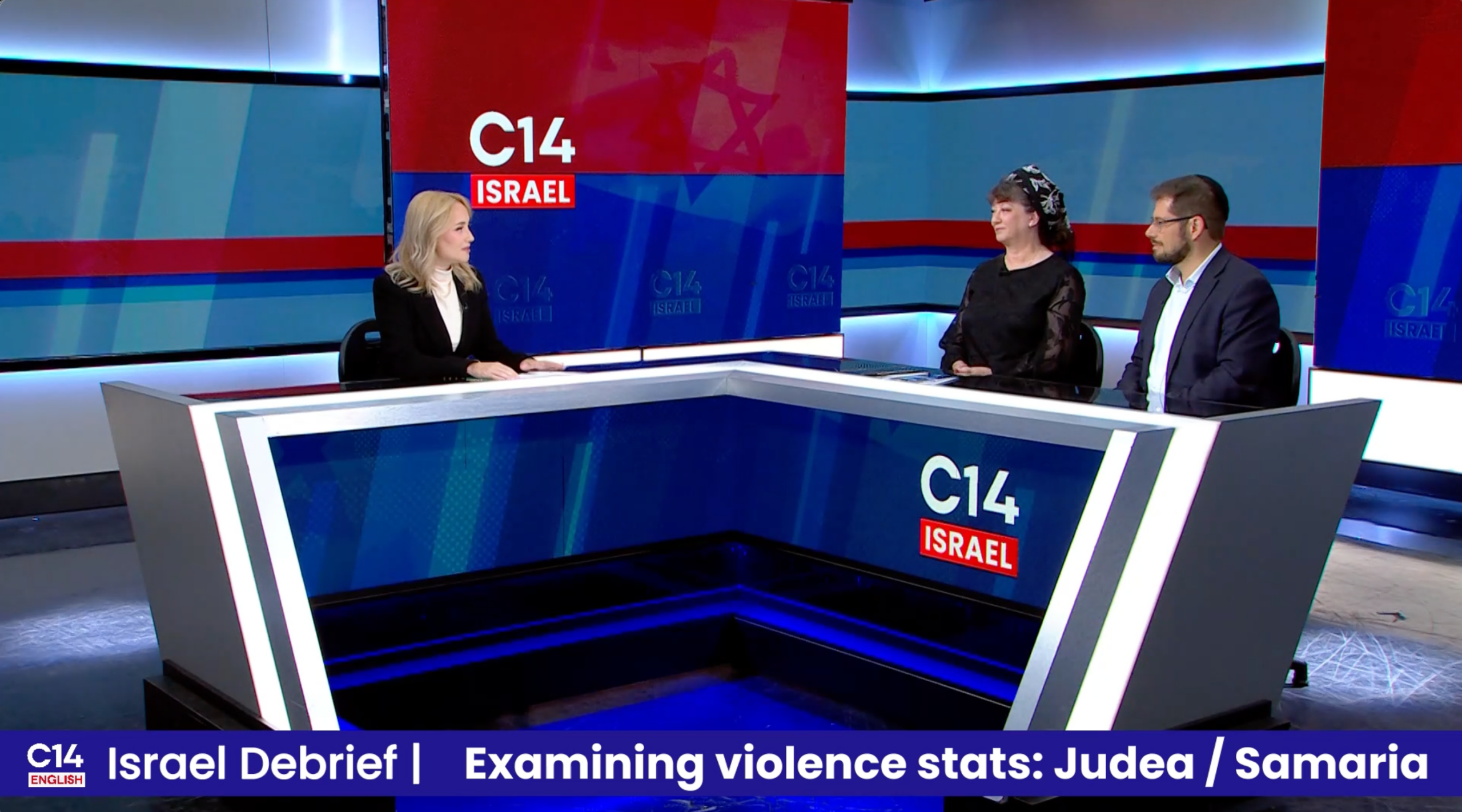
    Professor Eugene Kontorovich of George Mason University Law School and the Kohelet Policy Forum, and Naomi Kahn of Regavim’s International Division joined C14’s Israel Debrief.

    The data problem

    Kahn recounted that OCHA, the UN’s Office for the Coordination of Humanitarian Affairs, publishes an online dashboard tracking violence involving Israelis and ‘Palestinians.’ When Regavim requested the raw incident data behind the dashboard, the UN declined. The organization obtained it anyway through a French criminologist and analyzed more than 8,300 incident reports spanning seven years.

    The first finding: over 2,000 entries labeled as settler violence were, on inspection, cases of Arab violence against Israelis. Of the roughly 6,300 reports that remained, Kontorovich and Kahn say more than 95 percent either did not involve settlers, did not involve violence, or did not take place in Judea and Samaria. Of the small number left, most could not be distinguished from acts of self-defense by Israelis under attack by Arab terrorists.

    https://x.com/c14english/status/2072382610295108084?s=20

    Buried in OCHA’s own fine print is a definition that reframes the entire category. ‘Palestinians’ eliminated while carrying out attacks against Israelis are recorded as victims of settler violence. Kahn pointed to real cases in the data of an attacker eliminated while attempting to murder Israeli civilians in their home, logged the same way.

    OCHA also states its data comes from two independent, verifiable sources. Kontorovich and Kahn say the reports show the opposite: the same single source appears repeatedly, sometimes under two different names.

    Vandalism, graffiti, and trespass, which would not meet the legal definition of violence in most jurisdictions, are counted as settler violence in the dataset. Israelis ascending the Temple Mount has also been logged as an incident. Meanwhile, attacks against Israelis are tracked under a separate “nationalist crime” category that only registers when there are casualties.

    Kontorovich argues that even taking the data at face value, the numbers do not support the narrative built on top of them. Using B’Tselem’s own reported figure of ‘Palestinians’ killed by Israelis in Judea and Samaria last year, he calculated a rate that would put the region roughly on par with Omaha, Nebraska, and far safer than most major American and European cities.

    Sanctions built on flawed data 

    That dataset has real consequences. During the Biden administration, the US Treasury’s Office of Foreign Assets Control introduced a sanctions program targeting what it called West Bank violence. Kontorovich and Kahn were both involved in a lawsuit challenging sanctions issued under the program. Of the sanctions orders issued under the program, Kontorovich says all were directed at Israelis. An entire IDF unit was placed under sanction before the designation was later reversed. The European Union runs a parallel sanctions track that, according to Kahn, has named Regavim itself, along with groups engaged in litigation and construction advocacy, not violence.

    The Trump administration rescinded the executive order behind the US program on its first day in office. Kontorovich and Kahn continued their lawsuit regardless, reaching a legal settlement (not that kind).

    But sanctioned Israeli organizations are cornered at home. Kahn says Israeli banks and credit card companies, wary of losing business tied to the EU market, have moved to restrict groups like Regavim from processing donations or transactions, despite no Israeli law requiring them to enforce foreign sanctions. Kontorovich warns that without government action to limit automatic compliance with foreign sanctions lists, similar to protections other countries have adopted, Israel risks a future round of sanctions cutting off far more of its banking system.

    Sovereignty and the two state question

    The conversation also touched on Prime Minister Netanyahu’s recent remarks rejecting a two state solution. Kahn noted that no Israeli government, across the political spectrum, has ever endorsed an independent ‘Palestinian’ state between the Jordan River and the Mediterranean, calling the statement a restatement of longstanding policy rather than a shift.

    Kontorovich argues that applying Israeli civil law to Area C, the portion of Judea and Samaria under full Israeli administrative and security control, is legally straightforward but has been withheld due to anticipated international backlash, pointing to the response when Israel applied its law to Jerusalem.

    Both guests framed the sanctions themselves as a deterrent to that step, arguing that international pressure, more than legal or logistical obstacles, has been the primary force holding Israeli sovereignty in Judea and Samaria in place since 1967.

    Youtube | Spotify

  • 5,000 Doctors Oppose Boycott of Israeli Medical Association

    5,000 Doctors Oppose Boycott of Israeli Medical Association

    A letter recently published in the medical journal The Lancet called for suspending the Israeli Medical Association’s membership in the World Medical Association. More than 1,000 doctors and medical professionals signed the letter, arguing that the Israeli Medical Association failed to act adequately in response to damage to Gaza’s healthcare system.

    Photo: Shutterstock

    Now thousands of doctors worldwide are rallying to defend the Israeli Medical Association. Over 5,000 physicians from 46 countries have signed a petition opposing attempts to distance the Israeli Medical Association (IMA) from the World Medical Association (WMA), arguing that political considerations should not be brought into the activities of medical organizations.

    In their letter, the signatories wrote that “medical organizations should remain spaces for scientific and universal cooperation, not serve as tools for political exclusion,” and warned that such steps could harm international cooperation and medical advancement. The Israeli Medical Association also rejected the call for its suspension, arguing it is a political move inconsistent with the principles of medical ethics.

    מלון. צילום: אילוסטרציה
    Photo: Flash90

    The organization emphasized that doctors from around the world must continue working together for the benefit of patients, regardless of policy disputes. The issue is expected to come up for discussion at the upcoming assembly of the World Medical Association, where a decision will be made whether to advance the demand to suspend Israel or reject it.

  • Israel Approves 229 New Houses in Judea and Samaria

    Israel Approves 229 New Houses in Judea and Samaria

    Israel’s Supreme Planning Council approved 229 new housing units in the Judea and Samaria on Wednesday, in line with Finance Minister Bezalel Smotrich’s policy to strengthen towns.

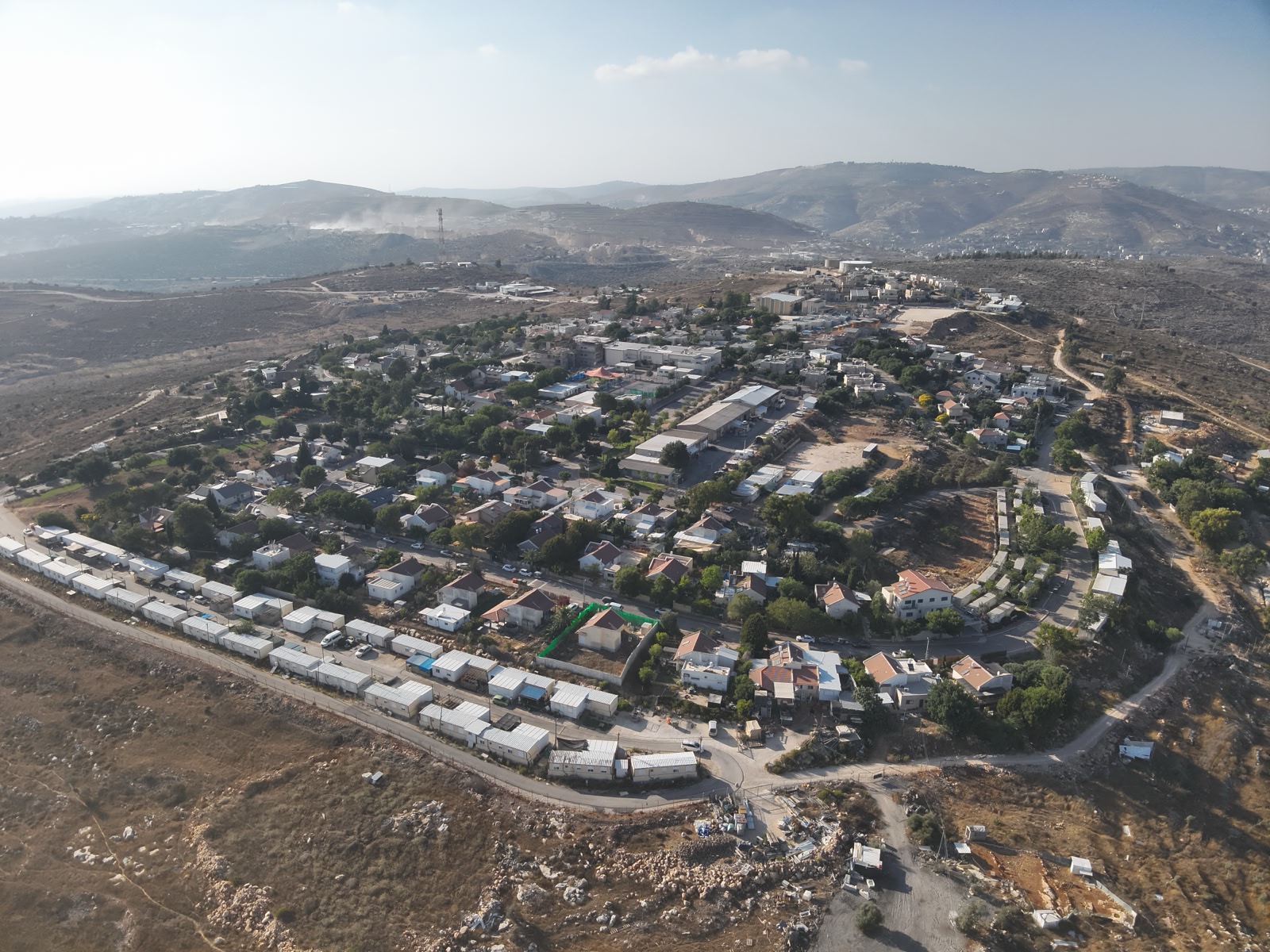
    יהודה ושומרון | צילום: אליה אביב חדשות 14
    Judea and Samaria | Photo by: Eliyah Aviv, Channel 14

    The decision includes final approval for a plan authorizing 156 housing units in Otniel in the Hebron Hills—a move expected to double the town’s size. The Otniel approval came after extensive battles and removal of objections, and will enable the absorption of hundreds of new residents. Additionally, the council gave final approval to 52 units in Kfar Adumim and 21 units in Elkana.

    Bezalel Smotrich said: “We continue to build the Land of Israel and carry out a tremendous revolution in towns throughout our land. The town of Otniel, which has stood for decades with enormous courage in the face of many waves of terror over the years, now stands before a tremendous breakthrough—absorbing hundreds of new residents and effectively doubling the town.”

    שר האוצר בצלאל סמוטריץ' | צילום: יונתן זינדל, פלאש 90
    Finance Minister Betzalel Smotrich | Photo by: Jonathan Sindel/Flash90

    Smotrich added: “Against the left’s intention to evacuate towns, we are fortifying and strengthening towns,. This is a national move that establishes our hold on the ground, strengthens Israel’s security, and uproots from the core the idea of those who want to establish here a terror state in the heart of the land. Thanks to the Civil Administration for leading this important process.”