Category: Israel

  • Israeli Delegation in Venezuela Expands Operations

    Israeli Delegation in Venezuela Expands Operations

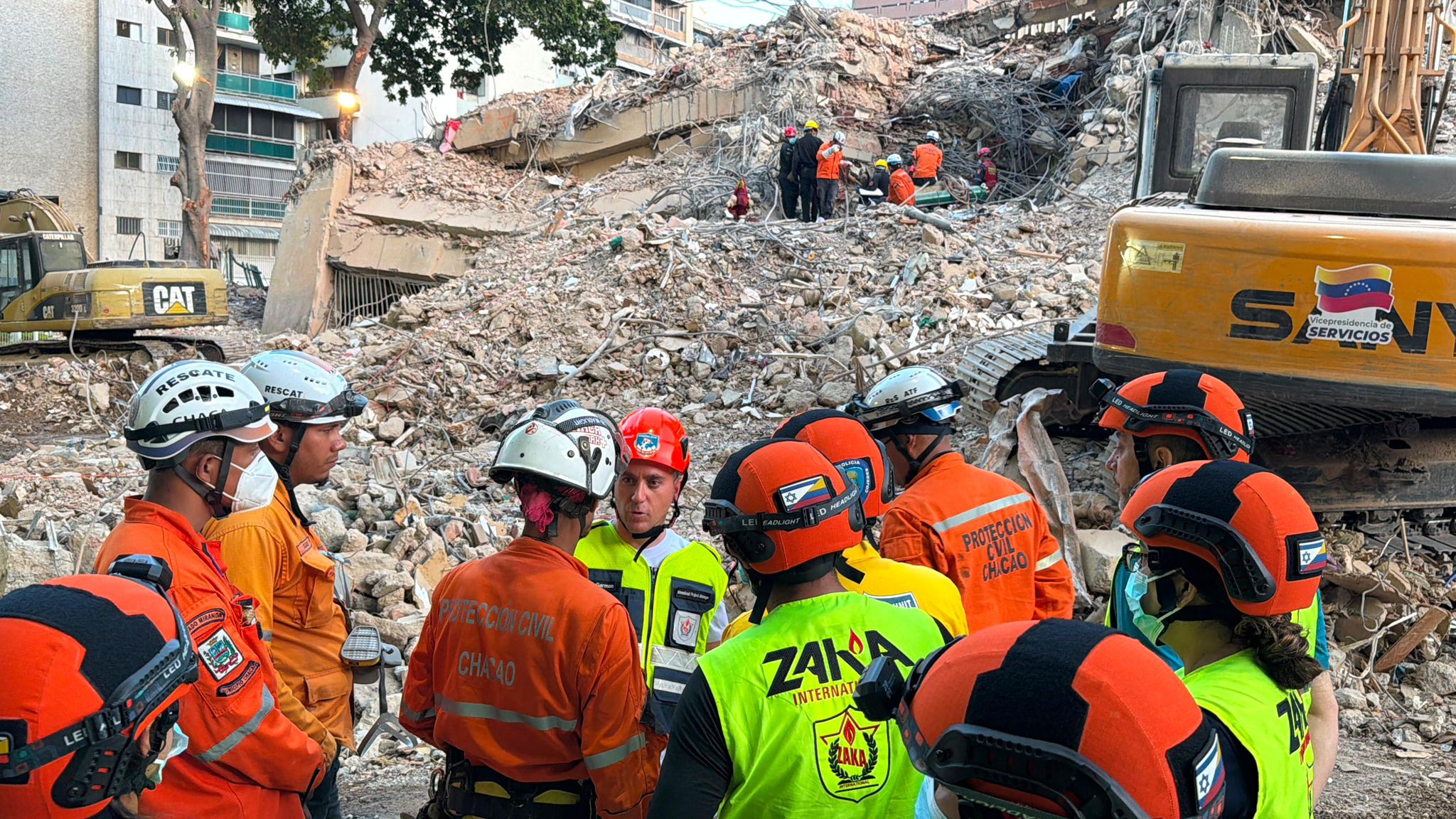
    At the request of Venezuela’s government, the Israeli delegation sent recently to assist in rescue efforts will expand its operations to help develop a national reconstruction plan for areas devastated by the earthquake. Alongside dozens of delegation members working in the field, an additional team of about 20 experts has been established and is operating from Israel.

    Photo: ZAKA

    The Israel-based team is analyzing the situation on the ground and helping develop the reconstruction plan. The delegation’s work is receiving significant attention in Venezuela, including from senior government officials and local media. Venezuelan Vice President Delcy Rodríguez praised the Israeli delegation and described it as “a highly trained and professional team.”

    According to Rodríguez, the delegation’s arrival was made possible through connections with Venezuela’s Jewish community, and she thanked “Rabbi Cohen for the coordination that enabled creating the connection with Israel’s government and bringing an expert team here.” She noted that the team has already begun implementing protocols for opening the infrastructure reconstruction process and assessing their condition, and that these are professionals with advanced capabilities who can locate survivors or voids beneath rubble even before reconstruction work begins.

    Photo: ZAKA

    Baruch Neidam, director of ZAKA’s international division, said the organization’s teams are deployed worldwide and arrive at every disaster zone where assistance is needed: “In Venezuela too, division members are working devotedly alongside local emergency forces, out of commitment to saving lives and helping every person, regardless of religion, nationality or origin.”

    According to official figures released by Venezuela’s government, the death toll now stands at more than 2,954 people, while the fate of about 41,000 missing persons remains unknown. Within the chaos, some 30,000 rescuers from around the world are operating, including the Israeli aid delegation and ZAKA teams.

    Photo: ZAKA

    One of the moving stories from the field came from a ZAKA team commanded by Yossi Garmon, ZAKA commander for South America. In documentation from the scene, Garmon told of a son from a local family who requested the Israeli team’s help in extracting his mother’s body from a complex site, after all other agencies refused to enter it.

    “He saw that we’re from Israel and said ‘come help, because no one wants to help us now,’” Garmon recounted. According to him, it was a very complex site from an engineering standpoint, long after the disaster. “There was a sharp smell. He begged all the other agencies and no one wanted to enter. He cried and said ‘you must.’”

    Photo: ZAKA

    ZAKA volunteers entered the site and after efforts succeeded in extracting the mother’s body. After the extraction, the son, a Christian by faith, said he had dreamed that Jews would come to help—and when he saw the volunteers with kippot, he understood the dream had come true.

    At his request, an improvised and moving ceremony was held at the site, where the volunteers and family members recited Psalm 121, “A Song of Ascents.” “He sang with us and didn’t stop crying,” Garmon said. Although ZAKA volunteers don’t usually document such moments, the son insisted on filming the event. “He said: ‘I must let people know what Israel is.’ It was a moment of comfort for him.”

  • After Fleeing Iran, a Harsh Reality in Israel

    After Fleeing Iran, a Harsh Reality in Israel

    Iran is slowly fading from the headlines, and the regime’s collapse doesn’t look imminent—painful news for those who made it to Israel and now face the reality that reuniting with the families they left behind keeps getting pushed further away. One of them is Shaily Gol, 18, who immigrated from Iran about four and a half years ago. In an interview with C14, she describes the complicated reality: “I think until Iran reaches Israel’s level and you can actually go back there, it’ll take many, many more years. By the time that happens, I’ll have already built my family here.”

    Photo: Private

    “I Cried Until Morning”: The Immigration Forced on Her in Two Weeks

    Shaily and her family’s story began with urgent, unexpected medical circumstances. Her mother fell ill with a rare disease, and after years of treatment in Iran, doctors told the family they could no longer provide adequate medical care. “The doctors said if we have somewhere to take her, the time has come,” Shaily says. “We decided to immigrate, and it all happened within just two weeks. I wasn’t even part of the decision. I knew my parents wanted to come so Mom could get treatment, but I didn’t know they were planning to take me and my brother too.”

    The revelation about the imminent departure came in a random moment at her grandmother’s house. Shaily saw her father photographing the family’s passports, and when she asked him what was going on, he confirmed they were heading to Israel. “That night I cried until morning,” she says. “Not because I hated Israel, but because of not knowing. Jews in Iran have no way of knowing what life is like here. I felt like they wanted to take me and put me in a dark room. Because everything was secret, we couldn’t even say goodbye to extended family because it would have raised suspicion.”

    Photo: Private

    “From “Iranian” to “Terrorist”: The Stereotypes She Faced in Israel“

    The move to Israel at age 13 and a half surfaced deep cultural gaps. Shaily describes a world where the Israeli mentality is completely opposite to what she grew up with. “In Iran, everything is about respect and speaking nicely, and here I feel it’s the opposite. Here it’s important to have confidence, to stand up for yourself, and to be able to take your share. It messed with my head. At first, I was at Yavneh school in Holon and didn’t manage at all—I didn’t even know the alphabet when I arrived. Only when I moved to another school, and the language started improving, did I finally manage to find friends and connect.”

    Alongside language difficulties, Shaily had to deal with social stigmas that she and her younger brother encountered daily. “I wish people knew the Persian community better,” she says. “People see on the news that there’s war there and bad people, and they judge us based on that. They call us ‘Arabs’ and ‘terrorists’ at school, and it happens to my brother every day. You can’t take each person one by one and explain to them who we are and where we came from. It’s a shame, because due to lack of familiarity, they treat us in a way that hurts a lot of people and creates an unpleasant feeling.”

    Photo: Private

    “I Dream About My Family Every Night”

    Despite the difficulties, Shaily managed to build a new life for herself. She finished high school with a full matriculation certificate and today focuses on training and thinking about future studies. What she misses most from the life she left behind is “my family. Missing them is there every night, I dream about them. After 14 years of being together every holiday and every Shabbat, suddenly being alone in another country is very hard. Since the war with Iran started, they’re afraid to talk to us, and contact has almost completely cut off.”

    Photo: Private

    Shaily’s biggest dream is to close the circle with the people she loved and from whom she was forced to part abruptly. “My dream is to go back there one day, to see my family and at least get to say goodbye to them. To give them one last hug that we didn’t get to,” she concludes. Despite the pain, she emphasizes that she’s doing well here and feels stable in the new place she’s found for herself. “When I got off the plane, even though I didn’t know where I was, I felt calm in my heart. I felt I was in the right place.”

  • US Official: No Gaza Rebuild Unless Hamas Disarms

    US Official: No Gaza Rebuild Unless Hamas Disarms

    A senior official on President Donald Trump’s Peace Council rejected reports that the administration has given up on dismantling Hamas and demilitarizing the Gaza Strip. In a conversation with Channel 14, the official said, “The claim that the administration has abandoned the goal of dismantling Hamas and demilitarizing Gaza is completely false. The Peace Council demands full demilitarization of the Strip. The president has been clear on this, and the UN Security Council has also established this. This was also made clear to Hamas in talks with them.”

    Photo: Reuters

    The official added that from the administration’s perspective, there will be no change to the principle that Gaza’s reconstruction is contingent on its demilitarization. “There will be no reconstruction of the Strip without demilitarization. The idea is simply to do it more smartly: instead of going now for a large military operation, pull the Gazan population out of Hamas-controlled territory into IDF-controlled areas, through the establishment of temporary refugee camps made of light construction.”

    Against this backdrop, Israel appears willing to forgo, for now, completing the goal of eliminating Hamas’s governing and military capabilities before the elections. The considerations include Prime Minister Benjamin Netanyahu’s desire to prioritize other fronts—primarily Iran and Hezbollah, where escalation could resume at any time—alongside significant American pressure to avoid a large-scale military operation in the Strip at this stage.

    Photo: IDF

    Still, voices in Israel are warning against the American plan to separate the population from Hamas. While it’s seen as a promising idea on paper, some voices—not from the political echelon—worry that thousands of Hamas operatives and tens of thousands of supporters will enter IDF-controlled areas along with the population, allowing the organization to expand its grip even in areas captured during the fighting.

    According to the more severe assessments, such a scenario could allow Hamas to collect taxes even in the new areas, use the population for intelligence gathering on IDF forces, and even help smuggle weapons into the Strip—concerns that continue to fuel debate over the plan’s feasibility.

  • Israeli Plane Lands at North Pole for First Time in History

    Israeli Plane Lands at North Pole for First Time in History

    Israeli aviation history was made this week when a plane bearing Israeli registration landed at the world’s northernmost inhabited point for the first time since the country’s founding—an extraordinary achievement that puts Israel on the short list of nations operating direct flights to this extreme destination.

    ארקיע
    צילום: שי יחזקאל

    The landing took place at Longyearbyen Airport, the world’s northernmost airfield serving regular flights. The airport sits in the Svalbard archipelago in the Arctic Ocean, just 1,300 kilometers (about 800 miles) from the North Pole, in a region where extreme cold dominates most of the year and the summer sun barely sets.

    Arkia operated the flight, running four special trips using an Airbus A320 in partnership with Spirit Productions and nature photographer Roey Galitz. The plane stopped in Helsinki to refuel before continuing north to one of the world’s most remote airfields.

    Beyond being an extraordinary tourist destination, Svalbard is considered one of the world’s most unique regions. The archipelago is known for its massive glaciers, Arctic wildlife—including polar bears—and the extreme natural conditions that define it. Due to its geographic location, the number of flights reaching it is relatively limited, and operating them requires complex logistical and operational preparation.

    Photo: Shutterstock

    No Israeli aircraft had ever been recorded landing at this destination until now, making this a significant milestone for Israeli aviation. Beyond the symbolic importance, the flight demonstrates the ability to operate Israeli aircraft even to remote and particularly challenging destinations that were previously considered off the Israeli aviation map.

    Photo: Shutterstock

    The project included four special flights, successfully completed in recent days, making Israel part of a select group of nations that have operated direct flights using their registered aircraft to the Arctic region.

  • Police Exchange Fire with Suspects in the Negev

    Police Exchange Fire with Suspects in the Negev

    During an operational activity in Ar’ara in the Negev, Southern District police officers today (Monday) identified a vehicle from which it is suspected that fire was opened at another vehicle, amid a conflict between residents. Later, Yoav unit fighters spotted the suspect’s vehicle traveling in their direction and fired to neutralize the danger and delay those involved.

    According to medical sources, five men were injured to varying degrees, including three who were detained for further investigation. A search of the vehicle yielded a gun and cartridges, which were suspected to have been used in the incident. The commander of the Southern District, Chief Chaim Boublil, assessed the situation at the scene and praised the police response. The forces are continuing to operate at the scene and restore order to the area.

  • Can the F-35 Shift Israel-Turkey Balance of Power?

    Can the F-35 Shift Israel-Turkey Balance of Power?

    Our political correspondent Saraya Harush addressed concerns today (Sunday) in an interview with Boaz Golan about Israel’s worries over the possibility that Turkey could receive F-35 fighter jets from the United States. He said that at this stage “there’s no clear answer,” but the issue is occupying senior political and military officials.

    Photo: Reuters

    Alongside the concern in the defense establishment, Harush emphasized that even in a scenario where Turkey receives the aircraft, “it doesn’t mean the Israeli Air Force’s advantage will be completely erased.” He explained that Israel has “systems we developed,” along with “the capabilities of our pilots” and “the operational experience they’ve accumulated in recent years. These things still remain in our hands.”

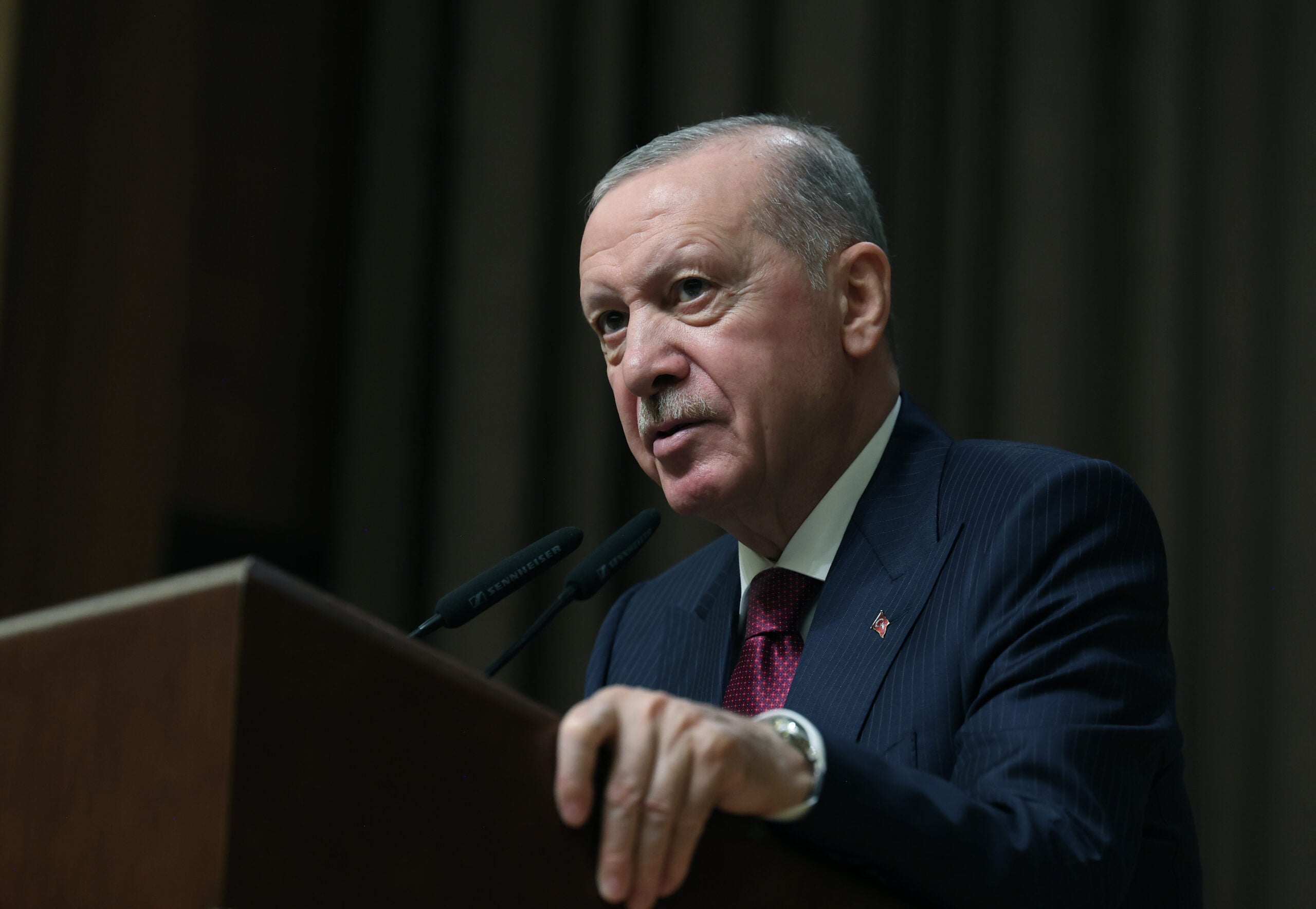
    Harush added that this comes against the backdrop of escalating tensions between Israel and Turkey. He noted that last week the government approved recognition of the Armenian genocide, which he said triggered “a lot of very antisemitic responses” from Erdoğan and from the Turkish foreign minister.

    Photo: Chaim Goldberg, Flash90

    Meanwhile, according to a report published over the weekend by the Associated Press, Trump was asked if he would arrive at a meeting with Turkey with “a big bag of gifts,” in the context of Ankara’s request to purchase F-110 engines and F-35 aircraft. He responded: “Yes, I think so. I’ll probably do something that will make him very happy.”

  • Samaria Uproar: “Yossi Dagan Abandons Residents’ Security”

    Samaria Uproar: “Yossi Dagan Abandons Residents’ Security”

    A major confrontation is brewing in Yitzhar between residents and the Samaria Governor over the dismissal of the town’s security coordinator. The crisis began about a month ago when the Samaria Brigade commander, Ariel Gonen, abruptly removed Yitzhar’s security coordinator—a move residents say was ordered and encouraged by the council’s security department. The decision blindsided residents, who note the coordinator has served for over a decade, responding first to every security incident and treating the wounded.

    Photo: Not available

    After the dismissal, residents asked council head Yossi Dagan to intervene and mediate between the coordinator and the brigade, and the council security department. But more than a month has passed, and Dagan hasn’t addressed the issue or said a word about it, raising serious concern among residents. After about two weeks without a security coordinator in the role, residents took action: they convened and voted that sole security authority for the town remains exclusively with the dismissed coordinator, since only he has their full trust to provide complete security.

    Residents emphasize that the relationship between a security coordinator and the community must be built on complete trust, and that any other coordinator would take a long time to build that trust and common language with residents. The security coordinator serves as the main bridge between residents and the army; he’s the person they call first in any incident, and he knows every corner, street, and alley in the town.

    Photo: Not available

    In response to residents’ vote against the council and the brigade commander’s position, the council began taking steps that appear to be retaliatory. The council decided to freeze all budgets designated for paving a security road in one of the town’s neighborhoods. Additionally, the council disconnected the coordinator from all communication devices and all council security alerts, leaving the town without anyone receiving the numerous operational warnings that arrive daily. Yitzhar is surrounded by five hostile villages from which attacks originate, and on the roads below the town, rock-throwing and firebomb attacks against vehicles and civilians occur daily.

    Today, the army took another unusual step against residents when the Samaria Brigade commander decided to confiscate the keys to the town’s armory. According to residents, this army step was also taken with encouragement from the council’s security department, aimed at forcing the community to submit and replace the coordinator.

    Photo: Haim Goldberg/Flash90

    The military decision means that all weapons in the armory cannot be taken out during a security incident, and weapons in residents’ homes cannot be stored there. There’s now serious concern in the town that the council and army will collect all weapons from the town entirely, leaving Yitzhar without security and without a functioning rapid response team.

    Yitzhar residents told C14: “Yossi Dagan is choosing to abandon residents’ security, and it’s only because of petty politics. We’ve reached out to the council head countless times, but he’s ignoring us completely. Yossi can solve the crisis with one phone call, but is choosing to abandon residents’ security. This will cost lives, and it’s on his hands.”

    IDF Spokesperson’s response: “Members of the Yitzhar rapid response team are armed with military weapons permanently according to operational doctrine. An immediate response is planned by a security representative who will open the armory as needed and provide security response to the settlement led by IDF forces. The town security coordinator’s appointment was canceled after repeated incidents of exceeding authority and repeated warnings on the matter. Despite repeated requests, no candidates for the security coordinator position have been selected by the town, and the security coordinator is the signatory for military weapons allocated to the town. Once a new candidate for the town security coordinator position is decided upon, in coordination with the council and brigade, all security components will be regularized.”

    Yitzhar Town Secretariat’s response: “We are witnessing complete abandonment of residents’ security and an attempt to punish the town because of ego battles by the Samaria Council security department. It’s unacceptable that at this time—two and a half years after the events of October 7—dangerous steps are being taken that will harm operational readiness, weapon availability and information for security forces in the town. We demand that the council head intervene in the matter immediately, stop the deterioration, and act without delay to restore basic security to Yitzhar residents.”

    Samaria Governor’s response: “The Samaria Regional Council is closely monitoring developments regarding the Yitzhar security coordinator and is working to advance a solution that will provide the best possible response to all parties.”

  • Israel to Invest $7.4M in New Hotels in Judea, Samaria

    Israel to Invest $7.4M in New Hotels in Judea, Samaria

    Looking for a place to stay after touring Judea and Samaria? You might have a lot more options soon. The government approved a new plan Sunday worth 27 million shekels designed to significantly increase the number of hotels in the region, hoping to transform it from a day-trip destination into a place where people actually stay overnight.

    Behind the decision is a problem that’s plagued the area for years: despite the tourist sites, heritage locations, and landscapes, the number of hotels and guest rooms remains relatively low. One of the main reasons is a shortage of available zoning and land designated for hotels, making it difficult for developers to advance new projects.

    To change that, the Tourism Ministry will advance a comprehensive plan that removes planning obstacles, prepares land reserves for hotel construction, and encourages developers through cash grants. Under the plan, 7 million shekels will be invested in advancing building plans and creating new planning inventory, while another 20 million shekels will be allocated as grants for construction, conversion, and expansion of hotels and lodging facilities. The grants can reach up to 28% of the approved investment in a project—a rate designed to make the investment more worthwhile for developers and encourage new hotel construction.

    Tourism Minister Haim Katz said the plan’s goal is to realize the tourism potential of Judea and Samaria. According to him, for the first time a comprehensive initiative is being advanced that combines planning, infrastructure development, creation of land inventory for hotels, and economic incentives for developers, aimed at increasing the supply of guest rooms and strengthening the local economy.

    The Tourism Ministry notes that the gaps in investment in the sector are particularly significant. Over the past decade, only about 115 million shekels were invested in tourism infrastructure development in Judea and Samaria, compared to more than 2 billion shekels in the rest of the country.

    The goal isn’t just to build more hotels, but also to extend how long visitors stay in the area. Today many come for a few hours of touring and return home the same day. The ministry hopes that increasing the supply of lodging will encourage visitors to stay for a night or a weekend, which would also lead to increased activity at restaurants, attractions, local businesses, and tourist sites.

    The plan approved today joins another initiative approved earlier this year, under which the government allocated 50 million shekels for developing public tourism infrastructure in Judea and Samaria. It’s part of a broader effort to transform the region into a more developed tourism destination for both domestic and incoming tourism.

  • Tax Authority Sets New Terms for Dozens of Haredi Yeshivas

    Tax Authority Sets New Terms for Dozens of Haredi Yeshivas

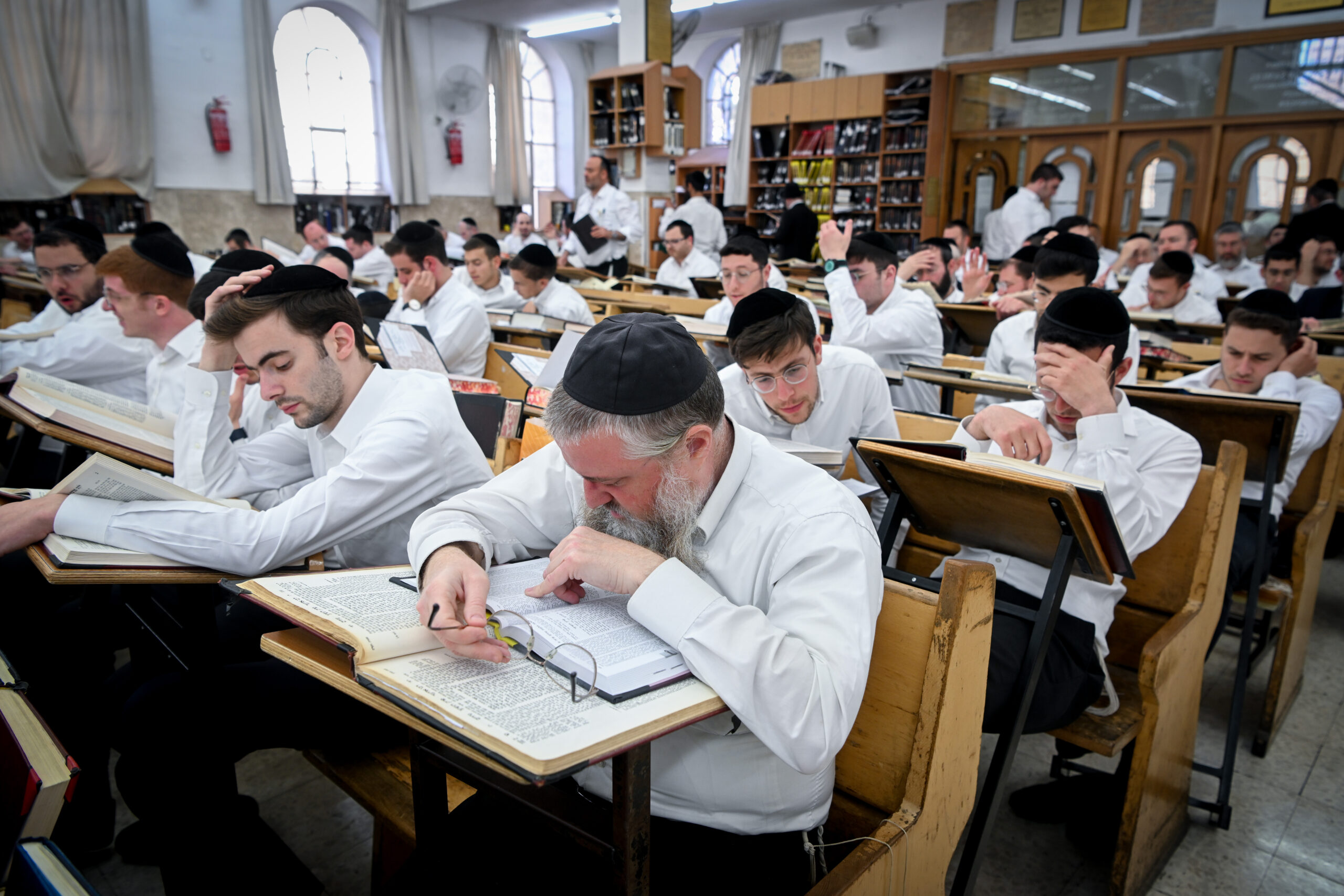
    Israel’s Tax Authority has begun imposing a series of new conditions on dozens of yeshivas and Torah institutions seeking to obtain or renew recognition under Section 46 of the Income Tax Ordinance, which allows donors to receive tax credits for their contributions. The institutions are now required to provide information about their students and certify that they meet requirements regarding their status with security authorities.

    Photo: Arie Leib Abrams, Flash 90

    In letters sent to the institutions, yeshiva administrations must certify that none of their students have been called for security service and failed to regularize their status as required by law, and that no students are defined as deserters. Additionally, the institutions must commit not to admit students in the future who do not regularize their status with military authorities.

    As part of the process, yeshivas were asked to submit to the Tax Authority a complete student roster including names and ID numbers, along with documentation proving regularization of military status. Acceptable documents include: exemption certificates, discharge certificates, reservist certificates, or official confirmation of recruitment date.

    The Jerusalem faction’s demonstration against the draft law at Gesher HaMitar | Photo: Yonatan Zindel, Flash 90

    The Tax Authority clarified that meeting the new requirements is a condition for continued recognition under Section 46. The recognition allows donors to receive tax credits for their contributions, and failure to meet the conditions could lead to revocation of approval and damage the institutions’ ability to raise donations.

    The current move comes after Attorney General Gali Baharav-Miara instructed the Tax Authority at the end of May to act to prevent granting the Section 46 tax benefit to institutions where yeshiva students who have not regularized their status with military authorities are studying. The directive also established a dedicated team to examine and prevent indirect funding channels to these institutions.

    Gali Baharav-Miara | Photo: Jonathan Zindel, Flash 90

    Following the directive, Shas chairman Aryeh Deri sharply attacked the move and claimed it could lead to a “tax revolt,” disconnect the Haredi public from state authorities, and create a deep rift. According to him, “The outgoing and anarchist attorney general, racing ahead with arrests and harsh sanctions against Torah scholars, is driving the Haredi public to the edge.”

    Deri called on the prime minister and coalition party leaders to oppose the move, adding: “If you truly want the right-wing bloc to continue existing, you must stand forcefully against this criminal persecution. Your voice is not being heard. It’s inconceivable that we will be the punching bag of this government, that they will harm everything sacred and dear to the Jewish people, and you will stand aside and remain silent. Silence is filth.”

    Aryeh Deri | Photo: Jonathan Sindel

    Among figures in the Torah world, the move was met with criticism. According to them, this represents a significant policy change that could directly affect the yeshivas’ ongoing operations and the volume of donations they manage to raise.

  • Samaria Governor Demands IDF Halt Planned Troop Cuts

    Samaria Governor Demands IDF Halt Planned Troop Cuts

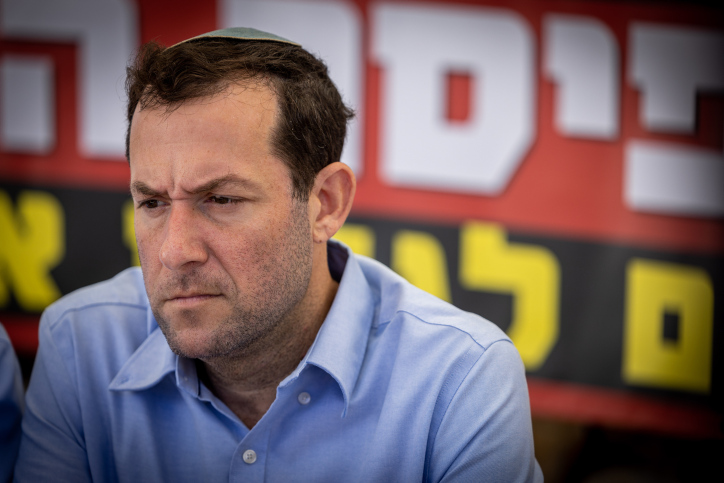
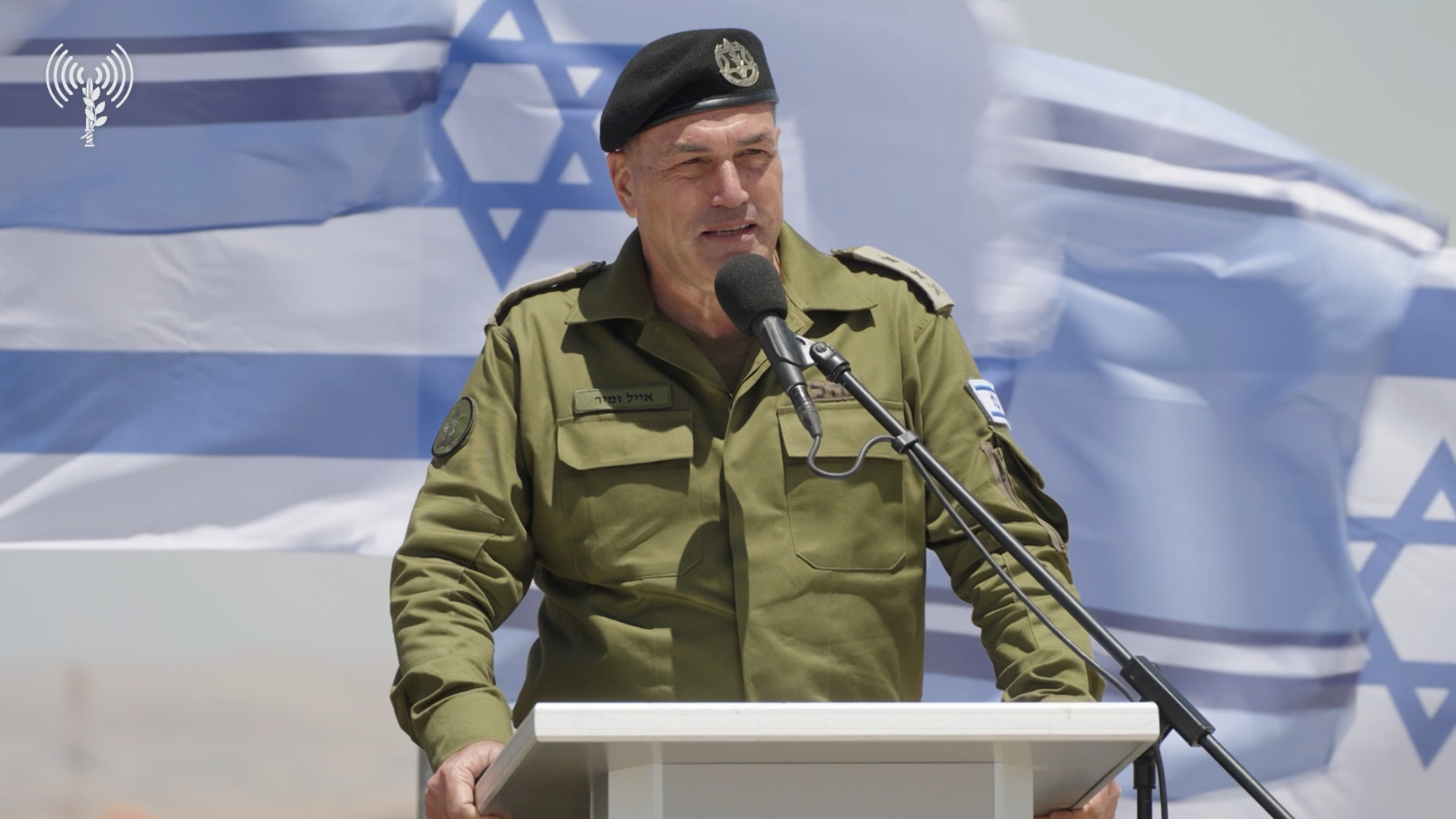
    Samaria Governor Yossi Dagan sent a letter to IDF Chief of Staff Lt. Gen. Eyal Zamir calling to cancel plans to reduce territorial defense forces (Gamar) in Judea and Samaria settlements. In his urgent appeal, Dagan warned of the severe security implications of the move—first reported by C14—on the safety of residents and roads in the area, especially given the complex and sensitive security situation facing the country.

    Photo courtesy: Rabbi Yehuda

    The Governor emphasized the immediate danger in the decision, writing that “the decision, in the current security reality, is expected to create significant operational gaps in the field and directly affect the security envelope of the Jewish communities and roads.” Dagan went on to detail the operational implications of the move, warning that “in a situation where the force structure is reduced, these communities will be left without security,” while cautioning that “canceling the soldiers will leave positions unmanned.”

    At the end of his appeal, Dagan asked the chief of staff “to stop the planned cuts and hold a professional discussion on the matter with the participation of army and authority officials, in order to examine appropriate alternatives.” Dagan added in his appeal to the chief of staff: “I am confident that the chief of staff sees before his eyes the security of the residents of Judea and Samaria—out of shared responsibility for security I am turning to him and presenting the matter clearly. And I expect him to cancel the planned move to reduce Gamar soldiers in the communities.”

    Dagan concluded his remarks with a call to cancel the planned cuts in Judea and Samaria, making clear this is a critical step to protect the safety of hundreds of thousands of citizens in the area: “I am asking to cancel the planned move. In the current security reality, Gamar soldiers are an inseparable part of the defense system for the towns and roads, and it is essential to ensure that gaps are not created that could endanger human life.”