A 24-year-old illegal resident was arrested Tuesday in Be’er Sheva on suspicion of running down three other illegal residents with his vehicle earlier this week, killing one of them. Police found the vehicle concealed under a water tanker.
The suspected vehicle | Photo by: Israeli police spokespersons unit
Police opened an investigation Sunday into the incident, in which the driver struck three men—all illegal residents—near the Shumariya area along the seam line. One man was critically injured and later pronounced dead at the scene. The two others were moderately injured and taken to Soroka Medical Center for treatment.
During the investigation, security forces tracked down the suspect—a 24-year-old illegal resident. As part of the operation, they also located the vehicle allegedly used in the crime, hidden under a water tanker. The suspect will be brought before a court with a request to extend his detention as the investigation continues.
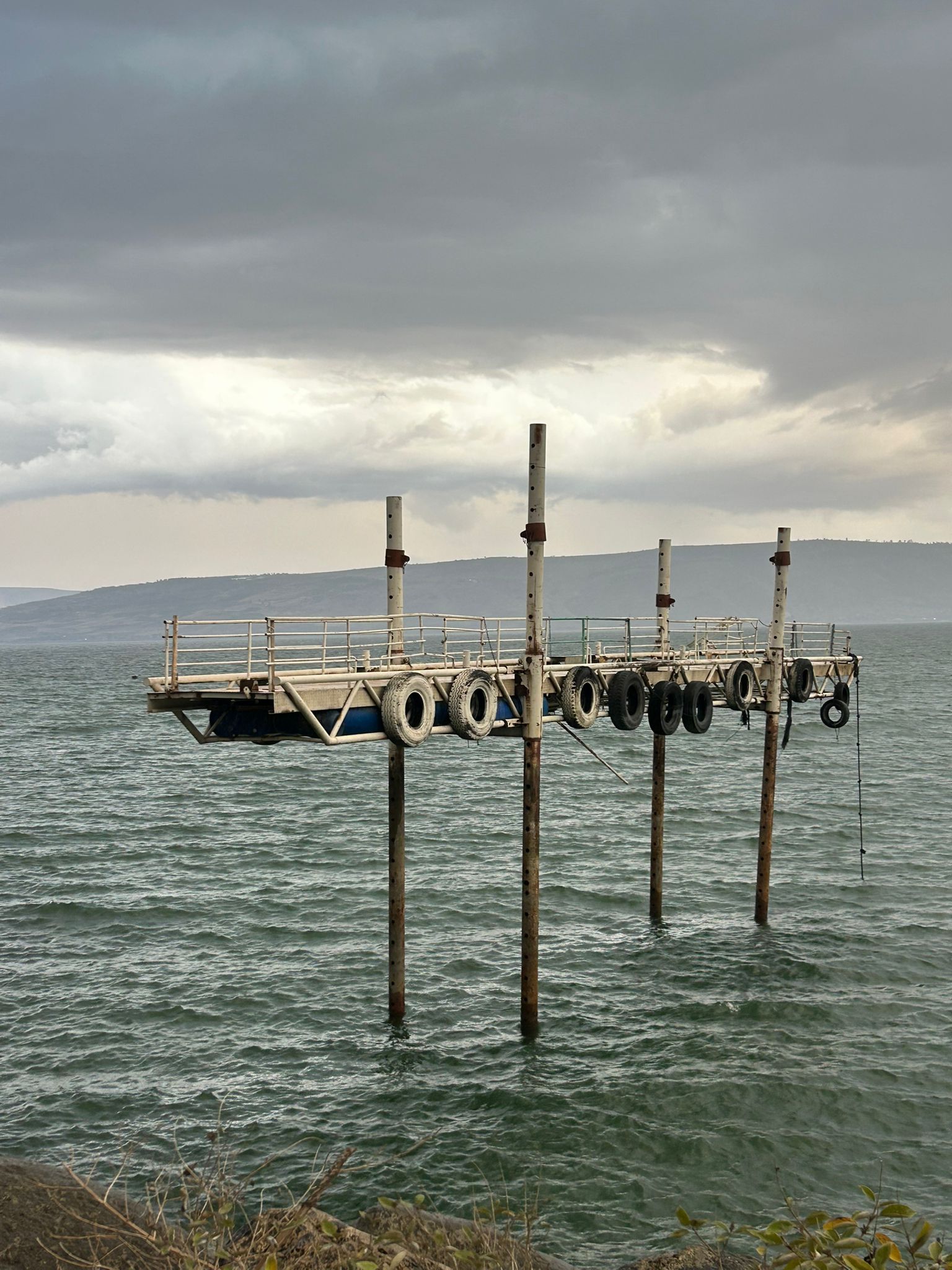
For the first time in Israel, a water taxi service is set to launch on the Sea of Galilee, allowing passengers to sail from one point to another across the lake—similar to water transport systems in cities like Venice.
The Water taxi | photo by: The Ministry of Transportation
Under the plan, the water taxis will carry up to four passengers per trip and operate along routes connecting different parts of the Sea of Galilee, from north to south and east to west. The goal: ease traffic congestion on the roads circling the lake and enable faster, more convenient travel between various destinations.
The initiative is being promoted by Transportation Minister Miri Regev in cooperation with the Transportation Ministry and Tourism Ministry, as part of efforts to integrate alternative transportation solutions and leverage Israel’s water resources for both transport and tourism. The central idea is to reduce congestion on roads around the Sea of Galilee while creating a unique travel experience for passengers and tourists.
The Water taxi | photo by: The Ministry of Transportation
According to the plan, the service will be integrated into the public transportation system, with water taxi fares priced similarly to bus or train rides and accessible via the Rav-Kav transit card. In the first phase, the service will operate only on the Sea of Galilee, with potential expansion to Eilat and other tourist destinations under consideration.
Currently, driving around the Sea of Galilee between different ends of the lake can take between 40 minutes and an hour, depending on the route and rush hour traffic. The Sea of Galilee’s perimeter spans about 60 kilometers, and a complete circuit can take an hour and 15 minutes or more. Transportation officials estimate that operating the water taxis could significantly cut travel times on some segments—in some cases by half, depending on the route and sailing conditions.
The Water taxi | photo by: The Ministry of Transportation
And how much will it cost you?
The fare is expected to match public transportation costs, and passengers will likely be able to use their Rav-Kav cards as part of the public transit system.
A severe indictment was filed Tuesday against Omar Khalifa, 19, from the Shuafat refugee camp in East Jerusalem, on a series of security, weapons, and drug offenses committed over several years. Prosecutors also requested he be held in custody until the end of legal proceedings.
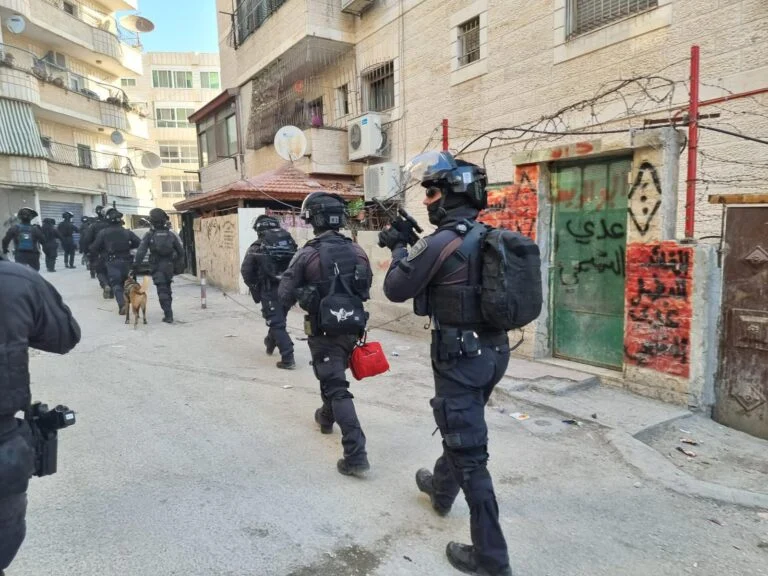
Israeli Police forces in the Shuafat refugee camp in east Jerusalem | photo by: Police spokesperson’s unit
According to the indictment, Khalifa participated in multiple violent riots near the Shuafat checkpoint in 2023-2024. Two of the incidents occurred during the demolition of a home and on the anniversary of the killing of terrorist Udai Tamimi, who carried out the 2022 shooting attack at the Shuafat checkpoint in which soldier Noa Lazar was murdered and others were wounded.
During the riots, Khalifa threw stones, paint bottles, and firebombs at security forces, helped prepare materials used in the disturbances, and was involved in setting fire to a roadblock. The indictment also states that starting last year—after he was wounded in a shooting incident stemming from a local dispute—Khalifa began trafficking dangerous drugs, selling them daily to various people in and around the refugee camp.
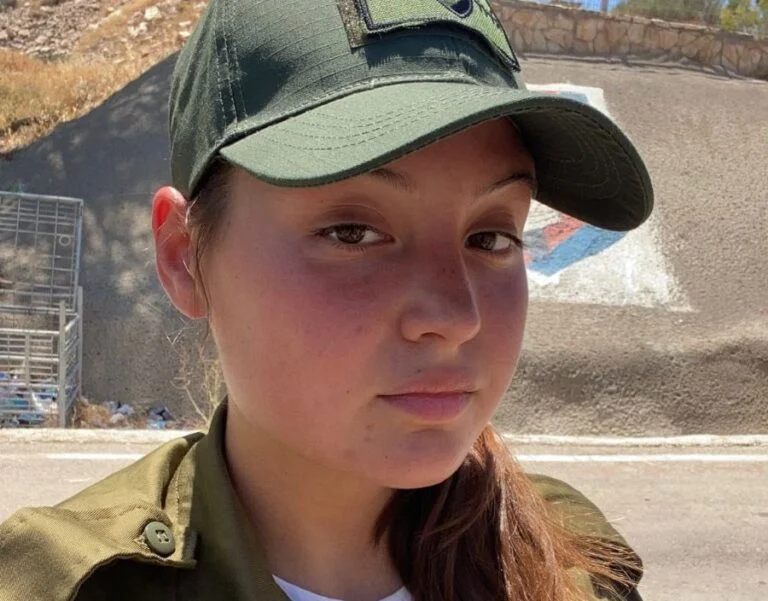
IDF Sergeant Noa Lazar, of blessed memory, who was murdered in a shooting attack at the Shuafat checkpoint | Photo: IDF Spokespersons Unit
Khalifa is also accused of purchasing two illegal handguns for tens of thousands of shekels, which he possessed and carried over an extended period. In one case, he fired one of the guns to test whether it worked—and in another, he returned fire during a violent dispute in the camp.
The charges against Khalifa include rioting, manufacturing and transporting weapons, arson, attempted assault of police officers under aggravated circumstances, trafficking in dangerous drugs, purchasing, possessing and carrying weapons, and firing a weapon in a residential area.
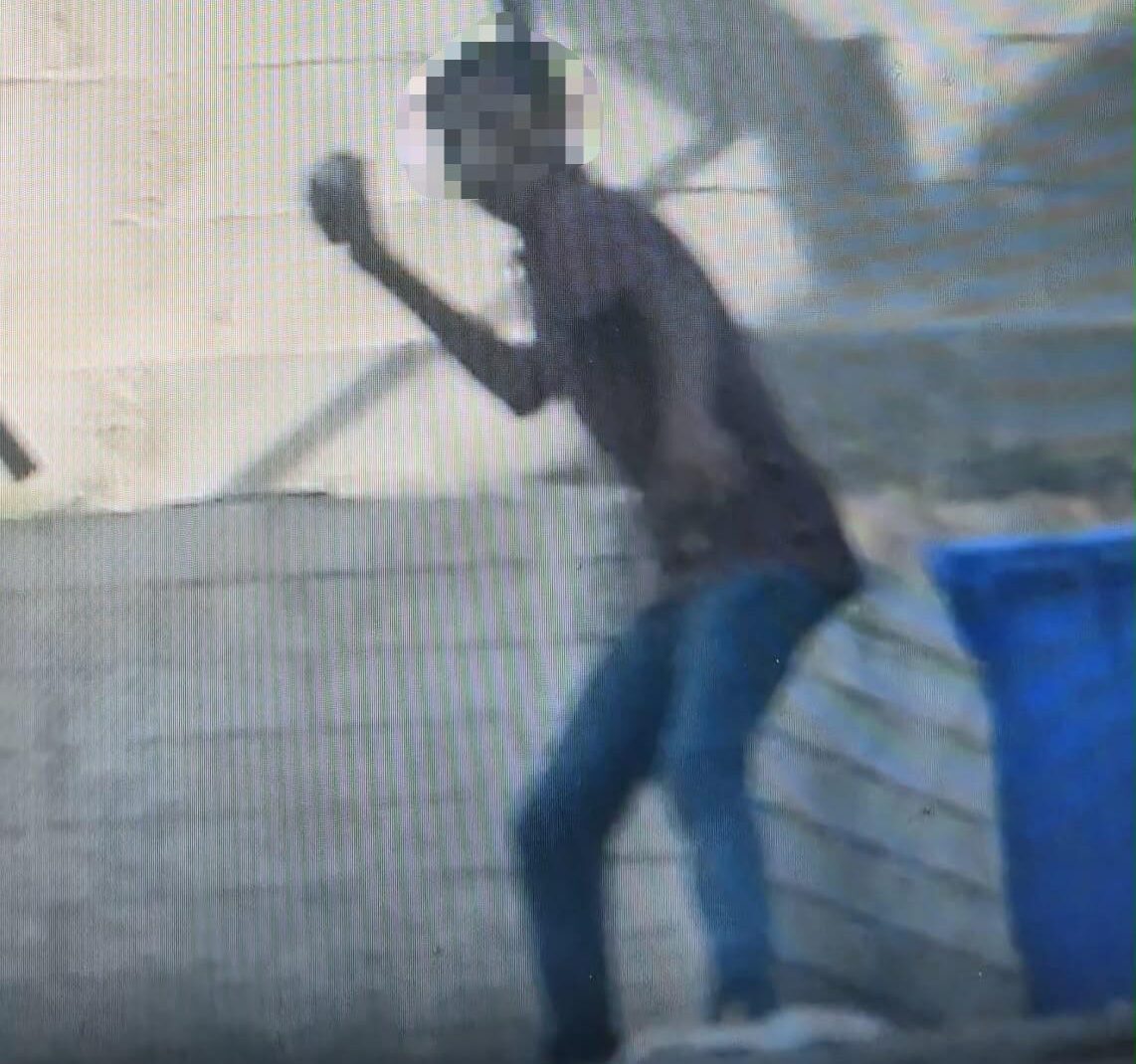
Israeli forces arrested a ‘Palestinian’ suspect Monday after he was caught on camera throwing rocks at troops near Beit Furik, a village close to Shechem [Nablus].
Several attackers hurled stones at soldiers during operations in the area. One suspect was filmed in the act, apprehended on the spot, and taken in for questioning.
Archive footage | photo by: Police spokespersons unit
The incident is part of an ongoing wave of ‘Palestinian’ attacks. Just two days earlier, another attacker threw rocks at Border Police forces in Judea and Samaria, endangering their lives. Troops opened fire and neutralized the attacker on the spot—no Israeli forces were injured.
Days before that, attackers were filmed throwing stones at Israeli forces operating in Shechem, putting soldiers’ lives at risk. Troops responded with precise fire, killing one attacker and wounding two others who were neutralized.
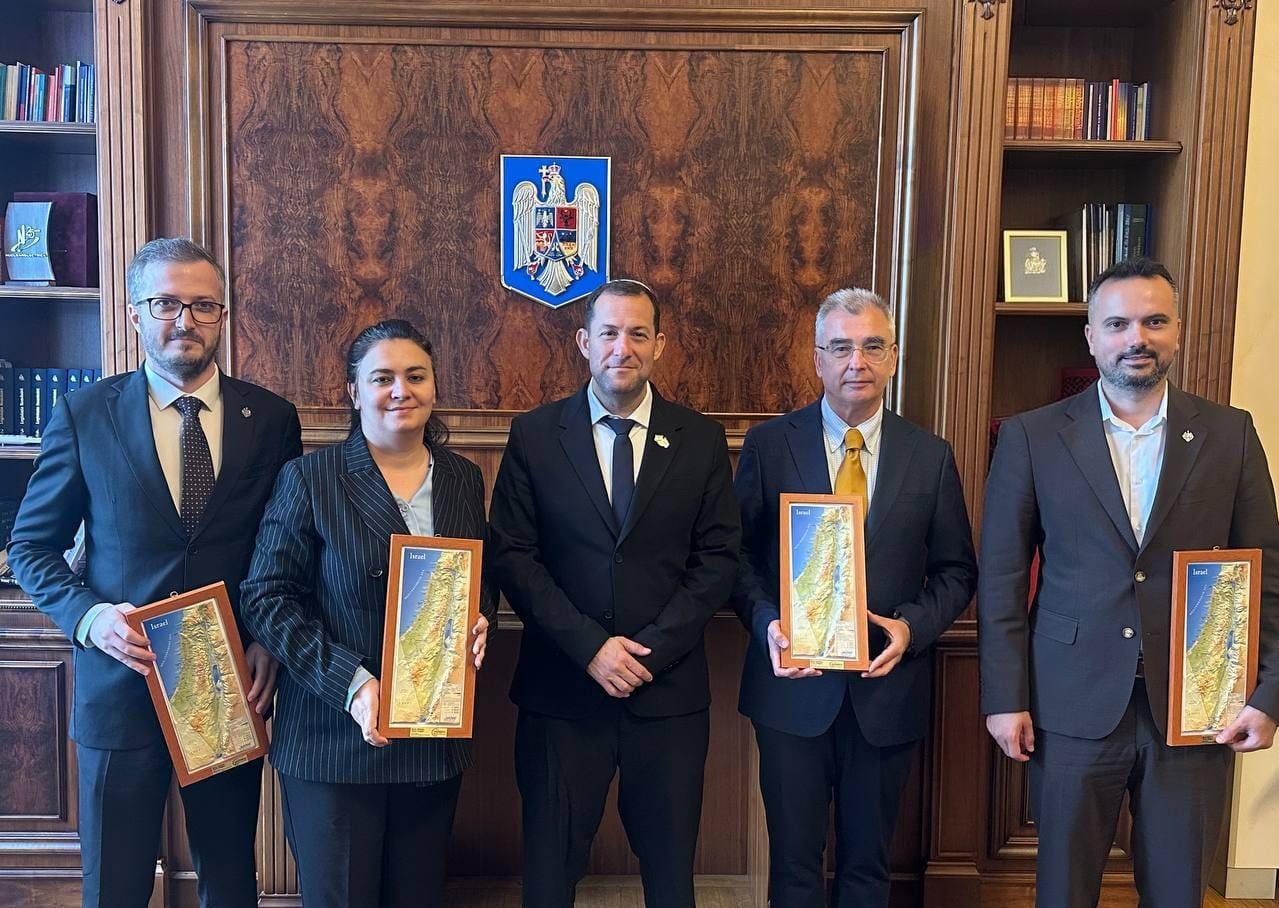
Samaria Governor Yossi Dagan rallied support from Romanian lawmakers Monday in the fight against sanctions targeting organizations and citizens in Judea and Samaria. The move came during a political visit to the country, where Dagan met with senior officials including Romanian presidential candidate George Simion.
Romania | photo by: Shutterstock
In his meetings, Dagan explained his opposition to boycott initiatives promoted by far-left organizations. He emphasized what he called the illogic of targeting organizations involved in construction and social issues against the backdrop of ongoing ‘Palestinian’ terrorism in the region. The lawmakers expressed strong support for the Judea and Samaria.
Georgiana Teodorescu, a member of the European Parliament, declared: “We stand with Judea and Samaria and with Israel. We’re not moving even a centimeter. We will fight against any attempt to advance sanctions in the European Parliament.” Romanian Senator Patriciu Paiu added: “We oppose imposing sanctions against Judea and Samaria. We support the right of the people of Israel to live in peace.”
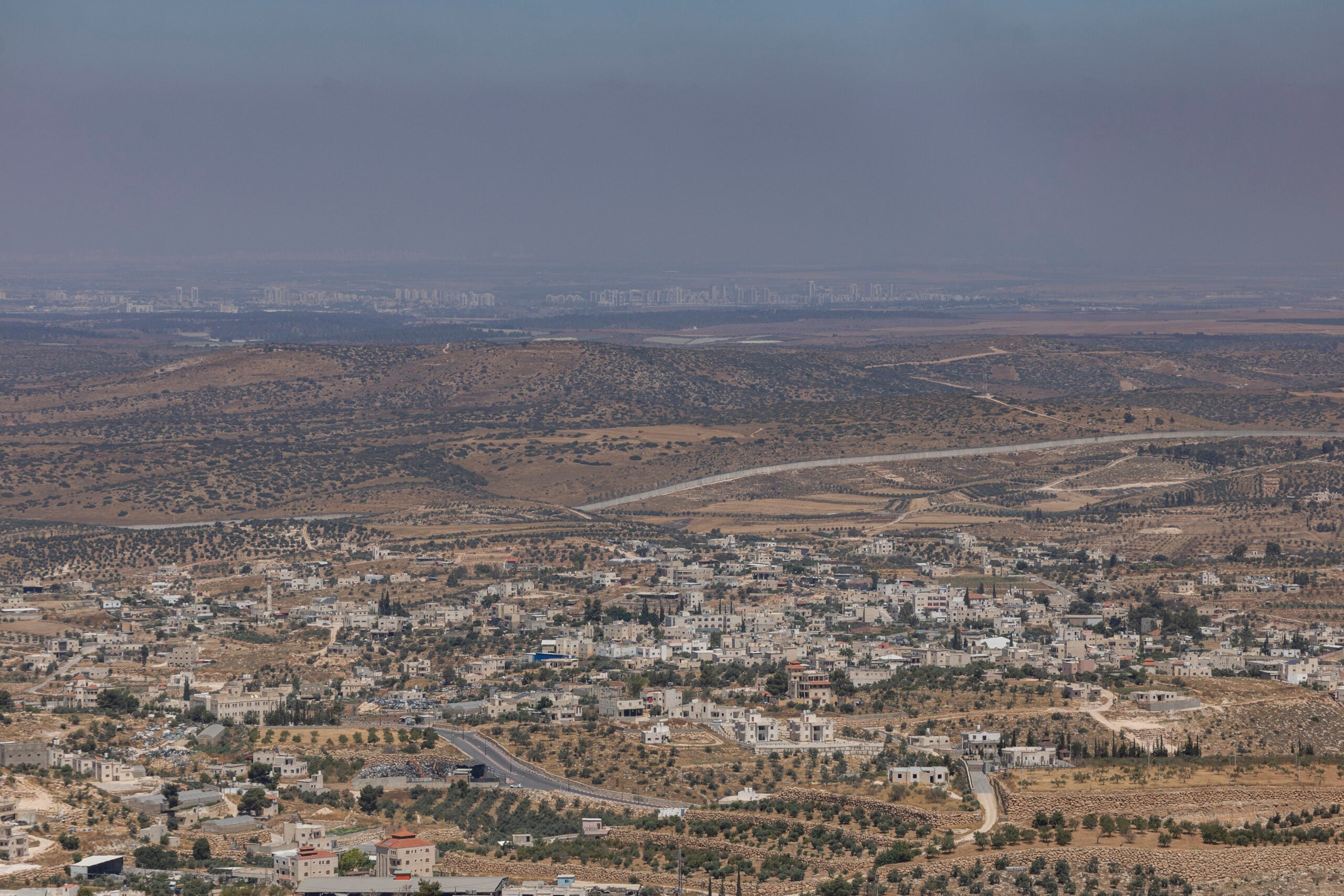
Judea and Samaria | Photo by: Chaim Goldberg/Flash90
Governor Dagan thanked his hosts, saying: “I want to thank you, dear friends. We’re fighting together, and we understand that our fight is for the future of the entire world. It doesn’t matter if we’re talking about Europe, the United States, or Israel—it’s the same fight for values, for justice, and for security. We stand together against any sanctions, and we fight together for those values.”
The current visit joins a series of political meetings Dagan has held recently with European leaders, part of broad political activity to strengthen international ties and rally support against sanctions initiatives targeting Israel and towns in Judea and Samaria.
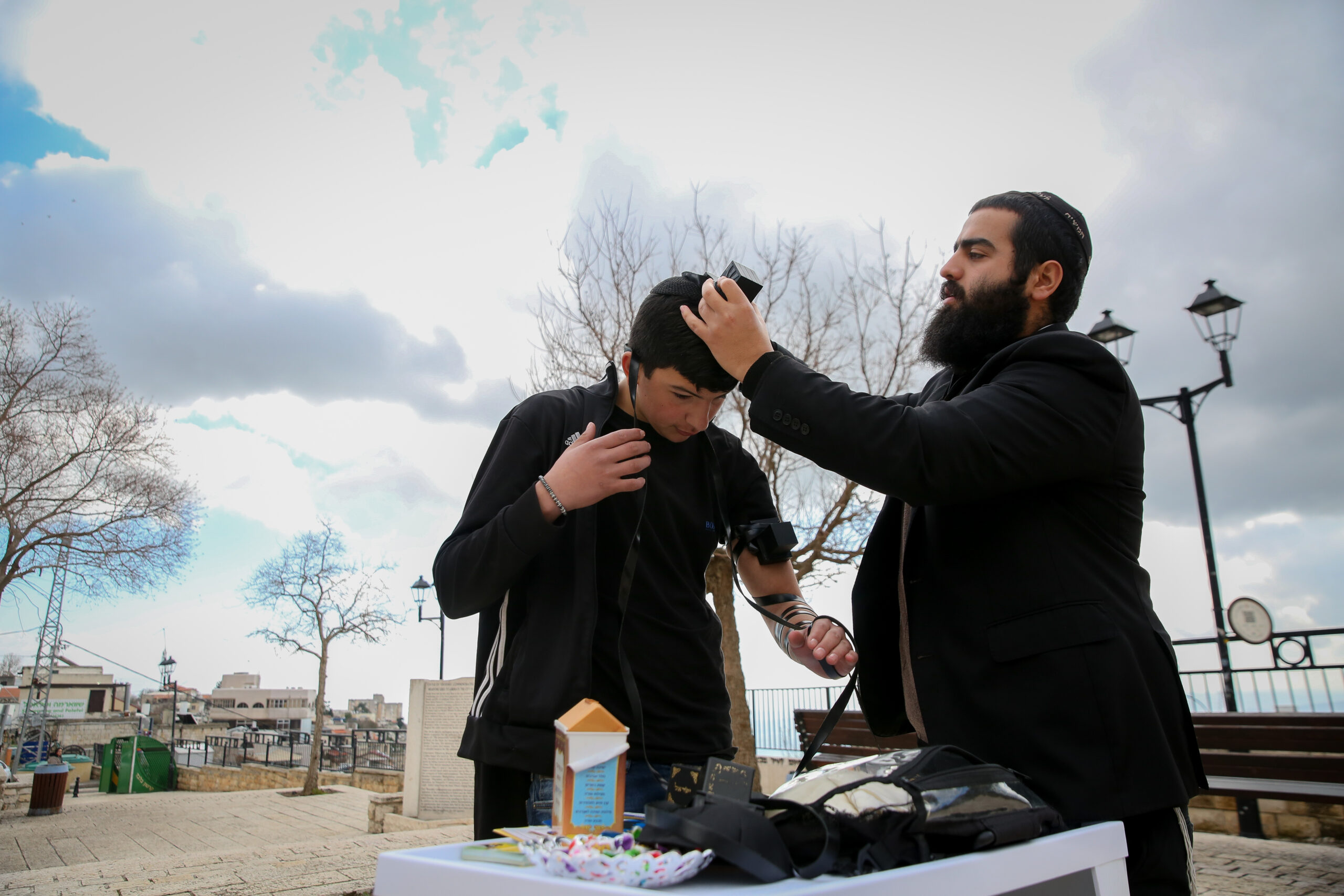
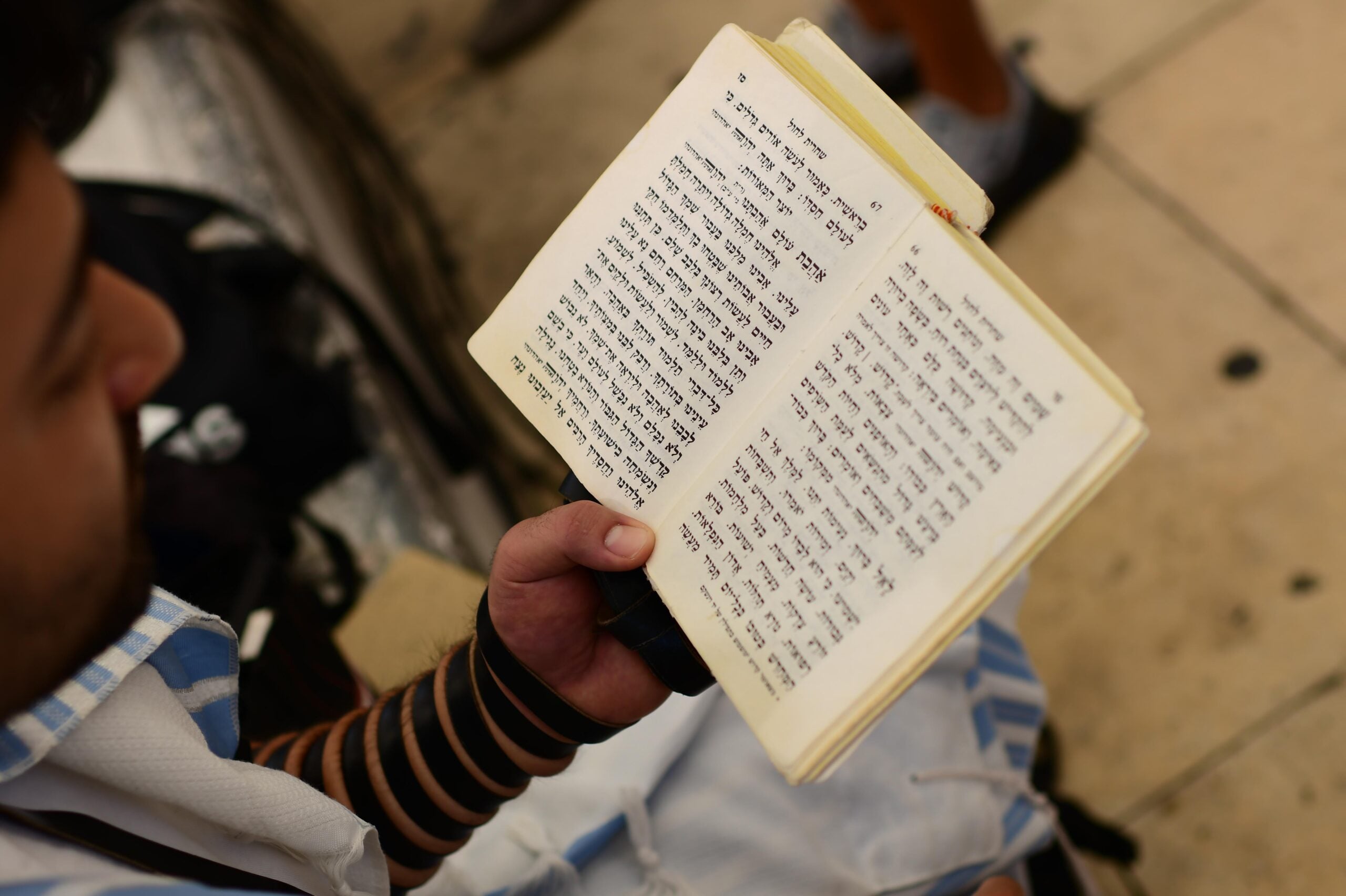
As we first reported: Israel’s Education Ministry published regulations yesterday (Monday) governing tefillin-laying in state schools and establishing uniform national policy on the issue. The dramatic move, led by Education Minister Yoav Kisch, comes after a year that saw several incidents in which principals and teachers opposed students’ requests to put on tefillin at school.
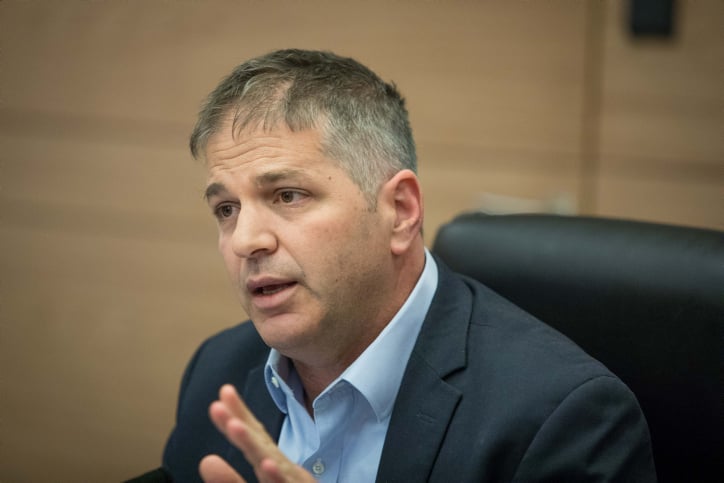
Education Minister, Yoav Kisch | photo by: Jonathan Sindel/Flash90
The regulations establish several requirements: Schools must designate an honorable, dedicated space for laying tefillin, and set structured times for it during the school day. As our reporter Milen Amar reported, a student at Ma’ayan HaShachar school who previously set up a tefillin stand at a middle school in the Hefer Valley was attacked by teaching staff who claimed “if there’s an atheist, it hurts his feelings.”
In a statement, the Education Ministry said the directive aims to establish a clear set of rules that give school principals an organized framework for action, and create certainty in how policy is implemented across all state schools.
Photo by: Tomer Neuberg/Flash90
What Does the New Regulation Require?
Mandatory space allocation: School administrations will be required to organize respectful space and appropriate conditions for students who wish to lay tefillin.
Clear time definition: To avoid disrupting the learning sequence, tefillin-laying will take place at pre-defined times, such as during breaks, and not at the expense of class time.
Preventing disruptions: Tefillin-laying will take place during breaks only, while maintaining school routine and without creating coercion or disturbance to all students.
Responsibility: Students will be responsible for bringing tefillin and arriving to classes on time accordingly. “In a manner that enables them to exercise their choice while maintaining learning continuity and school routine.”
Photo by: Gershon Elinson/Flash90
Education Minister Yoav Kisch: “Laying tefillin in the Jewish state is not a subject for controversy or local interpretations. It is a fundamental right, a basic tradition, and a source of national pride. The lack of regulation that accompanied the system for years created friction and uncertainty that harmed students, parents, and administrations. Today we are strengthening Jewish identity and connecting the younger generation to the deep roots and heritage values that are ours.”
Just before the regulations were signed, they faced opposition from the Education Ministry’s legal counsel—who imposed a condition that sparked uproar. The legal advisors argued that in order to meet the equality test in a democratic state, it’s impossible to allow dedicated space for tefillin-laying for Jewish students only. They demanded that in every school where space is allocated for tefillin-laying, parallel dedicated spaces must be established for Islamic prayer (“mini-mosque”) and Christian prayer (“mini-church”).
Archive footage | photo by: Jonathan Sindel/Flash90
Education Minister Yoav Kisch rejected the demand outright and made clear: “In the State of Israel, the Jewish and democratic state, a student doesn’t need to be afraid to lay tefillin. He won’t be punished and won’t be reprimanded because he asked to fulfill this commandment.”
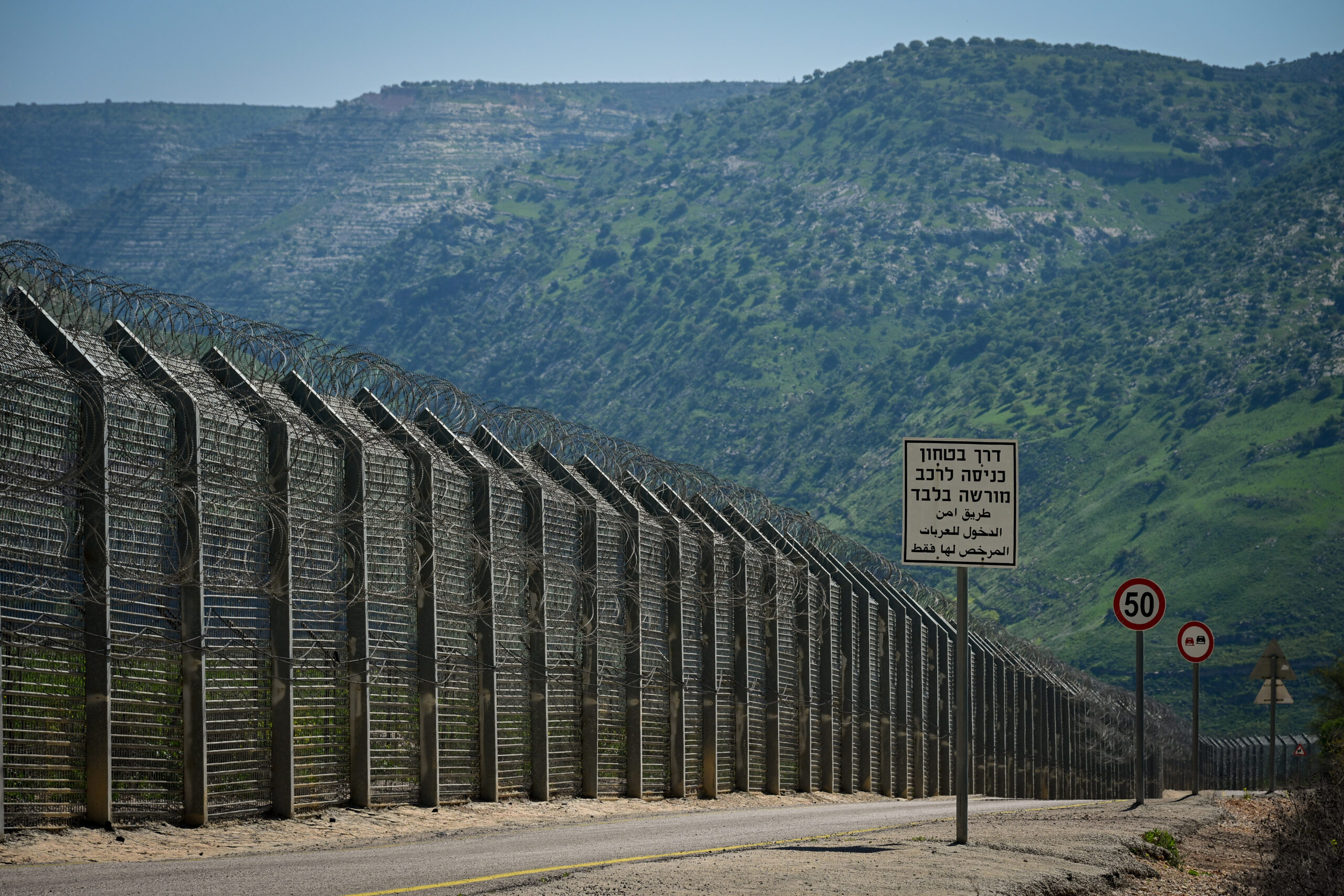
The Defense Ministry unveiled a plan Monday to fortify Israel’s eastern border, warning that the country’s longest land frontier represents a critical security gap that requires a comprehensive national response. The initiative includes establishing roughly 40 new outposts manned by armed civilians stretching from Tzemach Junction in the north to the Eilat region in the south.
The plan was presented at the first-ever forum of government ministry directors-general, organized by the Defense Ministry’s Eastern Region Administration. Attendees included ministry heads, national agency representatives, and senior defense officials, including the commander of the division operating in the eastern sector.
Defense Ministry Director-General Maj. Gen. (res.) Amir Baram described the eastern border as a “security vulnerability,” noting it’s Israel’s longest land border yet hasn’t been a focus of national effort for years. Strengthening the area requires cooperation across all government ministries, he said—both for security infrastructure and for developing transportation, housing, energy, industry, and civilian services.
Photo by: Jonathan Sindel/Flash90
Head of the Eastern Region Administration, Maj. Gen. (res.) Mordechai Benita, presented the Defense Ministry’s plan to strengthen security along the border. The plan calls for establishing approximately 40 new outposts points currently being set up, to be populated by armed civilians as part of expanding Israel’s hold in the region.
Photo by: The Ministry of Defense’s Spokesperson’s Office and Public Relations Department
The Defense Ministry said the Eastern Region Administration was established to coordinate and integrate all ministry divisions’ activities with government ministries and authorities. In recent weeks, the administration conducted tours of the area and held a strategic workshop with dozens of deputy directors-general and senior representatives. Monday’s directors-general forum in the Kirya defense headquarters completed the establishment phase.
Baram said that while Iran’s capabilities and those of its proxies were damaged during the war, the threat from the east continues to develop and requires long-term preparation. He stressed that alongside the defense establishment’s investment in a multi-layered defense system along the border, a broad civilian effort is needed, infrastructure, and services in the area—with the goal of bringing tens of thousands of new residents to the region.
Israel’s Consul General in New York, Ofir Akunis, warned Tuesday morning in an interview with Oded Menashe of a sharp deterioration in the antisemitic atmosphere in the city, arguing that statements by New York City Mayor Zuhran Mamdani and recent events in New York are causing great concern among the Jewish community.
Ofir Akunis | photo: Jonathan Sindel/Flash90
Akunis noted that Mamdani “is bringing Israel back to center stage, just like in his campaign,” and recalled that the mayor called the pro-Israel organization AIPAC “monsters.” He attacked: “That’s a terrible and horrific word, a word that recalls the propaganda against Jews in 1930s Europe.”
Akunis also addressed the feelings within the Jewish community and shared: “What’s certain is that there’s very great concern about the behavior, about the escalation in his statements. You hear it among all the leaders of Jewish organizations, you definitely hear it in conversations with groups of Jews.”
NYC mayor Zohran Mamdani | photo by: Shutterstock
The consul went on to describe Hamas symbols proliferating throughout the city: “This is unprecedented—the use of Hamas’s green bandanas at the Nakhba protests. We’re talking about New York, not the Gaza Strip, not Tehran, not Beirut—New York.”
Akunis then issued an unusual warning: “I’m telling you this morning, Oded, and I suggest you remember these words: there is a real and immediate danger to the safety of New York’s Jews.” When asked if this includes a security threat, he replied: “The answer is yes,” and explained: “History has taught us that everything that starts with words eventually turns into actions.”
Reda Mazen Rida Sabassi, a 38-year-old San Diego resident, was charged last month with five federal counts for channeling funds to the terrorist organization Hamas. According to the indictment, Sabsi used a fictitious charity organization and crowdfunding platforms to raise money ostensibly for humanitarian aid to Gaza residents, but actually directed it to finance terrorism and for his personal use.
The terror organization Hamas | Photo by: Flash90
The investigation found that between December 2023 and February 2024, Sabassi raised approximately $600,000 through social media and online campaigns under the organization name “Ikram.” Of that amount, roughly $116,000 was transferred directly to a Hamas operative. Additionally, Sabsi attempted to convert approximately $382,000 into cryptocurrency through the “Gaza Now” fundraising network, an entity identified with Hamas that is under U.S. Treasury Department sanctions.
Concurrently with this case, an indictment was filed in New York against Catherine Beth Washburn for attempting to provide material support to the ‘Palestinian’ Islamic Jihad organization. Law enforcement and legal officials point out that the activities of such organizations damage the credibility of legitimate charitable organizations. Sabbasi’s case recalls the “Holy Land Foundation” affair from two decades ago, in which fund managers were convicted of channeling approximately $12.4 million to Hamas under a similar guise.
The terror organization Hamas | Photo by: Shutterstock
Following exposure of the scheme, demands are growing to tighten oversight of payment platforms and crowdfunding. Local experts argue that platforms must conduct rigorous verification of campaign organizers, beneficiaries, and the digital wallets linked to them before approving activity.
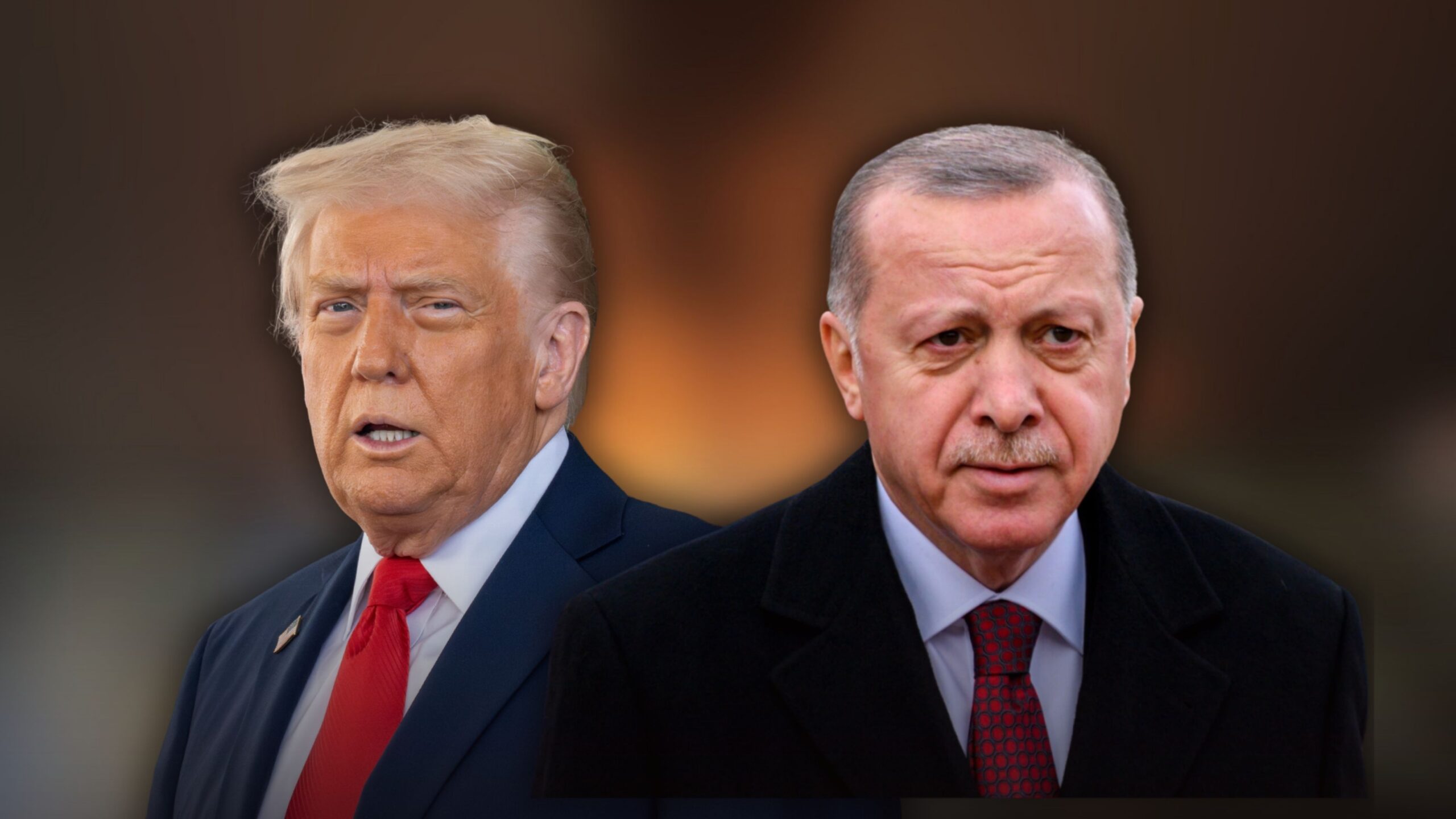
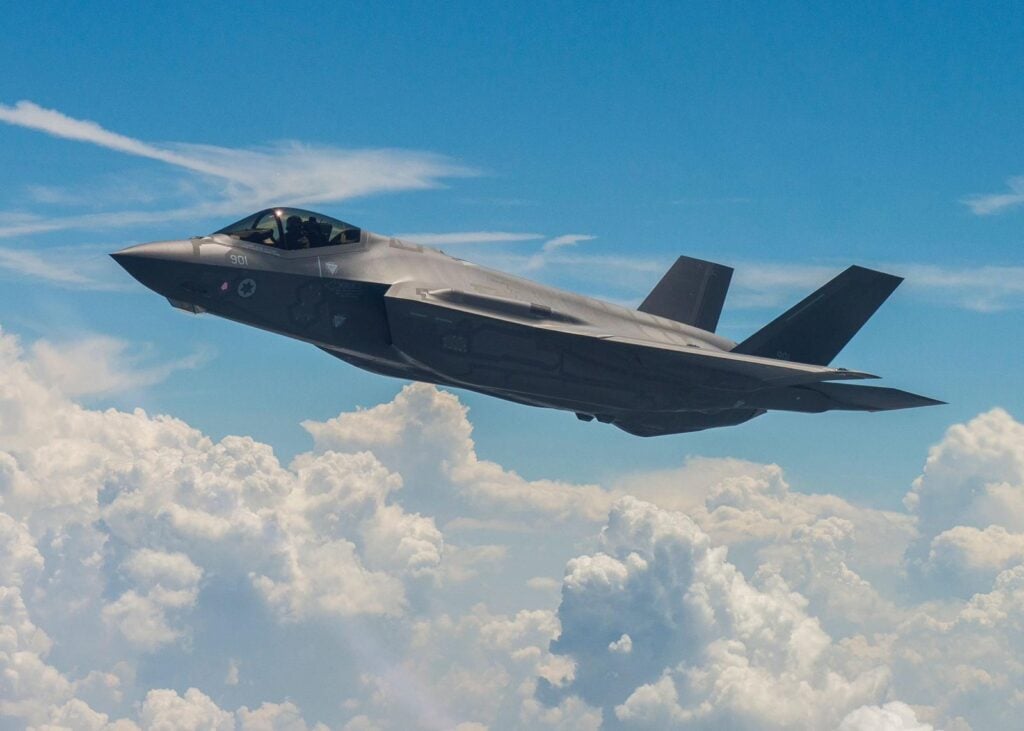
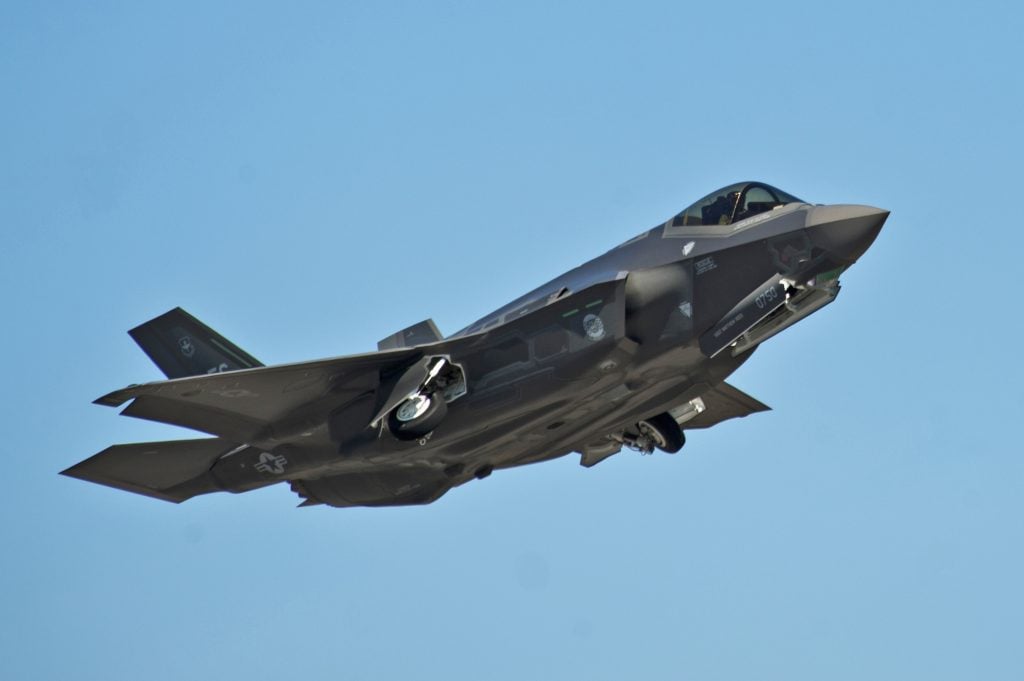
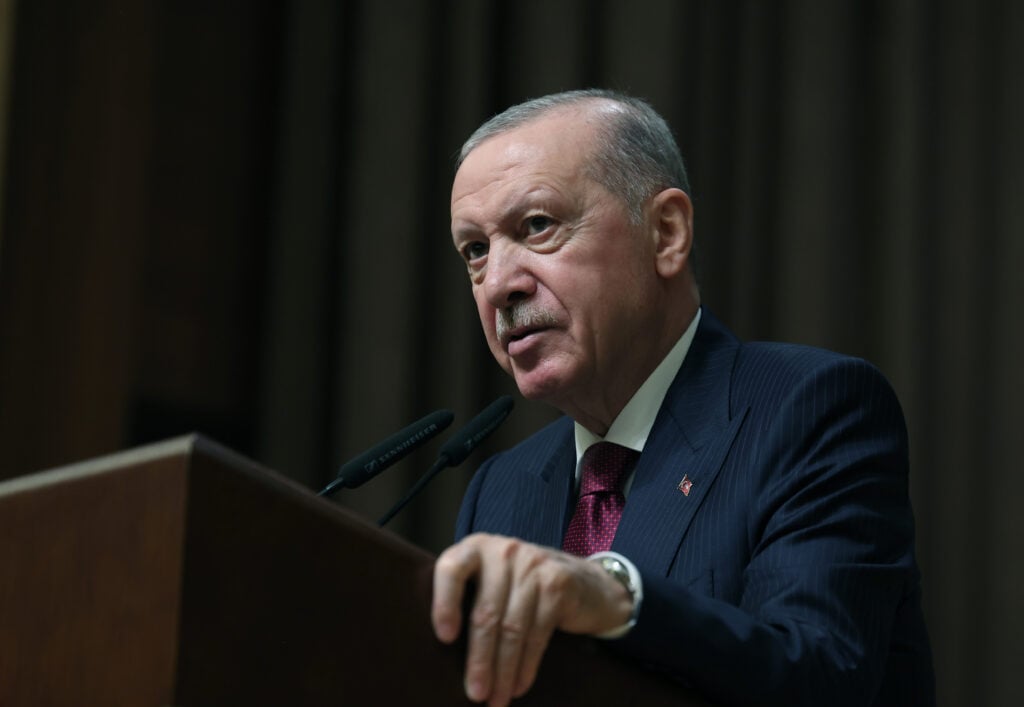
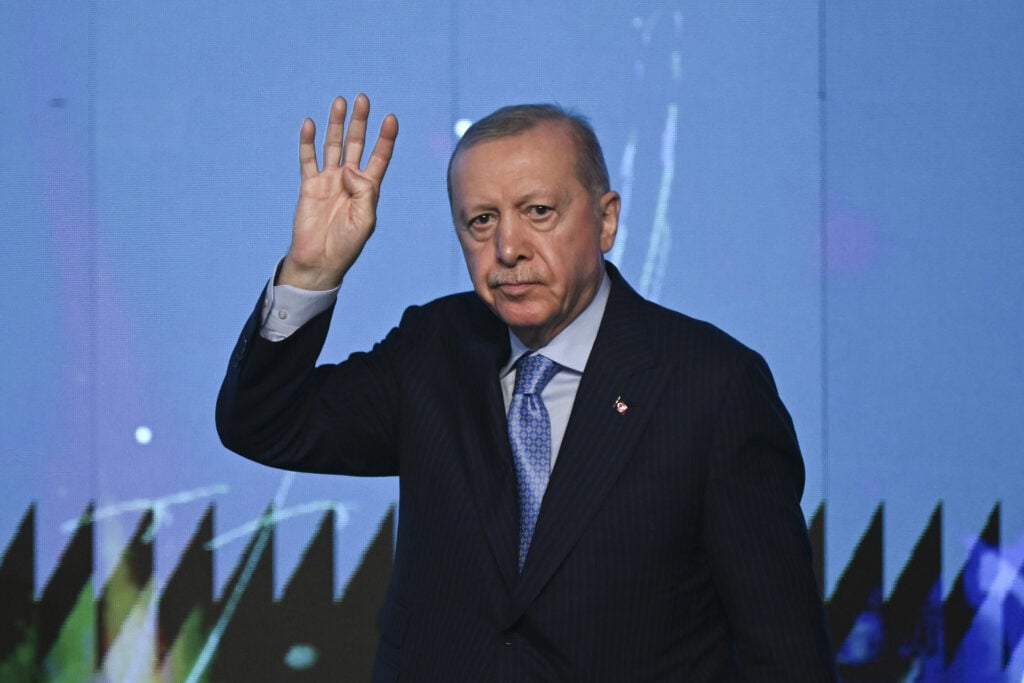
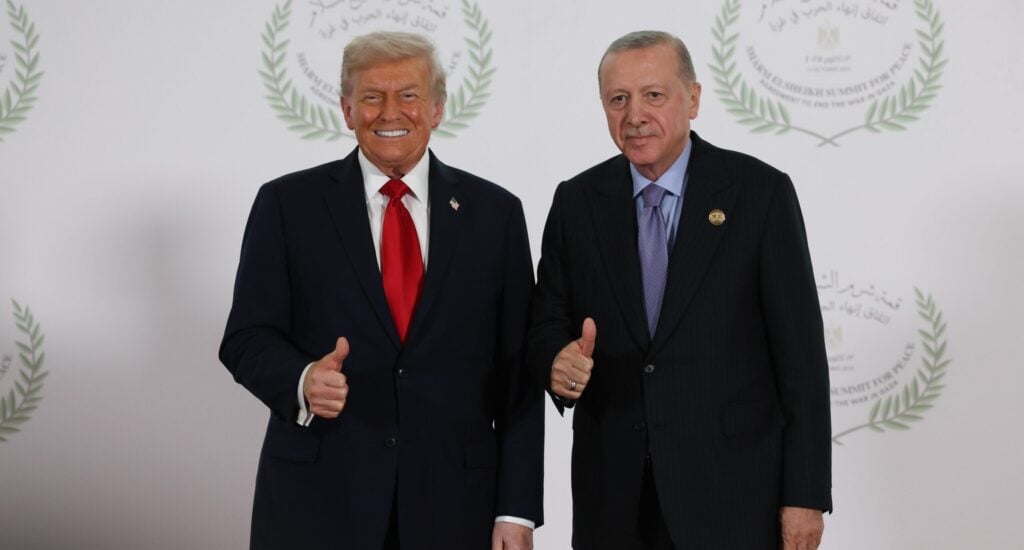
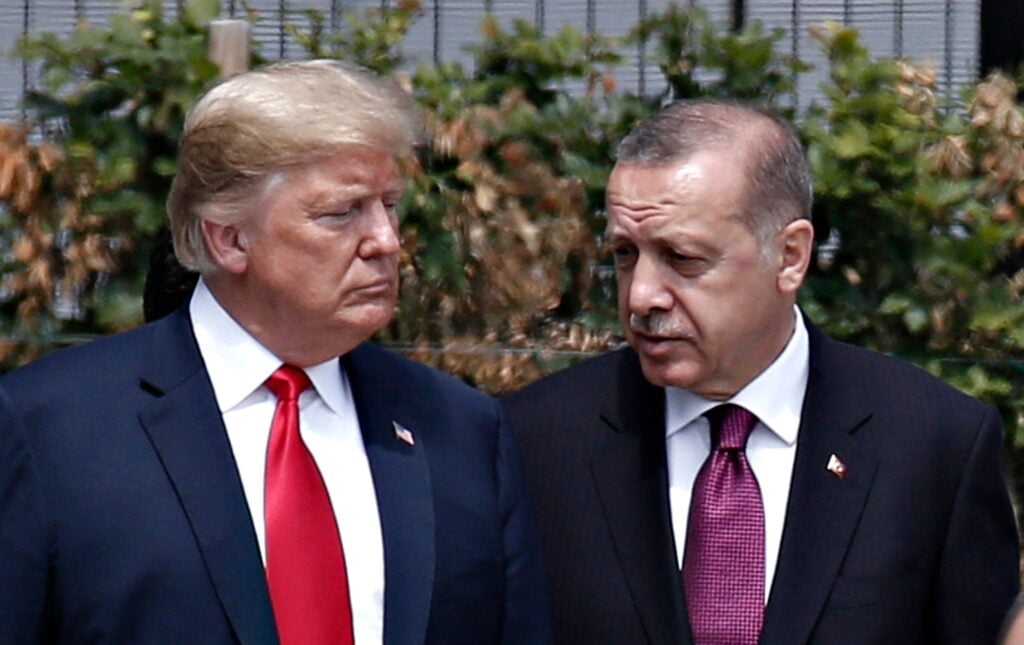
President Donald Trump is preparing to tell his Turkish counterpart, Recep Tayyip Erdoğan, that he’s ready to bring Turkey back into the F-35 stealth fighter program ahead of this week’s NATO summit in Ankara. The decision marks a sharp reversal in U.S. policy—overturning the economic and security embargo Trump himself imposed seven years ago on national security grounds. Four senior administration officials confirmed the move was finalized after weeks of behind-the-scenes work by defense officials, though Trump is expected to face serious legal hurdles and strong resistance on Capitol Hill, the New York Times reported Tuesday.
F-35, Illustrtation | photo by: Lockheed Martin
According to administration sources, the move could be launched through an exchange of formal letters between the two leaders during Trump’s visit to Turkey. Vice President J.D. Vance recently confirmed that the president has directed administration officials to find a workaround to restrictions in order to deliver the jets Erdoğan has long coveted.
Vance said the matter has been referred to Defense Secretary Pete Hegseth for review: “Pete and the whole team are looking at it right now, because there are certain things we need to verify actually happened if we want to comply with American law. The president has asked us to do that.”
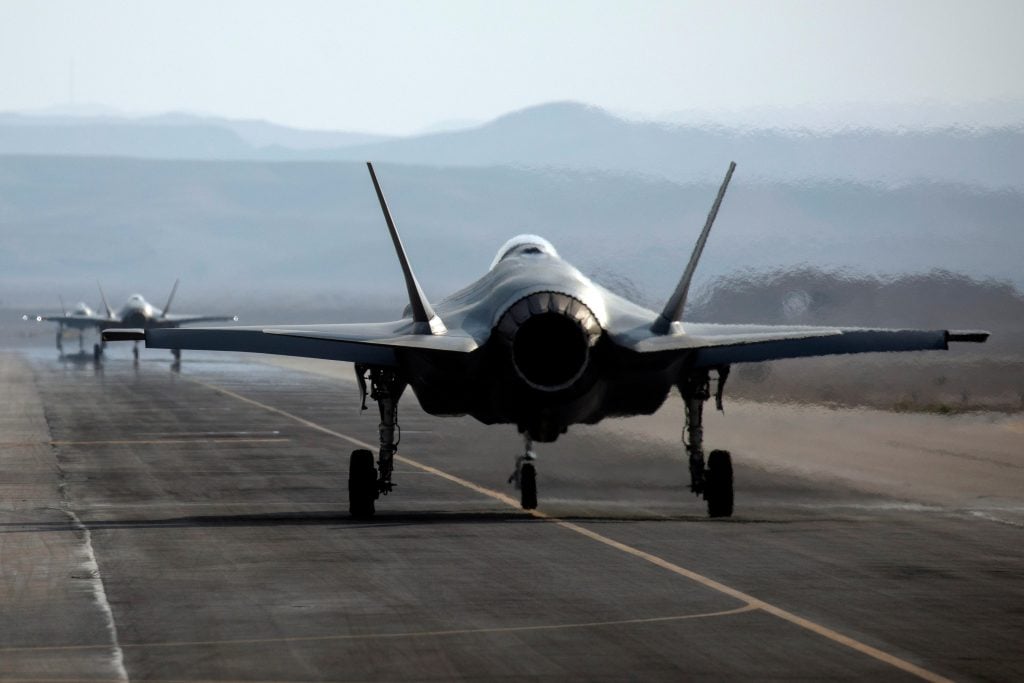
F-35 Fighter Jet | Photo by: Reuters
Behind the scenes, the deal hinges on finding a legal loophole in a 2020 U.S. law that bars the sale of F-35s to Turkey as long as the Russian S-400 defense system remains in its possession. To bypass the obstacle without forcing Erdoğan to admit failure, defense officials in Washington are examining a creative mechanism: transferring the Russian missile batteries—most of which are still packed in their original shipping containers and have never been activated—to a third party, or alternatively, leaving them in Turkey while dismantling critical components that would render the system unusable. This controlled neutralization would allow President Trump to declare to Congress that Turkey is in compliance with the letter of the law, thereby authorizing delivery of the stealth fighters locked in U.S. warehouses.
Turkish president Erdogan | photo by: Reuters
Trump himself addressed the F-35 issue in a recent Oval Office meeting with NATO Secretary General Mark Rutte, declaring that he plans to bring Erdoğan a gift that will make him “very happy,” later adding tersely: “We’ll work it out.”
The American plan is drawing fierce international opposition, led by Israeli Prime Minister Benjamin Netanyahu, who sharply attacked the move in an interview with Fox News: “Turkey is a great country, but it is ruled by a man who openly calls for the destruction of Israel. He occupies half of Cyprus, a NATO country. He threatens Greece, another NATO country, and he openly talks about conquering Jerusalem.”
The main obstacle facing the administration is a law Congress passed in 2020 that completely prohibits the sale of F-35s to Turkey unless the administration formally determines that the Russian systems are no longer in its possession. To circumvent this restriction, a source involved in the talks revealed that Turkey is considering transferring its S-400 systems—many of which are still in their original shipping containers—to a third party.
A second administration official emphasized that the mechanism has not yet been finalized. A previous proposal to transfer them to Ukraine collapsed, and now it appears that neither Trump nor Erdoğan would agree to sell these powerful Russian systems to Kyiv. An alternative proposal under consideration is neutralizing the systems by removing critical components.
F-35 Fighter Jet | Photo by: Reuters
The current crisis began in 2019, during Trump’s first term, when Turkey was unceremoniously kicked out of the prestigious F-35 program following its decision to purchase advanced S-400 air defense systems from Russia. The heavy concern in Washington and NATO was that Turkey would train the Russian radar systems on the new F-35 jets, thereby allowing Moscow to learn the stealth capabilities and advanced missile systems of the American aircraft—an unprecedented security breach.
In 2019, the White House made its position clear in an official statement, which cost the U.S. about half a billion dollars due to the termination of the Turkish partnership: “The F-35 cannot coexist under the same roof with a Russian intelligence collection platform that will be used to learn about its advanced capabilities. Turkey has been a longstanding partner and trusted NATO ally for over 65 years, but accepting the S-400 undermines commitments that all NATO allies have made to move away from Russian systems.”
Archive footage | photo by: Shutterstock
At the same time, the administration imposed sanctions on Turkey’s defense procurement agency, which remain in effect to this day, while F-35 jets already paid for by the Turks remain stored in the United States unclaimed. Trump never accepted the decision, routinely blamed his predecessor Barack Obama for the conditions that led to the crisis, and since returning to the White House has been exploring ways to lift the sanctions.
Despite the optimism expressed by former U.S. Ambassador Thomas J. Barrack Jr., who predicted in June 2025 that the impasse would be resolved by the end of that year with congressional support, the political reality proved far more complex. The move is expected to face fierce opposition from both Republican and Democratic lawmakers, led by Senator Jim Risch of Idaho, chairman of the Senate Foreign Relations Committee, who is displaying deep skepticism toward the deal.
Archive footage | photo by: Shutterstock
The geopolitical significance of the move extends far beyond the military deal itself: it represents Trump’s attempt to strengthen ties with authoritarian leaders he admires, such as Erdoğan, even at the cost of cracks within NATO and damage to security interests vis-à-vis traditional allies like Israel and Greece. The move illustrates the unpredictable policy of the current administration, announced despite Erdoğan’s threats to the sovereignty of other NATO members, such as Greece and Cyprus, and his extreme statements against Israel.