Romi Gonen, who survived 471 days in Hamas captivity before her release, shared her fears last night (Wednesday) ahead of her fifth hand surgery: “I was a little scared, honestly. I didn’t have the strength to suffer again. I was afraid they’d put me under and I’d lose it all over again.” In a haunting video she posted documenting the first moments after waking from surgery, she asked her older sister Yarden—who fought tirelessly for her release—to hug her tight “and not leave.”
Photo: Romi Gonen’s Instagram account
Romi took the opportunity to thank her sister, who worked relentlessly to bring her home: “Turns out all I want is you. Thank God for you—I wouldn’t have survived this without you by my side.” She also shared moments with her boyfriend, writing: “He’s by my side even when I’m not connected, manages to survive the trolling.”
During her fourth hand surgery, Gonen posted a raw and painful story on social media describing her daily struggle and the enormous difficulties in the physical and mental rehabilitation process since returning to Israel. In the post, she described the difficult reality: “This is honestly shit. Maybe you see me here smiling, but upstairs in therapy I’m crying and complaining and basically fighting to get back basic motor functions.”
Photo: Romi Gonen’s Instagram account
Gonen, who was held in harsh conditions that included prolonged isolation and sexual harassment, has become one of the symbols of struggle and hope. She ended the post on an optimistic note, thanking the medical team treating her with dedication: “I’m grateful that my doctors are like family and that with God’s help, the hand is coming back.”
Lt. Col. (res.) Amit Yagur, former deputy head of the ‘Palestinian’ arena in IDF Intelligence, and Dr. Edy Cohen, a Middle East researcher and expert on Arab affairs, addressed the explosive tensions with Iran today (Thursday) on Channel 14’s “Israel This Morning,” hosted by Tal Meir. The two discussed the surprising shift in President Trump’s approach toward Iran after he canceled a planned diplomatic meeting and moved to a focused military response.
Photo: Screenshot
The conversation opened with Trump’s surprising change in style toward Iran, especially after canceling the planned meeting in Israel. While many wondered about the nature of the moves, Yagur and Cohen made clear that the situation on the ground is far more complex than the headlines. The experts emphasized that Trump should be judged by his actions on the ground, not his endless statements, with the focus on the American drive to ensure freedom of navigation in the Strait of Hormuz.
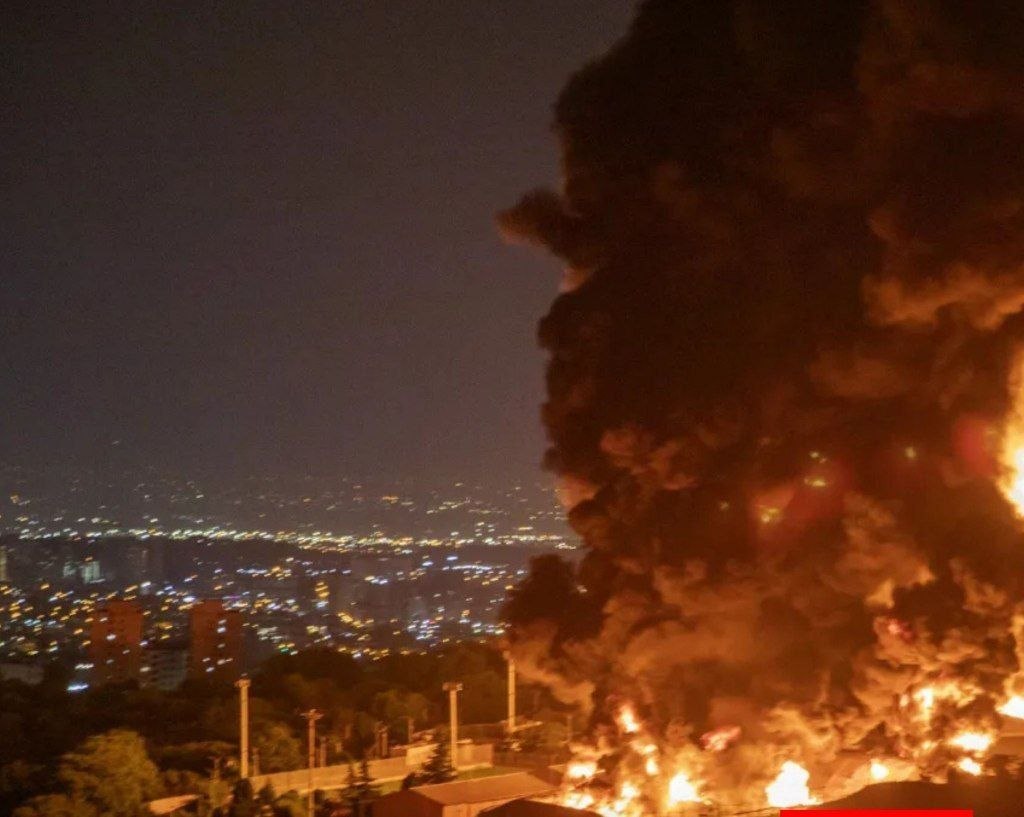
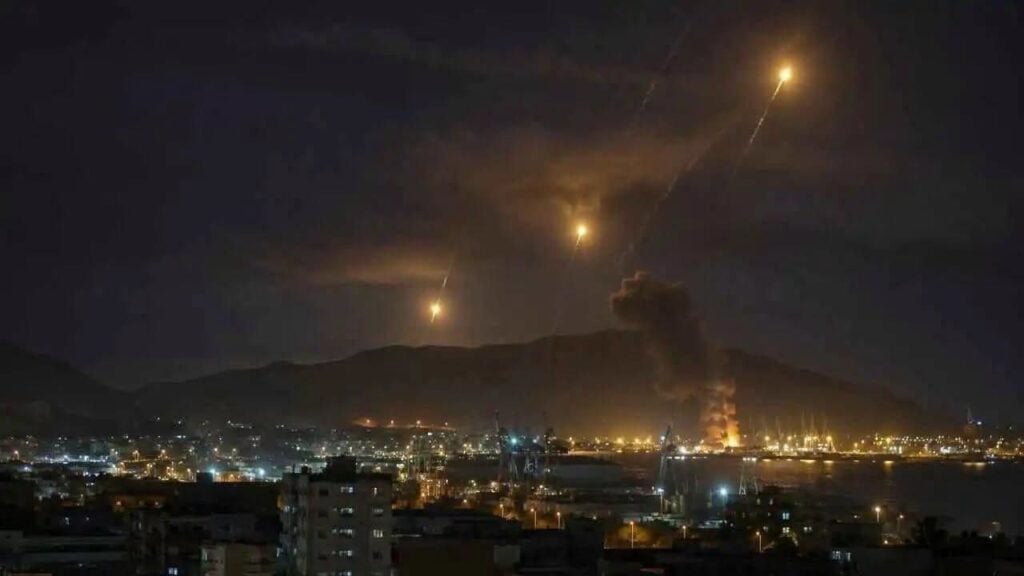
Amit Yagur presented a map detailing the sites hit last night along the Iranian coast, illustrating the scope of the American operation. Yagur explained that the strike focused on naval bases, command centers, sites for launching fast boats, and shore-to-sea missile facilities, with the stated goal of neutralizing Iranian control over the Strait of Hormuz. The main sites marked on the map include Chabahar in the east, where the naval control tower—shown in the air and overlooking the entrance to the straits—is located.
Photo: Arabic networks
In addition, the strikes included Bushehr in the west and other strategic points along the southern coast, including islands in the heart of the straits and sites in central Iran designed to prevent ballistic missile launches. According to Yagur, the move was designed to ensure freedom of navigation and American hegemony in the straits area, neutralizing the operational capabilities of Iran’s naval arms without leading to a comprehensive multi-arena escalation.
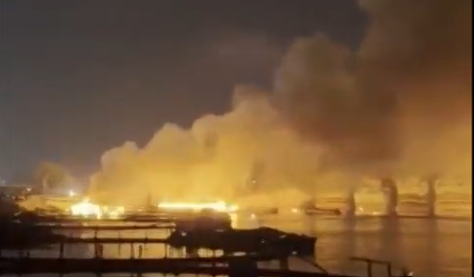
During the discussion, Dr. Edy Cohen addressed the Iranian control tower in the Strait of Hormuz, whose image was shown on screen, and confirmed it’s no longer operational. Cohen stressed that despite the significant American strike, this is “a small blow,” not a final decision. According to him, Iran continues trying to undermine stability in the straits, and Trump, who “had one of his fuses blow,” responded forcefully but is still looking for ways to reach a deal. Cohen noted that the question of where this leads remains open: “The regime isn’t falling; they’re continuing.”
Photo: Arabic networks
Amit Yagur presented an in-depth analysis of Turkey, which he defines as Iran’s patron at this stage, despite the contradictions between them. Yagur argued that the Turkish economy doesn’t allow it to wage a real war, even if its neo-Ottoman aspirations position it as a competitor with Israel for regional primacy.
Regarding Trump, Yagur believes this is a tactical move designed to buy time and improve positions ahead of the midterm elections: “A deal is tactical, it’s not strategic.” He added that Trump, who saw the humiliation of the American president at the funeral procession, is operating from a more personal and emotional place than before.
Photo: Arabic networks
The discussion closed with the question of whether the Israeli public should prepare for escalation. Both experts agreed that no one knows for certain where things will lead, but Trump didn’t choose an “all-out” military option. Yagur concluded that Trump may have chosen an “economic all-out”—heavy pressure on Iran that will lead to its internal collapse without a full-scale war. The experts emphasized that Israel must continue monitoring actions on the ground, understanding that the dynamic with Iran is at a boiling point, unlike anything seen before.
Yinon Magal, host of the show “The Patriots,” revealed today (Thursday) that on October 8, the terror organization transmitted an offer that included freeing all captives in return for multiple conditions, among them control over the Temple Mount.
Photo: Flash90
According to Magal, this information is being disclosed for the first time. “To my understanding, the offer wasn’t even discussed,” he wrote, adding that the demand regarding the Temple Mount was part of the conditions Hamas set as part of that proposal.
The revelation reinforces the understanding that Hamas’s objectives went beyond just releasing terrorists, reflecting a broader ambition concerning the Temple Mount and the Al-Aqsa Mosque. This view has also been reflected in testimonies from IDF soldiers, who reported finding pictures of the Al-Aqsa Mosque in many homes throughout the Gaza Strip.
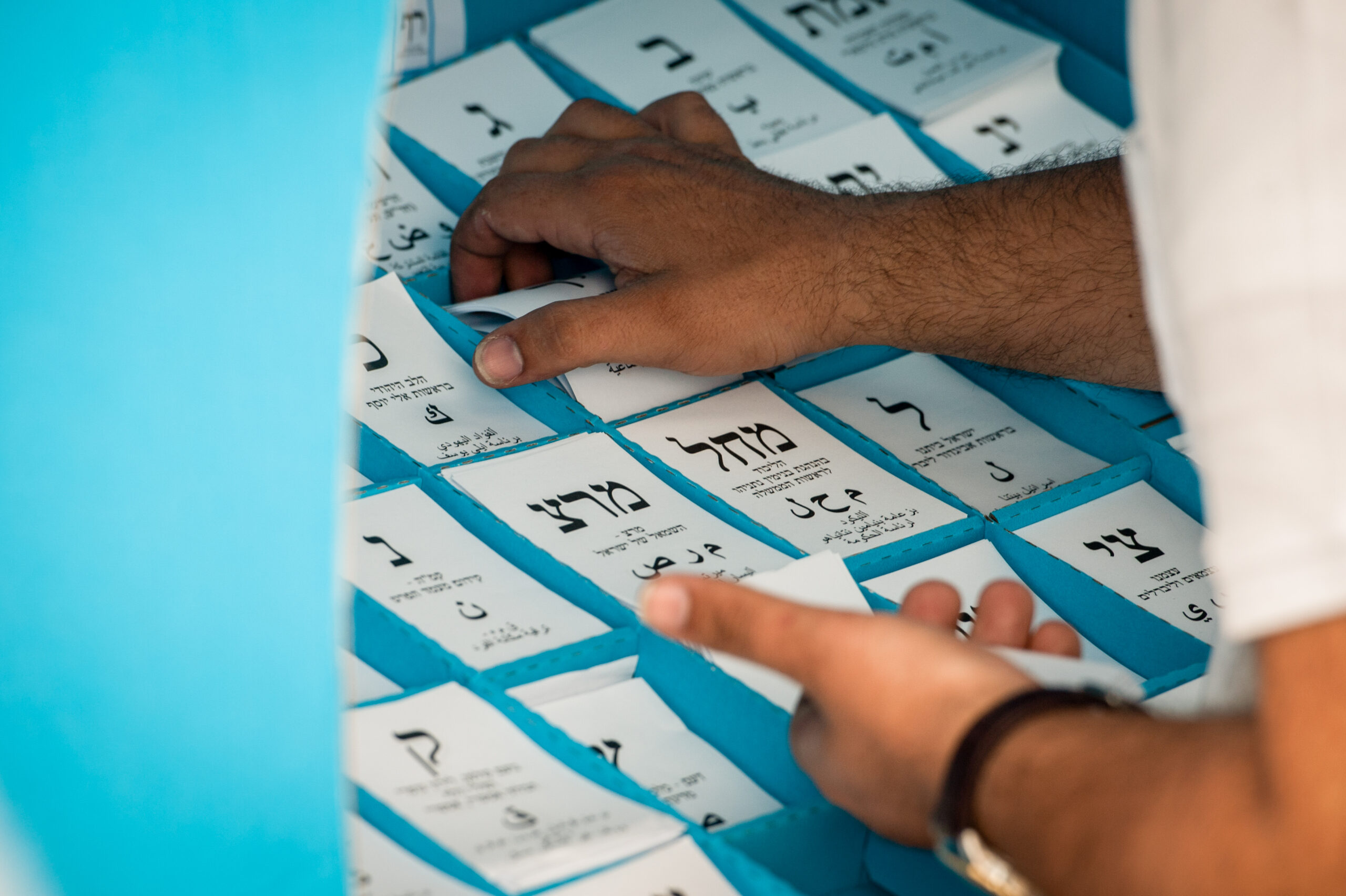
A new poll sparking controversy in Israel’s political system shows Gadi Eisenkot leading Prime Minister Benjamin Netanyahu by one mandate for the first time, alongside a strengthening trend for the opposition bloc. But in an interview on the “Israel This Morning” program hosted by Tal Meir, political analyst Shlomo Filber offered a different analysis—explaining why gaps shown in various polls don’t necessarily indicate deep shifts in the electorate, but rather reflect a different internal dynamic.
Against the backdrop of recent publications pointing to changes in the mandate map, Filber appeared Thursday on “Israel This Morning” and noted that discussion of poll results must be done carefully and precisely. The data emerging from his in-depth analysis point to a completely different trend: consistent strengthening of Likud in the past two weeks, alongside a consistent decline in Benny Gantz’s power.
Photo: Jonathan Zindel, Flash90
During the interview, Filber addressed Likud’s “lost mandates”: “There are 8 mandates of Likudniks we’ve been talking about for a year now, sitting with Bennett. If you move them to their natural bloc—Likud should be at 30 plus.” Filber added forcefully, “There are 1.2 million Likud voters. Someone decided that 400,000 of them switched blocs. No one can say who they are, where they are, why we don’t hear them in the media.”
Regarding the political situation, Filber emphasized: “In the past year and a half, there hasn’t been any movement between the blocs. The whole debate is about what happened somewhere before the protests, but in the past year, everyone agrees the right-wing bloc has remained stable.” On the small and new parties that tried to break into the map, Filber said: “None of them pass the electoral threshold, and none of them are even close—they haven’t even reached half the mandates needed.”
Photo: Jonathan Zindel, Flash90
On the possibility of a broad national unity government, Filber noted that Netanyahu presents an open line: “He comes and says ‘I’m not boycotting anyone, I’m inviting to my government anyone who wants to join based on basic principles.’” By contrast, Filber argues the opposition bloc refuses this framework: “In the opposition bloc, they’re playing an all-or-nothing game. They’ll try to maintain their bloc without any right-wing party.”
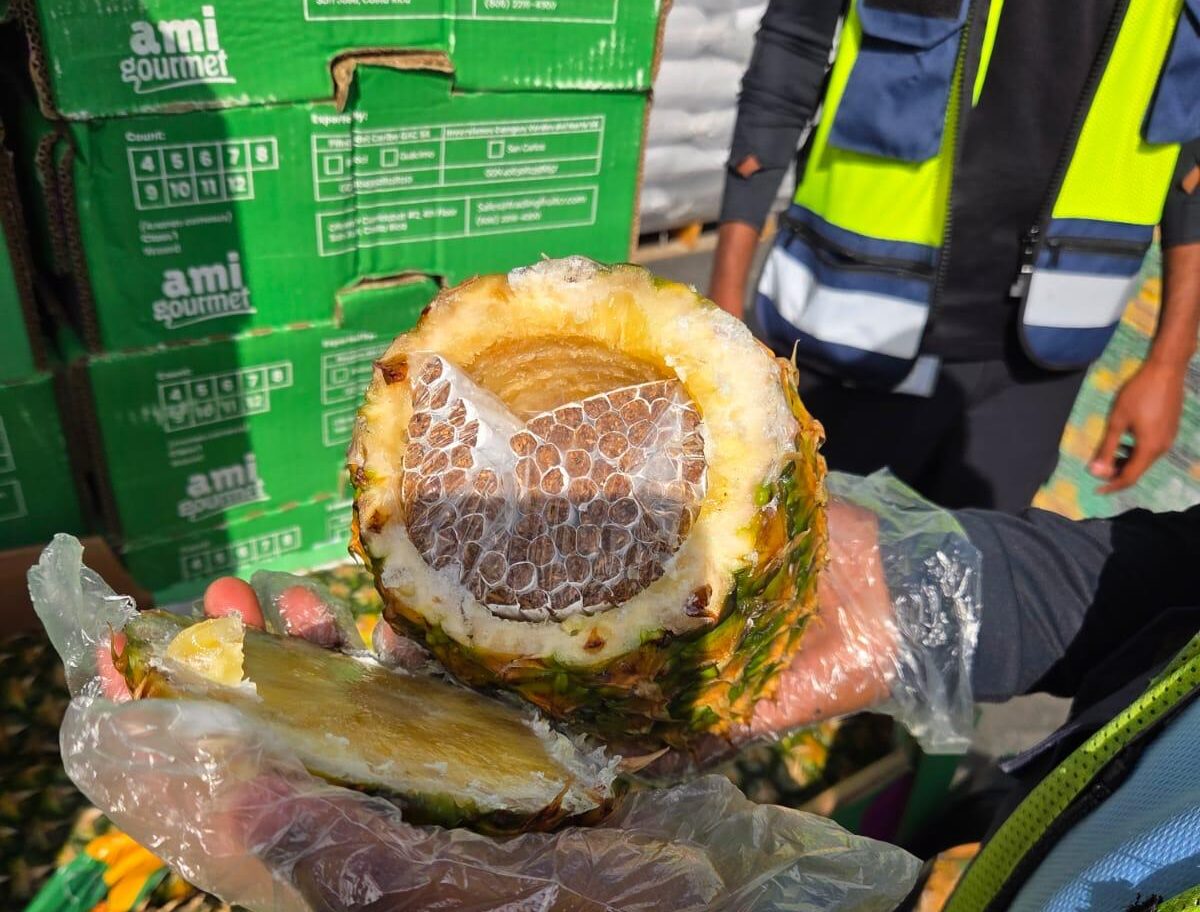
A shipment of hundreds of pineapples destined for Gaza as part of humanitarian aid turned out to be another smuggling attempt—with thousands of cigarettes hidden inside the fruit. An initial investigation revealed the shipment was purchased from an Israeli company. The Coordinator of Government Activities in the ‘Territories’ ordered an immediate freeze on the company’s authorization to bring aid into the Strip until further notice.
Israeli security forces at the Gaza border foiled another smuggling attempt Wednesday after discovering thousands of cigarettes concealed inside hundreds of pineapples. Inside several crates containing the fruit, purchased by an Israeli company, forces found thousands of cigarettes hidden right inside the pineapples.
Photo: Ministry of Defense Land Crossings Authority
All the crates were handed over to representatives of the Coordination and Liaison Administration for Judea and Samaria. An initial investigation revealed the truck was carrying a shipment purchased by an Israeli company that had been approved under the mechanism for bringing in aid through the private sector, and was meant to arrive at the Kerem Shalom crossing as humanitarian aid.
Following the discovery of the smuggling attempt, the truck and all its contents were confiscated and transferred for further handling by customs and other authorized agencies. In response to the unusual incident, the Coordinator of Government Activities in the ‘Territories,’ Major General Yoram Halevi, ordered an immediate freeze on the company’s authorization to bring aid into the Gaza Strip until further notice.
Photo: Ministry of Defense Land Crossings Authority
This isn’t an isolated smuggling attempt. Just a month ago, forces foiled another attempt to smuggle hundreds of bags of tobacco into the Strip disguised as a donation of wheelchairs. Following that incident, a security and criminal investigation was opened, and COGAT officials made clear: “This is a serious violation of the aid delivery mechanisms.”
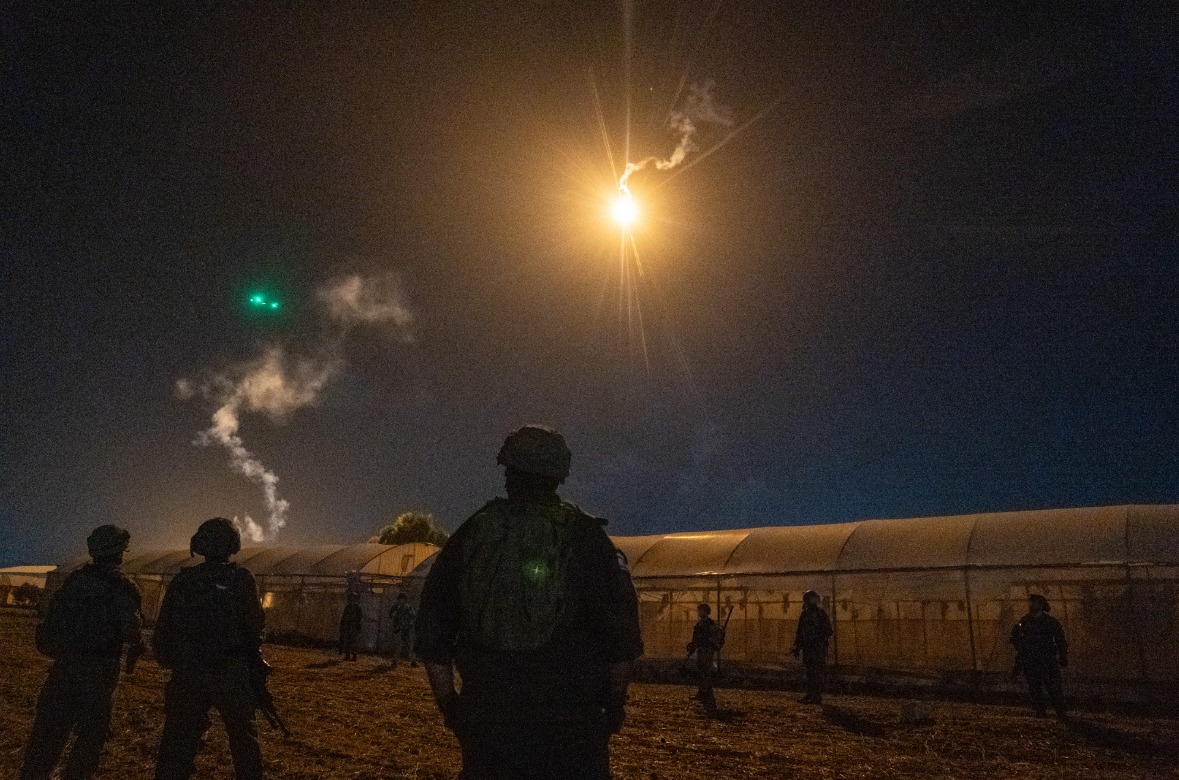
Israeli forces arrested 20 terror suspects overnight Tuesday in sweeping operations across Judea and Samaria, including individuals suspected of planning imminent attacks, a weapons dealer, a smuggler of illegal residents, and several suspects affiliated with Hamas. The wide-ranging operations were carried out simultaneously in multiple sectors as part of ongoing efforts to dismantle terror infrastructure in Judea and Samaria.
During the operations, forces completed a complex mapping operation in the Menashe Brigade sector, with soldiers searching more than 50 buildings in the Jenin area. At the same time, in the Judea Brigade sector, forces arrested five suspects and interrogated dozens of additional wanted individuals. This operation began in the Hebron area after gunfire was heard from the city during the night, with forces moving quickly to locate suspects and neutralize the threat.
Meanwhile, soldiers also operated in the Ephraim Brigade sector, where IDF forces and Border Police arrested four wanted individuals affiliated with Hamas in the Tulkarm area. In addition, another wanted individual suspected of incitement to terrorism was arrested in the village of Funduk. Forces in the Judea and Samaria Division continue to operate with determination and all available means to thwart terrorism, with the goal of protecting the security of residents of the region and citizens of the State of Israel.
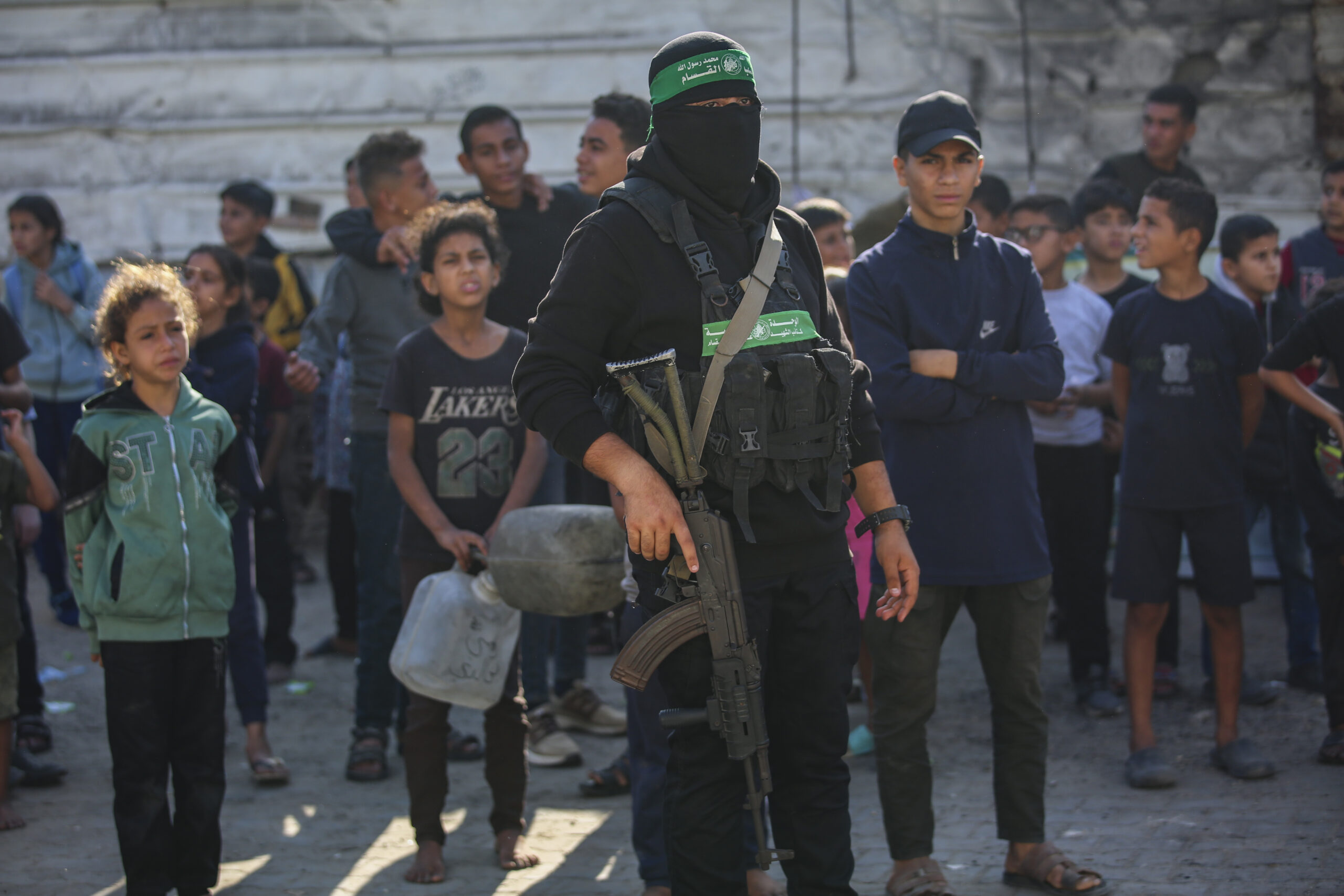
Middle East expert Yoni Ben Menachem stated in an interview with Channel 14 that “the only force that can topple Hamas is the IDF,” dismissing the possibility of a civilian uprising ending the terrorist organization’s violent rule over Gaza. According to him, despite reports of a “day of rage” in the Strip, Hamas rules with an iron fist and brutally suppresses any opposition. “You have to remember that most of the Gazan public is Hamas, more than 90 percent,” Ben Menachem stated, adding: “They may hate Hamas for what it does to them, but they hate Israel and the Jews more.”
Photo: Flash90
Regarding negotiations for stable relations with Lebanon, Ben Menachem characterized reports of an Israeli withdrawal as “disinformation and fake news they’re spreading.” According to him, the talks underway in Washington are deadlocked due to fundamental disagreements and Lebanese refusal to assume genuine security responsibility. “The Lebanese army refuses to fight Hezbollah north of the Litani and only agrees to enter south of the river,” the expert revealed. He warned that the American administration might turn the pressure specifically on Jerusalem: “Trump won’t let this memorandum of understanding collapse and will pressure Israel to withdraw and compromise, and that’s a very serious thing.”
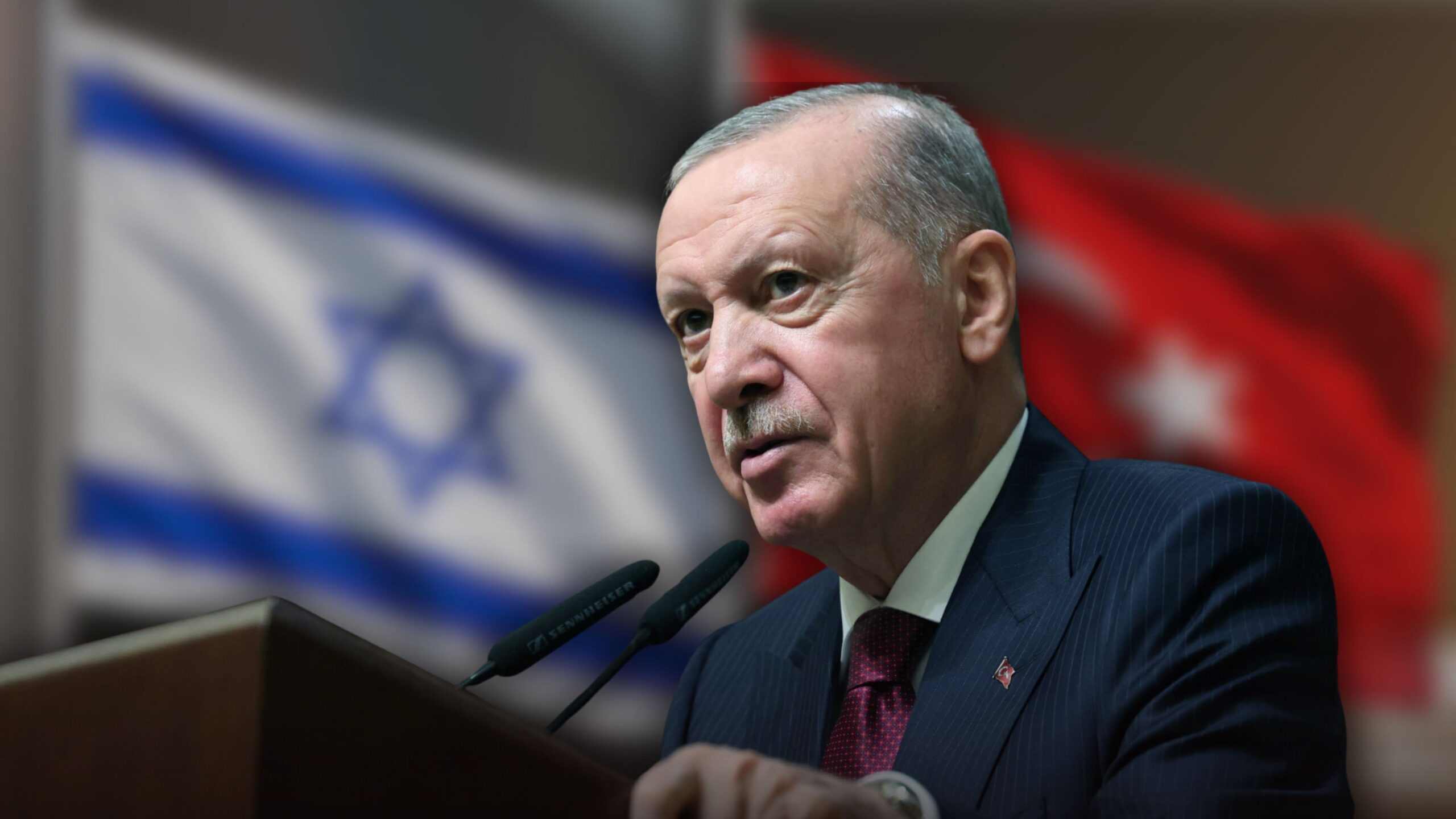
Ben Menachem also pointed to worrying signs of escalation on the Turkish front, against the backdrop of Foreign Minister Gideon Sa’ar’s proposal to recognize the Armenian genocide. According to him, President Erdoğan isn’t hiding his ambitions to become a power that will replace Iran’s influence in the day after. “Erdoğan has a dream to conquer Jerusalem and enter the Al-Aqsa Mosque,” Ben Menachem warned. He noted that Turkey is arming itself with strategic weapons and long-range missiles, and that recent policy moves toward Ankara require deep consideration by the government due to their security implications.
Turkish President Erdogan at the NATO summit | Photo: Reuters
Ben Menachem summed up the situation with a sober view, calling on Israeli leadership not to rely on internal processes among the enemy or on international promises that aren’t anchored on the ground. According to him, Iranian pressure on Lebanon and Turkey’s imperial ambitions creates a ring of threats that requires military strength. “The Iranians are threatening that if Israel doesn’t withdraw from southern Lebanon, the entire agreement will collapse,” he explained.
The bottom line, he emphasizes, is that only a clear action against Hamas and preserving freedom of action in the north will ensure the state’s security against regional plots.
Encouraging news for aviation in Israel: The European Union Aviation Safety Agency (EASA) today (Wednesday) published an update to its guidelines, which indicates that the recommendation to exercise special caution when flying in Israeli airspace is no longer in effect. The relief also applies to Jordan, Bahrain, Kuwait, Qatar, Oman, the United Arab Emirates and Saudi Arabia.
The move may make it easier for European and international airlines to make a decision to resume their flights to Israel, reduce the number of cancellations due to security considerations and accelerate the return of foreign companies that have recently suspended their operations. However, the final decision on whether to operate flights remains with each airline, in accordance with its risk assessment and policy.
A study published earlier this year in the prestigious medical journal The Lancet Global Health has sparked controversy among demographic experts. Conducted by a team that included researchers from Royal Holloway, University of London, the study estimated that 75,200 violent deaths occurred in Gaza between October 2023 and January 2025—a figure more than 50 percent higher than estimates from Gaza’s own Health Ministry.
Gaza residents | Photo: Ali Hassan, Flash 90
Demographers who examined the study pointed to fundamental flaws in its methodology. According to them, field teams produced unrealistic data from areas with unusual household compositions. They also identified overlapping survey areas and unrepresentative samples—such as questioning neighbors on a single street rather than conducting a cross-section of the broader population.
Concerns Over Duplicates and Professional Bias
In a response letter published in the journal, the team of experts warned that some deaths may have been counted more than once. Prof. Sergio Della-Pergola, an expert in demography and statistics at the Hebrew University, emphasized that despite the human tragedy of lives lost, public discourse absolutely cannot rely on “half-truths or fabricated facts.”
Photo: Shutterstock
Prof. Della-Pergola added that the fact that a significant portion of the data came from just two investigation teams raises reasonable suspicion. According to him, the teams appear to have sampled specific areas with particularly high concentrations of casualties, prompting concerns about bias. He also warned of the influence of “anti-Israel” bias within the academic community and called for professional standards to be upheld in a debate saturated with emotion and politics.
The controversy raises a disturbing question: how much anti-Israel bias has allowed deeply flawed figures to be weaponized as “evidence” for sweeping accusations of genocide? The implications are extremely difficult to ignore.
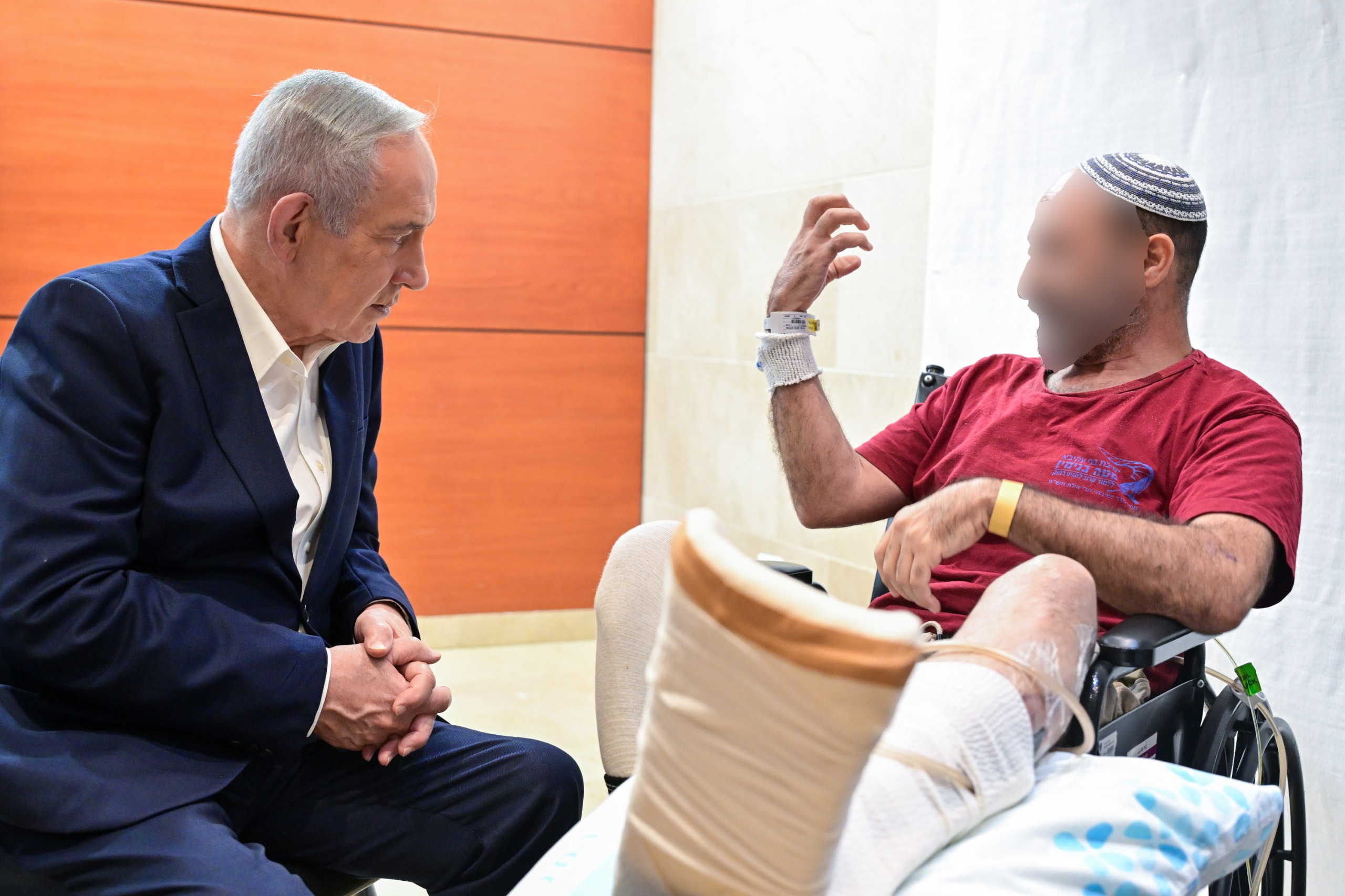
Prime Minister Benjamin Netanyahu visited Rambam Hospital in Haifa, where he met with the wounded IDF soldiers hospitalized there. During the meeting, Netanyahu spoke with the fighters about the situation in the country and the sentiments coming from the field.
Prime Minister Benjamin Netanyahu with wounded IDF soldiers | Stills: Kobi Gideon/GPO.
In conversation with a wounded soldier named Yonatan, Netanyahu addressed Israel’s public discourse. “There is far more unity within the people than what is expressed in the Knesset,” the prime minister said. He described it as a deep and broad unity that forms an important foundation for the country’s future, adding that the soldiers themselves are the best representatives of this value.
“Your Spirit Is Tremendous”
During the personal meetings with the wounded heroes, Netanyahu emphasized that he admires their strength. “I’m always moved by your spirit. I don’t say this just to say it. I know you’re going through a difficult journey. It’s not easy, but your spirit is tremendous.”
Prime Minister Benjamin Netanyahu with wounded IDF soldiers | Stills: Kobi Gideon/GPO.
The visit highlighted Netanyahu’s message that despite the divisions dominating Israel’s public discourse, a deep sense of unity and one people standing together remains strong among those serving on the front lines.