Category: Israel

  • IDF Spokesman Freezes Controversial Military Social Media

    IDF Spokesman Freezes Controversial Military Social Media

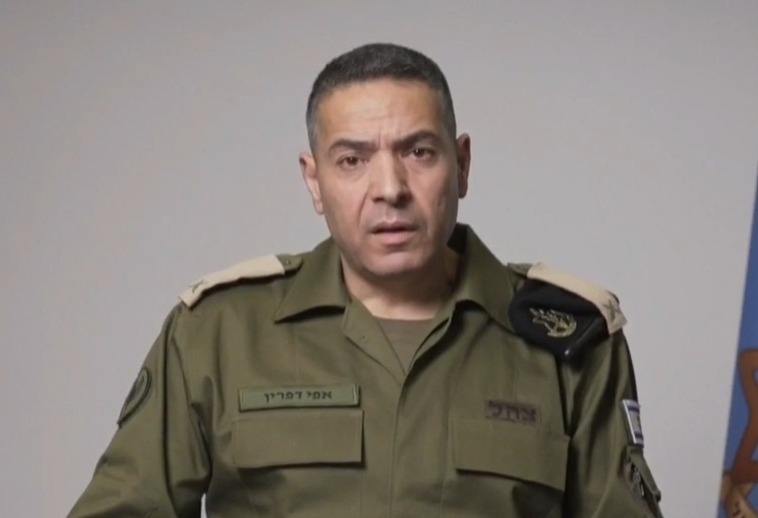
    IDF Spokesman Colonel Efi Defrin has issued a new directive freezing the activity of numerous digital accounts across the military, including social media accounts of various units and frameworks. Under the directive, only the official accounts of the IDF itself, along with accounts of branches, arms, and commands at the command framework level, will be permitted to operate.

    In a letter signed by Defrin, the spokesman noted that in recent years, websites and social media accounts—including Instagram, Facebook, Telegram, and TikTok—have been opened and operated by various military frameworks. According to the IDF Spokesman’s Office, some of these accounts were opened without prior approval and without oversight or accompaniment by the spokesperson’s apparatus, leading to gaps.

    Photo: Social Networks, 27a

    The directive stipulates that digital account activity by divisions, brigades, and headquarters frameworks will be frozen, and that any deviation from the directive will require approval from the IDF spokesman alone. The IDF Spokesman’s Office explained that the move is intended to reorganize the military’s social media activity, particularly against the backdrop of the election period and the need, they said, to maintain statesmanship and message uniformity.

    The decision comes after several public controversies involving IDF personnel and social media activity. In one case, a female soldier from the IDF Spokesman’s Office was photographed with social media influencer Braden Peters, known as “Clavicular,” who gained notoriety for controversial documentation. The soldier, who served in the international media branch and managed social media activity, received a suspended confinement punishment and was transferred from her position.

    Photo: From Bar Ganish’s TikTok channel

    Another controversy erupted after a social media star posted a video showing himself dancing while dressed in IDF uniform, at a booth operated as part of the “Yoter” festival for recruits. Following public criticism, the video was removed, and the IDF said at the time that the booth was set up without required approval, and that the soldiers’ behavior at the site did not represent IDF values and was inconsistent with the event’s purpose.

    Now, the IDF Spokesman’s Office is seeking to consolidate digital activity under tighter supervision, reduce independent activity by units and frameworks in the military, and ensure that messages distributed on behalf of the IDF on social networks are transmitted only through official channels.

    The directive marks one of the IDF’s most significant efforts to centralize its online messaging, signaling that official communication—not viral content—will define the military’s digital presence going forward.
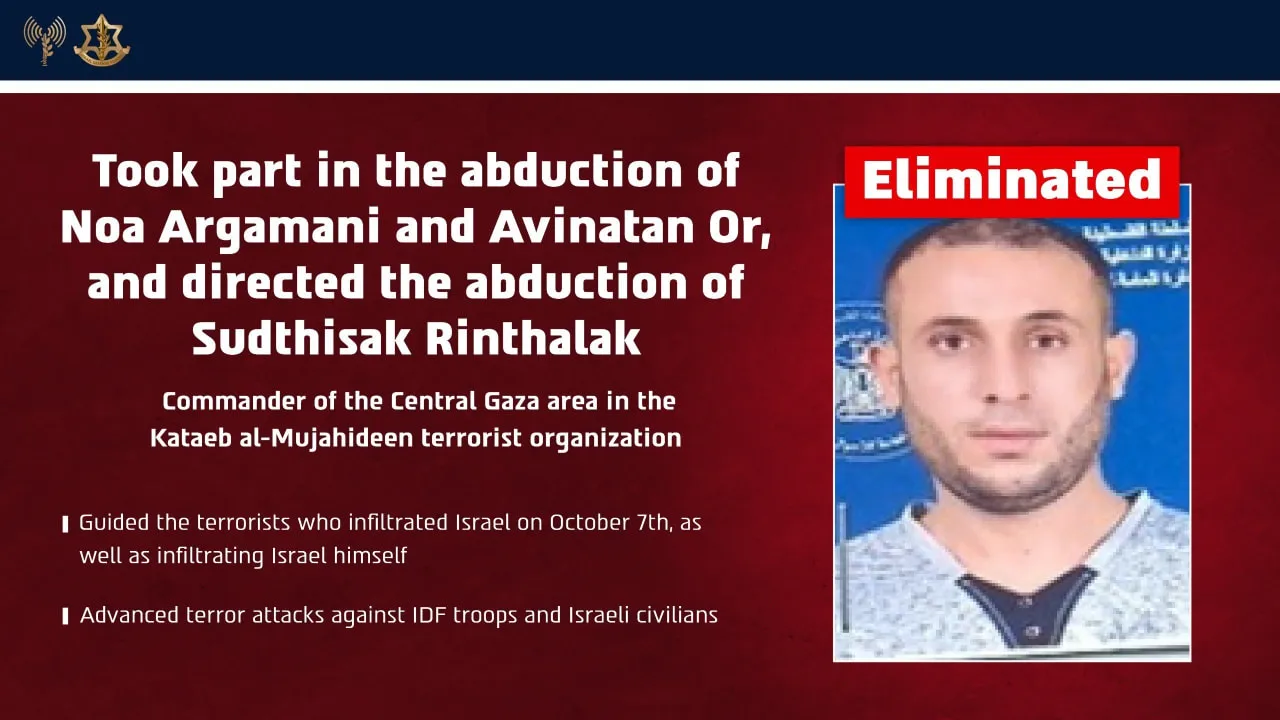
  • IDF Eliminates Oct. 7 Terrorist Who Kidnapped Noa Argamani

    IDF Eliminates Oct. 7 Terrorist Who Kidnapped Noa Argamani

    The IDF announced Friday that earlier this week it killed Ahmed Hassin Mohammed Kafina, commander of the Central Camps sector for the terror group Kataeb al-Mujahideen. Kafina led and directed his organization’s raid into Israel during the October 7 massacre, personally participated in the abduction of Avinatan Or and Noa Argamani, and directed the kidnapping of Sudthisak Rinthalak.

    Throughout the war and in recent weeks, Kafina advanced terror plots against IDF forces and Israeli civilians. The terrorist posed an immediate threat to forces and was killed in a precision airstrike. IDF forces under Southern Command are deployed across the area in accordance with the ceasefire agreement and will continue operating to remove all threats.

    Kataeb al-Mujahideen, a terror organization formed after breaking away from Fatah, was officially established 20 years ago and operates in the West Bank and Gaza Strip. The group’s leadership has been based for years on the Gazan-Bedouin families al-Hasaina and Abu Sharia. Kataeb al-Mujahideen has claimed responsibility in recent years for a range of terror and guerrilla attacks against Israeli targets, including rocket fire and attacks in Judea and Samaria.

    His death sends a clear message: those responsible for October 7 will continue to be hunted down wherever they are.

  • US and Israel Weigh Land Blockade of Iran

    US and Israel Weigh Land Blockade of Iran

    The United States and Israel are discussing the possibility of imposing a land blockade on Iran, the British Telegraph reported Friday. According to the report, it’s one of several options being examined in Washington and Jerusalem aimed at ramping up economic pressure on the Iranian regime after a prolonged period of strikes and regional confrontation that hasn’t changed Tehran’s behavior.

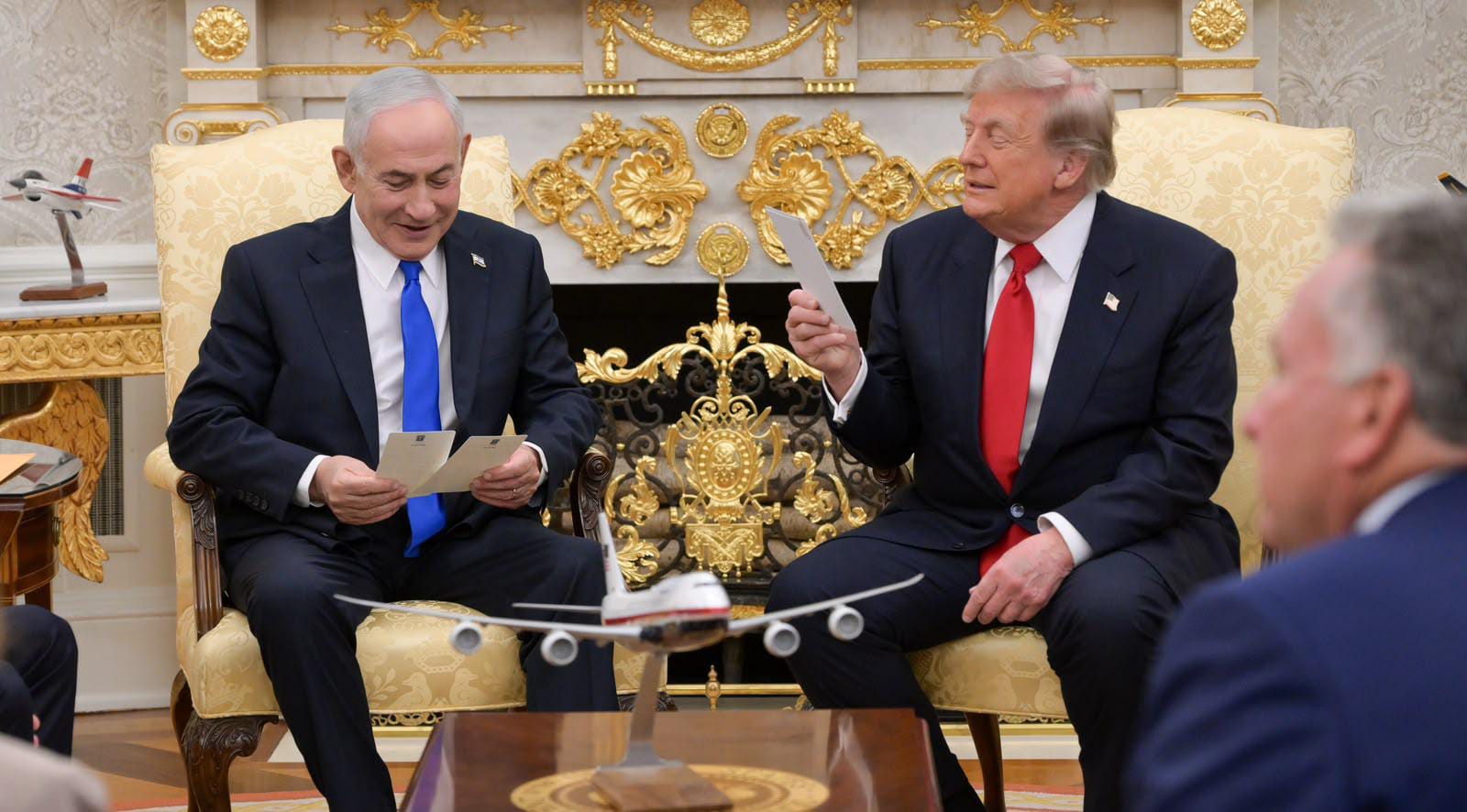
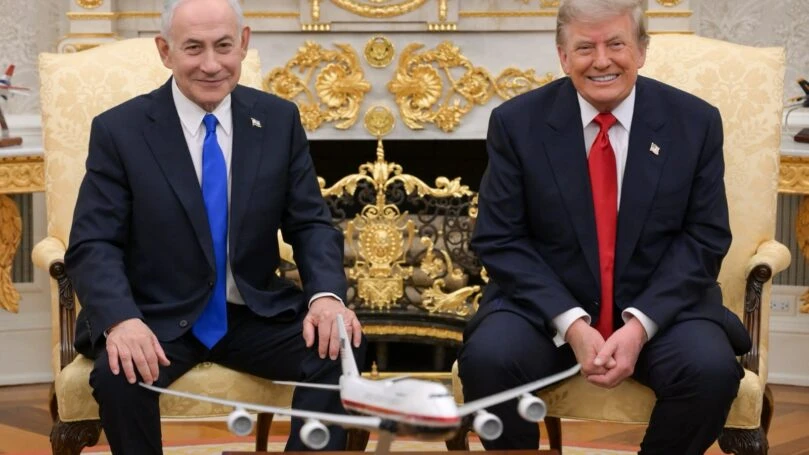
    Netanyahu and Trump at the White House. Photo: Maayan Toaf, GPO

    According to the report, President Donald Trump and Prime Minister Benjamin Netanyahu discussed ways to increase pressure on Iran during their White House meeting Tuesday—both through kinetic means and non-military measures. One option raised was trying to convince Iran’s neighbors and regional partners to tighten oversight of border crossings, and even close some of them, to restrict the country’s imports and exports.

    A senior Israeli official quoted in the Telegraph said one of the options discussed was a broad closure of Iran’s land borders. “What if you just block the land? Let’s say Iran can’t bring anything in and can’t take anything out. Everything will happen,” the official said.

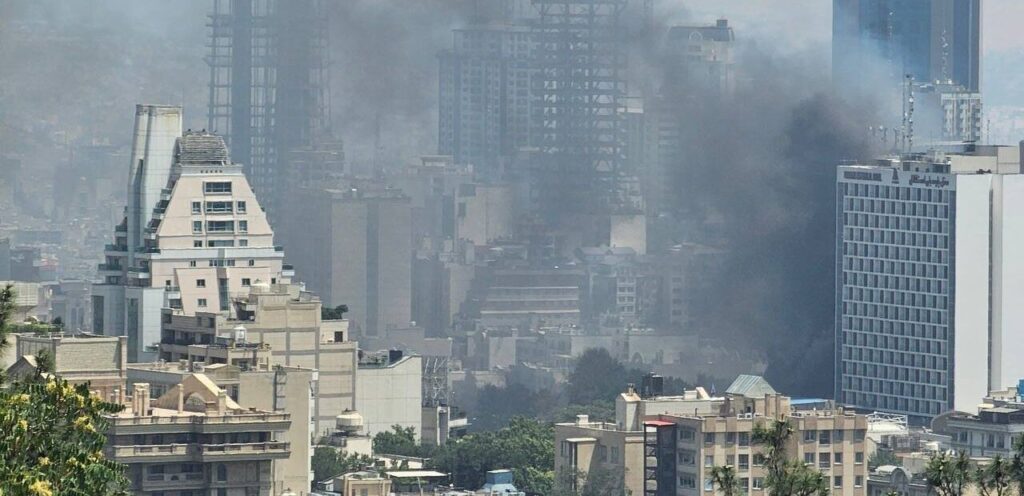
    Photo: Iranian Social Media

    Still, the report emphasized that implementing a full land blockade on Iran would be exceptionally complex. Sean MacFarland, a retired American lieutenant general, said such a blockade would be “almost impossible,” but added that damaging Iran’s ability to trade could isolate it economically and bring it, in his words, “to its knees.” He said an economic approach of this kind would likely require a combination of military steps, and couldn’t rely on diplomatic pressure alone.

    The main difficulty lies in Iran’s many land borders. The country shares borders with Iraq, Turkey, Pakistan, Afghanistan, Turkmenistan, Armenia, and Azerbaijan, so any attempt to block it would require cooperation from many countries, some of which aren’t allies of the United States or Israel. According to the report, Washington may see Pakistan and Iraq as possible weak points, but any country that cooperates with such a move could face economic consequences and the threat of retaliation from Iran.

    Oil in Iran | Photo: Shutterstock

    The report also said blocking ports or major border crossings could damage Iran’s ability to rearm. According to the Telegraph, Tehran is expecting a shipment of hundreds of rocket launchers from China as part of a new agreement to strengthen military cooperation between the countries. The contract, worth about $70 million, includes mobile air defense systems and shoulder-fired anti-aircraft missiles.

    A source involved in the discussions told the British paper that Trump believes the current strategy of opening the Strait of Hormuz has exhausted itself, so he’s examining additional escalation options aimed at bringing Iran back to the negotiating table. According to the report, the land blockade option fits into the “maximum pressure” policy designed to damage Iran’s economy and constrain its moves.

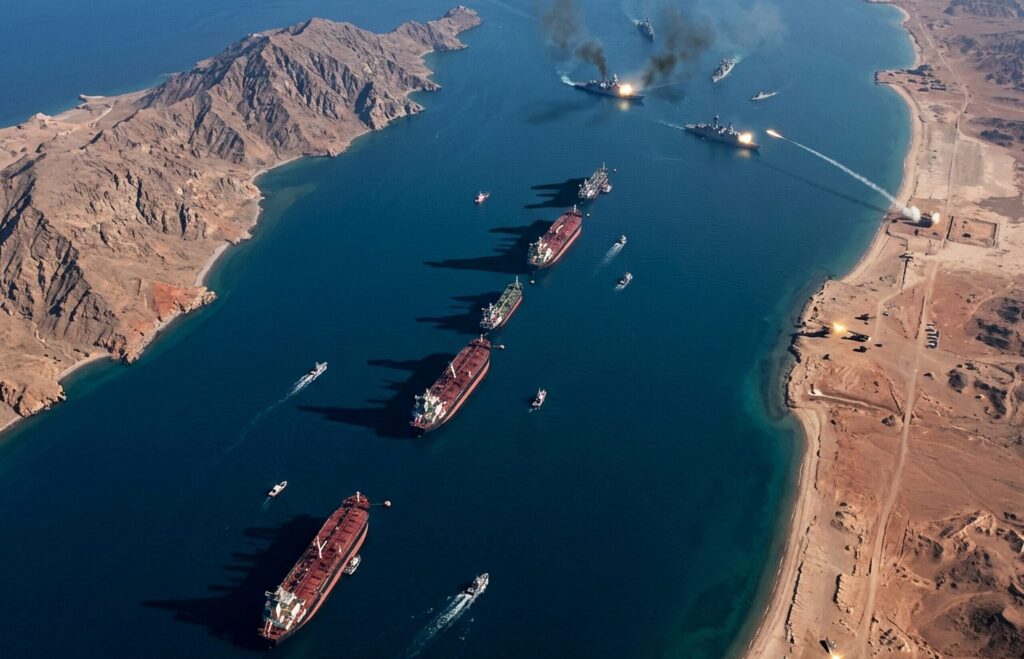
    Strait of Hormuz | Photo: Shutterstock

    The Telegraph also noted there’s a possibility the plan was floated deliberately to divert Iran’s attention from the next move the United States and Israel are planning. The report added that intelligence assessments point to a split within the Iranian leadership between those who fear economic collapse and those who believe the confrontation should continue.

    The Israeli official quoted in the report added that Iran is experiencing severe gas shortages, and that many gas stations are seeing long lines after diesel supplies ran out. At this stage, it’s unclear whether the land blockade option will develop into a practical move, but the very discussion of it reflects the American and Israeli attempt to expand their leverage against Tehran.

  • IDF Evacuates Israelis After Clash Outside Shechem

    IDF Evacuates Israelis After Clash Outside Shechem

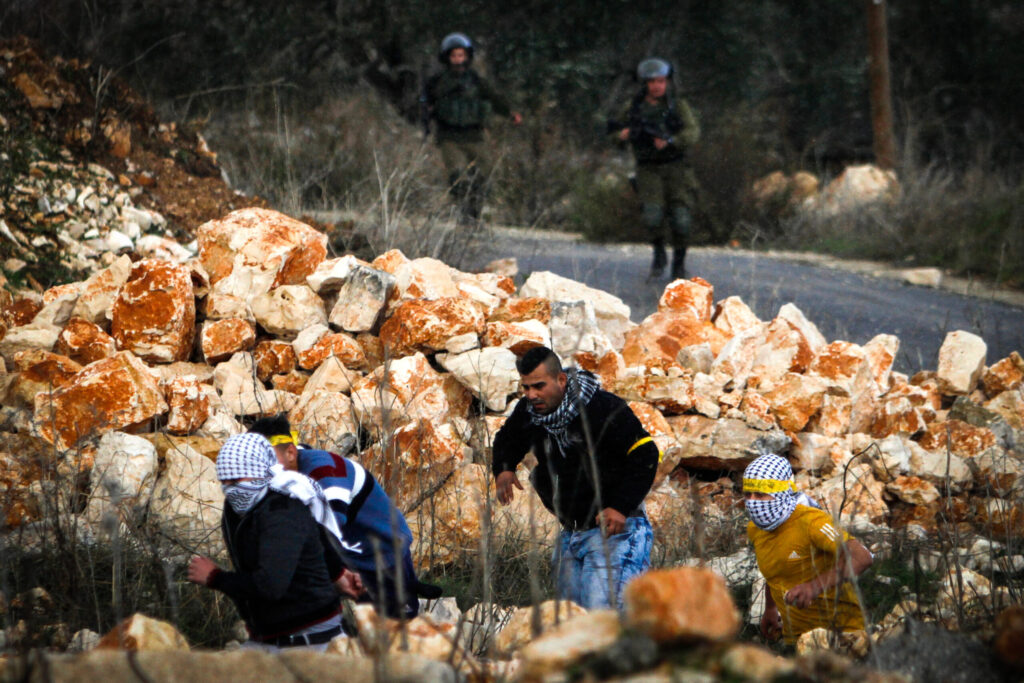
    Israeli civilians entered the outskirts of the city of shechem in the Samaria Brigade early Friday. According to an IDF spokesperson, ‘Palestinians’ in the area threw stones at them, and an Israeli civilian fired shots into the air. There were no casualties in the incident.

    At the same time, a report was received about several Israeli civilians who vandalized a cemetery. IDF forces, which had been deployed in the area in advance ahead of the Israelis’ arrival, worked to disperse the gathering and remove the civilians from the area. All the Israelis left the shechem area.

    Archive | Photo by: Nasser Ishtayeh/Flash90

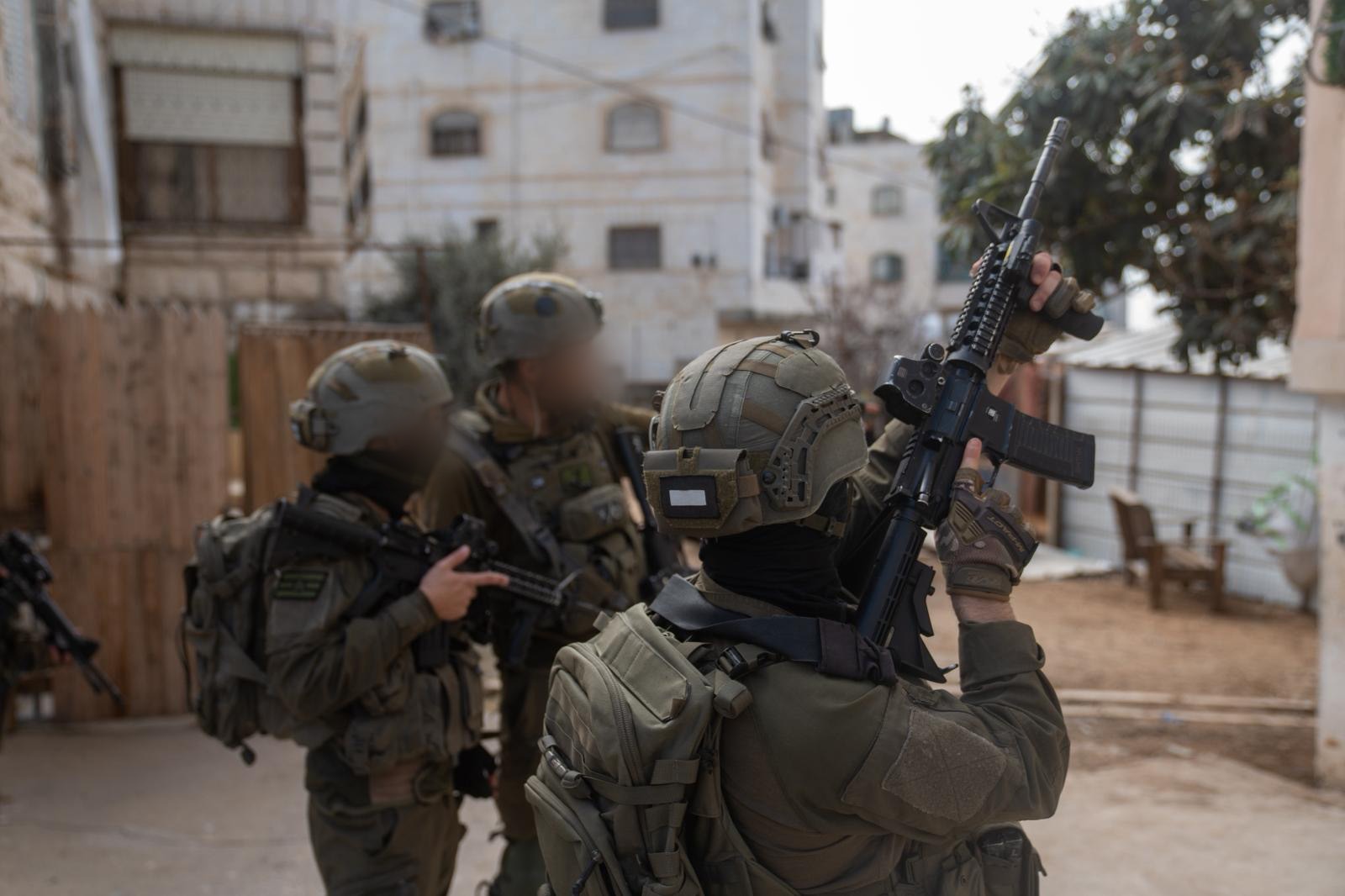
    Later, stones were also thrown at IDF forces operating in the area. The force responded with suspect arrest procedures, which included firing at a central instigator.

    The IDF said forces are prepared and deployed in various areas of the sector to prevent additional friction incidents. The military also emphasized that entry into Area A is prohibited and dangerous for Israelis and constitutes a violation of the law.

  • Hamas Agrees to Full Disarmament Under Trump-Brokered Deal

    Hamas Agrees to Full Disarmament Under Trump-Brokered Deal

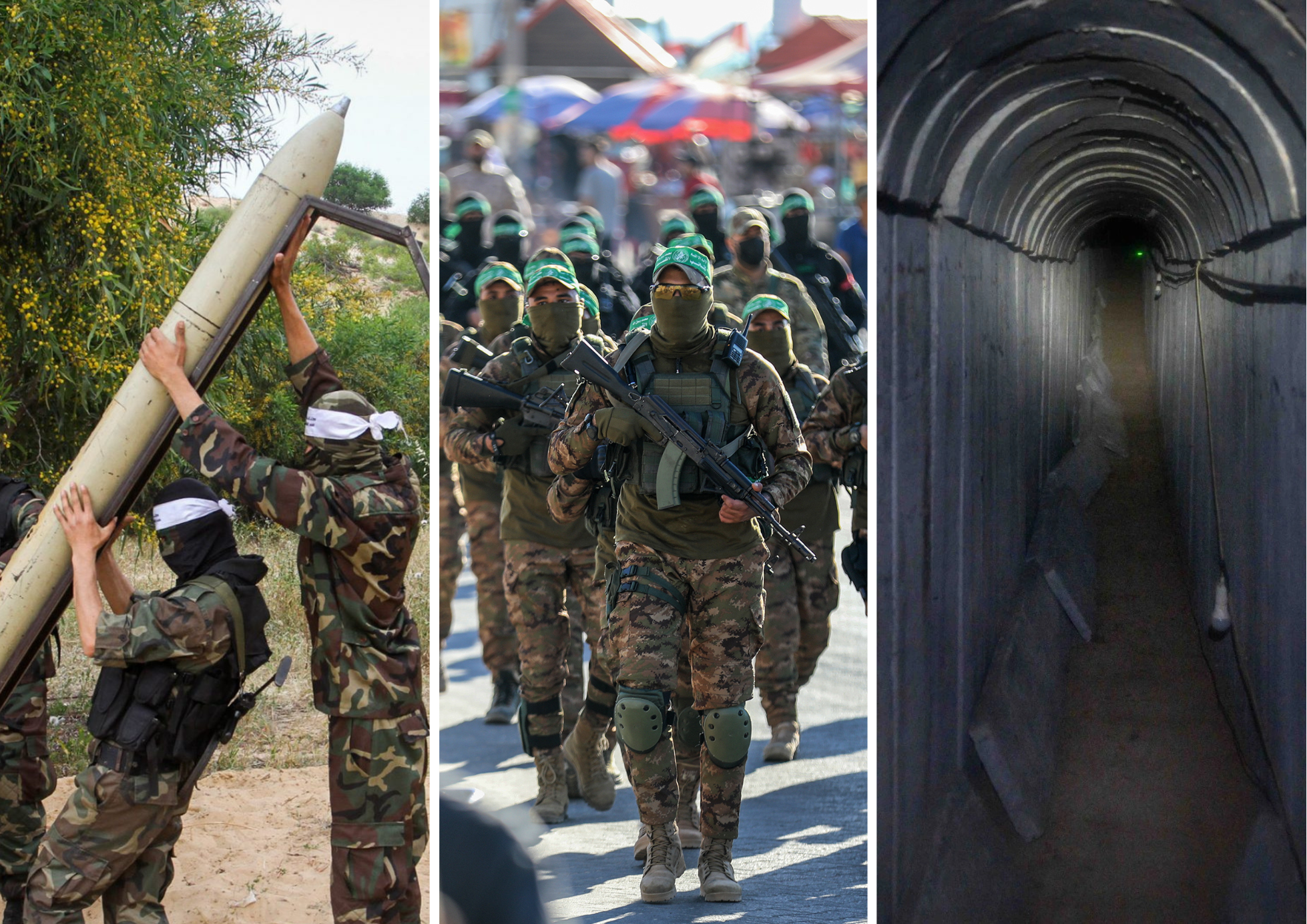
    Senior officials involved in the negotiations stress that the emerging framework for dismantling Hamas doesn’t rely on trust in the terror organization, but on enforcement mechanisms and conditioning Israeli steps on Hamas actions. Under the deal taking shape, Hamas is expected to hand over its heavy and light weapons, tunnels, and maps in its possession, while Israel will retain the option to return to combat if the terror organization violates the agreement.

    As President Trump announced overnight Thursday, if the details are indeed accurate, and the result is in my view a Hamas surrender, then a historic achievement is taking shape—full disarmament (including all light weapons, heavy weapons, and tunnels) and complete end to Hamas rule in the Gaza Strip, including a commitment to withdraw from any governmental involvement in Gaza. The immediate news: within just a few weeks, Hamas will begin handing over the weapons it holds.

    חמאס |
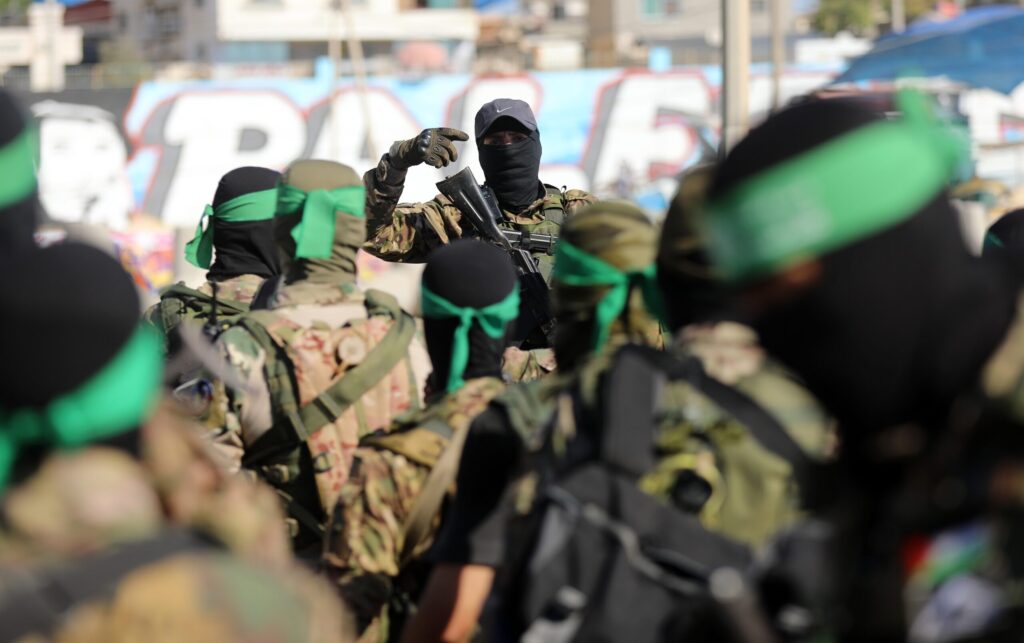
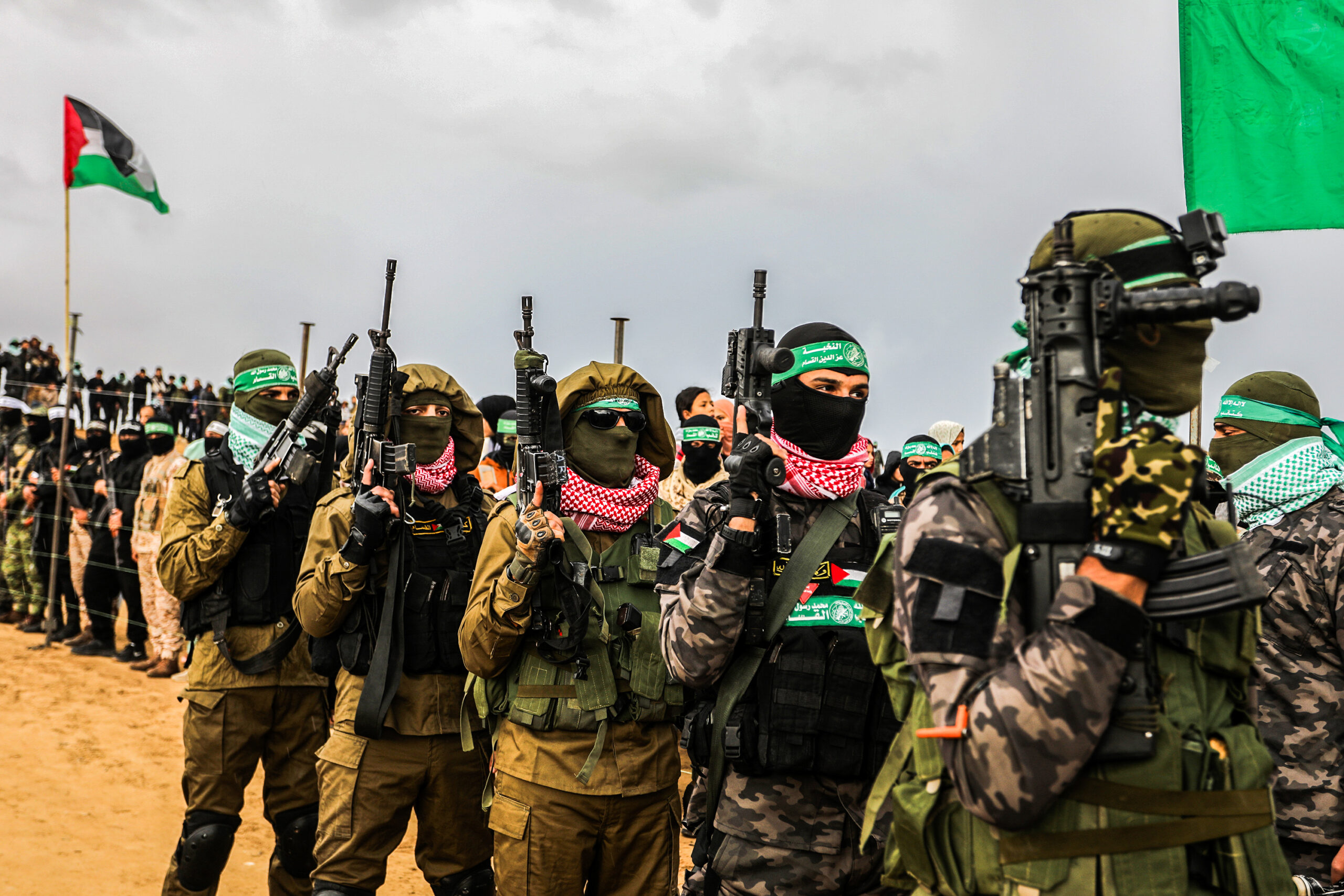
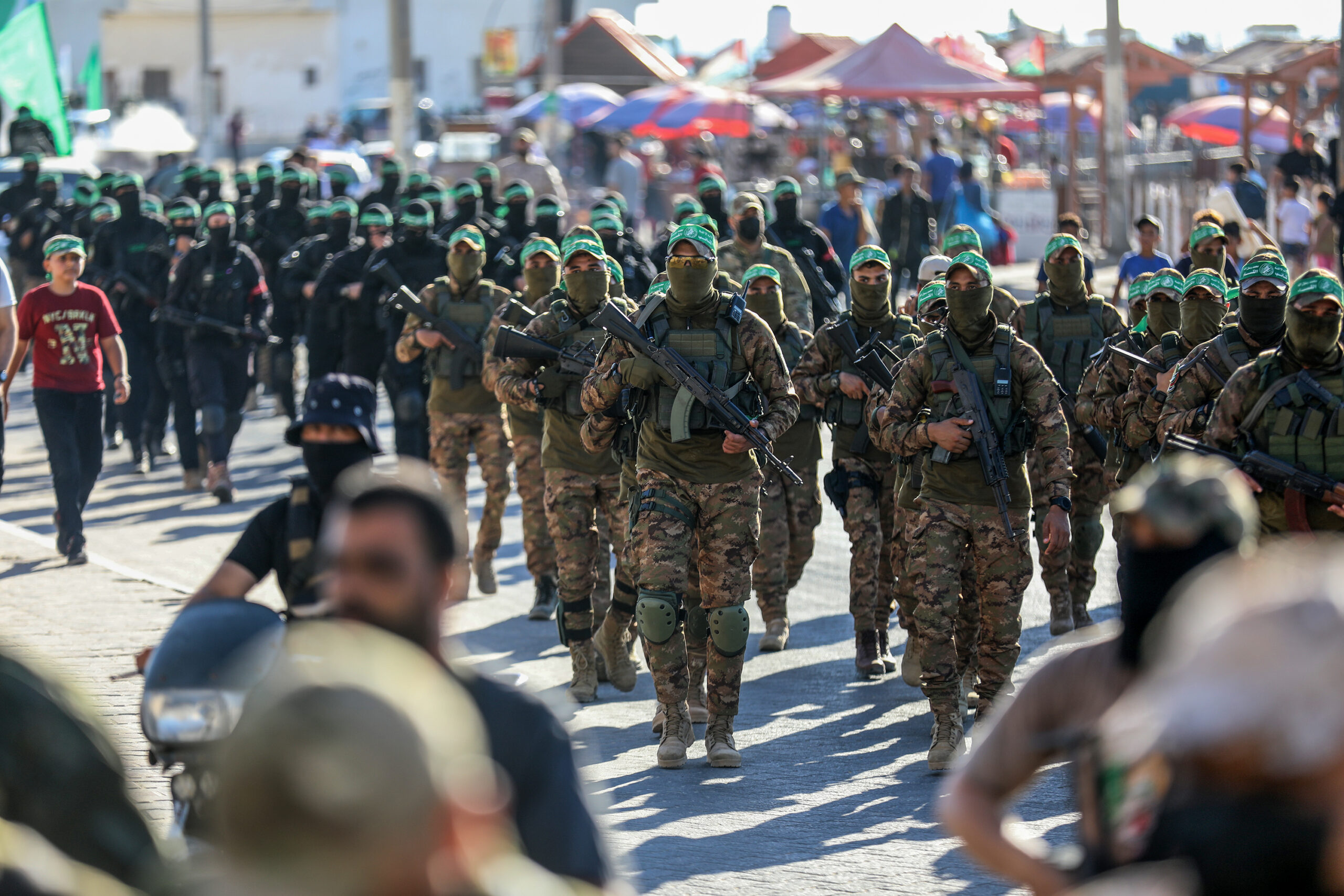
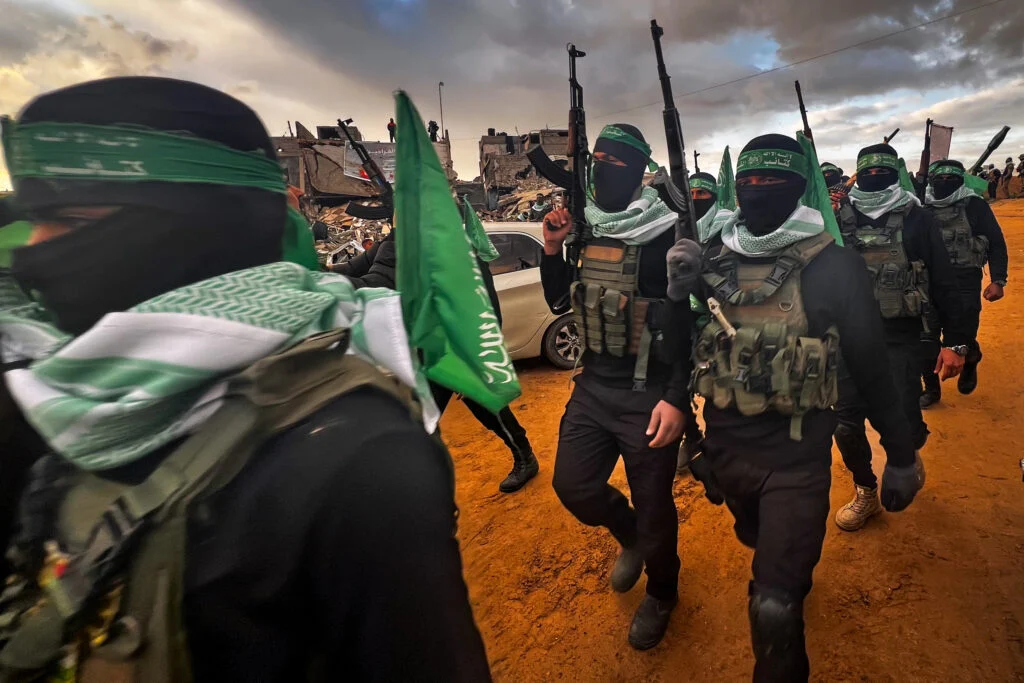
    Hamas terrorists in the Gaza Strip, archive | Photo: Flash90

    If the details published by Mladenov are indeed realized in the agreement, this represents a significant surrender by Hamas to the framework’s terms.

    According to sources involved in the negotiations, after stubborn talks that lasted months under the radar between Nickolay Mladenov, the senior representative of the Peace Council for Gaza, Peace Council representatives, mediators, and Hamas—and with the massive military pressure Israel applied on the organization in the background—my sources tell me Hamas has reached a historic decision.

    Israeli forces in the Gaza Strip | Archive, photo: IDF Spokesperson

    According to my sources, the roadmap for completing implementation of the Trump plan reflects a significant strategic breakthrough, and as part of this, immediately upon signing, Hamas will cease all military activity.

    The bottom line: Within a few weeks from today, Hamas begins handing over weapons—hopefully before the Likud primaries.

    The senior officials I’m speaking with emphasize that the plan is not based on trust in Hamas, and every Israeli step is conditioned on a Hamas step. The arrangement will include enforcement mechanisms, and Israel will retain the option to return to combat if Hamas doesn’t meet its commitments.

    If the move is indeed completed, it would be an extraordinary precedent | Photo: IDF Spokesperson, Flash90

    The framework reflects that the Israeli pressure led by the Prime Minister’s stubborn policy has proven its effectiveness. Hamas accepted the mediators’ final proposal and will hand over all heavy and light weapons and all tunnels and maps in its possession.

    According to the emerging details, weapons transferred from Hamas will be stored in warehouses under NCAG and ISF control, where a decommissioning process will take place—operational disabling of the combat means in a way that won’t allow their return to use.

    The significance is that once Hamas transfers the weapons, it will lose the main leverage remaining in its hands. Sources involved in the contacts estimate that some of the messages now coming from Hamas are designed to minimize the sense of public humiliation, after the organization in practice accepted a framework requiring it to hand over all weapons in its possession.

    Hamas terrorists | photo by: Shutterstock

    If the move is indeed completed, this is an exceptionally rare precedent: a jihadist organization agreeing to surrender its weapons within a political and security arrangement.

    This is a historic achievement by Prime Minister Netanyahu and President Trump, who worked here together in full coordination. A year ago they said the government has no strategy and no plan. A year later—we may be seeing exactly how the strategy worked.

    This is a strategic victory, not a tactical one. Strategic, led by the two leaders for Israel’s benefit. A year ago they asked what’s the strategy—now things look much clearer.

  • IDF Demolishes Key Hezbollah Tunnel System in South Lebanon

    IDF Demolishes Key Hezbollah Tunnel System in South Lebanon

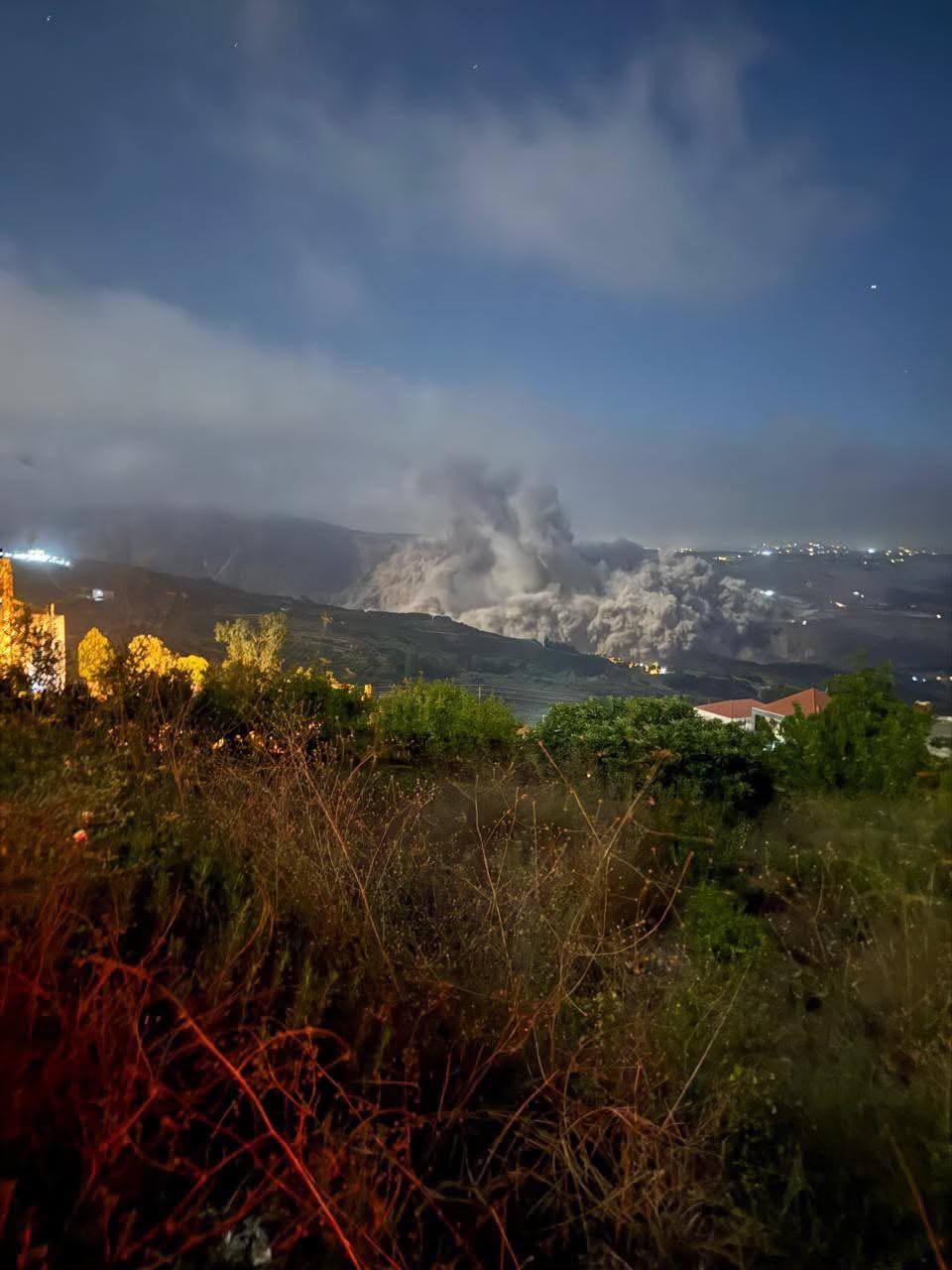
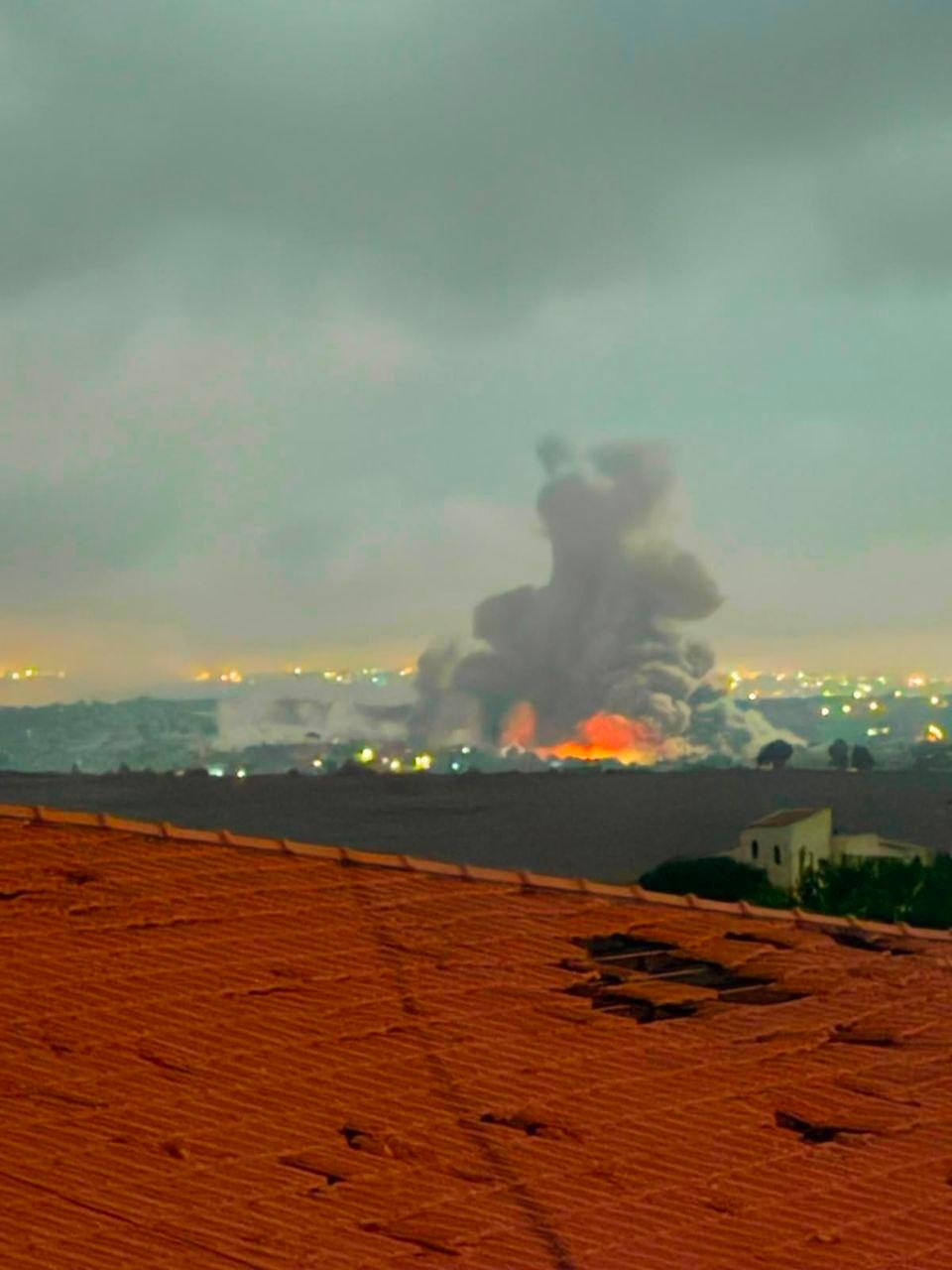
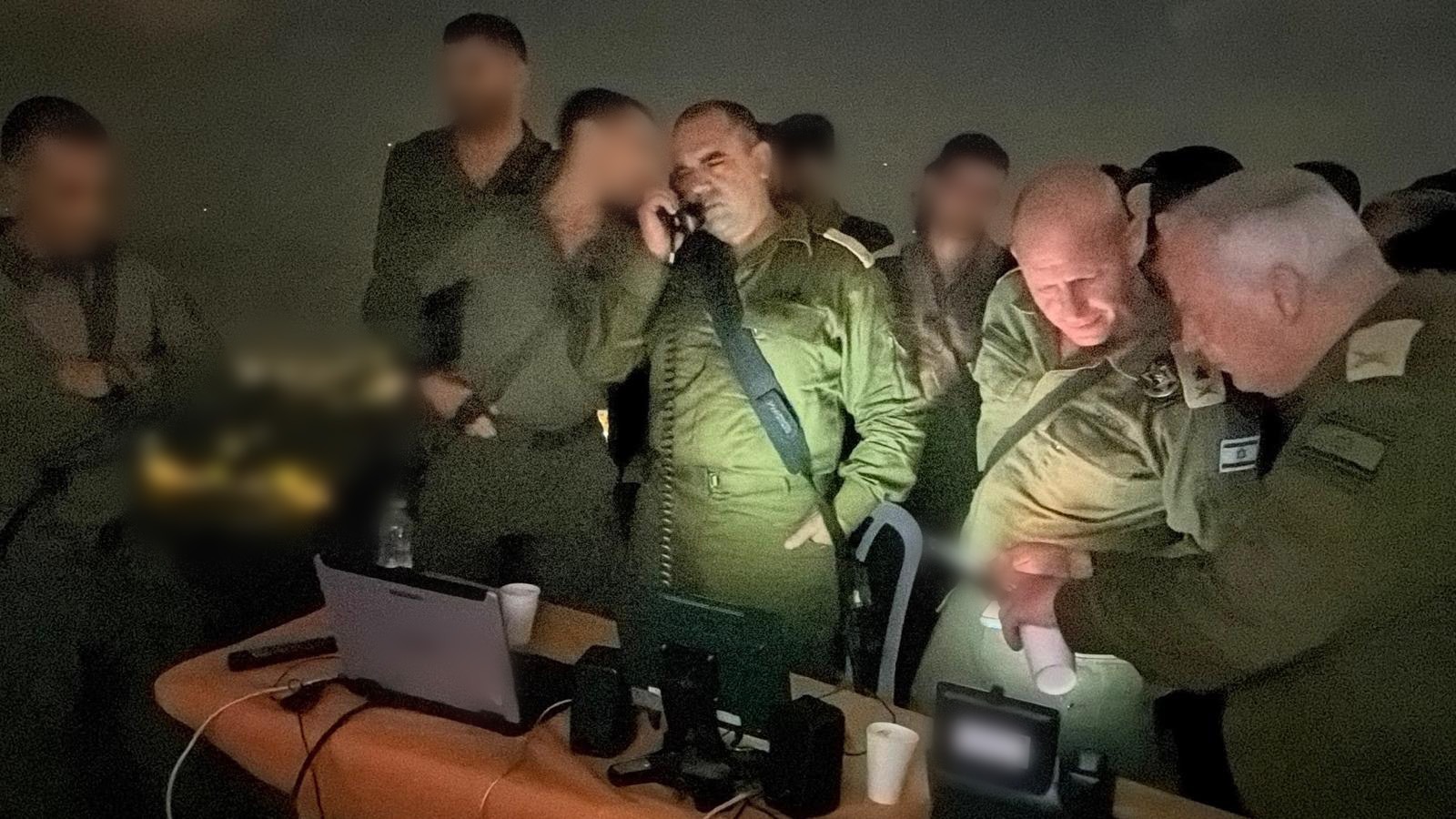
    Prime Minister Benjamin Netanyahu and Defense Minister Israel Katz issued a joint statement Friday night announcing that Israeli forces destroyed the main routes in Hezbollah’s terror tunnel network in the Beaufort Ridge area of southern Lebanon. According to the statement, the extensive underground infrastructure was a central part of Hezbollah’s plan to invade Galilee communities.

    Video: IDF Spokesperson

    The tunnels were blown up using approximately 700 tons of explosives, as part of the systematic effort by Israeli forces to destroy Hezbollah’s terror infrastructure in southern Lebanon. According to Netanyahu and Katz, the operation was carried out following a blatant violation of the ceasefire agreement by the terror organization.

    תיעוד פיצוץ תוואי המנהרות ברכס הבופור
    Photo: Social media, used under Section 27A

    The joint statement said Israel “will not accept any violation of the ceasefire agreement,” and that any attempt by Hezbollah to harm Israeli forces or Israeli civilians will be met with a harsh response that will make clear to the organization the price of violation. The statement emphasized that Israeli forces will remain in the security zone in southern Lebanon and continue to destroy any terror infrastructure that threatens Israel.

    תיעוד פיצוץ תוואי המנהרות ברכס הבופור
    Footage of the tunnel network detonation on the Beaufort Ridge | Photo: Social media, used under Section 27A

    As part of the operation, forces from the 36th Division led by Northern Command destroyed several main underground routes in the Beaufort Ridge. According to the IDF, the network served as a central command complex from which combat was managed and fire was directed at Israeli forces and Israeli civilians. The infrastructure was built over approximately two decades, included several levels, and served as the main terror headquarters of Hezbollah’s Badr Unit in southern Lebanon.

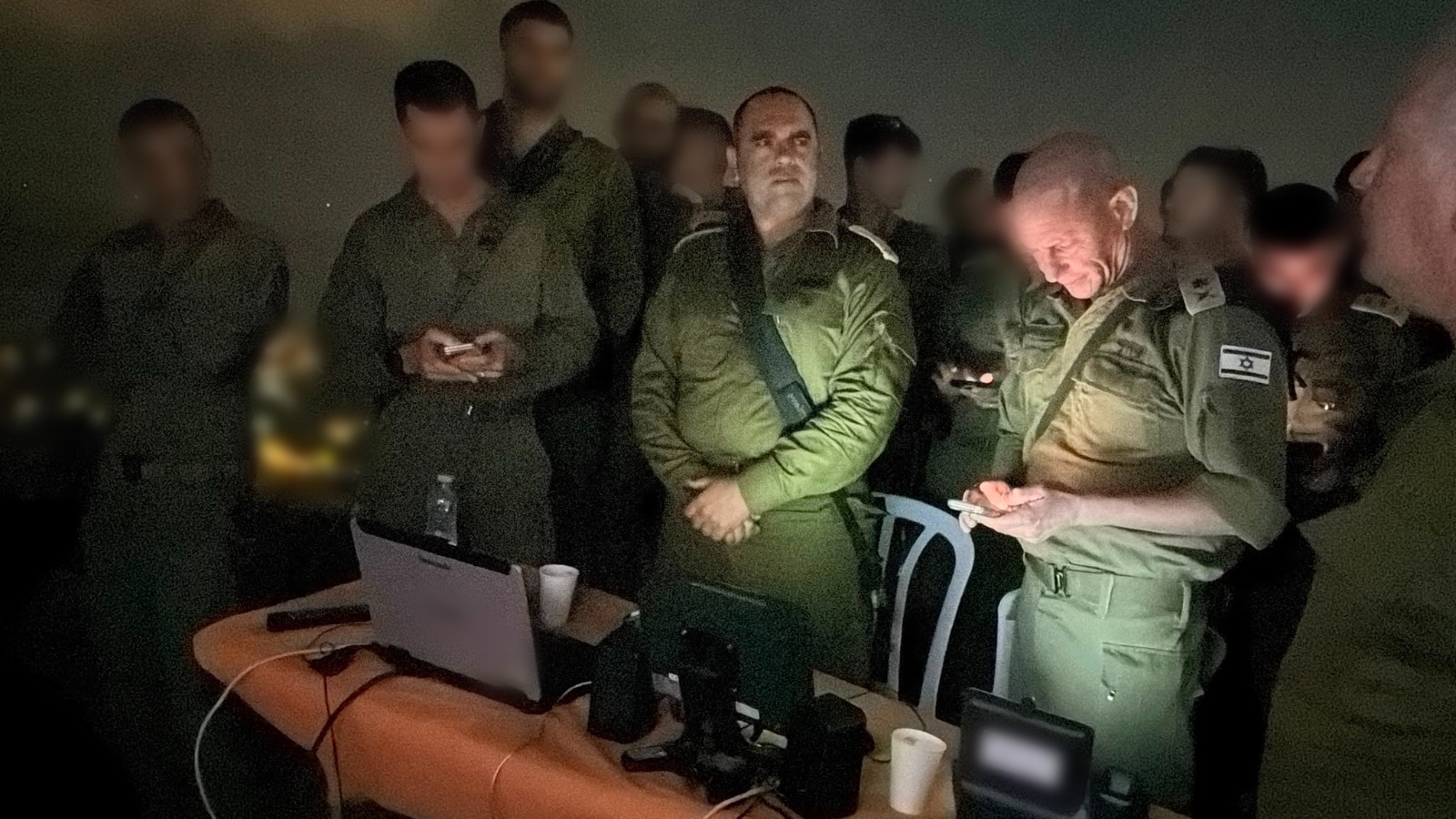
    Northern Command Commander, 36th Division Commander, and Yahalom Commander during the detonation of the tunnel networks | Photo: IDF Spokesperson

    The infrastructure was established about 6 kilometers from Metula and the Galilee Panhandle, and from it dozens of UAVs, explosive drones, and anti-tank missiles were launched in the past. The IDF noted that after destroying the additional routes overnight, most of the underground tunnel system in the Beaufort Ridge area has been destroyed.

    Northern Command Commander, 36th Division Commander, and Yahalom Commander during the detonation of the tunnel networks | Photo: IDF Spokesperson

    At the same time, Israeli forces continue to operate in the Ali Taher Ridge area and maintain high readiness in offense and defense.

  • Board of Peace: Police Weapons to Be Handed Over First

    Board of Peace: Police Weapons to Be Handed Over First

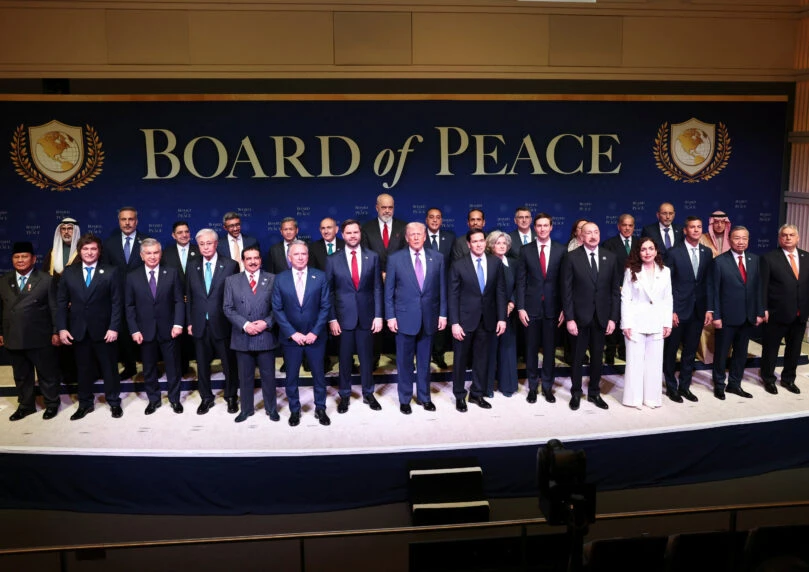
    A member of the Board of Peace who spoke with Reuters said that under the implementation plan, “the first weapons to be handed over will be those of the Hamas police forces in the Gaza Strip,” after which the dismantling of heavy weapons will begin.

    Peace Council, archive | Photo: Reuters

    The source added that “all military activity in Gaza will need to stop,” and clarified: “The demilitarization process will take time.”

  • Hamas Refuses to Disarm Before IDF Withdrawal from Gaza

    Hamas Refuses to Disarm Before IDF Withdrawal from Gaza

    Ghazi Hamad, a senior Hamas official and member of the terror organization’s negotiating team, said Hamas won’t take any steps toward disarmament before Israel withdraws from the Gaza Strip.

    Ghazi Hamad in an interview with Al Jazeera, archive | Photo: Arab social media networks

    “We won’t take any step regarding disarmament before Israel withdraws from the Strip,” he said. The statement comes against the backdrop of the American framework for “the day after” in Gaza, which includes a gradual dismantling of Hamas’s military capabilities, the establishment of a new governing mechanism in the Strip, and an international stabilization force.

    Despite Hamad’s remarks, the United States insists that a plan to disarm Hamas and other terror groups in Gaza will launch in the coming weeks. American officials emphasized this will be a conditional process, carried out in stages and according to progress on the ground.

    מחבלי חמאס ברצועת עזה |
    Hamas terrorists in the Gaza Strip | Photo: Flash90

    U.S. officials also stressed there’s close coordination with Israel on the framework and its implementation mechanisms. According to the officials, disarmament won’t be based on trust between the parties, but on clear conditions, monitoring, and verification of each stage in the process.

    Hamad’s statement illustrates one of the central challenges facing implementation of the plan: the gap between Hamas’s demand for an early Israeli withdrawal and the American position that disarmament is an inseparable part of the overall framework for the Strip’s future.

  • U.S.: Iran Tried to Convince Hamas to Reject Gaza Deal

    U.S.: Iran Tried to Convince Hamas to Reject Gaza Deal

    An American official said Tehran tried to talk Hamas out of the disarmament deal, but the U.S. believes it successfully countered the Iranian effort, Reuters reported.

    Hamas terrorists, archive | Photo: Said Muhammad, Flash 90

    In addition, The US official added that President Trump would be disappointed if Israel refuses the agreement with Hamas.

  • Jewish Shepherd Attacked Near Shechem, Lightly Injured

    Jewish Shepherd Attacked Near Shechem, Lightly Injured

    Terrorists attacked a Jewish shepherd south of Shechem [Nablus] on Sunday, leaving him lightly injured. The attackers fled the scene after the assault. Israeli forces have launched searches in the area to locate the suspects.