Category: Israel

  • Board of Peace Stands Firm: No IDF Exit Until Hamas Disarms

    Board of Peace Stands Firm: No IDF Exit Until Hamas Disarms

    Trump’s Board of Peace issued a statement Monday on X following a meeting between its High Representative, Nikolay Mladenov, and Prime Minister Benjamin Netanyahu, saying both sides share a common understanding that Gaza’s future depends on the Strip’s complete disarmament and a transition to civilian governance.

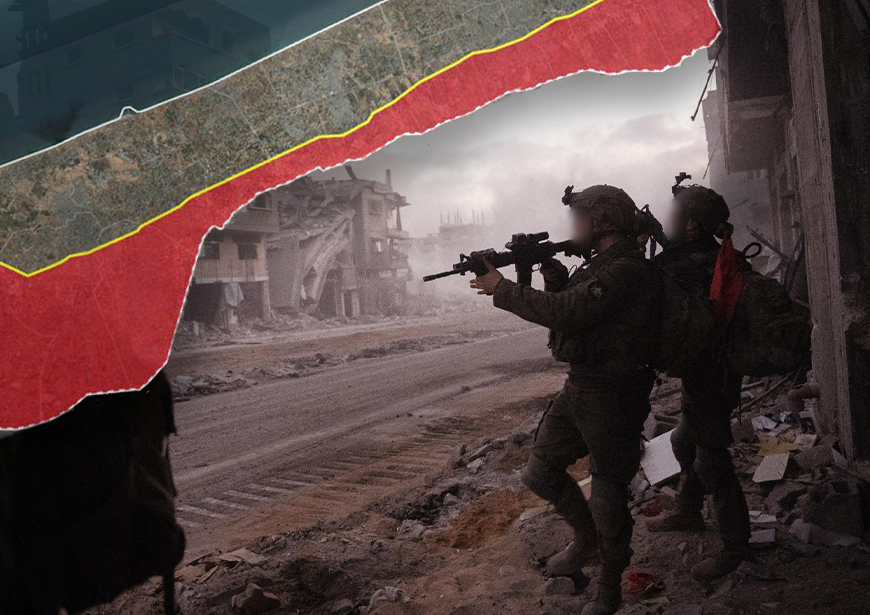
    The Board of Peace denied reports claiming Israeli forces would withdraw beyond the Yellow Line before Hamas is fully disarmed. It stressed that the disarmament requirement applies not only to small arms, but also to heavy weapons—including rockets and machine guns—as well as Hamas’ extensive terror tunnel network throughout Gaza.

    Netanyahu and Mladenov | Photo: Amos Ben Gershom/GPO

    “The meeting was productive and detailed,” the Board of Peace said in its statement. “Both sides share a common understanding of the end goals: complete disarmament in the Gaza Strip and a transition to civilian governance.

    “Contrary to inaccurate reports, we emphasize that the full withdrawal of the IDF beyond the Yellow Line will take place only after the disarmament process has been completed, as Hamas committed to the mediators. This applies equally to light weapons, heavy weapons, and tunnels. Implementation will be supervised by the International Stabilization Force and the Implementation Review Committee, which includes both the United States and the Board of Peace.”

    The statement was issued in response to reports claiming Hamas was attempting to impose additional conditions on its disarmament. According to C14 correspondent Achikam Himmelfarb, Hamas is demanding that responsibility for surrendered weapons be transferred to the Palestinian committee only after Israel halts its military operations and withdraws its forces from Gaza.

    The Board of Peace directly rejected that sequence, insisting that Hamas must first complete the full disarmament process before any final Israeli military withdrawal takes place.

    The statement reinforces what the Board describes as a core principle of the framework: Israel’s withdrawal is contingent on Hamas fulfilling its commitment to completely disarm, not the other way around.
  • Criticism of Gaza Deal: “Stop the Outline Immediately”

    Criticism of Gaza Deal: “Stop the Outline Immediately”

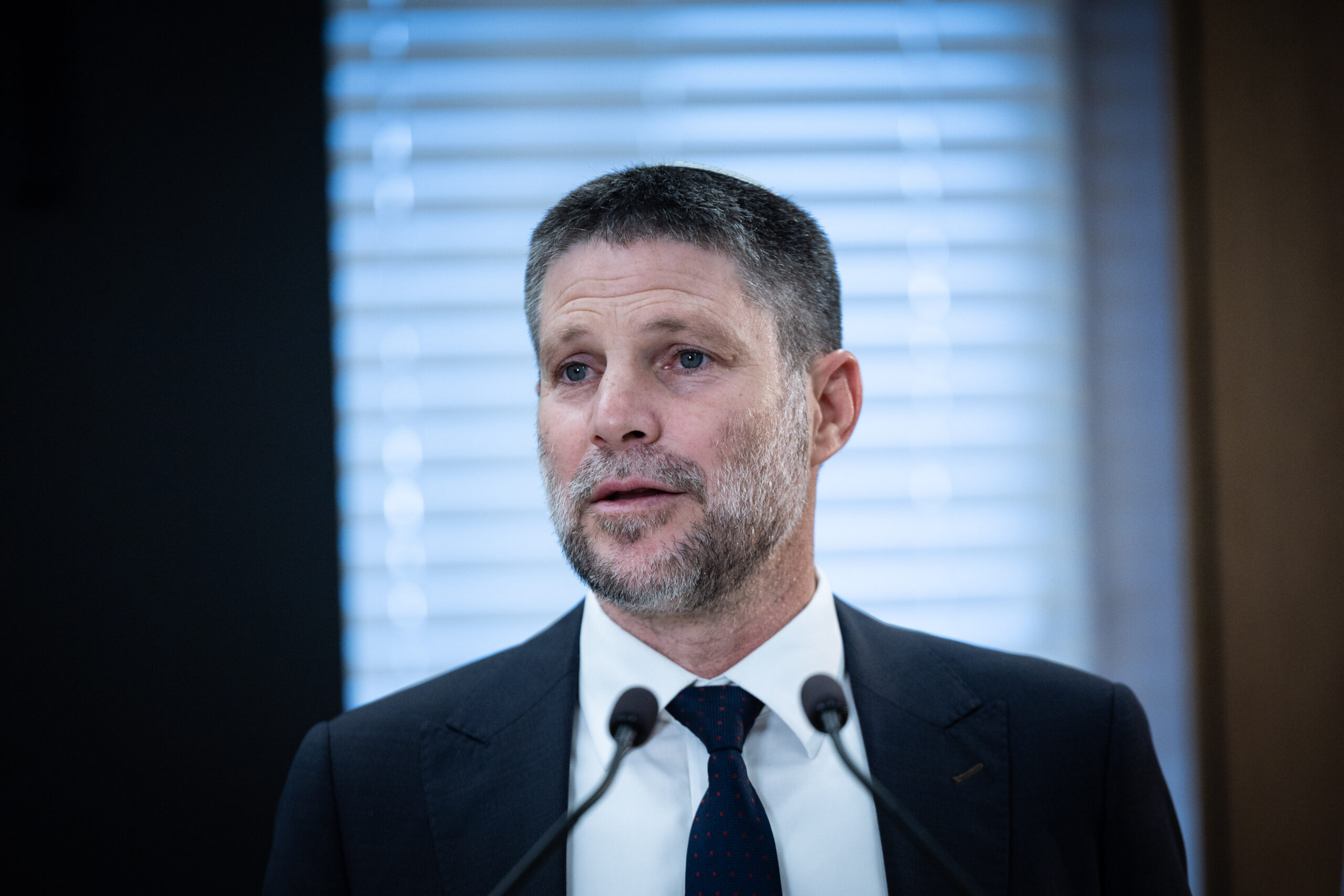
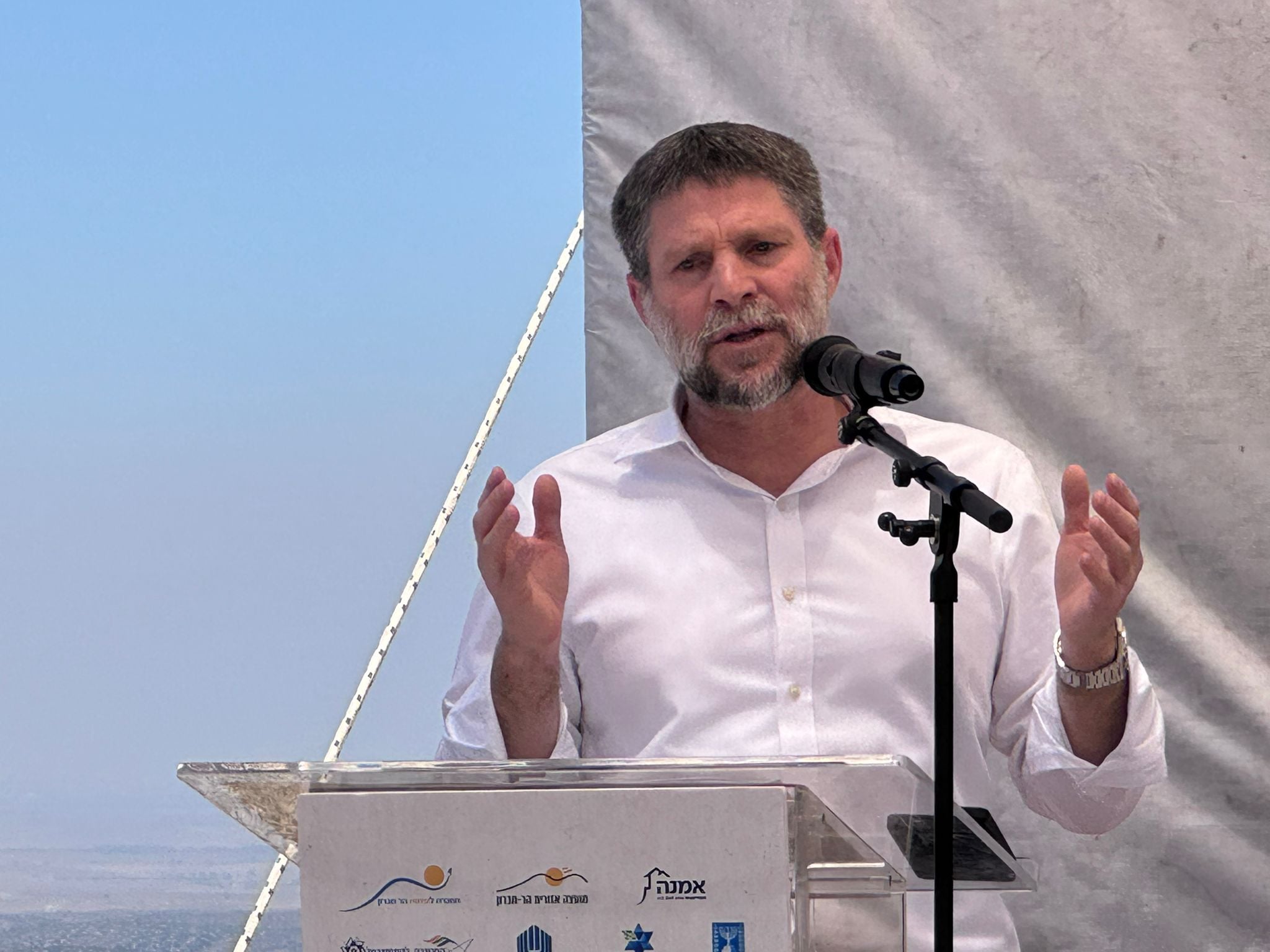
    Finance Minister Bezalel Smotrich and Judea and samaria affairs Minister Orit Strook sent an urgent letter today (Monday) to Prime Minister Benjamin Netanyahu demanding an immediate convening of the Security Cabinet and a halt to the implementation of the “roadmap” published by the Board of Peace, until it is amended to meet the war’s objectives and the commitments given to Israel.

    Bezalel Smotrich | Photo: Aloni Mor, Channel 14 News

    According to the two, the official document published over the weekend differs fundamentally from the outline presented to cabinet ministers during the discussions prior to its approval. They claim the Cabinet’s decision was made based on information that does not match the final wording, and therefore a new decision must be made to prevent the implementation of the outline in its current format. According to the letter, without immediate intervention, a security reality contradicting the war goals could be created in the Gaza Strip.

    The dispute focuses on the “roadmap” formulated by the Board of Peace as part of the international plan for Gaza. According to the published documents, the outline includes the establishment of a ‘Palestinian’ technocratic committee (NCAG), the gradual deployment of an International Stabilization Force (ISF), phased demilitarization of terror organizations, and a gradual Israeli withdrawal, subject to international verification mechanisms.

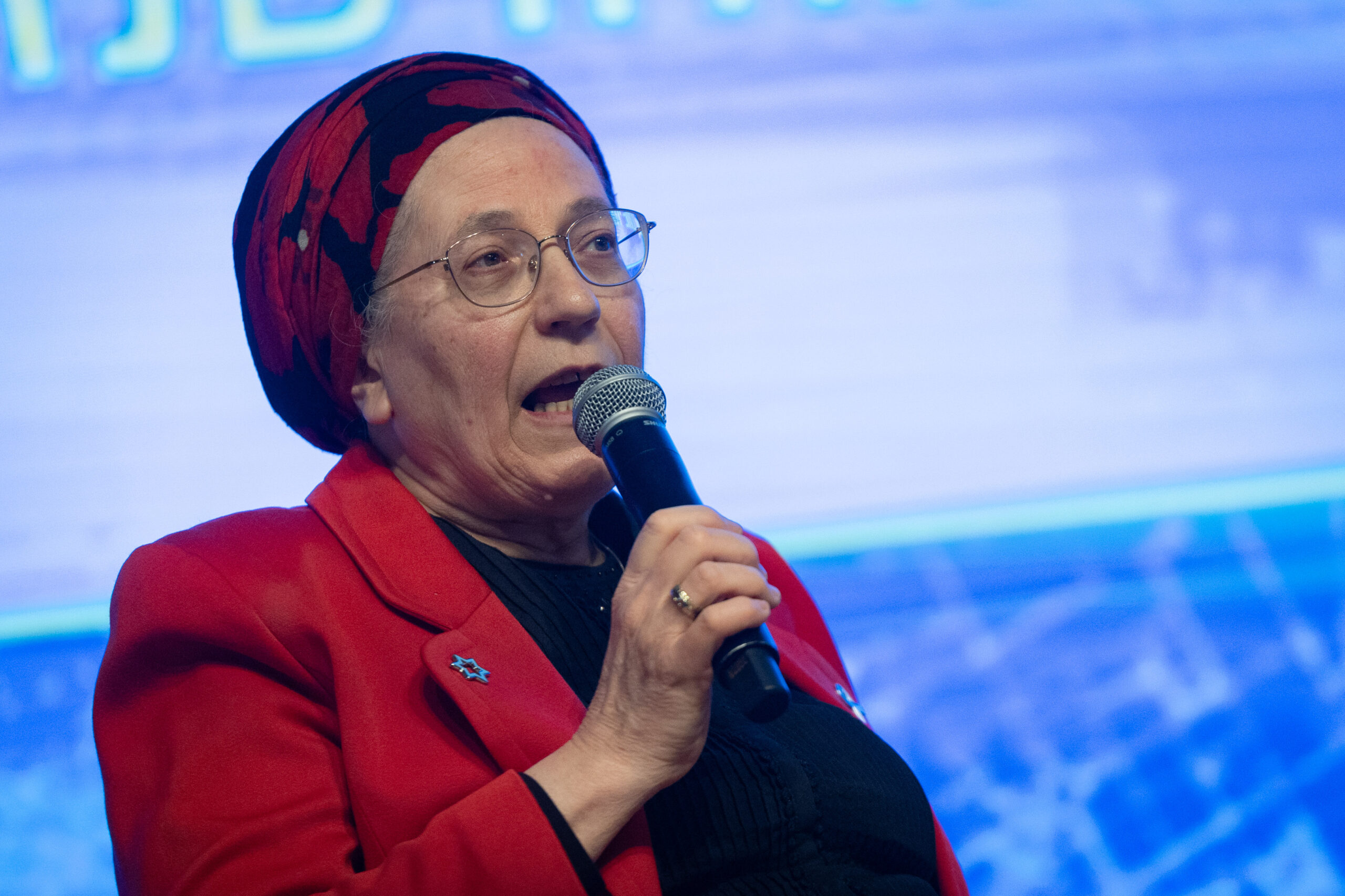
    Strook | Photo: Yonatan Sindel, Flash90

    In their letter, Smotrich and Strook list seven main gaps between the outline presented to the Cabinet and the published text:

    • Full Demilitarization: They claim there is no requirement in the document for the full demilitarization of the Gaza Strip and the removal of all weaponry from the Strip. Instead, weapons are supposed to be transferred to the responsibility of a new ‘Palestinian’ body—the NCAG—and not to Israel or another non-‘Palestinian’ entity.

    • IDF Withdrawal: According to them, the outline allows the IDF withdrawal to begin alongside the demilitarization process, contrary to Israel’s position that a withdrawal will only take place after the completion of Hamas’s disarmament.

    • Legal Framework: They further claim that the document establishes that the legal framework in the Strip will be ‘Palestinian’ Authority laws, which they say create an infrastructure allowing continued payments to terrorists and Hamas elements even after the change of government.

    • Role of the ISF: The two claim that the ISF force, which was presented to them as a force to assist in demilitarizing the Strip, is actually defined in the document as a buffer force between the IDF and NCAG mechanisms, thereby potentially restricting the IDF’s freedom of action.

    • International Verification Commission (IVC): In addition, they warn against the establishment of an International Verification Commission (IVC), which they claim was not presented to the Cabinet and could include countries acting contrary to Israel’s security interests.

    • Reconstruction: It is further argued that the outline does not condition the reconstruction of the Strip on the completion of demilitarization, nor does it include sufficient oversight mechanisms for construction materials entering Gaza.

    • ‘Palestinian’ Statehood: Finally, they object to the document presenting the advancement of a ‘Palestinian’ state as part of the political goals of the process.

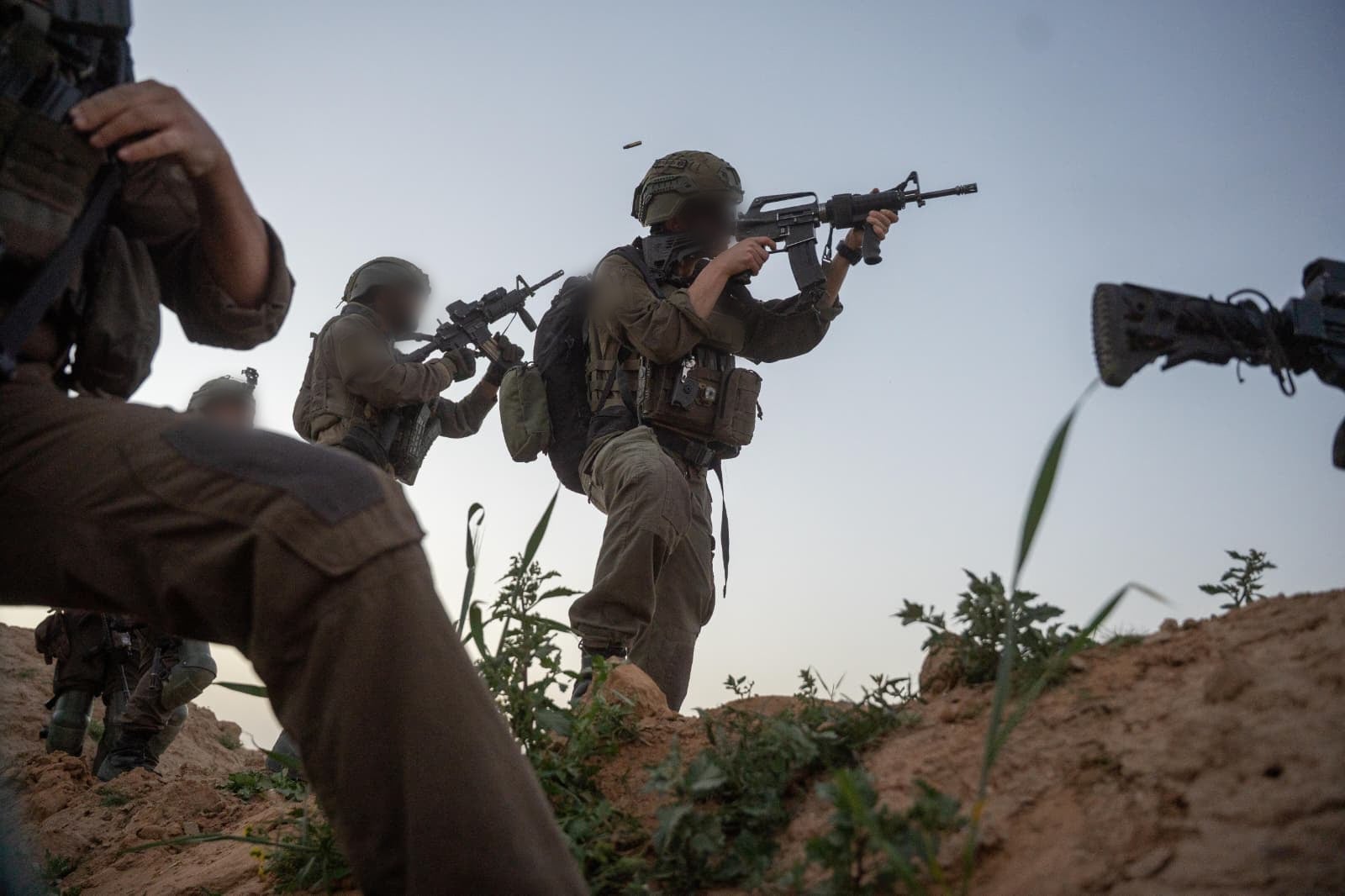
    Israeli forces’ activity in the Gaza Strip, archive | Photo: IDF Spokesperson

    In the background of the dispute stands a broader plan promoted by the Board of Peace, which was approved in a UN Security Council resolution in 2025. According to Board of Peace and UN documents, the principles of the outline speak of a gradual and supervised dissolution of all armed organizations, the establishment of a temporary ‘Palestinian’ civil administration through the NCAG, the deployment of an international ISF force, and the start of phased reconstruction of the Strip, alongside an international verification mechanism to assess the parties’ compliance with their commitments.

    However, while Board of Peace documents present the outline as based on a phased and verified demilitarization of Hamas and other armed groups, Smotrich and Strook argue that the final text published does not guarantee the principles of demilitarization on which the Cabinet’s decision was based, and therefore cannot serve as a basis for Israel’s policy.

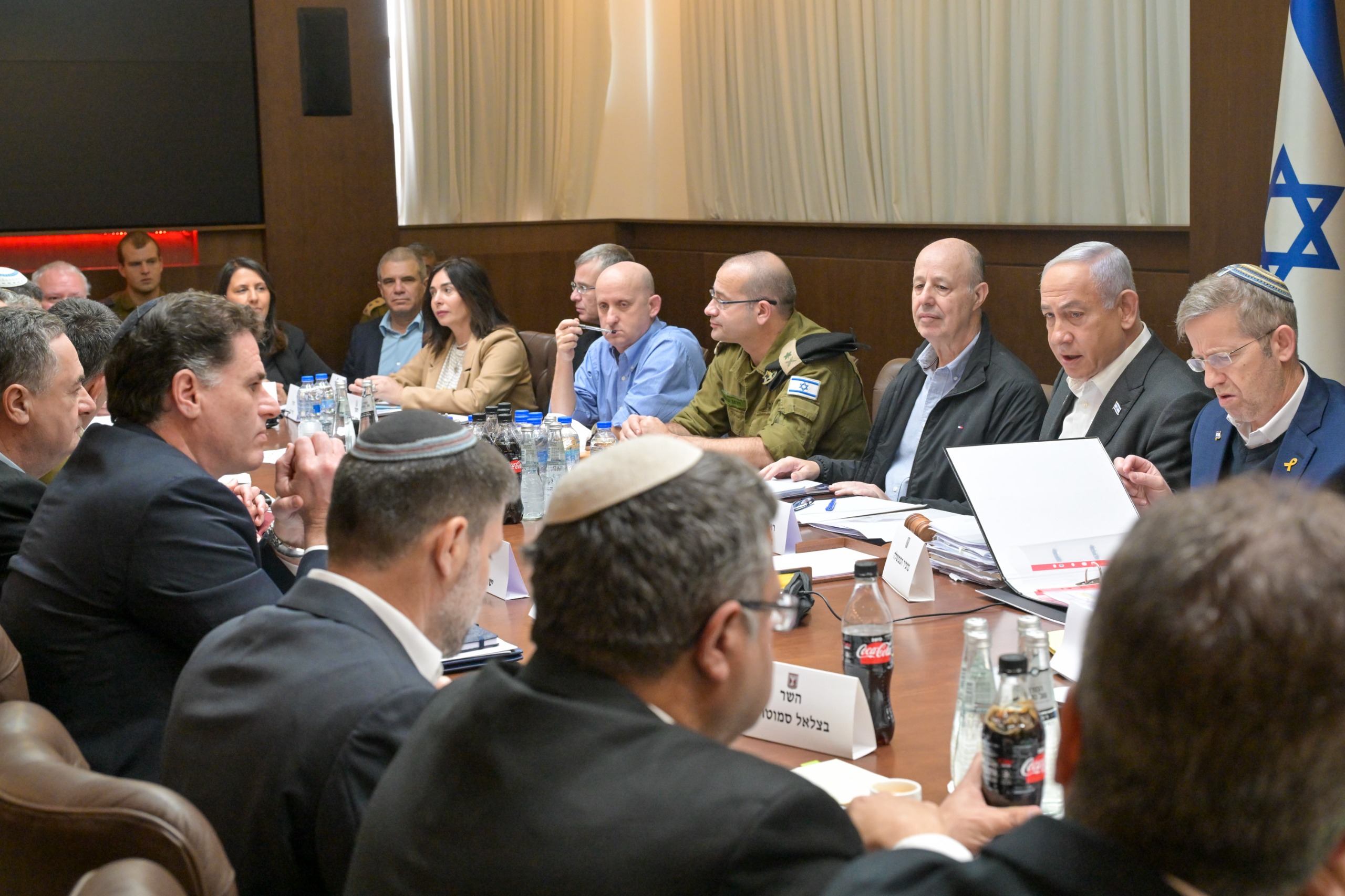
    Cabinet meeting, archive | Photo: Kobi Gideon / GPO

    At the conclusion of their letter, the two ministers demand that the government announce it does not accept the roadmap in its current text, urgently convene the Security Cabinet, and pass a resolution preventing the entry of the ISF force into the Gaza Strip until the Board of Peace amends the document to meet—according to them—the war’s objectives and the commitments given to Israel.

  • Chile, Honduras Return Ambassadors to Israel After 3 Years

    Chile, Honduras Return Ambassadors to Israel After 3 Years

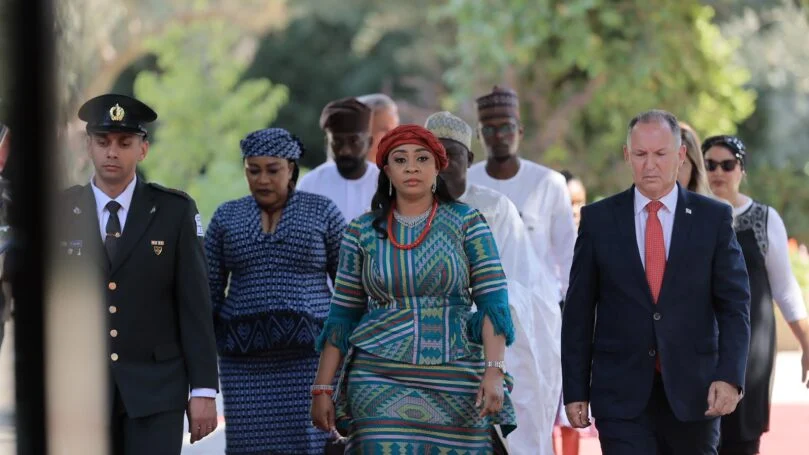
    President Isaac Herzog recieved six new ambassadors to Israel on Monday, including the ambassadors of Chile and Honduras, who returned to serve in Israel for the first time since the October 7 Hamas massacre.

    During the official credential ceremony at the President’s Residence in Jerusalem, the ambassadors of Sri Lanka, Georgia, Nigeria, Germany, Chile, and Honduras formally presented their letters of credence. Upon their arrival, the Israel Defense Forces Orchestra performed their national anthems, and each ambassador inspected an honor guard before meeting privately with the president.

    Herzog | Photo: Avshalom Sassouni/Flash90

    During his meeting with Chile’s ambassador, Herzog also addressed the proposed Gaza framework advanced by the Peace Council, saying there have been encouraging developments in efforts led by U.S. President Donald Trump.

    He said the 20-point framework adopted by the U.N. Security Council could provide a basis for progress, but only if Hamas makes a clear commitment to disarm.

    Herzog stressed that Hamas’ disarmament remains the essential condition for moving to the next phase of the plan, which envisions the establishment of a technocratic government in Gaza.

    According to Herzog, such a transition could advance “a vision of hope” for both the people of Gaza and the citizens of Israel. The ceremony was more than diplomatic protocol—it was a visible sign that years of diplomatic isolation imposed by some governments may be beginning to crack.

  • Hard Drug Network Busted Operating Within IDF Bases

    Hard Drug Network Busted Operating Within IDF Bases

    Indictments were filed Monday against an IDF reservist NCO and a civilian accused of stealing an M16 rifle from an army base in northern Israel and allegedly transferring it to criminals. Separately, prosecutors also filed charges against another Tiberias resident suspected of operating a cocaine and hard-drug trafficking network.

    Photo: Police spokesperson

    The investigation began on June 20 after military authorities received a report that a weapon had been stolen from an IDF base in northern Israel. Later that evening, a 30-year-old reservist NCO from Tiberias was arrested on suspicion of stealing the rifle from a soldier serving in his unit.

    After investigators determined that the weapon had allegedly been transferred to criminals, a joint investigation was launched by the Northern District Major Crimes Unit of the Israel Police and the Military Police Criminal Investigation Division. During the investigation, a 30-year-old resident of Kiryat Tivon was arrested. According to investigators, he received the rifle on the night it was stolen.

    Prosecutors charged the Kiryat Tivon resident with weapons trafficking, while the reservist NCO was indicted on charges of theft and weapons trafficking.

    According to police, the investigation also uncovered evidence that the Kiryat Tivon suspect and a 34-year-old resident of Tiberias had operated a cocaine and hard-drug distribution network in recent months. Investigators allege that a significant portion of the narcotics was supplied to soldiers on military bases across northern Israel.

    Photo: Police spokesperson

    Authorities also investigated the brother of the suspect accused of stealing the rifle, an IDF major serving at a military base in northern Israel, on suspicion of obstruction of justice and conspiracy to commit a crime. According to police, investigators found that the officer had on several occasions supplied medical cannabis that had been legally prescribed to him. An indictment against the officer is expected to be filed at a later date.

    The Northern District Prosecutor’s Office filed the indictment against the Kiryat Tivon resident, while the Military Prosecutor’s Office filed charges against the reservist NCO. The Kiryat Shmona Prosecution Unit of the Israel Police also filed an indictment against the 34-year-old Tiberias resident on drug trafficking charges.

  • Disturbing Report Exposes $250M Anti-Israel Funding Network

    Disturbing Report Exposes $250M Anti-Israel Funding Network

    Israel’s Ministry of Diaspora Affairs and Combating Antisemitism released a new report Monday alleging that nearly 20 anti-Israel organizations operating in the United States and expressing support for terrorist organizations have raised more than $250 million in recent years.

    According to the ministry, the report examines Jew-hatred, anti-Israel delegitimization campaigns, and incitement to terrorism in the United States, while presenting financial data on the organizations’ activities. In response to the findings, Diaspora Affairs and Combating Antisemitism Minister Amichai Chikli said he has sent letters to U.S. political leaders and law enforcement agencies calling for action.

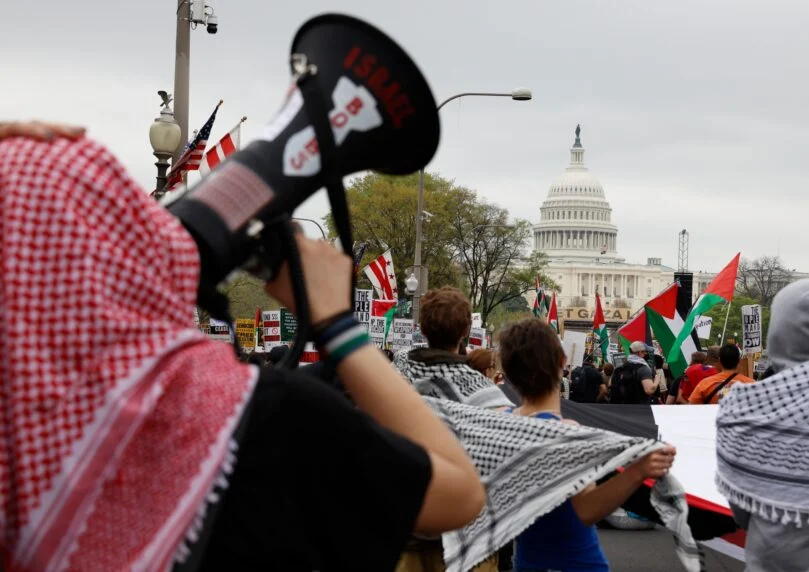
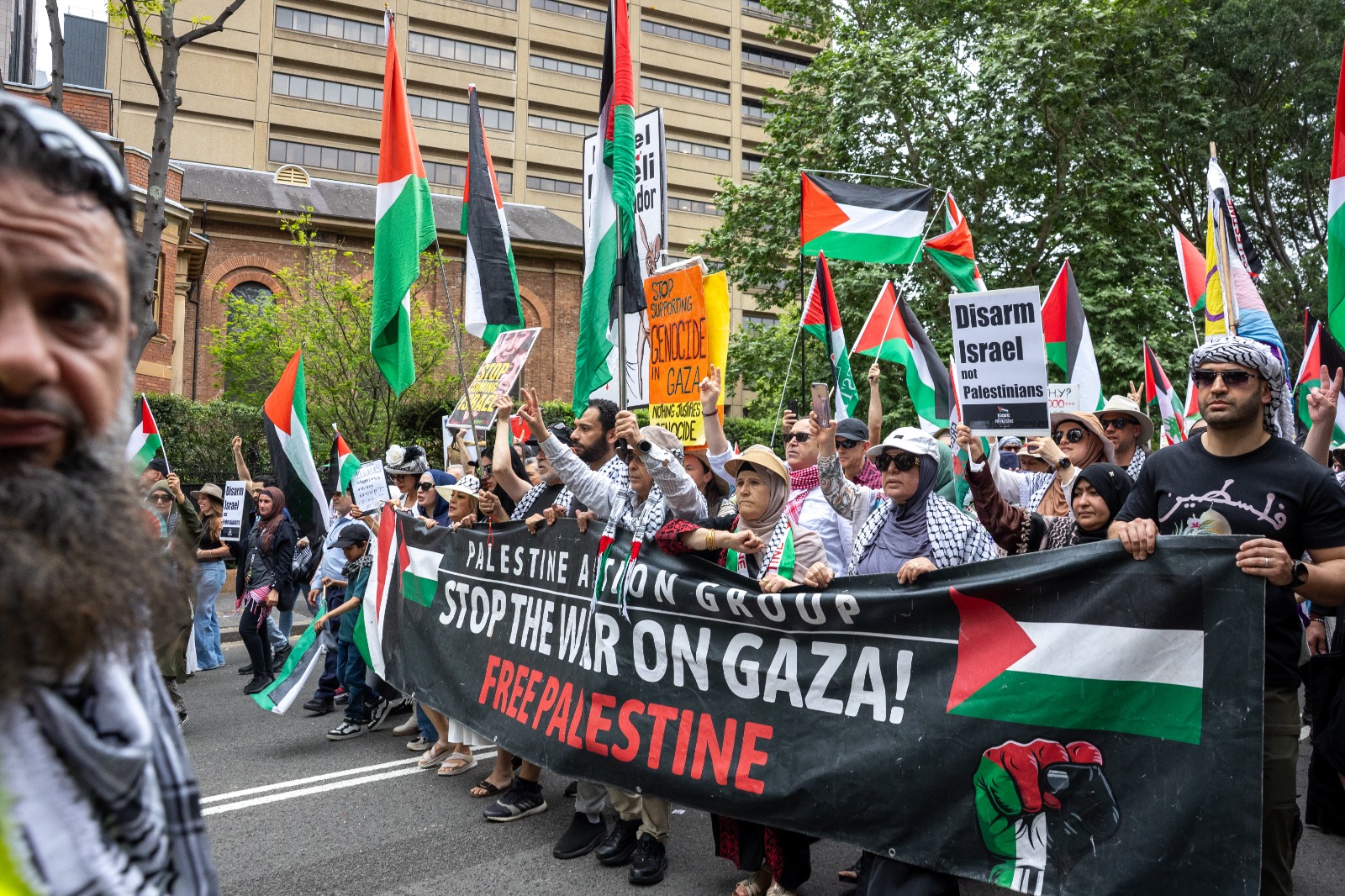
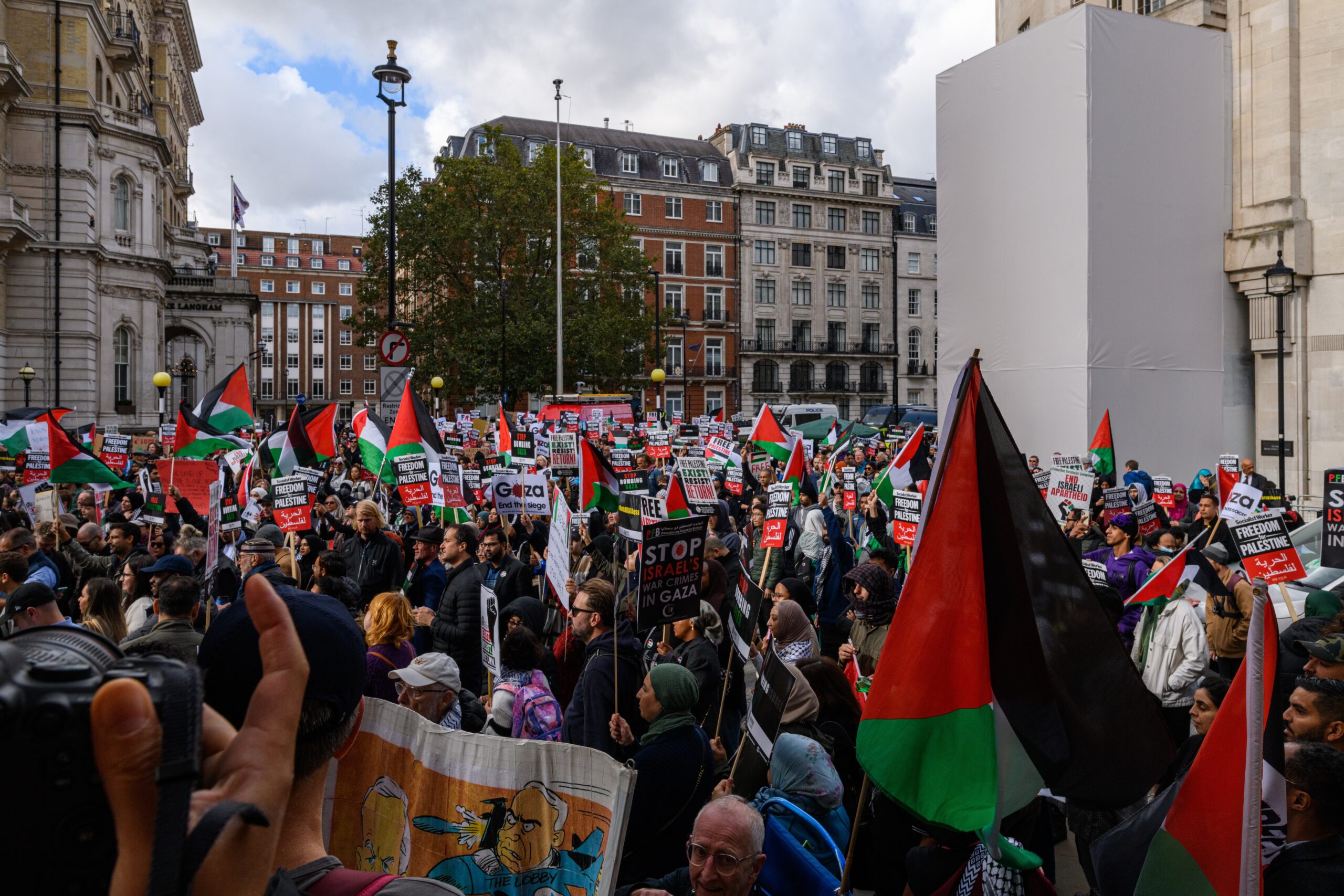
    Anti-Israeli protests | Photo: Reuters

    The ministry said the report identifies financial patterns suggesting that seemingly legitimate charitable donation mechanisms were used to channel resources toward anti-Israel campaigns and incitement. It further alleges that some of the funds passed through intermediary entities that, in certain cases, served as conduits for transferring resources to individuals or organizations with ties to terrorist groups.

    The report also points to patterns of coordination among the organizations, including joint campaigns and extensive public advocacy efforts. According to the ministry, some of the groups operate under the banner of civil society, human rights, or educational initiatives but, in practice, are alleged to promote extremist messaging, systematic delegitimization of the State of Israel, and content that includes Jew-hating incitement.

    Anti-Israel protests | Photo: Shutterstock

    Following the report’s publication, Chikli said: “We will continue exposing the true face of seemingly innocent civil society organizations that, in reality, support terrorism and incitement against the State of Israel. In light of these findings, I have appealed to members of congressional committees and the U.S. Department of Justice, calling on them to act against these organizations and bring their activities to an end.”

    Avi Cohen-Scali, Director General of the Ministry of Diaspora Affairs and Combating Antisemitism, added: “These organizations enjoy tax-exempt status under U.S. law and are prohibited from engaging in political activity. In practice, however, they advance an anti-Israel agenda, Jew-hating subversion, delegitimization, and incitement to terrorism.”

    The ministry emphasized that the report is based on the collection, analysis, and cross-referencing of publicly available, regulatory, and legal sources. It said it intends to continue investigating and exposing alleged links between ostensibly civilian organizations and individuals or entities involved in incitement, terrorism, or other unlawful activities.

  • Israel Conveys Concerns to US About Hamas Disarmament Plan

    Israel Conveys Concerns to US About Hamas Disarmament Plan

    After President Trump announced that the Board of Peace had reached an agreement to completely disarm Hamas and other armed terrorist organizations in the Gaza Strip, a spokesman for Prime Minister Netanyahu told Reuters today (Sunday) that Israel had expressed concern to the United States regarding Hamas’s disarmament plan.

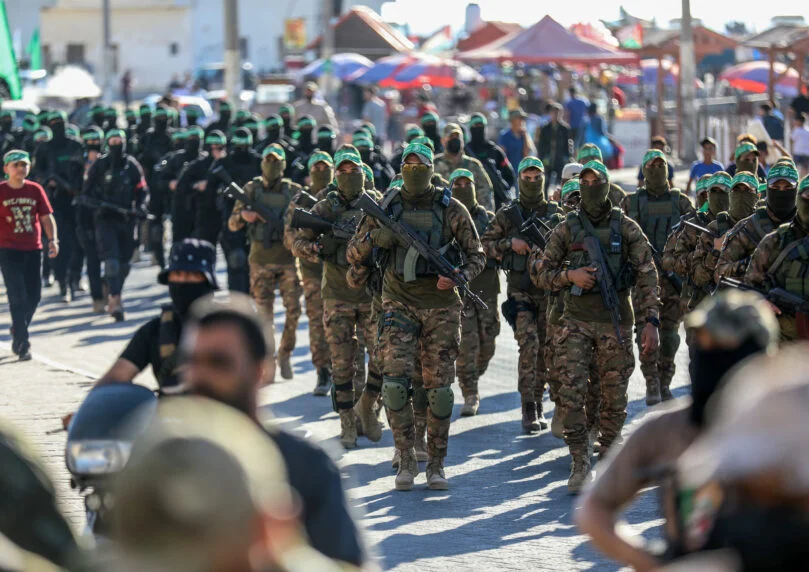
    Hamas terrorists in Gaza, archive | Photo: Flash 90

    Trump said that the agreement is a critical step towards transferring the administration of the Strip to a “new ‘Palestinian’ government,” which will work in close cooperation with the Board of Peace and act on behalf of the residents of Gaza. According to him, the arrangement will provide Israel with the security it deserves, with the Strip no longer serving as a base for terrorist attacks.

    In parallel with the clear Israeli concern, Hamas continues to make demands for the move to be implemented. Arab Affairs Correspondent Ahikam Himmelfarb reported that senior Hamas official Ghazi Hamed said in an interview with the Al-Arabiya channel: “In the agreement, we spoke in parentheses about the ‘storage’ of weapons by the ‘Palestinian’ National Committee. That’s what we’re talking about, and there’s no need to elaborate further.” In addition, Hamas conditions the handover of weapons on the ‘Palestinian’ Committee’s responsibility to stop Israeli attacks and withdraw IDF forces from the Gaza Strip.

  • Defense Minister Katz Replaces Central Command Chief

    Defense Minister Katz Replaces Central Command Chief

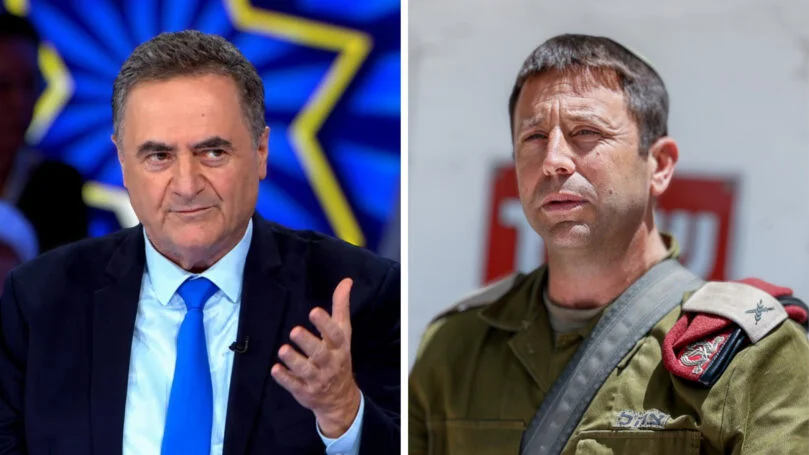
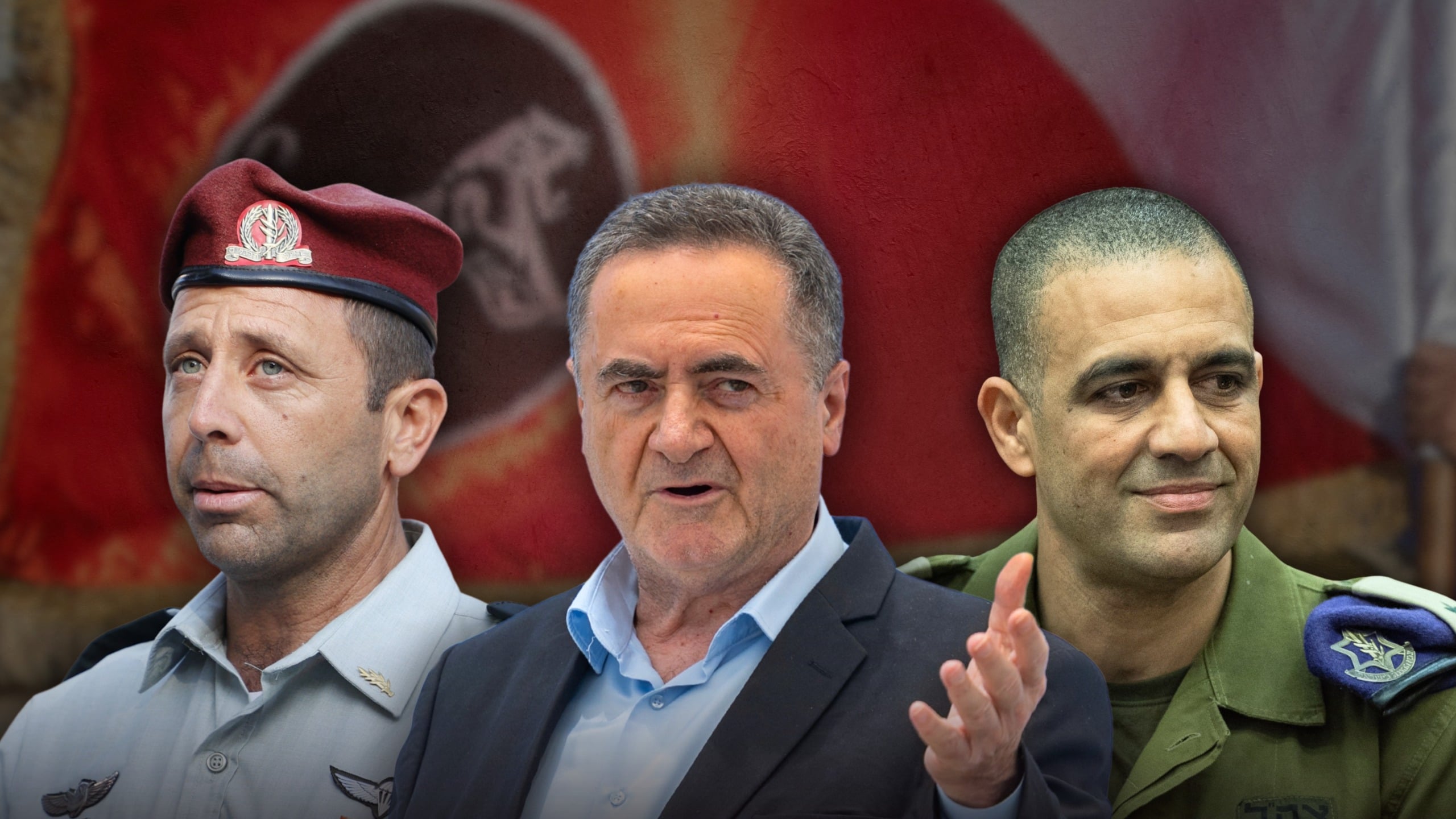
    Defense Minister Israel Katz announced yesterday (Sunday), during his appearance on the “Patriots” program on Channel 14, the dismissal of Central Command Major General Avi Bluth – and announced that Major General Dado Bar Kalifa will replace him in the position.

    Katz said this during the program: “Major General Dado Bar Kalifa, who was the commander of the 36th Division in the IDF maneuvers, is the hero and decisive section, and I announced that I decided to implement the intention and appoint him as the Central Command general. Incidentally, the Chief of Staff recommended him.”

    Photo: Flash 90

    Channel 14 reported about a week ago that after the Chief of Staff presented Bar Kalifa’s candidacy for the position to the Minister of Defense, Katz held a personal interview with him – and after considering the matter, decided to accept the recommendation and launch the appointment process soon.

    MK Limor Son Har Melech welcomed the decision and claimed that Bluth “failed in his duty.” According to her, “instead of focusing all his forces on the war on terror, he chose to turn the people of the hilltop and the pioneers (in Judea and Samaria) into the enemy,” adding that under his command, “settlers were persecuted time and time again, while Arab terrorism grew stronger.”

    Naftali Bennett | Photo: Tzafrir Aviv, Flash 90

    On the other hand, former Prime Minister Naftali Bennett criticized the move: “A government against its soldiers.” According to him, “The October 7 government decided to dismantle the IDF from within and ensure complete chaos.” Bennett addressed the fighters and commanders and wrote: “Hold tight, reinforcements are on the way. We will soon replace them, and together we will fix it.”

    The chairman of the “Yashar” party, Gadi Eisenkot, described the announcement as “an unprecedented low in relations between the political and military echelons” and called it “an inappropriate and illegal act.” According to him, “The IDF is not a tool in the primaries of politicians who have lost their way.”

    Contrary to reports claiming it was a dramatic ouster, sources familiar with the details emphasized that it was a preplanned move and that the identity of Bluth’s replacement had already been discussed a few weeks ago.

    Commander of Central Command, Major General Avi Bluth | Photo: IDF Spokesperson

    According to the same sources, Minister Katz did not dismiss Bluth on live TV, but in fact made an official announcement about an appointment that was planned anyway as part of the change of positions in the Central Command. According to them, the storm that has arisen around the matter does not reflect the full picture of the situation.

    At the same time, Bluth’s tenure has recently been subject to severe criticism for his handling of issues regarding Judea and Samaria. One of the main areas of criticism concerns the Tal Yinon Dardik affair. After the military court ordered the cancellation of the order issued against him, Bluth chose to appeal the decision. Voices in Judea and Samaria claimed that at this point the general could have ended the saga, had he accepted the court’s ruling and not continued with the legal process.

    Defense Minister Israel Katz | Photo: Jonathan Zindel, Flash 90

    The criticism was also directed at some of the authority heads in Judea and Samaria. According to sources, those heads of authorities who remained silent throughout the period in which steps were taken against activists rushed to side with Bluth when the storm surrounding his future broke out. On the other hand, the Yesha Council expressed support for Major General Bluth, emphasized his contribution to security, and announced that the heads of authorities are expected to meet with the Minister of Defense.

    In any case, Katz’s announcement resurfaced the tensions between the political echelon and the Central Command, and the debate within Judea and Samaria: between those who seek to emphasize Balut’s security rights, and those who claim that, ultimately, a senior IDF officer is obligated to accept the authority of the elected echelon and the decisions of the military courts.

  • Oct. 7 Survivor Slams ‘Board of Peace’: We Learned Nothing

    Oct. 7 Survivor Slams ‘Board of Peace’: We Learned Nothing

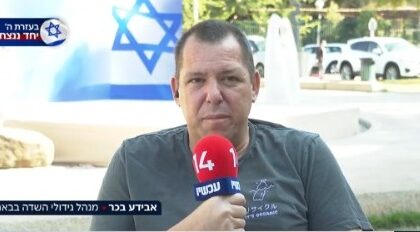
    Avida Bachar, a survivor of the Oct. 7 massacre, spoke out Sunday against the emerging ‘Board of Peace’ for Gaza framework in an interview with Ido Tauber. “I think we still haven’t understood anything if we’re still trying to make peace with terrorists,” Bachar said. He described the shift in his worldview since the massacre: “I’m still left-wing, but I understand one thing: Arabs cannot be allowed to exist there. I’m basically the old Ben-Gurion.”

    Avida Bachar | Photo: Channel 14

    Trump’s Announcement Last Week

    As previously reported, President Donald Trump announced last week that the Board of Peace had reached what he called a historic agreement for the complete dismantling of terror organizations operating in Gaza—including Hamas—calling it “a tremendous step toward peace.” Bachar sharply rejected the American president’s approach, arguing that Gazans are “all terrorists, down to the last one. Anyone who isn’t a terrorist doesn’t exist there. All of Gaza is terrorists: some hold weapons, some control education, some run the economy, but they all work in terror and have only one goal—that we not be on this land. So I’m saying—the problem is far from solved,” he emphasized.

    Disappointment with Leadership

    The massacre survivor didn’t spare the political leadership, sharing his disappointment: “We’ve had a full right-wing government for 20 years now. Right now, we’re being screwed again for this devil called Gaza, and I have to say this is unacceptable and I can’t contain it.” Bachar also addressed the fact that Israel now controls roughly 70% of the Strip and laid out his fears about reverting to the status quo: “Israel’s fence still hasn’t moved there (deeper into the Strip). The existing yellow line is imaginary. Very quickly it will move back, it won’t stay in the same place, and very quickly Hamas will return and establish itself there.”

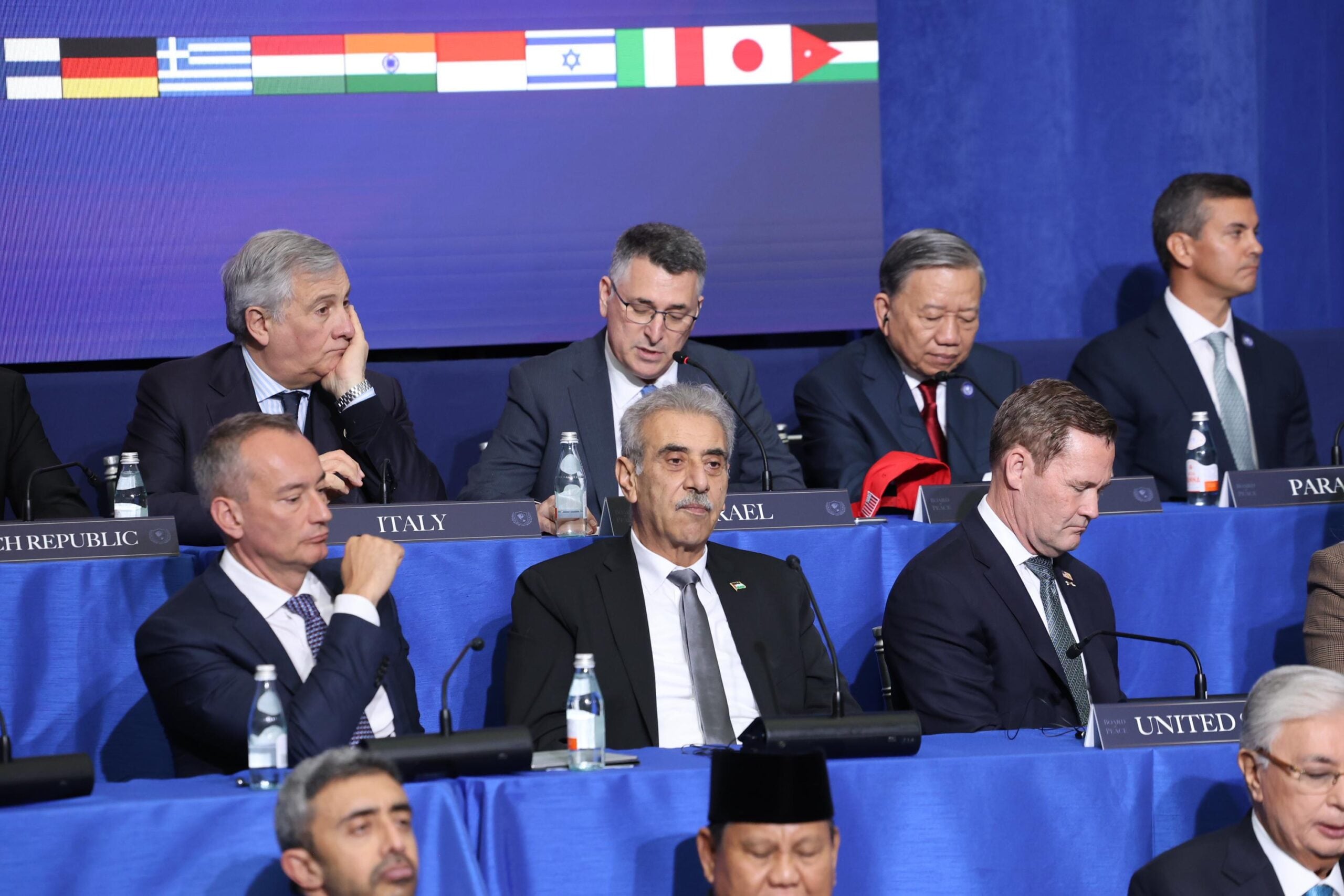
    Foreign Minister Gideon Saar at the “Board of Peace” meeting | Photo: Ministry of Foreign Affairs

    The Day After

    Asked how he thinks Gaza should look the day after, Bachar responded while distancing himself from the approach that sees Jewish resettlement in Gaza as a historical right: “Right now there are no Jews in the Strip and one thing is clear to me: there must not be Arabs there. I have no problem if there are Americans, Singaporeans, or anything else. I don’t trust the Arabs—in the end they’ll stab us in the back. In another three years, another two years, another month, I don’t know when, but if we continue like this it will happen again.”

    The Sobered

    Bachar was asked about the phenomenon of “the sobered up”—whether his fellow kibbutz residents in the Gaza envelope have undergone a similar shift in thinking about the possibility of peace with Gazans. Bachar replied that “in many cases, this perception hasn’t changed, but not because they haven’t changed—for a completely different reason. In the end we have one Jewish defect in our heads—that says ‘I can’t expel them.’ People today are trying to find the solution, the so-called possible arrangement where the Gazans will live there and we’ll be here and there will be peace—I reject this understanding. I think we have the ability to choose, and we’re currently choosing to be slaughtered rather than to slaughter. Right now I’m telling you we have more compassion for the enemy than for ourselves and I can’t watch this anymore.”

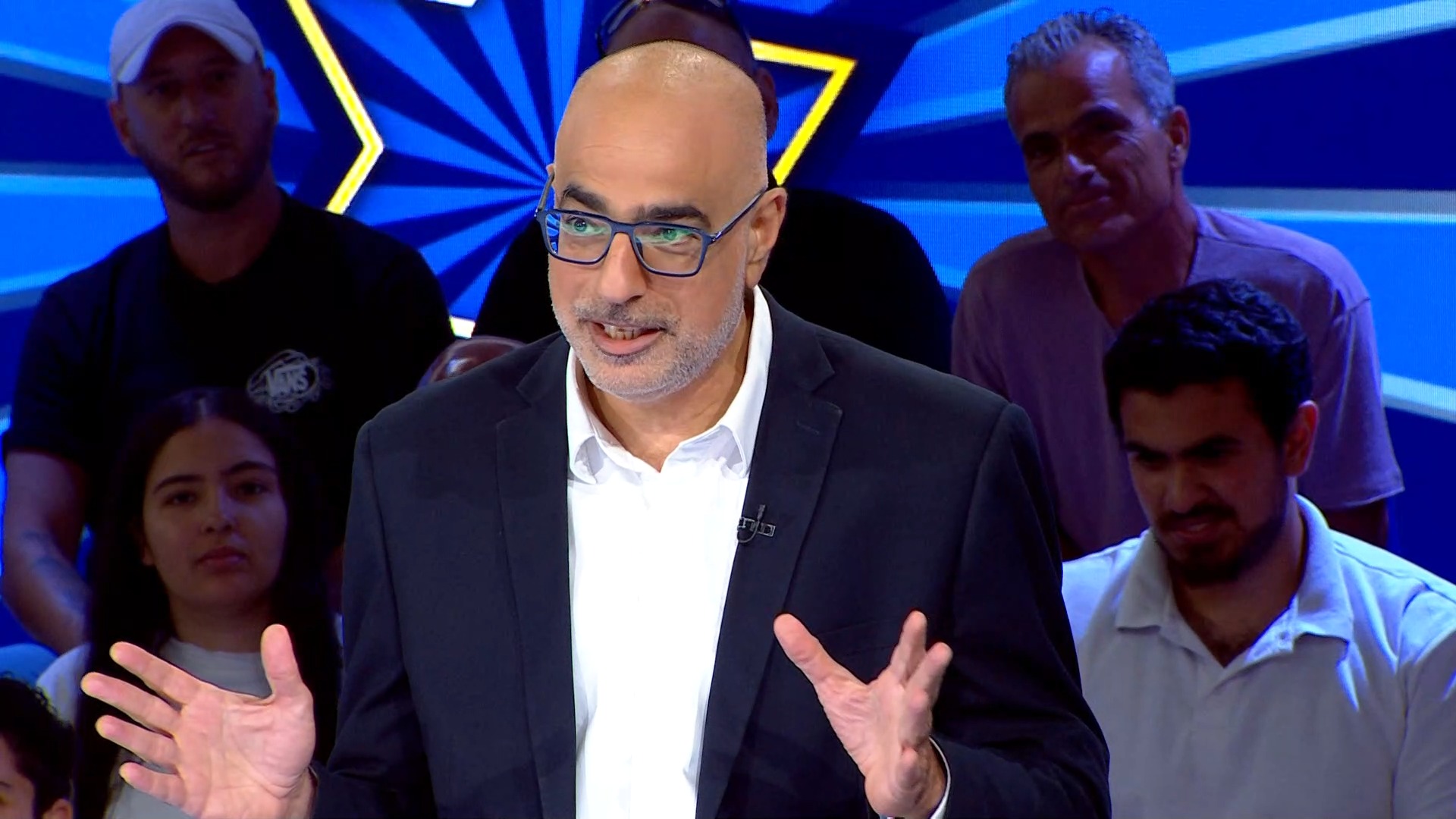
    Prof. Moshe Cohen Elia, one of the pioneers of the “sobered up” phenomenon | Photo: News 14

    His Message to the People of Israel

    Toward the end of the interview, Avida Bachar turned to the positive aspects of the Israeli people and pleaded for unity: “I hope we finish the job in Gaza and don’t start fighting among ourselves again. If you ask me one small question, what do we need to do, I think one thing: return a bit to basic decency. If you’re shouting it doesn’t mean you’re right, and if one person has something it doesn’t mean another doesn’t—everyone can have. I hope we’ll finally understand that our strength is in our unity.”

  • Fire Erupts in Jerusalem Hills, Firefighters Gain Control

    Fire Erupts in Jerusalem Hills, Firefighters Gain Control

    Firefighters from the Jerusalem district have brought under control a fire that broke out in Kesalon, a community in the Jerusalem hills. The crews are continuing to work at two fire sites within the community, conducting final suppression operations, extinguishing smoldering hotspots, and conducting searches to prevent the fire from reigniting.

    The incident is now under control. No damage was caused to residential homes and no injuries have been reported.

    Jerusalem District Commander Fire Chief Shmulik Friedman said: “The rapid response of the firefighters, the concentration of significant effort from the ground and air, and the cooperation between all parties enabled us to stop the spread of the fire and protect residents’ homes. In the coming hours we will continue final suppression operations to ensure the incident is completely over.”

    Fire and Rescue Services is calling on the public to act responsibly and avoid lighting fires in open areas and forests, especially during heat waves and windy conditions, to protect lives, property, and natural resources.

  • Iran Planned Proxy Escalation During Ceasefire

    Iran Planned Proxy Escalation During Ceasefire

    While the ceasefire was still in effect, Iran worked behind the scenes to develop a plan for escalating the conflict through its proxies across the Middle East, according to a report published Saturday in the New York Times. The goal was to raise the cost for the United States and President Donald Trump if attacks against Iran resumed.

    The Houthis | Photo: Shutterstock

    According to the report, during the ceasefire senior commanders from the Quds Force of the Revolutionary Guards held a series of coordination calls with commanders from Hezbollah, the Houthis, and Shiite militias in Iraq, aiming to prepare a scenario for broader escalation if the U.S. intensified its military activity against Iran. At the same time, Quds Force operatives reportedly continued working alongside the militias on the ground and even helped Hezbollah fill ranks depleted during fighting with Israel.

    Mehdi Mohammadi, a senior advisor to Iran’s negotiating team, addressed Tehran’s new strategy on social media, claiming that the Revolutionary Guards are creating new conditions and platforms for war in order to change the rules of engagement. “The fronts are multiplying from different directions in the region, they are coordinated but operate independently. A new axis of resistance is forming with new actors,” he said.

    Revolutionary Guard soldiers | Photo: Reuters

    Iranian analyst Mehdi Rahmati described the strategy to the New York Times in chess terms. “We are playing a big game of chess,” he said. The commentator added that “the militias are Iran’s chess pieces, and they must be moved wisely, at the right time and place, to achieve maximum impact.”

    At the same time, experts who spoke with the paper noted that while Iran coordinates its proxies’ activities, these are not organizations fully controlled by Tehran. According to them, each of the organizations—Hezbollah, the Houthis, and the Shiite militias in Iraq—has its own interests and varying degrees of autonomy, but all share a common goal: applying pressure on the United States and Israel and expanding Iran’s leverage in the region.