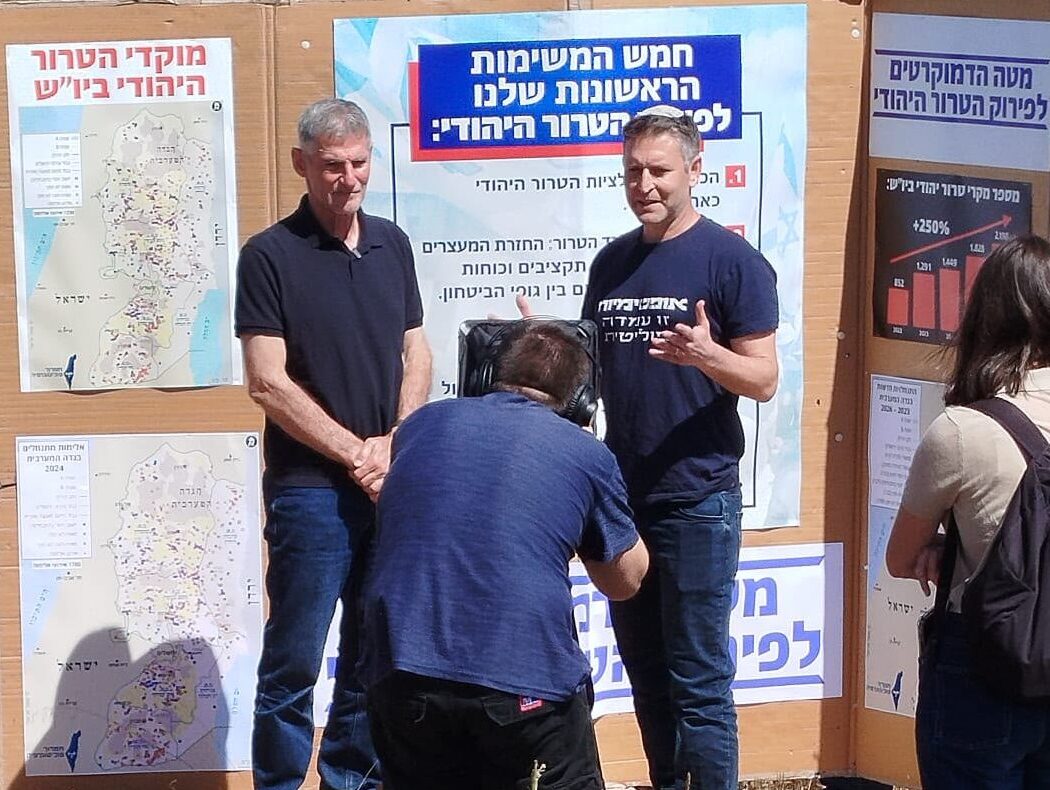
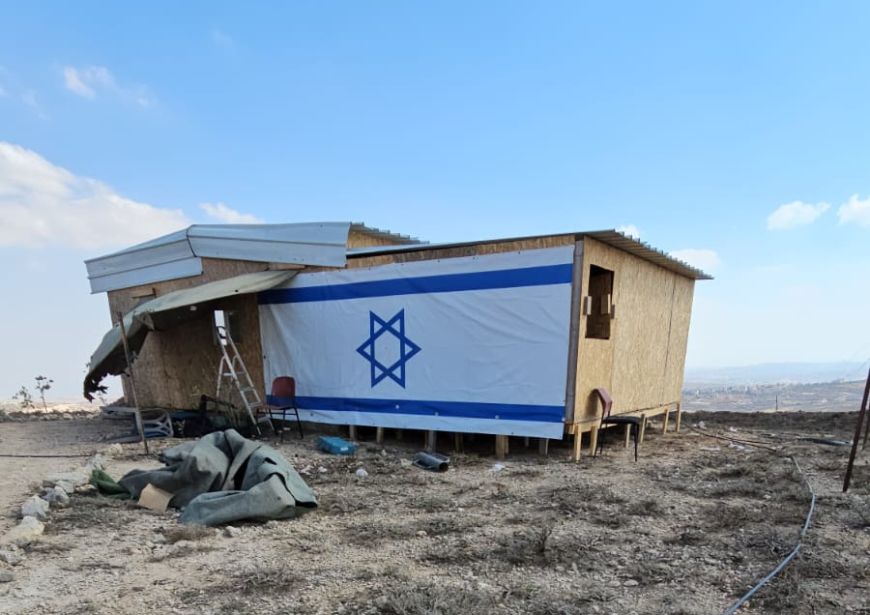
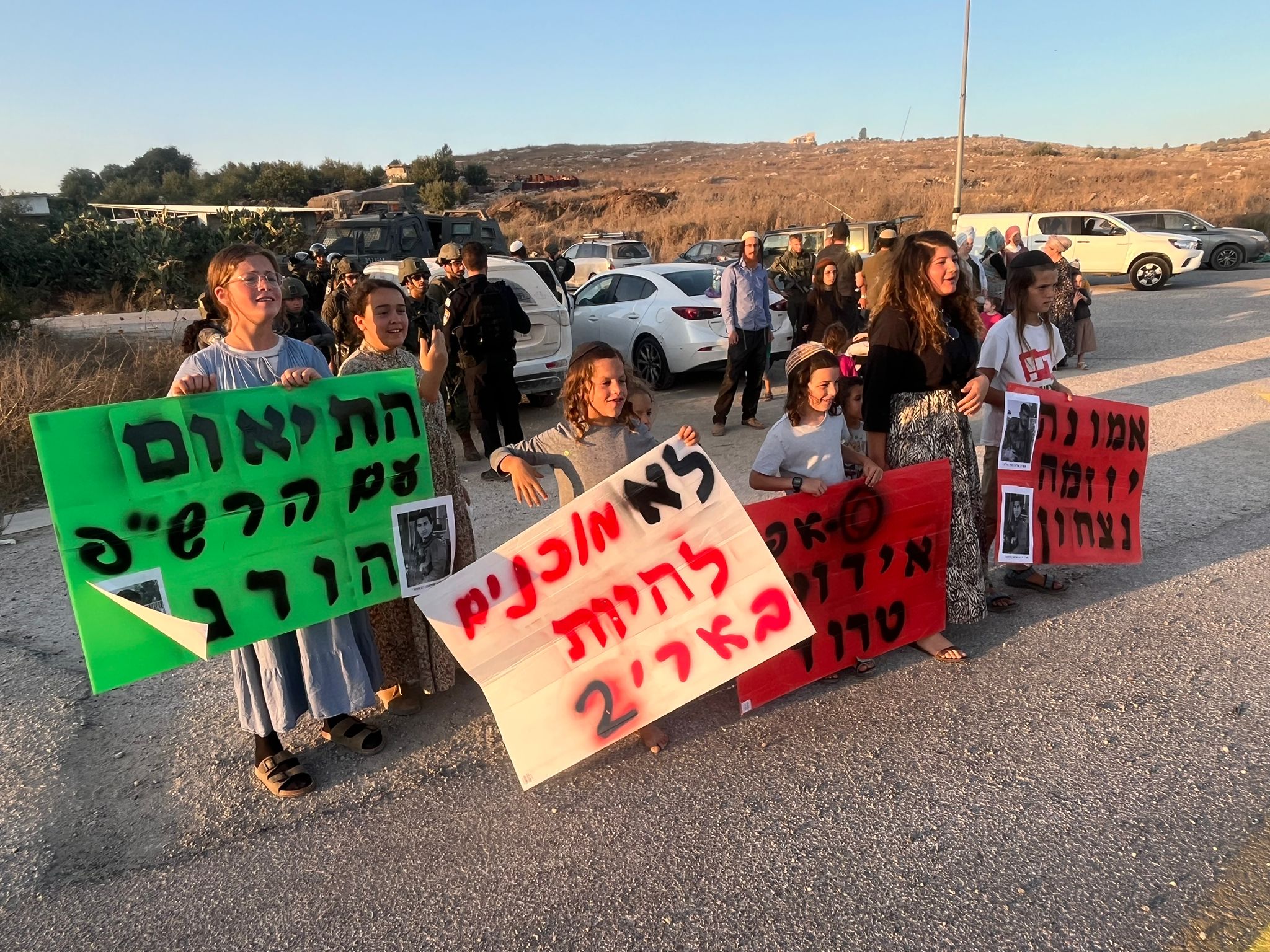
Dr. Edy Cohen addressed the left’s settler violence campaign today (Sunday) on the Midday Diary program: “There are elements in Israel using the term ‘Jewish terror.’ This encourages antisemitism—there’s no such thing as Jewish terror!” Cohen added that this is an antisemitic narrative being echoed domestically and harming Jews abroad as well.
Photo: Channel 14
“What does a Jew have to do with terror? A Jew living in the U.S., Colombia, or Mexico—when there are elements in Israel saying ‘Jewish terror’—it also affects antisemitism around the world,” added the Arab affairs commentator. Dr. Cohen explained the absurdity of the outrageous phenomenon while criticizing the term “Jewish terror” from sociological and linguistic perspectives.
The settler violence campaign, also known as “Jewish terror,” has been gaining momentum in recent years—since the Simchat Torah massacre. As we reported, in recent months the campaign has been breaking records according to Dr. Zvi Elhayani, who explained that as part of it, every short period of time brings a report or commentary about “Jewish terror”—sometimes even before the facts have been fully clarified.
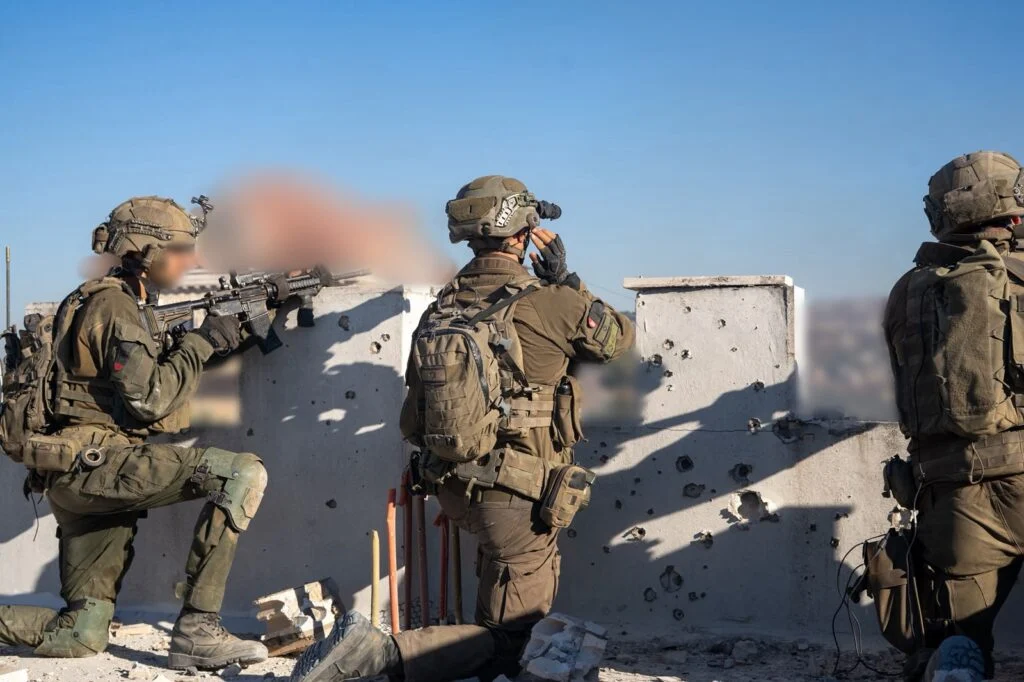
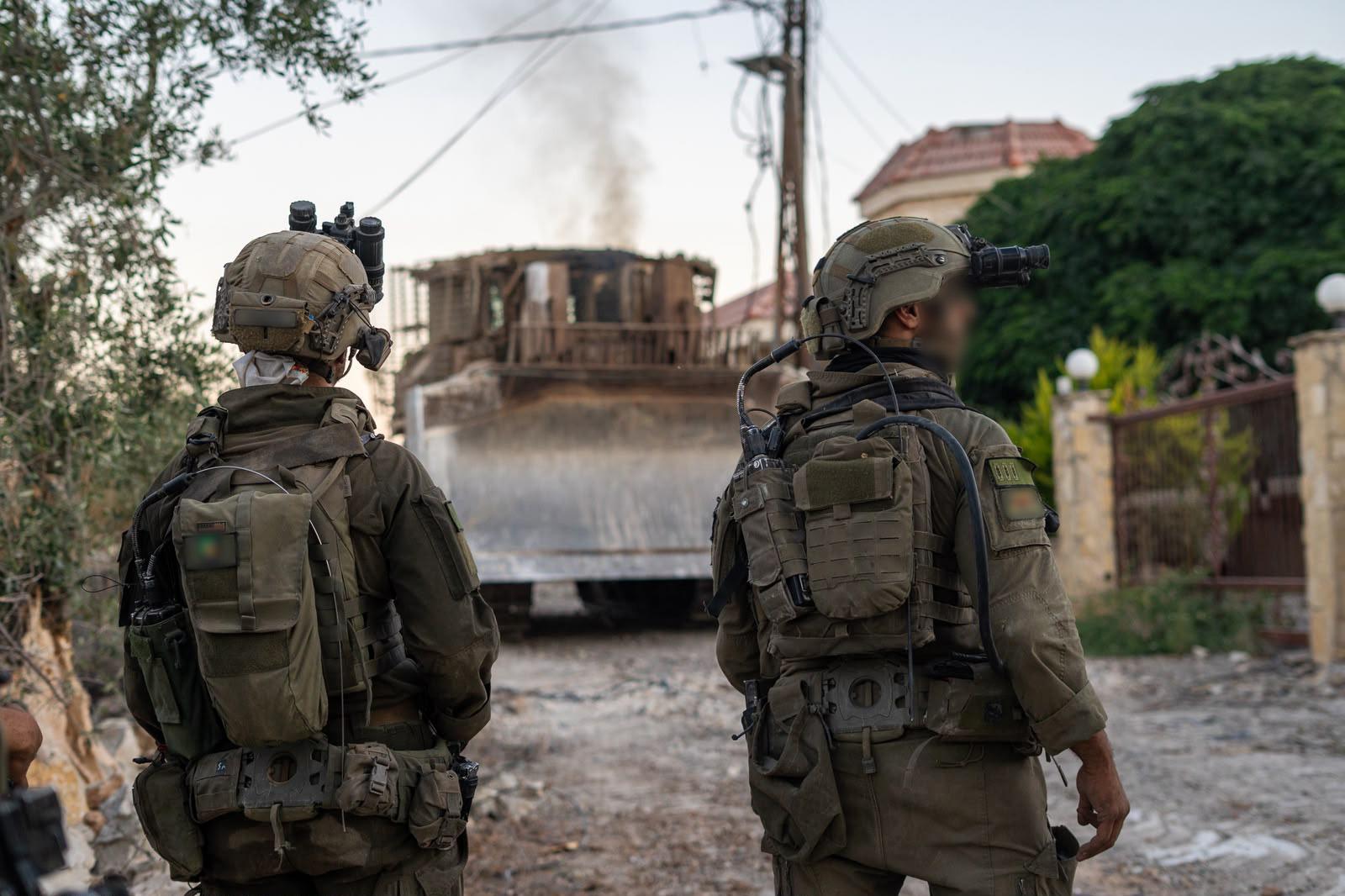
Forces from the 401st Brigade Combat Team, operating under the command of the 91st Division, have completed their mission in southern Lebanon following eight months of defensive and offensive operations, according to the IDF Spokesperson’s Unit. Throughout the operation, forces acted along the border and within the security area in southern Lebanon to neutralize threats to the State of Israel.
Operations of the 401st Brigade Combat Team in southern Lebanon | Photo: IDF Spokesperson’s Unit
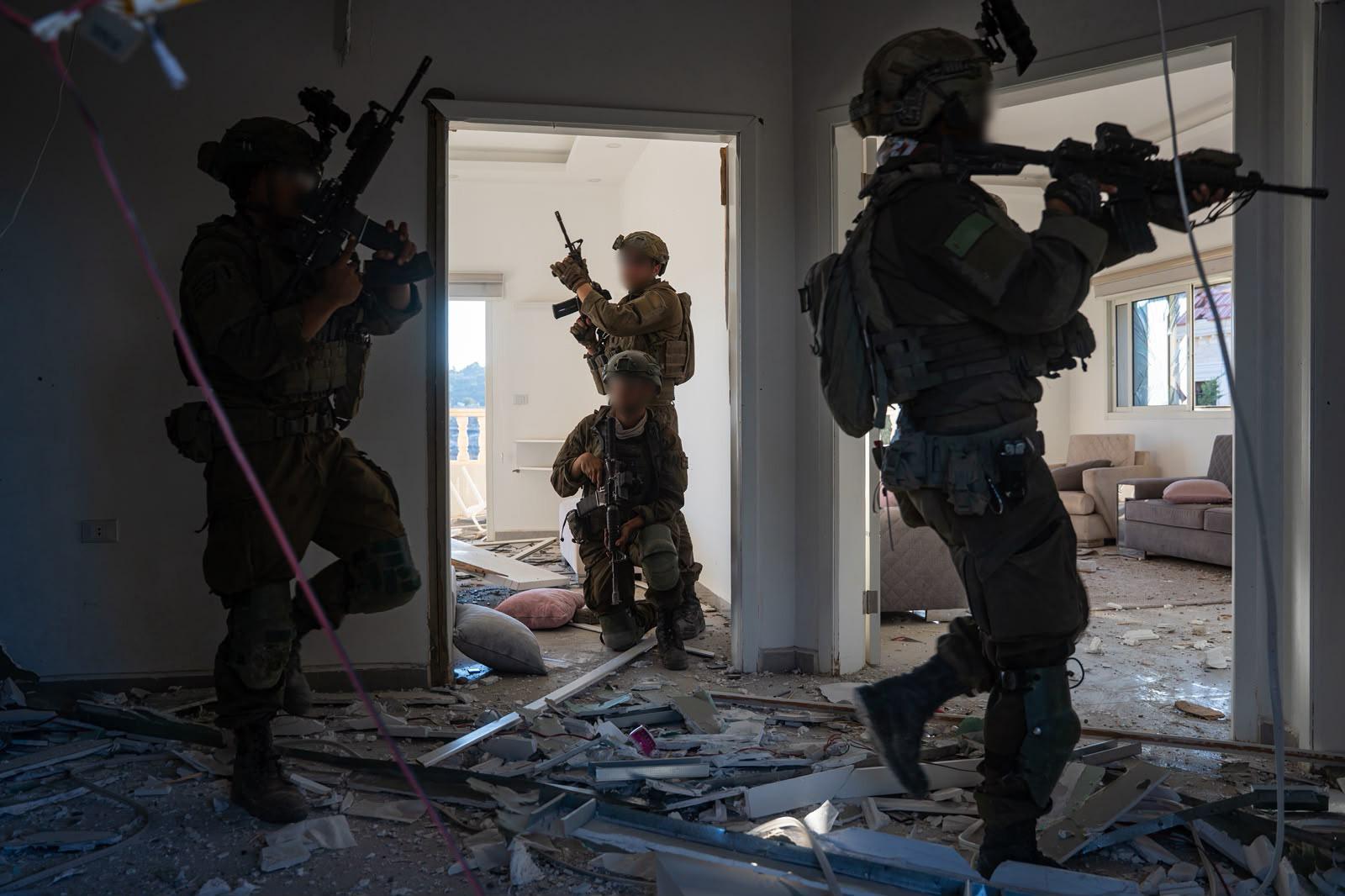
According to the IDF, troops destroyed over 1,200 Hezbollah terrorist infrastructure targets, including underground routes totaling hundreds of meters in length, which were neutralized in cooperation with Yahalom combat engineering units. Additionally, more than 600 weapons were located and seized, and over 60 terrorists were eliminated.
Operations of the 401st Brigade Combat Team in southern Lebanon | Photo: IDF Spokesperson’s Unit
Commander of the 401st Brigade, Colonel Yoav Schneider, stated: “The objective is clear—preventing and distancing the threat to the citizens of Israel. This is the goal we reminded ourselves of day in and day out. The brigade’s achievements in Lebanon were secured at a heavy cost, including the lives of soldiers from both the brigade and its combined forces team. We will always remember the fallen soldiers of the brigade, and they will remain in our hearts forever. With the loss of every soldier, we grieve and bow our heads, but in that very moment, we re-engage, push forward, and focus on completing the mission to ensure their sacrifice was not in vain.”
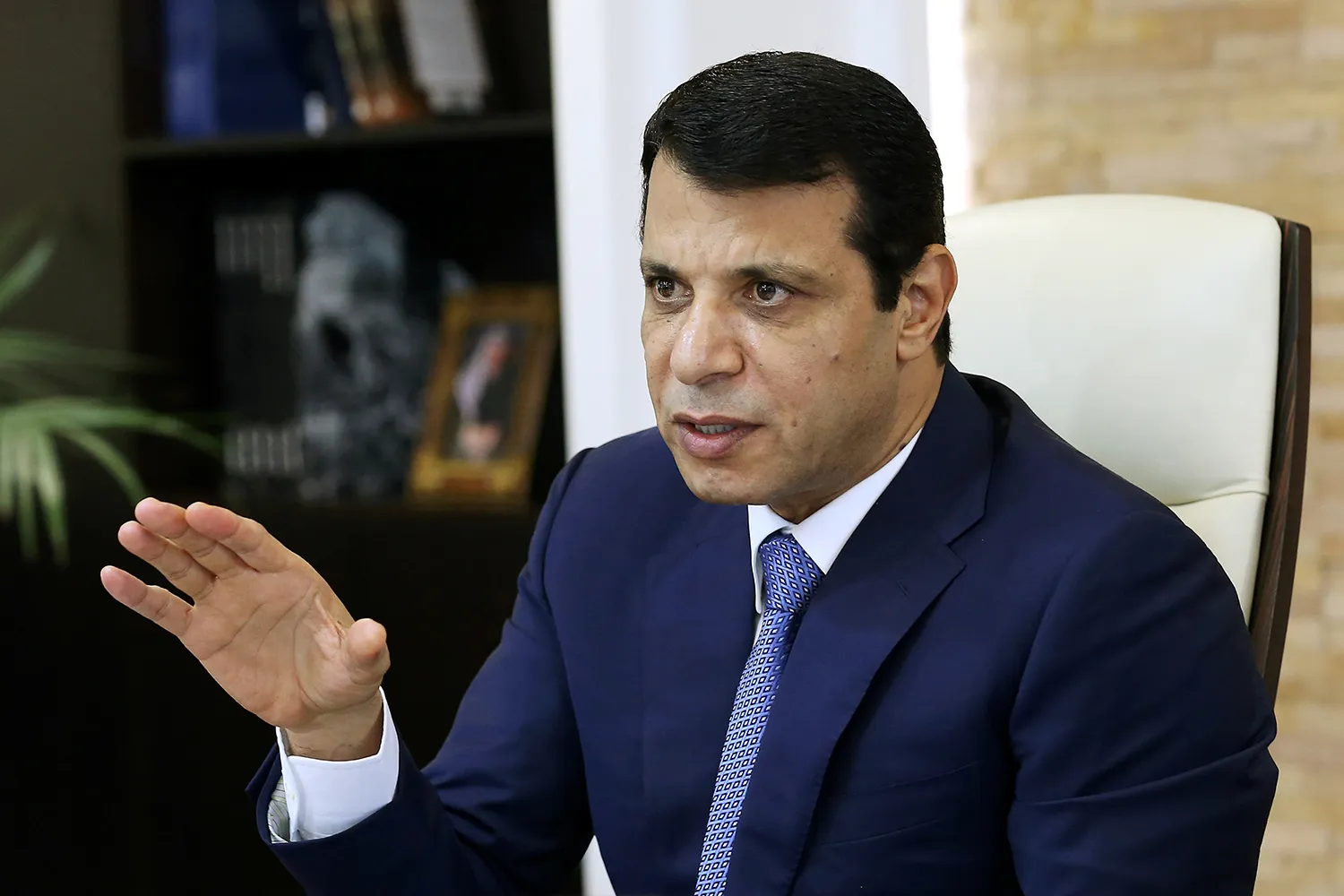
Former senior Fatah official Mohammad Dahlan addressed overnight (between Saturday and Sunday) the ongoing negotiations surrounding the emerging agreement in the Gaza Strip, claiming that Hamas and the ‘Palestinian’ factions have approved the 15-point document outlining the roadmap moving forward in the Strip.
Mohammad Dahlan | Photo: Reuters
According to Dahlan, the success of the agreement depends primarily on Israel’s full commitment to cease its military activity in the Gaza Strip. He claimed that U.S. President Donald Trump’s Middle East envoy, Jared Kushner, promised him that an understanding had been reached with the Israeli side regarding the cessation of strikes.
“Kushner assured me that an understanding was reached with the Israeli side to stop the attacks,” Dahlan wrote on X. He added that intensive contacts are continuing with the American side to ensure the full implementation of the agreement.
Dahlan noted that for the agreement to succeed, Israel must stop “daily bombings, killings, targeted assassinations, and attacks in the Gaza Strip.” He expressed hope that residents of the Strip would feel a change in the coming days if the understandings are indeed implemented on the ground.
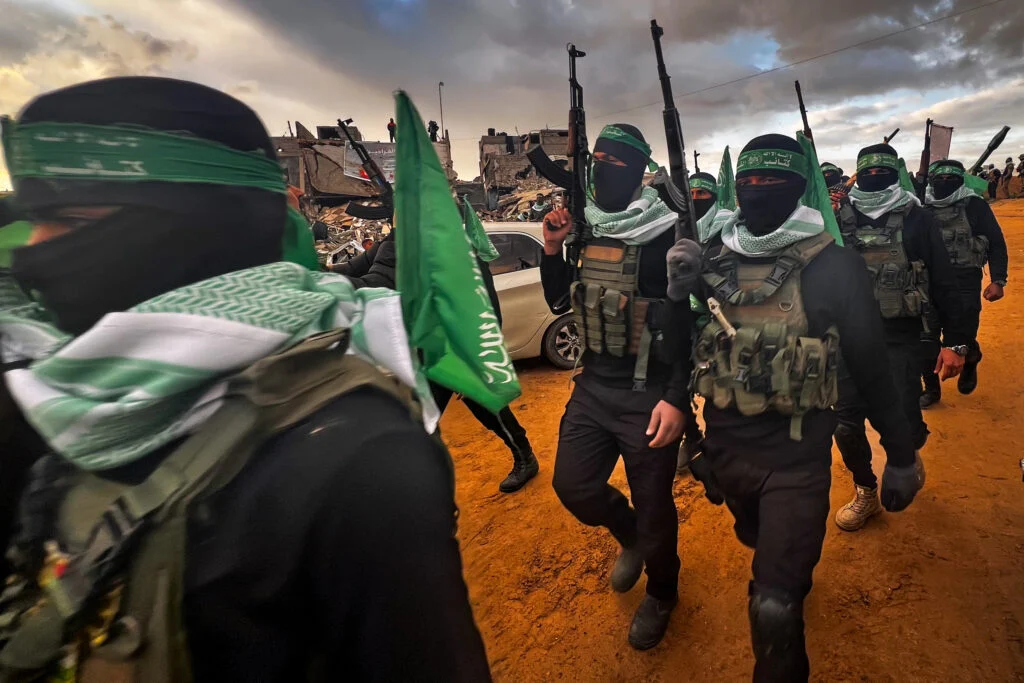
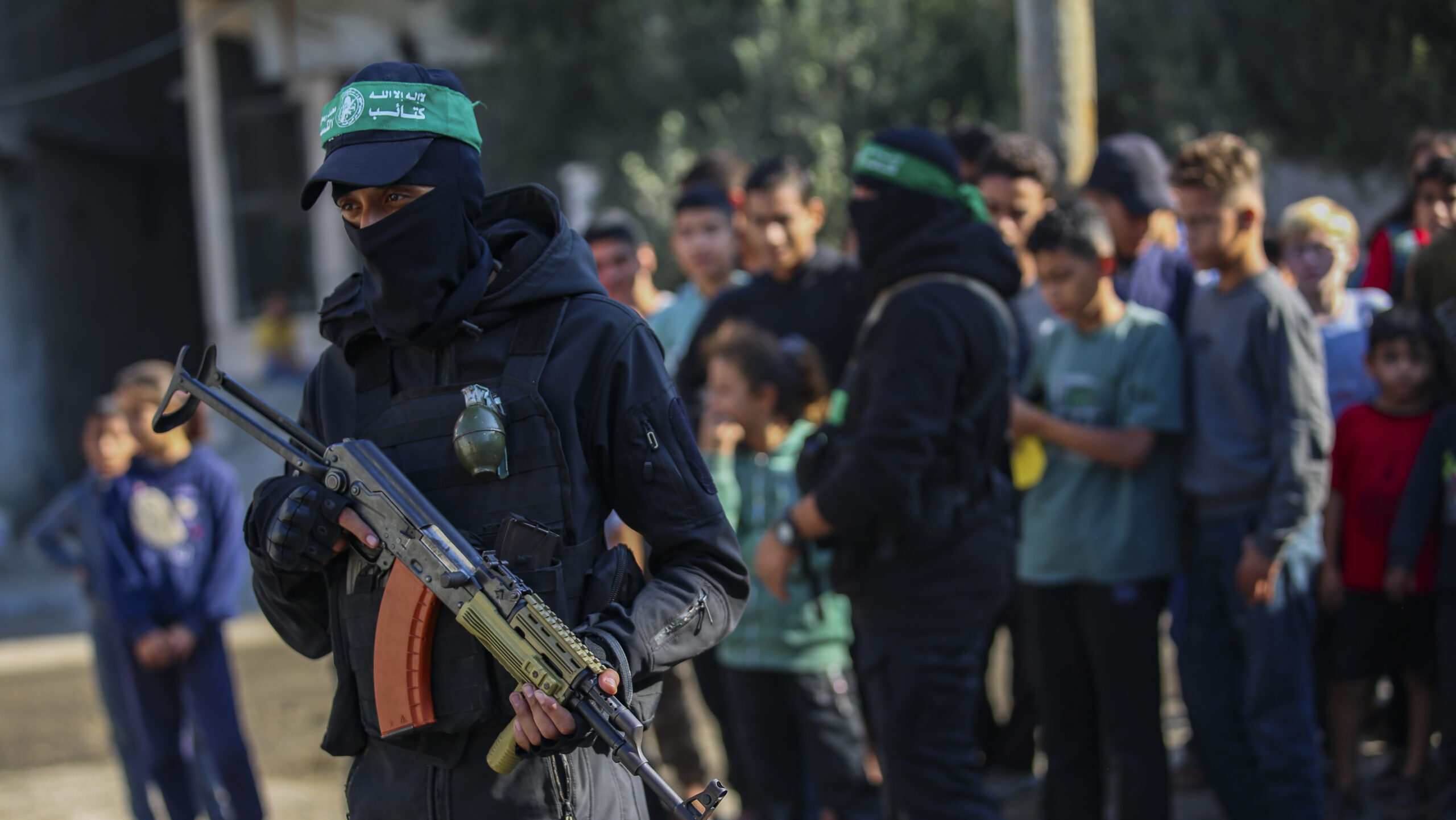
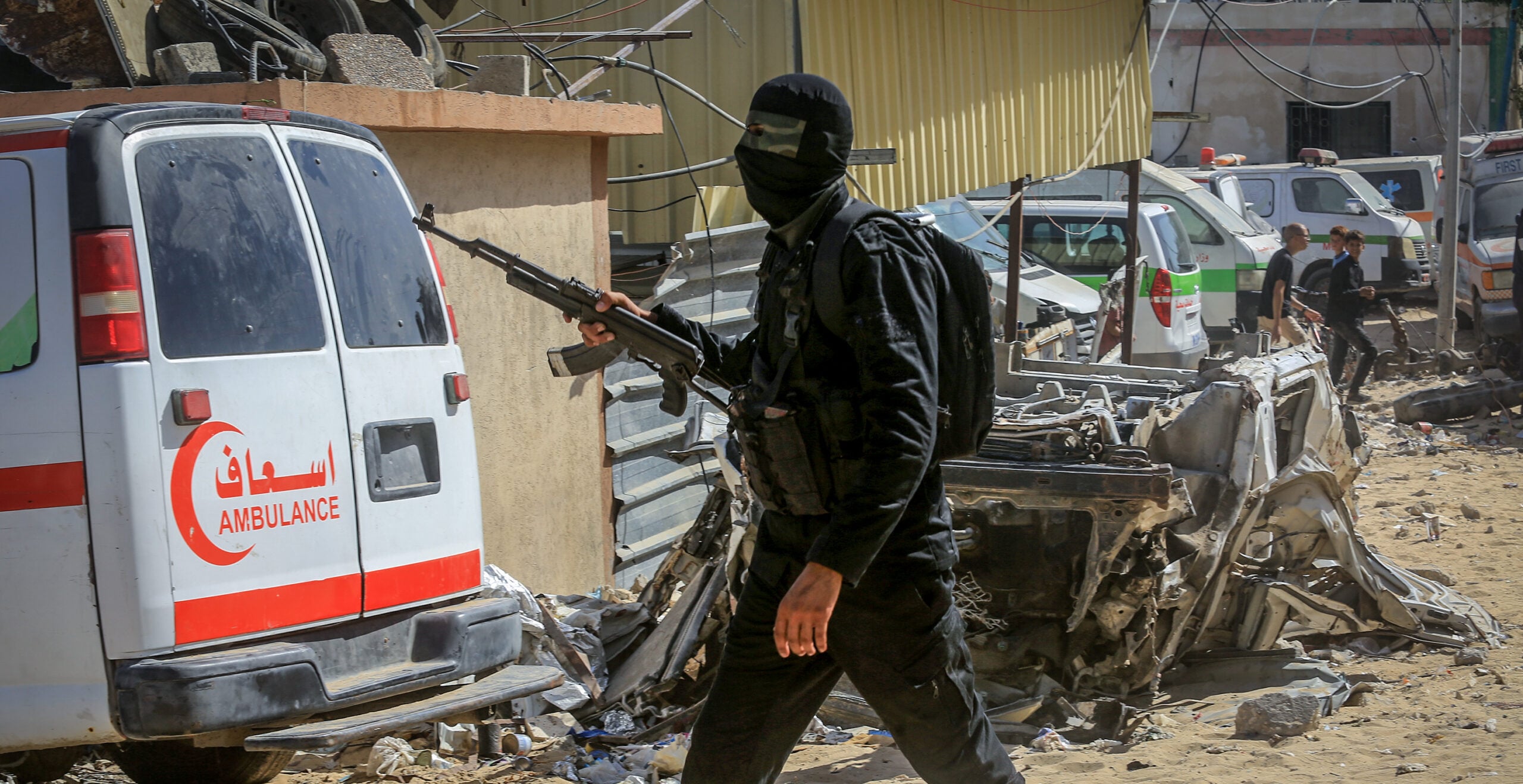
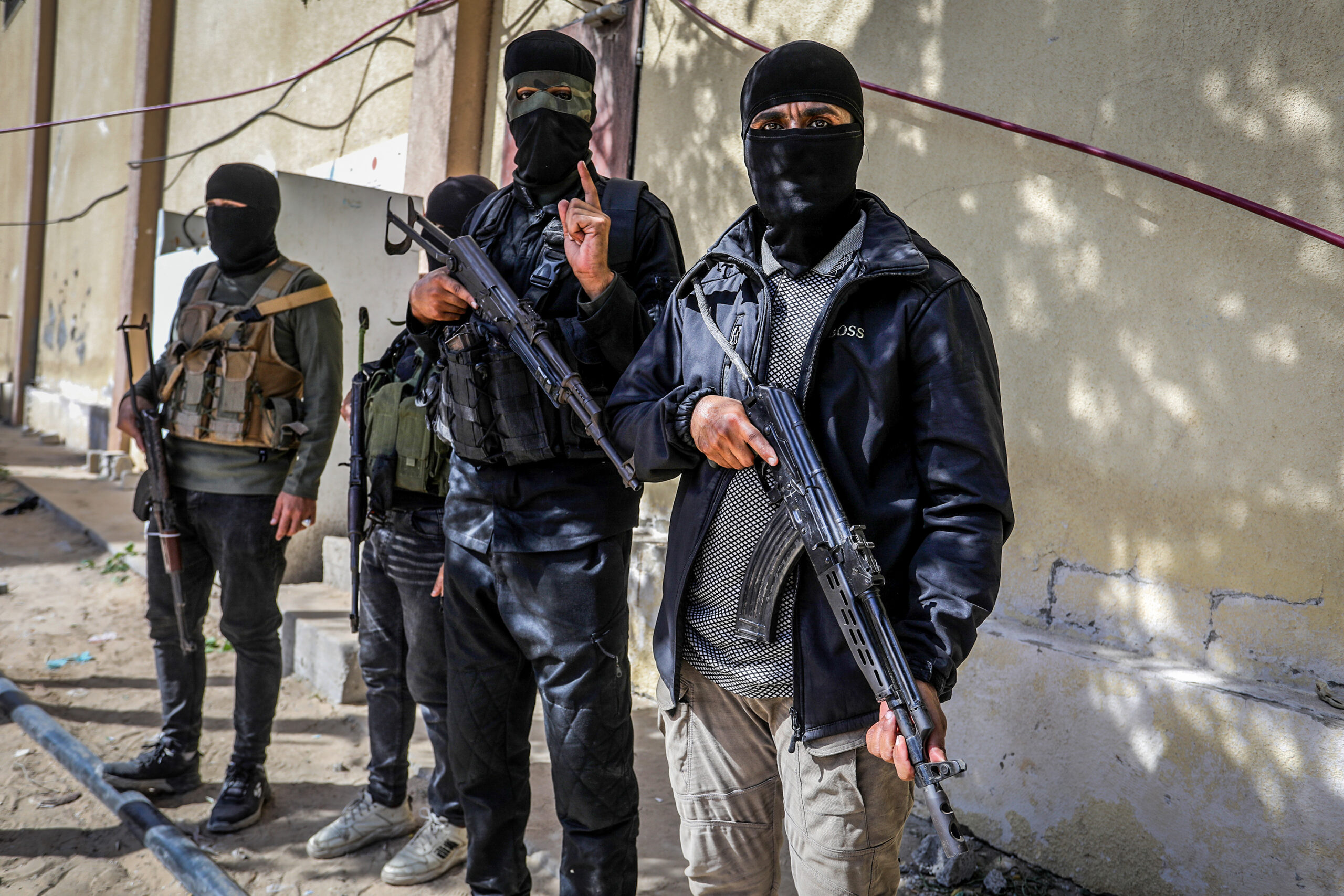
Hamas terrorists | Photo: Said Muhammad, Flash 90
At the same time, Dahlan turned to the ‘Palestinian’ factions, urging them to commit fully to the agreement. He emphasized that they must cease armed displays and any action that could, according to him, give Israel an excuse to thwart the agreement or withdraw from the understandings.
“We call on all factions to fully commit to the agreement, to stop armed displays, and to avoid anything that could give Israel a pretext to thwart the deal,” Dahlan stated.
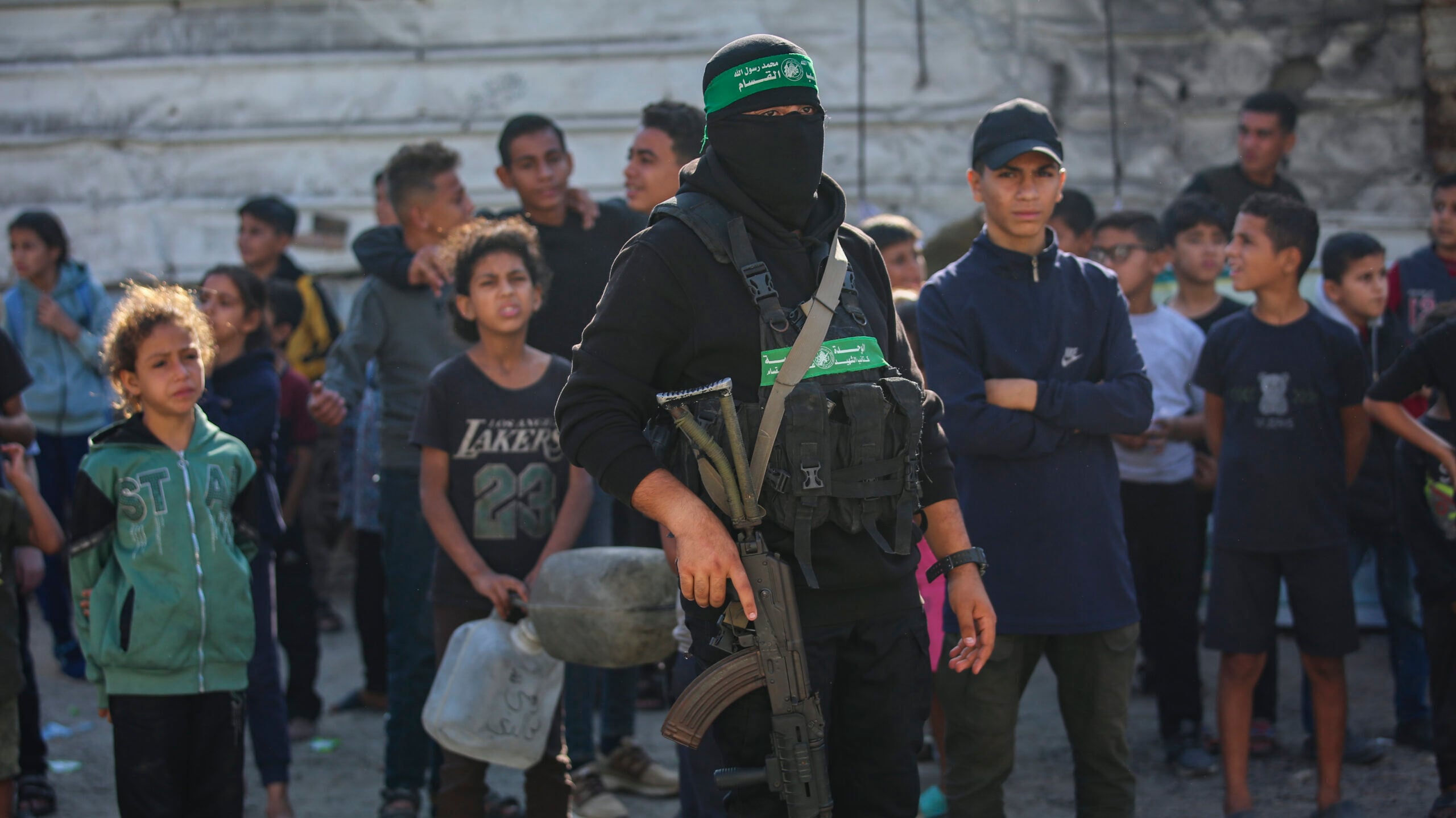
Hamas terrorists in the Gaza Strip | Photo: Flash 90
Further in his comments, the former senior Fatah official addressed the next phase in the Gaza Strip, stating that preparations must begin for the rehabilitation of the Strip and the political path forward. He noted that while expected challenges will be significant, efforts must focus on rebuilding Gaza, protecting the West Bank, and continuing the push toward establishing an independent ‘Palestinian’ state.
Dahlan’s statements come amid diplomatic contacts with the U.S. administration aimed at advancing the agreement and stabilizing the situation in the Gaza Strip following an extended period of fighting and strikes.
Israeli forces eliminated Salem Jamal Abd al-Rahman Abu Labad yesterday (Saturday) in the southern Gaza Strip. He was a Nukhba force squad leader in the Hamas terrorist organization who invaded Kibbutz Nir Oz during the October 7 massacre.
In another strike carried out on Friday in the central Gaza Strip, Mohammed Abdel Nasser al-Khatib, a commander in Hamas’s Maghazi Battalion, was eliminated. Both operated within the military wing of the organization and attempted to advance terror plots against our forces. They were eliminated in precise airstrikes aimed at removing the threat.
The IDF stated: “IDF forces under the Southern Command are deployed in the area in accordance with the agreement and will continue to act to remove any threat.
The word “settlers” was once among the most noble terms in the pioneering settlement enterprise. It belonged to the lexicon of redeeming the land, conquering labor, conquering the wilderness, and conquering the pasture. These weren’t merely descriptive terms, but foundational words charged with mission, renewal, and redemption—even in the mouths of secular pioneers.
Settler protest at the entrance to Shechem (known erroneously as Nablus) | Free credit
These words carried no negative baggage then. On the contrary: they were a natural part of the language of working settlement, from the day of “taking to the land” celebrated in kibbutzim as the “Settlement Holiday,” through romantic descriptions of “the settlers on the mountain,” to headlines and publications of the kibbutz movement celebrating their “Settlement Day.” On these words, the State of Israel was built.
But less than forty years after the state’s founding, around the rise of Gush Emunim and the 1977 upheaval, a politicization and blackening of these foundational concepts began. The new settlers were no longer perceived as the peaceful successors of the historical “settlers,” and the words themselves were gradually quarantined in public discourse as terms linked to violence, threat, and condemnation.
The current wave of headlines about “settler violence” and “Jewish terror” has intensified dramatically since the Simchat Torah massacre, and sharpened particularly in recent weeks. This is the current peak of an ongoing linguistic and historical reversal. Every few hours another report and another commentary appears, sometimes even before the facts are fully clarified.
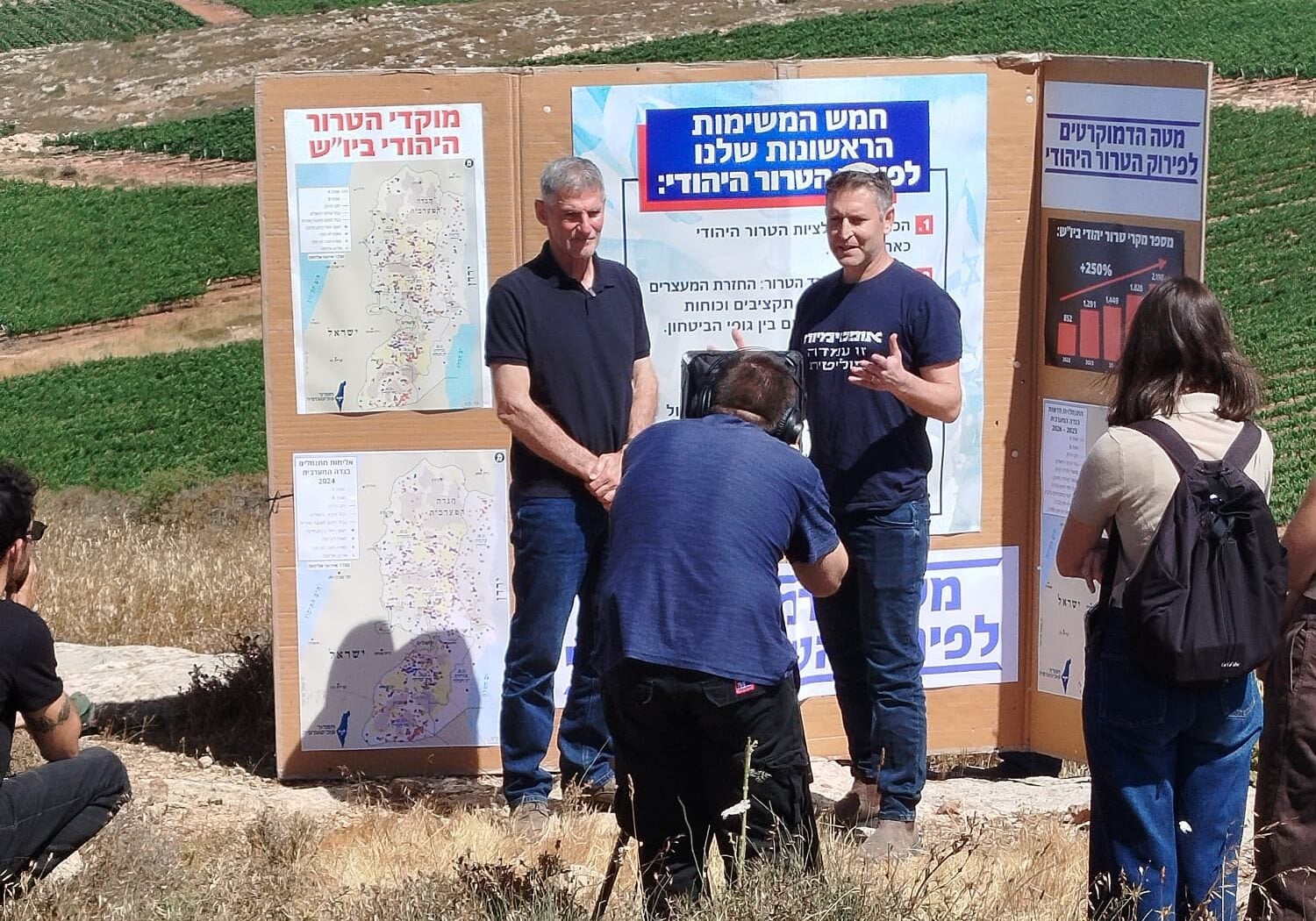
Yahya Fink and Yair Golan try to direct a video for the “Settler Violence” campaign | Photo: None
Thus, a specific incident immediately becomes a public category. An act by an individual or group is attributed to an entire public. There’s no discourse about “Tel Aviv violence” or “kibbutznik violence.” Only one Jewish public in Israel has been turned, as a category, into a violent public, a fixed character in a plot that’s been written for more than fifty years.
Just flip through countless headlines in the press since the seventies, eighties, and nineties—the decades when this campaign gained momentum, partly encouraged by new “peace movements” that emerged then, mainly to bring down right-wing governments. “Jewish terror,” “the Jewish underground,” “militias,” caricatures depicting the settler as an armed thug, sometimes even using imagery borrowed from European history, covers dealing with “violent settlement,” and articles about “the new anti-Semites.”
Each case dealt with a different context, but their accumulation created over the years a stable public lexicon into which almost every new incident was slotted. This wasn’t a random series of headlines, but a consistent accumulation of images, concepts, and symbols that built over decades a defamatory public language.
Parallel to the shaping of media discourse, a new legal discourse around settlement also began to take shape. The Karp Report, prepared at the initiative of then-Attorney General Yitzhak Zamir, was one of the influential documents in this defamation campaign. Its impact extended beyond the legal sphere into broader public discourse, and is effectively felt to this day.
The roots of this reversal lie in the political and cultural upheaval of the late seventies. Jewish settlement in Judea and Samaria didn’t just open a dispute over borders, but also a battle over the story of Jewish revival in the Land of Israel. From the moment settlement became the focus of political controversy in Israel, the vocabulary used to describe it also gradually changed.
Thus, “settlers” ceased to be a word of pioneering and gradually became a loaded label. “Settlement” distanced itself from its biblical and Zionist meaning. Even the term “conquest,” which for decades was an integral part of the ethos of conquering labor, land, wilderness, and pasture—inspired by biblical conquests of the land—remained almost only in its accusatory political meaning.
The land itself was also defamed. Judea and Samaria, Gaza and Sinai, the cradle of the Bible and the territories where foundational chapters in the growth of the Jewish nation took place, were gradually presented in public discourse not as homeland, but primarily as a conflict zone. Hebron, Shiloh, Beit El, Elon Moreh, and Mount Gerizim were pushed behind headlines about confrontations, checkpoints, and disturbances of order.
The image built for settlers also stuck to the places where they live. They too began to be perceived, in many eyes, first and foremost through venomous campaigns, and not through historical, biblical, and Zionist continuity.
The letter from hundreds of former senior security officials to U.S. President Donald Trump, in which the escalation of “Jewish terror” was presented as a threat to Israel’s security, American interests, and regional stability, illustrates that even today this isn’t just a discussion about specific incidents. It’s the continued existence of that same public lexicon built over decades.
The current storm isn’t just a debate about a series of events. It exposes how complete the linguistic reversal has become: a word that once expressed the pinnacle of Zionist fulfillment today appears almost always adjacent to the words “violence” or “terror.”
On the soil of the homeland, a media, political, and territorial battle is being waged, but in the field of language an equally profound struggle is taking place. Restoring the correct meaning of words isn’t just a semantic correction, but a necessary condition for restoring truth to the enterprise of settling the land and to words that have been stripped of their original meaning.
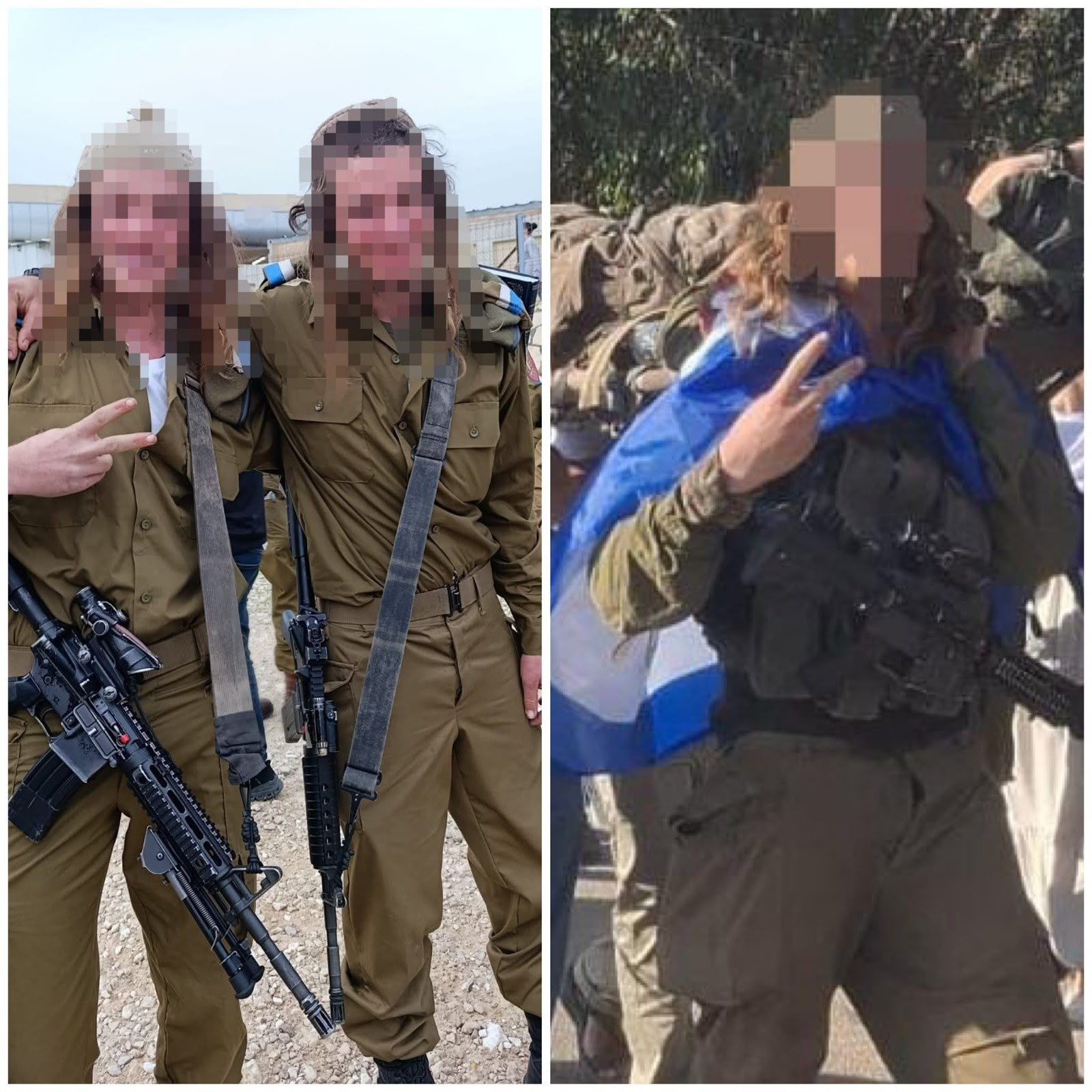
A legal and security drama unfolded over the weekend in Judea and Samaria when an Israel Defense Forces (IDF) soldier serving in a reconnaissance unit and living on one of the farms in the area was arrested by police after he rushed to help a Jewish shepherd who was violently attacked by dozens of Arab rioters.
The fighter who was arrested after helping a shepherd | Credit: None
The incident began just half an hour before the Sabbath. A shepherd grazing his flock near Alon Highway was brutally attacked by dozens of Arab rioters who came from the village of al-Mu’ayyir. The rioters threw stones at him from close range and fired flares directly at him, creating an immediate life-threatening situation. The shepherd, facing real danger, quickly called security forces and farmers from nearby farms, while the soldier—who was on leave at one of the farms at the time—immediately headed to the scene to ensure the shepherd’s safety and protect him.
According to the soldier’s account, when he arrived at the scene he assessed the situation, exercised great restraint, and decided to wait for IDF forces who were on their way. He did not fire any shots. When IDF forces arrived at the scene, the soldiers dispersed the rioters using riot dispersal measures, gas grenades, and stun grenades, and the incident ended with the shepherd returning safely with his flock to the farm.
View from Magen David Farm to Alon Road | Photo: Tal Brown
However, on Saturday night a false narrative began spreading from Arab sources in the village of al-Mu’ayyir, claiming that an Arab child was injured by gunfire on the outskirts of the village. Arab incitement channels, which regularly distribute propaganda materials from Hamas and other terrorist organizations, identified the soldier—who is well-known in the area due to his activity on the farms in recent years. They circulated his photo, which had been taken previously, alongside edited and unclear footage, and pinned the blame on him.
Despite the lack of evidence and the fact that the soldier claims he acted properly and waited for the authorized forces, police decided to arrest the soldier during the Sabbath. Those close to the soldier are expressing strong resentment over the fact that the enforcement system is being dragged along by propaganda from enemy incitement channels, and hope that the truth will come to light soon and the soldier will be released to his home. “It’s unacceptable that a soldier who goes out to protect civilians against dozens of rioters finds himself under arrest because of Hamas fake news,” his associates said. “We’re confident that the clear truth will be clarified in the coming hours.”
Following President Donald Trump’s announcement that Hamas has agreed to disarm, the Peace Council released details Friday of the emerging disarmament framework and how the process is expected to unfold in practice.
Under the framework, disarmament will be completed through implementation of Articles 7, 8, and 9 of the agreement, covering police weapons, heavy weapons, tunnels and production sites, and personal firearms. At the end of the process—expected to take months, not years—the only entity holding weapons in Gaza will be the Technocratic Committee, under close supervision of the ISF, a task force commanded by American General Jasper Jeffers. This is a critical turning point in the agreement: Hamas and all other organizations will no longer possess weapons.
Gaza Strip. Photo: Shutterstock
Additionally, weapons surrendered by the organizations won’t remain in their hands. They’ll be transferred to the committee, which will store them in a location beyond Hamas’s reach and under ISF supervision. The official language in the document defines this as “decommissioning,” ensuring the weapons undergo a process that prevents them from returning to operational use in the future. To verify that Hamas and Palestinian Islamic Jihad are actually surrendering all weapons, a monitoring committee will be established to track implementation, with the ISF under General Jeffers ensuring the process is fully completed.
Hamas terrorists in the Gaza Strip | Photo: Flash 90
As part of this, Hamas is required to hand over tunnel blueprints and production sites, with the agreed principle stipulating that all weapon types, infrastructure, and arsenals will be removed from the organizations and transferred to the committee. The complex process isn’t based on trust between the parties, but on absolute reciprocity at every stage. Israel won’t withdraw from the agreed Yellow Line before Hamas surrenders its weapons, and conversely Hamas won’t surrender weapons before Israel stops targeted killings and returns to humanitarian commitments regarding aid trucks, which it hasn’t met in recent months.
The first thing Hamas is required to do is immediately cease all military activity, including fortification, armament, and recruitment. A senior official notes that while skepticism exists in Israel, this is the same team that delivered the hostage and bodies deal contrary to early predictions. On the day Hamas announces it’s giving up its weapons and rule in Gaza, a historic event occurs with potential to change reality for the better in Israel, Gaza, and the entire region—which could also help expand the Abraham Accords, partly stalled because of the Palestinian issue.
Donald Trump | Photo: White House
Meanwhile, Israel is required to uphold the understandings of Trump’s 20-point deal it signed, with the central principle set by the American president being that withdrawal will come only after disarmament. Regionally, this is a severe blow to Iran, which is trying to torpedo the agreement. This is the first time in history that a jihadist terror organization has reached a detailed agreement to voluntarily disarm—a move contrary to the entire ethos of warfare and sacrifice unto death. While the implementation test is paramount, the agreement itself is considered dramatic and reality-changing.
Alongside the framework details released by the Peace Council, Hamas issued an official statement saying that “the movement and Palestinian factions dealt responsibly and positively with the negotiation process and with mediators’ proposals to complete implementation of the second phase of the ceasefire agreement.” According to Hamas, this reflected a spirit of partnership and responsibility aimed at protecting the people of Gaza and preserving what it described as their national rights.
Photo: Flash 90
Contrary to Trump’s framework details, Hamas emphasized that “the ‘occupation’s’ commitment to stop the killing and end its aggression” is a necessary basic condition and the first step toward implementation, and that including the heavy weapons issue in the agreement was linked and conditioned on complete cessation of “all forms of aggression, withdrawal from the Gaza Strip, entry of the administrative committee, deployment of international defense forces, dismantling of armed gangs and militias established by the occupation, reconstruction, and guaranteeing the right to establish an independent Palestinian state.”
They further claimed that “the entire process is not based on trust but on absolute reciprocity—with Israel not withdrawing from the agreed Yellow Line before Hamas actually surrenders its weapons.” Meanwhile, Hamas is required to immediately cease all military activity, including fortification, recruitment, and weapons production, while Israel will return to humanitarian commitments and stop targeted killings.
Hamas terrorists in Gaza | Photo: Flash 90
Despite the gaps between the two positions, a senior official told Channel 14 that the negotiating team had already demonstrated its ability to deliver the previous hostage and bodies agreement and believes this framework could become the first time a jihadist terror organization voluntarily disarms. According to the official, Hamas relinquishing both its weapons and its rule over Gaza could reshape the regional landscape, strengthen the Abraham Accords, and deal a significant blow to Iran, which has sought to derail the agreement. While the true test will be implementation, the official described the framework itself as a historic and potentially reality-changing development.
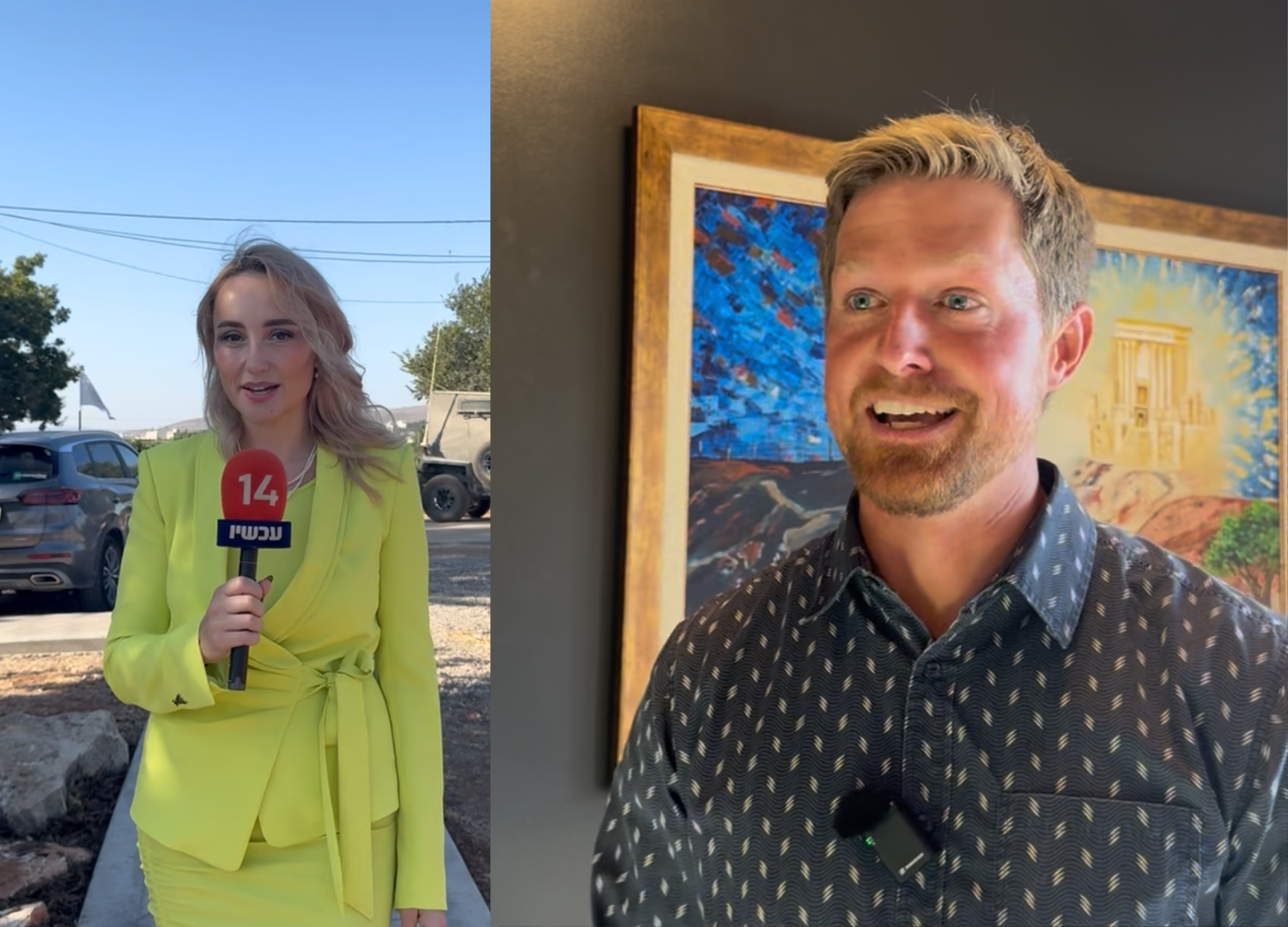
For two decades, Joshua Waller has lived in Judea and Samaria. He says the name most of the world uses for it was never neutral. “One of the worst lies we’ve personally combated is the lie of the ‘West Bank,’” Waller, of the American Christian organization the Israel Guys, said this week. “For 2 billion Christians around the world, that was one of the most sinister lies,” one that flipped the tide toward the idea of a Palestinian state.
Waller’s comments came at the opening of a new visitor center near Shechem, erroneously referred to Nablus (a remnant of Greek and Roman naming it Neopolis, which means ‘New City,’). This marks the latest step in the Israel Guys’ over 20-year presence in the region. The organization brings American Christians to live and work alongside Jewish communities in what it calls the biblical heartland, an area where, according to Waller, an estimated 85% of the Bible’s events took place, including Mount Gerizim, Mount Ebal, the Dotan Valley, Hebron, and Shiloh.
Mount Gerizim in Samaria | Photo: Shutterstock
The visitor center is designed to introduce people from all over the world to the region’s biblical sites and to the communities living there. Waller framed the project as part of a broader effort to challenge what he described as widespread misinformation about Judea and Samaria in international media.
“Everybody talks about the lies and so much misinformation constantly spewed all over the world against Israel,” Waller said. “We’re here to combat that and say there’s amazing things happening in Judea and Samaria, and we want the whole world to know about it.”
Christian families have partnered with Jewish ranches in the region for years. Waller cited the Waller family’s own multi-generational connection to the area as part of that ongoing relationship.
Following the publication of a Hamas demilitarization plan by President Trump’s “Board of Peace” and a statement from the terror group Hamas, a senior Israeli official made clear: “There will be no IDF withdrawal from the current yellow line without real disarmament of Hamas.”
The official said: “Regarding various reports this morning about political progress in the Gaza Strip, Israel has reiterated that there will be no withdrawal whatsoever of the IDF from the current yellow line without real disarmament of Hamas.”