


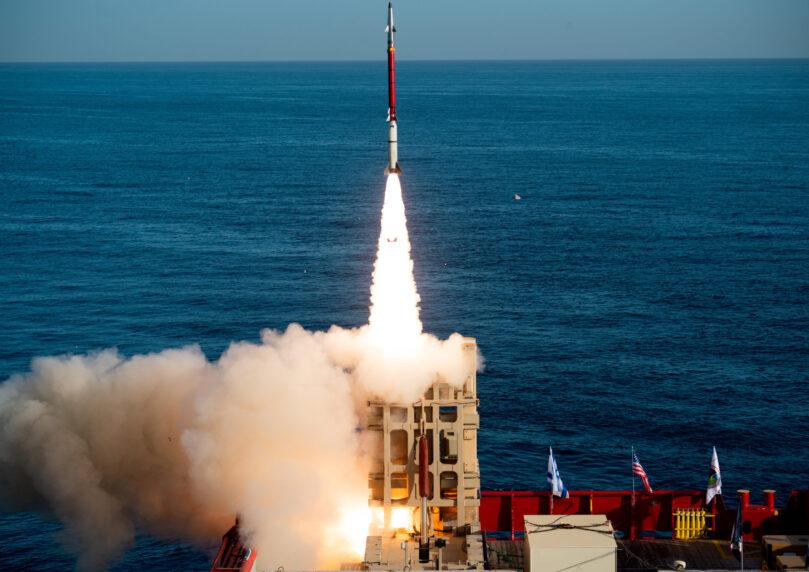

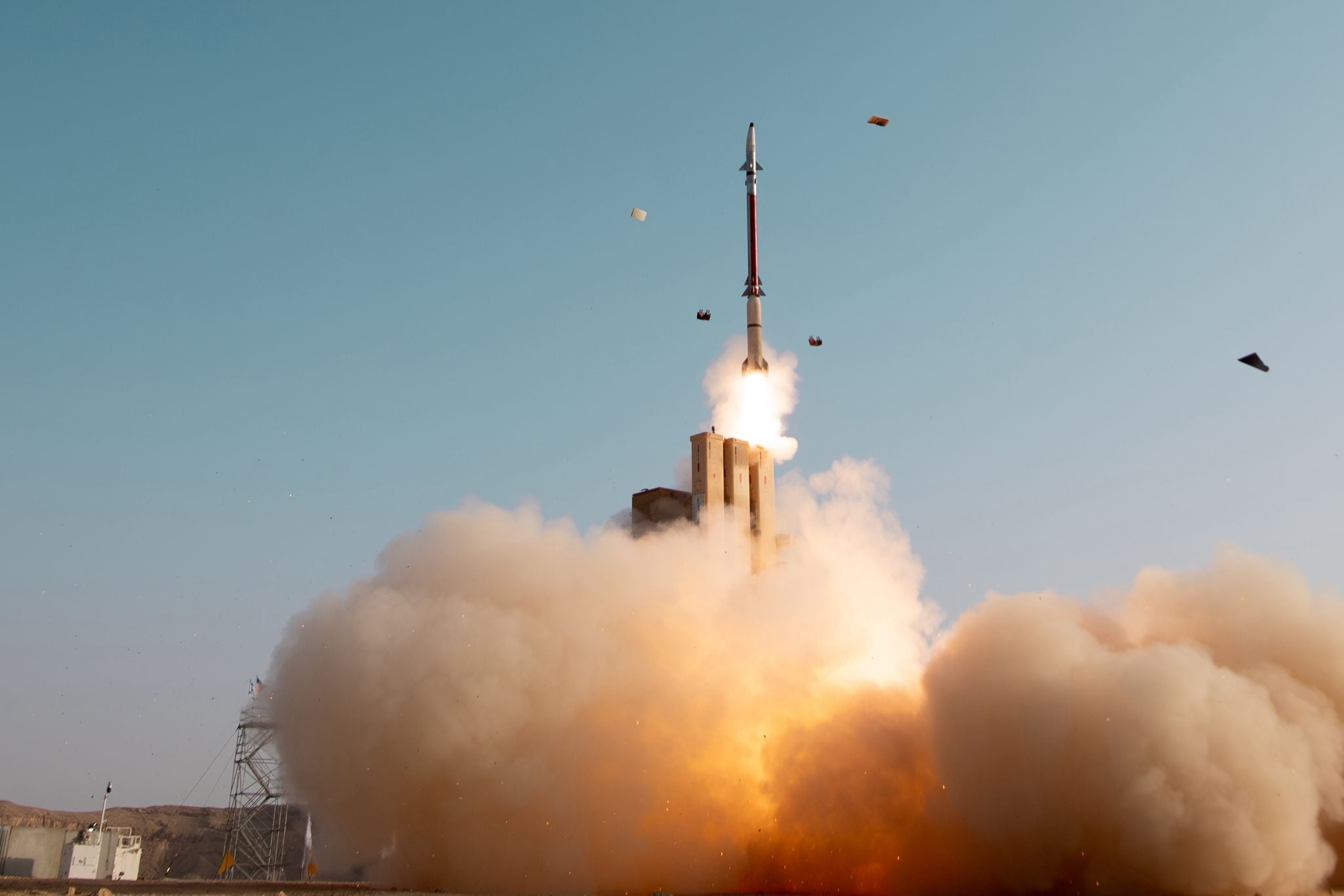
Bloomberg reported Friday that Israel has upgraded David’s Sling, its air defense system designed to intercept drones and heavy missiles. According to the report, the system is now adapted to handle “a wide range of ballistic threats and to withstand weeks of sustained attacks,” according to the chief researcher of the Air Force’s air defense division.
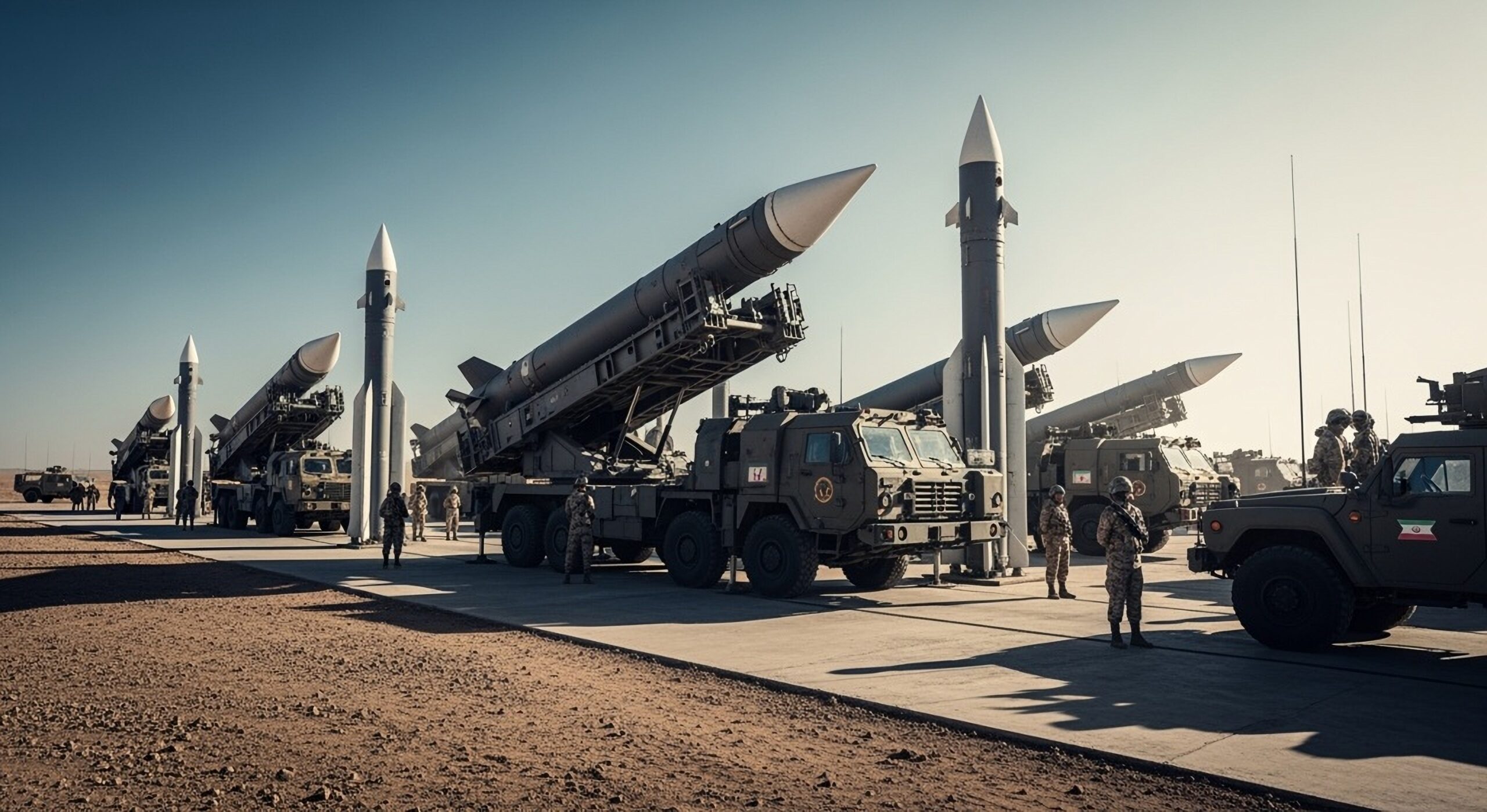
The move addresses a central challenge facing Israel and the U.S. in the current conflict. While Iran and terror groups’ attack costs are becoming cheaper and more accessible, interceptor missiles are significantly more expensive and ammunition stockpiles are shrinking.
The report notes that Israel’s approach differs from Washington’s, which focuses on long-term commitments to accelerate production of expensive interceptors like the Patriot PAC-3. At the same time, allies in Europe, Asia-Pacific, and the Middle East remain largely dependent on external supply.
According to Bloomberg, the key advantage of David’s Sling—which fires Magic Wand interceptors and now roughly matches the Patriot system’s capabilities—is its lower cost and faster production. The Magic Wand missile, jointly developed by Rafael and RTX, costs only about $1 million—roughly a third the price of an Arrow 3 interceptor that defends the upper layer, and compared to over $4 million for an American PAC-3 interceptor.
The report also states that in the past two years, several Iranian ballistic missiles penetrated Israel’s defense array, and that the volume of attacks forced Israel to rely on American systems as well. The upgrades made to David’s Sling now provide a domestically available solution on a larger scale, precisely when Iran is using the lull in fighting to rebuild its missile arsenal.

Uzi Rubin, founder and first head of the Homa Directorate that led development of the Arrow system and now a researcher at the Jerusalem Institute for Strategy and Security, told Bloomberg: “When we developed the first generations of kinetic technical defense against missiles, the concept was that you’re dealing with a few threats, not hundreds or thousands. Now we need to invent cheap kinetic interceptor missiles.”