


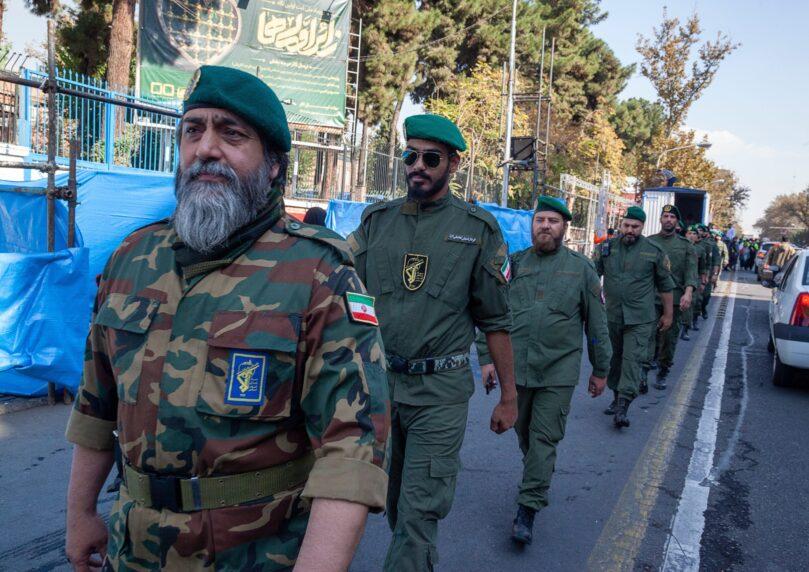

In recent days, Iran has been presenting completely opposite versions: At home, it’s turning off the lights, dealing with gas and electricity shortages, and facing a blockade that’s hitting oil revenues. Abroad, it’s launching missiles again, threatening Gulf states, and showing off its arsenal.


 2+
Starting today, Iran began planned power outages ahead of a winter in which the government is warning of severe gas shortages. President Pezeshkian chose to set an example for his people and is sitting in his office in the dark. But it’s precisely from this pressure that Iran has already decided to try to break the deadlock. ‘Supreme Leader’ Mojtaba Khamenei instructed the country’s leadership to end the “no war, no peace” situation Iran has been in for months. Tehran wants out of a situation where economic and military pressure continues without Iran managing to force a change in the regional equation.
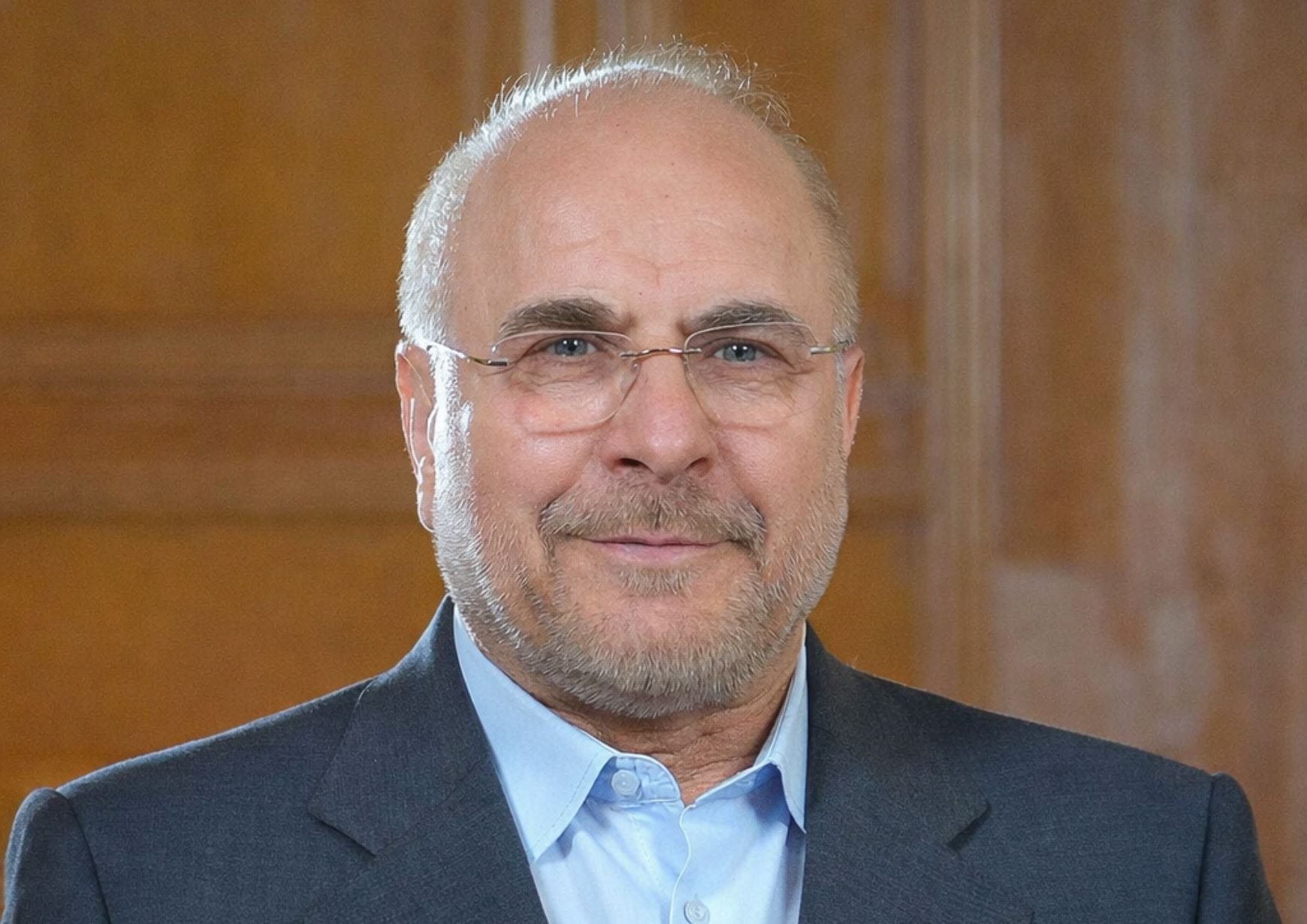
Iranian Parliament Speaker Mohammad Bagher Ghalibaf addressed the directive, saying: “In any case, our brave leader said that the situation of ‘no war, no peace’ cannot continue. Friends, there is only one way to do this, and that is to achieve stable and lasting deterrence.” And this message is already being translated into action.
 2+
Near Kharg Island, more than 14 Iranian oil tankers have been concentrated according to satellite images and tracking data. Tehran is preparing, according to reports, to send them in a kind of convoy and try to break through the American naval blockade after months in which oil exports by sea nearly stopped. And in parallel comes military escalation. The Revolutionary Guards announced overnight a combined attack of missiles and drones against two radars of American Patriot systems in Bahrain.
In recent days, you can also see a change in the Iranian regime’s body language. After months in which senior military officials were very careful about exposure and operated under heavy security from protected locations, suddenly they’re coming out again. Revolutionary Guards commander Ahmad Vahidi, the most powerful man in Iran, is already appearing before cameras and walking the streets. The message Tehran is trying to convey is clear: Fear of another attack is wearing off, and Iran’s leadership is broadcasting that they feel secure enough again to show themselves in public.
 2+
Yesterday, Revolutionary Guards commander Ahmad Vahidi himself went down to the new “missile city.” In the underground facility, missiles, launchers, and also a new launcher capable of carrying two missiles were displayed. Vahidi himself declared that what’s happening to Iran’s enemies is “just the beginning.” He claimed the results of the fighting so far have left the enemy camp defeated, desperate, and confused: “The result of what we’ve been through so far is a defeated enemy camp, despair and hopelessness in the enemy camp, disorder and confusion in the enemy camp.”
He continued: “The things happening to our enemies are just the beginning of the road. You will see, and we will see, with God’s help and grace, their enormous humiliation and helplessness.” The Revolutionary Guards even claim their capabilities have strengthened since the last round of fighting. In Tehran, at least this is what they want to broadcast, they’ve become convinced that Trump isn’t rushing to open another campaign. And as time passes, this confidence is turning into more and more defiance.
This may be the question now sitting in Washington too: Is American restraint perceived in Iran as calculated deterrence, or rather as weakness that gives the regime more and more courage to turn up the flames.