


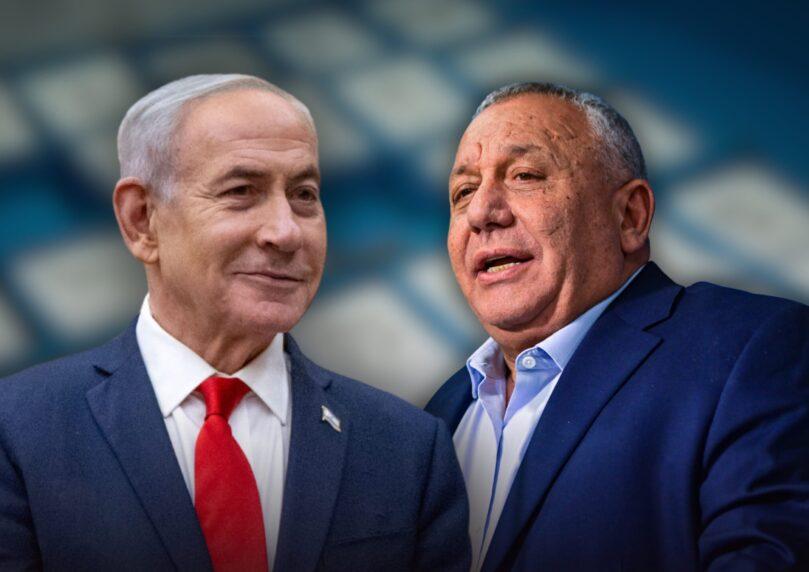

A unity government framework is taking shape behind closed doors that would create a 66-seat coalition including Likud, Religious Zionism, Yashar, and Bennett’s party—with equal bloc representation of 33-33 mandates.
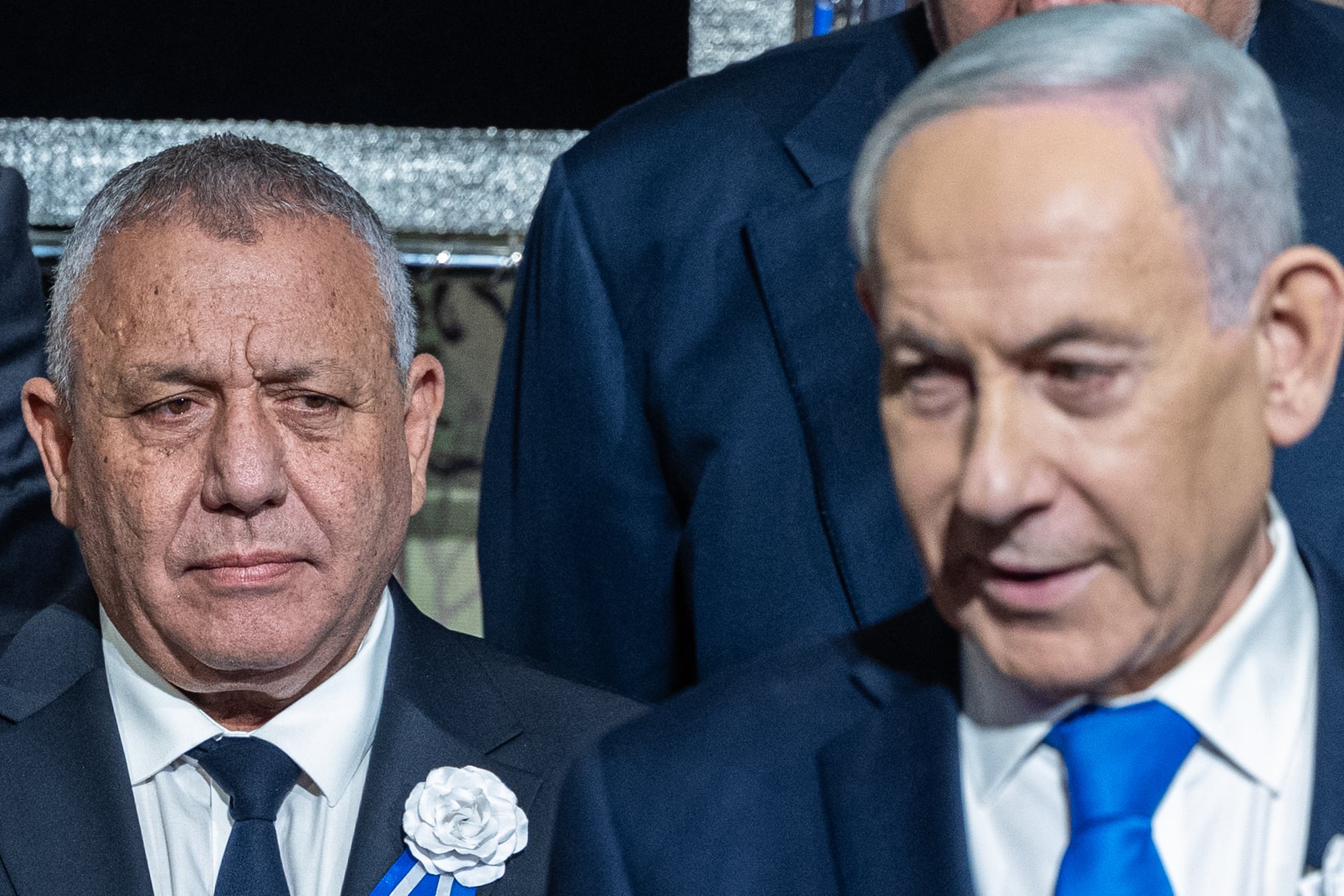
Under the proposal being discussed, Prime Minister Benjamin Netanyahu would serve for a year and a half before moving to the President’s Residence in July 2028. Gadi Eisenkot would then replace him as prime minister for two and a half years.

 1+
An earlier proposal for year-by-year rotation between Netanyahu and Eisenkot has been taken off the table. The current framework calls for Netanyahu’s move to the presidency to also freeze the legal proceedings that have torn the country apart for years.
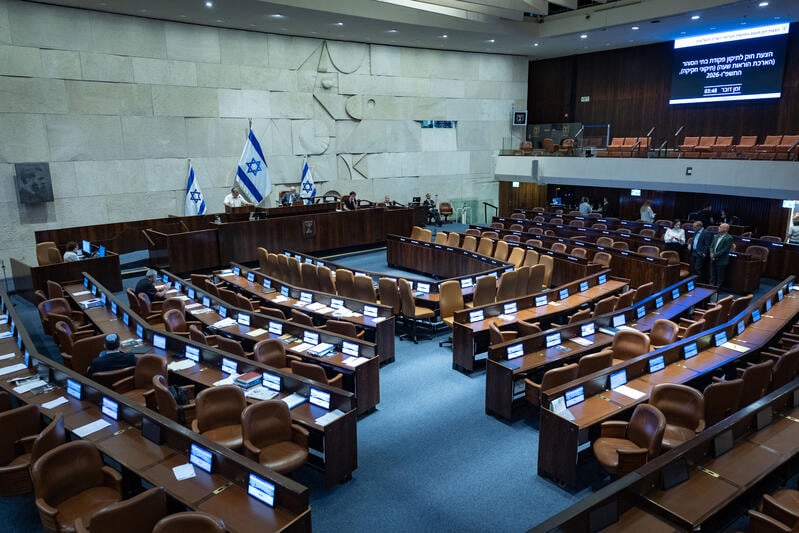
Eisenkot’s team is demanding equal bloc representation: Likud (27 seats) and Religious Zionism (6) would form one bloc, while Yashar (21) and Bennett’s party (12) would form the other—creating a broad coalition of 66 mandates total.
 1+
Under this framework, the ultra-Orthodox parties would support the government from outside and receive in return a draft law, budgets, and positions such as Knesset Finance Committee chair. As part of the checks and balances, Matan Kahana would continue in his role during the first period, with the Knesset speaker position then moving to the right-wing bloc when Netanyahu transitions to the presidency.
The proposal is advancing, but one major obstacle remains: the left-wing bloc is insisting on a state commission of inquiry.
Likud responded to the report: “The story is not accurate. No such proposal has been put forward. The prime minister has made clear many times that he is going to a unity government with all his partners, including the ultra-Orthodox parties, and this was clarified today in the negotiation talks as well.”