


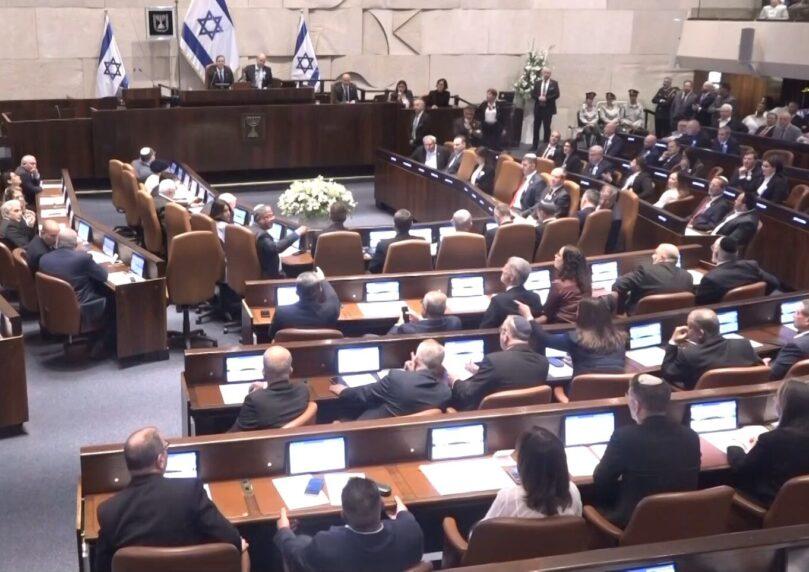

A day after the swearing-in ceremony for the members of the 26th Knesset, the parliamentary race began today (Wednesday) with the approval of the establishment of the Arrangements Committee. The committee will be chaired by MK Roy Folkman of the Yashar party, following a vote of 63 in favor and 50 against. Shortly thereafter, the committee convened for its first session and approved—by a margin of 13 to 9—the establishment and composition of two key interim committees: the Foreign Affairs and Defense Committee and the Finance Committee.
These votes highlighted the current alignment of political blocs within the Knesset, revealing that the center-left bloc’s majority relies heavily on the support of the Arab factions—Ra’am and the Joint List—which tipped the scales against the opposition from the National Camp and the Ultra-Orthodox (Haredi) factions.
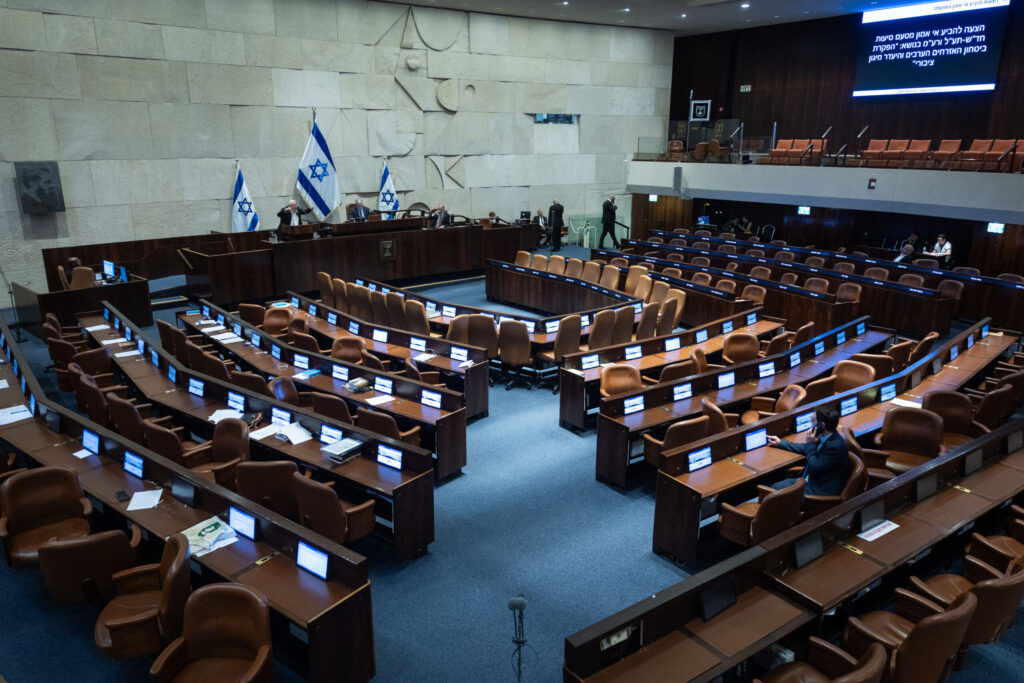

The formation of these interim committees at this stage—prior to the establishment of a new government and while Gadi Eizenkot holds the mandate to form one—is intended to ensure governmental continuity and parliamentary oversight. The Arrangements Committee is tasked with overseeing the House’s procedures and holds the powers of the House Committee, while the Foreign Affairs and Defense Committee is responsible for supervising IDF operations, reserve mobilization, and the approval of operational orders.
Concurrently, the Finance Committee serves as the central hub for controlling state budgets, approving urgent financial transfers to the defense establishment, and providing economic responses to the damages caused by the war. The Arrangements Committee itself was established based on a proportional key—one representative for every five Members of Knesset—and comprises a total of 22 members. Its composition includes five representatives from the Likud, four from the Yashar faction, two from the Beyachad faction, two from the Joint List, two from The Democrats, two from Ra’am, and one representative each from the Yisrael Beiteinu, Otzma Yehudit, United Torah Judaism, Shas, and Religious Zionist factions.
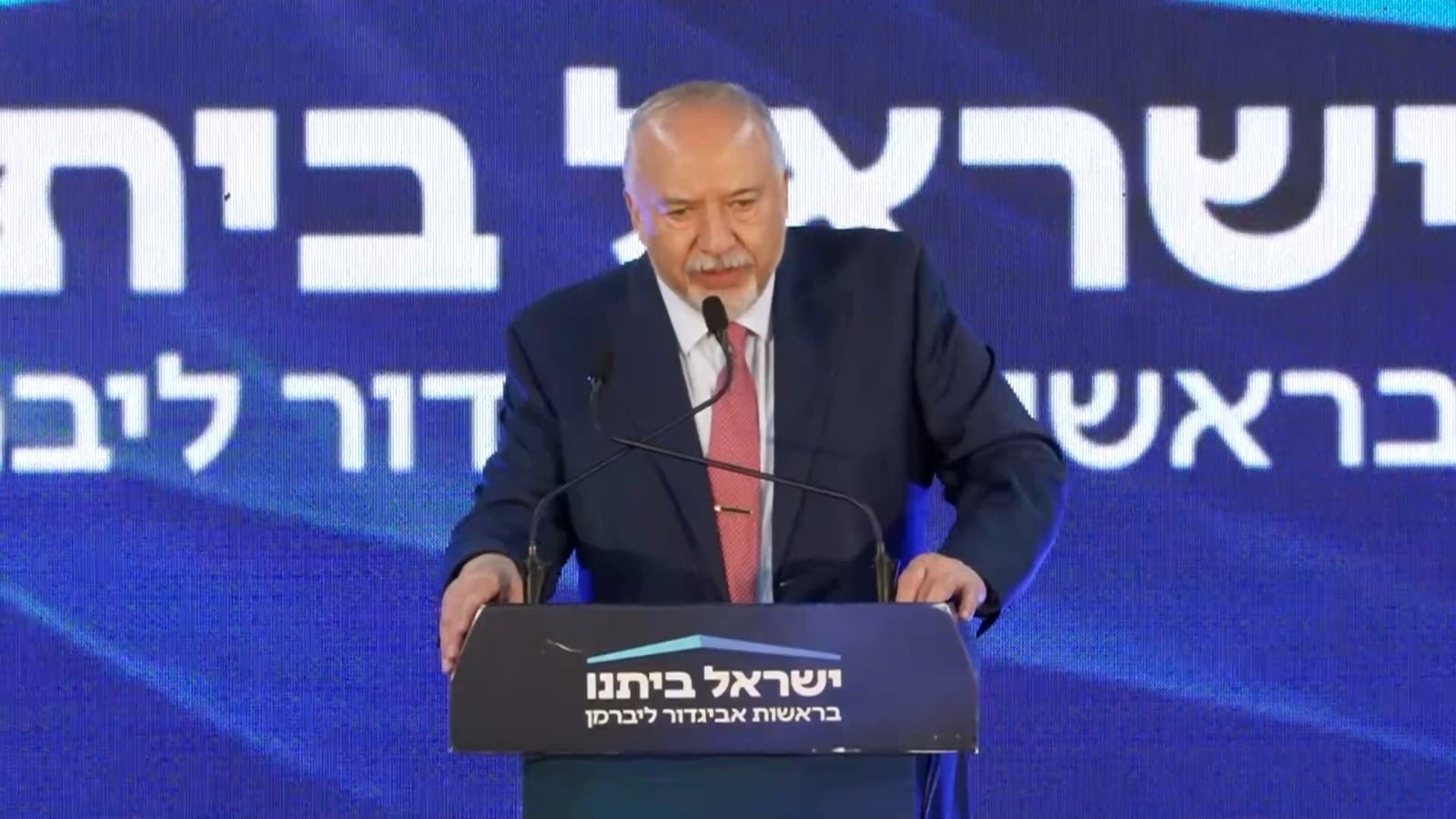
The Arrangements Committee has recommended appointing Yisrael Beiteinu Chairman, MK Avigdor Liberman, to head the interim Foreign Affairs and Defense Committee, which will consist of 17 members. Serving alongside Liberman on behalf of the Likud faction will be MKs Boaz Bismuth, Yaakov Bardugo, Ofir Katz, and Elisha Madan. The Beyachad faction will be represented by Ram Ben-Barak and Keren Turner.
The remaining members of the committee include Yair Golan, representing the Democrats; Yoav Segalovitz representing Ra’am; Limor Son Har-Melech from Otzma Yehudit; Elyakim Stark from United Torah Judaism; Yinon Azoulay from Shas; and Simcha Rothman from the Religious Zionist faction. Omri Ronen will serve as a substitute for Golan, and Yonatan Shalev as a substitute for the representative of the Yachad faction.
MK Liran Avishar Ben-Horin, of the Yachad faction, will chair the interim Finance Committee, following the Arrangements Committee’s approval of its 17-member composition. During the discussion, a lively debate arose regarding potential conflicts of interest stemming from her husband’s professional ties. Avishar Ben-Horin stated that, although the government’s conflict-of-interest regulations do not formally apply to the Knesset, she intends to adhere to the strictest possible standards and will recuse herself from matters that could present such issues.
The other approved members of the Finance Committee include MKs Yaakov Bardugo, David Peter, Talik Goyali, and Eti Atiya from the Likud; Noam Tibon from the Yachad faction; and representatives from the Yashar faction (whose full names will be released at a later date). Ahmad Tibi and another representative from the Joint List; Naama Lazimi from The Democrats; Iman Khatib-Yasin from Ra’am; Hamad Amar from Yisrael Beiteinu; Yitzhak Kroizer from Otzma Yehudit (alongside whom Hanamel Dorfman is expected to serve); Yaakov Asher from United Torah Judaism; Yinon Azoulay from Shas; and Zvika Mor from the Religious Zionist Party.

Alongside the committee appointments, an intense legislative race has begun over the past few days, highlighting the primary points of contention in the 26th Knesset. At the center of this legislative activity are two parallel bills seeking to repeal the Broadcasting Law (the “Karhi Law”), based on claims of procedural flaws during its approval in the previous Knesset. One bill was submitted jointly by members of the Yashar, Yachad, The Democrats, Yisrael Beiteinu, Ra’am, and Joint List factions, while a second, parallel bill was submitted separately by members of The Democrats faction. Concurrently, the Yashar faction—together with the Yachad, The Democrats, Yisrael Beiteinu, Ra’am, and Joint List factions—has introduced a bill to establish a State Commission of Inquiry into the events of October 7th and the “Swords of Iron” war. Additional legislative initiatives were introduced by these parliamentary factions: Yair Lapid submitted three major bills—enshrining the Declaration of Independence in a Basic Law, establishing a civil union framework, and limiting the Prime Minister’s tenure to eight years. For its part, “The Democrats” faction presented a legislative package aimed at repealing a series of laws enacted by the previous government, alongside a dedicated bill for the rehabilitation of communities in the north.
On the other side of the spectrum, representatives of the right-wing and ultra-Orthodox (Haredi) factions introduced bills that prioritize their core principles. Members of Knesset Meir Porush and Elyakim Stark, from the United Torah Judaism party, submitted two urgent bills to regulate the status of yeshiva students; these include a full exemption from military conscription starting at age 26, as well as an immediate freeze on arrest warrants and sanctions against yeshiva students. Concurrently, MK Simcha Rothman of the Religious Zionist Party resubmitted 85 bills from the previous Knesset, including approximately 20 proposals to reform the judicial system—three of which had already passed a first reading in the past.