


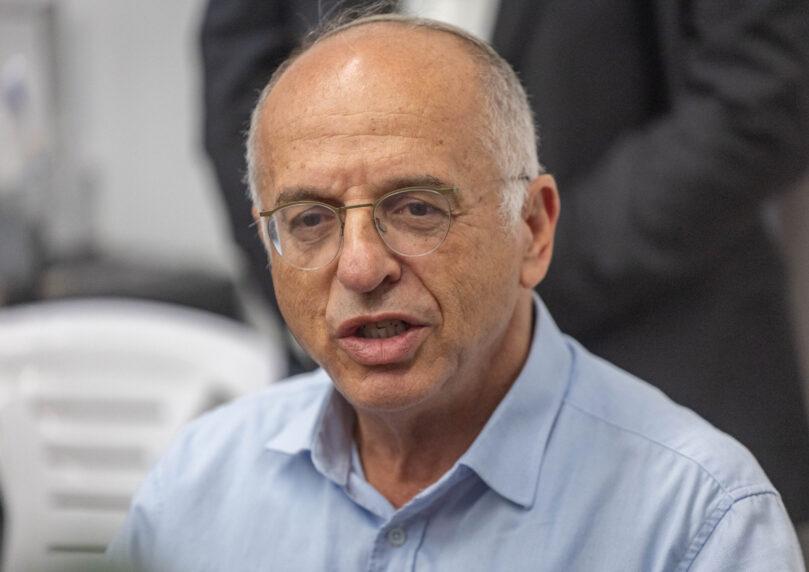

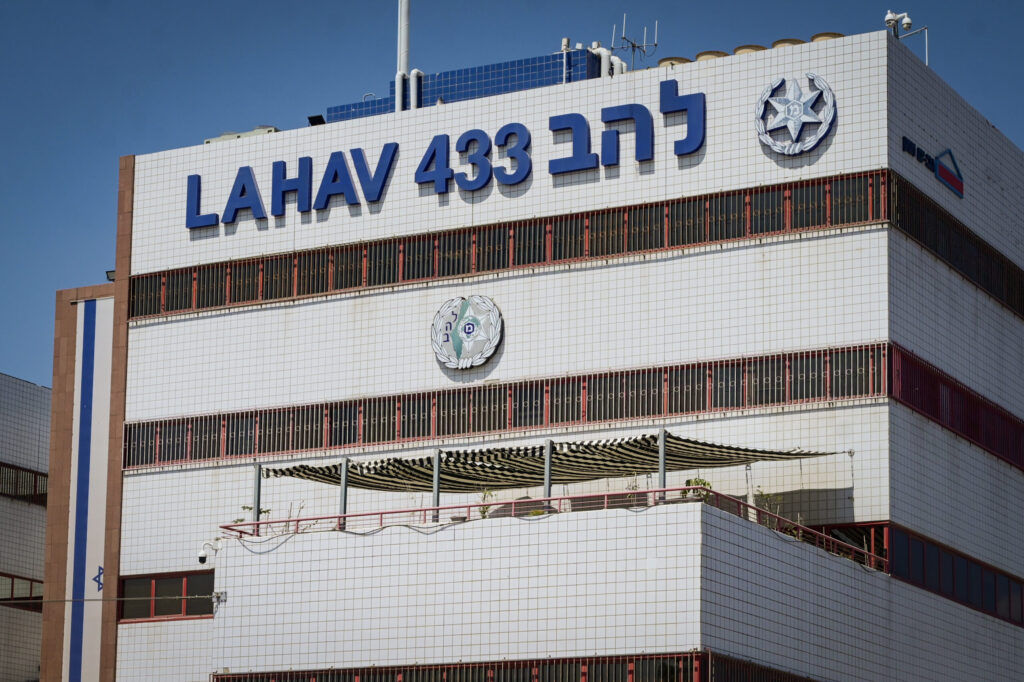
The Ra’am election bribery scandal, which saw four more suspects arrested Thursday, didn’t emerge out of nowhere. Together with three suspects arrested on election day, the total number detained in the case has reached seven. The investigation has been transferred to the National Fraud Investigation Unit, Lahav 433.

 6+
But the ballot jihad affair isn’t the starting point. For more than a decade, election observers, polling station committee members, and party representatives have complained about voting using other people’s ID documents, improper insertion of ballot envelopes, votes cast in the names of citizens who never showed up at polling stations, and threats against representatives.
Some of the allegations turned out to be errors or weren’t supported by evidence. Others led to the disqualification of polling stations and the transfer of findings to police. Despite this, in many cases it was never published how the investigation ended, whether suspects were located, or why indictments weren’t filed.
Two Polling Stations Disqualified in Kafr Qasim
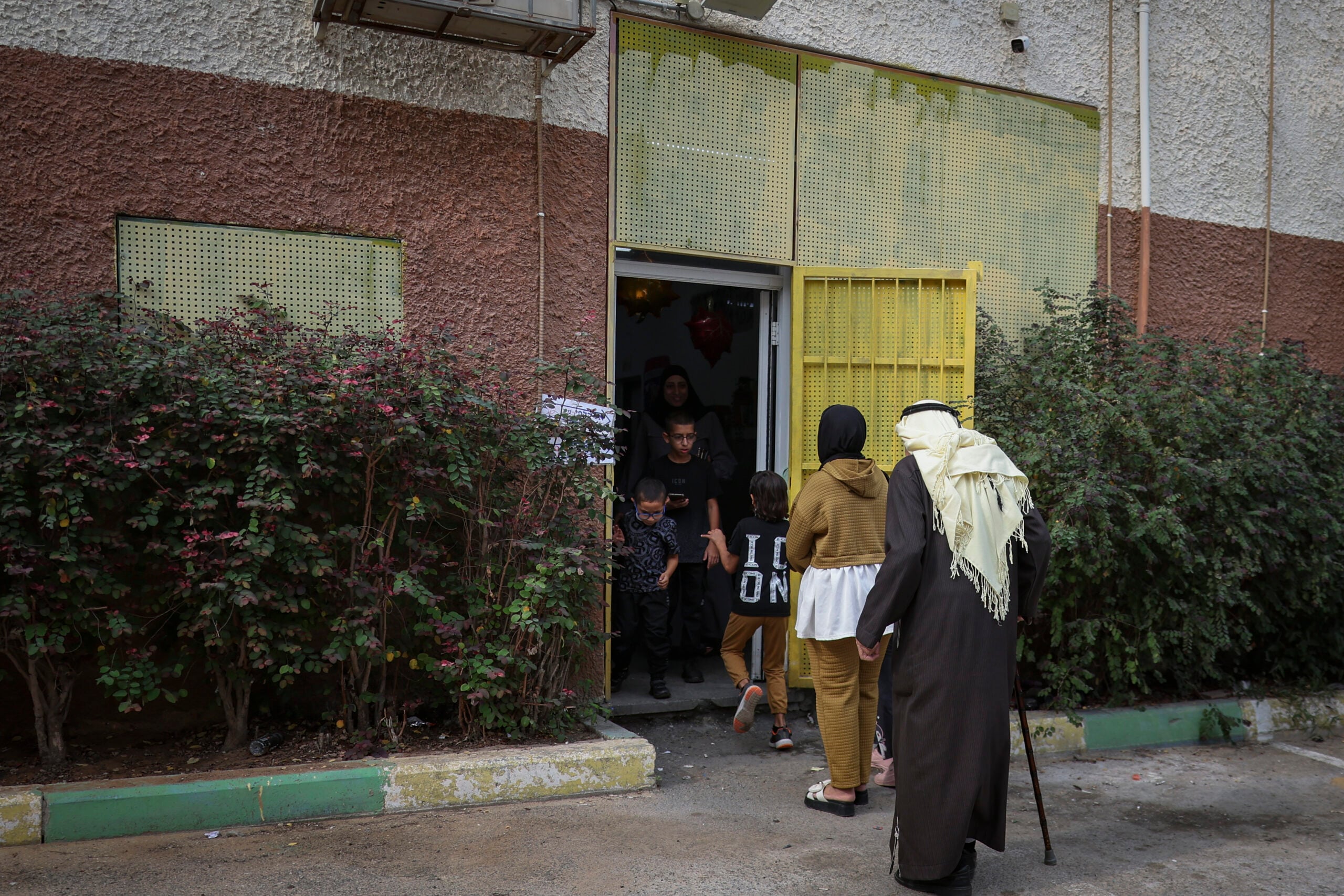
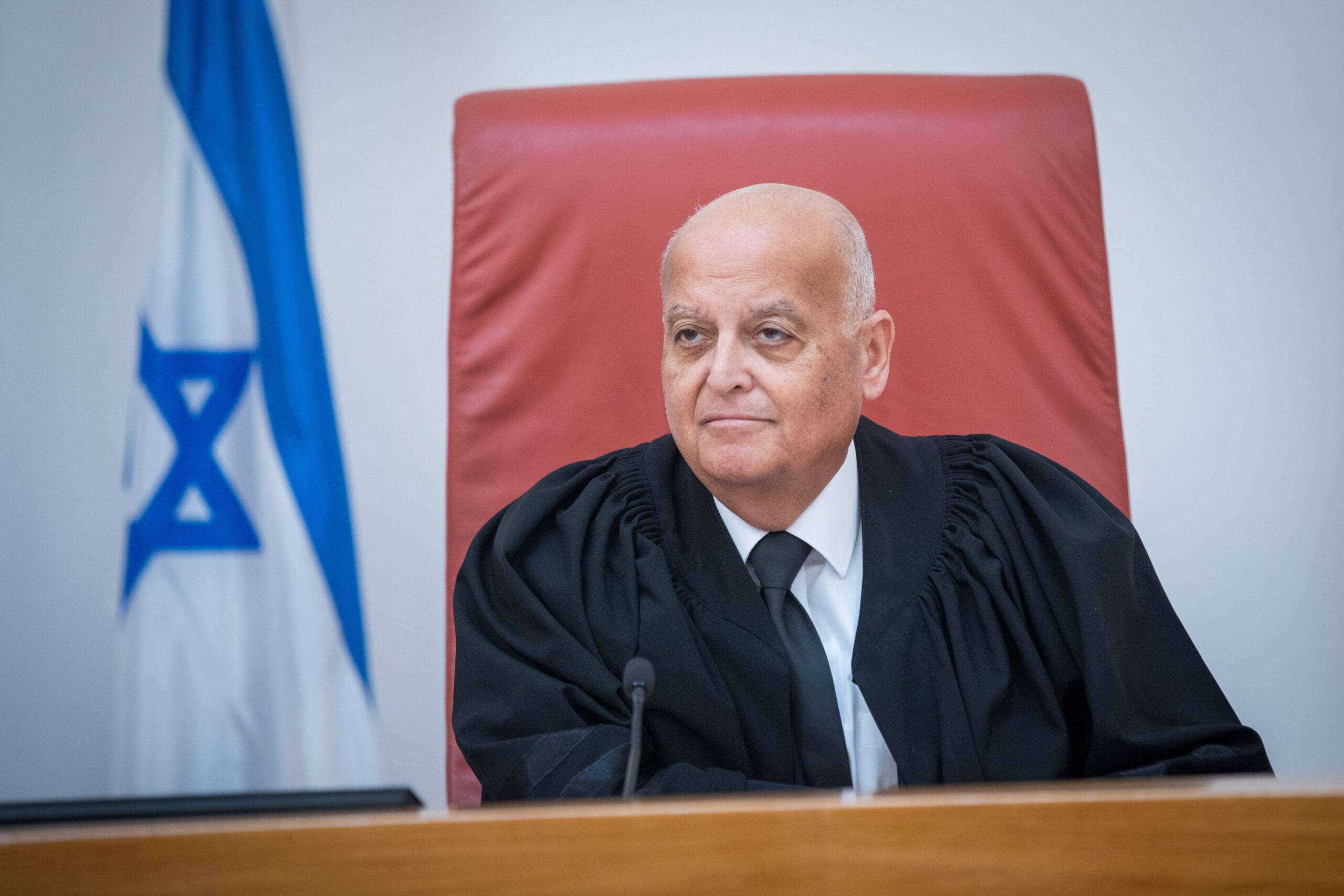
In the 2015 elections, then-Central Elections Committee Chairman Justice Salim Joubran ordered that two polling stations in Kafr Qasim not be included in the results. Examination revealed discrepancies of 48 and 47 votes between the number of voters who voted legally and the recorded results.
 6+
Another polling station in Tayibe was examined as part of the same decision. There too, concerns arose about violations of election integrity, but Joubran determined the control data could be explained in a certain way. Due to the doubt, its results were included in the final tally.
The suspicions regarding all three polling stations were transferred to police. Joubran demanded a swift and thorough investigation and made clear that “there can be no tolerance for violations of election integrity.” Despite this, no details of the investigation’s results or criminal proceedings opened in its wake were found in available publications.
Dozens of Suspect Polling Stations in 2019
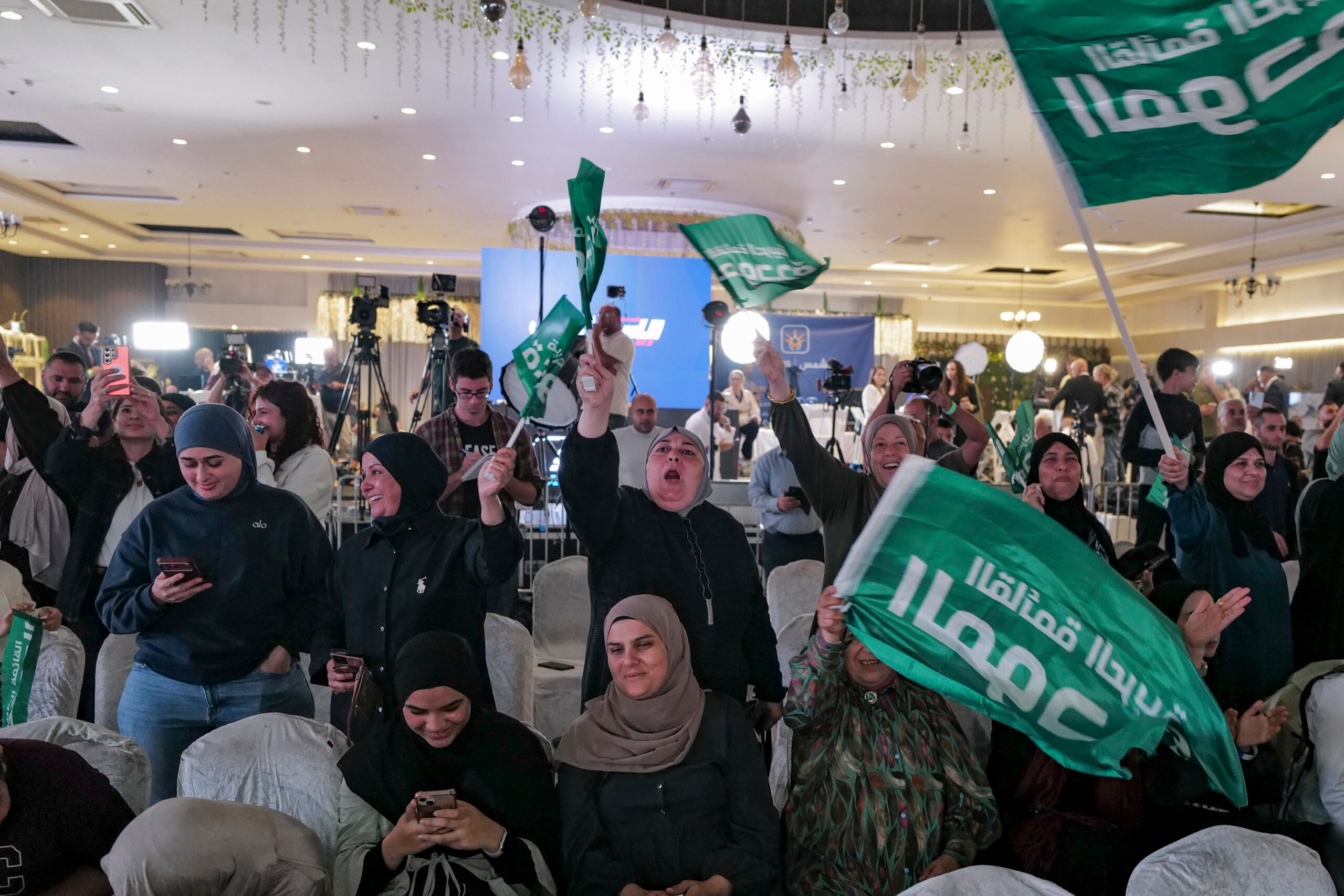
The suspicions continued in both election campaigns held in 2019. In a complaint filed by then-Central Elections Committee Chairman Justice Hanan Melcer, serious irregularities were mentioned in dozens of polling stations.
 6+
According to complaint details published in The Times of Israel, the suspicions involved 13 polling stations in Yarka, five in Pardis, three in Shfaram, two in Sakhnin, and two in Kafr Qasim, among others. Additional suspicions arose in polling stations in Tamra, Deir al-Asad, Rahat, and other communities.
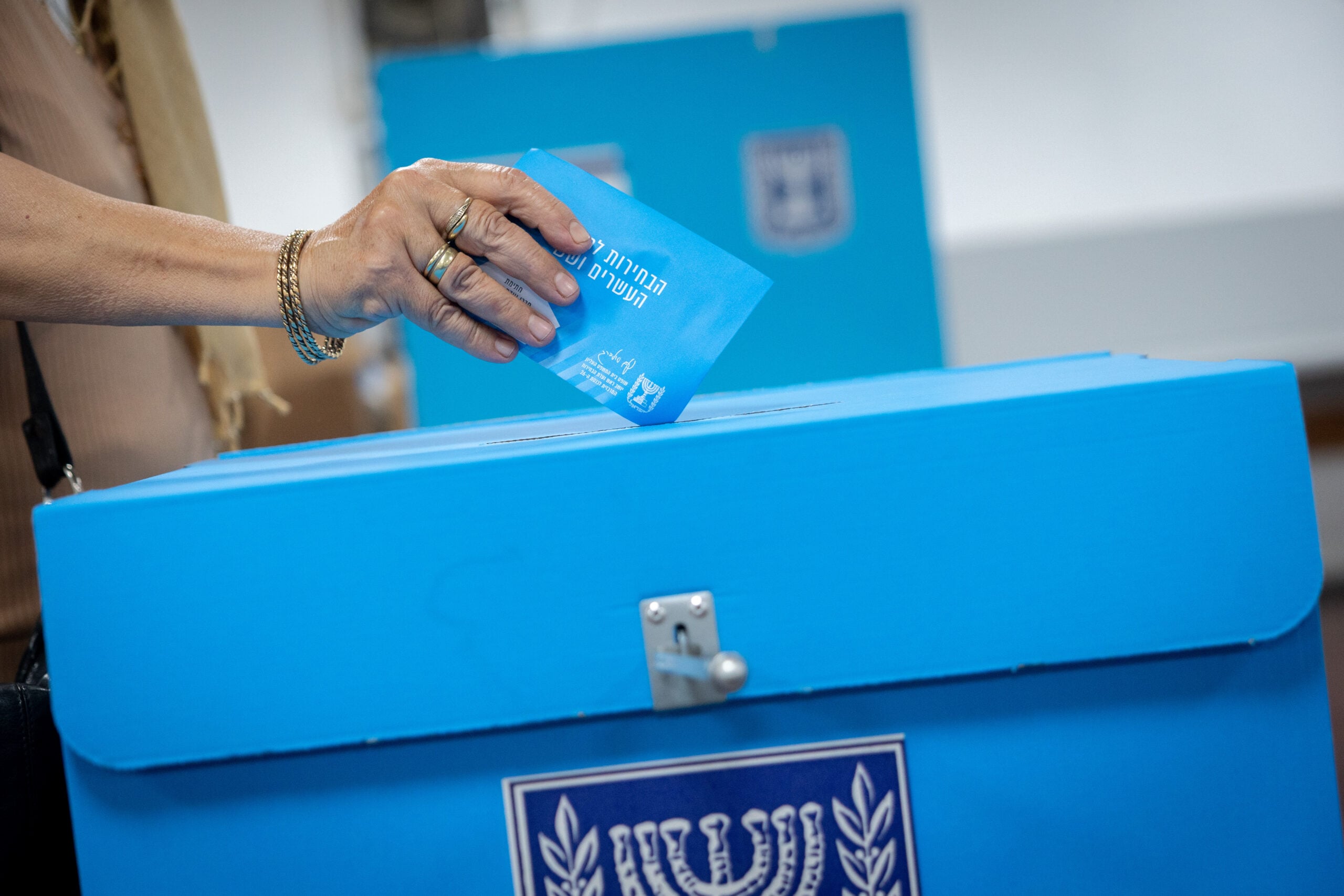
In one case in Sakhnin, it was alleged that a polling committee member inserted 25 envelopes into the ballot box and erased from the voter registry the names of citizens who hadn’t come to vote. In Tamra, an indictment was filed against a polling committee chairman who inserted seven improperly signed envelopes. He was convicted of illegal voting.
 6+
In Pardis, a polling station’s results were canceled after a committee member was suspected of inserting 56 signed envelopes while a person impersonating an elections committee representative removed most committee members from the room. An indictment was filed against the committee member.
Three Polling Stations Transferred to Police
After Israel’s 2020 elections, Elections Committee Chairman Justice Neal Hendel transferred three polling stations to police investigation due to suspicion of criminal offenses. In Iksal, a discrepancy was found between the number of votes credited to the Joint List in the protocol and the ballots found in the polling materials. In Rahat, the number of envelopes signed by committee members was smaller than the number of envelopes in the box, and some appeared arranged as if they hadn’t been used.
At a polling station in Lod, the number of valid votes was eight higher than the number of voters recorded as having voted. Here too, no full details of the investigation results were published, so it’s impossible to determine whether the cases were closed, suspects located, or indictments filed.
 6+
154 Complaints—One Indictment
National data published in November 2022 shows the gap between the number of complaints and the number of indictments. According to police response to The Times of Israel, during and following the 2021 elections, 154 complaints were filed regarding suspected forgeries, fraud, and attempted forgery.
As of the publication date, 153 of the complaints were closed by police and the prosecution. Only one led to an indictment. Police didn’t detail the reasons for closure and stated the cases were closed “for various reasons.” The figure refers to the entire country and isn’t limited to polling stations in Arab society.
 6+
The suspicions regarding all three polling stations were transferred to Israel Police. Joubran demanded a thorough and swift investigation and made clear that “there can be no tolerance for violations of election integrity and the law must be fully enforced against those who violate this principle.”
When Authorities Acted—Investigations Ripened into Indictments
The fight against election integrity violations has also yielded results. Following the two 2019 election campaigns, 13 indictments were filed, and in 12 additional cases conditional agreements were signed for minor offenses. Suspicions were investigated, votes were disqualified, and defendants were brought to trial.
The data prove that when complaints are thoroughly examined and evidence is collected in time, it’s possible to reach suspects and fully enforce the law. Polling station oversight mechanisms, observers’ work, and the transfer of findings to police succeeded in several cases in preventing suspect votes from being included in the results.
 6+
The ballot jihad scandal will be an opportunity to prove that enforcement systems are capable of handling even a complex affair involving suspected election bribery and foreign financing. The investigation can provide the public with clear answers: where did the money come from, for whom was it intended, was it distributed to voters, and did entities outside Israel try to influence the elections.
If the suspicions are refuted, publication of the findings could remove the cloud over the election results. If evidence is found, a swift and professional investigation that ripens into indictments could strengthen public trust and make clear that anyone attempting to violate election integrity will be held accountable.