


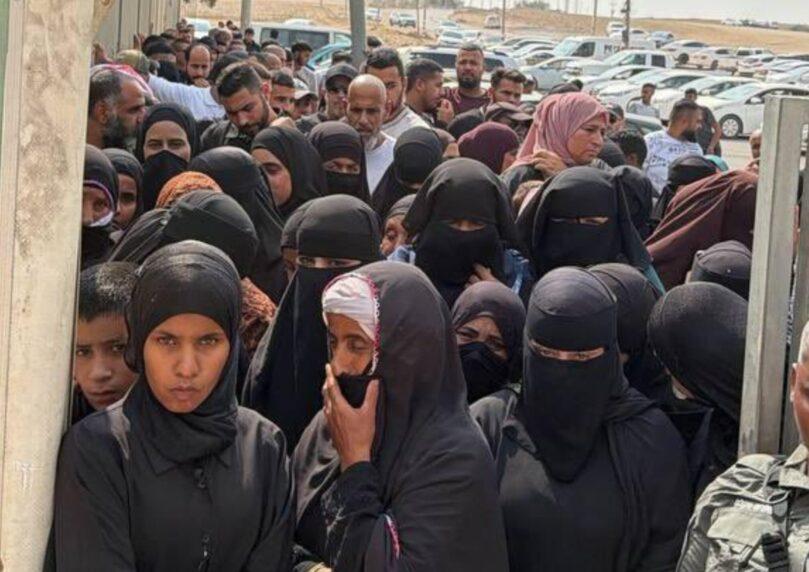

Voting data from today’s (Tuesday) elections for the 26th Knesset paint a worrying picture: many of the communities leading in turnout are those where left-wing and Arab parties won broad support in the last election.
An analysis of the top 20 communities by turnout, compared to results from the 25th Knesset elections in November 2022, shows that in ten communities Yesh Atid (now the Yachad party led by Bennett) was the largest party, in one community the National Unity party led, and in three communities Arab parties led.
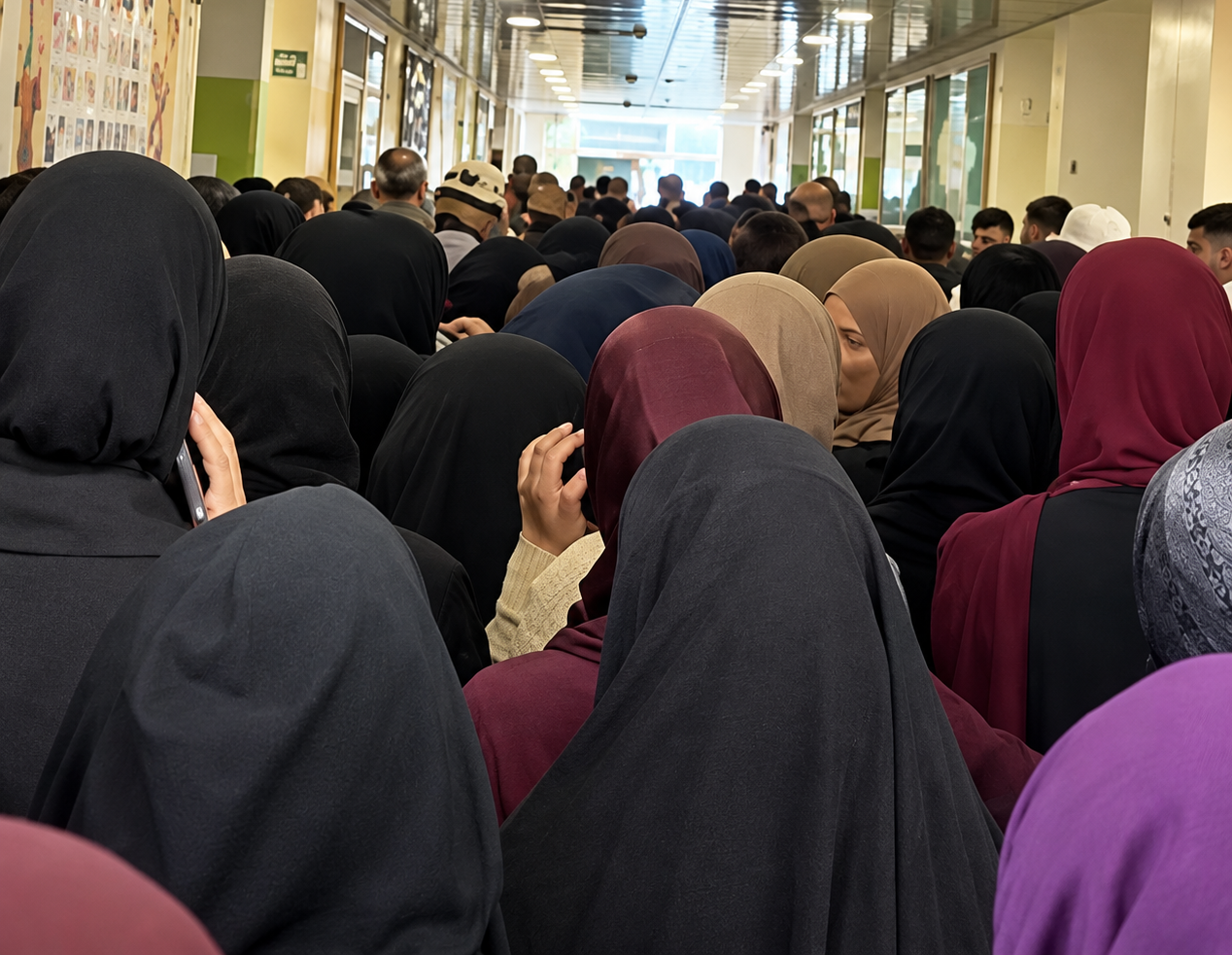
By contrast, right-wing parties led in only five communities, and in one community, Avigayil, separate voting data from the previous election doesn’t exist.
At the Top: Communities Where Arab Parties Won Overwhelming Majorities
Leading the turnout table is Atauna (tribe), which recorded an exceptional turnout of 64.1%. In the previous election, the Hadash-Ta’al list received 67.6% of valid votes there.
In second place is Qasr a-Sir, with a turnout of 47.9%. In the 2022 elections, Ra’am won 96.6% of valid votes there—an almost absolute majority. In third place is Qabu’a (tribe), with 47.8% turnout. There too, Ra’am recorded a decisive victory in the previous election, with 90.6% of votes.
These three communities stand out particularly at the top of turnout rates. However, these are communities with relatively small voting populations, so caution is needed before drawing conclusions about voting patterns in Arab society as a whole.
Center and Left Communities: Notable Presence in the Top Ten
Further down the top ten, there’s a significant presence of communities where center and left parties previously won broad support.
In Nirit, ranked fifth with 47.6% turnout, Yesh Atid received 46.2% of votes in the previous election. In Eshrat, ranked seventh with 45.7% turnout, Yesh Atid got 49.4% of votes. A similar picture emerges from Kfar Ruth, Mahane Hila, Tzorit, and Mahane Yehudit—in all of them, Yesh Atid was the largest party in the 2022 elections.
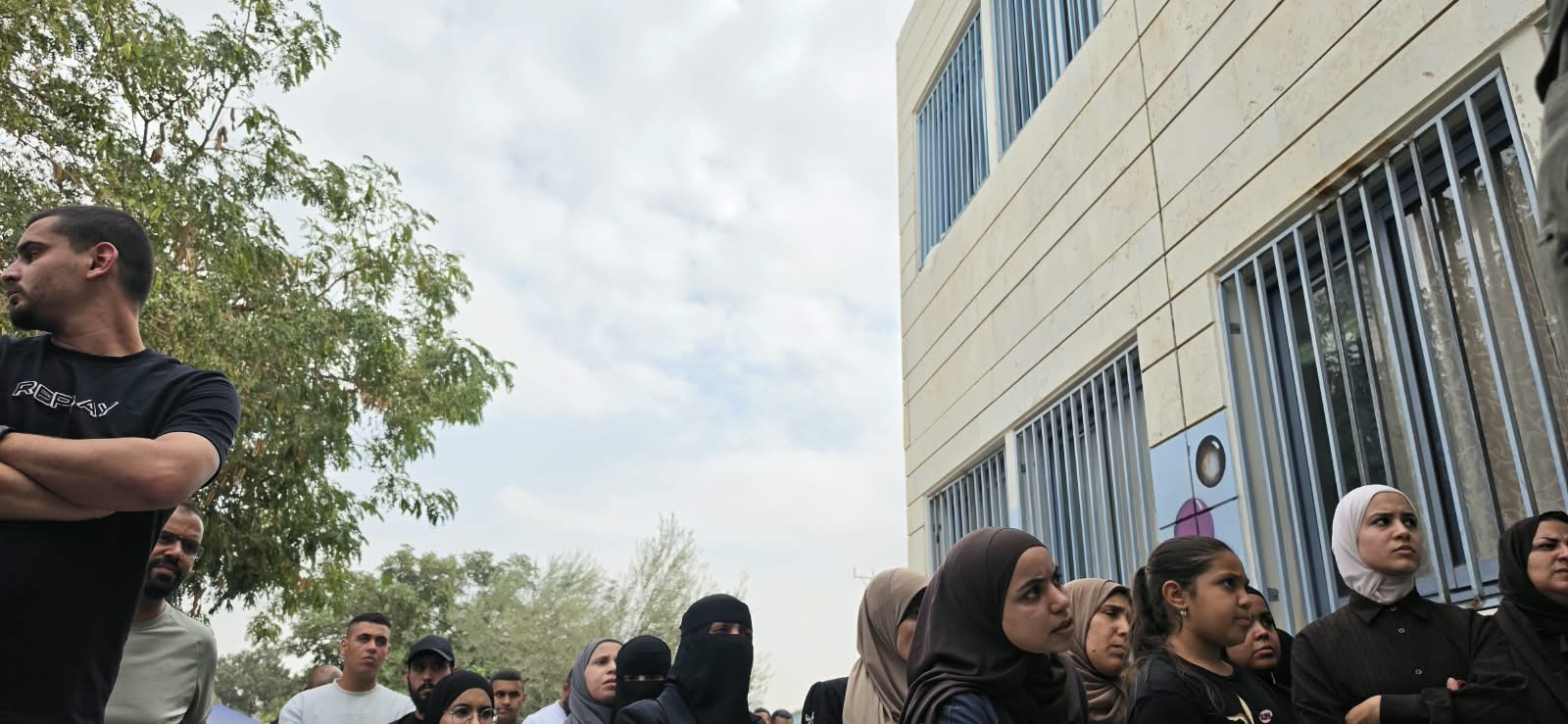
In total, in six of the top ten communities, Yesh Atid was the leading party in the previous election, and in three others Arab parties led. In second place in the ranking is Avigayil, for which separate voting data from 2022 doesn’t exist.
The Trend Continues in the Second Ten
In places 11 through 20 in the ranking, communities where center parties won significant support in the previous election also appear. In Tzohar, ranked 11th with 44.4% turnout, Yesh Atid was the largest party in 2022, with 35.9% of votes.
In Karmei Yosef, ranked 13th with 43.9% turnout, Yesh Atid won 43.5% of votes. In Givat Shapira, ranked 14th with 43.8% turnout, the party received 52% of votes.
In Harel too, ranked 19th with 42.8% turnout, Yesh Atid led in the previous election, with 35.4% of votes. At the same time, Labor and Meretz together won about 44.9% of votes in the community—a figure indicating significant support for left-wing parties as well.
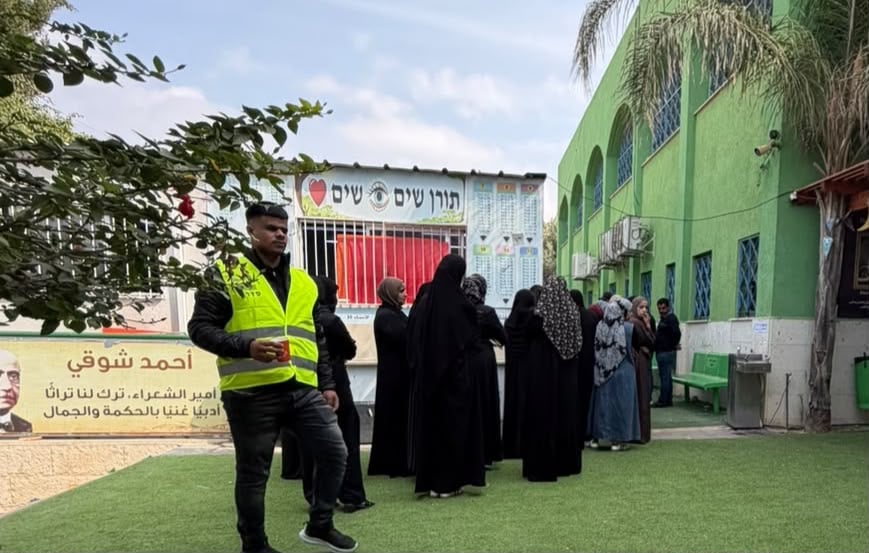
In Mahane Miriam, ranked 17th with 43% turnout, National Unity was the largest list in the previous election. Of the ten places in the second ten, five are communities where left and center parties led, and only five are communities where right-wing parties led.
Does the Turnout Data Signal a Political Awakening?
The data points to a notable presence of communities where center parties and Arab parties won significant support in the previous election. Of the 20 communities leading in turnout, in 14 of them Yesh Atid, National Unity, or Arab parties led in the 2022 elections. Only in five did right-wing parties lead, and for one community, as mentioned, no separate comparative data exists.
It should be noted that Yesh Atid and National Unity, which no longer exist in their current form, belong to the left bloc and Netanyahu opponents. At this stage, the picture emerging from the turnout ranking is clear: communities where left and center parties and Arab parties led occupy a significant place at the top—alongside a weaker presence of right-wing strongholds.